

Synopsis
Covers the whole plot, including the ending.
- Difficulty
- Easy
- Pacing
- Moderate
- Mood
- Melancholy, Poignant, Reflective, Tragic
- Read it if
- You enjoy allegorical fables about love, sacrifice, and the often-unrequited nature of devotion, told with elegant prose.
- Skip it if
- You prefer happy endings or find stories with tragic, unrewarded sacrifice too disheartening.
The Nightingale and the Rose Plot Summary
Covers the whole plot, including the ending.
The Student's Lament
The story opens with a young Student weeping bitterly beneath an oak tree. He loves a Professor's daughter, who has promised to dance with him at the Prince's ball if he brings her a red rose. He cannot find a single red rose in his garden. He laments that without this rose, he will be unable to win her affection, and his love will be in vain. He believes the red rose is the only path to his beloved's heart, equating it with true love itself. He feels that the small cost of a rose is a cruel barrier to his happiness.
The Nightingale's Compassion
A Nightingale, perched in an oak tree, observes the Student's distress. She has sung of love her entire life, believing it to be beautiful and precious. Witnessing the Student's sorrow over what he perceives as a lost love, she is moved. She initially believes his tears are genuine expressions of true love, thinking that what she has sung in her songs is finally being manifested in human form. She feels a connection to his suffering, interpreting his despair as a sign of the power and purity of his affection for the girl. This inspires her to help him.
The Quest for a Red Rose
Driven by her empathy, the Nightingale flies off to find a red rose for the Student. Her first stop is a rose-tree at the center of the lawn. She asks for a red rose, but the tree only has white roses, explaining that its roots are in the white snow. She then flies to another rose-tree, which bears yellow roses, its roots deep in the golden sand. Each rose-tree she encounters can only produce roses of its own color, leaving the Nightingale increasingly desperate. The quest shows the natural limitations of the world in fulfilling the Student's specific desire.
The Scarlet Sacrifice
Finally, the Nightingale reaches a third rose-tree, which confirms it can produce red roses, but only under a dire condition. The tree explains that to create a red rose in winter, the Nightingale must sing to it all night long, with her breast pressed against a thorn. Her heart's blood must flow into the rose-tree's veins, staining the petals crimson. This is the only way to transform the pale moonlight into the color of a rose and the lifeblood into its passion. The rose-tree lays out the stark, painful sacrifice required, presenting the Nightingale with a life-or-death choice.
The Nightingale's Decision
The Nightingale, after a moment of contemplation, decides to accept the grim condition. She returns to the Student and tells him of the sacrifice she is about to make, urging him to be a 'true lover' and promising to create a red rose for him. The Student, however, does not understand her language and simply dismisses her as a creature of art, not utility. Unfazed by his indifference, the Nightingale remains committed to her purpose, driven by her idealized vision of love. She resolves to give her life, believing that love is worth any price, even her own existence.
The Song of Creation
As the moon rises, the Nightingale presses her breast against the rose-tree's thorn and begins to sing. She sings of the birth of love, of its passion and its pain. Slowly, agonizingly, her lifeblood drains into the rose-tree. The thorn pierces deeper into her heart as she sings of love's perfection, its joy, and its ultimate sacrifice. The rose-tree begins to bloom, its petals changing from pale white to crimson as her blood flows into it. She sings one final, beautiful note as the rose reaches its perfect scarlet hue, and then she dies, the thorn still in her heart.
The Student's Discovery
The next morning, the Student wakes up and looks out his window. To his delight, he sees a magnificent scarlet rose blooming on the rose-tree. It is the most beautiful red rose he has ever seen, a perfect symbol of his 'love.' He plucks it with joy, completely unaware of the Nightingale's death at the base of the tree. His focus is solely on the object itself and its perceived utility in achieving his desires. He marvels at its beauty, congratulating himself on his good fortune, and prepares to take it to the Professor's daughter.
The Professor's Daughter's Rejection
The Student rushes to the Professor's daughter, presenting her with the exquisite red rose. However, she dismisses it curtly, stating that the Chamberlain's nephew has sent her some real jewels, which are far more valuable than a mere rose. She emphasizes that jewels are more expensive and therefore better, revealing her materialistic and superficial nature. She also implies that a rose doesn't match her dress, further demonstrating her lack of appreciation for the Student's gesture and, by extension, the Nightingale's ultimate sacrifice. Her priorities are clearly shallow and self-serving.
The Student's Disillusionment
The Student, heartbroken and disillusioned by the Professor's daughter's rejection, throws the red rose into the street, where it is run over by a cart-wheel. He declares that love is a foolish thing, full of impracticality and disappointment, and not nearly as useful as Logic or Metaphysics. He returns to his room, pulls out a large dusty book, and resumes his studies, concluding that love is a complete waste of time and effort. His initial idealism about love is shattered, replaced by a cynical and academic perspective, completely missing the profound, selfless act that created the rose.
Principal Figures
The Nightingale
Protagonist
A selfless bird who sacrifices her life for the sake of a Student's perceived love.
The Nightingale is an idealistic and deeply empathetic creature who believes profoundly in the power and beauty of true love. She spends her life singing of love and is moved to tears by the Student's lament, mistaking his superficial desire for a red rose as genuine, profound affection. She embodies purity, self-sacrifice, and an unwavering commitment to her ideals. Her actions are driven by a romantic, almost spiritual, understanding of love, leading her to make the ultimate sacrifice without hesitation. She sees love as the most precious thing in the world, worth any cost.
Relationships: The Student (She sacrifices her life to help him achieve his romantic goal, driven by empathy and an idealistic view of his love.); The Rose-Tree (She forms a symbiotic, albeit fatal, relationship with the tree to create the red rose, giving her lifeblood to nourish it.)
The Student
Protagonist/Foil
A young man who desires a red rose for a superficial romantic pursuit, mistaking infatuation for true love.
The Student is initially portrayed as a passionate, if somewhat naive, young man, deeply upset by his inability to procure a red rose for the Professor's daughter. He believes the rose is the key to winning her heart and laments his misfortune. However, his understanding of love is superficial and self-centered. He is oblivious to the Nightingale's sacrifice and quickly becomes cynical when his romantic gesture is rejected. He values academic pursuits over emotional depth, ultimately dismissing love as a foolish and impractical endeavor when it doesn't serve his immediate desires.
Relationships: The Nightingale (He is the beneficiary of her sacrifice but remains completely unaware and unappreciative of it, dismissing her as mere 'art'.); The Professor's Daughter (He is infatuated with her, believing a red rose will secure her affection, but his feelings are unrequited and based on superficial expectations.)
The Professor's Daughter
Antagonist/Supporting
A materialistic and superficial girl who values jewels over a red rose and genuine affection.
The Professor's Daughter represents the antithesis of the Nightingale's idealism. She is shallow, materialistic, and lacks any appreciation for true beauty or genuine sentiment. Her affections are swayed by wealth and external validation, as evidenced by her preference for the Chamberlain's nephew's jewels over the Student's red rose. She judges value based on monetary cost and social standing, completely dismissing the symbolic and emotional worth of the rose. She embodies the superficiality that ultimately destroys the Student's romantic endeavors and renders the Nightingale's sacrifice meaningless in human terms.
Relationships: The Student (She rejects his romantic overture and the gift of the red rose, highlighting her superficiality.); The Chamberlain's Nephew (She prefers his gift of jewels, indicating her preference for wealth and status.)
The Rose-Tree
Supporting
The source of the red rose, but only through a painful, life-giving sacrifice.
The Rose-Tree is the instrument through which the Nightingale's sacrifice is made manifest. It serves as a mystical gatekeeper to the desired red rose, explaining the severe conditions for its creation. It is a symbol of nature's harsh realities and the potential for beauty to arise from pain. The tree acts as a conduit for the Nightingale's lifeblood, transforming her ultimate act of love into a tangible, albeit tragically misused, object. It is a passive participant in the drama but crucial to the plot's central conflict and resolution.
Relationships: The Nightingale (It requires her lifeblood to produce the red rose, becoming the site of her sacrifice.)
Themes & Insights
The Nature of True Love vs. Superficial Love
The story contrasts the Nightingale's selfless, sacrificing love with the Student's superficial infatuation and the Professor's daughter's materialistic desires. The Nightingale understands love as a profound, all-consuming force worth dying for, as shown when she presses her breast against the thorn. The Student, however, views love transactionally, a means to an end (dancing with the girl), and quickly dismisses it when his expectations aren't met. The Professor's daughter reduces love to monetary value, preferring jewels over a rose. Wilde critiques a society that values the tangible and expensive over the intangible and truly precious, highlighting the tragic misunderstanding of love itself.
“What is Love worth? It is not as useful as Logic, because it does not prove anything, and it is always telling one of things that are not going to happen, and makes one believe things that are not true. In fact, it is quite unpractical, and, as in this age to be practical is everything, I shall go back to Philosophy and study Metaphysics.”
The Price of Sacrifice and Unrequited Devotion
The central theme involves the Nightingale's ultimate sacrifice for an ideal. She willingly gives her life, enduring immense pain, to create the red rose, driven by her belief in the Student's love. This highlights the extreme cost of true devotion. However, her sacrifice is tragically unrequited and unappreciated by both the Student and the Professor's daughter. The Student is oblivious to her death and later dismisses the rose, while the girl rejects it outright. Wilde emphasizes the often-futile nature of selfless acts when directed towards those incapable of understanding or valuing them, leaving the sacrifice meaningless in their eyes.
“She has sung of Love for the whole night, and she has given her life to make a red rose for him. But the Student does not understand, and he only thinks of his own love.”
Idealism vs. Materialism/Pragmatism
The story sets up a direct conflict between idealistic values and materialistic or pragmatic ones. The Nightingale embodies pure idealism, believing in the inherent beauty and power of love above all else, willing to die for it. In contrast, the Professor's daughter is purely materialistic, valuing jewels over a rose and dismissing anything that lacks monetary worth. The Student, initially appearing idealistic, quickly reverts to pragmatism and cynicism when faced with rejection, concluding that love is 'unpractical' and less valuable than Logic or Metaphysics. Wilde suggests that modern society's emphasis on practicality and material gain often crushes genuine idealism and emotional depth.
“What a silly thing Love is! It is not half as useful as Logic, for it does not prove anything, and it is always telling one of things that are not going to happen, and makes one believe things that are not true. In fact, it is quite unpractical, and, as in this age to be practical is everything, I shall go back to Philosophy and study Metaphysics.”
The Blindness of Self-Interest
A pervasive theme is the inability of characters to see beyond their own self-interest and understand the true value of others' actions or emotions. The Student is so consumed by his desire for the Professor's daughter that he cannot comprehend the Nightingale's sacrifice, seeing only a 'beautiful red rose.' The Professor's daughter is focused solely on material gain and social status, making her blind to the symbolic power of the rose or the Student's (misguided) affection. This self-absorption leads to a tragic lack of empathy and appreciation, ultimately nullifying the Nightingale's profound act of love and highlighting the isolation created by egocentric perspectives.
“She has form, but she has no feeling. She is like most artists; she is all style, and no sincerity. She would not sacrifice herself for others. She only thinks of herself.”
Plot Devices & Literary Techniques
Symbolism of the Red Rose
The rose represents love, sacrifice, and the clash between idealism and materialism.
The red rose is the central symbol of the story, evolving in its meaning. Initially, for the Student, it symbolizes the superficial key to winning affection. For the Nightingale, it becomes the ultimate embodiment of true, self-sacrificing love, stained with her heart's blood. Its ultimate rejection by the Professor's daughter and subsequent destruction by the Student transforms it into a symbol of wasted effort, unappreciated sacrifice, and the triumph of materialism over genuine emotion. The rose's creation and destruction underscore the story's tragic message about the misunderstanding of love.
Foil Characters
The Nightingale and the Professor's Daughter serve as stark contrasts to highlight different aspects of love and value.
The Nightingale and the Professor's Daughter function as perfect foils. The Nightingale embodies selfless, idealistic love and sacrifice, valuing emotion and beauty above all. In stark contrast, the Professor's Daughter represents superficiality, materialism, and a transactional view of relationships, valuing expensive jewels over genuine sentiment. Their opposing values highlight the central conflict of the story and underscore the tragic futility of the Nightingale's actions in a world dominated by the Professor's Daughter's mindset. This contrast clarifies Wilde's critique of societal values.
Dramatic Irony
The audience is aware of the Nightingale's sacrifice, while the Student and the Professor's Daughter remain ignorant.
Dramatic irony is heavily employed throughout the story. The reader is privy to the Nightingale's agonizing sacrifice to create the red rose, understanding the immense personal cost. Meanwhile, the Student remains completely oblivious to her death, dismissing her as a mere singer and later discarding the rose without a second thought. The Professor's Daughter's rejection of the rose is also ironic, as she dismisses a gift created by an ultimate act of love in favor of mere jewels. This irony intensifies the tragedy and underscores the profound misunderstanding and unappreciation of the Nightingale's noble act.
Allegory
The entire narrative functions as a moral fable, representing abstract ideas through characters and events.
The story is an allegorical fable where characters and events symbolize broader concepts. The Nightingale represents selfless love and artistic idealism, while the Student embodies superficial infatuation and intellectual cynicism. The Professor's Daughter symbolizes materialism and societal superficiality. The red rose itself stands for love, sacrifice, and beauty. Through this allegorical structure, Wilde critiques societal values, particularly the devaluation of genuine emotion and sacrifice in favor of practicality and material wealth, presenting a clear moral lesson about the true nature of love and its often unappreciated cost.
The Nightingale and the Rose Quotes
“The Prince of Persia has a bed of roses, but they are not red. Nor, for that matter, are the roses in the garden of the King of India. Only my garden has red roses, and I know how to make them.”
“If I am to have a red rose, I must build it out of music by moonlight, and stain it with my own heart's-blood.”
“For what is joy to the sorrow of love? And what is the joy of the nightingale to the joy of love? For it is love that is the most precious thing in the world.”
“Death is a great price to pay for a red rose, and life is very dear to all. It is pleasant to sit in the green wood, and to watch the sun in his chariot of gold, and the moon in her chariot of pearl. Sweet, too, is the song of the hawthorn, and the smell of the violets.”
“But Love is better than Life, and what is the heart of a bird compared to the heart of a man?”
“The Student flung the rose into the street, where it fell into the gutter, and a cart-wheel went over it.”
“What a silly thing Love is. It is not half as useful as Logic, for it does not prove anything, and it is always telling one of things that are not going to happen, and making one believe things that are not true. In fact, it is quite unpractical, and, as in this age to be practical is everything, I shall go back to my books and study Philosophy and Metaphysics.”
“She sang of the birth of love in the heart of a boy and a girl. And on the topmost spray of the rose-tree there blossomed a marvellous rose, crimson as the flush of dawn.”
“The colour of the rose is white, as white as the foam of the sea, and whiter than the snow that is on the mountain. But if you want a red rose, you must pierce your breast with a thorn, and let your life-blood flow into my veins.”
“It is better to be unhappy than to be happy and to be in love, for to be unhappy is to be alone, and to be alone is to be free.”
“The Nightingale pressed closer against the thorn, and the thorn pierced her breast, and her life-blood ebbed away from her.”
“She had sung of the Love that is perfected by Death, of the Love that dies not in the tomb.”
“He will not have my red rose, and all that I have suffered will be in vain.”
“The Professor's daughter will not dance with me. She said that she would dance with me if I brought her red roses. But in all my garden there is no red rose.”
Quiz
10 questions on the plot and the characters. Each answer comes with a short explanation.
Question 1
What does the Student need to provide to win the Professor's daughter's heart?
- A golden ring
- A red rose
- A silver lute
- A rare gem
Show answer
B. A red rose The Student explicitly states he needs a red rose to give to the Professor's daughter to win her over.
Question 2
Which creature overhears the Student's lament and decides to help him?
- A Robin
- A Lark
- A Nightingale
- An Owl
Show answer
C. A Nightingale The Nightingale, from her solitary oak tree, is the one who hears the Student's sorrow and is moved to assist him.
Question 3
What is the ultimate sacrifice the Nightingale must make to produce a red rose?
- Give up her voice forever
- Sing all night with her heart pressed against a thorn
- Travel to the ends of the earth
- Offer all her golden feathers
Show answer
B. Sing all night with her heart pressed against a thorn The white rose-bush tells the Nightingale that to make a red rose, she must sing all night with her heart pressed against a thorn, letting her life-blood stain the petals.
Question 4
What color are the roses on the first rose-tree the Nightingale visits?
- White
- Yellow
- Red
- Pink
Show answer
B. Yellow The first rose-tree the Nightingale finds has yellow roses, not red ones.
Question 5
How does the Student react when he first discovers the red rose beneath his window?
- He is overjoyed and immediately takes it to his beloved.
- He marvels at its beauty and considers the Nightingale's song.
- He dismisses the Nightingale's sacrifice and only cares about the rose itself.
- He is confused about its origin.
Show answer
C. He dismisses the Nightingale's sacrifice and only cares about the rose itself. The Student exclaims, 'Ah, how simple it is! I read it in a book.' He doesn't acknowledge or even seem to consider the Nightingale's role or sacrifice.
Question 6
What is the Professor's daughter's ultimate reason for rejecting the Student and the red rose?
- She prefers a blue rose.
- She thinks roses are out of fashion.
- She has received jewels from the Chamberlain's nephew.
- She finds the Student too serious.
Show answer
C. She has received jewels from the Chamberlain's nephew. She declares that jewels are far more valuable than roses, and the Chamberlain's nephew has sent her some, which she prefers.
Question 7
What literary device is most prominent in 'The Nightingale and the Rose'?
- Irony
- Alliteration
- Hyperbole
- Onomatopoeia
Show answer
A. Irony The story is filled with dramatic irony, particularly in the contrast between the Nightingale's profound sacrifice for 'true love' and the Student's superficial understanding of love, as well as the Professor's daughter's materialistic rejection.
Question 8
After the Professor's daughter rejects the rose, what does the Student do with it?
- He carefully preserves it as a memory of his love.
- He throws it into the street, where a cartwheel runs over it.
- He places it on the Nightingale's grave.
- He tries to sell it for money.
Show answer
B. He throws it into the street, where a cartwheel runs over it. In a fit of pique and disillusionment, the Student throws the rose into the gutter, where it is promptly crushed by a cartwheel.
Question 9
What is the primary theme explored through the Student's actions and reactions in the story?
- The power of nature's beauty
- The superficiality and transactional nature of human 'love'
- The importance of academic pursuit
- The triumph of optimism over despair
Show answer
B. The superficiality and transactional nature of human 'love' The Student's 'love' is conditional on receiving a red rose, and he quickly dismisses love as 'unpractical' and 'quite useless' once his materialistic expectations are not met, highlighting the story's critique of superficial human affections.
Question 10
What is the Nightingale's motivation for sacrificing herself?
- She wants to impress the other birds in the garden.
- She believes in the purity and power of true love.
- She is commanded by the other trees in the garden.
- She hopes the Student will reward her with food.
Show answer
B. She believes in the purity and power of true love. The Nightingale is filled with admiration and sorrow for the Student's perceived deep love and laments that 'Love is better than Life,' driving her to make the ultimate sacrifice for what she believes is true love.
The Nightingale and the Rose FAQ
What is the central conflict in 'The Nightingale and the Rose'?
The central conflict revolves around a Student's desperate need for a red rose to win his Professor's daughter's affection for a dance. He laments his inability to find one, which prompts the empathetic Nightingale to seek a red rose on his behalf, ultimately leading to her tragic sacrifice.
Who is the Nightingale and what is her motivation?
The Nightingale is a compassionate bird who observes the Student's despair over not having a red rose. Moved by what she perceives as his true love, she decides to help him, believing that love is more precious than life itself, and commits to finding or creating the rose.
How does the Nightingale acquire the red rose?
The Nightingale acquires the red rose by sacrificing her own life. She presses her breast against a thorn of a white rose-tree, singing all night long, and her heart's blood stains the white petals crimson, creating the desired red rose.
What is the Student's reaction when he receives the red rose?
The Student is initially overjoyed upon finding the perfect red rose beneath his window. He believes his wish has been granted and immediately takes it to the Professor's daughter, oblivious to the immense sacrifice made by the Nightingale.
How does the Professor's daughter react to the red rose?
The Professor's daughter rejects the red rose, stating it won't match her dress and that she prefers jewels, specifically the 'jewels that the Chamberlain's nephew has sent her.' She dismisses the rose as having no real value, highlighting her materialistic nature.
What happens to the red rose after it is rejected?
After the Professor's daughter rejects the rose, the Student throws it into the street, where it is run over by a cart-wheel. This act symbolizes the utter disregard for the beauty and sacrifice the rose represents, echoing the daughter's indifference.
What is the significance of the rose-tree's reluctance to give a red rose freely?
The rose-tree's inability to provide a red rose without sacrifice signifies that true, profound love often demands immense personal cost. It foreshadows the Nightingale's ultimate sacrifice and suggests that deep beauty and love cannot be obtained easily or without pain.
Are there any parallels between the Nightingale's sacrifice and traditional romantic ideals?
The Nightingale's sacrifice aligns with the romantic ideal of dying for love, often seen in classical literature. However, Wilde subverts this by showing the recipient of this sacrifice, the Student, to be shallow and ultimately unappreciative, questioning the worth of such extreme devotion.
What does the Student's final monologue about philosophy reveal about his character?
The Student's final monologue, where he dismisses love as 'unpractical' and 'less useful than Logic, because it proves nothing,' reveals his intellectual arrogance and emotional immaturity. He prioritizes academic pursuits over genuine human connection and sentiment, completely missing the profound lesson of the Nightingale's act.
How does the Nightingale's understanding of love contrast with the Student's and the Professor's daughter's?
The Nightingale perceives love as a supreme, life-affirming force worth dying for, believing it to be 'wiser than Philosophy' and 'mightier than Power.' In contrast, the Student views love as a practical means to an end (a dance) and later dismisses it as illogical, while the Professor's daughter sees it as transactional, valuing material possessions over genuine affection.
What psychological impact does the story have on the reader regarding self-sacrifice?
The story evokes a sense of tragic irony and disillusionment regarding self-sacrifice. It challenges the romantic notion that great sacrifices are always recognized and valued, leaving the reader to ponder the emotional cost of unrequited or unappreciated devotion.
Why does Wilde choose a Nightingale, a creature often associated with beauty and song, for such a tragic role?
Wilde chooses a Nightingale to heighten the pathos and irony. Nightingales are symbolic of poets, lovers, and beautiful song, making her ultimate silence and sacrifice all the more poignant. Her pure, artistic dedication to love is starkly contrasted with the human characters' materialism and superficiality.
Is the story a critique of academia or intellectualism?
The story can be interpreted as a critique of a purely intellectual or academic approach to life that dismisses emotion and beauty. The Student, engrossed in his books and logic, fails to comprehend the profound emotional truth of the Nightingale's sacrifice, suggesting that excessive intellectualism can blind one to deeper human values.
What is the allegorical meaning of the red rose in the story?
The red rose allegorically represents true, passionate love and the immense sacrifice required to achieve it. Its creation through the Nightingale's blood signifies that profound love often comes at a great personal cost, and its ultimate rejection highlights the tragedy of unappreciated devotion.
Could the story be interpreted as a commentary on artistic creation and its reception?
Yes, the story can be seen as a commentary on artistic creation. The Nightingale, like an artist, pours her very being into creating something beautiful (the rose/song), but her 'art' is ultimately misunderstood and discarded by an unappreciative audience (the Student and the Professor's daughter), reflecting the often-harsh reality of artistic reception.
Does the ending suggest that love is futile or that only certain types of love are valuable?
The ending doesn't necessarily suggest love is futile, but rather that certain expressions of love, particularly those involving immense sacrifice for unworthy recipients, can lead to tragic and unrewarded outcomes. It critiques shallow and materialistic love, while implicitly valuing the Nightingale's pure, albeit misguided, devotion.
What role do the other creatures (Lizard, Butterfly, Daisy) play in the narrative?
The other creatures serve as a chorus or minor observers, highlighting the Nightingale's unique and profound understanding of love. They question her extreme devotion, reinforcing the idea that her sacrifice is extraordinary and beyond the comprehension of ordinary beings, further isolating her noble act.
About the author
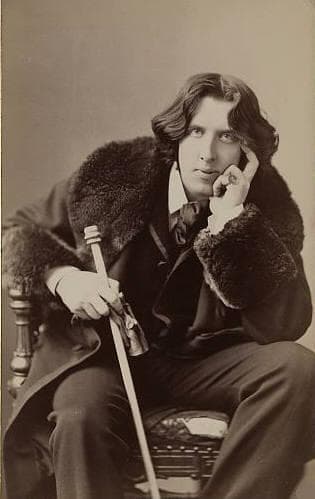
Oscar Fingal O'Fflahertie Wills Wilde was an Irish poet and playwright. After writing in different forms throughout the 1880s, he became one of the most popular playwrights in London in the early 1890s. He is best remembered for his epigrams and plays, his novel The Picture of Dorian Gray, and the circumstances of his criminal conviction for gross indecency for consensual homosexual acts in "one of the first celebrity trials", imprisonment, and early death from meningitis at the age of 46.
Similar books
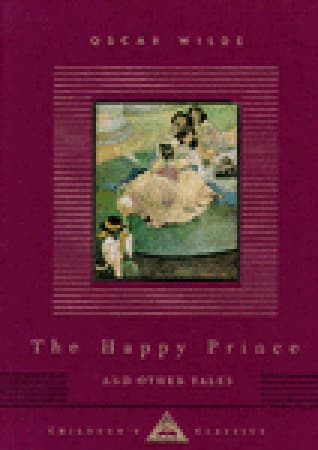
- The Happy Prince and Other Tales
Oscar Wilde
4.1 (15k) average on GoodreadsFantasyShares Wilde's distinctive allegorical style and themes of sacrifice and social commentary.
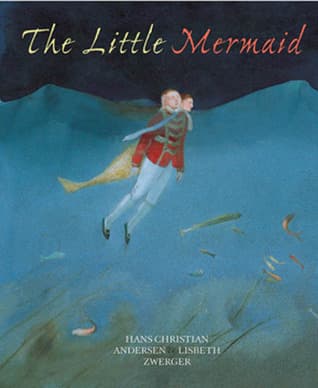
- The Little Mermaid
Hans Christian Andersen
4.0 (22k) average on GoodreadsFantasyFeatures a protagonist making an extreme sacrifice for love, only to face rejection and a tragic end.
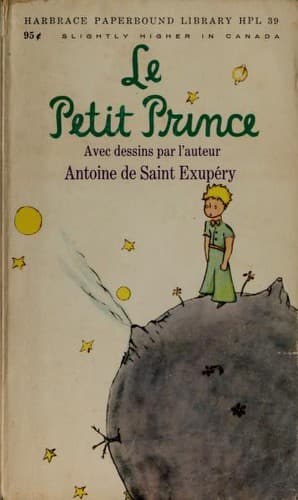
- The Little Prince
Antoine De Saint Exupéry
Both stories use fantasy elements to explore universal truths about love and loss. However, The Little Prince offers a more hopeful, albeit bittersweet, understanding of connection and meaning derived from relationships. Wilde's 'The Nightingale and the Rose' delivers a more direct and pessimistic indictment of human superficiality and the futility of selfless love in a materialistic world, making its critical aim sharper and less nuanced in its emotional resolution.
- Harry Potter and the Sorcerer's Stone
J.K. Rowling
4.5 (7M) average on GoodreadsFantasyRescued from a miserable life under the stairs, an orphaned boy discovers he's a wizard destined for a magical school, where he uncovers a dangerous secret tied to the dark wizard who murdered his parents.
- The Hunger Games
Suzanne Collins
4.3 (6.4M) average on GoodreadsFantasyIn a future where children fight to the death on live television, Katniss Everdeen volunteers for the arena, turning a death sentence into a fight for survival and a spark of rebellion.
- 1984
George Orwell
4.2 (3.1M) average on GoodreadsPoliticsIn a future where surveillance and thought control are absolute, a man's search for truth clashes with the Party, showing that hope can be a form of rebellion.



Enjoyed the summary?
A summary gives you the shape of the book. The book itself has the detail, the examples and the voice.
Find The Nightingale and the Rose on AmazonAs an Amazon Associate, BookBrief earns from qualifying purchases. How we're funded