
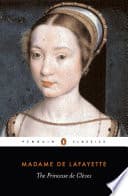
Synopsis
Covers the whole plot, including the ending.
- Difficulty
- Medium
- Pacing
- Slow
- Mood
- Melancholy, Reflective, Elegant, Tragic, Restrained
- Read it if
- You appreciate classic literature, psychological depth, and a profound exploration of duty, passion, and renunciation within a historical, courtly setting.
- Skip it if
- You prefer fast-paced plots, clear-cut happy endings, or contemporary language without complex emotional analysis.
The Princesse De Cleves Plot Summary
Covers the whole plot, including the ending.
A Young Lady's Debut at Court
Mademoiselle de Chartres, a young lady of great beauty and virtue, is brought to the French court by her mother, Madame de Chartres. Her mother, a wise woman, educates her daughter on the dangers and deceptions of courtly life, especially regarding love and marriage, emphasizing fidelity and prudence. Mademoiselle de Chartres quickly captures the attention of many, including the Prince de Clèves, who falls deeply in love with her at first sight. Despite his fervent admiration and proposal, Mademoiselle de Chartres, though respectful, does not feel a passionate love for him, only esteem. Her mother encourages the match, and she agrees, marrying him and becoming the Princesse de Clèves.
An Unforgettable Encounter
After her marriage, the Princesse de Clèves meets the Duc de Nemours at a ball. Their meeting is a moment of destiny; they are instantly drawn to each other, feeling an undeniable connection. The Duc de Nemours, known for his charm, wit, and numerous conquests, is captivated by the Princesse's unique beauty and reserved demeanor. The Princesse, who has never before experienced such a powerful emotion, is deeply disturbed by the intensity of her feelings. This encounter starts her internal struggle, as she realizes she is falling in love with a man who is not her husband, directly contradicting her mother's teachings and her own moral principles.
A Mother's Dying Counsel
Madame de Chartres falls gravely ill. On her deathbed, she delivers an urgent warning to her daughter. Recognizing the growing attraction between the Princesse and the Duc de Nemours, and fearing the consequences of such a passion, she implores the Princesse to avoid anything that might compromise her virtue and honor. She advises her to seek refuge from the temptations of the court if necessary, and to remember her duty to her husband. Her mother's death leaves the Princesse de Clèves feeling isolated and vulnerable, intensifying her internal conflict and her resolve to resist her feelings for Nemours, out of respect for her mother's memory and her own moral code.
The Diamond Bracelet and Growing Suspicion
The Duc de Nemours, deeply in love with the Princesse, begins to pursue her discreetly. He finds reasons to be near her, and his devotion becomes apparent to those around them. One incident involves a diamond bracelet belonging to the Queen, which Nemours is accused of stealing. The Princesse de Clèves, witnessing his distress, secretly believes him innocent and is troubled by the thought of him being disgraced. Later, it is revealed he took the bracelet as a keepsake from a lady, but the incident shows his boldness and his focus on her. The Princesse's husband, the Prince de Clèves, though trusting, begins to notice the subtle signs of Nemours's admiration and his wife's increasing melancholy, stirring jealousy and concern.
The Stolen Portrait and a Confession of Love
During a court event, the Duc de Nemours manages to steal a miniature portrait of the Princesse de Clèves from her husband's study. The Princesse discovers the theft and, though she doesn't confront Nemours directly, her awareness of his actions heightens her distress. Later, Nemours visits her, and they engage in a conversation where he subtly confesses his feelings for her, using the metaphor of a man in love with an unattainable woman. The Princesse, though understanding his meaning, maintains her composure and does not acknowledge his declaration directly. This incident further complicates her emotional state, making it clear that Nemours's love is strong and increasingly difficult to ignore or conceal, pushing her closer to a breaking point.
The 'Aveu' - A Dangerous Confession
Overwhelmed by her internal struggle and fearing she cannot control her feelings for Nemours, the Princesse de Clèves makes an extraordinary confession to her husband. She admits that she is in love with another man, though she carefully refrains from naming him. She explains the torment she endures and asks for her husband's help in maintaining her virtue and avoiding the object of her affection. This 'aveu' (confession) is a crucial moment, born of her extreme honesty and her desire to uphold her moral integrity, even at immense personal cost. The Prince de Clèves is devastated by the revelation but also touched by his wife's sincerity and trust, promising to help her.
Nemours Overhears the Confession
Unbeknownst to the Princesse and her husband, the Duc de Nemours is hiding in the garden, having followed the Princesse to her country estate, Coulommiers. He overhears the Princesse's confession to her husband. Although she does not name him, Nemours, through a series of logical deductions and his own self-assurance, correctly infers that he is the man she is in love with. This discovery fills him with both joy and despair – joy at knowing her true feelings, and despair at the obstacle of her virtue and her husband's knowledge. He realizes the immense sacrifice she is making and feels a complex mix of triumph and respect for her unwavering integrity.
The Spread of the Secret
Unable to contain his astonishment and complicated emotions, Nemours confides in his close friend, the Vidame de Chartres (who is also the Princesse's uncle). He recounts the entire scene, though without explicitly naming the Princesse, describing it as a story he heard. The Vidame, intrigued, eventually pieces together the truth and, despite Nemours's initial caution, shares the story with others. The unique and scandalous nature of the confession ensures its rapid spread throughout the court, becoming the subject of widespread gossip and speculation. This public exposure of such a private and vulnerable moment deeply wounds the Princesse and further complicates her situation, revealing the destructive power of courtly intrigue.
The Prince's Fatal Jealousy
The Prince de Clèves, already tormented by his wife's confession and the subsequent court rumors, becomes consumed by jealousy. A misunderstanding arises when he is informed that Nemours has been seen at a house near Coulommiers at night. He mistakenly believes that his wife has met Nemours in secret, betraying her earlier promise and his trust. Overwhelmed by this perceived infidelity and his broken heart, the Prince de Clèves falls gravely ill. Despite his wife's desperate attempts to explain the misunderstanding and assure him of her innocence, his despair is too profound, and he dies, leaving the Princesse de Clèves consumed by guilt and sorrow, believing her confession indirectly caused his death.
A Final Confrontation and Renunciation
After her husband's death, the Princesse de Clèves retreats from court life, consumed by grief and guilt. The Duc de Nemours, now free to pursue her openly, visits her and renews his declarations of love, proposing marriage. The Princesse, however, explains that while she still loves him, she cannot marry him. She argues that their marriage would be built on the foundation of her husband's death, a constant reminder of her transgression. She also fears that the intensity of their passion would lead to its decay, and that his past reputation as a philanderer would always leave her vulnerable to jealousy and unhappiness. She ultimately chooses a life of religious devotion and solitude, renouncing the world and Nemours, to preserve her virtue and peace of mind.
A Life of Austerity and Reflection
Following her final refusal of the Duc de Nemours, the Princesse de Clèves withdraws completely from society and the court. She dedicates herself to a life of austerity and religious devotion, spending her remaining years in a convent and later in a country house, far from the temptations and intrigues of the world. She maintains her resolve, finding solace and peace in her chosen path. Though Nemours continues to love her and is deeply affected by her decision, she remains steadfast. Her final years are marked by a commitment to virtue and a deep reflection on the nature of love, duty, and human passion, solidifying her reputation as a woman of integrity and moral strength, even in her suffering.
Principal Figures
Princesse de Clèves (formerly Mademoiselle de Chartres)
Protagonist
A virtuous and beautiful noblewoman torn between duty and forbidden love.
The central figure of the novel, renowned for her beauty, intelligence, and moral rectitude. Educated by her wise mother to value virtue above all, she marries the Prince de Clèves out of esteem rather than passion. Her character is defined by an intense internal struggle between her profound, undeniable love for the Duc de Nemours and her unwavering commitment to marital fidelity, honor, and her deceased mother's teachings. She possesses an extraordinary capacity for self-analysis and a rare honesty, leading her to confess her feelings to her husband. Her journey is one of profound self-denial and a quest for inner peace through renunciation.
Relationships: Madame de Chartres (Devoted daughter, guided by her mother's wisdom); Prince de Clèves (Wife, held in high esteem but not passionate love); Duc de Nemours (Object of her intense, forbidden love)
Prince de Clèves
Supporting
The virtuous and devoted husband of the Princesse, whose love is ultimately tragic.
A nobleman of high standing, deeply in love with Mademoiselle de Chartres from their first meeting. He is kind, honorable, and intensely devoted to his wife. Though he initially marries her knowing she does not share his passion, he cherishes and trusts her implicitly. His character embodies the pain of unrequited love within marriage and the destructive power of jealousy. His love for the Princesse is so profound that her confession of love for another man, followed by a misunderstanding of her actions, leads to his fatal despair. His death is a direct consequence of the Princesse's honesty and the court's gossip.
Relationships: Princesse de Clèves (Husband, deeply in love and ultimately betrayed by perceived infidelity); Duc de Nemours (Rival for his wife's affections)
Duc de Nemours
Antagonist/Love Interest
The charming and charismatic nobleman who captures the Princesse de Clèves's heart.
A French nobleman of exceptional charm, wit, and physical attractiveness, widely considered the most desirable man at court. He is known for his numerous romantic conquests but falls genuinely and deeply in love with the Princesse de Clèves, a love that transforms his typically fickle nature. Nemours is persistent in his pursuit, using subtle gestures and presence to convey his feelings. While he respects the Princesse's virtue, his actions, such as stealing her portrait and inadvertently spreading her confession, contribute to the tragic events. He represents the allure and danger of passionate love and the challenges it poses to duty and honor.
Relationships: Princesse de Clèves (Object of his intense and enduring love); Vidame de Chartres (Friend and confidant, to whom he inadvertently reveals the Princesse's secret)
Madame de Chartres
Supporting
The wise and virtuous mother who guides the Princesse de Clèves.
The mother of the Princesse de Clèves, a woman of great wisdom, experience, and moral integrity. She serves as her daughter's primary educator and moral compass, instilling in her strong principles of virtue, prudence, and fidelity, particularly warning her against the deceptions and dangers of courtly love. Her counsel heavily influences the Princesse's decisions and internal struggles throughout the novel. Her death early in the narrative leaves the Princesse feeling isolated and more vulnerable to temptation, yet her teachings continue to resonate as a powerful force guiding her daughter's actions.
Relationships: Princesse de Clèves (Mother and primary moral guide)
Vidame de Chartres
Supporting
The Princesse's uncle and friend of Nemours, whose indiscretion spreads the secret.
The uncle of the Princesse de Clèves and a prominent figure at court. He is a friend and confidant of the Duc de Nemours. The Vidame is somewhat indiscreet and prone to courtly intrigues himself. It is to him that Nemours confides the story of the Princesse's confession, albeit disguised. The Vidame's subsequent actions in revealing this 'secret' to others lead to its widespread dissemination throughout the court, ultimately contributing to the Prince de Clèves's fatal despair. He serves as a catalyst for the tragic unraveling of events, highlighting the dangerous nature of courtly gossip and the fragility of private secrets.
Relationships: Princesse de Clèves (Uncle); Duc de Nemours (Friend and confidant)
Queen Catherine de' Medici
Mentioned
The Queen of France, a figure of political power and courtly observation.
The powerful Queen of France during the reign of Henry II. She is depicted as a shrewd and observant figure, deeply involved in court politics and aware of the various intrigues and relationships unfolding around her. While not a central character in the romantic plot, her presence establishes the historical and social context of the novel. Her court is the backdrop for the Princesse's struggles, and her authority underscores the societal pressures and expectations faced by the characters. She occasionally makes observations about the Princesse or Nemours, highlighting their prominence at court.
King Henry II
Mentioned
The King of France, providing the historical setting for the narrative.
The King of France whose reign forms the historical backdrop for the novel. He is depicted as a powerful monarch surrounded by a complex web of courtiers, alliances, and rivalries. His court is the stage upon which the personal dramas of the characters unfold. While he does not directly interact with the main romantic plot, his presence and the historical context of his reign are crucial for understanding the social conventions, political climate, and moral expectations that govern the characters' lives and decisions. His death is a significant historical event within the story's timeline.
Madame de Tournon
Mentioned
A courtier whose hypocrisy is exposed, serving as a cautionary tale.
A courtier whose story is recounted to the Princesse de Clèves. Madame de Tournon is outwardly pious and virtuous but secretly engages in a deceitful love affair. Her hypocrisy is eventually exposed, highlighting the dangers of outward appearances and the prevalence of moral compromise at court. Her story serves as a cautionary tale for the Princesse, reinforcing her mother's warnings about the treacherous nature of courtly life and the importance of genuine virtue over mere reputation. Her character underscores the theme of appearance versus reality.
Themes & Insights
Duty, Virtue, and Moral Integrity
This is the central theme, shown by the Princesse de Clèves's commitment to her moral principles despite intense emotional struggle. Her mother instills in her the importance of fidelity and honor, which she upholds even at the cost of her own happiness. Her confession to her husband, the 'aveu,' is a direct manifestation of her desire to maintain her integrity rather than succumbing to a forbidden passion. Ultimately, her decision to renounce Nemours and retreat from the world shows her dedication to a virtuous life, prioritizing peace of mind and moral rectitude over worldly desires and societal expectations.
“What appears is hardly ever the truth.”
The Destructive Nature of Passionate Love
The novel explores how intense, passionate love, especially when forbidden, can lead to suffering, jealousy, and destruction. The Princesse's love for Nemours, though pure, brings her immense internal torment and indirectly causes her husband's death. The Prince de Clèves's own passionate love for his wife, coupled with jealousy, leads to his demise. The Princesse's final refusal of Nemours is partly based on her fear that even legitimate passionate love, by its intensity and demands, is unstable and prone to ending in disillusionment and unhappiness, as she observes in other court relationships.
“If you judge by appearances in this place, you will often be deceived: what appears is hardly ever the truth.”
Courtly Society and its Hypocrisy
The French court is depicted as a dangerous and deceptive environment, where appearances often mask ulterior motives and moral compromises. Madame de Chartres constantly warns her daughter about the superficiality, intrigues, and infidelity prevalent among courtiers. The rapid spread of the Princesse's confession, fueled by gossip and misinterpretation, illustrates how reputations can be destroyed and private lives exposed in such a setting. The contrast between the Princesse's genuine virtue and the widespread hypocrisy (like Madame de Tournon's story) highlights the moral corruption and the constant threat to integrity within this society.
“If there is anything capable of disturbing the happiness of a marriage, it is knowing that one's husband loves another woman.”
Self-Knowledge and Renunciation
The Princesse de Clèves's journey is an exploration of self-knowledge. She constantly analyzes her own feelings and motivations, striving for an honest understanding of her heart. Her 'aveu' is an act of extreme self-awareness. Ultimately, her decision to renounce Nemours and worldly life is a culmination of this self-knowledge, recognizing her own limits and the potential for suffering that passionate love would bring. She chooses to find peace and maintain her self-respect by withdrawing from a world that she perceives as corrupting and by denying a love that, though powerful, she deems incompatible with lasting happiness and virtue.
“I am convinced that you would not be happy with me; I believe that I would be the cause of your unhappiness, and you of mine.”
Plot Devices & Literary Techniques
The 'Aveu' (Confession)
A unique and unprecedented confession of forbidden love to one's spouse.
The Princesse de Clèves's confession to her husband that she loves another man (without naming him) is a pivotal and highly original plot device. It is a radical act of honesty and a desperate attempt to maintain her virtue, born of extreme moral rigor. This confession directly drives the central conflict, leading to her husband's despair, the spread of the secret, and ultimately her final renunciation. It subverts conventional romantic narratives by having the heroine reveal her secret to the very person it would most harm, highlighting her unique character and the novel's focus on internal moral struggle over external action.
Dramatic Irony
The audience's awareness of facts unknown to certain characters, creating tension.
Dramatic irony is frequently used, particularly when the Duc de Nemours overhears the Princesse's confession to her husband. The reader knows that Nemours is listening, and his internal reactions are revealed, creating tension as the Princesse and her husband remain unaware of his presence. Similarly, the reader is privy to the Princesse's internal turmoil and true intentions, while other characters at court (and even her husband at times) misinterpret her actions or attribute false motives to her. This device heightens the sense of tragedy and the isolation of the Princesse's struggle.
The Miniature Portrait
A symbolic object representing forbidden desire and secret affection.
The miniature portrait of the Princesse de Clèves, which Nemours steals from her husband's study, serves as a significant symbolic plot device. It represents Nemours's intense, possessive love and his desire to 'possess' an image of her, given that he cannot possess her physically. The act of stealing it is a bold, almost transgressive, gesture that reveals the depth of his passion. The Princesse's awareness of the theft further complicates her feelings, forcing her to confront the reality of his affection and her own response to it, escalating the tension of their unspoken relationship.
The Letter and its Misinterpretation
A letter intended for another, causing fatal misunderstanding and jealousy.
A letter, originally from the Vidame de Chartres to his mistress, is mistakenly believed by the Prince de Clèves to be from Nemours to the Princesse. This misinterpretation, combined with the earlier confession and subsequent gossip, fuels the Prince's fatal jealousy. This device highlights the fragility of truth in a courtly environment rife with intrigue and suspicion. It demonstrates how seemingly innocuous objects or events can be twisted by circumstance and human emotion to produce devastating consequences, leading directly to the Prince's death and underscoring the theme of the destructive power of misunderstanding.
The Princesse De Cleves Quotes
“Il parut le même jour une beauté à la cour, où elle attira les yeux de tout le monde, et l'on doit croire que c'était une beauté parfaite, puisqu'elle donna de l'admiration dans un lieu où l'on était si accoutumé à voir de belles personnes.”
“La bienséance et la raison ne permettaient pas qu'il fît aucune démarche qui pût faire soupçonner qu'il fût amoureux d'elle.”
“Il n'y a personne qui ne croie s'être dérobé à la vue des autres quand il s'est dérobé à la sienne propre.”
“Ce qui paraît le plus souvent n'est pas toujours ce qui est le plus vrai.”
“Si vous jugez sur les apparences, vous vous tromperez toujours.”
“La vertu des femmes est la plus grande de toutes les vertus, et c'est celle qui leur est la plus nécessaire.”
“Les passions peuvent conduire à l'amour, mais l'amour ne peut conduire qu'à la mort.”
“Elle avait une aversion naturelle pour le monde, et pour tout ce qui sentait la contrainte et la dépendance.”
“Il n'y a rien de si difficile à cacher que ce que l'on voudrait que l'on ne sût pas.”
“Ce qu'une femme ne veut pas dire, elle le dit toujours.”
“Le repos et l'innocence qui se trouvent dans la solitude sont les plus grands biens que l'on puisse désirer.”
“Les choses les plus innocentes sont souvent celles qui causent le plus de trouble.”
“Elle trouvait que l'amitié était plus douce que l'amour, et qu'elle avait plus de charmes, parce qu'elle était plus tranquille.”
“Il n'y a que le devoir qui puisse donner quelque repos à l'âme.”
“L'amour est toujours un malheur, et il n'y a que l'absence qui puisse le guérir.”
Quiz
10 questions on the plot and the characters. Each answer comes with a short explanation.
Question 1
At what historical period is 'The Princesse de Clèves' primarily set?
- During the reign of Louis XIV
- Towards the end of the reign of Henry II
- In the early 16th century, during the Italian Wars
- During the French Wars of Religion
Show answer
B. Towards the end of the reign of Henry II The novel is explicitly set towards the end of the reign of Henry II of France, providing a specific historical backdrop for the courtly intrigue.
Question 2
What advice does Mme de Chartres, the Princesse de Clèves's mother, give her regarding her passions?
- To follow her heart and pursue true love, no matter the obstacles.
- To openly express her feelings to her husband to maintain honesty.
- To keep her passions hidden and not admit them, especially at court.
- To seek advice from trusted friends before acting on her emotions.
Show answer
C. To keep her passions hidden and not admit them, especially at court. Mme de Chartres warns her daughter against admitting her passions, advising discretion and self-control, which significantly influences Mme de Clèves's actions.
Question 3
Who is the object of Mme de Clèves's unspoken, unrequited love?
- The King of France
- The Duc de Guise
- The Duc de Nemours
- The Prince de Condé
Show answer
C. The Duc de Nemours Mme de Clèves falls in love with the Duc de Nemours, a handsome and charismatic figure at court, despite her marriage.
Question 4
What is the Princesse de Clèves's ultimate, tragic confession?
- That she has secretly met with the Duc de Nemours.
- That she regrets marrying her husband.
- That she is in love with another man, the Duc de Nemours, to her husband.
- That she intends to leave the court and become a nun.
Show answer
C. That she is in love with another man, the Duc de Nemours, to her husband. In a pivotal moment, Mme de Clèves confesses her love for the Duc de Nemours to her husband, an act of radical honesty that has severe consequences.
Question 5
What is a major theme explored through Mme de Clèves's internal conflict?
- The triumph of individual desire over societal norms.
- The corrupting influence of political power.
- The conflict between duty, virtue, and passion.
- The importance of communication in marriage.
Show answer
C. The conflict between duty, virtue, and passion. Mme de Clèves constantly grapples with her duty to her husband and her desire for Nemours, embodying the struggle between virtue, societal expectations, and personal passion.
Question 6
How does the Princesse de Clèves's confession affect her husband?
- He becomes enraged and seeks to challenge the Duc de Nemours to a duel.
- He is deeply hurt and eventually dies, partly due to his grief and jealousy.
- He forgives her and encourages her to pursue happiness.
- He uses the information to gain leverage at court.
Show answer
B. He is deeply hurt and eventually dies, partly due to his grief and jealousy. Her husband is profoundly affected by her confession, leading to his illness and eventual death, attributed in part to the distress caused by her revelation and his subsequent jealousy.
Question 7
What is significant about 'The Princesse de Clèves' in literary history?
- It is considered the first French play.
- It is often described as France's first modern novel.
- It introduced the concept of stream-of-consciousness writing.
- It was the first novel to be written by a woman.
Show answer
B. It is often described as France's first modern novel. The novel is widely recognized as a foundational work, often cited as France's first modern novel due to its psychological depth and realistic portrayal of characters.
Question 8
Despite being free after her husband's death, why does Mme de Clèves ultimately refuse to marry the Duc de Nemours?
- She discovers he has been unfaithful to her.
- She realizes she never truly loved him.
- She fears that marriage would destroy the purity of their love and lead to inevitable disillusionment.
- She decides to devote her life to religious service as penance.
Show answer
C. She fears that marriage would destroy the purity of their love and lead to inevitable disillusionment. Mme de Clèves's refusal stems from a profound understanding of human nature and courtly love; she believes that marriage would inevitably tarnish the idealized love she feels for Nemours and lead to suffering, choosing instead to preserve her virtue and peace of mind.
Question 9
How does Madame de Lafayette portray the French court in the novel?
- As a place of pure intellectual pursuit and artistic expression.
- As a hotbed of intrigue, jealousy, and superficiality, where appearances are paramount.
- As a harmonious community where loyalty and honesty are highly valued.
- As a setting primarily for military and political strategizing.
Show answer
B. As a hotbed of intrigue, jealousy, and superficiality, where appearances are paramount. The court is depicted as a dangerous environment where reputation is everything, and individuals are constantly under scrutiny, making authenticity and virtue difficult to maintain. It's a place of gossip, ambition, and moral compromises.
Question 10
What is the ultimate fate of the Princesse de Clèves?
- She marries the Duc de Nemours and lives a happy, if quiet, life.
- She leaves the court to live a life of retirement and devotion, eventually dying prematurely.
- She becomes a powerful figure at court, admired for her intelligence.
- She reconciles with her husband before his death and finds peace.
Show answer
B. She leaves the court to live a life of retirement and devotion, eventually dying prematurely. After her husband's death and her refusal to marry Nemours, Mme de Clèves withdraws from society and devotes herself to a life of piety and contemplation, eventually dying at a relatively young age, having preserved her virtue at great personal cost.
The Princesse De Cleves FAQ
What is 'The Princesse de Clèves' about?
'The Princesse de Clèves' tells the story of the virtuous Madame de Clèves, who, shortly after her marriage to the kind and devoted Monsieur de Clèves, finds herself deeply in love with the dashing Duc de Nemours. Despite their mutual attraction and the societal pressures of the French court, she struggles to maintain her marital fidelity and honor, leading to a profound internal conflict and tragic consequences.
Why should I read 'The Princesse de Clèves'?
You should read 'The Princesse de Clèves' for its groundbreaking psychological depth and its exquisite analysis of the human heart, particularly the complexities of duty, passion, and renunciation. It's considered France's first modern novel, offering a timeless exploration of moral dilemmas and the devastating effects of unspoken desires within the rigid confines of 16th-century court society.
What is the background/setting of 'The Princesse de Clèves'?
The novel is set in the opulent and politically charged French court towards the end of the reign of Henry II, specifically between October 1558 and November 1559. This historical backdrop is crucial, as the court's strict social codes, constant gossip, and intricate power dynamics significantly influence the characters' actions and the unfolding of the tragic love story.
What are the most memorable quotes?
One memorable quote is Madame de Clèves's famous confession to her husband: 'The passion I have for M. de Nemours has made me do things that I would not have believed myself capable of.' Another, reflecting her internal struggle, is 'How difficult it is to separate what one wishes from what one sees!' These quotes encapsulate her honesty and the anguish of her forbidden love.
What writing style does the author use?
Madame de Lafayette employs a precise, elegant, and often restrained prose style, characterized by its psychological realism and meticulous attention to internal states. The narrative frequently delves into the characters' thoughts and motivations, using indirect discourse and detailed descriptions to convey their emotional turmoil rather than overt declarations.
What minor details add significant meaning?
The repeated emphasis on the Princesse de Clèves's desire for 'repose' or 'tranquility' throughout the novel is a minor detail that adds significant meaning. It underscores her profound internal struggle and her ultimate decision to withdraw from the world, revealing her longing for inner peace above all else, even love.
What are some subtle foreshadowing moments?
Early in the novel, Madame de Chartres's warnings to her daughter, Madame de Clèves, about the dangers of courtly love and the importance of fidelity subtly foreshadow the tragic path her daughter will take. The mother's death shortly after Madame de Clèves meets Nemours leaves her without her primary moral compass, setting the stage for her subsequent struggles.
What unexpected character connections exist?
An unexpected connection, though not direct, is the parallel between Madame de Clèves's situation and some of the historical anecdotes woven into the narrative, such as the story of the Vidame de Chartres's scandalous affairs. These serve as cautionary tales and illustrate the pervasive infidelity and moral compromises within the court, highlighting Madame de Clèves's unique virtue.
What are unspoken character motivations?
Madame de Clèves's unspoken motivation for confessing her feelings to her husband, Monsieur de Clèves, is not just honesty but a desperate attempt to create an external barrier against her overwhelming passion for Nemours. She hopes his knowledge will protect her from herself and prevent her from succumbing to temptation, even at great personal cost.
What psychological complexities do characters exhibit?
Madame de Clèves exhibits profound psychological complexity through her internal conflict between virtue and passion, and her paradoxical desire for both love and absolute fidelity. Her decision to renounce Nemours, despite their mutual love, reveals a deep-seated fear of the agony and moral compromise she believes love entails, stemming from her observation of others' suffering.
What are the major emotional turning points?
A major emotional turning point is Madame de Clèves's confession to her husband, Monsieur de Clèves, about her love for another man, which profoundly shatters his trust and eventually leads to his death. Another is her final, definitive refusal of the Duc de Nemours, where she chooses inner peace and moral integrity over passionate love, marking her ultimate renunciation of worldly desires.
How do relationship dynamics evolve?
The relationship dynamics evolve from an initial state of blissful marital harmony between Madame and Monsieur de Clèves to one strained by suspicion and heartbreak after her confession. Her relationship with the Duc de Nemours progresses from unspoken attraction to a profound, acknowledged love, only to culminate in her steadfast refusal of him, transforming it into a bond of unfulfilled longing and mutual respect for her virtue.
Which parts remain ambiguous or open-ended?
The novel leaves ambiguous whether Madame de Clèves's final decision to withdraw from the world and dedicate herself to piety truly brings her lasting 'repose' or if it is merely a noble form of prolonged suffering. While she achieves tranquility, the depth of her continued longing for Nemours, even in renunciation, remains open to interpretation.
What are controversial scenes or decisions?
The most controversial decision is Madame de Clèves's confession to her husband about her feelings for the Duc de Nemours. This act is shocking for its unprecedented honesty in a society defined by discretion, and it directly leads to her husband's fatal illness, prompting debate among readers about its morality and wisdom.
'The Princesse de Clèves' ending explained: how it ends & what it means
The novel ends with Madame de Clèves, after her husband's death and a period of intense grief, definitively renouncing the Duc de Nemours despite his persistent devotion. She withdraws from court life, dedicating herself to a life of austerity and piety in a convent, finding a 'repose' that love could not provide. This ending signifies her triumph of virtue and reason over passion, choosing moral integrity and inner peace over societal expectations or personal desire, ultimately achieving a unique form of freedom.
About the author
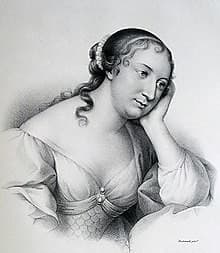
Madame Lafayette was a French novelist active in the 17th century, best known for her work "The Princesse de Clèves," which is often regarded as one of the first psychological novels. Her writing explores themes of love, morality, and the complexities of human relationships within the context of the French court. Lafayette's contributions to literature have made her a significant figure in the development of the novel as a genre.
Similar books
- Sense and Sensibility
Jane Austen
4.1 (958k) average on GoodreadsHistorical FictionExplores themes of duty vs. passion and societal expectations for women.
- Dangerous Liaisons
Choderlos de Laclos
4.0 (60k) average on GoodreadsFictionDepicts the intrigues and moral dilemmas of the French aristocracy.
- Anna Karenina
Leo Tolstoy
4.0 (682k) average on GoodreadsHistorical FictionFeatures a protagonist grappling with forbidden love and societal condemnation, leading to tragic consequences.
- Nineteen Eighty-Four
George Orwell
4.2 (5.5M) average on GoodreadsFictionWinston Smith dreams of truth and rebellion in a world where Big Brother watches all, but he confronts the terrifying power of a regime that controls not just actions, but thoughts.
- The Frozen River
Ariel Lawhon
4.4 (600k) average on GoodreadsFictionIn 1789 Maine, a heroic midwife's diary helps her expose a murder and get justice in a town that wants to silence her.
- A Man Called Ove
Fredrik Backman
4.4 (569k) average on GoodreadsFictionA stubborn widower, who lives by strict rules, finds his quiet world changed by a lively new family next door, making him face his past and find happiness in human connection.





Enjoyed the summary?
A summary gives you the shape of the book. The book itself has the detail, the examples and the voice.
Find The Princesse De Cleves on AmazonAs an Amazon Associate, BookBrief earns from qualifying purchases. How we're funded