
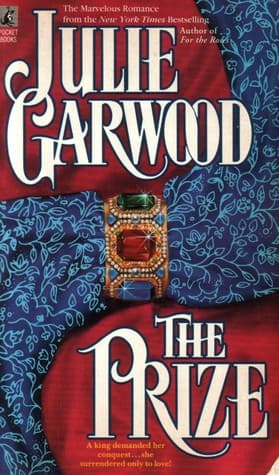
Synopsis
Covers the whole plot, including the ending.
- Difficulty
- Easy
- Pacing
- Moderate
- Mood
- Romantic, Adventurous, Suspenseful, Passionate
- Read it if
- You enjoy historical romance with a strong, protective hero and a spirited heroine, set against a backdrop of political intrigue and medieval conflict.
- Skip it if
- You prefer contemporary settings or find historical power imbalances and forced marriages uncomfortable.
The Prize Plot Summary
Covers the whole plot, including the ending.
The Forced Choice
After the Norman Conquest, Lady Nicholaa, a proud Saxon noblewoman, is a captive at William the Conqueror's court in London. To secure her lands and ensure peace, William demands she choose a Norman husband from his barons. Nicholaa, despite hating Normans, picks Baron Royce, known for his strong reputation. She believes his fierce manner will deter other suitors and give her some independence, though she is secretly interested in the honor she sees in him. Her choice surprises the court, including Royce, who is reluctant but bound by his loyalty to the King.
Journey to the North
After their quick wedding, Royce and Nicholaa begin the difficult journey to his northern castle. The journey is dangerous and filled with lingering animosity between Saxons and Normans. During their travels, Nicholaa's spirited nature and resilience impress Royce. She shows surprising resourcefulness and deep loyalty to her Saxon followers, often challenging Royce's authority while earning his respect. Royce, in turn, shows unexpected patience and protectiveness toward her, often shielding her from their harsh world and subtle threats. These shared experiences slowly reduce their initial distrust.
Arrival at Montwyk
At Montwyk, Royce's main castle, Nicholaa faces immediate challenges from the Norman household, especially from Royce's stern steward, Geoffrey. Nicholaa, despite her youth, quickly takes charge, reorganizing the household, improving conditions for the serfs, and showing a sharp mind for management. Her changes meet resistance from some, but she slowly wins over the castle's residents with her fairness and genuine care. Royce watches her change with amusement and growing admiration, finding himself more drawn to her strength and kindness, even when her independent nature frustrates him.
The Developing Intimacy
The forced marriage slowly becomes a passionate bond. Royce, at first seeing Nicholaa as a political necessity, feels deeply attracted to her wit, beauty, and spirited defiance. Nicholaa, despite her initial resentment, is increasingly captivated by Royce's hidden tenderness, strength, and steady honor. Their relationship has intense arguments followed by equally intense reconciliations, as they navigate their different cultures and strong personalities. Royce patiently teaches Nicholaa about his world, while Nicholaa challenges his assumptions and opens his heart to new ideas. Their physical intimacy is a strong sign of their growing love and understanding.
The Saxon Plot
News reaches Montwyk of a growing Saxon rebellion in the north, fueled by resentment against Norman rule. Nicholaa's loyalty is tested when she discovers that her brother, Garrick, and other Saxon family are involved in the plot. Torn between her growing love for Royce and her family ties, Nicholaa struggles. She understands the Saxon desire for freedom but also sees the futility and danger of open rebellion against William's power. Royce, aware of her distress, watches her closely, hoping she will confide in him and not risk their fragile peace or his position.
Royce's Loyalty Tested
King William sends Royce to put down the Saxon uprising, an order that puts Royce in a difficult situation. He is a loyal Norman baron, bound by oath to his king, but he also deeply loves his Saxon wife and respects her people. The idea of fighting against Nicholaa's family, especially her brother Garrick, weighs heavily on him. Nicholaa, learning of Royce's mission, is horrified and feels betrayed, fearing for her family's lives. This conflict creates a major rift between them, as Nicholaa tries to balance her husband's duty with her family's danger, and Royce tries to find a way to honor both his king and his wife.
The Confrontation and Betrayal
In a desperate attempt to help his cause, Garrick, Nicholaa's brother, comes to Montwyk, seeking Nicholaa's help and hoping to use her position as Royce's wife. He tries to persuade her to betray Royce, either by giving information or creating a distraction. Nicholaa, though torn, refuses to actively betray her husband, but struggles with her loyalties. This meeting is tense, as Nicholaa tries to protect her brother while also guarding Royce. Her actions, though well-meant, are misunderstood by some and create suspicion within Royce's household, making her situation even more uncertain as the conflict grows.
The Battle and its Aftermath
Royce leads his forces to confront the Saxon rebels, including Garrick. A fierce battle follows. Nicholaa, unable to bear the thought of her husband and brother fighting to the death, rides onto the battlefield, risking her life to try and stop the conflict. Her intervention, though dangerous, momentarily stuns both sides. In the chaos, Royce manages to subdue Garrick without killing him, showing his deep love for Nicholaa by sparing her brother. The battle ends, but the aftermath is complex, with casualties on both sides and a need for healing between the victorious Normans and the defeated Saxons.
Healing and Forgiveness
After the rebellion, Royce and Nicholaa face the task of rebuilding and creating peace. Royce, with Nicholaa's advice, creates fair policies for the defeated Saxons, showing mercy and offering chances for integration rather than harsh punishment. Nicholaa, in turn, helps her people accept the new reality, promoting understanding and cooperation. She also helps care for the wounded, showing her compassion. Their shared efforts to heal the land and its people strengthen their bond greatly. Nicholaa fully takes on her role as Lady of Montwyk, and Royce, seeing her wisdom and strength, grows to trust her completely.
The Future of Montwyk
With the rebellion settled and a fragile peace in place, Royce and Nicholaa look to their future. Their love, forged in conflict and strengthened by mutual respect, has become an unshakeable bond. Nicholaa, once a defiant captive, is now a beloved and respected chatelaine, fully committed to her husband and their shared home. Royce, the fierce warrior, has found tenderness and deep emotional connection with his spirited wife. They imagine a future where Saxon and Norman can coexist, working to build a prosperous Montwyk, showing their lasting love and the possibility of unity amidst historical division.
The Prize Characters
Lady Nicholaa
Protagonist
A spirited Saxon noblewoman forced to marry a Norman lord.
Nicholaa is a proud, intelligent, and fiercely independent Saxon lady. Initially resentful of her Norman captors and forced marriage, she possesses a strong will and a deep loyalty to her people and family. Despite her naiveté regarding Norman customs, she is quick-witted, resourceful, and possesses a sharp sense of justice. She is driven by a desire to protect her kin and maintain her dignity, even in subjugation. Her compassion and ability to adapt make her a formidable leader in her own right, capable of winning over hearts.
Relationships: Royce (Husband, initially forced, evolves into deep love and partnership); Garrick (Brother, deeply loved, source of conflict due to his involvement in rebellion); William the Conqueror (Overlord, the force behind her forced marriage)
Baron Royce
Protagonist
A formidable Norman warrior and lord, chosen as Nicholaa's husband.
Royce is a powerful and respected Norman baron, known for his prowess in battle and his unwavering loyalty to William the Conqueror. Beneath his often stern and imposing exterior lies a man of deep honor, surprising tenderness, and a strong sense of justice. He is initially pragmatic about his forced marriage to Nicholaa but is quickly captivated by her spirit and intelligence. He is driven by duty and a desire to protect his lands and people, but also by a growing love for his spirited Saxon wife. He is patient, protective, and capable of great passion.
Relationships: Lady Nicholaa (Wife, initially political, evolves into deep love and partnership); William the Conqueror (King and liege lord, to whom he owes absolute loyalty); Geoffrey (Loyal steward and trusted advisor)
Garrick
Supporting
Nicholaa's younger brother, a leader in the Saxon rebellion.
Garrick is Nicholaa's hot-headed and fiercely patriotic younger brother. He embodies the Saxon resistance against Norman rule and is a key figure in the rebellion. He loves his sister deeply but is willing to use her for the Saxon cause, showing a youthful idealism mixed with a lack of foresight. He is brave but sometimes reckless, driven by a desire to reclaim Saxon lands and honor. His actions often put Nicholaa in difficult positions, forcing her to choose between her family and her new husband.
Relationships: Lady Nicholaa (Sister, deeply loved, but their differing loyalties cause conflict); Royce (Brother-in-law and enemy, who eventually spares his life)
William the Conqueror
Supporting
The powerful Norman King who orchestrates Nicholaa's marriage.
William is depicted as a shrewd, pragmatic, and absolute ruler. He is the architect of the Norman Conquest and seeks to consolidate his power by forcing strategic marriages between Norman lords and Saxon noblewomen. He is firm but not necessarily cruel, driven by the need for stability and control in his newly conquered kingdom. He respects Royce's loyalty and prowess, and his decisions, though harsh, are aimed at securing his reign. He serves as the ultimate authority figure, setting the initial conflict in motion.
Relationships: Royce (Loyal baron and military commander); Lady Nicholaa (Saxon captive, whose marriage he arranges for political stability)
Geoffrey
Supporting
Royce's loyal and stern steward at Montwyk.
Geoffrey is Royce's long-serving and fiercely loyal steward. He is a man of order, tradition, and efficiency, initially wary and critical of Nicholaa due to her Saxon heritage and her innovative ways. He is dedicated to Royce and the smooth running of Montwyk, often clashing with Nicholaa's attempts to assert her authority and change established routines. Despite his stern demeanor, he is ultimately fair and comes to respect Nicholaa's capabilities and genuine care for the people of Montwyk.
Relationships: Royce (Master and lord, to whom he is utterly devoted); Lady Nicholaa (His new mistress, with whom he initially clashes but eventually respects)
Lady Edith
Mentioned
Nicholaa's deceased mother.
Lady Edith is Nicholaa's deceased mother, whose memory and teachings deeply influence Nicholaa's character. Nicholaa often reflects on her mother's strength, wisdom, and love for their Saxon heritage. Though not physically present, Edith's values and lessons about leadership, compassion, and resilience guide Nicholaa in her new role as Lady of Montwyk. She represents the ideal of Saxon womanhood that Nicholaa strives to uphold.
Relationships: Lady Nicholaa (Daughter, deeply loved and respected)
Sir Christian
Supporting
A loyal knight under Royce's command.
Sir Christian is one of Royce's trusted knights and a member of his retinue. He is a brave and honorable warrior, loyal to his lord. He observes the unfolding relationship between Royce and Nicholaa with interest, often providing a perspective on Royce's growing feelings. He is a reliable presence in Royce's camp and a testament to the loyalty Royce inspires in his men. His role is primarily to support Royce and provide a witness to the events.
Relationships: Royce (Lord and commander, to whom he is loyal)
The Prize Themes
Love Across Divisions
The main theme explores how love can grow despite deep cultural, political, and historical animosity. Nicholaa, a Saxon, and Royce, a Norman, are forced together by circumstance. Their journey from distrust to deep love and respect shows how personal connection can bridge seemingly impossible divides. This is clear in their intimate moments, where their shared humanity goes beyond their origins, and in their teamwork to heal the land after the rebellion, working for a common future.
“He didn't care that she was Saxon. He didn't care about anything but her.”
Identity and Loyalty
The novel examines the complexities of personal and cultural identity and the conflicting loyalties that arise during conquest. Nicholaa struggles with her Saxon background and her growing love for her Norman husband, torn between her family and her new life. Royce, a loyal Norman baron, finds his duty to the King challenged by his devotion to Nicholaa and his growing understanding of the Saxons' situation. The Saxon rebellion, involving Nicholaa's brother Garrick, forces both to confront where their true loyalties lie and how to reconcile them without betraying themselves. This struggle is central to their character growth and the plot's ending.
“Her heart was torn between two loyalties, one to her blood, the other to her heart.”
The Power of Compassion and Forgiveness
The story highlights the power of compassion and forgiveness in overcoming conflict and creating peace. Nicholaa's kindness and fairness towards the serfs and her new household slowly win over even the most resistant Norman staff, like Geoffrey. Royce, at first a stern warrior, learns to balance justice with mercy, especially after the Saxon rebellion, choosing to spare Garrick and enact policies that encourage healing rather than more punishment. This theme suggests that true strength is not just in conquest, but in the ability to understand, forgive, and build a unified future, as shown in Royce and Nicholaa's joint efforts to rebuild Montwyk.
“It was not enough to conquer; one must also govern with a fair hand.”
Female Agency and Resilience
Despite being in a patriarchal society and a forced marriage, Nicholaa consistently shows remarkable strength and resilience. She refuses to be a passive victim, strategically choosing her husband, asserting her authority in Montwyk, and challenging Royce's assumptions. Her intelligence, resourcefulness, and strong will allow her to navigate dangerous political situations and eventually become a respected and influential chatelaine. Her journey shows the strength and adaptability of women even in restrictive circumstances, proving that her spirit cannot be broken by conquest or convention. She actively shapes her destiny, rather than simply accepting it.
“She would not be bowed. She would not be broken.”
Plot Devices & Literary Techniques
Forced Marriage (Political Marriage)
A marriage arranged for political gain, serving as the inciting incident.
The forced marriage between Lady Nicholaa and Baron Royce is the primary plot device that initiates the story's central conflict and romance. It immediately establishes a dynamic of power imbalance, cultural clash, and personal resentment, forcing two disparate individuals into an intimate relationship. This device creates inherent tension and allows for the gradual development of love and respect as the characters are compelled to live and interact despite their initial animosity. It highlights the political realities of the era and sets the stage for their personal and external struggles.
The Saxon Rebellion
An external conflict that tests the protagonists' loyalties and strengthens their bond.
The Saxon rebellion, led by Nicholaa's brother Garrick, serves as a major external conflict that directly impacts the protagonists' personal relationship. It forces Nicholaa to confront her divided loyalties between her blood kin and her husband, while Royce must reconcile his duty to the King with his love for Nicholaa. This device escalates the stakes, creating dramatic tension and providing a crucible in which Royce and Nicholaa's love is tested and ultimately solidified, as they navigate the dangerous political landscape and work towards a resolution that honors both their personal connection and the needs of their people.
Cultural Clash and Integration
The friction and eventual blending of Norman and Saxon customs and perspectives.
The constant interplay between Norman and Saxon cultures acts as a significant plot device, fueling both conflict and character development. Nicholaa's Saxon ways clash with the established Norman household at Montwyk, leading to initial misunderstandings and resistance. Conversely, Royce's Norman pragmatism often conflicts with Nicholaa's more traditional Saxon views. This device allows for moments of humor, tension, and profound learning as both characters, and eventually the wider community, learn to adapt, respect, and integrate elements of the other's culture, ultimately striving for a unified identity at Montwyk under Royce and Nicholaa's leadership.
The Prize Quotes
“Sometimes, lass, there be more than one way to skin a cat.”
“I will not be bought, nor will I be swayed by a pretty face or a king's ransom.”
“A man's word is his bond, and a Scot's word is as solid as the mountains.”
“Love does not require you to give up who you are. It asks you to be more.”
“Fear is a powerful enemy, but courage is its only master.”
“There are some things in life worth fighting for, and some people worth dying for.”
“A woman's mind can be her greatest weapon, if she only learns to wield it.”
“The past can haunt you, but it doesn't have to define you.”
“Sometimes the greatest treasures are not found in gold or jewels, but in the hearts of others.”
“He looked at her as if she were the most precious thing he had ever seen, and in that moment, she believed him.”
“A secret is a heavy burden, especially when it threatens to destroy everything you hold dear.”
“It was a kiss that promised forever, a silent vow whispered between two souls.”
“She was a storm in a teacup, and he was the calm that anchored her.”
“No matter how dark the night, the dawn always comes.”
Quiz
10 questions on the plot and the characters. Each answer comes with a short explanation.
Question 1
Who was Lady Nicholaa forced to choose a husband from at William the Conqueror's London court?
- Saxon lords
- Norman nobles
- Scottish chieftains
- French knights
Show answer
B. Norman nobles The text explicitly states that Lady Nicholaa was forced to choose a husband from the 'assembled Norman nobles' at William the Conqueror's court.
Question 2
What is Royce's profession or title mentioned in the description?
- A duke
- A baron warrior
- A king's advisor
- A royal guard
Show answer
B. A baron warrior The description identifies Royce as 'a baron warrior,' highlighting his noble status and military background.
Question 3
What is one of Lady Nicholaa's key character traits as described?
- Submissive and shy
- Resourceful, rebellious and utterly naive
- Cunning and manipulative
- Quiet and contemplative
Show answer
B. Resourceful, rebellious and utterly naive The text describes Nicholaa as 'A resourceful, rebellious and utterly naive,' which are her defining traits.
Question 4
Despite Royce's fierce demeanor, what hidden qualities did Lady Nicholaa perceive in him?
- His ambition and ruthlessness
- His chivalrous and tender heart
- His secret desire for power
- His fear of commitment
Show answer
B. His chivalrous and tender heart The text states that Royce's fierce demeanor 'could not conceal his chivalrous and tender heart,' which Nicholaa recognized.
Question 5
What was Nicholaa's initial vow regarding Royce?
- To escape him at the first opportunity
- To bend Royce to her will
- To immediately fall in love with him
- To seek revenge for her capture
Show answer
B. To bend Royce to her will The passage states, 'Nicholaa vowed to bend Royce to her will,' indicating her strong-willed nature.
Question 6
What historical period and event form the backdrop of the story?
- The Wars of the Roses
- The aftermath of William the Conqueror's invasion of England
- The Roman occupation of Britain
- The Viking invasions
Show answer
B. The aftermath of William the Conqueror's invasion of England The story is set 'In the resplendence of William the Conqueror's London court' and mentions 'Saxons still intrigued against their Norman invaders,' clearly placing it after the Norman Conquest.
Question 7
What surprised Royce about his charming bride, Nicholaa?
- Her lack of combat skills
- The depth of his emotion whenever he caressed her
- Her immediate obedience to his commands
- Her disinterest in court politics
Show answer
B. The depth of his emotion whenever he caressed her The text states, 'Royce was surprised by the depth of his emotion whenever he caressed his charming bride,' indicating a powerful emotional connection he hadn't anticipated.
Question 8
What is the primary conflict brewing in the 'climate of utmost treachery' mentioned in the text?
- A rivalry between two Norman noble families
- Saxon intrigues against their Norman invaders
- A plot by the King to usurp Royce's lands
- An external threat from a neighboring kingdom
Show answer
B. Saxon intrigues against their Norman invaders The passage explicitly states that 'Saxons still intrigued against their Norman invaders,' creating the primary external conflict and backdrop of treachery.
Question 9
What is implied to be the eventual fate or challenge to Royce and Nicholaa's 'fervent bond'?
- A disagreement over their wealth
- The call of blood, kin and country
- An illness that separates them
- A betrayal by a close friend
Show answer
B. The call of blood, kin and country The final sentence warns that their bond is 'soon to be disrupted by the call of blood, kin and country,' suggesting that their loyalties and heritage will challenge their love.
Question 10
Considering the provided genre labels (Thriller, Mystery, Romance) and the plot summary, which element is most strongly emphasized in the summary?
- The mystery surrounding a hidden treasure
- The romantic development between Royce and Nicholaa
- A thrilling chase scene involving assassins
- The detailed political conspiracies of the court
Show answer
B. The romantic development between Royce and Nicholaa While treachery and conflict are mentioned, the summary heavily focuses on the evolving feelings between Nicholaa and Royce, their vows, and their 'precious new love' and 'fervent bond,' making romance the most emphasized element.
The Prize FAQ
What is the central conflict in 'The Prize'?
The central conflict revolves around Lady Nicholaa, a Saxon captive, being forced to marry a Norman noble, Royce. Their initial clash of wills, coupled with the political treachery between Saxons and Normans, creates tension as they navigate their burgeoning love amidst societal expectations and family loyalties.
Who is Lady Nicholaa and what are her key traits?
Lady Nicholaa is a lovely Saxon captive, described as resourceful, rebellious, and utterly naive. She initially vows to bend Royce to her will, demonstrating a strong independent streak despite her vulnerable position and inexperience.
Who is Royce and what kind of character is he?
Royce is a Norman baron warrior, characterized by his fierce demeanor yet possessing a chivalrous and tender heart. He is seasoned in battle and passion, initially surprised by the depth of emotion Nicholaa awakens in him, showing a hidden softer side beneath his tough exterior.
What is the historical setting of the novel?
The novel is set in William the Conqueror's London court, a period marked by the aftermath of the Norman invasion. This historical backdrop highlights the political tension and treachery between the conquering Normans and the subjugated Saxons, directly impacting the characters' lives and loyalties.
How does the political climate influence Royce and Nicholaa's relationship?
The climate of utmost treachery, where Saxons still intrigue against their Norman invaders, directly threatens Royce and Nicholaa's 'precious new love'. Their differing allegiances due to blood, kin, and country create external pressures that constantly test their bond and force them to confront difficult choices.
Are there any subtle foreshadowing elements regarding future conflicts for Royce and Nicholaa?
The description of their 'fervent bond soon to be disrupted by the call of blood, kin and country' subtly foreshadows that their personal love story will be significantly challenged by external political and familial loyalties. This indicates that their romance is not a simple happily-ever-after but will face substantial trials.
What is the significance of Nicholaa choosing Royce, rather than being assigned to him?
Nicholaa being forced to 'choose a husband from the assembled Norman nobles' but specifically 'choosing Royce' suggests she perceived something in him beyond his fierce demeanor, perhaps a hidden kindness or strength. This choice gives her a small degree of agency in an otherwise powerless situation, even if it's a forced choice.
How does Royce's initial surprise at his emotions for Nicholaa reveal his character arc?
Royce being 'surprised by the depth of his emotion whenever he caressed his charming bride' reveals that he likely expected a marriage of convenience or duty, not one of profound affection. This surprise hints at a significant emotional journey for him, where Nicholaa will soften his warrior's heart and challenge his preconceptions about love.
What role does 'naivety' play in Lady Nicholaa's character development?
Lady Nicholaa's 'utterly naive' nature suggests she enters this forced marriage with limited understanding of court politics or the complexities of love and power dynamics. Her naivety will likely lead to both humorous misunderstandings and dangerous misjudgments, forcing her to mature rapidly throughout the story as she navigates her new life.
How does the 'clash of wills' between Nicholaa and Royce contribute to their psychological growth?
Nicholaa's vow to 'bend Royce to her will' and Royce's eventual surprise at his deep emotions indicate a significant psychological evolution for both. Their initial power struggle forces them to confront their own expectations, vulnerabilities, and ultimately, to compromise and understand each other on a deeper emotional level, moving beyond initial assumptions.
In what ways might Royce's 'fierce demeanor' be a psychological defense mechanism?
Royce's 'fierce demeanor' could be a psychological defense mechanism developed from his life as a warrior, used to project strength and maintain authority in a brutal world. His tenderness with Nicholaa suggests she is the first to penetrate this facade, allowing him to explore a more vulnerable and emotional side he usually keeps hidden.
How does the concept of 'duty vs. desire' manifest in the characters?
The concept of 'duty vs. desire' is central, as Nicholaa, despite being a captive, feels a duty to her Saxon kin, while Royce has duties as a Norman baron. Their burgeoning desire for each other directly conflicts with these external loyalties, forcing them to reconcile personal happiness with their responsibilities to 'blood, kin and country'.
Is 'The Prize' primarily a romance novel, or does the historical/political intrigue hold equal weight?
While 'The Prize' is described as a romance, the emphasis on 'William the Conqueror's London court,' 'Saxon captives,' and 'treachery where Saxons still intrigued against their Norman invaders' suggests the historical and political intrigue holds significant weight. It's likely an intricate blend where the romance is deeply intertwined and challenged by the tumultuous historical backdrop.
How might the title 'The Prize' be interpreted in multiple ways?
The title 'The Prize' can be interpreted multifariously: Nicholaa is initially a 'prize' for the Norman nobles, but she also becomes the 'prize' of Royce's heart. Conversely, Royce, despite his fierce nature, might become Nicholaa's 'prize' as she discovers his tender side. Their 'precious new love' itself could also be considered 'the prize' they fight to protect amidst conflict.
Does the description suggest a power imbalance that will shift throughout the novel?
Yes, the initial premise of Nicholaa as a 'Saxon captive' forced to choose a husband from 'Norman nobles' clearly establishes a power imbalance. Her vow to 'bend Royce to her will' suggests she will actively challenge this, implying a dynamic shift as their relationship evolves and she gains influence over him, moving beyond her initial captive status.
How does the juxtaposition of Royce's 'fierce demeanor' and 'chivalrous and tender heart' define the central romantic dynamic?
This juxtaposition is crucial to the romantic dynamic, promising a hero who is both formidable and deeply caring. It sets up the expectation that Nicholaa will be the one to uncover and bring forth his hidden tenderness, making their love story one of discovery and emotional depth, rather than superficial attraction.
What kind of 'rebellion' can be expected from Nicholaa, given her 'rebellious' trait?
Nicholaa's 'rebellious' trait suggests she will not be a passive bride. Her rebellion could manifest as subtle defiance against Norman customs, outspoken challenges to Royce's authority, or even active involvement in Saxon intrigues. This trait promises a feisty heroine who will constantly push against the constraints of her situation.
Will 'The Prize' focus more on the internal struggles of the characters or the external political conflicts?
Based on the description, 'The Prize' seems poised to balance both. While the internal struggles of Royce and Nicholaa's developing love and clashing personalities are central, the external 'climate of utmost treachery' and 'call of blood, kin and country' are explicitly stated as disruptions. This suggests a rich narrative where personal and political conflicts are deeply intertwined.
About the author

Julie Garwood is an American author known for her contributions to the romance genre. Her notable works include "The Bride," "Killjoy," "Saving Grace," "Ransom," and "The Prize," which feature engaging characters and intricate plots. Garwood's storytelling often blends elements of romance and suspense, appealing to a wide audience.
Similar books
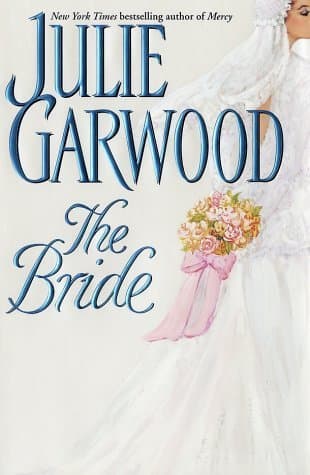
- The Bride
Julie Garwood
4.3 (55k) average on GoodreadsHistorical FictionAnother medieval romance by the same author with a similar blend of strong characters and historical setting.
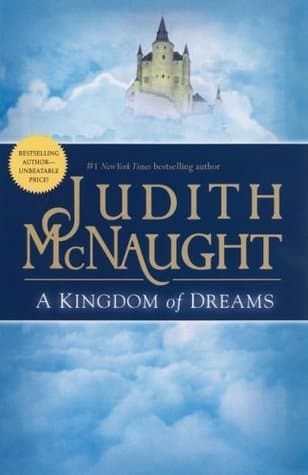
- A Kingdom of Dreams
Judith McNaught
4.2 (45k) average on GoodreadsHistorical FictionFeatures a strong medieval warrior hero and a feisty heroine in a historical romance with adventure and passion.
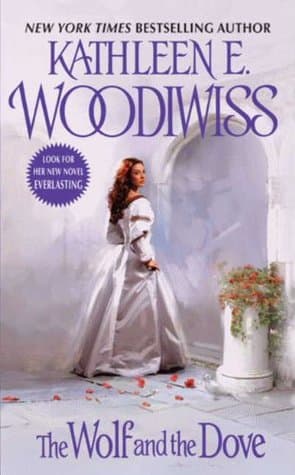
- The Wolf and the Dove
Kathleen E. Woodiwiss
4.1 (18k) average on GoodreadsHistorical FictionBoth novels feature a strong-willed heroine forced into marriage with a powerful conqueror from an opposing culture (Saxon/Norman vs. Saxon/Viking). Garwood's "The Prize" provides a somewhat more balanced portrayal of the heroine's agency and voice compared to Woodiwiss's earlier work, where the hero's dominance is often more absolute. Garwood tends to inject more humor and banter into the developing relationship, while Woodiwiss often emphasizes the raw passion and initial conflict more intensely. However, both share the common weakness of sometimes simplifying historical complexities for the sake of the romance narrative.
- Angels & Demons
Dan Brown
3.9 (2.7M) average on GoodreadsThrillerA Harvard symbologist races through Rome's ancient sites, deciphering cryptic clues to unmask the Illuminati and stop a vengeful plot to destroy the Vatican with a stolen antimatter weapon.
- Gone Girl
Gillian Flynn
4.1 (2.3M) average on GoodreadsThrillerA wife's sudden disappearance on her fifth anniversary reveals a web of lies and psychological warfare, exposing the secrets within a seemingly perfect marriage.
- The Girl on the Train
Paula Hawkins
3.9 (2.1M) average on GoodreadsThrillerA woman’s fascination with a seemingly perfect couple she watches from her daily train commute leads her into a dark investigation when she witnesses something that shatters their idyllic image.



Enjoyed the summary?
A summary gives you the shape of the book. The book itself has the detail, the examples and the voice.
Find The Prize on AmazonAs an Amazon Associate, BookBrief earns from qualifying purchases. How we're funded