
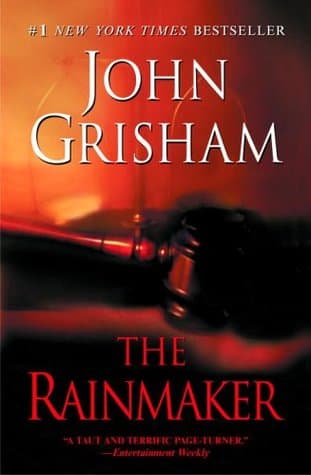
Synopsis
Covers the whole plot, including the ending.
- Difficulty
- Medium
- Pacing
- Moderate
- Mood
- Suspenseful, Gritty, Underdog Story, Frustrating
- Read it if
- You enjoy legal thrillers with an underdog protagonist fighting corporate corruption and injustice.
- Skip it if
- You prefer fast-paced action over detailed legal proceedings and character development, or are looking for a story with a perfectly neat, happy ending.
The Rainmaker Plot Summary
Covers the whole plot, including the ending.
A Desperate Start for a New Lawyer
Rudy Baylor, a recent graduate from Memphis State Law, is in a bad spot. He has no job offers, is deep in debt, and must pass the bar exam. His only real chance is an interview with a personal injury firm run by 'Bruiser' Stone, known for his aggressive tactics. Rudy's last semester requires pro bono work at a senior citizens' center. There, he meets Dot and Buddy Black, whose son, Donny Ray, is dying of leukemia. Their insurance company, Great Benefit Life, has denied coverage for Donny Ray's bone marrow transplant many times, leaving them without money and their son without hope. This meeting starts what will become Rudy's most important case.
Bruiser Stone's Questionable Empire
Despite his doubts, Rudy takes a job with 'Bruiser' Stone, a showy and unethical personal injury lawyer. Bruiser's firm operates on the edge of legality, doing things like seeking clients in hospitals and making up evidence. Rudy's first tasks involve chasing ambulances and helping with small cases, quickly showing him the bad side of the legal profession. He also meets Deck Shifflet, a paralegal who failed the bar exam six times but is good at legal research and a cynical guide to the firm's work. Deck becomes Rudy's unexpected mentor and partner, helping him understand his new, morally unclear job while still keeping an eye on the Black family's situation.
Uncovering Great Benefit's Deception
Rudy and Deck start looking into Great Benefit Life's denial of Donny Ray Black's claim. They find a pattern: Great Benefit regularly denies valid claims, hoping policyholders will give up. Donny Ray's policy clearly covers bone marrow transplants, but the company has invented reasons to avoid payment. This systematic denial of coverage, especially to people with terminal illnesses, suggests a larger, planned insurance fraud. The sheer lack of care in Great Benefit's actions makes Rudy more determined, turning the case from a legal task into a personal fight for justice against a powerful, uncaring company. They realize this is not just one denied claim, but possibly a class-action lawsuit.
A Sudden Turn of Events: Bruiser's Demise
Just as Rudy and Deck are making progress on the Great Benefit case, their lives change. Bruiser Stone, facing an FBI investigation and possible disbarment for his illegal activities, suddenly disappears. His office is raided, and his assets are taken. This unexpected event leaves Rudy and Deck without a firm, but also frees them from Bruiser's bad influence. With no other choices, they decide to start their own small, independent practice. They find a rundown office and, with Deck's cleverness and Rudy's new bar license, commit to pursuing the Black family's case against Great Benefit, now with more determination and a sense of moral purpose.
The First Steps in Litigation
Rudy, now a licensed attorney, officially files a lawsuit for Dot and Buddy Black against Great Benefit Life. The legal battle quickly gets bigger as Great Benefit hires Leo F. Drummond, a very experienced, tough, and well-funded defense attorney from a respected firm. Drummond and his team use every tactic to scare and overwhelm Rudy, from huge amounts of discovery to aggressive motions. Rudy, with few resources and little experience, relies heavily on Deck's research skills and his own growing legal instincts. The first court fights show the big difference in resources and experience between the two sides, setting up a difficult battle.
Donny Ray's Tragic End and Rudy's Resolve
During the initial legal work, Donny Ray Black dies from his leukemia. His death, a direct result of Great Benefit's refusal to cover his treatment, deeply affects Rudy and makes him more committed to the case. Donny Ray's death changes the lawsuit from a matter of money into a search for justice and accountability. The emotional impact of his death strengthens Rudy's resolve to expose Great Benefit's cruelty and stop other families from suffering the same way. The Black family's grief becomes a strong reason for Rudy to fight harder against the seemingly impossible odds presented by Drummond and his legal team.
The Brutality of Domestic Abuse
While getting ready for the Great Benefit trial, Rudy takes on another client, Kelly Riker, a young woman badly beaten by her abusive husband, Cliff Riker. Rudy first meets Kelly in the hospital where he is looking for clients for Bruiser and later helps her get a restraining order. The case quickly gets worse when Cliff, a violent and unstable man, breaks the order and keeps bothering Kelly. Rudy gets involved in Kelly's situation, offering her shelter and protection. This side story adds personal danger and moral complexity to Rudy's life, as he becomes closely involved in protecting Kelly from her dangerous husband, all while balancing the demands of the high-stakes Great Benefit lawsuit.
A Judge's Unconventional Approach
The Great Benefit case is given to Judge Tyrone Kipler, an unusual and at first intimidating figure. To the surprise of both Rudy and Drummond, Judge Kipler is fair-minded and, at times, subtly favors Rudy, the underdog. He often overrules Drummond's procedural objections and allows Rudy more freedom than expected. Kipler's rulings and manner suggest he is tired of corporate legal bullying, giving Rudy important breathing room and a more equal playing field. This judicial help is a significant turning point, giving Rudy a chance against Great Benefit's superior resources and legal power, and unsettling Drummond's usual control in court.
The Trial Begins: David vs. Goliath
The trial of Black v. Great Benefit Life starts, putting Rudy, a new lawyer, against Leo Drummond and his experienced team. Rudy, despite his lack of experience, presents a strong case, carefully detailing Great Benefit's systematic denial of Donny Ray's claims and the company's wider pattern of fraudulent behavior. He calls witnesses, including former Great Benefit employees, who testify about the company's orders to deny claims no matter what. Drummond, in turn, tries to discredit Rudy, paint Donny Ray as not deserving, and portray Great Benefit as a good insurer. The courtroom becomes a battle of legal strategy, emotional appeals, and the sharp contrast between corporate power and individual suffering.
The Smoking Gun and a Stunning Verdict
During the trial, Rudy finds a key document—an internal memo from Great Benefit showing a deliberate company policy to deny claims and profit from policyholder deaths. This evidence, with strong testimony from a former Great Benefit executive, proves the company's bad intentions. The jury, moved by Rudy's passionate arguments and the clear evidence of fraud, gives a verdict: $15 million in compensatory damages and an unprecedented $50 million in punitive damages against Great Benefit Life. This large award shocks the legal community and is a clear victory for the Black family and Rudy Baylor.
The Aftermath: Justice and Retribution
After the verdict, Great Benefit Life immediately declares bankruptcy, making the multi-million dollar judgment mostly uncollectible. While the Black family gets only a small part of the awarded damages, the moral victory and the public exposure of Great Benefit's fraud are huge. Meanwhile, Rudy's personal life changes when Cliff Riker, Kelly's abusive husband, tries to kill Kelly. Rudy steps in, and in the fight, Cliff is killed. Rudy and Kelly, now close, decide to leave Memphis. Rudy, disappointed by the legal system's limits and the compromises he had to make, decides to stop practicing corporate law and follow a different path, traveling with Kelly to start over.
A New Beginning, Away from Law
After the events around the Great Benefit trial and Cliff Riker's death, Rudy and Kelly Riker decide to leave Memphis. Rudy, having achieved the moral victory for the Black family and protected Kelly, feels deeply disappointed with the legal system and the personal cost it took. He decides to stop practicing law, at least for now. Together, they start a journey, driving out of Memphis with no specific place in mind, looking for a quiet life away from the competitive world of litigation and the shadows of their past. Rudy finds peace and purpose in helping Kelly heal and building a new, simpler life together, free from the pressures of his old job.
The Rainmaker Characters
Rudy Baylor
Protagonist
A naive but determined law school graduate fighting for justice.
Rudy Baylor is a young, idealistic, and initially naive law school graduate from Memphis State. He is burdened by debt and struggles to find employment, leading him to work for the ethically questionable 'Bruiser' Stone. Despite his inexperience, Rudy possesses a strong moral compass and a deep-seated desire for justice, which is ignited by the plight of Donny Ray Black. He is intelligent, resourceful, and surprisingly resilient, learning quickly on the job and standing up to formidable opponents like Leo Drummond. His journey transforms him from a struggling student into a dedicated, albeit disillusioned, advocate for the wronged.
Relationships: Dot Black (client, representing her family's case); Buddy Black (client, representing his family's case); Deck Shifflet (paralegal, mentor, and partner); Kelly Riker (client, romantic interest, and companion)
Deck Shifflet
Supporting
A cynical but brilliant paralegal who guides Rudy.
Deck Shifflet is an experienced paralegal who has failed the bar exam six times but possesses an encyclopedic knowledge of legal procedures and an uncanny ability to find obscure laws and precedents. He is cynical, pragmatic, and street-smart, serving as Rudy's mentor and partner. Deck is instrumental in researching and preparing the Great Benefit case, often providing the strategic insights Rudy lacks. Despite his rough exterior and ethically flexible past, he proves to be fiercely loyal to Rudy and genuinely committed to helping the Black family, viewing their case as a rare opportunity for true justice.
Relationships: Rudy Baylor (partner and mentee); Bruiser Stone (former employer)
Dot Black
Supporting
The heartbroken mother of Donny Ray, seeking justice for her son.
Dot Black is the grieving and determined mother of Donny Ray Black. She and her husband, Buddy, are Rudy's first clients, and their story of being denied life-saving insurance coverage for their son forms the core of the novel's plot. Dot is a simple, working-class woman, but her unwavering love for Donny Ray and her righteous anger at Great Benefit's cruelty give her a quiet strength. Her emotional testimony in court is pivotal, humanizing the abstract concept of insurance fraud and deeply affecting the jury. Her pursuit of justice is the catalyst for Rudy's entire journey.
Relationships: Buddy Black (husband); Donny Ray Black (son); Rudy Baylor (her lawyer)
Buddy Black
Supporting
The supportive father of Donny Ray, who stands by his wife in their legal battle.
Buddy Black is Donny Ray's father and Dot's husband. He is a quieter, more reserved figure than Dot, but equally devastated by his son's illness and Great Benefit's refusal to pay. Buddy provides steadfast support to Dot and Rudy throughout the lengthy legal process. His presence underscores the profound impact of Great Benefit's actions on an entire family, not just the individual policyholder. While less vocal than Dot, his quiet suffering and his unwavering commitment to seeking justice for Donny Ray are powerful motivators for Rudy.
Relationships: Dot Black (wife); Donny Ray Black (son); Rudy Baylor (his lawyer)
Donny Ray Black
Supporting
The young man whose terminal illness and denied insurance claim drive the plot.
Donny Ray Black is the son of Dot and Buddy Black, diagnosed with terminal leukemia. His desperate need for a bone marrow transplant, which Great Benefit Life refuses to cover, is the central conflict of the story. Although he dies early in the narrative, his suffering and death serve as the emotional core and moral imperative for Rudy's legal battle. Donny Ray represents the innocent victim of corporate greed and bureaucratic indifference, and his memory fuels the fight for justice against the powerful insurance company. His story is a poignant reminder of the human cost of corporate malfeasance.
Relationships: Dot Black (mother); Buddy Black (father)
Leo F. Drummond
Antagonist
The ruthless and highly skilled defense attorney for Great Benefit Life.
Leo F. Drummond is the lead defense attorney for Great Benefit Life, representing a powerful and prestigious law firm. He is a formidable opponent, known for his aggressive tactics, vast resources, and unwavering loyalty to his corporate clients. Drummond attempts to overwhelm Rudy with legal maneuvers, intimidate witnesses, and discredit the Black family. He embodies the ruthlessness of corporate law, prioritizing the protection of his client's financial interests above all else. Despite his legal prowess, his arrogance and underestimation of Rudy ultimately contribute to his defeat.
Relationships: Great Benefit Life (client); Rudy Baylor (legal opponent)
'Bruiser' Stone
Supporting
A corrupt and flamboyant personal injury lawyer who briefly employs Rudy.
'Bruiser' Stone is a notorious personal injury lawyer known for his questionable ethics, ambulance-chasing tactics, and flamboyant lifestyle. He gives Rudy his first job out of law school, exposing Rudy to the seedy underbelly of the legal profession. Bruiser's firm operates on the fringes of legality, engaging in practices like soliciting clients and fabricating evidence. His sudden disappearance due to an FBI investigation forces Rudy and Deck to strike out on their own, inadvertently setting them on a path towards legitimate law and the Great Benefit case. He represents the corrupt side of the legal world Rudy initially enters.
Relationships: Rudy Baylor (employer); Deck Shifflet (employer)
Judge Tyrone Kipler
Supporting
The unconventional judge presiding over the Great Benefit trial.
Judge Tyrone Kipler is the judge assigned to the Black v. Great Benefit Life case. He is an unconventional and experienced judge who, despite his initial gruff demeanor, displays a surprising sense of fairness and a subtle leaning towards the underdog. Kipler's rulings often favor Rudy, giving him crucial leeway against Drummond's aggressive tactics. He is weary of corporate bullying and procedural games, allowing Rudy to present his case effectively and ultimately ensuring a fair trial. His presence is crucial in leveling the playing field for Rudy against the well-resourced defense team.
Relationships: Rudy Baylor (presiding judge); Leo F. Drummond (presiding judge)
Kelly Riker
Supporting
A victim of domestic abuse who becomes Rudy's client and romantic interest.
Kelly Riker is a young woman suffering from severe domestic abuse at the hands of her violent husband, Cliff. Rudy meets her in the hospital and takes on her case, eventually developing a deep personal connection with her. Kelly's story highlights the pervasive issue of domestic violence and adds a dangerous personal dimension to Rudy's life. Her vulnerability and strength, as she tries to escape her abusive situation, draw Rudy in, and their relationship becomes a significant subplot. She represents a different kind of injustice that Rudy confronts, leading to a dramatic and violent resolution.
Relationships: Rudy Baylor (client, romantic interest, and protector); Cliff Riker (abusive husband)
Cliff Riker
Antagonist
Kelly Riker's violent and abusive husband.
Cliff Riker is Kelly Riker's abusive husband, a violent and unstable individual who poses a direct physical threat to Kelly and, eventually, to Rudy. He repeatedly violates restraining orders and continues to stalk and assault Kelly, escalating the danger. Cliff represents the immediate, physical threat of violence, contrasting with the corporate, systemic violence of Great Benefit. His volatile nature leads to a climactic confrontation with Rudy, resulting in his death and serving as a dramatic turning point in Rudy's personal life, forcing him to make a difficult choice.
Relationships: Kelly Riker (victim/wife); Rudy Baylor (adversary)
The Rainmaker Themes
Justice vs. The System
The novel explores the tension between an individual's search for justice and the strong, often corrupt, legal system. Rudy Baylor, an inexperienced lawyer, takes on a powerful, unethical insurance company, Great Benefit Life, and its top legal team. This theme is clear in Rudy's struggle against overwhelming resources, bureaucratic obstacles, and the unfairness of the legal process. Despite the moral win for the Black family, Great Benefit's bankruptcy shows the system's limits in giving full financial compensation, making Rudy question his profession.
“There are times, I think, when we are all called to take a stand.”
Corporate Greed and Corruption
A main theme is the terrible effect of corporate greed on ordinary people. Great Benefit Life shows this, putting profits over human lives by regularly denying valid insurance claims, especially for people with terminal illnesses like Donny Ray Black. The company's internal memos and the statements of former employees reveal a planned strategy of fraud and cold indifference. This theme exposes how big companies can use legal loopholes and scare individuals, showing the moral decay that can come with unchecked corporate power.
“It was a company that made money by saying no.”
The Education of a Lawyer
The novel is a coming-of-age story for Rudy Baylor, showing his change from a naive law school graduate to an experienced, though disappointed, attorney. He learns about the ethical gray areas of the legal profession through his first work with 'Bruiser' Stone, then faces the tough realities of litigation against a powerful company. Rudy's 'education' involves not just legal strategy but also moral compromises, personal sacrifices, and a deep understanding of human suffering and strength. His journey ends with him realizing that justice in the legal system is often flawed and comes at a high personal price.
“Justice, I was learning, was an elusive thing.”
Abuse of Power
This theme appears in several ways: Great Benefit's abuse of its corporate power to deny claims and financially ruin families, and Cliff Riker's physical and emotional abuse of his wife, Kelly. Both examples show how power, whether corporate or personal, can be used to oppress and harm vulnerable people. Rudy Baylor confronts both types of abuse, fighting against a large company and directly helping to protect Kelly. The novel connects these seemingly different forms of abuse, showing their shared ability to destroy and the moral need to resist them.
“They had a system, and the system worked because it preyed on the poor and the ignorant.”
The Underdog's Fight
The story strongly uses the 'David vs. Goliath' idea. Rudy Baylor, a broke, inexperienced, and barely licensed lawyer, takes on Great Benefit Life, a huge insurance company represented by one of the most powerful and well-funded law firms in the country. His lack of resources, his old office, and his reliance on a paralegal who never passed the bar highlight his underdog status. The story celebrates the persistence and moral conviction of an individual against overwhelming institutional power, showing the emotional and strategic challenges of such a fight and the satisfaction of a hard-won, though imperfect, victory.
“I was out of my league, but I was in the game.”
Plot Devices & Literary Techniques
First-Person Narration
Provides an intimate perspective on Rudy's struggles and moral dilemmas.
The story is told from Rudy Baylor's first-person perspective, allowing the reader direct access to his thoughts, fears, and evolving moral compass. This narrative choice immerses the reader in Rudy's personal and professional struggles, making his journey more relatable and impactful. It highlights his initial naivete, his growing disillusionment, and his internal conflicts as he navigates the corrupt legal world. The reader experiences the frustration of battling Great Benefit, the danger of helping Kelly Riker, and Rudy's ultimate questioning of his chosen profession directly through his eyes.
The 'Smoking Gun' Document
A crucial piece of evidence that exposes corporate malfeasance.
The 'smoking gun' in *The Rainmaker* is an internal memo from Great Benefit Life that explicitly details the company's policy of denying claims regardless of merit, calculating that more policyholders would die or give up than successfully sue. This document serves as the pivotal piece of evidence that proves malicious intent and fraud, turning the tide of the trial in Rudy's favor. It's a classic thriller device that provides undeniable proof of wrongdoing, creating a dramatic climax in the courtroom and securing the massive verdict against the insurance company.
The Mentor Figure (Deck Shifflet)
A cynical but knowledgeable guide for the inexperienced protagonist.
Deck Shifflet serves as Rudy's unconventional mentor. Despite having failed the bar exam multiple times, Deck possesses invaluable practical legal knowledge, research skills, and street smarts. He guides Rudy through the intricacies of litigation, the ethical pitfalls of the profession, and the strategies for battling powerful law firms. Deck's cynical wisdom and resourcefulness are crucial to Rudy's success, providing the young lawyer with the practical tools and strategic advice he desperately needs. He represents the pragmatic, less idealistic side of the law, balancing Rudy's moral fervor.
Parallel Subplot (Kelly Riker's Case)
Adds personal danger and a different dimension to Rudy's fight for justice.
The subplot involving Kelly Riker and her abusive husband, Cliff, runs parallel to the main Great Benefit lawsuit. This device serves several purposes: it provides a stark contrast between corporate, systemic injustice and immediate, personal violence; it deepens Rudy's character by showing his willingness to protect the vulnerable even outside the courtroom; and it introduces a significant element of personal danger and emotional entanglement into Rudy's life. The violent resolution of this subplot ultimately influences Rudy's decision to leave the legal profession, highlighting the toll his pursuit of justice takes.
The Rainmaker Quotes
“I'm a lawyer, and I'm not ashamed of it.”
“The law is a noble profession, but it's also a business.”
“Insurance companies are in the business of collecting premiums and denying claims.”
“I'm not in it for the money. I'm in it for the people.”
“The truth is a powerful weapon.”
“Sometimes you have to fight fire with fire.”
“A good lawyer knows the law; a great lawyer knows the judge.”
“Justice delayed is justice denied.”
“In the end, it's not about winning or losing; it's about doing what's right.”
“The little guy can win if he has the right lawyer.”
“Fear is a great motivator, but so is anger.”
“You don't have to be rich to make a difference.”
“The system is broken, but that doesn't mean we can't fix it.”
Quiz
10 questions on the plot and the characters. Each answer comes with a short explanation.
Question 1
What is the name of the insurance company that refuses to pay for Donny Ray Black's leukemia treatments?
- Great Benefit Life Insurance
- American Family Insurance
- National Health Coverage
- United Medical Assurance
Show answer
A. Great Benefit Life Insurance Great Benefit Life Insurance is the corrupt company that denies Donny Ray Black's claims, sparking the central lawsuit in the novel. This refusal exposes their systematic fraud against policyholders.
Question 2
Why is Rudy Baylor initially skeptical about taking the Black family's case?
- He thinks they are lying about their son's illness
- He doubts the insurance company would commit such obvious fraud
- He is afraid of the physical danger involved
- He believes the case is too small to be worth his time
Show answer
B. He doubts the insurance company would commit such obvious fraud Rudy's skepticism stems from his disbelief that a large insurance company would so blatantly deny valid claims, but he soon uncovers evidence of widespread fraud.
Question 3
What legal requirement leads Rudy to meet Dot and Buddy Black for the first time?
- A court-appointed pro bono assignment
- A law school requirement to provide free legal advice to senior citizens
- A referral from his professor
- An advertisement he placed in a local newspaper
Show answer
B. A law school requirement to provide free legal advice to senior citizens In his final semester, Rudy must offer free legal advice at a senior citizens' center, where the Blacks seek help, setting the main plot in motion.
Question 4
Who is the seasoned defense attorney representing Great Benefit in the lawsuit?
- Leo F. Drummond
- Deck Shifflet
- Judge Harvey Hale
- Bruiser Stone
Show answer
A. Leo F. Drummond Leo F. Drummond is the experienced and ruthless attorney hired by Great Benefit to defend against Rudy's lawsuit, representing the powerful opposition Rudy faces.
Question 5
What critical piece of evidence does Rudy discover in Great Benefit's internal documents?
- A memo ordering the destruction of claim files
- A 'claims denial manual' instructing employees to deny all claims
- Financial records showing illegal offshore accounts
- Emails discussing bribery of government officials
Show answer
B. A 'claims denial manual' instructing employees to deny all claims Rudy finds a manual that explicitly guides Great Benefit employees to deny claims regardless of validity, proving the company's fraudulent practices and strengthening his case.
Question 6
How does Rudy financially support himself while preparing for the trial?
- He works as a bartender at a local club
- He takes out high-interest loans from shady lenders
- He partners with a paralegal to chase ambulances for cases
- He receives a generous advance from a book deal
Show answer
C. He partners with a paralegal to chase ambulances for cases Rudy teams up with Deck Shifflet, a paralegal, to pursue personal injury cases by soliciting clients at accident scenes, highlighting his desperate financial situation.
Question 7
What major theme does Rudy's journey from idealistic law student to pragmatic lawyer primarily explore?
- The importance of family loyalty in legal battles
- The corruption of the healthcare system
- The moral compromises and ethical dilemmas in the legal profession
- The role of technology in modern law practice
Show answer
C. The moral compromises and ethical dilemmas in the legal profession The novel delves into how Rudy navigates the gray areas of law, from his initial idealism to the tough choices he makes, reflecting on ethics and corruption in the legal system.
Question 8
What happens to Donny Ray Black before the trial concludes?
- He recovers miraculously after experimental treatment
- He testifies powerfully against Great Benefit
- He dies from leukemia, making the case a wrongful death suit
- He is kidnapped by company agents to silence him
Show answer
C. He dies from leukemia, making the case a wrongful death suit Donny Ray succumbs to his illness during the legal proceedings, transforming the case into a wrongful death lawsuit and heightening the emotional stakes.
Question 9
Which character provides Rudy with crucial insider information about Great Benefit's operations?
- Kelly Riker, a victim of domestic abuse Rudy helps
- Jackie Lemanczyk, a former Great Benefit employee
- Bruiser Stone, Rudy's former employer
- Judge Harvey Hale, who sympathizes with Rudy's case
Show answer
B. Jackie Lemanczyk, a former Great Benefit employee Jackie Lemanczyk, who worked in Great Benefit's claims department, becomes a key witness by revealing the company's systematic fraud, aiding Rudy's investigation.
Question 10
What is the ultimate outcome of the trial against Great Benefit?
- Great Benefit is found guilty and ordered to pay a large settlement, but declares bankruptcy to avoid payment
- Rudy wins the case and uses the money to start his own successful law firm
- The case is dismissed due to lack of evidence
- Great Benefit settles out of court for a modest sum to avoid publicity
Show answer
A. Great Benefit is found guilty and ordered to pay a large settlement, but declares bankruptcy to avoid payment The jury awards a massive verdict to the Blacks, but Great Benefit files for bankruptcy, leaving Rudy and his clients with a hollow victory that critiques the legal system's limitations.
The Rainmaker FAQ
What is 'The Rainmaker' about?
'The Rainmaker' follows Rudy Baylor, a recent law school graduate who takes on a case against Great Benefit Life Insurance, a corrupt company that refused to cover leukemia treatments for Donny Ray Black. Rudy, despite being broke and unlicensed, uncovers a massive insurance fraud scheme while battling powerful corporate lawyers.
Why should I read 'The Rainmaker'?
This legal thriller offers a gripping underdog story that exposes corporate corruption through Rudy's journey from naive law student to determined attorney. It combines courtroom drama with social commentary on insurance fraud, making it both entertaining and thought-provoking.
What is the background/setting of 'The Rainmaker'?
Set in Memphis, Tennessee, the story unfolds in law offices, courtrooms, and the modest homes of clients like the Blacks. The legal landscape is dominated by powerful firms like Tinley Britt, contrasting with Rudy's makeshift practice in a strip mall.
What are the most memorable quotes?
Key quotes include Rudy's reflection, 'I'm a lawyer now, and I'm not afraid of the truth,' and Deck Shifflet's cynical advice, 'In law school, they teach you ethics. In practice, they teach you survival.' These capture the novel's themes of integrity versus corruption.
What writing style does the author use?
John Grisham employs a fast-paced, first-person narrative from Rudy's perspective, blending legal jargon with accessible prose. The style builds tension through courtroom scenes and investigative details, keeping readers engaged with twists and moral dilemmas.
What minor details add significant meaning?
Details like Rudy's dilapidated office in a strip mall and his used car symbolize his financial struggles, highlighting the disparity with Great Benefit's wealth. Donny Ray's deteriorating health, described through hospital visits, underscores the human cost of corporate greed.
What are some subtle foreshadowing moments?
Early scenes where Rudy doubts the Blacks' case foreshadow his later realization of the fraud's scale. Deck Shifflet's warnings about insurance companies hint at the systemic corruption Rudy will uncover, building suspense for the trial's revelations.
What unexpected character connections exist?
Rudy's mentor, Bruiser Stone, has shady ties that indirectly aid the case, while Kelly Riker, a domestic abuse victim Rudy helps, becomes a romantic interest, intertwining personal and legal struggles. These connections enrich the plot beyond the main lawsuit.
What are unspoken character motivations?
Rudy is driven by a desire for justice and redemption after his own family's financial woes, though he rarely admits this. Dot Black's relentless fight stems from guilt over her son's suffering, while Great Benefit's executives are motivated by greed masked as corporate policy.
What psychological complexities do characters exhibit?
Rudy grapples with imposter syndrome as a new lawyer, balancing idealism with pragmatism. Deck Shifflet, a former insurance adjuster, shows conflicted loyalty, using his insider knowledge to help Rudy while navigating ethical gray areas.
What are the major emotional turning points?
Donny Ray's death devastates the Blacks and fuels Rudy's determination. The courtroom victory, where Great Benefit is found liable, brings catharsis but is tempered by the company's bankruptcy, leaving the Blacks uncompensated and highlighting systemic injustice.
How do relationship dynamics evolve?
Rudy and Deck start as uneasy allies but grow into a trusted team, with Deck's street-smart tactics complementing Rudy's legal skills. Rudy's relationship with Kelly shifts from client-attorney to romantic partners, adding personal stakes to his professional battles.
Which parts remain ambiguous or open-ended?
The fate of Great Benefit's executives after the trial is left unclear, raising questions about accountability. Rudy's future career path is ambiguous, as he considers leaving law, leaving readers to ponder whether justice was truly served.
What are controversial scenes or decisions?
Rudy's use of underhanded tactics, like bribing a witness, sparks debate on ethical boundaries in law. The jury's massive punitive damages award is controversial, with some viewing it as justified retribution and others as excessive.
'The Rainmaker' ending explained: how it ends & what it means
The ending sees Rudy winning the case with a $50 million verdict, but Great Benefit declares bankruptcy, preventing the Blacks from collecting. Rudy leaves law, disillusioned but wiser, suggesting that while individual battles can be won, systemic corruption often persists.
About the author
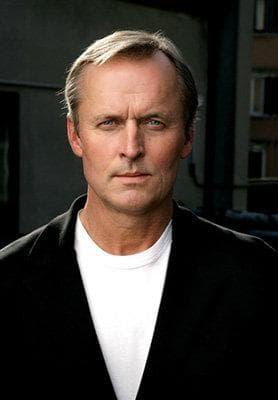
John Grisham is an American author known for his legal thrillers. His notable works include A Time to Kill, The Client, The Pelican Brief, The Runaway Jury, The Rainmaker, and The Chamber. Grisham's novels often explore themes of justice and morality within the legal system.
Similar books
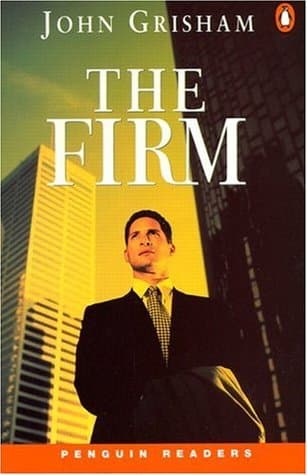
- The Firm
John Grisham
4.1 (43k) average on GoodreadsThrillerAnother early Grisham legal thriller featuring a young lawyer in over his head against a powerful, corrupt organization.
- A Civil Action
Jonathan Harr
4.0 (15k) average on GoodreadsHistoryA non-fiction account of a real-life David vs. Goliath environmental lawsuit, sharing themes of legal battles against powerful corporations.
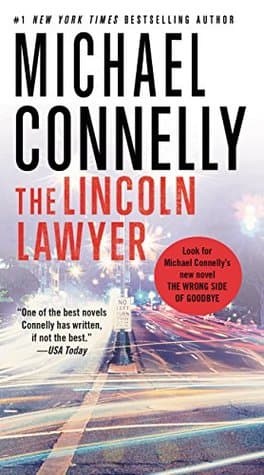
- The Lincoln Lawyer
Michael Connelly
4.2 (193k) average on GoodreadsThrillerFeatures a morally ambiguous but skilled lawyer navigating the complexities of the legal system, often defending the seemingly indefensible.
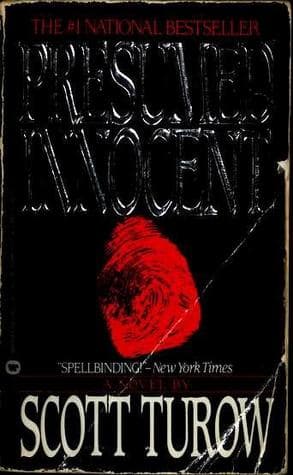
- Presumed Innocent
Scott Turow
4.1 (107k) average on GoodreadsThrillerTurow's novel offers a deeper, more psychologically complex exploration of the legal system, focusing on a prosecutor accused of murder. It delves into moral ambiguity and sophisticated legal detail, whereas Grisham's The Rainmaker provides a more straightforward narrative of good vs. evil and corporate malfeasance.
- Angels & Demons
Dan Brown
3.9 (2.7M) average on GoodreadsThrillerA Harvard symbologist races through Rome's ancient sites, deciphering cryptic clues to unmask the Illuminati and stop a vengeful plot to destroy the Vatican with a stolen antimatter weapon.
- Gone Girl
Gillian Flynn
4.1 (2.3M) average on GoodreadsThrillerA wife's sudden disappearance on her fifth anniversary reveals a web of lies and psychological warfare, exposing the secrets within a seemingly perfect marriage.



Enjoyed the summary?
A summary gives you the shape of the book. The book itself has the detail, the examples and the voice.
Find The Rainmaker on AmazonAs an Amazon Associate, BookBrief earns from qualifying purchases. How we're funded