

Synopsis
Covers the whole plot, including the ending.
- Difficulty
- Medium
- Pacing
- Variable
- Mood
- Epic, Triumphant, Somber, Hopeful, Melancholy
- Read it if
- You love epic fantasy with grand battles, profound themes of good vs. evil, and a deeply developed world, and you've already read the first two books in the series.
- Skip it if
- You prefer fast-paced, action-only narratives, or you're not interested in detailed world-building and a more formal, archaic prose style.
The Return of the King Plot Summary
Covers the whole plot, including the ending.
Minas Tirith Besieged
The story begins with Gandalf and Pippin arriving in Minas Tirith, Gondor's capital, after their journey from Isengard. Pippin, still affected by seeing into the palantír, offers his service to Denethor, the Steward of Gondor. Pippin mistakenly believes Denethor's son, Boromir, died protecting him. Denethor, a proud and increasingly hopeless man, accepts Pippin, though he focuses on the threat from Mordor. The city's defenses are being prepared, but a sense of dread fills the air as the Nazgûl's presence grows and Sauron's armies gather on the Pelennor Fields, signaling the coming siege.
The Ride of the Rohirrim
King Théoden of Rohan, with Merry Brandybuck secretly riding with Éowyn, leads his army to Minas Tirith. They travel through the Drúadan Forest, guided by the Wild Men, to avoid Sauron's spies. Théoden knows the odds are against them but is determined to honor his promise to Gondor. As they leave the forest at dawn, they see the horror of the siege, with the Pelennor Fields covered in Orcs and Easterlings, and Minas Tirith under attack. With a powerful cry, Théoden leads the charge, breaking the siege lines and bringing hope to the trapped defenders, though at a great cost.
The Battle of the Pelennor Fields
The Battle of the Pelennor Fields rages fiercely. The Rohirrim, led by King Théoden, initially turn the battle against the Orcs and Easterlings. But the Witch-king of Angmar, Lord of the Nazgûl, comes to the battlefield. He badly wounds Théoden. Éowyn, disguised as a male warrior named Dernhelm, confronts him. With help from Merry Brandybuck's enchanted blade, Éowyn fulfills the prophecy that no 'man' will slay the Witch-king, defeating him. Despite this win, the battle remains grim, with many dead on both sides, and Mordor's forces seem endless. Aragorn's arrival with the Army of the Dead changes the battle's course.
Aragorn's Arrival and the Army of the Dead
While the battle is happening, Aragorn, Legolas, Gimli, and the Grey Company travel through the Paths of the Dead to summon the Oathbreakers. These ghost warriors, cursed to wander until they fulfilled their oath to fight for the King of Gondor, pledge loyalty to Aragorn, who is the true heir. They attack the Black Ships in the Anduin, which were bringing reinforcements for Mordor, defeating the Corsairs of Umbar and scaring the enemy. Aragorn then frees the Oathbreakers from their curse and leads his forces, now joined by men from southern Gondor, to the Pelennor Fields, arriving at a critical moment to complete the defeat of Sauron's armies.
The Madness of Denethor
Amid the chaos of the siege, Denethor, the Steward of Gondor, falls deeper into despair. This is made worse by his use of the palantír, through which Sauron has shown him false visions of hopelessness. Believing Faramir to be dying and Gondor doomed, he prepares a funeral pyre, planning to burn himself and his son alive. Pippin, horrified, alerts Gandalf, who intervenes. Gandalf rescues Faramir, who is gravely ill but not dead, but cannot stop Denethor from burning himself. Denethor's end shows the destructive power of despair and Sauron's psychological war, leaving Gondor without its Steward in its darkest hour.
The Black Gate Opens
After the win at the Pelennor Fields, Gandalf, Aragorn, and the other Captains of the West know that their victory is incomplete as long as Sauron focuses on the Ring-bearer. To give Frodo and Sam a chance to complete their quest, they decide to march on the Black Gate of Mordor with a small, defiant army. This desperate plan is meant to draw Sauron's attention away from the Ring and make him believe the Ring is being openly challenged. Though they know they face overwhelming odds, they choose to make a final stand, hoping to gain time for Frodo to destroy the One Ring in Mount Doom.
Frodo and Sam's Perilous Journey
Meanwhile, Frodo and Sam continue their difficult journey across the desolate, ash-covered plains of Mordor towards Mount Doom. The landscape is a hellish wasteland, and their supplies quickly run out. Frodo is increasingly weakened by the Ring's influence, its weight and power becoming an unbearable burden. Sam remains his loyal companion, encouraging him, carrying him when needed, and enduring his own hardships with great strength. They meet Orcs, face constant watch from Sauron's Eye, and battle hunger and thirst, pushing their physical and mental limits in their mission to destroy the One Ring.
The Confrontation at the Black Gate
The Captains of the West, with their small army, arrive at the Black Gate. The Mouth of Sauron, a corrupted Black Númenórean, comes out to talk. He tries to break their spirit by showing Frodo's mithril shirt and claiming he is captured. Gandalf rejects his lies, and the battle begins. Sauron's vast armies pour from the gate, outnumbering the forces of the West many times over. The heroes fight with courage, knowing their stand is a diversion, a sacrifice to allow Frodo to complete his mission. Their defiance draws Sauron's full attention, just as planned.
The Destruction of the Ring
Frodo and Sam finally reach the Cracks of Doom inside Mount Doom. At the very edge of the fiery chasm, Frodo gives in to the Ring's power, unable to destroy it, and claims it for himself, putting it on his finger. At this moment, Gollum, who has been following them, attacks Frodo. In a struggle, Gollum bites off Frodo's finger, getting the Ring back. In his joy, Gollum dances on the edge and accidentally falls into the fiery chasm, taking the One Ring with him. The Ring is destroyed, and with it, Sauron's power collapses, sending shockwaves across Middle-earth.
The Fall of Barad-dûr and the Eagles' Rescue
With the One Ring destroyed, Sauron's power is completely broken. The Black Gate crumbles, Barad-dûr collapses, and the Nazgûl are consumed by the fires of Mount Doom. The Orcs and other creatures of Sauron's army are left without a leader and scatter in fear, many dying in the chaos. At the Black Gate, the remaining forces of the West are surprised as Sauron's power disappears. Gandalf, realizing Frodo and Sam are still on Mount Doom, calls the Great Eagles. Led by Gwaihir, the Eagles rescue the two hobbits from the erupting volcano, bringing them back to safety and celebration.
The Coronation of Aragorn
After Sauron's defeat, the injured heroes recover in Minas Tirith. Aragorn, now known as the heir of Isildur, is crowned King Elessar of the Reunited Kingdom of Gondor and Arnor. His coronation marks the end of the Third Age and the start of the Age of Men. He marries Arwen Evenstar, daughter of Elrond, symbolizing the joining of Elves and Men and the renewal of the ancient line. The ceremony is a moment of great joy and hope, showing peace and the promise of a brighter future for Middle-earth under a just king.
The Scouring of the Shire
The four hobbits—Frodo, Sam, Merry, and Pippin—return to the Shire, expecting peace. Instead, they find their home ruined and controlled by Saruman, now called 'Sharkey,' and his ruffians, who have industrialized and exploited the land. The hobbits, having gained courage and wisdom from their adventures, cannot stand by. Led by Merry and Pippin, who use their military training, and with Sam's determination, the hobbits gather their people and lead a rebellion against Saruman's forces in the Battle of Bywater. They successfully drive out the ruffians and restore order to the Shire.
Saruman's End and the Healing of the Shire
After the Battle of Bywater, Saruman and Wormtongue are confronted. Saruman, stripped of his power, tries one last act of malice before Wormtongue fatally stabs him. Wormtongue is then killed by hobbit archers. With Saruman gone, the hobbits begin the long process of healing their Shire. Samwise Gamgee uses the magical earth given to him by Galadriel to restore the ravaged land, bringing new life to the trees and fields. The Shire slowly recovers, showing the strength of nature and its inhabitants, though the scars of Saruman's occupation remain.
The Grey Havens
Years after the war, Frodo, still bearing the deep spiritual and physical wounds from the Ring, finds little peace in the restored Shire. He, along with Bilbo, Gandalf, Elrond, and Galadriel, travels to the Grey Havens. From there, they take a ship to the Undying Lands, a realm beyond the world, where Frodo hopes to find healing for his suffering. This departure marks the final fading of the Elves' direct influence in Middle-earth and the end of the Third Age, leaving the world to Men and the other mortal races. Sam, Merry, and Pippin say goodbye, recognizing the end of an era.
The Return of the King Characters
Frodo Baggins
Protagonist
The Ring-bearer, burdened by the One Ring's corrupting power.
Frodo is a hobbit from the Shire, chosen by fate and Gandalf to carry the One Ring to Mordor and destroy it. He is empathetic, resilient, and possesses a quiet inner strength, but also carries a deep sensitivity that makes him acutely vulnerable to the Ring's corrupting influence. His journey is one of immense physical and psychological suffering, as the Ring slowly drains his will and body. He is driven by a strong sense of duty and a love for his home and friends, but ultimately, the burden proves too great for him to bear alone.
Relationships: Samwise Gamgee (Master and loyal companion, deeply dependent on Sam); Gandalf (Mentor and guide); Bilbo Baggins (Adoptive uncle and fellow Ring-bearer)
Samwise Gamgee
Protagonist/Loyal Companion
Frodo's steadfast gardener and companion, whose loyalty and courage are unwavering.
Samwise Gamgee is Frodo's gardener and closest friend. He embodies the simple, practical virtues of the hobbit folk: loyalty, common sense, and an enduring love for his home and master. Despite his humble origins, Sam demonstrates incredible courage, resilience, and selflessness throughout the journey to Mordor. He frequently carries Frodo, protects him from danger, and provides emotional support, often being the sole source of hope when Frodo succumbs to despair. His unwavering devotion is crucial to the success of the quest.
Relationships: Frodo Baggins (Loyal servant and best friend, Frodo's anchor); Rosie Cotton (Wife and love interest)
Aragorn
Protagonist
The rightful heir to the throne of Gondor, a skilled ranger and warrior.
Aragorn, also known as Strider, is the last descendant of Isildur and the rightful King of Gondor and Arnor. He is a wise, noble, and compassionate leader, embodying the ancient virtues of kingship. He is a formidable warrior, a skilled healer, and possesses keen foresight. Throughout the story, he grapples with the weight of his lineage and the challenge of proving himself worthy of the throne, not through force, but through service and self-sacrifice. He inspires loyalty and hope in those around him, ultimately uniting the realms of Men.
Relationships: Gandalf (Mentor and ally); Arwen Evenstar (Fiancée and future wife); Legolas (Close friend and companion); Gimli (Close friend and companion)
Gandalf
Supporting/Mentor
The wise Istari wizard, guiding the Fellowship and the free peoples of Middle-earth.
Gandalf is one of the Istari, a powerful wizard sent to Middle-earth to aid in the fight against Sauron. He is immensely wise, ancient, and possesses great magical power, but often chooses to inspire and guide rather than directly intervene. He is a master strategist, a beacon of hope, and a stern but caring mentor to many, particularly Frodo and Pippin. After his resurrection as Gandalf the White, his power and authority are significantly increased, allowing him to rally the forces of good and confront the remaining evils directly. He represents divine intervention and hope.
Relationships: Frodo Baggins (Mentor and guide); Aragorn (Trusted ally and advisor); Pippin Took (Temporary ward and protégé)
Pippin Took
Supporting
A young hobbit who matures into a brave guard of the Citadel of Minas Tirith.
Peregrin 'Pippin' Took is one of the four hobbits of the Fellowship. Initially depicted as the youngest and most naive, prone to impulsive actions (like looking into the palantír), he gradually matures throughout the war. He pledges service to Denethor, becoming a Guard of the Citadel in Minas Tirith, and later fights in the Battle of the Black Gate. While still retaining some of his youthful exuberance, Pippin demonstrates growing courage, loyalty, and a sense of responsibility, eventually becoming a respected Thain of the Shire.
Relationships: Merry Brandybuck (Close friend and fellow adventurer); Gandalf (Temporary guardian and mentor); Denethor (Steward he serves)
Merry Brandybuck
Supporting
A resourceful hobbit who becomes a Knight of Rohan.
Meriadoc 'Merry' Brandybuck is another hobbit of the Fellowship, known for his intelligence, resourcefulness, and loyalty. He is slightly older and more sensible than Pippin. During the war, he pledges his sword to King Théoden of Rohan and becomes a Knight of the Mark, fighting bravely in the Battle of the Pelennor Fields and playing a crucial role in the defeat of the Witch-king. He demonstrates a remarkable capacity for growth, adapting to the harsh realities of war and becoming a respected leader among his own people after returning to the Shire.
Relationships: Pippin Took (Close friend and fellow adventurer); King Théoden (Liege lord and mentor); Éowyn (Fellow warrior and friend)
Éowyn
Supporting
A noble shieldmaiden of Rohan who yearns for battle and glory.
Éowyn is the niece of King Théoden of Rohan, a strong-willed and courageous woman who initially feels trapped by her gender and her duty to care for her ailing uncle. She yearns for glory in battle and to prove her worth, feeling overlooked and despairing. Disguised as a male warrior, Dernhelm, she rides to war and famously confronts and defeats the Witch-king of Angmar on the Pelennor Fields, fulfilling an ancient prophecy. After the war, she finds peace and love, choosing a life of healing and leadership rather than perpetual battle.
Relationships: King Théoden (Uncle and liege lord); Éomer (Brother); Faramir (Husband and love interest); Merry Brandybuck (Fellow warrior and friend)
Denethor
Antagonist (of a sort)
The proud and despairing Steward of Gondor.
Denethor II is the Steward of Gondor, a man of great intellect, pride, and strength of will. He has long ruled Gondor in the absence of a king and deeply resents the prospect of Aragorn's return. His pride and his use of a palantír, which Sauron manipulates to show him only despairing visions, lead him to believe that Gondor's cause is hopeless. He succumbs to madness and despair, attempting to burn himself and his gravely wounded son, Faramir. His tragic flaw is his inability to accept help or hope, leading to his self-destruction.
Relationships: Faramir (Younger son, whom he undervalues); Boromir (Elder, favored son (deceased)); Pippin Took (Temporary servant)
Sauron
Antagonist
The Dark Lord, whose power is tied to the One Ring.
Sauron is the primary antagonist, the Dark Lord of Mordor, a former Maia who became the second Dark Lord after Morgoth. He is a being of immense power, primarily manifested through his will and his mastery of dark magic. His goal is to dominate all of Middle-earth, and his power is intrinsically linked to the One Ring. He is a disembodied spirit, manifesting as the Eye of Sauron, perpetually searching for the Ring. He represents absolute evil, tyranny, and the corrupting nature of power, and his ultimate defeat hinges entirely on the destruction of the Ring.
Relationships: The Nazgûl (His chief servants); Saruman (Initially an ally, later a broken pawn)
Gollum/Sméagol
Supporting/Antagonist
The wretched creature obsessed with the One Ring, known as 'my precious'.
Gollum is a corrupted hobbit-like creature named Sméagol, who was driven mad by the One Ring over centuries of possession. He is cunning, treacherous, and utterly obsessed with the Ring, referring to it as 'my precious.' Despite his malice, he serves as an unwitting tool of fate in the destruction of the Ring. His internal struggle between his Sméagol personality (weak and timid) and his Gollum personality (cruel and cunning) reflects the Ring's corrupting influence. His tragic existence is a cautionary tale about the perils of desire and power.
Relationships: Frodo Baggins (Guide and object of obsession/hatred); Samwise Gamgee (Object of hatred and suspicion)
Faramir
Supporting
The noble Captain of Gondor, son of Denethor, wise and compassionate.
Faramir is the younger son of Denethor II, Steward of Gondor, and brother to Boromir. Unlike his proud father and boisterous brother, Faramir is wise, compassionate, and possesses a strong moral compass. He is a capable military commander but values knowledge and peace over glory. He resists the temptation of the One Ring when he encounters Frodo, proving his integrity and strength of character. He is deeply devoted to Gondor and his men, despite his father's disapproval and preference for Boromir. He finds love and purpose with Éowyn after the war.
Relationships: Denethor (Father, from whom he seeks approval); Boromir (Elder brother); Éowyn (Wife and love interest)
The Return of the King Themes
The Corrupting Power of the Ring
The One Ring is the main symbol of power's corrupting influence. It does not just tempt but changes the desires and wills of its bearers and those who want it. Frodo, the Ring-bearer, becomes weaker and more tormented by its presence, eventually giving in at the Cracks of Doom, unable to willingly destroy it. Denethor's despair is made worse by Sauron's manipulation through the palantír, a lesser form of the Ring's influence, driving him to madness and suicide. Even Saruman's fall is due to his desire for power, mirroring the Ring's appeal. The story shows that even good intentions can be twisted by the pursuit or possession of power, highlighting the danger of unchecked authority.
“Despair is for those who see the end beyond all doubt. We do not.”
Hope vs. Despair
This theme is a constant struggle, especially clear in the siege of Minas Tirith. Denethor's tragic fall into madness and suicide is a direct result of giving in to despair, fueled by Sauron's lies and his own pride. In contrast, characters like Gandalf, Aragorn, and Samwise Gamgee always show hope, even when facing overwhelming odds. Gandalf rallies the defenders of Minas Tirith, reminding them that 'Despair is for those who see the end beyond all doubt.' Sam's steady optimism and support for Frodo, even in Mordor, are key to keeping Frodo from giving up. The decision to march on the Black Gate, a seemingly suicidal act, comes from a desperate hope to gain time for Frodo.
“There's some good in this world, Mr. Frodo, and it's worth fighting for.”
The Nature of Heroism and Leadership
The book explores different kinds of heroism, going beyond traditional warrior types. Frodo and Sam's quiet endurance and self-sacrifice on their lonely quest show a different kind of heroism, one focused on humility and persistence rather than glory. Aragorn is an example of the ideal king: one who serves his people, shows compassion, and uses authority with wisdom and justice, contrasting sharply with Denethor's autocratic and despairing rule. Merry and Pippin's growth from naive hobbits to courageous warriors and leaders also shows personal development as heroism. The story suggests that true leadership is about inspiring hope and uniting people, not just wielding power or military might.
“I am a servant of the Secret Fire, wielder of the flame of Anor. You cannot pass!”
The End of an Age and the Dawn of a New One
The Return of the King clearly marks the end of the Third Age of Middle-earth and the start of the Age of Men. The departure of the Elves, Gandalf, and Frodo to the Undying Lands means magic and ancient races are leaving the world, leaving it to the rule of Men. Aragorn's coronation as King Elessar symbolizes this change, as he establishes the Reunited Kingdom, blending the past's legacy with the promise of a future shaped by mortals. The Scouring of the Shire further emphasizes this theme; even in their peaceful homeland, the hobbits must fight to reclaim their land and begin a new, self-reliant era free from outside threats, but also without the ancient protectors.
“The long-expected feast. The end of the journey.”
The Enduring Power of Friendship and Loyalty
The strong bond between Frodo and Sam is a foundation of the entire story, especially in the difficult journey through Mordor. Sam's loyalty, selflessness, and steady support are repeatedly shown to be the only thing that keeps Frodo going when the Ring's burden becomes too great. Similarly, the friendships formed within the Fellowship—between Aragorn, Legolas, and Gimli; between Merry and Pippin; and the broader camaraderie among the free peoples—are crucial for their survival and victory. These relationships provide emotional strength, practical help, and a reason to fight, showing that even against great evil, unity and mutual devotion can win.
“I can't carry it for you, but I can carry you!”
Plot Devices & Literary Techniques
The Palantír
A seeing-stone used for communication and surveillance, but also deception.
The palantír is an ancient, magical seeing-stone, one of several crafted by the Elves. In 'The Return of the King,' it is primarily used by Denethor, the Steward of Gondor. While it allows him to see distant events and communicate, Sauron has managed to master the palantír of Minas Tirith (or a related one) and uses it to feed Denethor distorted, despair-inducing visions of Sauron's overwhelming power. This manipulation directly contributes to Denethor's madness and ultimately his tragic suicide, making the palantír a device of psychological warfare and a symbol of unchecked curiosity and pride leading to ruin.
The Paths of the Dead
A perilous mountain pass leading to the Army of the Dead.
The Paths of the Dead is a haunted, underground passage beneath the White Mountains, forbidden to mortals. It serves as a crucial plot device for Aragorn to gather the Army of the Dead, the Oathbreakers, who are cursed to remain as spirits until they fulfill their ancient vow to fight for the King of Gondor. Aragorn's courage in traversing this terrifying path and his claim to the throne, which allows him to command the spectral army, is a pivotal moment in establishing his legitimacy and power. The Army of the Dead's intervention at the Battle of the Pelennor Fields is a decisive turning point, enabling the forces of good to overcome Sauron's reinforcements.
The Grey Havens
The port from which Elves and Ring-bearers depart Middle-earth.
The Grey Havens is a significant geographical and symbolic location at the westernmost edge of Middle-earth. It serves as the final departure point for the Elves who are leaving Middle-earth for the Undying Lands, and also for Frodo and Bilbo, who, as Ring-bearers, are granted passage there to find healing from their profound wounds. As a plot device, it signifies the 'fading' of magic and ancient races from Middle-earth, marking the definitive end of the Third Age and the transition to the Age of Men. It provides a poignant and bittersweet conclusion for many characters, offering a sense of peace and closure for those who have borne great burdens.
The Phial of Galadriel
A small crystal phial containing the light of Eärendil's star.
The Phial of Galadriel is a magical artifact gifted to Frodo by the Lady of Lothlórien. It contains the captured light of Eärendil's star, which is actually a Silmaril. This phial serves as a beacon of hope and a weapon against darkness, particularly in the darkest parts of Mordor. Frodo uses it to ward off Shelob and to navigate the shadows. It provides physical light and also acts as a symbol of the enduring good in the world, bolstering Frodo's spirit when he is at his lowest. Its power is derived from its pure, ancient light, which is anathema to the creatures of darkness.
The Return of the King Quotes
“I am not going to do anything. I am just going to stand here and let it happen.”
“No, my lord, I am a man, and men are not easily daunted.”
“The board is set, and the pieces are moving.”
“Forth, and fear no darkness! Arise! Arise, Riders of Théoden! Spears shall be shaken, shields shall be splintered, a sword-day, a red day, ere the sun rises! Ride now, ride now, ride! Ride to ruin and the world's ending!”
“Despair, or folly? It is not despair, for despair is only for those who see the end beyond all doubt. We do not.”
“I will not say, do not weep; for not all tears are an evil.”
“But no, my Lord, not yet. Not yet. I have a task to do.”
“It must be done, but it is a dreadful thing to do.”
“A day may come when the courage of men fails, when we forsake our friends and break all bonds of fellowship, but it is not this day.”
“The Ring has awoken; it stirs and it is eager to return to its Master.”
“But no, Sam, it is not a dream. This is happening.”
“Small hands do them because they must.”
“And the Grey Ship, it came, and it bore them away, out into the West, to the Havens of the Elves, and beyond the circles of the world.”
“I am glad that you are here with me. Here at the end of all things, Sam.”
Quiz
10 questions on the plot and the characters. Each answer comes with a short explanation.
Question 1
Which two characters ride with Aragorn on the Paths of the Dead?
- Legolas and Gimli
- Gandalf and Pippin
- Éomer and Imrahil
- Merry and Éowyn
Show answer
A. Legolas and Gimli Aragorn, Legolas, and Gimli traverse the Paths of the Dead to summon the Army of the Dead to fulfill their oath.
Question 2
What is the name of the Steward of Gondor who succumbs to despair and attempts to burn himself and Faramir?
- Prince Imrahil
- Denethor II
- Beregond
- Húrin the Tall
Show answer
B. Denethor II Denethor II, the last ruling Steward of Gondor, falls into madness and despair after gazing into his palantír and believing Gondor is doomed.
Question 3
Who is the Lord of the Nazgûl, also known as the Witch-king of Angmar, who is prophesied not to be slain by the hand of man?
- Khamûl the Easterling
- Gothmog, Lieutenant of Morgul
- The Mouth of Sauron
- The Witch-king of Angmar
Show answer
D. The Witch-king of Angmar The Witch-king of Angmar is the chief of the Nazgûl and plays a crucial role in the siege of Minas Tirith before his defeat.
Question 4
What item does Frodo wear at the very end of his journey through Mordor that makes him invisible, but also makes him vulnerable to Sauron's gaze?
- The phial of Galadriel
- Sting
- The One Ring
- His elven cloak
Show answer
C. The One Ring Frodo puts on the One Ring at the Crack of Doom, making him invisible but also revealing his location to Sauron.
Question 5
Which character ultimately slays the Witch-king of Angmar during the Battle of the Pelennor Fields?
- Aragorn
- Gandalf
- Éowyn and Merry
- Legolas
Show answer
C. Éowyn and Merry Éowyn, disguised as Dernhelm, with the help of Merry's blade, defeats the Witch-king, fulfilling the ancient prophecy.
Question 6
What is the primary reason Frodo is unable to destroy the One Ring himself at Mount Doom?
- He is attacked by Gollum.
- Sauron's Eye paralyzes him.
- The Ring's power overcomes his will.
- He is too exhausted to move.
Show answer
C. The Ring's power overcomes his will. At the very precipice of Mount Doom, the power of the One Ring completely overwhelms Frodo's will, and he claims it for himself.
Question 7
After the destruction of the One Ring, what becomes of Sauron?
- He is banished to the Undying Lands.
- He is imprisoned in the depths of Barad-dûr.
- His power is utterly broken, and he becomes a powerless shadow.
- He retreats to the East to rebuild his forces.
Show answer
C. His power is utterly broken, and he becomes a powerless shadow. With the destruction of the One Ring, the source of Sauron's power is annihilated, and he is reduced to an impotent spirit.
Question 8
What is the significance of the passage of the Grey Havens at the end of the book?
- It marks the beginning of a new war in Middle-earth.
- It symbolizes the departure of many Elves and the end of the Third Age.
- It is where Aragorn's coronation takes place.
- It is the location of the final battle against the remnants of Sauron's forces.
Show answer
B. It symbolizes the departure of many Elves and the end of the Third Age. The journey to the Grey Havens signifies the end of the Elves' dominion in Middle-earth and the passing of many key figures, including Frodo and Gandalf, to the Undying Lands.
Question 9
Who is crowned King of the Reunited Kingdom of Gondor and Arnor after the War of the Ring?
- Farahmir
- Éomer
- Aragorn Elessar
- Imrahil
Show answer
C. Aragorn Elessar Aragorn, as the rightful heir of Isildur, is crowned King Elessar Telcontar, uniting the kingdoms of Gondor and Arnor.
Question 10
What is the ultimate fate of Saruman after the destruction of the One Ring, as depicted in the 'Scouring of the Shire'?
- He is redeemed and joins the Fellowship.
- He flees to the East and disappears.
- He is killed by Gríma Wormtongue.
- He is imprisoned in Orthanc.
Show answer
C. He is killed by Gríma Wormtongue. Saruman, stripped of much of his power, attempts to exert control over the Shire but is ultimately killed by his disillusioned servant, Gríma Wormtongue.
The Return of the King FAQ
What is the central conflict driving the plot of 'The Return of the King'?
The central conflict is the War of the Ring, a massive struggle between the free peoples of Middle-earth, led by Aragorn and Gandalf, against the forces of Sauron, primarily focused on the siege of Minas Tirith and the final confrontation at the Black Gate. Simultaneously, Frodo and Sam undertake their perilous journey into Mordor to destroy the One Ring.
How does the siege of Minas Tirith unfold, and who are the key figures involved?
The siege of Minas Tirith begins with the Nazgûl's psychological warfare and the massive assault by Orcs and Haradrim. Denethor, the Steward of Gondor, falls into despair, but Gandalf and Pippin hold the city's defenses. The arrival of Rohan's cavalry, led by King Théoden, and Aragorn with the Army of the Dead, turns the tide in the Battle of the Pelennor Fields.
What is the significance of the Paths of the Dead and Aragorn's use of them?
The Paths of the Dead are a haunted route through the mountains that Aragorn takes to summon the Oathbreakers, an army of ghosts bound by an ancient curse. He uses them to fulfill their oath by defeating the Corsairs of Umbar, thus freeing the paths and securing reinforcements for the war effort at the Battle of the Pelennor Fields.
Describe the ultimate fate of the One Ring and the role of Gollum in its destruction.
The One Ring is ultimately destroyed in the fires of Mount Doom. Frodo, overcome by its power at the precipice, claims it for himself. However, Gollum, driven by his obsession, attacks Frodo, bites off his finger to reclaim the Ring, and in his ecstatic dance, falls into the Crack of Doom, destroying both himself and the Ring.
What happens to Frodo and Sam after the destruction of the Ring, and what are their long-term consequences?
Frodo and Sam are rescued from Mount Doom by Gandalf and the Eagles. While Sam returns to a relatively normal life, marrying Rosie Cotton, Frodo bears lasting physical and psychological scars from the Ring's burden and his encounter with Shelob. He eventually departs Middle-earth with Gandalf, Elrond, and Galadriel for the Undying Lands.
How do the events at the Scouring of the Shire connect to the broader themes of the book, particularly concerning Saruman?
The Scouring of the Shire reveals that evil, even after Sauron's defeat, can still fester locally, personified by Saruman's petty tyranny over the hobbits. It forces the hobbits, particularly Merry and Pippin, to apply their wartime experiences to defend their home, demonstrating that the fight for freedom is not just on grand battlefields but also in everyday life.
What is the implied fate of the Elves and other non-human races after the end of the Third Age?
With the destruction of the One Ring, the power of the Elves to sustain their magical realms, like Rivendell and Lothlórien, diminishes. The Elves, along with Gandalf and other Ring-bearers, depart Middle-earth for the Undying Lands, marking the decline of their age and the beginning of the Age of Men. Dwarves and Ents also see their influence wane.
How does the lineage of Aragorn play a role in his claim to the throne of Gondor, and what is the significance of Andúril?
Aragorn is revealed as the direct descendant of Isildur and the rightful heir to the throne of Gondor and Arnor, fulfilling ancient prophecies. Andúril, the reforged sword of Elendil, Narsil, symbolizes his restored lineage and kingly authority, legitimizing his claim and inspiring loyalty among the free peoples of Middle-earth.
What is the significance of the Eagles' repeated appearances and their role in the ultimate victory?
The Eagles, led by Gwaihir, are ancient and powerful creatures, often acting as agents of the Valar or Gandalf. While they don't fight in the main battles, their timely interventions, such as rescuing Gandalf from Orthanc and, crucially, saving Frodo and Sam from Mount Doom, are vital for the good forces, highlighting a higher, benevolent power at play.
How does Frodo's burden of the Ring psychologically affect him, particularly in the final stages of his quest?
Frodo's burden becomes increasingly crushing, leading to extreme exhaustion, paranoia, and a profound sense of isolation. By the time he reaches Mount Doom, his will is almost entirely broken, and the Ring's power overwhelms him, causing him to claim it for himself, demonstrating the corrupting influence even on the most pure-hearted.
Analyze Denethor's descent into despair and his actions as Steward of Gondor.
Denethor's despair stems from his pride, his reliance on the palantír, which Sauron corrupts, and his grief over Boromir's death. He becomes fatalistic, refusing to accept Gandalf's advice and attempting to burn himself and Faramir, showcasing how even strong leaders can be broken by overwhelming fear and perceived hopelessness.
How does Samwise Gamgee's unwavering loyalty and love for Frodo serve as a counterpoint to the Ring's corrupting influence?
Sam's devotion to Frodo is a powerful force against the Ring's evil, providing Frodo with the strength to continue when he would otherwise fail. His simple, pure love and loyalty, unclouded by ambition or power, allow him to briefly bear the Ring without succumbing, illustrating the power of friendship and humility.
Discuss the psychological impact of war and its aftermath on characters like Merry and Pippin.
Merry and Pippin, initially naive hobbits, mature significantly through their experiences in the war. They witness immense suffering and participate in battles, gaining courage, wisdom, and a deeper understanding of the world's perils. Their growth is evident in their leadership during the Scouring of the Shire and their changed perspectives.
Is the ending of 'The Return of the King' truly a 'triumph of good,' or is it more nuanced?
While Sauron is defeated and Middle-earth is saved from his tyranny, the triumph is nuanced. Many good characters, like Frodo and Gandalf, depart, and the Elves' age ends, implying a bittersweet victory. The world shifts from magic to the dominion of Men, suggesting a loss of wonder and the inevitability of change, not absolute triumph.
How does the concept of 'eucatastrophe' apply to the climax of the story, specifically the destruction of the Ring?
Eucatastrophe, Tolkien's term for a sudden, joyful turn, is perfectly exemplified by the destruction of the Ring. Just when Frodo succumbs and all hope seems lost, Gollum's accidental fall into Mount Doom provides the unexpected, miraculous salvation, transforming impending doom into a joyous, though costly, victory.
What is the implied future of Middle-earth under the reign of King Elessar (Aragorn)?
Under King Elessar, Middle-earth enters the Fourth Age, an era of peace and renewal for Men. Aragorn, a wise and just ruler, re-establishes the unified kingdom of Gondor and Arnor, fostering harmony among different races and restoring much of the land. His reign marks a golden age for humanity, though one where magic recedes.
Debate the necessity of Frodo's departure to the Undying Lands. Was it an escape or a necessary healing?
Frodo's departure is best interpreted as a necessary healing rather than an escape. The deep psychological and spiritual wounds inflicted by the Ring and Shelob were beyond the healing capabilities of Middle-earth. The Undying Lands offered a place of peace and rest where he could find ultimate solace, though he was not granted immortality there.
In what ways does 'The Return of the King' explore themes of sacrifice and duty?
The book deeply explores sacrifice through Frodo's suffering, Théoden's death, and the hobbits' willingness to fight. Duty drives characters like Aragorn to reclaim his heritage and Sam to remain steadfast by Frodo's side, even when facing overwhelming odds. These themes highlight the noble aspects of the characters' struggles.
About the author
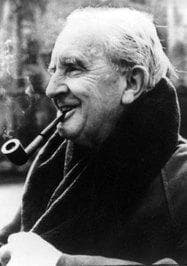
J.R.R. Tolkien was an English writer and philologist, best known for his high-fantasy works. His notable books include "The Hobbit, or There and Back Again," "The Fellowship of the Ring," and "The Return of the King," which are foundational texts in the fantasy genre. He also authored "The Silmarillion" and a boxed set featuring "The Hobbit" and "The Lord of the Rings."
Similar books
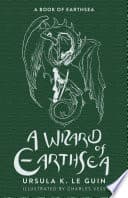
- A Wizard of Earthsea
Ursula K. Le Guin
4.0 (241k) average on GoodreadsFantasyExplores profound themes of power, responsibility, and the balance of good and evil in a richly imagined fantasy world.
- Jonathan Strange & Mr Norrell
Susanna Clarke
3.8 (198k) average on GoodreadsFantasyOffers a meticulously crafted historical fantasy world with a formal prose style and a sense of deep, ancient magic.
- The Eye of the World
Robert Jordan
4.2 (392k) average on GoodreadsFantasyRobert Jordan's The Eye of the World (1990), the first book in The Wheel of Time series, is heavily influenced by Tolkien's epic scope and the 'farm boy destined for greatness' trope. Both feature a dark lord, a group of unlikely heroes, and a vast, detailed world. However, Jordan expands on Tolkien's template by introducing a more complex magic system (the One Power, wielded by both men and women), a larger cast of viewpoint characters, and a political landscape that is far more intricate and morally ambiguous than Middle-earth. Jordan's narrative often delves deeper into political intrigue and the complexities of power, whereas Tolkien's focus remains more squarely on the moral imperative of defeating evil.
- A Game of Thrones
George R.R. Martin
4.5 (2M) average on GoodreadsFantasyGeorge R.R. Martin's A Game of Thrones (1996) offers a stark contrast to Tolkien's moral clarity. While both feature epic conflicts and extensive world-building, Martin's Westeros is characterized by moral ambiguity, political machinations, and a brutal realism that often subverts traditional fantasy tropes. Unlike Tolkien's clear depiction of good versus evil, Martin presents a world where even heroes commit morally questionable acts, and power struggles are driven by human greed and ambition rather than a singular dark lord. The narrative structure, with its multiple, often unreliable, point-of-view characters, also differs significantly from Tolkien's more omniscient and heroic narrative style.
- Harry Potter and the Sorcerer's Stone
J.K. Rowling
4.5 (7M) average on GoodreadsFantasyRescued from a miserable life under the stairs, an orphaned boy discovers he's a wizard destined for a magical school, where he uncovers a dangerous secret tied to the dark wizard who murdered his parents.
- The Hunger Games
Suzanne Collins
4.3 (6.4M) average on GoodreadsFantasyIn a future where children fight to the death on live television, Katniss Everdeen volunteers for the arena, turning a death sentence into a fight for survival and a spark of rebellion.




Enjoyed the summary?
A summary gives you the shape of the book. The book itself has the detail, the examples and the voice.
Find The Return of the King on AmazonAs an Amazon Associate, BookBrief earns from qualifying purchases. How we're funded