
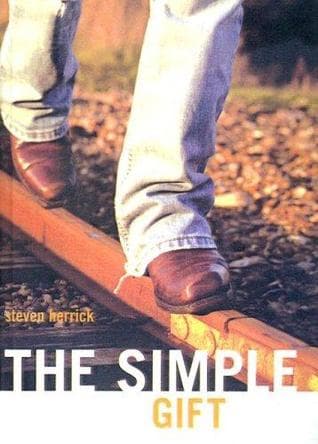
Synopsis
Covers the whole plot, including the ending.
- Difficulty
- Easy
- Pacing
- Moderate
- Mood
- Heartwarming, Hopeful, Reflective
- Read it if
- You enjoy heartwarming coming-of-age stories about finding family in unexpected places, with a touch of romance and themes of resilience.
- Skip it if
- You prefer fast-paced thrillers or stories without significant emotional depth and character development.
The Simple Gift Plot Summary
Covers the whole plot, including the ending.
Billy Flees His Abusive Home
Sixteen-year-old Billy, tired of his alcoholic and abusive father, decides to leave his home in Longlands. He packs a small bag with a toothbrush, a book of poems by Ted Hughes, and a few clothes. He walks away, feeling a mix of fear and freedom. He catches a bus to the next town, Bendarat, with no real plan except to escape his current life. He spends his first night sleeping on a park bench, feeling the cold and the uncertainty of his new existence, but also a sense of freedom from the constant tension and violence he endured at home. He wants to make a new life for himself, even if he doesn't know what that means.
Finding a Home in the Train Carriage
When he gets to Bendarat, Billy walks around town and finds an old, abandoned freight train carriage in a secluded railway siding. He explores it and decides it's a good place to live, offering shelter and privacy. He cleans it up, making it as comfortable as possible with discarded blankets and a crate for a table. His daily routine involves finding food, often from supermarket dumpsters, and reading. He establishes a simple existence, finding a strange peace in the solitude and the absence of his father's presence. The train carriage becomes his safe place, a symbol of his new independence and strength.
Meeting Old Bill, the Library Caretaker
One day, looking for books, Billy visits the local library. He meets the caretaker, an older man named Bill, who is initially gruff but observant. Old Bill notices Billy's worn clothes and his interest in books, especially poetry. He offers Billy small kindnesses, like letting him read after hours and later offering him a simple job cleaning the library. This job gives Billy purpose and a small income, allowing him to buy proper food. Old Bill becomes a mentor, sharing his wisdom and slowly revealing parts of his own past, creating an unexpected bond with the young runaway.
Caitlin's Introduction
While working at the library, Billy meets Caitlin, a girl his age from a wealthy family. She is intrigued by Billy's quiet manner and his unusual living situation, which she quickly figures out. Despite their very different backgrounds—Caitlin lives in a large, comfortable home and goes to a private school—they are drawn to each other. Caitlin, feeling restless and misunderstood by her own family, finds Billy's independence and honesty refreshing. Their conversations often focus on their shared feelings of being outsiders, despite their differing circumstances. Their friendship begins to deepen, challenging Billy's solitary existence.
The Developing Romance with Caitlin
Billy and Caitlin spend more and more time together, often meeting at the train carriage or exploring the town. Their connection grows into a sweet, innocent romance. They share their dreams, fears, and observations about the world. Caitlin introduces Billy to parts of her life, like her home, though he remains wary of its opulence, and Billy shares his simple existence. Their relationship is marked by mutual respect and a shared understanding, giving both of them a much-needed emotional connection. Caitlin's presence brings light and hope into Billy's previously bleak world, and she finds a genuine connection she lacks with her peers.
Old Bill's Tragic Past Revealed
As their friendship deepens, Old Bill begins to share parts of his past with Billy. He reveals that he once had a family—a wife, Sarah, and a daughter, Grace—but lost them both in a tragic accident years ago. Sarah died in a car crash, and Grace, unable to cope with the loss, later took her own life. Old Bill's grief and guilt have haunted him ever since, leading him to a solitary existence. He confides in Billy that his daughter, Grace, loved poetry, much like Billy, and this shared interest strengthens their bond. Billy listens with empathy, recognizing the deep pain Old Bill carries, and offers comfort.
Caitlin's Family Troubles
Caitlin, despite her privileged upbringing, feels a deep sense of loneliness and disconnection from her parents. She tells Billy that her parents are often busy with their own lives and expectations, and she feels misunderstood and unappreciated. She wants more authentic connections and a life not dictated by societal expectations. Her dissatisfaction with her family life mirrors, in a different way, Billy's own reasons for leaving home. This shared experience of family strain further strengthens the bond between Billy and Caitlin, showing their mutual desire for genuine understanding and belonging.
The Simple Gift of the House
After some time, Old Bill, moved by Billy's resilience, kindness, and his own thoughts on his past, makes an important offer. He tells Billy about a small, run-down house he owns on the outskirts of Bendarat, which has been empty since his family's tragedy. He offers to let Billy live there, rent-free, and even helps him clean it up. This generous act is a turning point for Billy, giving him a stable home, something he has wanted. It is the 'simple gift' that changes his future, giving him a foundation to build a new life, free from the uncertainty of the train carriage.
Billy's New Beginning and Future
Billy accepts Old Bill's generous offer and moves into the small house. He begins to make it into a proper home, finding a sense of belonging and stability he's never known. He continues to work at the library, saving money, and starts to consider his options for further education or a career. Caitlin remains a constant presence in his life, and their relationship deepens with this new stability. The house becomes a symbol of hope and the possibility of a normal life. Billy, no longer a runaway, is now an independent young man making his own path, surrounded by Old Bill's kindness and Caitlin's love, ready to embrace his future.
The Simple Gift Characters
Billy
Protagonist
Sixteen-year-old runaway seeking independence and a better life.
Billy is a thoughtful, resilient sixteen-year-old who flees his abusive, alcoholic father in Longlands. He is quiet and observant, finding solace in poetry, particularly Ted Hughes. Despite his harsh upbringing and homelessness, he maintains a strong moral compass and a desire for genuine connection. He is resourceful, adapting to life in an abandoned train carriage and finding work at the library. His journey is one of self-discovery, learning to trust others and accept kindness, ultimately finding a sense of belonging and family outside of his biological one. His love for reading and poetry is a defining characteristic.
Relationships: Old Bill (mentor and surrogate father figure); Caitlin (girlfriend and emotional confidante); Billy's Father (abusive, estranged parent)
Old Bill
Supporting
Library caretaker, a kind but grief-stricken man with a tragic past.
Old Bill is the caretaker of the Bendarat library, a seemingly gruff but deeply compassionate man. He carries immense grief from the loss of his wife, Sarah, and daughter, Grace, years ago, which has led him to a solitary existence. He is a man of few words but keen observation, quickly recognizing Billy's plight and offering him a job and later, a home. His past tragedy makes him empathetic to Billy's loneliness, and he finds a form of redemption and connection through his relationship with the young boy, becoming a surrogate father figure. He shares a love for poetry with Billy, especially through the memory of his daughter.
Relationships: Billy (mentee and surrogate son); Sarah (deceased wife); Grace (deceased daughter)
Caitlin
Supporting
Wealthy, restless girl who finds connection and love with Billy.
Caitlin is a vibrant, intelligent girl from a privileged background in Bendarat. Despite her comfortable life, she feels a sense of restlessness and emotional disconnect from her busy, often distant parents. She is drawn to Billy's authenticity and quiet strength, finding in him a genuine connection that she lacks with her peers. She is observant and empathetic, quickly understanding Billy's situation and never judging him for it. Her relationship with Billy provides her with a sense of purpose and a deeper understanding of life beyond her sheltered world. She encourages Billy and supports his journey.
Relationships: Billy (boyfriend and emotional confidante); Caitlin's Parents (wealthy but emotionally distant parents)
Billy's Father
Mentioned
Abusive, alcoholic parent from whom Billy escapes.
Billy's father is an unseen but powerful presence in the story, representing the trauma Billy leaves behind. He is an alcoholic and physically abusive, creating a terrifying and unstable home environment for Billy in Longlands. His actions are the catalyst for Billy's decision to run away. While he is never directly encountered in Bendarat, his impact on Billy's life is profound, shaping Billy's initial loneliness and his yearning for a safe, stable existence. He symbolizes the brokenness from which Billy seeks to heal and escape.
Relationships: Billy (abusive father to Billy)
Sarah
Mentioned
Old Bill's deceased wife.
Sarah is Old Bill's deceased wife, whose memory is a source of profound grief for him. She died in a car accident many years before the main events of the story. Her loss, along with that of their daughter, Grace, shattered Old Bill's life and led to his isolation. Though never seen, her presence is felt through Old Bill's recollections and his enduring sorrow. She represents the happy past that Old Bill lost and the reason for his initial emotional detachment.
Relationships: Old Bill (deceased wife); Grace (deceased mother)
Grace
Mentioned
Old Bill's deceased daughter, who loved poetry.
Grace is Old Bill's deceased daughter, whose memory is central to Old Bill's character and his connection with Billy. She took her own life after her mother, Sarah, died in a car accident. Grace shared Billy's love for poetry, and it is this shared passion that initially draws Old Bill to Billy. Her story highlights the devastating impact of loss and the importance of finding connection. Her memory is a poignant reminder of the fragility of life and the healing power of shared interests.
Relationships: Old Bill (deceased daughter); Sarah (deceased daughter)
Caitlin's Parents
Mentioned
Wealthy but emotionally distant parents of Caitlin.
Caitlin's parents are wealthy residents of Bendarat who provide Caitlin with a materially comfortable life but are emotionally distant and often preoccupied with their own affairs. They represent the superficiality and lack of genuine connection that Caitlin experiences within her own family, which contrasts sharply with the authentic bonds she forms with Billy. Their presence highlights Caitlin's own sense of isolation and her desire for something more meaningful than material possessions. They are largely unseen, their influence felt through Caitlin's descriptions of her home life.
Relationships: Caitlin (wealthy but emotionally distant parents)
The Simple Gift Themes
Family and Belonging
The novel explores the idea that 'family' extends beyond biological ties. Billy leaves an abusive biological family to find a surrogate family in Old Bill and a loving connection with Caitlin. Old Bill, who lost his own family, finds a new sense of purpose and connection through his mentorship of Billy. The train carriage and later the small house represent Billy's search for a stable, safe place to belong, showing that true family is built on kindness, support, and shared understanding, not just blood.
“And I learnt that family isn't just about blood, it's about the people who care enough to give you a home.”
Homelessness and Resilience
Billy's journey shows the hard realities of homelessness for a young person, from sleeping on park benches to living in an abandoned train carriage and finding food. Despite these challenges, Billy shows remarkable resilience and resourcefulness, cleaning his living space, finding work, and keeping his dignity. His ability to adapt and survive shows the strength of the human spirit in bad conditions. The novel portrays homelessness not as a defining characteristic, but as a temporary state overcome through inner strength and external kindness.
“I was sixteen, and soon to be homeless. But I wasn't scared. Not really. I was free.”
Kindness and Generosity
The 'simple gift' of Old Bill's house is central to this theme, but acts of kindness are throughout the story. Old Bill's offers of work, a place to read, and eventually a home change Billy's life. Caitlin's acceptance and love give emotional support. These gestures, often small but important, show how human compassion can change lives and create hope. The novel suggests that even in a world of hardship, simple acts of generosity can create deep positive change and build strong bonds.
“It was just a house. But it was more than that. It was a promise. A simple gift.”
Grief and Healing
Old Bill's character story is rooted in themes of grief and healing. He carries the deep sorrow of losing his wife and daughter, which has isolated him for years. Through his relationship with Billy, Old Bill begins to process his grief, finding a new purpose and a way to honor his daughter's memory by helping someone who shares her love of poetry. Billy, too, carries the trauma of his abusive past, and the kindness he receives helps him to heal from his emotional wounds and build a new, healthier life.
“He carried his grief like a heavy coat, but I saw a chink in the armour, a small light trying to get out.”
The Power of Literature and Poetry
Poetry, especially the works of Ted Hughes, is an important motif and source of comfort for Billy. It gives him an escape, a way to process his emotions, and a connection point with both Old Bill and Grace. The library itself is a safe place. Literature is shown as a way to understand the world and oneself, offering comfort and intellectual stimulation amidst physical hardship. The shared love for poetry strengthens the bond between Billy and Old Bill, bridging their age and experiences.
“I read Ted Hughes. He understood things. Things about the dark and the light.”
Plot Devices & Literary Techniques
First-Person Perspective (Multiple Characters)
The story is told through the alternating voices of Billy, Old Bill, and Caitlin.
The novel employs a unique narrative structure where the story is told through the first-person perspectives of Billy, Old Bill, and Caitlin. Each character's voice is distinct, presented in free verse poetry. This allows the reader to gain deep insight into their individual thoughts, feelings, and motivations, providing a comprehensive and empathetic understanding of their experiences. It highlights how their paths intersect and how their inner worlds shape their interactions, creating a multi-faceted view of the same events and relationships.
Free Verse Poetry
The entire novel is written in unrhymed, unmetered poetic lines.
The novel is entirely written in free verse poetry, rather than traditional prose. This stylistic choice contributes significantly to the book's emotional impact. The concise, evocative language and irregular line breaks create a sense of immediacy and intimacy, allowing the reader to experience the characters' raw emotions and observations directly. It also lends itself to the themes of simplicity and honesty, reflecting the unvarnished realities of the characters' lives. The poetic form makes the narrative flow quickly and powerfully.
The Train Carriage
A symbolic setting representing Billy's transition and independence.
The abandoned freight train carriage serves as a powerful symbol in Billy's journey. Initially, it represents his independence, his ability to create a home from nothing, and his escape from his abusive past. It is a place of solitude and self-sufficiency. As the story progresses, it becomes a meeting point for Billy and Caitlin, symbolizing the beginning of his connections with others. Ultimately, leaving the train carriage for Old Bill's house signifies Billy's transition from a temporary, uncertain existence to a stable, hopeful future, marking his growth and acceptance of help.
The 'Simple Gift' (The House)
A central symbol representing kindness, hope, and new beginnings.
The 'simple gift' of Old Bill's small house is the central symbolic act and plot device of the novel. It represents far more than just shelter; it embodies kindness, generosity, trust, and the possibility of a new beginning for Billy. It is the tangible manifestation of the human connection and acceptance that Billy has been searching for. This gift allows Billy to move beyond survival to building a life, symbolizing the profound impact that a single act of selfless giving can have on another person's fate, and the true meaning of family and belonging.
The Simple Gift Quotes
“I'm not proud. I'm sixteen, and soon to be homeless.”
“Sometimes you just have to get away, to find out who you are.”
“A home isn't always a house. It's where you feel safe.”
“Old Bill taught me that kindness doesn't cost a thing.”
“We're all just passing through, trying to find our place.”
“Love isn't about having everything. It's about sharing what you've got.”
“The best gifts are the ones you can't wrap in paper.”
“You don't need money to be rich. You just need someone who cares.”
“Every day is a chance to start over, to be someone new.”
“Sometimes the bravest thing you can do is ask for help.”
“We're all broken in some way. It's how we put ourselves back together that matters.”
“The simple things—a warm meal, a good book, a friend—they're what make life worth living.”
“You can't run from your past, but you can learn from it.”
“Home is where the heart is, and my heart is here with you.”
Quiz
10 questions on the plot and the characters. Each answer comes with a short explanation.
Question 1
What does Billy pack before leaving home at the beginning of the novel?
- A sleeping bag, canned food, and a photo of his mother
- A few belongings including a photograph of his mother
- His school books, a change of clothes, and some money
- A tent, a flashlight, and his father's old jacket
Show answer
B. A few belongings including a photograph of his mother Billy packs only a few belongings, including a photograph of his mother, which symbolizes his connection to a happier past and his desire to escape his abusive father.
Question 2
Where does Billy find a home after leaving his father?
- In an abandoned freight train outside a small town
- In a homeless shelter in the city
- With a friend's family in another town
- In an old, empty house on the outskirts of town
Show answer
A. In an abandoned freight train outside a small town Billy makes his home in an abandoned freight train, which becomes a central setting where he builds new relationships and finds a sense of belonging.
Question 3
Who is Caitlin in relation to Billy's new life?
- A social worker who tries to help him
- A fellow homeless teenager living in the train
- A rich, restless girl he falls in love with
- His long-lost sister who reconnects with him
Show answer
C. A rich, restless girl he falls in love with Caitlin is a wealthy but discontented girl who becomes romantically involved with Billy, representing a contrast to his impoverished background and a source of emotional connection.
Question 4
What is the name of the fellow train resident who befriends Billy?
- Old Bill
- Big Joe
- Uncle Tom
- Mr. Jenkins
Show answer
A. Old Bill Old Bill is an older man living in the train who forms a mentorship-like bond with Billy, gradually sharing his tragic past and offering wisdom.
Question 5
Why does Billy leave home at the age of sixteen?
- He is expelled from school and runs away to avoid trouble
- He wants to travel and see the world
- He is weary of life with his alcoholic, abusive father
- His mother asks him to leave to start a new life
Show answer
C. He is weary of life with his alcoholic, abusive father Billy's decision to leave is driven by the abuse and alcoholism of his father, highlighting themes of escape and the search for a better life.
Question 6
What does Old Bill slowly reveal to Billy about his own life?
- That he was once a successful businessman who lost everything
- That he is actually Billy's long-lost grandfather
- A tragic past involving loss and regret
- That he is secretly wealthy and hiding from his family
Show answer
C. A tragic past involving loss and regret Old Bill's gradual revelation of his tragic past helps Billy understand the complexities of life and the importance of resilience, deepening their bond.
Question 7
What is the 'simple gift' that changes everything for Billy?
- A large sum of money from Caitlin's family
- A job offer that guarantees his future
- A key to a new house from Old Bill
- A gift that symbolizes new opportunities and family
Show answer
D. A gift that symbolizes new opportunities and family The 'simple gift' (implied to be something like a home or a chance at a new life) represents the transformative power of kindness and the redefinition of family, central to the novel's themes.
Question 8
How does Billy's relationship with Caitlin contrast with his past?
- It is based on mutual poverty, unlike his wealthy upbringing
- It provides emotional connection, unlike his abusive home life
- It is purely platonic, unlike his romantic past
- It is temporary, unlike his permanent family ties
Show answer
B. It provides emotional connection, unlike his abusive home life Caitlin offers Billy love and understanding, starkly contrasting the abuse and neglect he experienced from his father, emphasizing themes of healing and new beginnings.
Question 9
What does Billy learn about the real meaning of family by the end of the novel?
- That family is only defined by blood relations
- That family can be found in chosen relationships and support
- That he must return to his father to forgive him
- That wealth and status are necessary for a happy family
Show answer
B. That family can be found in chosen relationships and support Through his bonds with Caitlin and Old Bill, Billy discovers that family is not solely biological but can be built on love, trust, and mutual care, a key theme in the book.
Question 10
Which of the following best describes the overall arc of Billy's journey in the novel?
- From homelessness to becoming a successful businessman
- From abuse and despair to forging his own path and finding family
- From running away to being captured and sent back home
- From poverty to inheriting a fortune from a stranger
Show answer
B. From abuse and despair to forging his own path and finding family Billy's journey is one of personal growth: he escapes an abusive home, builds new relationships, and learns to create his own future, embodying themes of resilience and self-determination.
The Simple Gift FAQ
What is 'The Simple Gift' about?
'The Simple Gift' follows sixteen-year-old Billy, who runs away from his abusive alcoholic father and finds refuge in an abandoned freight train outside a small town. There, he befriends the homeless 'Old Bill' and falls in love with Caitlin, a wealthy but restless girl, as he learns about family, love, and forging his own path through their interconnected stories.
Why should I read 'The Simple Gift'?
This novel offers a poignant exploration of homelessness, resilience, and found family through accessible verse-novel format. It combines raw emotional depth with themes of redemption and connection, making it impactful for young adult readers interested in character-driven stories about overcoming adversity.
What is the background/setting of 'The Simple Gift'?
The story is set in a small Australian town, primarily in and around an abandoned freight train yard where Billy and Old Bill live. Key locations include the train carriage, the town library where Billy reads, and Caitlin's wealthy home, highlighting contrasts between poverty and privilege.
What are the most memorable quotes?
Notable quotes include Billy's 'I'm not proud. I'm sixteen, and soon to be homeless,' reflecting his vulnerability, and Old Bill's 'The simple gift is the one you give yourself,' symbolizing self-redemption. Caitlin's 'I want to be free, like you' captures her longing to escape her constrained life.
What writing style does the author use?
Steven Herrick uses a verse-novel format with free verse poetry, told from alternating first-person perspectives of Billy, Caitlin, and Old Bill. This style creates an intimate, emotional tone that emphasizes internal thoughts and sparse, impactful language.
What minor details add significant meaning?
Billy's habit of stealing books from the library to read symbolizes his hunger for knowledge and escape, while Old Bill's treasured photograph of his deceased daughter represents his hidden grief. Caitlin's collection of train tickets mirrors her desire for freedom and connection to Billy's world.
What are some subtle foreshadowing moments?
Early mentions of Old Bill's 'empty bottle' collection hint at his past alcoholism and loss, foreshadowing his tragic backstory. Billy's initial distrust of adults subtly sets up his gradual bond with Old Bill, and Caitlin's envy of Billy's freedom foreshadows her eventual rebellion against her privileged life.
What unexpected character connections exist?
Old Bill and Billy share parallel experiences of loss and homelessness, with Old Bill becoming a surrogate father figure. Caitlin's wealthy background contrasts with Billy's poverty, yet their shared restlessness creates a deep bond, while the town librarian's kindness subtly links to themes of community support.
What are unspoken character motivations?
Billy is driven by a deep-seated need for safety and belonging after familial abuse, while Old Bill's alcoholism and isolation stem from unresolved guilt over his daughter's death. Caitlin seeks authenticity and escape from societal expectations, motivating her attraction to Billy's unconventional life.
What psychological complexities do characters exhibit?
Billy shows resilience masking vulnerability, grappling with self-worth after abuse. Old Bill embodies depression and redemption, using alcohol to cope with loss before finding purpose in mentoring Billy. Caitlin experiences internal conflict between privilege and desire for genuine connection, reflecting adolescent identity struggles.
What are the major emotional turning points?
Key moments include Billy's decision to leave home, his first meeting with Caitlin sparking hope, Old Bill sharing his daughter's story which deepens their bond, and the climax where Billy receives Old Bill's 'simple gift' of train tickets, symbolizing a new beginning and emotional closure.
How do relationship dynamics evolve?
Billy and Old Bill's relationship shifts from wary coexistence to a father-son-like bond through shared vulnerability. Billy and Caitlin's romance grows from curiosity to deep commitment as they bridge social divides. Caitlin's relationship with her parents evolves from tension to mutual understanding as she asserts her independence.
Which parts remain ambiguous or open-ended?
The fate of Billy's abusive father is left unresolved, and it's unclear if Old Bill fully overcomes his alcoholism. The long-term sustainability of Billy and Caitlin's relationship is open to interpretation, as is whether Billy's new path leads to permanent stability or continued challenges.
What are controversial scenes or decisions?
Billy's theft of books and food raises ethical questions about survival versus morality. Old Bill's initial reluctance to help Billy could be seen as neglectful, and Caitlin's deception of her parents to be with Billy sparks debate on teenage rebellion versus necessary self-discovery.
'The Simple Gift' ending explained: how it ends & what it means
The novel ends with Old Bill giving Billy train tickets as a 'simple gift,' enabling Billy and Caitlin to leave town together for a fresh start. This symbolizes redemption, chosen family, and hope, with Billy embracing a future defined by love and self-determination rather than past trauma.
Similar books
- Stargirl
Jerry Spinelli
3.8 (296k) average on GoodreadsChildren'sFeatures a unique romance between an outcast and a popular student, with themes of self-discovery and challenging societal norms.
- The Fault in Our Stars
John Green
4.2 (3.6M) average on GoodreadsYoung AdultWhile both are YA romance, The Simple Gift integrates romance within a broader narrative of social marginalization and found family, whereas The Fault in Our Stars is more intensely focused on the emotional landscape of terminal illness and the central romantic relationship. Herrick's novel offers a wider thematic scope.
- The Truth About Forever
Sarah Dessen
4.1 (209k) average on GoodreadsYoung AdultDessen's novels often explore adolescent girls' experiences with loss and new love from a predominantly female perspective. The Simple Gift offers a distinct male perspective on vulnerability, resilience, and the search for belonging, complicated by socioeconomic factors like homelessness, providing a different lens on YA romance and coming-of-age.
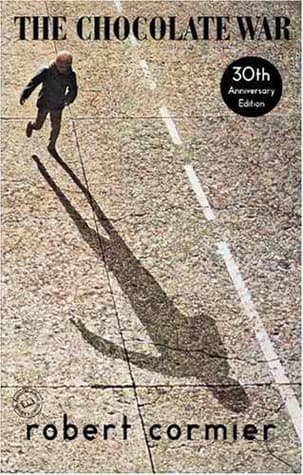
- The Chocolate War
Robert Cormier
3.5 (40k) average on GoodreadsYoung AdultCormier's novel presents a much bleaker and more cynical view of adolescent struggles and systemic injustices, with a less resolved and often tragic ending. In contrast, The Simple Gift, while addressing hardship, ultimately offers a more hopeful and redemptive narrative, aligning more closely with traditional YA arcs of overcoming adversity.
- Harry Potter and the Sorcerer's Stone
J.K. Rowling
4.5 (7M) average on GoodreadsFantasyRescued from a miserable life under the stairs, an orphaned boy discovers he's a wizard destined for a magical school, where he uncovers a dangerous secret tied to the dark wizard who murdered his parents.
- The Hunger Games
Suzanne Collins
4.3 (6.4M) average on GoodreadsFantasyIn a future where children fight to the death on live television, Katniss Everdeen volunteers for the arena, turning a death sentence into a fight for survival and a spark of rebellion.





Enjoyed the summary?
A summary gives you the shape of the book. The book itself has the detail, the examples and the voice.
Find The Simple Gift on AmazonAs an Amazon Associate, BookBrief earns from qualifying purchases. How we're funded