

Synopsis
Covers the whole plot, including the ending.
- Difficulty
- Easy
- Pacing
- Moderate
- Mood
- Melancholy, Poignant, Romantic, Fateful
- Read it if
- You enjoy classic, bittersweet fairy tales with a touch of melancholy and a focus on enduring love and fate.
- Skip it if
- You prefer happy endings, lighthearted stories, or are sensitive to themes of unrequited love and sacrifice.
The Steadfast Tin Soldier Plot Summary
Covers the whole plot, including the ending.
The Toy Collection
A young boy receives twenty-five tin soldiers, all made from the same old tin spoon. Because there wasn't enough tin, one soldier has only one leg. Still, he stands as firmly as his two-legged friends. When placed on the table, the one-legged soldier watches the other toys. He is drawn to a paper ballerina standing in the doorway of a paper castle. He notices she also stands on one leg, like him, and immediately falls in love, believing her to be his soulmate.
A Glimpse of Love
The one-legged tin soldier is fascinated by the beautiful paper ballerina. She wears a delicate cambric skirt, a blue ribbon, and a sparkling rosette. He thinks she also has one leg, which makes him feel a strong bond with her. He dreams of being near her, admiring her from afar. As night falls, the other toys come alive, but the tin soldier stays at his post, his eyes fixed on the ballerina. He wants to cross the table and be closer, but his duty keeps him still.
The Goblin's Warning
During the night, while everyone sleeps, a small, black goblin in a snuffbox opens his lid and speaks to the tin soldier. The goblin sees the soldier staring at the ballerina and warns him, "Tin soldier, don't look at what doesn't concern you!" The tin soldier ignores the goblin's taunt, remaining steady and silent, his focus still on the ballerina. The goblin, angry at the soldier's defiance, promises revenge, hinting that trouble will soon come.
The Fall and the Gutter
The next morning, perhaps because of the goblin, the tin soldier falls from the window sill. He lands headfirst on the street below, his bayonet stuck between two paving stones. The boy and the maid search but cannot find him. Soon after, it rains heavily, and two street boys spot him. They decide to make a paper boat and put the tin soldier inside, sending him down the gutter's rushing water. The soldier, still steady, holds his musket and looks straight ahead.
Down the Drain
The paper boat, with the tin soldier aboard, sails quickly down the gutter, which has become a strong current from the rain. The soldier remains calm, thinking of the ballerina and wishing she were with him. The boat is eventually swept into a dark, narrow drainpipe, where it is completely black. The soldier feels fear but keeps his steady posture, holding his musket. He wonders what new dangers await him in this underground world, far from the light and his beloved ballerina.
Encounter with a Rat
As the paper boat continues through the dark sewer, a large, fierce water rat appears. The rat, with sharp teeth and small eyes, demands a passport from the tin soldier. The soldier, being made of tin, has no passport and stays silent, holding his musket firmly. The rat, angry at the soldier's lack of response and the intrusion, chews at the paper boat, threatening to sink it. The soldier prepares for whatever fate awaits him.
The Waterfall and the Fish
The paper boat, weakened by the rat's attack and the constant water, soon tumbles over a small waterfall in the sewer. The tin soldier, still upright, plunges into the water. Just as he thinks it's the end, a large fish suddenly swallows him whole. Inside the fish's dark stomach, the soldier finds himself in an even tighter, stranger prison. Despite the odd situation, he remains steady, still holding his musket, enduring the new environment.
A Return to Familiarity
After some time, a fisherman catches the fish that swallowed the tin soldier. The fish is then taken to market and bought by the same maid who works in the soldier's original house. When the maid cuts open the fish with a large knife, she is surprised to find the familiar one-legged tin soldier inside. She carefully removes him and brings him back into the nursery, placing him on the table. To his great joy, he sees his beloved paper ballerina still standing in her castle doorway.
The Final Gaze
The tin soldier is happy to be back on the table, and his eyes immediately find the paper ballerina. She is still there, beautiful and steady, just as he remembered her. He feels a strong connection, a silent understanding passing between them across the table. He has endured so much, and now, finally, he is back in her presence. However, this moment of reunion is brief and sad, as an unseen hand is about to intervene, bringing their story to a dramatic and tragic end.
Into the Fire
Suddenly, for no clear reason, the little boy grabs the one-legged tin soldier and throws him directly into the burning stove. The soldier feels intense heat and sees the flames consuming him. He stands steadily, still holding his musket, his tin beginning to melt. As he burns, he catches sight of the ballerina across the room, feeling his love for her even in his last moments. He does not cry out, keeping his composure until the very end.
The Ballerina's Fate
Almost immediately after the tin soldier is thrown into the stove, a gust of wind, perhaps a draft from the open door, sweeps the paper ballerina from the table. She floats gracefully through the air, landing directly in the same burning stove, right beside the melting tin soldier. Her delicate paper skirt instantly catches fire. In their final moments, the two lovers are united in the flames, their forms consumed together.
Ashes and a Heart
The next morning, when the maid cleans the stove, she finds the remains of the tin soldier and the paper ballerina. All that is left of the tin soldier is a small, shapeless lump of tin, shaped like a heart. Of the ballerina, only her small, scorched rosette, which she wore on her shoulder, remains. These two remnants, symbols of their lasting love and steadfastness, are the only physical evidence left of their tragic but united fate, forever bound together in the ashes.
The Steadfast Tin Soldier Characters
The Steadfast Tin Soldier
Protagonist
A one-legged tin soldier who embodies unwavering determination and love.
The Steadfast Tin Soldier is the central character, distinguished by his single leg, a manufacturing defect that ironically makes him unique and, in his mind, similar to the ballerina. He is quiet, stoic, and incredibly resilient, enduring numerous trials without complaint or fear. His primary motivation is his pure and unwavering love for the paper ballerina, which sustains him through every perilous adventure. He never falters in his stance or his gaze, symbolizing true steadfastness.
Relationships: The Paper Ballerina (object of his unwavering love and admiration); The Goblin (antagonistic, possibly responsible for his initial fall); The Boy (his owner, who ultimately throws him into the fire)
The Paper Ballerina
Love Interest
A beautiful paper dancer, the object of the tin soldier's affection.
The Paper Ballerina is a delicate and beautiful toy, made of paper with a fine cambric skirt and a glittering rosette. She stands on one leg, appearing to be dancing, which the tin soldier misinterprets as a shared physical characteristic. She is silent and static throughout the story, serving as the powerful symbol of the soldier's love and the ultimate destination of his journey. Her beauty and grace are what motivate and sustain him through his trials, and her eventual fate mirrors his own.
Relationships: The Steadfast Tin Soldier (object of his unwavering love and admiration)
The Goblin
Antagonist/Catalyst
A mischievous figure from a snuffbox who warns and possibly curses the soldier.
The Goblin is a small, black creature living in a snuffbox. He observes the tin soldier's admiration for the ballerina and, out of jealousy or malice, warns the soldier to mind his own business. When ignored, the goblin vows revenge. While his direct actions are not explicitly stated, his warning and subsequent vow strongly imply his involvement in the tin soldier's initial fall from the window. He represents the petty, envious forces that disrupt harmony and set the protagonist's journey in motion.
Relationships: The Steadfast Tin Soldier (antagonistic, warns and possibly curses him)
The Boy
Supporting
The owner of the tin soldiers, whose actions dictate their fate.
The Boy is the owner of the tin soldiers and the other toys in the nursery. He is depicted as a typical child, receiving toys as gifts, playing with them, and ultimately, in a moment of childish whimsy or carelessness, throwing the tin soldier into the fire. His actions are largely unintentional but have profound consequences for the tin soldier. He represents the unpredictable and often indifferent nature of fate or the larger world from the perspective of small, vulnerable beings.
Relationships: The Steadfast Tin Soldier (his owner, who ultimately destroys him); The Maid (her employer)
The Maid
Supporting
The household servant who finds and returns the soldier, and later discovers his remains.
The Maid is a practical character who performs household duties. She searches for the fallen tin soldier, later buys the fish that swallowed him, and eventually discovers his remains in the stove. She acts as an unwitting agent of fate, both in returning the soldier to the nursery and in revealing the final, tragic outcome. Her actions are driven by daily routines, highlighting the contrast between the grand emotional journey of the soldier and the mundane world around him.
Relationships: The Boy (her employer); The Steadfast Tin Soldier (discovers and returns him)
The Water Rat
Obstacle/Minor Antagonist
A territorial creature in the sewer who challenges the soldier.
The Water Rat is a menacing character encountered by the tin soldier in the dark sewer. It demands a 'passport' from the soldier, asserting its authority over its domain. When the soldier remains silent, the rat becomes aggressive, gnawing at the paper boat. This encounter represents another perilous obstacle in the soldier's journey, highlighting the dangers and hostility of the unknown world he has been cast into. The rat is a symbol of the raw, untamed elements of nature.
Relationships: The Steadfast Tin Soldier (antagonistic, an obstacle in his journey)
The Steadfast Tin Soldier Themes
Steadfastness and Perseverance
The main theme is the tin soldier's strong determination. Despite having one leg, he stands as tall and firm as his comrades. Throughout his dangerous journey—falling from a window, being swept into a gutter, traveling through a dark sewer, meeting a rat, being swallowed by a fish, and finally being thrown into a fire—he never gives up. He keeps his posture, holds his musket, and, most importantly, keeps his love for the ballerina constant. His steadfastness is not just physical but emotional, enduring all difficulties for his beloved. This is clear when he is burning, yet 'he did not cry out; he only looked at the little dancer.'
“He stood there with his musket on his shoulder and looked straight before him, for he was a soldier.”
Unrequited/Unspoken Love
The story explores a deep, silent love that overcomes physical limits and problems. The tin soldier falls in love with the ballerina at first sight, believing she also has one leg. His entire journey is driven by this love, even though the ballerina never speaks or directly acknowledges him. Their connection is purely visual and spiritual, ending in their tragic, yet symbolic, union in the fire. The fact that she is swept into the fire right after him suggests their fates are aligned, fulfilling his quiet devotion. Finding the tin heart and the scorched rosette further emphasizes this theme.
“He thought she was like himself, a steadfast soldier, and he fell in love with her.”
Fate and Chance
The story is greatly influenced by seemingly random events and fate. The tin soldier's fall from the window, the rain, the boys making a paper boat, the fish swallowing him, and even the maid buying that specific fish are all chance occurrences. The final act of fate is the boy throwing him into the fire and a gust of wind sweeping the ballerina in after him. These events are largely beyond the characters' control, showing how fragile existence is and how outside forces can decide one's destiny, often with sad results. The goblin's warning hints at a predestined misfortune, but the actual events happen through a series of coincidences.
“And it was certainly the goblin who did it.”
The Beauty and Fragility of Life
The story contrasts the tin soldier's steadfastness with the inherent fragility of the toys and their existence. The paper ballerina, beautiful and delicate, is easily swept away by a draft and burned by fire. The paper boat, a temporary vessel, quickly falls apart. Even the tin soldier, though seemingly strong, eventually melts into a shapeless lump. This theme shows how beauty and life, especially innocent and pure forms, can be easily destroyed by outside forces, whether mean (the goblin), uncaring (the boy, the rat), or natural (the rain, the fire). The tragic ending highlights this sad vulnerability.
“She was so delicate, so light, that she seemed to float in the air.”
Plot Devices & Literary Techniques
Personification
Giving human qualities and emotions to inanimate objects.
Andersen uses personification extensively to bring the toys to life, allowing readers to empathize with their experiences. The tin soldier feels love, fear, and determination. The goblin expresses jealousy and malice. The other toys come alive at night. This device makes the emotional journey of the tin soldier relatable and profound, transforming what would otherwise be a simple object into a tragic hero. It enables the exploration of complex themes like love, steadfastness, and fate through the perspective of inanimate objects.
Symbolism (The One Leg)
The tin soldier's single leg as a symbol of uniqueness, vulnerability, and shared identity.
The tin soldier's one leg is a powerful symbol. Initially, it marks him as imperfect and unique among his brothers. More significantly, it forms the basis of his immediate connection and love for the ballerina, as he believes she shares this 'defect' by standing on one leg. This shared 'vulnerability' becomes a bond, suggesting that true love sees beyond imperfections and finds connection in perceived shared experiences. It also highlights his resilience, as he stands just as steadfastly as his two-legged comrades.
Foreshadowing (The Goblin's Warning)
An early warning that hints at future misfortune for the protagonist.
The goblin's warning, 'Tin soldier, don't look at what doesn't concern you!' and his subsequent vow of revenge, 'Just wait till tomorrow, my boy!', clearly foreshadow the misfortunes that befall the tin soldier. While the goblin's direct involvement isn't explicitly proven for every event, his words set a tone of impending doom and suggest that the soldier's journey is a consequence of defying a malevolent force. This creates suspense and prepares the reader for the trials the soldier will face.
Ironic Return
The protagonist's miraculous return to his home, only to face his ultimate demise.
The tin soldier's journey inside the fish, followed by the fish being caught and bought by his household's maid, represents a miraculous and highly ironic return to his point of origin. Just when it seems his trials are over and he is reunited with his love, he is thrown into the fire. This device heightens the tragedy, as the brief moment of hope and reunion is immediately snatched away, underscoring the arbitrary nature of fate and the idea that even overcoming immense obstacles doesn't guarantee a happy ending.
The Steadfast Tin Soldier Quotes
“He stood on one leg, as steadfast as any other soldier, but he was not made to stand on two.”
“He thought it very grand that he should be so near her, and yet he never stirred.”
“It was not the wind, for the window was not open.”
“He was carried out into the street, and it rained and blew so fearfully that he almost lost his balance.”
“He thought of the little dancer, whom he should never see again.”
“Down he went, head first, in the midst of the dirt and rubbish.”
“It was quite dark, and the poor tin soldier felt very uncomfortable.”
“He stood there quite as steadfast as before, and looked at the little dancer.”
“He felt very warm, but whether it was from the heat of the fire or from the warmth of his love, he did not know.”
“Then the door flew open, and a gust of wind caught the dancer, and she flew straight into the stove to the tin soldier.”
“He melted into a lump, and she was burnt to a cinder.”
“Of the tin soldier, there was nothing left but a small tin heart.”
“Of the dancer, there was nothing left but the spangle, and that was as black as a coal.”
“It was a very wonderful journey, but he did not feel proud.”
Quiz
10 questions on the plot and the characters. Each answer comes with a short explanation.
Question 1
What distinguishing physical feature does the Steadfast Tin Soldier possess from birth?
- A missing eye
- A single leg
- A dented helmet
- A broken sword
Show answer
B. A single leg The Steadfast Tin Soldier was the last one cast from a melted-down old tin spoon, and there wasn't enough tin to give him two legs, so he stood firmly on one.
Question 2
What object does the Steadfast Tin Soldier fall into after being knocked from the window?
- A flower pot
- A puddle
- A paper boat
- A sewer grate
Show answer
C. A paper boat After being knocked from the window by the imp, the soldier lands on the street and is placed into a paper boat by two boys, which then floats into the gutter.
Question 3
What is the primary characteristic of the Ballerina that makes the soldier fall in love with her?
- Her beautiful singing voice
- Her sparkling jewels
- Her ability to balance on one leg, like him
- Her kind smile
Show answer
C. Her ability to balance on one leg, like him The soldier notices the Ballerina also stands on one leg, with the other lifted so high she appears to have only one, making him believe she is just like him.
Question 4
Which creature swallows the Steadfast Tin Soldier while he is in the gutter?
- A rat
- A fish
- A duck
- A frog
Show answer
B. A fish After his paper boat sinks, the soldier is swallowed by a large fish, continuing his journey.
Question 5
What is the ultimate fate of the Steadfast Tin Soldier?
- He escapes back to the toy chest.
- He is melted down into a new toy.
- He is thrown into the fire and melts into a tin heart.
- He is lost forever in the ocean.
Show answer
C. He is thrown into the fire and melts into a tin heart. At the story's end, a little boy throws the soldier into the stove. He melts into a tin heart, symbolizing his steadfast love.
Question 6
What object is found alongside the melted tin heart in the ashes?
- A piece of the paper boat
- A small, burnt sequin
- A fragment of his rifle
- A tiny piece of the fish
Show answer
B. A small, burnt sequin After the soldier melts, a small, burnt sequin, which had belonged to the Ballerina, is found in the ashes, implying her shared fate.
Question 7
What is the significance of the imp in the story?
- He is a helpful guide to the soldier.
- He represents the external forces of fate and misfortune.
- He is a rival for the Ballerina's affection.
- He is a magical being who grants wishes.
Show answer
B. He represents the external forces of fate and misfortune. The imp, a little black goblin in a box, is the one who causes the soldier to fall from the window, thus initiating his perilous journey, representing unpredictable, often malicious, external forces.
Question 8
What specific detail about the Ballerina's attire is mentioned when she is also swept into the fire?
- Her golden crown
- Her pink ribbons
- Her white muslin dress
- Her glass slippers
Show answer
C. Her white muslin dress When a gust of wind carries the Ballerina into the stove, it's mentioned she 'flew like a bird' in her 'white muslin dress,' directly following the soldier into the flames.
Question 9
How does the Steadfast Tin Soldier maintain his composure and 'steadfastness' throughout his trials?
- He constantly talks to himself for encouragement.
- He believes in his lucky charm.
- He never utters a sigh or shows fear, always looking straight ahead.
- He relies on others to help him.
Show answer
C. He never utters a sigh or shows fear, always looking straight ahead. The story repeatedly emphasizes the soldier's unwavering composure; even when facing danger, he 'stood as firm as ever, carrying his gun with an undaunted air, and looking straight before him.'
Question 10
After the fish is caught and brought to the house, how is the Steadfast Tin Soldier discovered?
- The cook finds him when cleaning the fish.
- The boy fishing pulls him out directly.
- The fish spits him out on the kitchen floor.
- He washes out of the fish's mouth when it's put in a bucket.
Show answer
A. The cook finds him when cleaning the fish. The fish that swallowed the soldier is caught, bought by the cook of the very same house, and when she cleans it, she finds the soldier inside.
The Steadfast Tin Soldier FAQ
What is the core premise of 'The Steadfast Tin Soldier'?
The story follows a one-legged tin soldier who, despite his physical imperfection, falls deeply in love with a paper ballerina. He endures a series of perilous adventures, from falling out a window to being swallowed by a fish, all while maintaining his unwavering gaze and devotion to her.
Who are the main characters in the story?
The main characters are the Steadfast Tin Soldier, a toy with only one leg but immense courage, and the beautiful Paper Ballerina, who also stands on one leg, appearing to be his perfect match. Other notable characters include the mischievous Jack-in-the-Box and the little boy who owns the toys.
What causes the Steadfast Tin Soldier's initial adventure?
The Soldier's first major adventure begins when a gust of wind, possibly aided by the envious Jack-in-the-Box, blows him out of the nursery window. He lands in the street and is soon discovered by two boys who place him in a paper boat, launching him into the gutter's currents.
How does the Soldier end up inside a fish?
After his perilous journey down the gutter and into a canal, the paper boat sinks, and the Soldier is swallowed by a large fish. This unexpected turn of events brings him full circle when the fish is caught, bought, and cut open in the very same house where he originated.
What is the ultimate fate of the Steadfast Tin Soldier and the Ballerina?
In a tragic twist of fate, the Soldier is thrown into the stove, where he melts into a tin heart. Simultaneously, a draft of wind carries the Ballerina into the same stove, where she too perishes, leaving behind only a burnt spangle. They are united in their fiery end.
Is there any significance to the Jack-in-the-Box's actions?
The Jack-in-the-Box is portrayed as a jealous and somewhat malevolent figure. His taunts and implied involvement in the Soldier's fall from the window suggest he acts as an antagonist, driven by envy of the Soldier's love for the Ballerina and his steadfast nature.
What is the symbolic meaning of the Soldier's single leg?
The Soldier's single leg symbolizes his imperfection and vulnerability, yet paradoxically, it also represents his unique strength and steadfastness. It's what initially draws him to the Ballerina, who also appears to stand on one leg, creating a bond of perceived shared uniqueness.
Are there any subtle clues about the Ballerina's true feelings?
The story hints at the Ballerina's reciprocal feelings through her unwavering gaze and her posture, which mimics the Soldier's one-legged stance. Her final act of being carried by the wind into the stove with him, leaving only a spangle, suggests a strong, perhaps fated, connection and shared destiny.
How does the 'Young Night Thought' poem by Robert Louis Stevenson relate to the story's themes?
The inclusion of 'Young Night Thought' can be interpreted as subtly echoing themes of vulnerability, the vastness of the world outside one's immediate perception, and perhaps a child's innocent yet profound contemplation of existence, mirroring the Soldier's journey through an unknown world.
How does the Steadfast Tin Soldier embody resilience?
The Soldier demonstrates remarkable resilience by enduring a series of life-threatening events—falling from a window, navigating a gutter in a paper boat, being swallowed by a fish, and ultimately facing the stove—all without losing his composure or his fixed gaze towards his love. His internal strength never wavers.
What psychological aspects does the Ballerina represent?
The Ballerina can be seen to represent an idealized love interest, a 'perfect match' that inspires unwavering devotion. Her perceived fragility and graceful beauty evoke a sense of longing and protection from the Soldier, embodying the object of his singular focus and affection.
How does the story explore themes of fate versus free will?
The story strongly leans towards themes of fate, as the Soldier's adventures seem to be a series of unavoidable circumstances rather than choices. From the wind blowing him out the window to being swallowed by a fish and thrown into the stove, his journey appears to be a predetermined, almost cosmic, path to union with the Ballerina.
What is the moral lesson, if any, of 'The Steadfast Tin Soldier'?
One interpretation suggests the moral is about unwavering loyalty and enduring love, even in the face of insurmountable odds and tragic circumstances. It can also be seen as a commentary on the beauty and pain of devotion, where true connection transcends physical form and even death.
Is the ending of the story truly tragic, or is there a hopeful interpretation?
While the immediate ending is tragic, with both characters perishing, many interpret their melting together into a tin heart and a spangle as a symbolic union, suggesting their love transcends physical existence. It's a bittersweet ending where their spirits or essences are eternally intertwined, achieving their ultimate connection.
How does the 'Aesop's Fables The Actor and the Farmer' filler contrast with the main story?
The fable of 'The Actor and the Farmer' typically highlights the contrast between artificial performance and genuine skill, or the value of substance over showmanship. This contrasts with the Soldier's authentic, unwavering steadfastness and the Ballerina's inherent grace, suggesting their value lies in their true nature rather than any outward 'performance.'
What role does the 'little boy' play in the narrative's emotional impact?
The little boy represents the innocent, often arbitrary, force of childhood play and decisions. His actions, like placing the Soldier in the paper boat or his mother throwing the fish into the stove, are not malicious but have profound, often fatal, consequences for the toys, highlighting the powerlessness of the toys in their world.
How does the theme of 'otherness' or being different manifest in the story?
The Soldier's single leg immediately sets him apart from his twenty-four brothers. This 'otherness' is what draws him to the Ballerina, who he perceives as equally unique and 'one-legged.' Their shared difference becomes a foundation for their connection, suggesting beauty and love can be found in imperfection.
Could the Ballerina have saved herself, or was her fate intertwined with the Soldier's from the start?
The narrative presents the Ballerina as largely passive, an object of the Soldier's affection, yet her final act of being carried by the wind into the stove with him strongly suggests her fate was intertwined. It's less about her agency and more about a fated, inseparable bond, implying she was always destined to share his end.
About the author
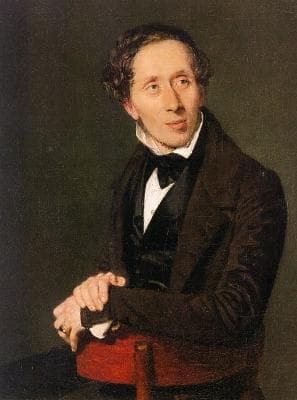
Hans Christian Andersen was a Danish author known for his fairy tales and stories. His notable works include "The Little Mermaid," "The Ugly Duckling," and "The Steadfast Tin Soldier," which explore themes of transformation and identity. Andersen's contributions to literature have made him a significant figure in children's literature.
Similar books
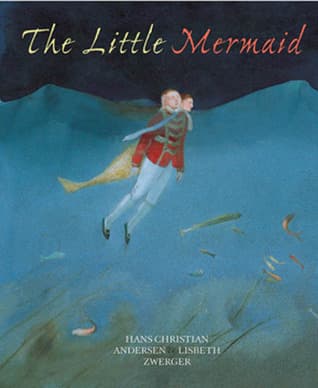
- The Little Mermaid
Hans Christian Andersen
4.0 (22k) average on GoodreadsFantasyShares themes of unrequited love, sacrifice, and a tragic ending for a fantastical protagonist.
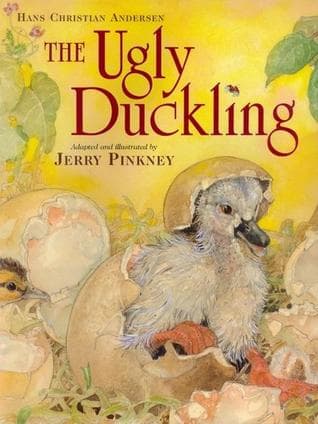
- The Ugly Duckling
Hans Christian Andersen
4.1 (12k) average on GoodreadsThrillerAnother classic Andersen tale exploring themes of identity and perseverance through hardship.
- Pinocchio
Carlo Collodi
3.9 (69k) average on GoodreadsFantasyBoth "The Steadfast Tin Soldier" and "Pinocchio" feature toy-like protagonists embarking on perilous journeys and facing numerous adversities. However, Collodi's Pinocchio is an active, often disobedient character whose trials are largely a consequence of his own choices and lead to moral development and eventual transformation into a real boy. The Tin Soldier, conversely, is a passive figure, a victim of circumstance and fate, whose steadfastness is tested by external forces rather than internal moral failings. Pinocchio's journey is one of growth and redemption through agency, while the Soldier's is one of enduring, unchosen suffering and ultimate sacrifice.
- Harry Potter and the Sorcerer's Stone
J.K. Rowling
4.5 (7M) average on GoodreadsFantasyRescued from a miserable life under the stairs, an orphaned boy discovers he's a wizard destined for a magical school, where he uncovers a dangerous secret tied to the dark wizard who murdered his parents.
- The Hunger Games
Suzanne Collins
4.3 (6.4M) average on GoodreadsFantasyIn a future where children fight to the death on live television, Katniss Everdeen volunteers for the arena, turning a death sentence into a fight for survival and a spark of rebellion.
- 1984
George Orwell
4.2 (3.1M) average on GoodreadsPoliticsIn a future where surveillance and thought control are absolute, a man's search for truth clashes with the Party, showing that hope can be a form of rebellion.



Enjoyed the summary?
A summary gives you the shape of the book. The book itself has the detail, the examples and the voice.
Find The Steadfast Tin Soldier on AmazonAs an Amazon Associate, BookBrief earns from qualifying purchases. How we're funded