

Synopsis
Covers the whole plot, including the ending.
- Difficulty
- Medium
- Pacing
- Moderate
- Mood
- Atmospheric, Suspenseful, Claustrophobic, Unsettling
- Read it if
- You enjoy atmospheric, isolated settings, unreliable narrators, and modern gothic thrillers with a 'locked-room' feel and a big twist.
- Skip it if
- You dislike stories where the protagonist makes questionable choices or prefer straightforward narratives without major identity reveals.
The Turn of the Key Plot Summary
Covers the whole plot, including the ending.
A Desperate Letter from Prison
The novel begins with Rowan Caine writing letters from prison to Mr. Wrexham, a solicitor she wants to represent her. She faces charges for murdering Maddie, a child in her care, at Heatherbrae House in the Scottish Highlands. Rowan talks about her search for a new life after a dull job and a failed relationship, which led her to apply for a live-in nanny position online. The high salary and the idea of a fresh start in a luxurious 'smart' home convinced her to take the job, despite a vague description and unusual interview. She tells Mr. Wrexham she lied on her CV to get the job, making up experience and references. This decision will bother her as her story continues.
Arrival at Heatherbrae House
Rowan arrives at Heatherbrae House, a modern, glass-and-steel building in the Scottish Highlands. It has a smart home system called 'Happy.' She meets the parents, Sandra and Bill Elincourt, and their three daughters: Maddie (8), who is withdrawn and often sick; Ellie (7), who is rebellious and manipulative; and Petra (5), who seems sweet but watches everything. Their older daughter, Rhiannon (14), is at boarding school. The house's isolation, the constant cameras, and the family's initial charm make a strong impression on Rowan. She learns about the 'Happy' system, which controls lights and music, and is warned about its quirks. She also meets Jack Grant, the handyman who lives on the property.
The Unsettling Reality of Nannying
Rowan soon finds that the Elincourt children are not the angelic girls she met. Ellie is openly hostile and plays dangerous pranks. Maddie is often ill and withdrawn. Petra watches silently. The 'Happy' system often malfunctions, playing loud music, turning off lights, or locking doors, which adds to Rowan's stress. Sandra and Bill Elincourt are often away, leaving Rowan alone with the girls for long periods, sometimes without clear instructions. She learns that previous nannies left suddenly, and there are rumors of a 'ghost' in the house that the girls use to scare her.
Escalating Pranks and Mysterious Occurrences
The girls' pranks become more serious, from small annoyances to truly frightening events. Rowan finds her things moved, hears strange noises, and experiences more severe 'Happy' malfunctions. Ellie repeatedly tries to scare Rowan with stories of the house's past and the previous nannies. Rowan talks to Jack Grant, the handyman, who seems to be the only other adult consistently on the property. Their interactions become more friendly. Rowan also finds a hidden room, a former nursery, which adds to the house's unsettling feel and fuels the children's ghost stories.
Rhiannon's Return and the Nanny History
Rhiannon, the oldest Elincourt daughter, comes home from boarding school for a visit. She is distant and resents her parents, and immediately dislikes Rowan. Rhiannon shares details about the previous nannies, including one who was supposedly 'fired' for negligence and another who left because of the 'ghost.' This makes Rowan more suspicious about the house and the family. Rhiannon's presence increases the tension, and she often helps Ellie torment Rowan, making Rowan feel more isolated and vulnerable.
The Poisoning Incident
Maddie, always frail, becomes very ill after drinking a smoothie. Rowan suspects poisoning and confronts Ellie, who admits to putting a small amount of weed killer in Maddie's drink, saying it was 'just a joke.' Rowan is horrified, but the Elincourts, when they briefly return, minimize the incident and do not want to involve authorities or properly scold Ellie. This further breaks Rowan's trust in the family and their judgment, making her question her ability to protect the children.
A Weekend Alone and a Confession
The Elincourts leave for a weekend, leaving Rowan alone with the four girls, including Rhiannon. During a stressful evening with 'Happy' malfunctions and the children's misbehavior, Rowan loses her temper. She locks Ellie in her room for a long time as punishment. Later, she meets secretly with Jack Grant, where she confesses her fabricated CV and her growing unease. Jack reveals he is Bill Elincourt's brother and was hired to monitor the house and nannies, adding another layer of deceit and surveillance to Rowan's difficult situation.
The Day of the Murder
Maddie's death day is chaotic. Rowan is tired and overwhelmed. The 'Happy' system causes a power surge that briefly makes the house dark and silent. Rowan finds Maddie dead in her bed, suffocated. In a panic, she finds Rhiannon hiding in the ventilation system, having seen the murder. Rhiannon, scared, helps Rowan hide Maddie's body in the garden. Rowan tries to run away but is caught by the police, who the Elincourts alerted. She is arrested for Maddie's murder, based on the circumstances and the children's statements.
The Truth Revealed: A Twist in the Tale
In a surprising turn, Rowan tells Mr. Wrexham that her name is not Rowan Caine, but Petra Elincourt. The 'Petra' she was nannying was a doll. She is the Elincourts' oldest daughter, and the child who was murdered was her younger sister, Maddie. She explains she was in an institution for a previous incident involving Maddie and was trying to return home to protect her. Her father, Bill, designed the 'Happy' system to control and monitor the children, especially Rowan. She claims Rhiannon was the actual killer and that she was trying to protect her sister by hiding the body. Her story is an attempt to blame Rhiannon and clear her own name.
The Confession and the Real Killer
Rowan, the real Petra, finally tells Mr. Wrexham the complete truth. She admits she was responsible for Maddie's death, though not on purpose. She was trying to give medicine to Maddie, who had trouble breathing during an asthma attack made worse by the 'Happy' system's broken air conditioning. In her panic, she accidentally suffocated Maddie while trying to help her. She had wanted to return to her family after her time away and had taken on the 'nanny' persona to get back into their lives and protect her sisters, especially from the 'Happy' system and her parents' neglect. Rhiannon had indeed helped her hide the body, believing Rowan was trying to protect her from their parents. The letter ends with Petra asking for understanding and a complex view of guilt and responsibility.
Principal Figures
Rowan Caine / Petra Elincourt
Protagonist
The accused nanny, whose true identity and motives are slowly revealed.
Initially presenting as Rowan Caine, a seemingly ordinary woman desperate for a new start, she takes on the nanny role at Heatherbrae House. She is intelligent, observant, but also flawed, admitting to lying on her CV and making poor decisions under pressure. Her narrative voice is one of desperation and self-justification, slowly revealing her true identity as Petra Elincourt, the eldest daughter, who was previously institutionalized. She is driven by a complex mix of guilt, a desire to protect her sisters, and a yearning for acceptance from her family. Her initial perception of events is colored by her fragmented memories and her psychological state.
Relationships: Maddie Elincourt (Younger sister, victim); Ellie Elincourt (Younger sister, tormentor); Rhiannon Elincourt (Younger sister, accomplice); Sandra Elincourt (Mother); Bill Elincourt (Father, creator of Happy); Jack Grant (Love interest, handyman, actually Bill's brother)
Maddie Elincourt
Victim
The youngest Elincourt daughter, frail and frequently ill, whose death is the central mystery.
Maddie is the youngest of the Elincourt children and the victim of the murder. She is described as frail, sickly, and withdrawn, often suffering from asthma and other ailments. Her vulnerability makes her a target for Ellie's cruelty and a source of concern for Rowan. Her frequent illnesses and quiet demeanor make her seem like an easy victim, but her death is the catalyst for the entire narrative. Her suffering under the neglectful care and the 'Happy' system highlights the dysfunction within the Elincourt family.
Relationships: Rowan Caine / Petra Elincourt (Eldest sister, accidental killer); Ellie Elincourt (Sister, tormentor); Rhiannon Elincourt (Sister); Sandra Elincourt (Mother); Bill Elincourt (Father)
Ellie Elincourt
Supporting
The mischievous and manipulative middle Elincourt daughter.
Ellie is the middle Elincourt daughter, known for her rebellious nature, manipulative tendencies, and cruel pranks. She actively torments Rowan, often using the house's 'ghost' stories and the 'Happy' system's malfunctions to her advantage. She is intelligent and perceptive, quickly picking up on Rowan's vulnerabilities. Her actions, such as poisoning Maddie, demonstrate a disturbing lack of empathy and a desire for control. She represents the destructive impact of neglect and a lack of proper discipline within the family.
Relationships: Rowan Caine / Petra Elincourt (Nanny/Eldest sister, victim of her pranks); Maddie Elincourt (Younger sister, victim of her cruelty); Rhiannon Elincourt (Older sister); Sandra Elincourt (Mother); Bill Elincourt (Father)
Rhiannon Elincourt
Supporting
The aloof and resentful eldest Elincourt daughter, away at boarding school.
Rhiannon is the actual eldest Elincourt daughter, initially away at boarding school. When she returns, she is aloof, resentful of her parents, and immediately suspicious of Rowan. She has a history with the previous nannies and the house's 'ghost' mythology. She is observant and often sides with Ellie, contributing to Rowan's isolation. Her knowledge of the family's past and her presence during the murder are crucial. She ultimately helps 'Rowan' (Petra) dispose of Maddie's body, believing she is protecting her sister from their parents' wrath, highlighting her own complex relationship with her family.
Relationships: Rowan Caine / Petra Elincourt (Nanny/Older sister, accomplice); Maddie Elincourt (Younger sister); Ellie Elincourt (Younger sister); Sandra Elincourt (Mother); Bill Elincourt (Father)
Petra Elincourt (the doll)
Mentioned
A doll the real Petra (Rowan) pretends is her youngest sister.
The 'Petra' Rowan initially describes as the youngest Elincourt daughter is, in fact, a doll. This deception is a crucial element of the plot twist, revealing Rowan's true identity as the real Petra Elincourt. The inclusion of the doll serves to mislead the reader and highlight the unreliable nature of Rowan's narrative. It also symbolizes the real Petra's fragmented memories and her attempt to reconstruct a version of her family life.
Sandra Elincourt
Supporting
The glamorous, often-absent mother of the Elincourt children.
Sandra is the glamorous but largely absent mother of the Elincourt children. She and her husband, Bill, are frequently away on business trips, leaving the nannies to manage the children and the smart home. She appears superficially charming but is ultimately detached and neglectful, downplaying the children's problematic behavior and the house's issues. Her focus on her career and lifestyle contributes significantly to the dysfunctional environment that leads to Maddie's death.
Relationships: Bill Elincourt (Husband); Rowan Caine / Petra Elincourt (Nanny/Daughter); Maddie Elincourt (Daughter); Ellie Elincourt (Daughter); Rhiannon Elincourt (Daughter)
Bill Elincourt
Supporting
The wealthy, tech-obsessed father who designed Heatherbrae House and its 'Happy' system.
Bill is the wealthy, tech-savvy father and the architect behind Heatherbrae House's sophisticated 'Happy' smart home system. He is often absent, focusing on his work and leaving the childcare to others. His design of the house, with its pervasive surveillance and controlling technology, reflects his desire for order and control, but ultimately contributes to the family's isolation and dysfunction. He is revealed to have hired his brother, Jack Grant, to monitor the house and the nannies, highlighting his secretive and manipulative nature.
Relationships: Sandra Elincourt (Wife); Rowan Caine / Petra Elincourt (Nanny/Daughter); Maddie Elincourt (Daughter); Ellie Elincourt (Daughter); Rhiannon Elincourt (Daughter); Jack Grant (Brother, employee)
Jack Grant
Supporting
The enigmatic handyman who assists Rowan and is later revealed to be Bill's brother.
Jack Grant is the handyman who lives in a cottage on the Heatherbrae House property. He is initially a source of comfort and flirtation for Rowan, offering her a sympathetic ear and practical advice about the 'Happy' system. He appears rugged and reliable, a contrast to the high-tech, remote Elincourts. He is later revealed to be Bill Elincourt's brother, secretly hired to monitor the house and the nannies, adding a layer of deception to his character and further isolating Rowan. His true role underscores the pervasive surveillance and lack of trust within the family.
Relationships: Rowan Caine / Petra Elincourt (Brief romantic interest, confidante); Bill Elincourt (Brother, employer)
Mr. Wrexham
Supporting
The solicitor to whom Rowan writes her letters from prison.
Mr. Wrexham is the solicitor to whom Rowan Caine (Petra Elincourt) addresses her extensive letters from prison. He serves as the primary audience for her narrative, representing the legal system and the reader. Rowan's letters are her attempt to convince him of her innocence and secure his representation. He is a silent character, only existing through Rowan's direct address, but his implied presence drives her to recount the convoluted events and ultimately confess the truth.
Relationships: Rowan Caine / Petra Elincourt (Potential client)
Themes & Insights
Identity and Deception
The novel explores identity, especially Rowan's made-up identity to get the nanny job and the later reveal of her true identity as Petra Elincourt. Her lies on the CV, her efforts to fit in, and her gradual breakdown are central. The deception also involves the Elincourt family, who seem perfect but hide deep problems and secrets. The 'Petra' doll further blurs what is real. This theme shows how easily appearances can be changed and the mental cost of keeping a false self.
“I was always good at playing a part. It was a skill I’d honed over many years.”
Technology and Surveillance
Heatherbrae House, with its 'Happy' smart home system and many cameras, shows the theme of technology and surveillance. The system, designed by Bill Elincourt, is meant to control and monitor, but it often breaks down, creating unease and increasing tension. The constant surveillance makes Rowan feel trapped and paranoid, blurring the line between security and intrusion. This theme looks at the good and bad sides of advanced technology, how it can be used for convenience but also for control, leading to sad outcomes.
“Happy was watching. Happy was always watching.”
Parental Neglect and Family Dysfunction
A main theme is the parental neglect and problems within the Elincourt family. Sandra and Bill are often absent, putting their careers before their children's well-being. This neglect creates a chaotic environment where the children are unsupervised, leading to Ellie's manipulative behavior and Maddie's weakness. The parents' unwillingness to deal with serious issues, like the poisoning, shows their detachment. This neglect creates the conditions for the tragic events, showing the bad results of parents not taking responsibility.
“They were good parents, in theory. They provided everything the children could want, except themselves.”
Isolation and Paranoia
Rowan's time at Heatherbrae House is marked by extreme isolation and increasing paranoia. The remote house, combined with the parents' frequent absences and the children's hostile behavior, leaves her feeling completely alone. The constant surveillance from the 'Happy' system, the mysterious malfunctions, and the 'ghost' stories contribute to her growing paranoia, making her question her sanity and who to trust. This isolation is a key factor in her breakdown and her inability to get help, showing the mental cost of being cut off from support.
“The house was a glass prison, and I was its only guard.”
Guilt and Atonement
The whole story is driven by Rowan's (Petra's) guilt over Maddie's death and her desperate attempt to make amends or explain her actions. Her letters to Mr. Wrexham are a confession, a request for understanding, and an attempt to shift blame before finally accepting her role. The theme explores the complexities of guilt, especially when actions are accidental or come from good intentions gone wrong. Her journey from denial to an acceptance of responsibility is central to her character and the book's ending.
“I am not innocent, by any means. But I am not guilty—at least not of murder.”
Plot Devices & Literary Techniques
Unreliable Narrator
The entire story is told from the perspective of an unreliable protagonist.
The most prominent plot device is the unreliable narrator, Rowan Caine (who is later revealed to be Petra Elincourt). Her letters from prison are her version of events, but she admits to lying on her CV and her fragmented memories and psychological state lead her to omit crucial details and even fabricate aspects of the story. This unreliability keeps the reader in suspense, constantly questioning the truth of her account until the final, shocking revelations. It forces the reader to actively piece together the real story, making the twist more impactful.
Epistolary Format
The story is told entirely through letters written by the protagonist.
The novel is presented entirely in an epistolary format, consisting of letters written by Rowan Caine from prison to her solicitor, Mr. Wrexham. This device provides an intimate, first-person perspective, allowing the reader direct access to Rowan's thoughts, fears, and justifications. It also creates a sense of urgency and confession, as she is writing under duress. The format naturally supports the unreliable narrator, as the reader only knows what Rowan chooses to reveal, and the chronological recounting of events allows for a gradual build-up of suspense and revelation.
The 'Happy' Smart Home System
A sophisticated smart home system that acts as both a convenience and a source of terror.
The 'Happy' smart home system is a central plot device, functioning almost as a character in itself. Designed by Bill Elincourt, it controls every aspect of Heatherbrae House, from lighting and music to heating and security. While intended for convenience, its frequent malfunctions and pervasive surveillance contribute significantly to Rowan's isolation and paranoia. It becomes a tool for the children's pranks and a symbol of the Elincourts' controlling nature and technological overreach. Its unpredictable behavior creates constant tension and plays a direct role in the tragic events leading to Maddie's death.
The 'Ghost' of Heatherbrae House
A recurring motif used by the children to terrorize the nannies.
The 'ghost' of Heatherbrae House is a recurring motif used by the Elincourt children, particularly Ellie, to terrorize Rowan and previous nannies. While seemingly a childish prank, it serves as a psychological tool to heighten the sense of dread and isolation. The 'ghost' stories blend with the actual malfunctions of the 'Happy' system and the unsettling atmosphere of the house, making Rowan question what is real and what is imagined. Ultimately, the 'ghost' is a metaphor for the unresolved trauma and secrets within the family, and the way the children perpetuate their own cycle of fear.
The Turn of the Key Quotes
“I did not kill the child. I did not kill anyone. I am not a killer.”
“It was a house built for secrets. Every creak of the floorboards, every whisper of the wind, seemed to carry a story it was reluctant to tell.”
“The smart house was watching. It was always watching.”
“Sometimes the things you think you want, the things you chase, are not the things that will actually save you.”
“You don't know what it's like to be trapped, to have no way out.”
“The children were not just children. They were characters in a play I hadn't read the script for.”
“Every lock has a key. And every door, if you look hard enough, has a way in.”
“Fear is a powerful thing. It can make you do things you never thought you were capable of.”
“The past is never really past. It's always there, lurking, waiting for its moment to surface.”
“I thought I was running towards something better. Instead, I ran straight into a nightmare.”
“It’s not just the house that has secrets. Everyone does.”
“Sometimes, the most ordinary things can be the most terrifying.”
“The truth is a messy thing. It rarely comes neatly packaged.”
“They say that home is where the heart is. But what if your heart is trapped somewhere else?”
Quiz
10 questions on the plot and the characters. Each answer comes with a short explanation.
Question 1
What is the primary reason Rowan Caine is writing to her lawyer from prison?
- To confess to the murder and seek a plea bargain.
- To explain the events that led to her being accused of murder.
- To report the malfunctioning smart home technology.
- To provide a character reference for another inmate.
Show answer
B. To explain the events that led to her being accused of murder. Rowan is writing to her lawyer, Mr. Wrexham, from prison to recount the 'unravelling events' that led to her incarceration for a child's murder, maintaining her innocence of the crime itself.
Question 2
What kind of residence is Heatherbrae House, where Rowan takes the nannying job?
- A rustic, isolated cottage without modern amenities.
- A luxurious 'smart' home fitted with modern conveniences and surveillance cameras.
- A bustling urban mansion with a large staff.
- A renovated historic castle operating as a bed and breakfast.
Show answer
B. A luxurious 'smart' home fitted with modern conveniences and surveillance cameras. Heatherbrae House is described as a luxurious 'smart' home, equipped with all modern conveniences and, notably, constant surveillance from cameras.
Question 3
What significant detail does Rowan admit about obtaining the nannying post?
- She exaggerated her experience with special needs children.
- She lied about her qualifications and background to get the job.
- She bribed the previous nanny for a good reference.
- She secretly knew the family before applying.
Show answer
B. She lied about her qualifications and background to get the job. The synopsis explicitly states, 'She admits that she lied to obtain the post,' which is a crucial element in her unreliable narration and the unfolding mystery.
Question 4
Which of these is NOT listed as a challenge Rowan faced at Heatherbrae House?
- The children being difficult and not as well-behaved as expected.
- The constant presence of the family's pet dog, which was aggressive.
- Malfunctioning smart home technology causing disruptions.
- Being left alone for weeks with only the handyman for adult company.
Show answer
B. The constant presence of the family's pet dog, which was aggressive. The synopsis mentions difficult children, malfunctioning technology, and being left alone with the handyman, Jack Grant. There is no mention of an aggressive pet dog.
Question 5
How does Rowan describe the children she was hired to nanny, after her initial interview impression?
- They were exactly as immaculately behaved as she first thought.
- They were a far cry from the immaculately behaved model children she met at her interview.
- They were shy and withdrawn, rarely interacting with her.
- They were mostly absent, attending boarding school for much of the time.
Show answer
B. They were a far cry from the immaculately behaved model children she met at her interview. The text states the girls 'turned out to be a far cry from the immaculately behaved model children she met at her interview,' indicating they were much more difficult than anticipated.
Question 6
What is the setting of Heatherbrae House?
- The bustling heart of London.
- A remote, picturesque location in the Scottish Highlands.
- A quaint village in rural England.
- A coastal town in Cornwall.
Show answer
B. A remote, picturesque location in the Scottish Highlands. Rowan is 'smitten...by the beautiful Scottish Highlands,' indicating the remote location of Heatherbrae House.
Question 7
What is Rowan's stance regarding the murder accusation?
- She fully admits her guilt and seeks leniency.
- She claims complete innocence, even of the mistakes she admits to.
- She admits to making mistakes and not being innocent, but maintains she is not guilty of murder.
- She implies the child's death was an accident due to the smart home's malfunction.
Show answer
C. She admits to making mistakes and not being innocent, but maintains she is not guilty of murder. Rowan explicitly states, 'She’s not innocent, by any means. But, she maintains, she’s not guilty—at least not of murder,' highlighting her nuanced plea.
Question 8
What role does Jack Grant play at Heatherbrae House?
- He is the children's tutor.
- He is the family's chauffeur.
- He is the enigmatic handyman, the only other adult often present.
- He is the head of the security system.
Show answer
C. He is the enigmatic handyman, the only other adult often present. The synopsis mentions, 'no adults around apart from the enigmatic handyman, Jack Grant,' indicating his role and significance as Rowan's sole adult company for extended periods.
Question 9
The constant surveillance from cameras and malfunctioning technology contribute to which overarching theme in the novel?
- The benefits of modern home automation.
- The idea of privacy invasion and a sense of unease or being watched.
- The importance of regular tech maintenance.
- The humor in technological mishaps.
Show answer
B. The idea of privacy invasion and a sense of unease or being watched. The 'constant surveillance from the cameras' and 'malfunctioning technology' create an atmosphere of foreboding, contributing to themes of privacy invasion, control, and the psychological impact of being constantly observed.
Question 10
What is the ultimate outcome that Rowan is facing at the beginning of the story?
- She has successfully cleared her name and is free.
- She has been promoted to head nanny of Heatherbrae House.
- She is in prison awaiting trial for the murder of a child.
- She has fled the country to avoid prosecution.
Show answer
C. She is in prison awaiting trial for the murder of a child. The synopsis clearly states that the nightmare 'will end with a child dead and herself in prison awaiting trial for murder,' setting the stage for the entire narrative.
The Turn of the Key FAQ
What is 'The Turn of the Key' about?
'The Turn of the Key' follows Rowan Caine, a young woman who takes a live-in nannying job at the isolated, 'smart' Heatherbrae House in the Scottish Highlands. She finds herself in a terrifying situation after a child dies and she is imprisoned, writing letters to her lawyer to explain the series of unsettling events, technological malfunctions, and difficult children that led to her murder charge.
Why should I read 'The Turn of the Key'?
You should read 'The Turn of the Key' for its gripping, unreliable narrator, the chilling atmosphere of the isolated, tech-laden Heatherbrae House, and its constant suspense. Ruth Ware masterfully builds tension, keeping readers guessing about Rowan's guilt and the true events leading to the tragedy, making it a compelling modern gothic thriller.
What is the background/setting of 'The Turn of the Key'?
The book is set primarily in Heatherbrae House, a remote, luxuriously renovated 'smart' home in the Scottish Highlands. This house is equipped with advanced but often malfunctioning technology, including numerous cameras, smart lights, and sound systems, creating an atmosphere of constant surveillance and unease. Its isolation contributes significantly to the escalating tension.
What are the most memorable quotes?
A memorable quote is Rowan's repeated assertion, 'I didn't kill her.' This phrase underscores her desperate plea of innocence despite circumstantial evidence. Another is about the house itself: 'The house was watching me. Always watching.' This captures the pervasive sense of surveillance and dread.
What writing style does the author use?
Ruth Ware employs a first-person epistolary style, with Rowan Caine writing letters from prison to her lawyer. This creates an unreliable narrator and allows for a slow reveal of information, building suspense and encouraging the reader to question Rowan's version of events and her potential culpability.
What minor details add significant meaning?
The frequent mentions of the house's 'smart' technology malfunctioning, such as lights going out or music blaring unexpectedly, are not just atmospheric but create tangible threats and opportunities for mischief, making it difficult to discern human malice from technological error. Also, the repeated references to the locked attic door hint at a secret within the house.
What are some subtle foreshadowing moments?
Early in the book, Rowan's initial interview where she exaggerates her experience and background subtly foreshadows her later admissions of lying and her questionable suitability for the role. Also, the children's seemingly innocent pranks, like changing the music or turning off lights, hint at their capacity for more sinister actions later on.
What unexpected character connections exist?
The most significant unexpected connection is between Jack Grant, the handyman, and the family. He is not merely an employee but has a much deeper, more personal connection to the Heatherbrae family, specifically to Bill and Sandra Elincourt, which is revealed towards the end of the narrative and profoundly impacts the understanding of events.
What are unspoken character motivations?
Rowan's unspoken motivation for taking the nannying job, despite her lack of genuine experience, seems to stem from a desire to escape her past and find a fresh start, alongside the allure of the high salary. The Elincourts' motivation for leaving Rowan alone for extended periods is rooted in their desire for privacy and their belief in the house's security, masking a deeper neglect.
What psychological complexities do characters exhibit?
Rowan exhibits significant psychological complexity as an unreliable narrator, grappling with guilt, denial, and a fragmented memory of events. Her desperate need to justify herself to her lawyer highlights her internal conflict. The children, particularly Maddie, display manipulative tendencies and a chilling lack of empathy, hinting at deeper psychological issues.
What are the major emotional turning points?
A major emotional turning point is Rowan's realization that the children are actively hostile towards her, moving beyond simple naughtiness to deliberate malice. Another is the discovery of Petra's diary, which casts doubt on Rowan's perspective and intensifies her fear. The ultimate turning point is the discovery of the dead child, which irrevocably shifts the narrative into a murder mystery.
How do relationship dynamics evolve?
Rowan's relationship with the children, particularly Maddie and Petra, deteriorates from initial cautious optimism to outright antagonism and fear. Her dynamic with Jack Grant evolves from professional distance to a shared, uneasy intimacy born of their isolation. The underlying relationship between the Elincourts and their children is revealed to be distant and somewhat neglectful, contributing to the children's behavior.
Which parts remain ambiguous or open-ended?
While the murderer is revealed, the full extent of the children's complicity or psychological damage remains somewhat ambiguous. The lingering question of whether Rowan could have prevented the tragedy, even if not directly guilty, also contributes to the open-ended feeling regarding her moral culpability.
What are controversial scenes or decisions?
Rowan's decision to lie on her resume and background checks to secure the job is a controversial one, as it directly contributes to her being ill-equipped for the challenges she faces. Her increasing frustration and occasional harshness towards the children, while understandable, also spark debate about her professional conduct and fitness as a nanny.
'The Turn of the Key' ending explained: how it ends & what it means
The ending reveals that Petra, the middle child, was murdered by Maddie, the eldest, who pushed her down the stairs. Rowan discovers this truth and attempts to flee with the youngest child, Ellie, before being apprehended. The 'turn of the key' refers to Rowan's desperate attempts to find the truth and the final revelation that unlocks the mystery, meaning Rowan is innocent of murder, but still guilty of deception and negligence, leaving her imprisoned for a lesser charge.
About the author

Ruth Ware is a British author known for her psychological thrillers and mysteries. Her notable works include "The Woman in Cabin 10," "In a Dark, Dark Wood," "The Turn of the Key," and "The Death of Mrs. Westaway," all of which explore themes of suspense and intrigue. Ware's writing often features complex characters and intricate plots.
Similar books
- The Woman in Cabin 10
Ruth Ware
3.7 (375k) average on GoodreadsThrillerAnother Ruth Ware thriller with an isolated setting and a protagonist in peril.
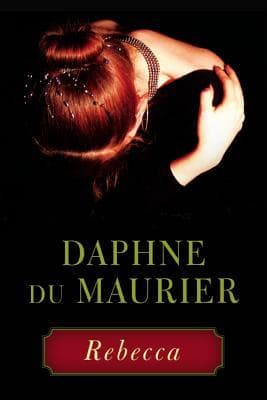
- Rebecca
Daphne du Maurier
4.2 (450k) average on GoodreadsThrillerWare's novel consciously echoes the gothic atmosphere and themes of an inexperienced young woman entering a grand, unsettling house under the shadow of a predecessor, much like du Maurier's Rebecca. Both feature an unnamed narrator struggling with identity and suspicion. However, The Turn of the Key modernizes these elements with smart home technology and a more explicit thriller structure, whereas Rebecca is a classic gothic romance with psychological suspense.
- Angels & Demons
Dan Brown
3.9 (2.7M) average on GoodreadsThrillerA Harvard symbologist races through Rome's ancient sites, deciphering cryptic clues to unmask the Illuminati and stop a vengeful plot to destroy the Vatican with a stolen antimatter weapon.
- Gone Girl
Gillian Flynn
4.1 (2.3M) average on GoodreadsThrillerA wife's sudden disappearance on her fifth anniversary reveals a web of lies and psychological warfare, exposing the secrets within a seemingly perfect marriage.
- The Girl on the Train
Paula Hawkins
3.9 (2.1M) average on GoodreadsThrillerA woman’s fascination with a seemingly perfect couple she watches from her daily train commute leads her into a dark investigation when she witnesses something that shatters their idyllic image.
- The Da Vinci Code
Dan Brown
3.9 (1.9M) average on GoodreadsThrillerA symbologist and a cryptologist race through European landmarks, deciphering ancient codes and uncovering a conspiracy that could rewrite the foundations of Christianity.





Enjoyed the summary?
A summary gives you the shape of the book. The book itself has the detail, the examples and the voice.
Find The Turn of the Key on AmazonAs an Amazon Associate, BookBrief earns from qualifying purchases. How we're funded