
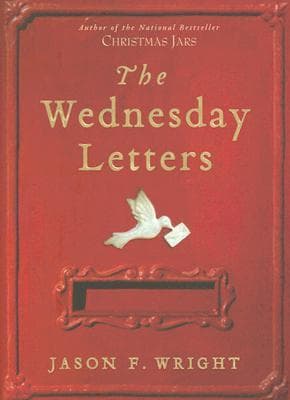
Synopsis
Covers the whole plot, including the ending.
- Difficulty
- Easy
- Pacing
- Moderate
- Mood
- Heartwarming, Emotional, Reflective, Hopeful
- Read it if
- You enjoy heartwarming, emotional stories about enduring love, family secrets, and the power of forgiveness, with a focus on marital commitment and reconciliation.
- Skip it if
- You prefer fast-paced thrillers or stories without a strong romantic and emotional core, or if you dislike narratives that explore marital infidelity and its resolution.
The Wednesday Letters Plot Summary
Covers the whole plot, including the ending.
The Cooper's Final Farewell and a Startling Discovery
The story opens with the tragic, yet romantic, death of Jack and Laurel Cooper. They are found in each other's arms in their bed and breakfast, The Wednesday Inn, in Vermont. Their three adult children, Matthew, Samantha, and Malcolm, return to the inn to arrange the funeral and handle their parents' estate. While sifting through their parents' belongings, Matthew discovers a hidden box containing thousands of handwritten letters. These letters, dated and organized, show that Jack had written one to Laurel every Wednesday since their wedding night, a tradition spanning thirty-nine years. This discovery piques the children's curiosity and sets them on a path to understanding their parents' marriage in a new way.
Unveiling a Love Story, Letter by Letter
The Cooper siblings, initially hesitant, decide to read the letters together. The early letters show young love, shared dreams, and the establishment of The Wednesday Inn. They reveal Jack's deep devotion to Laurel and his commitment to documenting their life together. As they read deeper, the letters chronicle the joys of raising their children, the struggles of running a business, and the everyday intimacies that form a long marriage. The children are struck by the honesty and vulnerability in their parents' words, realizing there was much about their parents' inner lives they never truly understood, despite living under the same roof.
Hints of Hidden Pain and a Mysterious Absence
As the siblings continue reading, the tone of some letters changes. They find references to a period of sadness and a significant, unexplained absence in their parents' lives. There are mentions of 'the silence,' 'the hardest year,' and 'the decision that changed everything.' The children recall a vague memory of their mother being away for an extended period when they were very young, but the details were always a mystery and rarely discussed. These cryptic passages create a growing sense of unease and intrigue, suggesting a secret lies buried within their family's past that even they, as their children, were unaware of.
The Introduction of the 'Other Man'
Amidst Jack's Wednesday letters, Matthew finds a separate, smaller bundle of letters, written by Laurel, addressed to a man named Michael. These letters are dated from the period of Laurel's mysterious absence mentioned in Jack's earlier letters. The discovery sends shockwaves through the siblings, as they grapple with the idea that their mother may have had an affair. The letters to Michael are filled with longing, regret, and a sense of internal conflict, describing a love that was intense but ultimately forbidden. This revelation forces the children to question everything they thought they knew about their parents' seemingly perfect marriage.
Michael's Story and Laurel's Dilemma
The letters from Laurel to Michael detail her emotional connection with him during a difficult period in her marriage to Jack. They met while Laurel was seeking solace and understanding away from home, feeling isolated and misunderstood after a family tragedy. Michael, a kind and empathetic man, offered her the companionship and emotional support she craved. Laurel's letters express her guilt and confusion, torn between her love for her husband and children, and the powerful, unexpected bond she formed with Michael. She grapples with the morality of her feelings and the potential consequences of her actions, revealing a vulnerability the children had never seen in their strong, composed mother.
Jack's Awareness and Unconditional Love
As the siblings read further into Jack's letters from that same period, they discover that he was aware of Laurel's emotional entanglement with Michael. Instead of anger or resentment, Jack's letters express pain, fear of losing Laurel, but also an extraordinary depth of understanding and unconditional love. He writes about his struggle to cope with her absence and his determination to fight for their marriage, even if it meant giving her the space she needed. His words reveal his quiet suffering and his unwavering belief in their vows, showing a level of forgiveness and selflessness that deeply moves his children and redefines their perception of their father.
The Return and Reconciliation
Laurel's final letter to Michael signifies her decision to return to Jack and her children, acknowledging that while her feelings for Michael were real, her commitment and love for her family were stronger. She expresses her heartache at leaving Michael but her certainty that her place was with Jack. Subsequent letters from Jack detail Laurel's return to the inn and the slow, difficult process of healing and rebuilding their marriage. They reveal the quiet strength of their bond and their mutual determination to overcome the pain and move forward. This period marks a turning point, where their love, though tested, emerged stronger and more resilient.
The Secret Revealed: The Loss of Baby Thomas
The full weight of the 'silence' and Laurel's breakdown is finally revealed through a series of letters: Jack and Laurel had an infant son, Thomas, who died shortly after birth. This devastating loss, kept secret from their other children, was the cause of Laurel's grief and emotional withdrawal, which led to her seeking solace away from home and her connection with Michael. The revelation of their lost brother adds another layer of sorrow and understanding for Matthew, Samantha, and Malcolm, explaining their mother's vulnerability and their parents' emotional scars that were always subtly present beneath the surface of their happy family life.
Coming to Terms with Their Parents' Imperfections
Armed with the complete story, Matthew, Samantha, and Malcolm grapple with the complex truths of their parents' lives. They realize that their parents, like all people, were flawed and faced challenges, but their love and commitment ultimately triumphed. The children come to understand that the perfect facade their parents presented showed their strength and dedication to their family, rather than a deception. They find a newfound respect for their parents' resilience, forgiveness, and the depth of their love, which endured through pain and temptation. This journey of discovery transforms their perception of their family legacy.
A Legacy of Love and Forgiveness
As the siblings finish reading the last of the letters, they are left with a sense of peace and understanding. The initial shock and hurt give way to admiration for the powerful love story that unfolded before them. The letters are not only a record of their parents' lives but also a guide for their own relationships and challenges. They leave the inn with a deeper appreciation for the complexities of marriage, the importance of forgiveness, and the enduring power of love. The Wednesday Letters become a treasured family heirloom, a love that was imperfect, yet unbreakable, and a source of inspiration for generations to come.
Principal Figures
Jack Cooper
Protagonist
Devoted husband and father, chronicler of his family's life through weekly letters.
Jack Cooper is the patriarch of the Cooper family and the primary author of 'The Wednesday Letters.' He is portrayed as a deeply loving, patient, and incredibly devoted husband to Laurel. His character is defined by his unwavering commitment to his wife and family, even in the face of immense personal pain and betrayal. He initiates the tradition of writing a letter to Laurel every Wednesday, meticulously documenting their life, dreams, and challenges. His letters reveal his quiet strength, his capacity for profound forgiveness, and his belief in the enduring power of their marriage vows, even when Laurel's emotional affair threatens to tear them apart. He is the steadfast anchor of the family.
Relationships: Laurel Cooper (Devoted husband); Matthew Cooper (Father); Samantha Cooper (Father); Malcolm Cooper (Father)
Laurel Cooper
Protagonist
Jack's beloved wife, who grapples with grief, temptation, and ultimately chooses her family.
Laurel Cooper is Jack's wife and the recipient of his weekly letters, but also the author of a revealing set of letters to another man. She is initially presented as the loving, strong matriarch of the family, co-running The Wednesday Inn. Her character is complex, revealing her vulnerability and internal struggles, particularly following the devastating loss of their infant son, Thomas. This grief leads her to a period of emotional detachment and a connection with Michael. Her letters express her profound guilt, confusion, and the difficult choice she faced between a powerful emotional bond and her commitment to her family. Ultimately, she is a woman who makes a difficult choice for love and family.
Relationships: Jack Cooper (Devoted wife, later reconciled); Matthew Cooper (Mother); Samantha Cooper (Mother); Malcolm Cooper (Mother); Michael (Emotional affair partner)
Matthew Cooper
Supporting
The eldest son, who discovers the letters and leads his siblings in uncovering their family's past.
Matthew Cooper is the eldest of the three Cooper children. He is the one who discovers the hidden box of letters after his parents' death, initiating the central plot of the story. Matthew often takes on a leadership role among his siblings, guiding their collective journey through the emotional revelations contained within the letters. He is thoughtful and analytical, often reflecting on the deeper meanings of his parents' words and actions. His discovery and persistence are crucial to unraveling the family's secrets and understanding the true depth of his parents' love and struggles. He represents the generation grappling with their parents' hidden lives.
Relationships: Jack Cooper (Son); Laurel Cooper (Son); Samantha Cooper (Brother); Malcolm Cooper (Brother)
Samantha Cooper
Supporting
The middle child, often the emotional anchor, processing the revelations with sensitivity.
Samantha Cooper is the middle child of Jack and Laurel. She is often portrayed as more emotionally attuned and sensitive than her brothers, reacting deeply to the revelations in the letters. She provides a balance to Matthew's more analytical approach and Malcolm's initial skepticism. Samantha's reactions help to ground the emotional impact of the story, as she grapples with the shock and eventual understanding of her parents' hidden lives. Her perspective highlights the universal experience of children coming to terms with the complexities and imperfections of their parents, fostering empathy and acceptance.
Relationships: Jack Cooper (Daughter); Laurel Cooper (Daughter); Matthew Cooper (Sister); Malcolm Cooper (Sister)
Malcolm Cooper
Supporting
The youngest child, initially more skeptical but ultimately moved by his parents' story.
Malcolm Cooper is the youngest of the three Cooper children. Initially, he might exhibit a degree of skepticism or a more pragmatic approach to the discovery of the letters, perhaps less emotionally invested than his siblings at first. However, as the story unfolds and the gravity of his parents' experiences becomes clear, Malcolm's perspective shifts. He comes to appreciate the profound love and sacrifices his parents made, ultimately joining his siblings in their shared journey of understanding and healing. His character helps to demonstrate the varied ways in which family members process shocking revelations.
Relationships: Jack Cooper (Son); Laurel Cooper (Son); Matthew Cooper (Brother); Samantha Cooper (Brother)
Michael
Supporting
The man with whom Laurel had an emotional affair during a period of grief and separation.
Michael is a character who exists primarily through Laurel's letters to him. He represents the temptation and emotional solace Laurel found during her period of intense grief and separation from Jack. He is portrayed as kind, understanding, and someone who offered Laurel the emotional support she felt she was lacking during a deeply vulnerable time. While he is not physically present in the main narrative, his existence and the emotional connection he shared with Laurel are pivotal to revealing the depth of Laurel's internal conflict and the extraordinary nature of Jack's forgiveness. He is a catalyst for the family's deepest secret.
Relationships: Laurel Cooper (Emotional affair partner)
Thomas Cooper
Mentioned
Jack and Laurel's infant son, whose death was the catalyst for their family's greatest trial.
Thomas Cooper is Jack and Laurel's infant son, whose tragic death is the deeply hidden secret that caused Laurel's profound grief and subsequent emotional crisis. Though he never appears in the main narrative, his existence and loss are central to understanding the motivations behind Laurel's actions and the depth of the pain that Jack and Laurel endured. The revelation of his death provides the context for Laurel's emotional affair and Jack's unwavering commitment to healing their marriage. Thomas represents the unspoken tragedy that shaped the Cooper family's history.
Relationships: Jack Cooper (Son); Laurel Cooper (Son); Matthew Cooper (Brother); Samantha Cooper (Sister); Malcolm Cooper (Brother)
Themes & Insights
The Enduring Power of Love and Commitment
This theme is central to 'The Wednesday Letters,' shown by Jack and Laurel's 39-year marriage. Despite facing challenges, including the loss of their infant son Thomas and Laurel's emotional affair, their commitment to each other and their family ultimately prevails. Jack's weekly letters show his unwavering love and dedication, while Laurel's difficult decision to return to her family highlights her enduring bond with Jack. The story emphasizes that true love is not without flaws or pain, but it is resilient and capable of forgiveness, ultimately strengthening the relationship.
“I’ll write you every Wednesday, for as long as we both shall live.”
Forgiveness and Reconciliation
Forgiveness is a theme, particularly evident in Jack's response to Laurel's emotional affair. Instead of anger or resentment, his letters reveal a man grappling with pain but ultimately choosing understanding and the preservation of his marriage. Laurel, in turn, must forgive herself for her actions and accept Jack's forgiveness to fully reconcile. The siblings also learn to forgive their parents for their perceived imperfections and the secrets they kept, realizing that forgiveness is essential for healing and moving forward, both individually and as a family.
“Love isn’t something you fall into, it’s something you build, letter by letter, day by day.”
The Nature of Family Secrets and Their Impact
The novel explores how family secrets, particularly the death of baby Thomas and Laurel's affair, can shape a family's dynamics for decades. The children's discovery of these hidden truths forces them to re-evaluate their entire understanding of their parents and their upbringing. The theme highlights that while secrets might be kept to protect loved ones from pain, they can also create emotional distance and leave unresolved issues. Ultimately, the unveiling of these secrets, though initially painful, leads to a deeper, more authentic connection and understanding within the family.
“Sometimes the greatest love stories are not the ones we tell, but the ones we live, in all their messy, beautiful truth.”
Grief and Healing
The grief experienced by Jack and Laurel after the death of their infant son, Thomas, is a central, though hidden, theme. The story illustrates the impact of such a loss and how individuals cope differently—Laurel withdrawing and seeking solace elsewhere, while Jack internalizes his pain but remains steadfast. The letters reveal the long journey of healing, both individually and as a couple, showing that grief is a process that can alter a person and a relationship, yet also lead to greater resilience and empathy over time. The children also experience a secondary grief for the brother they never knew.
“There’s a silence in our home, a space where a little cry should have been. It echoes louder than any sound.”
The Power of Written Communication
The entire narrative depends on the power of the written word. Jack's weekly letters are a detailed record of his family's life, emotions, and hidden truths, making an otherwise private history accessible. The letters provide a unique and intimate window into the characters' inner worlds, allowing for a depth of understanding that verbal communication might not have achieved. They highlight how writing can preserve memories, express unspoken feelings, and ultimately facilitate healing and understanding across generations, making the past tangible and allowing the dead to speak to the living.
“These letters… they’re not just words. They’re a life, lived and loved and lost and found again.”
Plot Devices & Literary Techniques
Epistolary Narrative
The story is primarily told through a collection of letters.
The central plot device is the use of letters written by Jack to Laurel and, later, Laurel to Michael. This epistolary format allows for an intimate, first-person perspective into the characters' thoughts, feelings, and experiences over nearly four decades. It creates a sense of discovery for both the characters (the children reading them) and the reader, slowly revealing secrets and building suspense. The letters serve as a direct, unfiltered record of the past, making the emotional journey more profound and immediate, and highlighting the theme of communication and memory.
Dual Perspective/Unreliable Narrator (initially)
The story unfolds through Jack's letters, then Laurel's, revealing different sides of the same events.
Initially, the story is largely from Jack's perspective through his letters, presenting a seemingly idyllic, though sometimes challenging, marriage. However, the discovery of Laurel's letters to Michael introduces a crucial second perspective, revealing her secret emotional life and challenging the children's (and the reader's) initial understanding of events. This dual narration creates suspense, adds complexity to the characters, and ultimately provides a more complete and nuanced picture of the marriage, demonstrating that truth can be multifaceted and subjective.
Flashback/Retroactive Storytelling
The plot is revealed through past events documented in the letters.
The entire plot relies on a form of retroactive storytelling, as the Cooper children uncover their parents' history through documents from the past. The present-day discovery of the letters acts as a framing device, while the letters themselves serve as extended flashbacks, detailing events that occurred decades earlier. This allows the author to build suspense and reveal information gradually, mirroring the children's own journey of discovery and enabling a slow burn of emotional impact as the full story of Jack and Laurel's life unfolds.
The 'Wednesday Inn' as a Symbol
The family B&B symbolizes the enduring home and their shared history.
The Wednesday Inn, the bed and breakfast run by Jack and Laurel, functions as more than just a setting; it is a powerful symbol of their shared life, dreams, and commitment. It is the physical manifestation of their love and hard work, a place where their family grew and where their story unfolded. The inn's name itself subtly reinforces the theme of the 'Wednesday letters.' Its continued existence, even after their death, symbolizes the enduring legacy of their love and the home they built, which now holds the keys to their deepest secrets and triumphs for their children.
The Wednesday Letters Quotes
“My darling, I'm writing this letter because I don't know how else to tell you what's in my heart.”
“Every Wednesday, for nearly forty years, I wrote your mother a letter. And every Wednesday, I mailed it.”
“Love isn't about perfection, Mark. It's about honesty, even when the truth hurts.”
“Some secrets are meant to be kept, not to protect ourselves, but to protect the ones we love.”
“I never knew a love like ours could exist, a love that could withstand time, distance, and even silence.”
“Life has a way of leading us down paths we never intended, but sometimes, those are the most beautiful journeys.”
“Forgiveness isn't about forgetting; it's about remembering with less pain.”
“The greatest gifts we receive are often disguised as the greatest challenges.”
“You taught me that love isn't just a feeling; it's a choice, made every single day.”
“Sometimes, the hardest thing to do is to simply let go of what you thought your life would be.”
“The past isn't a burden to carry, Mark. It's a foundation to build upon.”
“Our story wasn't perfect, but it was ours, and that made it beautiful.”
“True love isn't found; it's built, brick by painstaking brick, over a lifetime.”
“There are some things you can only understand when you've lived through them.”
Quiz
10 questions on the plot and the characters. Each answer comes with a short explanation.
Question 1
What is the central premise of Jack's commitment to Laurel, which forms the basis of the book's title?
- He promised to buy her flowers every Wednesday.
- He promised to take her on a date every Wednesday.
- He promised to write her a letter every week.
- He promised to call her mother every Wednesday.
Show answer
C. He promised to write her a letter every week. The book's title, 'The Wednesday Letters,' directly refers to Jack's promise on their wedding night to write Laurel a letter every week for their entire lives together.
Question 2
How do Jack and Laurel Cooper die?
- In a tragic car accident.
- Peacefully in their sleep, in each other's arms.
- During a sudden illness that struck them both.
- While traveling abroad on their anniversary.
Show answer
B. Peacefully in their sleep, in each other's arms. The book states that Jack and Laurel Cooper 'die in each other's arms,' implying a peaceful and simultaneous passing after 39 years of marriage.
Question 3
What significant discovery do their children make when they return to the family B&B after their parents' deaths?
- A hidden will that disinherits them.
- Thousands of letters written by their father to their mother.
- Evidence of a secret second family.
- A large sum of money hidden in the walls.
Show answer
B. Thousands of letters written by their father to their mother. The children discover 'thousands of letters' which are the weekly letters Jack wrote to Laurel, containing the story of their parents' lives and secrets.
Question 4
The letters reveal not only joys and sorrows but also hint at what deeper family issue?
- Financial struggles that were kept hidden.
- A long-standing feud with a neighboring family.
- A shocking family secret.
- Their parents' plans to sell the B&B.
Show answer
C. A shocking family secret. The description explicitly states that the letters 'also hint at a shocking family secret,' which the children must confront.
Question 5
For how many years did Jack and Laurel Cooper's marriage last, as indicated by the initial setup of the story?
- Twenty-five years.
- Fifty years.
- Thirty-nine years.
- Sixty years.
Show answer
C. Thirty-nine years. The synopsis clearly states, 'Thirty-nine years later, Jack and Laurel Cooper die in each other's arms,' establishing the duration of their marriage.
Question 6
What is the primary setting where the children gather to discover and read their parents' letters?
- Their childhood home, a suburban house.
- A remote cabin in the woods.
- The family B&B (Bed and Breakfast).
- A lawyer's office.
Show answer
C. The family B&B (Bed and Breakfast). The children 'return to the family B&B to arrange the funeral' and it is there they discover the letters, indicating it's the central location for their discovery.
Question 7
Beyond being a bestseller, 'The Wednesday Letters' is also described as having become what type of literary work?
- A modern fable.
- An instant classic.
- A historical fiction masterpiece.
- A groundbreaking psychological thriller.
Show answer
B. An instant classic. The book description notes that it 'has become not just a bestseller but an instant classic,' highlighting its enduring appeal and significance.
Question 8
What overarching themes are explicitly mentioned as being explored in 'The Wednesday Letters'?
- Adventure, mystery, and revenge.
- Marriage, family, and forgiveness.
- War, sacrifice, and patriotism.
- Ambition, betrayal, and power.
Show answer
B. Marriage, family, and forgiveness. The synopsis directly states, 'The story of marriage, family, and forgiveness that has become not just a bestseller but an instant classic,' indicating these are key thematic elements.
Question 9
The discovery of the letters and the secrets within them ultimately forces the children to do what?
- Decide who will inherit the B&B.
- Embark on a journey to find missing relatives.
- Confront a life-changing moment of truth.
- Rewrite their parents' life story.
Show answer
C. Confront a life-changing moment of truth. The description concludes by stating the letters 'ultimately force the children to confront a life-changing moment of truth,' suggesting a profound personal revelation or decision.
Question 10
What is implied about the nature of Jack and Laurel's relationship, given the promise of weekly letters 'for as long they both shall live'?
- It was primarily a long-distance relationship.
- It was marked by a deep and enduring commitment.
- It was a relationship full of constant disagreements.
- It was a relationship based on convenience rather than love.
Show answer
B. It was marked by a deep and enduring commitment. The act of promising to write weekly letters 'for as long they both shall live' from their wedding night signifies an extraordinary level of dedication, communication, and enduring commitment in their marriage.
The Wednesday Letters FAQ
What is "The Wednesday Letters" about?
"The Wednesday Letters" tells the story of Jack and Laurel Cooper, whose lifelong love is documented through weekly letters Jack wrote to Laurel, starting on their wedding night. After their simultaneous death, their adult children, Matthew, Malcolm, and Sammy, discover thousands of these letters, which not only reveal the intimate details of their parents' marriage but also hint at a shocking family secret that forces the children to re-evaluate their understanding of their family.
Why should I read "The Wednesday Letters"?
You should read "The Wednesday Letters" for its heartfelt exploration of enduring love, family secrets, and the power of forgiveness. It offers a unique narrative structure through the letters, providing deep insight into a marriage's joys and struggles, and culminates in a powerful moment of truth for the Cooper children, making it a moving and thought-provoking read.
What is the background/setting of "The Wednesday Letters"?
The story primarily unfolds in the present day as the Cooper children gather at their family's bed and breakfast after their parents' deaths. The letters themselves, however, transport the reader through nearly four decades of their parents' lives, spanning various moments and locations that shaped Jack and Laurel's marriage and family.
What are the most memorable quotes?
While specific quotes are not provided in the summary, the essence of the book lies in the promise 'to write his bride every week—for as long they both shall live.' This commitment itself is a powerful testament to enduring love and forms the emotional core of the narrative.
What writing style does the author use?
Jason F. Wright employs a dual narrative style, blending the present-day discovery and reactions of the Cooper children with the intimate, first-person perspective found within Jack's weekly letters to Laurel. This allows for both immediate emotional impact and a gradual unfolding of the family's history and secrets.
What minor details add significant meaning?
The sheer volume of 'thousands of letters' discovered by the children is a minor detail that adds significant meaning, emphasizing the unwavering commitment and consistent effort Jack put into his marriage, making the eventual revelation of the family secret even more impactful against this backdrop of devotion.
What are some subtle foreshadowing moments?
The summary mentions that the letters 'hint at a shocking family secret.' This phrase itself serves as subtle foreshadowing, preparing the reader and the Cooper children for a revelation that will challenge their perceptions, without giving away the specific nature of the secret.
What unexpected character connections exist?
The primary unexpected connection is between the Cooper children and the hidden history of their own parents. The letters reveal aspects of Jack and Laurel's lives and decisions that their children were completely unaware of, fundamentally altering their understanding of their family's foundation and their own identities.
What are unspoken character motivations?
Jack's unspoken motivation for consistently writing the letters, beyond love, could be a desire to leave a legacy, a testament to his love, or perhaps even a way to process or atone for the 'shocking family secret' he held, ensuring Laurel knew the full scope of his feelings and experiences.
What psychological complexities do characters exhibit?
Jack exhibits the complexity of maintaining a profound, loving relationship while simultaneously harboring a significant secret, showcasing the internal conflict between honesty and protection. Laurel's psychological complexity lies in her potential awareness or unwitting participation in the secret, and how she navigated her life within its shadow.
What are the major emotional turning points?
The major emotional turning point occurs when the Cooper children discover the 'shocking family secret' hinted at in the letters. This revelation fundamentally shifts their emotional landscape, forcing them to confront difficult truths about their parents and their own family history, leading to a 'life-changing moment of truth'.
How do relationship dynamics evolve?
The relationship dynamics between the Cooper children evolve as they collectively process the revelations from the letters. Their individual relationships with their deceased parents are also dramatically altered as they gain a more complete, albeit complex, understanding of Jack and Laurel's marriage and the sacrifices made.
Which parts remain ambiguous or open-ended?
The specific nature of the 'shocking family secret' is left ambiguous in the summary, allowing for reader speculation before its eventual reveal. Additionally, the long-term implications of this 'moment of truth' on the Cooper children's individual lives and their relationships with each other could be explored as an open-ended element.
What are controversial scenes or decisions?
The core controversial decision likely revolves around the 'shocking family secret' itself and the choice by Jack and Laurel to keep it hidden for so long. The impact of this decision on their children and how it could be perceived as either protective or damaging would be a central point of debate.
"The Wednesday Letters" ending explained: how it ends & what it means
The summary indicates the book culminates in the Cooper children confronting a 'life-changing moment of truth' after discovering the family secret within the letters. This ending signifies not just the revelation of a hidden past but the potential for profound personal growth and forgiveness for the children, as they come to terms with their parents' full story and its implications for their own lives.
About the author

Jason F. Wright is an author known for his fiction, particularly his novels "The Wednesday Letters" and "Christmas Jars." His works often explore themes of family, love, and the spirit of giving, resonating with readers during the holiday season. Wright's storytelling has garnered a dedicated following, contributing to his recognition in contemporary literature.
Similar books
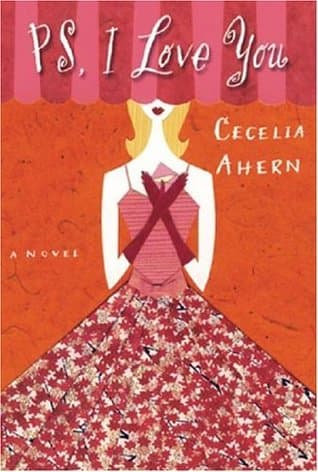
- P.S. I Love You
Cecelia Ahern
4.0 (337k) average on GoodreadsRomanceFeatures letters left by a deceased spouse that guide the grieving partner through their loss and healing.
- The Story of Arthur Truluv
Elizabeth Berg
4.2 (32k) average on GoodreadsLiterary FictionA gentle, character-driven story about love, loss, and the unexpected connections that bring comfort and meaning to life.
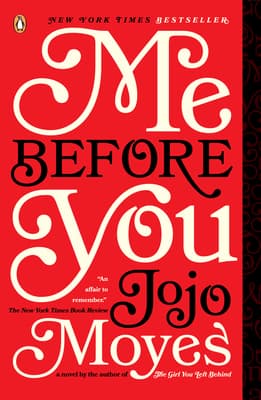
- Me Before You
Jojo Moyes
4.3 (1.1M) average on GoodreadsRomanceWhile 'Me Before You' deals with difficult choices made for love and their profound impact, 'The Wednesday Letters' operates on a different plane, exploring the legacy of those choices and the process of coming to terms with a partner's past. Moyes' book centers on a present-day dilemma, whereas Wright's delves into posthumous revelations.
- The Hunger Games
Suzanne Collins
4.3 (6.4M) average on GoodreadsFantasyIn a future where children fight to the death on live television, Katniss Everdeen volunteers for the arena, turning a death sentence into a fight for survival and a spark of rebellion.
- The Great Gatsby
F. Scott Fitzgerald
3.9 (3.8M) average on GoodreadsHistorical FictionIn the opulent Roaring Twenties, a mysterious millionaire's lavish parties hide his desperate, tragic pursuit of a lost love, exposing the emptiness within the American Dream.
- The Fault in Our Stars
John Green
4.2 (3.6M) average on GoodreadsYoung AdultA girl with a terminal illness finds her story rewritten when a charming boy with a similar past enters her life at a cancer support group, leading to a star-crossed romance.




Enjoyed the summary?
A summary gives you the shape of the book. The book itself has the detail, the examples and the voice.
Find The Wednesday Letters on AmazonAs an Amazon Associate, BookBrief earns from qualifying purchases. How we're funded