
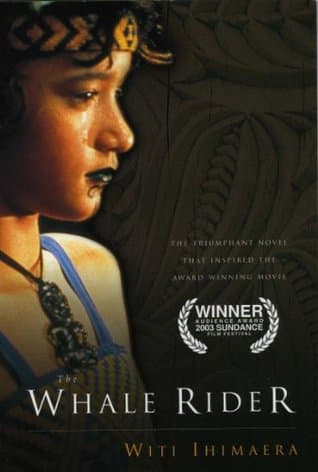
Synopsis
Covers the whole plot, including the ending.
- Difficulty
- Easy
- Pacing
- Moderate
- Mood
- Mythical, Heartwarming, Cultural, Empowering
- Read it if
- You enjoy stories about strong female protagonists defying tradition, tales rich in cultural heritage and myth, or heartwarming narratives of intergenerational love and acceptance.
- Skip it if
- You prefer fast-paced action over introspective cultural narratives, or stories without a strong focus on family dynamics and tradition.
The Whale Rider Plot Summary
Covers the whole plot, including the ending.
A New Birth and an Old Prophecy
The story starts with the birth of Kahu Paikea Apirana, a girl, in the Maori village of Whangara, New Zealand. Her great-grandfather, Koro Apirana, is the chief and a direct descendant of the whale rider Kahutia Te Rangi. He is very disappointed. He wanted a male child to carry on the family line and sacred leadership. Koro Apirana will not fully acknowledge Kahu. He even turns away when she is presented to him, believing a girl cannot be chief. Kahu's parents, Rehua and Porourangi, move away. Kahu is raised mostly by her great-grandmother, Nanny Flowers, and her great-uncle, Rawiri, who tells much of the story. Koro's rejection affects Kahu's early life.
Kahu's Unwavering Devotion to Koro
From a young age, Kahu shows a strong, natural connection to her heritage and loves Koro Apirana, even though he is always cold to her. She tries to get closer to him, bringing him gifts, watching him, and trying to join the boys' traditional training. This often annoys Koro. She tries to copy the boys, learning to throw spears and understand old chants. Nanny Flowers, however, quietly helps Kahu. She teaches her the female parts of their culture and defends her from Koro's dismissive words. Nanny Flowers sees Kahu's special spirit and connection to their ancestors, even if Koro does not.
The Quest for a Male Heir and Failed Rituals
Koro Apirana needs a male successor. He gathers all the young boys of the village for traditional training to be chief. This includes old chants, spear throwing, and learning the tribe's history and the ocean. He hopes to find the one who will get the sacred jade pendant, the rei puta, which shows the true leader. But none of the boys show the right talent or spiritual link. They are clumsy, not interested, or not meant for the role. Kahu, secretly watching, often shows more understanding and skill than the boys. Rawiri notices this, and Nanny Flowers is quietly proud. Koro does not see it, only focused on finding a boy.
Kahu's Secret Mastery of the Sacred Stone
During one of Koro Apirana's training sessions, he uses a sacred whale tooth pendant, the rei puta. He drops it into the ocean as a test for the boys. He says whoever gets it will be the chosen one. All the boys fail to find it. Koro is upset, seeing it as a sign that the family line is broken. Koro does not know that Kahu later dives into the water and easily finds the pendant. She brings it to shore and places it under Koro's pillow. She wants to return it without him knowing she found it, afraid of his reaction if he knew a girl did it. This act shows Kahu's natural link to their heritage.
The Whale Stranding Begins
A feeling of worry comes over Whangara. A group of whales, including a large, old bull whale, start getting stranded on the beaches near the village. The villagers are scared and upset. This event is a bad sign and means things are out of balance. Koro Apirana thinks it is because he failed to find a worthy male heir. He believes the whales are calling for their true leader, the whale rider, who is missing. The villagers try hard to push the smaller whales back into the sea, but it does not work well. The old bull whale seems to have given up, waiting for something, or someone.
Koro's Desperate Plea and Failed Efforts
Koro Apirana feels guilty and desperate. He tries to talk to the stranded whales. He stands on the shore, chanting old karakia (prayers/songs) and trying to guide them back to the ocean with his spirit. He believes that as chief, he should be able to connect with them. But the whales, especially the old bull whale, do not respond to him. They seem to know he is not the one they are waiting for. This makes Koro even more sad and sure that the family line has truly ended. The villagers watch, unable to help, as more whales die on the sand.
Kahu's Call to the Whales
As the situation gets worse and the whales die, Kahu feels a strong pull towards them. She goes to the old bull whale, ignoring the adults' warnings. Kahu connects with the whales. She starts to speak to them, not with human words, but with clicks, whistles, and deep sounds. Only she and the whales understand this language. It is a communication beyond words, a spiritual bond passed down through generations. The bull whale moves its large body, responding to her. It recognizes her presence and her natural connection to its kind, a connection Koro Apirana had denied her.
The Impossible Ride
Kahu does something amazing and impossible. She climbs onto the back of the old bull whale. The whale knows its true rider. It responds to her touch and guidance. With Kahu on its back, the bull whale turns towards the open ocean, and the whole group follows. The villagers, including a shocked Koro Apirana, watch in wonder. Kahu, the young girl he rejected, rides the old whale. She fulfills the prophecy of their ancestor, Kahutia Te Rangi. She guides the whales safely back to the deep waters. She completes a task no one else could do, proving her family line and leadership.
Kahu's Near-Death and Rescue
After leading the whales to safety, Kahu is found floating unconscious in the ocean. She is near death from being tired and cold. Rawiri and other villagers quickly get her and bring her to shore. The villagers now feel a clear change. They understand how important her actions were. Koro Apirana is filled with emotion and realizes his mistake. He holds Kahu in his arms, his heart finally open to her. She is brought back to the village, her life uncertain. The community watches over her, now knowing who the true heir to their family line is.
Koro's Acceptance and Kahu's Future
Kahu slowly gets better. Koro Apirana changes during her recovery. He visits her, his heart finally open to the truth. He publicly says Kahu is the true heir, the new whale rider, and the rightful chief of the Whangara people. He understands that old ways must change and that the spirit of their ancestors can appear in new forms. The story ends with Kahu, now well, taking her place as leader. She connects the past and the future, ready to guide her people with her ancestors' wisdom and her special link to nature. The community celebrates her, their future secure.
Principal Figures
Kahu Paikea Apirana
Protagonist
The young girl destined to become the whale rider and chief of her tribe.
Kahu is an eight-year-old Maori girl, born into the ancestral line of the whale riders. Despite being rejected by her great-grandfather, Koro Apirana, due to her gender, Kahu possesses an unwavering love for him and a profound, almost mystical, connection to her heritage and the natural world, particularly whales. She is observant, determined, and quietly intelligent, often demonstrating more spiritual aptitude than her male counterparts. Her journey is one of proving her worth and destiny against deeply ingrained patriarchal traditions, ultimately fulfilling the prophecy of the whale rider.
Relationships: Koro Apirana (great-granddaughter, initially rejected but later accepted as the true heir); Nanny Flowers (great-granddaughter, loved and supported); Rawiri (niece, observed and admired); Porourangi (daughter, loved but often absent); Rehua (mother, loved but often absent)
Koro Apirana
Antagonist/Supporting
The aging, traditional chief who struggles to accept his great-granddaughter as the rightful heir.
Koro Apirana is the current chief of the Whangara tribe, a staunch traditionalist who rigidly adheres to the patriarchal customs of his ancestors. He is deeply burdened by the responsibility of finding a male successor to the whale rider lineage and is initially unable to accept Kahu due to her gender. His stubbornness and adherence to tradition cause him immense grief and lead him to overlook Kahu's obvious talents and spiritual connection. Despite his harshness, he is driven by a profound love for his people and a desire to preserve their heritage. His character embodies the struggle between tradition and the need for adaptation.
Relationships: Kahu Paikea Apirana (great-grandfather, initially rejecting but later accepting); Nanny Flowers (wife, respected but often at odds with her more progressive views); Rawiri (grandson, looked to for support and understanding); Porourangi (son, expected to provide a male heir)
Nanny Flowers
Supporting
Kahu's great-grandmother and Koro Apirana's wife, who subtly supports Kahu's destiny.
Nanny Flowers is the wise and loving great-grandmother of Kahu. She is Koro Apirana's wife but possesses a more open-minded and intuitive understanding of their traditions. Unlike Koro, she sees Kahu's inherent connection to their ancestors and subtly encourages her, teaching her the female aspects of their culture and defending her against Koro's dismissiveness. She acts as a buffer between Kahu and Koro, providing Kahu with the love and validation she desperately needs. Nanny Flowers represents the softer, more adaptable side of Maori tradition, recognizing that the spirit of their ancestors can manifest in new ways.
Relationships: Kahu Paikea Apirana (great-grandmother, loving and supportive mentor); Koro Apirana (wife, often challenging his rigid views); Rawiri (grandson, close and confiding)
Rawiri
Supporting/Narrator
Kahu's great-uncle and the primary narrator of the story.
Rawiri is Kahu's great-uncle and the son of Koro Apirana and Nanny Flowers. He serves as the primary narrator, offering an insightful, often humorous, and empathetic perspective on the family dynamics and Kahu's struggles. Rawiri is more open-minded than Koro, observing Kahu's talents and connection to the whales with growing conviction. He acts as a bridge between the generations and between Koro's rigid views and Kahu's destiny. His role as an outsider returning to the village allows him to provide a nuanced view of the traditions and the changing world.
Relationships: Kahu Paikea Apirana (great-uncle, observer, and eventual admirer); Koro Apirana (father, respectful but often questioning); Nanny Flowers (mother, close and confiding); Porourangi (brother)
Porourangi
Supporting
Kahu's father, who leaves Whangara and struggles with his own identity.
Porourangi is Koro Apirana's son and Kahu's father. He leaves Whangara with Kahu's mother after Kahu's birth, partly due to Koro's disappointment in having a granddaughter. He is a talented artist and craftsman, but he struggles with the expectations of his lineage and his father's disapproval. While he loves Kahu, he is often absent from her life, seeking his own path. He represents the younger generation caught between traditional responsibilities and modern aspirations, and his absence highlights Kahu's unique position in the family.
Relationships: Kahu Paikea Apirana (father, loving but often distant); Koro Apirana (father, seeking his approval but also rebelling against his expectations); Rehua (wife); Rawiri (brother)
Rehua
Supporting
Kahu's mother, who leaves Whangara with Porourangi.
Rehua is Kahu's mother and Porourangi's wife. She is a supportive figure who, along with Porourangi, initially leaves Whangara after Koro Apirana's cold reception of Kahu. Her role in the story is less prominent than the other characters, but she represents the maternal love Kahu receives, even if it is often from a distance. Her departure with Porourangi underscores the initial rift in the family caused by Koro's rigid adherence to tradition and the subsequent isolation Kahu experiences in her early years in Whangara.
Relationships: Kahu Paikea Apirana (mother, loving); Porourangi (husband)
Kahutia Te Rangi
Mentioned
The legendary ancestor who first rode a whale to Whangara.
Kahutia Te Rangi is the mythical ancestor from whom the Whangara people trace their lineage, particularly the chiefs and whale riders. His legend forms the foundation of their identity and the prophecy that drives Koro Apirana's search for a male heir. He is not a living character but a powerful symbolic presence, representing the origins of their culture, their connection to the ocean, and the spiritual mantle that Kahu ultimately inherits. His story of riding a whale from Hawaiki to Whangara is central to the tribe's oral history and their understanding of leadership.
Relationships: Koro Apirana (ancestor, revered and emulated); Kahu Paikea Apirana (ancestor, whose legacy Kahu fulfills)
The Ancient Bull Whale
Supporting
The leader of the stranded whale pod, who carries Kahu to safety.
The ancient bull whale is a majestic and highly symbolic character. It is the leader of the whale pod that beaches itself near Whangara, and it embodies the deep spiritual connection between the Maori people and the natural world. The whale's decision to beach itself is a profound cry for its true rider, a sign of imbalance that only Kahu can rectify. Its interaction with Kahu is mystical, recognizing her as the long-awaited heir to the whale rider tradition. It carries Kahu out to sea, fulfilling its ancient role and demonstrating the power of the natural world to choose its own leaders.
Relationships: Kahu Paikea Apirana (spiritual companion and vehicle for her destiny); Koro Apirana (unresponsive to his calls, awaiting its true rider)
Themes & Insights
Tradition vs. Change
The main problem in the novel is Koro Apirana's strict following of old Maori traditions. These traditions need to change as times change. Koro believes only a male can be chief, so he rejects Kahu. But Kahu's natural spiritual connection and her act of riding the whale show that tradition can appear in new ways. This challenges and changes the community's idea of leadership. The story says that true tradition is about spirit and values, not just following old rules exactly.
“A new age, a new time. But the old ways, the old stories, they are always there, waiting to be rediscovered.”
Identity and Belonging
Kahu wants to find her place and identity within her tribe and family. Her great-grandfather rejects her, so she always tries to show her worth and her connection to her heritage. She is a Maori girl, a descendant of the whale rider. This identity is first denied but then confirmed by what she does. The story looks at how ancestry, community, and personal fate shape who someone is. It shows how wanting to belong can lead to finding your true self and purpose. Kahu's fight is for herself and for her true place among her people.
“Our people, when they are ready, will know who you are. The whales will know.”
Gender and Leadership
The novel directly looks at old gender roles and leadership. Koro Apirana cannot accept a female chief. This shows the male-focused structures in the Maori tribe. Kahu's story challenges these ideas. She, a young girl, is the only one who can fulfill the old prophecy and save her people. Her leadership comes from a natural spiritual connection, courage, and selflessness, not from her gender. The book suggests that good leadership is not just for one gender. Ignoring potential leaders because of gender can stop progress and cause problems.
“It was not a man who saved us. It was a girl.”
Humanity's Connection to Nature
A main theme is the deep, spiritual link between people, especially the Maori, and nature, shown by the whales. The whales are not just animals. They are sacred beings, ancestors, and messengers. When they get stranded, it means there is a spiritual problem in the tribe. This problem is directly linked to not having a true leader. Kahu's ability to talk with and ride the old bull whale shows this deep, almost mind-reading, bond. The story stresses respecting nature, how all living things are connected, and how human well-being depends on the health and spiritual balance of the environment.
“The whales were not just whales. They were our ancestors, come to guide us, or to warn us.”
Love and Acceptance
Koro Apirana first rejects Kahu. But Kahu's strong love for her great-grandfather is a main force in the story. Her acts of devotion, despite his coldness, show the strength of unconditional love. Koro changes when he sees Kahu's selfless act. He finally accepts her not just as his great-granddaughter, but as the true heir. The theme explores how love can fix problems, heal old hurts, and lead to acceptance, even when there is strong prejudice. It is a journey towards understanding and family peace.
“He knew then that his own love for her was as vast and as deep as the ocean itself.”
Plot Devices & Literary Techniques
The Rei Puta (Whale Tooth Pendant)
A sacred jade pendant symbolizing the true chief and whale rider.
The rei puta is a sacred whale tooth pendant passed down through generations of chiefs, serving as a tangible symbol of leadership and the spiritual connection to the whale rider lineage. Koro Apirana uses it in a test for the boys, dropping it into the ocean, believing only the rightful male heir can retrieve it. Kahu's secret retrieval of the pendant foreshadows her true destiny and highlights her innate connection to the ancestral spirit, even when Koro cannot see it. It is a powerful symbol of legitimacy and the true transfer of power.
Whale Stranding
A critical event that symbolizes spiritual imbalance and catalyzes Kahu's destiny.
The mass stranding of whales on the beach is a major plot device. It serves as a dire omen, signifying a spiritual crisis within the Whangara tribe, directly linked to Koro Apirana's failure to find a worthy male heir. This catastrophic event creates an urgent need for a true leader, forcing the community to confront their traditions. It is the catalyst for Kahu's heroic act, providing the ultimate test and stage for her to demonstrate her inherent connection to the whales and fulfill her destiny as the true whale rider, thus restoring balance to the community and the natural world.
Third-Person Limited (Rawiri as Narrator)
The story is primarily told through the perspective of Kahu's great-uncle, Rawiri.
The narrative choice to use Rawiri, Kahu's great-uncle, as the primary narrator provides a unique and effective perspective. Rawiri is a close family member but also somewhat of an observer, allowing for both intimate insights into family dynamics and a slightly detached, reflective tone. His perspective allows the reader to witness Koro Apirana's stubbornness and Kahu's quiet strength without being directly inside either of their heads. This narrative voice adds a layer of empathy and cultural context, making the story feel like an oral history passed down through generations, enriching its authenticity and emotional depth.
The Ancient Bull Whale's Call
The spiritual connection and communication between Kahu and the lead whale.
The ancient bull whale's 'call' is a powerful symbolic device. It represents the ancestral spirit seeking its true rider. The whale's initial unresponsiveness to Koro Apirana and its immediate connection with Kahu through a shared, non-verbal language highlights Kahu's unique spiritual gift and her rightful lineage. This 'call' is not just literal sound but a profound spiritual resonance, indicating that the natural world itself recognizes and validates Kahu's destiny, even when her human family initially fails to do so. It is the ultimate affirmation of her role as the whale rider.
The Whale Rider Quotes
“The whale is an ancient ancestor. He has come back to us, bringing with him the gift of life.”
“I am not a prophet, but I know that our people will walk backward into the future if we do not learn to look forward.”
“The whale rider is not a man. The whale rider is a woman.”
“Sometimes the most unlikely person can be the one to save us all.”
“The sea is our ancestor, and we must listen to its voice.”
“You cannot force the future to be like the past. You can only prepare for it.”
“Her spirit was as strong as the sea, and her heart as deep as the ocean.”
“The old ways are not always the right ways for the new world.”
“In the end, it is not the strength of the body but the strength of the spirit that matters.”
“The whale called to her, and she answered with all her heart.”
“We are all part of the same story, written in the stars and the sea.”
“Do not mourn what is lost; celebrate what is found.”
“The past is a guide, not a prison.”
Quiz
10 questions on the plot and the characters. Each answer comes with a short explanation.
Question 1
What is the name of the legendary ancestor from whom the Maori tribe of Whangara claims descent?
- Koro Apirana
- Kahutia Te Rangi
- Paikea
- Rawiri
Show answer
B. Kahutia Te Rangi Kahutia Te Rangi is the legendary 'whale rider' from whom the tribe traces its lineage, establishing the tradition of male leadership that Kahu challenges.
Question 2
Why is Koro Apirana initially resistant to accepting Kahu as a potential leader?
- She is too young to understand tribal customs
- She shows no interest in Maori traditions
- Maori tradition dictates that only males can inherit the chief title
- She was born outside of Whangara
Show answer
C. Maori tradition dictates that only males can inherit the chief title Koro clings to the ancient tradition that requires a male heir to become chief, despite Kahu being his only great-grandchild and showing clear aptitude.
Question 3
What event serves as the climax of the novel, forcing Kahu to prove her destiny?
- A drought threatens the village's water supply
- Hundreds of whales beach themselves near Whangara
- Koro Apirana falls seriously ill
- A rival tribe challenges their fishing rights
Show answer
B. Hundreds of whales beach themselves near Whangara The mass beaching of whales represents a crisis that endangers the tribe's future and spiritual connection, compelling Kahu to take action and ride the lead whale.
Question 4
How does Kahu demonstrate her special connection to whales early in the story?
- She dreams of swimming with them
- She finds a whale tooth on the beach
- She communicates with a beached whale calf
- She draws pictures of whales that come to life
Show answer
C. She communicates with a beached whale calf Kahu shows her innate bond by singing to and comforting a stranded whale calf, hinting at her inherited spiritual gifts from Kahutia Te Rangi.
Question 5
What object does Kahu retrieve from the ocean that symbolizes her rightful leadership?
- A sacred greenstone pendant
- The rei puta (whale tooth)
- A carved wooden spear
- An ancient stone tablet
Show answer
B. The rei puta (whale tooth) The rei puta, a whale tooth, is a traditional chiefly symbol that Koro had thrown into the sea during a test for the boys; Kahu retrieves it, proving her worth.
Question 6
Which character serves as the primary narrator and provides insight into Kahu's struggles?
- Nanny Flowers
- Rawiri
- Koro Apirana
- Kahu's mother
Show answer
B. Rawiri Rawiri, Kahu's uncle, narrates much of the story, offering a sympathetic perspective on her journey and the tribal conflicts.
Question 7
What is the significance of Kahu's name in relation to the tribe's heritage?
- It means 'whale rider' in Maori
- It is the name of the first female chief
- It is the same as the legendary ancestor Kahutia Te Rangi
- It honors a whale that saved the tribe
Show answer
C. It is the same as the legendary ancestor Kahutia Te Rangi Kahu's full name, Kahutia Te Rangi, directly links her to the whale rider ancestor, foreshadowing her destiny despite gender barriers.
Question 8
How does Nanny Flowers, Kahu's great-grandmother, support Kahu throughout the story?
- By secretly teaching her tribal lore
- By openly defying Koro and advocating for Kahu's potential
- By arranging for her to leave the village
- By discouraging her from interacting with whales
Show answer
B. By openly defying Koro and advocating for Kahu's potential Nanny Flowers consistently challenges Koro's rigid adherence to tradition, using humor and strength to champion Kahu's abilities and right to lead.
Question 9
What broader theme does Kahu's journey primarily explore in the context of Maori culture?
- The conflict between modernization and tradition
- The balance between respecting tradition and embracing necessary change
- The superiority of ancient spiritual practices over modern science
- The importance of economic development for tribal survival
Show answer
B. The balance between respecting tradition and embracing necessary change The novel critiques blind adherence to tradition (like male-only leadership) while affirming the value of cultural heritage, showing how Kahu's success requires both.
Question 10
In the resolution, how does Koro Apirana ultimately acknowledge Kahu's role?
- He appoints her as his official successor in a public ceremony
- He gives her the whale tooth and recognizes her as the new leader
- He allows her to attend the boys' training sessions
- He renames the tribe in her honor
Show answer
B. He gives her the whale tooth and recognizes her as the new leader After Kahu saves the whales and nearly dies, Koro returns the retrieved whale tooth to her, symbolically accepting her as the true heir and breaking with tradition.
The Whale Rider FAQ
What is 'The Whale Rider' about?
The novel follows eight-year-old Kahu, a Maori girl from the Whangara tribe in New Zealand, who challenges centuries of patriarchal tradition to prove she is the rightful heir to her great-grandfather, Chief Koro Apirana. When a pod of whales beaches itself, threatening the tribe's spiritual and physical survival, Kahu must use her innate connection to the legendary whale rider Kahutia Te Rangi to save her people and claim her destiny.
Why should I read 'The Whale Rider'?
It's a powerful story about cultural identity, gender equality, and environmental stewardship, blending Maori mythology with contemporary issues. Through Kahu's journey, readers experience themes of resilience, tradition versus change, and the spiritual connection between humans and nature, all told in a lyrical style accessible to both young adults and adults.
What is the background/setting of 'The Whale Rider'?
Set in the coastal Maori community of Whangara, New Zealand, the story is rooted in Maori culture and the legend of Kahutia Te Rangi, the ancestral whale rider. The modern-day setting contrasts traditional tribal structures with the challenges of preserving heritage in a changing world, emphasizing the tribe's deep ties to the ocean and whales.
What are the most memorable quotes?
Key quotes include Kahu's declaration, 'I am the whale rider,' symbolizing her acceptance of destiny, and Chief Koro's lament, 'The old ways are dying,' reflecting his struggle with tradition. Another poignant line is, 'The whale is our ancestor, and we are its children,' highlighting the spiritual bond central to the story.
What writing style does the author use?
Witi Ihimaera employs a lyrical, mythic prose that interweaves Maori oral traditions with a third-person narrative, often shifting perspectives between characters like Kahu and her uncle Rawiri. The style blends realism with magical realism, enhancing the spiritual and cultural themes through vivid imagery and rhythmic language.
What minor details add significant meaning?
Kahu's ability to communicate with whales from infancy, such as her early interactions with a stranded whale calf, subtly foreshadows her destiny. The recurring motif of the whale tooth pendant, passed down through male heirs, gains new meaning when Kahu retrieves it from the ocean, symbolizing her rightful place in the lineage.
What are some subtle foreshadowing moments?
Kahu's birth coinciding with the death of her twin brother hints at her role as the unexpected heir. Her repeated attempts to learn traditional Maori skills, like the taiaha (fighting stick), despite being dismissed, foreshadow her eventual mastery and leadership during the whale crisis.
What unexpected character connections exist?
Kahu's deep bond with her great-grandmother Nanny Flowers, who secretly supports her against Koro's traditions, reveals a matriarchal undercurrent in the tribe. Additionally, Rawiri's role as narrator and protector bridges the gap between generations, showing how family loyalty transcends rigid gender roles.
What are unspoken character motivations?
Chief Koro's rigid adherence to tradition stems from a fear of cultural erosion and a desire to honor his ancestors, masking his underlying love for Kahu. Kahu's relentless efforts to prove herself are driven not by rebellion but by a pure, innate calling to save her people and fulfill the whale rider prophecy.
What psychological complexities do characters exhibit?
Koro embodies the conflict between duty and love, as his pride in tradition blinds him to Kahu's worth until the climax. Kahu displays a childlike innocence coupled with profound spiritual maturity, grappling with rejection while steadfastly embracing her destiny without resentment.
What are the major emotional turning points?
Key moments include Kahu's failed attempt to retrieve the whale tooth for Koro, deepening her sense of rejection; the mass stranding of whales, which triggers the tribe's crisis; and Kahu's ride on the ancient whale, where she communicates with the ancestor and nearly dies, ultimately proving her leadership and healing the rift with Koro.
How do relationship dynamics evolve?
Kahu and Koro's relationship shifts from distant disapproval to mutual respect and love after the whale rescue. Nanny Flowers' covert support of Kahu gradually influences Koro's perspective, while Rawiri's protective role strengthens, highlighting how family bonds adapt to challenge outdated norms.
Which parts remain ambiguous or open-ended?
The exact nature of Kahu's spiritual connection to the whales is left mystical, with no scientific explanation. The future of the tribe's leadership after Kahu's proof is implied but not detailed, leaving readers to ponder how traditions will evolve with a female heir.
What are controversial scenes or decisions?
Koro's persistent exclusion of Kahu based on gender sparks debate about cultural preservation versus discrimination. Kahu's life-threatening ride on the whale raises questions about the ethics of risking a child's life for spiritual duty, though it is portrayed as a necessary sacrifice for salvation.
'The Whale Rider' ending explained: how it ends & what it means
The novel ends with Kahu successfully riding the ancient whale back to sea, convincing the pod to leave and saving the tribe. Koro acknowledges her as the true heir, symbolizing a reconciliation of tradition with change. This signifies that destiny and leadership transcend gender, and cultural survival requires adaptability and embracing new forms of wisdom.
About the author
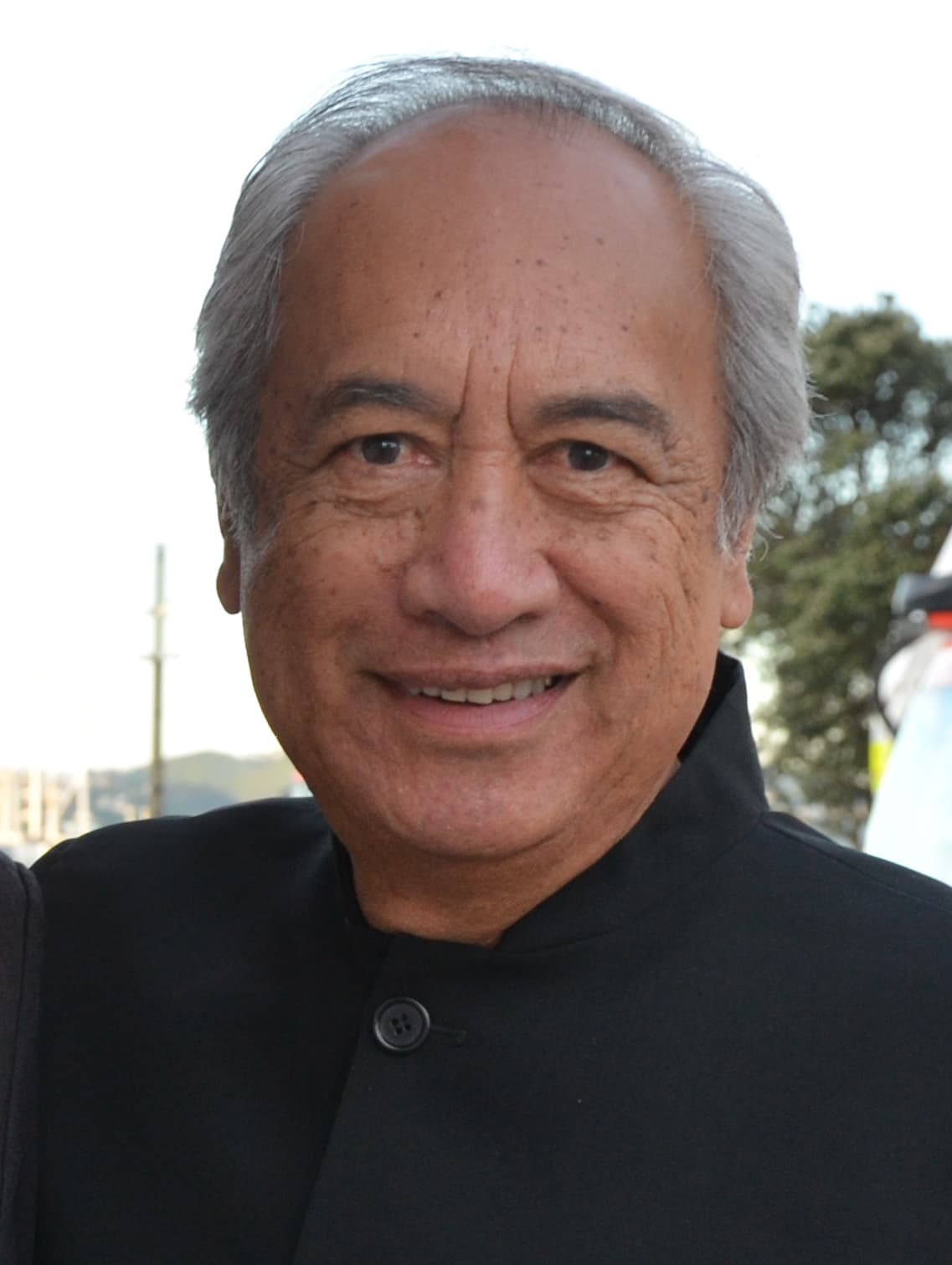
Witi Ihimaera is a New Zealand author known for his contributions to fiction, particularly focusing on themes related to Māori culture and identity. He is best known for his novel "The Whale Rider," which explores the relationship between a young girl and her ancestral heritage. Ihimaera's work has garnered significant recognition, contributing to the visibility of Māori narratives in literature.
Similar books
- Island of the Blue Dolphins
Scott O'Dell
3.8 (292k) average on GoodreadsChildren'sA young girl's survival and deep connection with nature and animals in a challenging environment.
- A Wizard of Earthsea
Ursula K. Le Guin
4.0 (241k) average on GoodreadsFantasyWhile both explore coming-of-age with mystical elements, The Whale Rider is deeply rooted in a specific indigenous cultural context, offering a counter-narrative to Western fantasy tropes. Le Guin's work is more broadly fantastical, whereas Ihimaera's magic is inseparable from Māori cosmology.
- The Giver
Lois Lowry
4.1 (1.8M) average on GoodreadsFantasyBoth examine societal structures and individual agency, but The Whale Rider possesses profound intergenerational and spiritual dimensions that are largely absent in The Giver. Lowry's focus is on dystopian societal control, while Ihimaera's is on cultural continuity and the evolution of tradition within an indigenous framework.
- Harry Potter and the Sorcerer's Stone
J.K. Rowling
4.5 (7M) average on GoodreadsFantasyRescued from a miserable life under the stairs, an orphaned boy discovers he's a wizard destined for a magical school, where he uncovers a dangerous secret tied to the dark wizard who murdered his parents.
- The Hunger Games
Suzanne Collins
4.3 (6.4M) average on GoodreadsFantasyIn a future where children fight to the death on live television, Katniss Everdeen volunteers for the arena, turning a death sentence into a fight for survival and a spark of rebellion.
- 1984
George Orwell
4.2 (3.1M) average on GoodreadsPoliticsIn a future where surveillance and thought control are absolute, a man's search for truth clashes with the Party, showing that hope can be a form of rebellion.






Enjoyed the summary?
A summary gives you the shape of the book. The book itself has the detail, the examples and the voice.
Find The Whale Rider on AmazonAs an Amazon Associate, BookBrief earns from qualifying purchases. How we're funded