

Synopsis
Covers the whole plot, including the ending.
- Difficulty
- Medium
- Pacing
- Moderate
- Mood
- Atmospheric, Suspenseful, Dark, Emotional
- Read it if
- You enjoy atmospheric, character-driven thrillers with a strong focus on father-son relationships and a chilling mystery.
- Skip it if
- You dislike stories involving child endangerment or find slow-burn psychological tension frustrating.
The Whisper Man Plot Summary
Covers the whole plot, including the ending.
A New Start in Featherbank
After his wife Rebecca's sudden death, Tom Kennedy decides to move himself and his seven-year-old son, Jake, to Featherbank. Tom, a writer, hopes the move will offer a fresh start and help them both cope with grief. They find an old, somewhat run-down house, which Jake likes despite its eerie feel. Tom knows little of Featherbank's dark history, though locals look at them with pity and suspicion. Jake, a sensitive and imaginative child, explores their new home and quickly senses the town's unsettling atmosphere.
The Disappearance of Neil Spencer
Soon after Tom and Jake settle in, the town is shaken by the disappearance of seven-year-old Neil Spencer. His parents report him missing after he seemingly walked out of his house at night. The circumstances immediately alarm the police, especially Detective Pete Willis, because they resemble the methods of 'The Whisper Man,' Frank Carter, a serial killer who terrorized Featherbank twenty years ago. Carter lured young boys from their homes by whispering at their windows before abducting and murdering them. The town's old fears return, and a large search begins.
Jake's Whispers and Strange Behavior
As the search for Neil Spencer grows, Jake begins to act more disturbingly. He talks to an imaginary friend he calls 'The Whisper Man' and claims to hear whispers at his window at night. He draws unsettling pictures and speaks in riddles, often echoing phrases similar to historical details of Frank Carter's crimes. Tom first thinks it is Jake's imagination or grief, but he becomes more worried. He tries to reassure Jake, but the boy's insistence on the whispers, combined with the real disappearance, starts to strain Tom's nerves, making him question Jake's safety and his own mind.
Detective Willis Reopens the Past
Detective Pete Willis, a veteran officer who worked on the original Whisper Man investigation, is assigned to Neil Spencer's case with his younger partner, Detective Amanda Beck. Willis is deeply affected by the new disappearance; the original case left a lasting mark on him and the town. He feels a personal duty to find Neil and prevent history from repeating itself. His investigation leads him to review old files, interview past witnesses, and consider that Frank Carter might have had an accomplice, a theory never fully explored before.
A Visit to Frank Carter
Because of the strong similarities between Neil Spencer's disappearance and Frank Carter's past crimes, Detective Pete Willis makes the difficult decision to visit Carter in prison. The meeting is tense and draining. Carter, a manipulative figure, offers cryptic remarks and plays mind games with Willis, hinting at an accomplice he calls 'the apprentice.' Carter's words are meant to torment Willis, but they also plant doubt and a horrifying possibility: that someone else, inspired by or working with Carter, is now active in Featherbank. Willis leaves the prison disturbed and more convinced that a deeper conspiracy is at play.
Tom's Growing Fear and Discovery
Tom's worry for Jake increases as Jake's whispers and strange behaviors intensify, seemingly pointing to the Whisper Man. Tom researches the town's history and finds the chilling fact that his new house was Frank Carter's childhood home. This discovery terrifies Tom, as he realizes his son might live in the place where the Whisper Man's evil began. He starts to suspect that something supernatural might influence Jake or that a real threat is close to home, possibly using the house's dark history to prey on his vulnerable son.
The Second Victim and a New Lead
Another young boy, Billy, disappears from Featherbank, confirming the worst fears of the community and police: there is a new Whisper Man. The new disappearance further supports the theory of an accomplice or a copycat. Detectives Willis and Beck intensify their investigation, examining every detail from both past and present cases. They find a common thread: both Neil Spencer and Billy had recently moved to Featherbank. This new lead, combined with Jake's strange behavior and Tom's discovery about his house, begins to form a terrifying picture for the detectives.
The Apprentice Revealed
Through careful police work and piecing together old and new evidence, Detectives Willis and Beck identify the 'apprentice.' The new Whisper Man is David, the son of the first boy Frank Carter abducted and murdered twenty years ago. David, consumed by grief and a twisted sense of loyalty or manipulation, has taken on his father's role. His motive is complex, driven by a desire to continue his father's work and perhaps a sick attempt to recreate the bond he lost. The revelation shocks the community, showing the lasting trauma of Carter's original crimes.
The Confrontation and Rescue
Realizing Jake is in danger because of his connection to the Whisper Man and the house, Tom takes desperate action. He follows clues from Jake's drawings and words, leading him to an abandoned mill, a place linked to the original Whisper Man case. There, he confronts David, the new Whisper Man, who has abducted Jake and the other missing boys. A tense and dangerous standoff follows. Tom, driven by paternal love and a desperate need to protect his son, manages to overpower David and free Jake and the other victims, just as Detectives Willis and Beck arrive.
Aftermath and Healing
Afterward, David is caught, and the missing boys are returned to their families. Featherbank, though deeply scarred, begins to heal. Tom and Jake, having endured trauma, start to rebuild their lives. Tom commits to being a more present and understanding father, recognizing the importance of listening to Jake and meeting his emotional needs. Jake's imaginary friend, 'The Whisper Man,' eventually fades, replaced by a quiet strength. The ending offers cautious hope, emphasizing the bond between father and son and the slow path to recovery from grief and terror.
The Whisper Man Characters
Tom Kennedy
Protagonist
A grieving father and struggling writer seeking a fresh start with his son.
Tom Kennedy is a sensitive, somewhat introspective writer grappling with the recent death of his wife, Rebecca. He loves his son, Jake, deeply but struggles with expressing his emotions and connecting with him, often relying on books and imagination to cope. His grief makes him initially dismissive of Jake's strange behavior, but as events escalate, he transforms into a fiercely protective father. He is driven by a profound desire to keep Jake safe and to atone for his perceived failings as a husband and father.
Relationships: Jake Kennedy (Son; initially distant, becomes fiercely protective); Rebecca Kennedy (Deceased wife; their relationship is a source of Tom's grief and guilt); Pete Willis (Investigator; initially a source of information, later a reluctant ally)
Jake Kennedy
Supporting
Tom's young, imaginative son who begins to hear whispers and exhibit strange behavior.
Jake is a seven-year-old boy, highly imaginative and sensitive, particularly susceptible to the unsettling atmosphere of Featherbank. He copes with his mother's death by retreating into his inner world and creating an imaginary friend, 'The Whisper Man.' His innocent yet disturbing pronouncements and drawings become crucial clues for both his father and the police. He is a proxy for the victims, experiencing the psychological terror of the Whisper Man's influence firsthand, making him vulnerable but also a key to solving the mystery.
Relationships: Tom Kennedy (Father; initially feels distant, later finds a deeper connection); The Whisper Man (imaginary) (Imaginary friend/manipulator)
Detective Pete Willis
Protagonist
A veteran detective haunted by the original Whisper Man case.
Pete Willis is a seasoned detective, deeply scarred by the original Frank Carter case, which he was involved in twenty years prior. He carries the weight of past failures and the trauma of the victims, making him personally invested in the new disappearances. He is meticulous, empathetic, and often driven by a sense of guilt and responsibility. His experience and knowledge of Frank Carter's methods are invaluable, but his emotional baggage sometimes clouds his judgment, forcing him to confront his own demons throughout the investigation.
Relationships: Amanda Beck (Partner; initially a mentor/mentee dynamic, evolves into mutual respect); Frank Carter (Archnemesis; their past and present interactions are central to the plot); Tom Kennedy (Source of information; later a partner in the rescue)
Detective Amanda Beck
Supporting
Pete Willis's pragmatic and observant junior partner.
Amanda Beck is Detective Willis's junior partner, a sharp, pragmatic, and less emotionally burdened investigator. She provides a grounded counterpoint to Willis's haunted intensity, often pushing him to consider new angles and not get bogged down by the past. Her fresh perspective and keen observation skills are crucial in piecing together the clues that Willis, too close to the original case, might overlook. She represents the new generation of law enforcement, balancing empathy with a focused, logical approach to crime-solving.
Relationships: Pete Willis (Partner; provides a fresh perspective and logical approach); Tom Kennedy (Source of information; helps connect the dots)
Frank Carter
Antagonist
The imprisoned original 'Whisper Man' serial killer.
Frank Carter is the notorious 'Whisper Man,' a cunning and manipulative serial killer responsible for the abduction and murder of five boys twenty years prior. Though imprisoned, his presence looms large over Featherbank and the current investigation. He is a master of psychological torment, using cryptic words and mind games to toy with Detective Willis during their interviews. Carter represents pure, unadulterated evil, a chilling figure whose past actions continue to cast a dark shadow, even from behind bars.
Relationships: Pete Willis (Investigator; their interactions are a psychological battle); David (the apprentice) (Accomplice/disciple; manipulates him from prison)
David
Antagonist
The 'apprentice' and new Whisper Man, seeking to continue Carter's legacy.
David is the shocking revelation as the new Whisper Man, the son of Frank Carter's first victim. Consumed by a twisted form of grief, trauma, and possibly manipulation by Carter, he steps into his father's shoes, continuing the horrific pattern of abductions. He is driven by a complex mix of inherited trauma, a warped sense of loyalty, and a desperate desire to connect with the past that destroyed his family. His actions are a tragic consequence of the original crimes, demonstrating the ripple effect of evil.
Relationships: Frank Carter (Mentor/manipulator; influenced by him); Tom Kennedy (Adversary; attempts to abduct his son, Jake); Jake Kennedy (Victim)
Rebecca Kennedy
Mentioned
Tom's deceased wife and Jake's mother.
Rebecca is Tom's late wife and Jake's mother, whose sudden death is the catalyst for Tom and Jake's move to Featherbank. Though she never appears in the present narrative, her absence is a pervasive force, driving Tom's grief and influencing Jake's behavior. Her memory serves as a constant reminder of what Tom has lost and what he is fighting to protect in Jake. Her death highlights themes of loss and the struggle to move forward.
Relationships: Tom Kennedy (Husband; his grief is central to his character); Jake Kennedy (Mother; her absence deeply affects Jake)
The Whisper Man Themes
Grief and Loss
The novel explores grief through Tom and Jake's experiences after Rebecca's death. Tom struggles with his sorrow and cannot connect with Jake, leading to detachment. Jake shows his grief through imaginary friends and unsettling behaviors, which are misunderstood until the danger is clear. Featherbank itself shows collective grief, haunted by past disappearances, demonstrating how unresolved trauma can affect a community for decades, seen in Detective Willis's guilt and David's tragic path.
“Grief is a house, and you can live in it forever.”
The Sins of the Past
Featherbank is a town overshadowed by the 'Whisper Man' killings from twenty years prior. The novel shows how past atrocities can affect future generations. Frank Carter's original crimes directly lead to his 'apprentice,' David, whose own trauma as a victim's son turns him into a perpetrator. Detective Willis constantly battles the past, unable to move on from unsolved cases. The house Tom and Jake move into carries the weight of Carter's childhood, suggesting evil can leave a mark on places and people.
“Featherbank was a town built on whispers, whispers of fear and forgotten boys.”
Parental Love and Protection
At its heart, the novel shows a parent's strong and steady love for their child. Tom's journey from a somewhat distant, grieving father to Jake's courageous protector is central to the story. Despite his initial struggles, Tom's love for Jake drives him to confront the Whisper Man, risking his own life to save his son. Similarly, the emotional toll on the parents of the missing boys and the lasting pain of the original victims' families highlights the deep bond between parents and children and the devastating impact when it is broken.
“There was nothing he wouldn't do for Jake, no monster he wouldn't face.”
The Nature of Evil and Its Legacy
The book looks at the unsettling nature of evil, questioning if it is natural, learned, or a result of trauma. Frank Carter shows a chilling, almost pure malevolence, manipulating even from prison. However, David's emergence as the 'apprentice' adds complexity: David's actions are a direct result of trauma from Carter. This raises questions about evil's legacy – how it can be passed down, inspired, or created through suffering, blurring the lines between victim and perpetrator and suggesting that one act of evil can have far-reaching and destructive effects.
“Sometimes, the monster isn't born. Sometimes, it's made.”
Communication and Misinterpretation
A major theme involves the challenges of communication, especially between adults and children, and the dangers of misinterpreting important signals. Jake's imaginary friend and cryptic drawings are his way of processing trauma and signaling danger, but Tom first dismisses them as childish imagination or grief. Similarly, the whispers are a form of communication, though sinister, used by the killer to lure victims. Breakthroughs in the investigation often happen when characters, particularly Tom and the detectives, truly listen and understand non-verbal or veiled messages.
“Children see things adults often choose to ignore.”
Plot Devices & Literary Techniques
The Imaginary Friend
Jake's imaginary friend, 'The Whisper Man,' serves as a conduit for the killer's influence.
Jake's imaginary friend, 'The Whisper Man,' is a crucial plot device. It initially appears to be a coping mechanism for his mother's death but quickly becomes a terrifying link to the real serial killer. This device allows the killer's presence to manifest in Jake's life, providing clues through Jake's innocent yet disturbing pronouncements and drawings, which Tom initially dismisses. It also heightens the psychological tension, blurring the line between childhood fantasy and genuine threat, making Tom question his own sanity before realizing the true danger.
The Haunted House
Tom and Jake's new home is revealed to be the childhood house of Frank Carter.
The house Tom and Jake move into serves as a potent plot device, embodying the 'sins of the past.' Its revelation as Frank Carter's childhood home immediately connects the present disappearances to the original Whisper Man, creating a chilling sense of inevitability and dread. This setting amplifies the psychological horror, suggesting that evil can permeate a physical space and influence its inhabitants. It places Jake directly in the path of the legacy of the Whisper Man, making his connection to the whispers even more terrifying and personal for Tom.
The Cryptic Whisper
The killer's method of luring victims by whispering at their windows.
The 'whisper' itself is a central plot device, giving the killer his terrifying moniker and acting as the primary method of abduction. It's a subtle, insidious form of manipulation that preys on the vulnerability of children and the quiet of the night. For Jake, hearing the whispers directly links him to the victims and the killer, creating a chilling, auditory manifestation of the threat. This device heightens suspense and fear, making an unseen presence feel incredibly real and immediate, as it's a direct invitation to danger that only the victim can hear.
Parallel Investigations
The narrative follows both Tom's personal quest and the police investigation.
The story employs parallel investigations as a key plot device. One thread follows Tom's desperate personal search for answers and his struggle to protect Jake, driven by paternal instinct and growing terror. The other follows Detectives Willis and Beck's more methodical, procedural police work, connecting old cases to new ones. This dual perspective offers different insights into the mystery, building suspense as the two paths sometimes converge, sometimes diverge. It allows for both the emotional, intimate horror of Tom's experience and the broader, systematic uncovering of the conspiracy.
The Whisper Man Quotes
“If you love someone,’ she said, ‘you have to be prepared to lose them.”
“The past isn’t dead. It isn’t even past. It’s right here, living and breathing, waiting for you.”
“Children are always listening. Even when you think they’re not.”
“Sometimes the monsters aren’t under the bed. Sometimes they’re in the house next door.”
“Grief, I’ve learned, is not a phase. It’s a companion.”
“We all have secrets. Some are just darker than others.”
“The scariest thing is not knowing what your child is thinking.”
“A house remembers. Or maybe it’s just the people who live in it who remember, and they project it onto the walls.”
“Evil isn't born. It's made. Piece by piece.”
“Sometimes, the quiet ones are the ones you need to worry about the most.”
“The things we do for our children. The things we’re prepared to do.”
“The whisper man. Always watching. Always waiting.”
“You can never truly escape your past. It has a way of catching up.”
“Sometimes, the only way to move forward is to look back.”
Quiz
10 questions on the plot and the characters. Each answer comes with a short explanation.
Question 1
What is the name of the town Tom Kennedy and his son Jake move to for a fresh start?
- Willow Creek
- Featherbank
- Stonebrook
- Blackwood
Show answer
B. Featherbank Tom and Jake move to Featherbank after the death of Tom's wife, hoping for a new beginning, despite the town's dark past.
Question 2
What was the nickname given to the serial killer, Frank Carter, twenty years prior?
- The Night Stalker
- The Shadow Man
- The Whisper Man
- The Silent Predator
Show answer
C. The Whisper Man Frank Carter earned the nickname 'The Whisper Man' because he would lure his victims out by whispering at their windows at night.
Question 3
Which detective is forced to revisit Frank Carter in prison as part of the new investigation?
- Detective Amanda Beck
- Detective Pete Willis
- Detective Sarah Jenkins
- Detective Mark Davis
Show answer
B. Detective Pete Willis Detective Pete Willis has to revisit his 'great foe' Frank Carter in prison to gain insights into the new disappearance, as it mirrors Carter's past crimes.
Question 4
What significant event prompts Tom and Jake to move to Featherbank?
- Tom got a new job opportunity.
- They inherited the house in Featherbank.
- The sudden death of Tom's wife.
- Jake needed a change of school.
Show answer
C. The sudden death of Tom's wife. The sudden death of Tom's wife is the catalyst for their move, as Tom believes a fresh start will help them both heal.
Question 5
How many victims did Frank Carter abduct and murder twenty years ago?
- Three
- Four
- Five
- Six
Show answer
C. Five Twenty years prior, Frank Carter, 'The Whisper Man,' abducted and murdered five residents of Featherbank.
Question 6
What specific action does Jake begin to exhibit that mirrors the Whisper Man's modus operandi?
- He starts drawing disturbing pictures.
- He talks about a new imaginary friend.
- He hears a whispering at his window.
- He frequently wanders outside at night.
Show answer
C. He hears a whispering at his window. Jake begins acting strangely and hears a whispering at his window, which is how Frank Carter lured his victims.
Question 7
What old rumor is reignited by the disappearance of the young boy in Featherbank?
- That Frank Carter was wrongly accused.
- That the town of Featherbank is cursed.
- That Frank Carter preyed with an accomplice.
- That the victims were not chosen at random.
Show answer
C. That Frank Carter preyed with an accomplice. The new disappearance, resembling Frank Carter's crimes, reignites old rumors that he didn't act alone but had an accomplice.
Question 8
What is Tom Kennedy's primary motivation for moving to Featherbank with Jake?
- To escape financial troubles.
- To pursue a personal mystery.
- To help himself and Jake heal after a loss.
- To be closer to extended family.
Show answer
C. To help himself and Jake heal after a loss. Tom's primary motivation for the move is to find a fresh start and facilitate healing for himself and Jake after the profound loss of his wife.
Question 9
What makes the new disappearance particularly unnerving for the detectives?
- The victim is related to a previous victim.
- It bears an unnerving resemblance to Frank Carter's crimes.
- The boy disappeared from a highly secure location.
- There are no immediate suspects or leads.
Show answer
B. It bears an unnerving resemblance to Frank Carter's crimes. The disappearance is unnerving because it closely mirrors the methods and circumstances of Frank Carter's crimes from twenty years ago, suggesting a possible copycat or accomplice.
Question 10
What is the central conflict or fear that develops for Tom regarding his son, Jake?
- Jake is struggling to make friends in the new town.
- Jake's strange behavior, particularly hearing whispers, puts him at risk of becoming a victim.
- Jake is having difficulty adjusting to his new school.
- Jake is blaming Tom for their move to Featherbank.
Show answer
B. Jake's strange behavior, particularly hearing whispers, puts him at risk of becoming a victim. The central conflict for Tom is the terrifying realization that Jake's strange behavior, specifically hearing whispers at his window, directly mirrors the Whisper Man's method, placing Jake in grave danger.
The Whisper Man FAQ
What is the central premise of 'The Whisper Man' and why do Tom and Jake move to Featherbank?
The central premise revolves around Tom Kennedy and his son Jake moving to Featherbank for a fresh start after the sudden death of Tom's wife, Sarah. They hope the new town will help them heal, but Featherbank has a dark history connected to a serial killer known as 'The Whisper Man.'
Who was Frank Carter, and what was his modus operandi that earned him the nickname 'The Whisper Man'?
Frank Carter was a serial killer who terrorized Featherbank twenty years prior, abducting and murdering five residents. He earned his nickname 'The Whisper Man' because he would lure his young victims out of their homes by whispering at their windows at night, making them believe someone they knew was calling them.
What event triggers the re-opening of old wounds and fears in Featherbank, mirroring Frank Carter's crimes?
Shortly after Tom and Jake settle into their new home, a young boy named Neil Spencer vanishes in Featherbank. His disappearance bears an unsettling resemblance to Frank Carter's past crimes, causing old rumors of an accomplice to resurface and reigniting fear in the community.
Who are the primary detectives investigating the new disappearance, and what is their personal connection to the original Whisper Man case?
Detectives Amanda Beck and Pete Willis are the primary investigators. Pete Willis has a significant personal connection, as he was one of the original officers who worked on the Frank Carter case and was instrumental in catching him, making Carter his great foe.
How does Jake's behavior change after they move to Featherbank, and what unnerving experience does he report?
Jake begins acting strangely after their move, becoming withdrawn and displaying unusual behaviors. Most unsettlingly, he tells Tom that he hears a whispering at his window at night, echoing the signature method of the original Whisper Man.
What is the true identity of the new Whisper Man, and how is he connected to Frank Carter?
The new Whisper Man is revealed to be David, Frank Carter's son. He was traumatized by his father's actions and developed a similar compulsion, driven by the lingering influence and psychological damage inflicted by his father.
How does the author use the concept of inherited trauma or 'bad seed' theory throughout the narrative?
The author explores inherited trauma through both Frank Carter's son, David, and Tom Kennedy's own family history. David's actions directly stem from his father's influence and abuse, while Tom grapples with the dark legacy of his own father, suggesting that patterns of behavior or psychological vulnerabilities can be passed down or influenced across generations.
What role does Tom Kennedy's deceased wife, Sarah, play in the narrative, even after her death?
Sarah's death is the catalyst for Tom and Jake's move, and her memory heavily influences Tom's guilt and his parenting choices. Her presence is felt through Tom's internal monologues and his attempts to connect with Jake, often comparing his own actions to what Sarah would have done.
What is the significance of the 'whispering' itself, beyond being a killer's lure?
The whispering serves as a metaphor for manipulation, fear, and the insidious way trauma can seep into one's psyche. For the victims, it's a lure; for Jake, it represents an external manifestation of his internal anxieties and grief, and for the killers, it's a compulsion linked to their disturbed minds.
How does Jake's unique sensitivity and imaginary friend, Danny, contribute to his psychological portrayal?
Jake's sensitivity and his imaginary friend, Danny, highlight his vulnerability and his coping mechanisms for grief and isolation. Danny acts as a confidante and a way for Jake to process the unsettling events around him, making him more receptive to the 'whispering' and blurring the lines between reality and his inner world.
Discuss the psychological impact of grief on Tom Kennedy and how it affects his relationship with Jake.
Tom's grief over Sarah's death is profound and paralyzing, making him emotionally distant and struggling to connect with Jake. His guilt over Sarah's death and his perceived failures as a father further isolates him, creating a communication barrier with Jake just when his son needs him most.
How does Detective Pete Willis's past trauma with Frank Carter influence his investigation of the new disappearance?
Pete Willis's past trauma from the original Whisper Man case makes him intensely driven but also emotionally vulnerable. He struggles with the weight of past failures and the fear of history repeating itself, which both fuels his determination to catch the new killer and sometimes clouds his judgment with personal bias.
Is the ending of 'The Whisper Man' ultimately hopeful or tragic for Tom and Jake, and why?
The ending offers a bittersweet hope. While the immediate threat is neutralized and Tom and Jake begin to heal and reconnect, the scars of their experiences remain. They have a chance for a future, but the trauma of Featherbank and the loss of Sarah will forever be a part of their lives, making it a nuanced blend of hope and lingering tragedy.
How does the book explore the theme of nature versus nurture in relation to serial killers?
The book heavily delves into nature versus nurture, particularly through Frank Carter and his son, David. While Frank might represent a 'nature' element of inherent evil, David's actions are strongly rooted in the 'nurture' of his abusive upbringing and the psychological conditioning by his father, suggesting that environment can shape even the most disturbing behaviors.
What is the significance of Featherbank as a setting, and how does its past influence the present events?
Featherbank is more than just a setting; it's a character itself, steeped in a dark history that permeates its atmosphere. The town's past with Frank Carter creates a collective trauma and fear that immediately resurfaces with the new disappearance, making its residents wary and suspicious, and directly fueling the plot's tension and mystery.
How does the novel use ambiguity and unreliable narration, particularly concerning Jake's experiences?
The novel uses ambiguity through Jake's experiences, especially his 'whispering' encounters and his communication with Danny. Because he is a child, it's initially unclear if he's genuinely experiencing something supernatural, processing grief, or being manipulated, creating suspense and making the reader question the reality of his perceptions.
What broader message does 'The Whisper Man' convey about the lingering effects of trauma on individuals and communities?
'The Whisper Man' conveys that trauma is not easily forgotten; it leaves deep, lasting scars on individuals and entire communities. It illustrates how past horrors can resurface, shaping present fears, behaviors, and relationships, and how healing is a long, complex process that requires confronting the past.
About the author

Alex North is a critically acclaimed author known for his gripping psychological thrillers. His debut novel, 'The Whisper Man,' was a Sunday Times bestseller and praised for its intricate plot and chilling atmosphere. North's work often delves into dark themes, exploring the complexities of human nature and the lasting impact of trauma.
Similar books
- The Silent Patient
Alex Michaelides
4.1 (507k) average on GoodreadsThrillerPsychological suspense with unexpected twists and a focus on hidden truths.
- My Lovely Wife
Samantha Downing
3.9 (67k) average on GoodreadsThrillerDark, unsettling themes with a focus on family secrets and psychological depth.
- The Secret Place
Tana French
3.9 (63k) average on GoodreadsThrillerWhile both are mystery thrillers, French's novel primarily focuses on the intricate social dynamics and secrets within adolescent groups at a boarding school, whereas North's The Whisper Man delves deeper into the psychological impact of past trauma on a father-son relationship and the legacy of a serial killer.
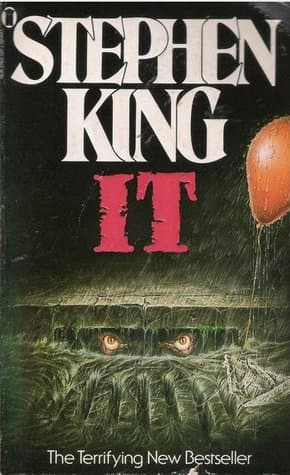
- It
Stephen King
3.5 (237) average on GoodreadsFictionBoth novels explore childhood fear, small-town secrets, and the enduring nature of evil. However, King's It leans heavily into overt supernatural horror and a more expansive, epic scope, while North's The Whisper Man maintains a more grounded psychological realism, focusing on the internal struggles and the emotional weight of its protagonists' predicament rather than grand supernatural battles.
- Angels & Demons
Dan Brown
3.9 (2.7M) average on GoodreadsThrillerA Harvard symbologist races through Rome's ancient sites, deciphering cryptic clues to unmask the Illuminati and stop a vengeful plot to destroy the Vatican with a stolen antimatter weapon.
- Gone Girl
Gillian Flynn
4.1 (2.3M) average on GoodreadsThrillerA wife's sudden disappearance on her fifth anniversary reveals a web of lies and psychological warfare, exposing the secrets within a seemingly perfect marriage.





Enjoyed the summary?
A summary gives you the shape of the book. The book itself has the detail, the examples and the voice.
Find The Whisper Man on AmazonAs an Amazon Associate, BookBrief earns from qualifying purchases. How we're funded