

Synopsis
Covers the whole plot, including the ending.
- Difficulty
- Medium
- Pacing
- Moderate
- Mood
- Gritty, Investigative, Melancholy, Suspenseful
- Read it if
- You love classic detective stories with a strong protagonist, enjoy complex mysteries with historical elements, and appreciate a gritty, realistic portrayal of police work.
- Skip it if
- You prefer fast-paced, action-heavy thrillers over methodical investigations, or are new to the Harry Bosch series and want to start at the beginning.
The Wrong Side of Goodbye Plot Summary
Covers the whole plot, including the ending.
A Billionaire's Deathbed Request
Harry Bosch, now a licensed private investigator, is contacted by a representative for Whitney Vance, an ailing, reclusive billionaire. Vance, almost ninety, admits a regret: in 1950, he had an affair with a Mexican woman named Vibiana Duarte. She became pregnant, but Vance's powerful father intervened, and Vibiana disappeared. Vance now wants to know if Vibiana had his child and what happened to them. Bosch is hired to discreetly find this potential heir before Vance dies, with the large Vance fortune at stake. Bosch agrees, interested by the challenge and Vance's search for closure.
Early Leads and a Cold Trail
Bosch starts his investigation by researching Vibiana Duarte. He learns she was from a wealthy Mexican family, but they disowned her after her affair with Vance became known. Early searches for birth records or any trace of Vibiana after 1950 are difficult. Bosch travels to Tijuana, Mexico, where Vibiana was last known to be, and interviews people who might have known her or her family. He finds a distant cousin who provides a photograph of Vibiana and a few details, but no concrete leads about a child. The trail is cold, showing Bosch the difficulty of finding someone after more than sixty years.
A Parallel Case: The Screen Cutter
At the same time as the Vance case, Bosch volunteers his services as an investigator for the small, underfunded San Fernando Police Department, where his half-brother, Jerry Edgar, works. He is assigned to a series of home invasion rapes where the attacker cuts window screens to get in, earning him the name 'The Screen Cutter.' The victims are mainly single mothers, and the rapist is careful, leaving little forensic evidence. Bosch uses his detective skills on this case, interviewing victims and reviewing evidence, deeply involved in the search for a dangerous criminal.
Uncovering Vibiana's Fate
Bosch's investigation into Vibiana Duarte eventually shows her death in childbirth in 1951, shortly after giving birth to a son. The birth happened in a private clinic in Tijuana, arranged by Vance's father to keep it secret. The son, named Salvador, was then adopted. Bosch carefully tracks Salvador through records and identifies him as Stanley Kent, a successful architect who recently died. This discovery brings both relief and a new challenge: finding Salvador's descendants, if any, to fulfill Vance's wish for an heir.
The Heir Apparent and a Family Secret
Bosch learns that Stanley Kent had a daughter, Vibiana Kent, named after her biological grandmother. She is a successful lawyer in the Pacific Northwest. Bosch tells Whitney Vance of this discovery, and Vance is happy to learn he has a granddaughter. However, Bosch's instincts tell him there is more to the story. He realizes that Vance's father, trying to cover up the affair, may have done more than just arrange the adoption. He suspects foul play in Vibiana Duarte's death and an effort to erase all traces of her and her child.
The Truth Behind Vibiana's Death
Digging deeper, Bosch finds that Whitney Vance's father, fearing for his family's reputation and business, hired a fixer named Maxwell 'Max' Freemont. Freemont arranged Vibiana Duarte's isolation, her forced delivery, and then, Bosch believes, intentionally caused her death during childbirth to ensure her silence and the child's complete disappearance from Vance's life. The official cause of death was complications, but Bosch's investigation shows it was a deliberate act, a murder disguised as a medical accident, to protect the Vance family name and fortune.
Confronting the Past and Delivering Justice
Bosch presents his findings to Whitney Vance, detailing Vibiana Duarte's murder by Max Freemont under his father's orders. Vance is devastated and full of regret, realizing his father's cruelty and the injustice done to Vibiana. Despite his age and declining health, Vance wants justice. Bosch, with Vance's support, starts looking into legal ways to expose the truth, even after all these decades. The revelation brings a somber end to Vance's search, replacing his hope for an heir with the painful truth of a cover-up and murder.
The Screen Cutter's Identity Revealed
Through careful police work, including analyzing victim statements, canvassing neighborhoods, and using his experience, Bosch identifies the Screen Cutter as Louis Degner, a handyman who lives locally and has access to many homes. Degner is careful, but Bosch finds a pattern in his targets and a subtle signature. Bosch works with the San Fernando PD to set up a sting operation, using a decoy victim and surveillance to catch Degner in the act. The plan is carefully carried out, leading to a tense confrontation.
Capture and Aftermath
The sting operation works, and Louis Degner is caught after trying to break into the decoy's home. Bosch and the San Fernando officers move in, arresting him before he can harm anyone else. The arrest brings relief to the community and the small police department. Bosch feels satisfied bringing a dangerous criminal to justice, showing his continued commitment to law enforcement even as a private investigator. This case reinforces his belief in protecting the vulnerable, a theme important to him.
Legacy and Atonement
With the truth of Vibiana's murder exposed, Whitney Vance changes his will to acknowledge Vibiana Kent as his granddaughter and the main heir to his fortune. He also starts legal action to posthumously expose his father's and Max Freemont's roles in Vibiana Duarte's death, seeking a form of historical justice. Vance dies shortly after, finding peace knowing the truth has been revealed and his bloodline acknowledged. Bosch reflects on the complex nature of justice and legacy, having kept his promise to Vance and uncovered a sixty-year-old secret that affected many lives.
The Wrong Side of Goodbye Characters
Harry Bosch
Protagonist
Retired LAPD detective turned private investigator, driven by justice.
Harry Bosch is a former LAPD homicide detective, now working as a private investigator. He is a man of strong principles, haunted by his past but relentlessly pursuing justice for victims, often those forgotten or overlooked. He operates with a deep sense of moral duty, which often puts him at odds with authority but makes him exceptionally effective. In this book, he grapples with the intricacies of private investigation while also volunteering his skills to a small, underfunded police department, proving he can't entirely leave police work behind. His personal code, 'Everybody counts or nobody counts,' guides his every action.
Relationships: Whitney Vance (Client, employer); Jerry Edgar (Half-brother, fellow police officer); Maddie Bosch (Daughter (mentioned, not directly involved))
Whitney Vance
Supporting
Dying billionaire seeking to find his long-lost heir.
Whitney Vance is an elderly, reclusive billionaire who hires Harry Bosch. He is a man burdened by a sixty-year-old regret: the disappearance of his pregnant lover, Vibiana Duarte, orchestrated by his powerful father. Vance is nearing the end of his life and is desperate for closure, hoping to find an heir and atone for his past inaction. He is initially portrayed as a man of immense wealth and power, but his vulnerability and genuine desire for truth make him a sympathetic figure. His quest for an heir ultimately uncovers a dark family secret.
Relationships: Harry Bosch (Employer-employee, later a bond of trust); Vibiana Duarte (Former lover, mother of his child); Vibiana Kent (Granddaughter)
Vibiana Duarte
Supporting
Whitney Vance's tragic lover, whose disappearance fuels the central mystery.
Vibiana Duarte was a young Mexican woman from a prominent family who had a passionate affair with Whitney Vance in 1950. She became pregnant with his child but was subsequently disowned by her family and disappeared from Vance's life due to his father's intervention. Her fate and the fate of her child are the central mystery Bosch is tasked with solving. She is a victim of both societal pressures and the ruthless machinations of the Vance family, her life tragically cut short to protect a powerful man's reputation. Though deceased, her story drives the entire plot.
Relationships: Whitney Vance (Lover, father of her child); Stanley Kent (Salvador) (Son); Vibiana Kent (Granddaughter)
Jerry Edgar
Supporting
Harry Bosch's half-brother and a detective with the San Fernando PD.
Jerry Edgar is Harry Bosch's younger half-brother and a detective with the San Fernando Police Department. He is a dedicated officer, but his department is small and underfunded, struggling with serious cases. He provides Bosch with the opportunity to volunteer and work the 'Screen Cutter' case, showcasing his trust in Harry's abilities. Jerry represents a more traditional, by-the-book detective, often relying on Harry's unconventional wisdom and experience to navigate complex investigations. Their fraternal bond is evident in their professional collaboration.
Relationships: Harry Bosch (Half-brother, colleague); Louis Degner (Antagonist (Screen Cutter case))
Louis Degner
Antagonist
The 'Screen Cutter,' a meticulous and dangerous serial rapist.
Louis Degner is the primary antagonist in the San Fernando side-plot, known as 'The Screen Cutter.' He is a serial rapist who meticulously plans his attacks, cutting window screens to gain entry and leaving minimal forensic evidence. He targets vulnerable single mothers, demonstrating a predatory and manipulative nature. Degner is portrayed as an ordinary-looking handyman, making his crimes all the more chilling due to his ability to blend in. His capture is a testament to Bosch's methodical detective work and understanding of criminal psychology.
Relationships: Harry Bosch (Antagonist-protagonist); Jerry Edgar (Antagonist-protagonist)
Vibiana Kent
Supporting
Whitney Vance's unwitting granddaughter and heir.
Vibiana Kent is the granddaughter of Whitney Vance and Vibiana Duarte, though she is initially unaware of her true parentage. She is a successful lawyer living in the Pacific Northwest, named after her biological grandmother by her adoptive father (Vance's son, Stanley Kent). Her existence is the ultimate discovery of Bosch's private investigation, fulfilling Vance's wish for an heir. She represents the innocent party whose life is profoundly changed by the revelation of a sixty-year-old secret and the immense inheritance that comes with it.
Relationships: Whitney Vance (Biological grandfather); Vibiana Duarte (Biological grandmother); Stanley Kent (Salvador) (Biological father)
Maxwell 'Max' Freemont
Mentioned
Whitney Vance Sr.'s ruthless fixer, responsible for Vibiana Duarte's death.
Maxwell 'Max' Freemont was a ruthless fixer employed by Whitney Vance Sr. to handle the scandal of Vibiana Duarte's pregnancy. Bosch uncovers that Freemont not only arranged for Vibiana's isolation and the adoption of her child but also orchestrated her death during childbirth to ensure her complete silence and the permanent disappearance of the child. He represents the dark side of power and the lengths to which wealthy families would go to protect their reputation. Though long deceased, his actions cast a long shadow over the Vance family's history.
Relationships: Whitney Vance Sr. (Employer); Vibiana Duarte (Victim)
Stanley Kent (Salvador)
Mentioned
Whitney Vance and Vibiana Duarte's son, adopted and unknowingly living a full life.
Stanley Kent, originally named Salvador, is the biological son of Whitney Vance and Vibiana Duarte. He was given up for adoption shortly after birth following his mother's death and lived a successful life as an architect, unaware of his true parentage. He is the link between Vance and his granddaughter, Vibiana Kent. His life story, though told posthumously through Bosch's investigation, highlights the long-lasting impact of the secrets and decisions made by powerful families.
Relationships: Whitney Vance (Biological father); Vibiana Duarte (Biological mother); Vibiana Kent (Daughter)
The Wrong Side of Goodbye Themes
Justice and Atonement
This theme is important to both of Bosch's investigations. Whitney Vance seeks to make up for his past inaction and get justice for Vibiana Duarte by finding their heir. Bosch, following his personal code, relentlessly pursues justice for the victims of the 'Screen Cutter' and for Vibiana Duarte, uncovering a sixty-year-old murder. The book explores if justice can be achieved decades later and the personal cost of seeking it. Vance's decision to expose his father's crimes, even after his father's death, shows a strong desire for atonement.
“Everybody counts or nobody counts. That's what I believe.”
Identity and Legacy
The search for Whitney Vance's heir is a quest for identity and legacy. Vance wants to know if his bloodline continues, while Vibiana Kent's sense of self changes with the revelation of her true parentage and the fortune she inherits. The book also touches on how identity can be erased or manipulated, as seen with Vibiana Duarte's forced disappearance and the hiding of her child's true origins. Bosch's own identity, moving from LAPD detective to private investigator, also relates to this theme as he defines his new professional legacy.
“He knew that the search for the heir was not just about money, but about a man's final grasp for a piece of himself that had been denied.”
The Corruption of Power and Wealth
The novel clearly shows how great wealth and power can be used to hide truth and commit terrible acts without punishment. Whitney Vance Sr. used his influence and resources to cover up his son's affair, leading to Vibiana Duarte's murder and the forced adoption of her child. The sixty-year cover-up highlights how powerful people can manipulate systems and individuals to protect their reputation and assets, showing a disregard for human life and justice. Bosch's investigation exposes this dark side of privilege.
“It was a story of wealth and power, and the lengths people would go to protect it.”
The Persistence of the Past
Both of Bosch's cases show how past events, no matter how old, still affect the present. Vance's sixty-year-old regret drives the main plot, revealing a murder from decades ago that still needs justice. The 'Screen Cutter' case, while current, shows how a criminal's past behavior patterns can predict future actions. The book emphasizes that secrets rarely stay hidden forever and that the past catches up, shaping lives in the present, often in unexpected ways.
“The past was a living thing, always reaching out, always pulling you back.”
Plot Devices & Literary Techniques
Dual Investigation Structure
Two seemingly unrelated cases run concurrently, showcasing Bosch's versatile skills.
The novel employs a dual investigation structure, with Harry Bosch simultaneously working on the Whitney Vance cold case as a private investigator and the 'Screen Cutter' serial rape case as a volunteer for the San Fernando PD. This device allows the author to explore different facets of Bosch's character and investigative skills. The Vance case is a meticulous, historical cold case driven by personal redemption, while the 'Screen Cutter' case is a fast-paced, contemporary hunt for a dangerous predator. The juxtaposition highlights Bosch's adaptability and unwavering commitment to justice, regardless of the context.
The Cold Case
A decades-old mystery forms the core of the private investigation.
The central mystery of Whitney Vance's long-lost heir is a classic cold case, spanning over sixty years. This device allows for a deep dive into historical records, interviews with elderly witnesses, and the piecing together of fragmented evidence from the past. It emphasizes the difficulty and dedication required to solve crimes or uncover truths long buried, relying heavily on Bosch's experience in reading between the lines and understanding human motivations across generations. The age of the case also adds a layer of urgency due to Vance's failing health.
The Unreliable Narrative (of the past)
Bosch must sift through decades of misinformation and cover-ups.
In the Vance case, Bosch is confronted with a narrative that has been deliberately manipulated and suppressed for decades by powerful individuals. The official story of Vibiana Duarte's disappearance and death is a lie, and Bosch must meticulously deconstruct it. This device highlights the challenges of historical investigation, where records may be incomplete or falsified, and witnesses may be reluctant or misinformed. Bosch's role is to cut through the layers of deception to uncover the true, often painful, story beneath, demonstrating the power of truth over manufactured history.
Bosch's Internal Monologue
Provides insight into Bosch's thought process and moral compass.
Throughout the novel, Bosch's internal monologue offers readers direct access to his deductive reasoning, ethical dilemmas, and personal reflections. This device is crucial for understanding his motivations, his 'Everybody counts or nobody counts' philosophy, and how he connects disparate pieces of information. It also reveals his struggles with his own past, his relationship with his daughter Maddie (though she doesn't appear), and his evolving role as a private investigator. The monologue allows for a deeper character study and reinforces his iconic status as a detective driven by an unwavering sense of justice.
The Wrong Side of Goodbye Quotes
“Everybody counts or nobody counts.”
“The past is never dead. It's not even past.”
“You don't get to choose your family, but you can choose your friends.”
“The truth is like a ghost. You can chase it, but you can never really catch it.”
“Sometimes the only way to move forward is to look back.”
“A good detective listens more than he talks.”
“Fear is a weapon. Don't let it be used against you.”
“The city has a memory, and it never forgets.”
“Justice delayed is justice denied.”
“You can't outrun your demons, but you can face them.”
“The line between right and wrong is often blurred.”
“Trust is earned, not given.”
“Every case leaves a mark, some deeper than others.”
“The dead have stories to tell, if you know how to listen.”
Quiz
10 questions on the plot and the characters. Each answer comes with a short explanation.
Question 1
What is Harry Bosch's primary occupation at the start of 'The Wrong Side of Goodbye'?
- LAPD detective
- Private investigator
- Security consultant
- Retired police officer
Show answer
B. Private investigator Bosch has left the LAPD and is working as a private investigator, though he's selective about clients and operates without traditional advertising or an office.
Question 2
Why does the reclusive billionaire hire Harry Bosch?
- To investigate corporate espionage
- To find a missing heir from a past relationship
- To recover stolen artwork
- To protect him from threats
Show answer
B. To find a missing heir from a past relationship The billionaire regrets losing contact with a Mexican girlfriend who was pregnant, and he wants Bosch to determine if he has an heir before he dies.
Question 3
What secondary investigation does Bosch take on while working for the billionaire?
- A murder case for the LAPD
- Tracking a serial rapist for a small police department
- A missing persons case for a friend
- Investigating police corruption
Show answer
B. Tracking a serial rapist for a small police department Bosch volunteers to help a cash-strapped police department with a serial rapist case, showing his inability to fully leave police work behind.
Question 4
What personal connection does Bosch discover during his investigation for the billionaire?
- The billionaire is related to his ex-wife
- The case links to his own past and family history
- He previously arrested the billionaire's son
- The missing heir is a former colleague
Show answer
B. The case links to his own past and family history Bosch finds uncanny links between the billionaire's story and his own past, deepening his personal investment in the case.
Question 5
How does Bosch's approach as a private investigator differ from his LAPD days?
- He uses more advanced technology
- He is picky about clients and works without an office
- He focuses only on high-profile cases
- He collaborates exclusively with former police contacts
Show answer
B. He is picky about clients and works without an office Bosch operates discreetly as a PI, being selective with clients and avoiding traditional business setups, relying on his LAPD reputation instead.
Question 6
What risk does Bosch face in the billionaire's case?
- Financial ruin if he fails
- Danger to himself and the person he's seeking
- Losing his PI license
- Being framed for a crime
Show answer
B. Danger to himself and the person he's seeking With a vast fortune at stake, Bosch realizes the investigation could be risky for both him and the potential heir, hinting at hidden threats.
Question 7
What theme is highlighted by Bosch's dual investigations in the book?
- The corruption of wealth
- The pursuit of truth and justice across different roles
- The importance of family legacy
- The challenges of retirement
Show answer
B. The pursuit of truth and justice across different roles Bosch's work on both the billionaire's case and the serial rapist investigation shows his unwavering commitment to truth and justice, whether as a PI or volunteer cop.
Question 8
Why might the billionaire specifically trust Bosch for such a sensitive case?
- Bosch is the only PI he knows
- Bosch's reputation from 30 years with the LAPD
- Bosch previously worked for his company
- A mutual friend recommended him
Show answer
B. Bosch's reputation from 30 years with the LAPD The billionaire is drawn to Bosch's extensive experience and integrity from his LAPD career, making him a trustworthy choice for the personal and high-stakes investigation.
Question 9
How does the serial rapist case contrast with the billionaire's investigation?
- It involves more physical danger but less emotional depth
- It represents Bosch's ongoing public duty versus a private, personal quest
- It is easier to solve due to police resources
- It focuses on financial motives rather than personal ones
Show answer
B. It represents Bosch's ongoing public duty versus a private, personal quest The serial rapist case is a traditional police duty for the public good, while the billionaire's case is a confidential, personal mission about legacy and regret, showing Bosch's multifaceted role.
Question 10
What does the billionaire's regret about his past relationship reveal about the book's themes?
- The fleeting nature of wealth
- The enduring impact of personal choices and hidden histories
- The superiority of law enforcement over private investigation
- The inevitability of crime in high society
Show answer
B. The enduring impact of personal choices and hidden histories The billionaire's haunting regret over losing his great love and potential heir underscores themes of legacy, secrets, and how past actions shape the present, driving the mystery Bosch must unravel.
The Wrong Side of Goodbye FAQ
What is 'The Wrong Side of Goodbye' about?
The novel follows retired LAPD detective Harry Bosch as he works two parallel cases: a private investigation for a dying billionaire searching for a potential heir from a lost love, and a volunteer investigation for a small police department tracking a serial rapist. Both cases force Bosch to confront his own past while navigating dangerous truths.
Why should I read 'The Wrong Side of Goodbye'?
This book offers a compelling dual-narrative thriller that showcases Bosch's investigative brilliance in both private and public spheres. It masterfully blends a poignant personal mystery about legacy and lost love with a tense police procedural about a cunning predator.
What is the background/setting of 'The Wrong Side of Goodbye'?
Set in contemporary Southern California, the story moves between Los Angeles and Ventura County. Bosch operates without an office, taking cases that interest him while volunteering for the San Fernando Police Department, highlighting contrasts between wealthy enclaves and working-class communities.
What are the most memorable quotes from the book?
Key quotes include Bosch's mantra 'Everybody counts or nobody counts' reflecting his moral code, and the billionaire's lament 'I spent my life building an empire, but I lost the only thing that ever mattered' capturing the novel's theme of regret versus legacy.
What writing style does Michael Connelly use in this book?
Connelly employs his signature taut, procedural style with alternating chapters between Bosch's two investigations. The prose is economical yet vivid, using Bosch's first-person perspective for the private case and third-person for the police investigation to create distinct narrative rhythms.
What minor details add significant meaning to the story?
The billionaire's collection of vintage lunchboxes becomes crucial when Bosch discovers one was gifted to his lost love, providing a tangible connection decades later. Similarly, the rapist's use of a specific knot ties him to multiple crimes through forensic detail.
What are some subtle foreshadowing moments?
Early mentions of Bosch's military service in Vietnam subtly prepare for revelations about the billionaire's own Vietnam-era past. The rapist's careful avoidance of leaving DNA foreshadows his sophisticated understanding of forensic investigation methods.
What unexpected character connections exist?
Bosch discovers the billionaire's lost love was connected to people from his own early LAPD career, creating personal stakes in what began as a straightforward inheritance investigation. The serial rapist's crimes also unexpectedly intersect with Bosch's search for the heir.
What are unspoken character motivations?
The billionaire's search for an heir masks deeper guilt about abandoning his pregnant lover and a desire for redemption before death. Bosch's volunteer police work reveals his inability to fully retire, driven by both professional identity and unresolved cases from his past.
What psychological complexities do characters exhibit?
Bosch struggles with balancing his solitary nature against the need for partnership, particularly with his half-brother Mickey Haller. The serial rapist displays chilling compartmentalization, maintaining a normal public persona while committing brutal crimes, challenging profiling assumptions.
What are the major emotional turning points?
Bosch's discovery that the potential heir might be in danger creates urgent paternal protectiveness. The moment the billionaire confronts his lifelong regret about the lost relationship marks a profound emotional climax, as does Bosch's realization that both cases are testing his own legacy.
How do relationship dynamics evolve?
Bosch's relationship with his daughter Maddie deepens as she becomes more involved in his investigative thinking. His professional dynamic with the San Fernando PD shifts from skeptical outsider to trusted consultant, while his connection to the billionaire transforms from client to something resembling friendship.
Which parts remain ambiguous or open-ended?
The ultimate fate of the heir's mother is left partially unresolved, with Bosch uncovering what happened but not all emotional consequences. Some aspects of the serial rapist's psychology and complete victim list remain deliberately unclear, suggesting ongoing threat.
What are controversial scenes or decisions?
Bosch's decision to withhold certain information from authorities to protect the heir sparks debate about vigilante justice versus procedure. The billionaire's use of wealth to circumvent normal investigative channels raises ethical questions about privilege in the justice system.
'The Wrong Side of Goodbye' ending explained: how it ends & what it means
Bosch successfully identifies and protects the heir while bringing the serial rapist to justice through forensic cleverness. The ending suggests that legacy isn't just about bloodlines or wealth, but about the truths we uncover and protect, with Bosch continuing to operate in the gray areas between official and private justice.
How does the dual-case structure enhance the themes?
The billionaire's search for legacy parallels Bosch's examination of his own investigative legacy. Both cases explore how past actions create present consequences, with the inheritance case dealing with literal lineage and the rape case dealing with the legacy of trauma across multiple victims.
About the author

Michael Connelly is an American author known for his crime fiction novels. His notable works include The Lincoln Lawyer, The Black Echo, The Poet, The Gods of Guilt, The Black Ice, and The Brass Verdict, which often feature complex characters and intricate plots. Connelly's writing frequently explores themes of justice and morality within the legal system.
Similar books
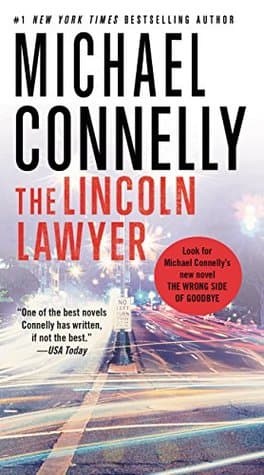
- The Lincoln Lawyer
Michael Connelly
4.2 (193k) average on GoodreadsThrillerFeatures another Connelly protagonist, Mickey Haller, navigating the L.A. legal system with a similar blend of procedural detail and moral complexity.
- The Big Sleep
Raymond Chandler
4.0 (126k) average on GoodreadsThrillerA classic hardboiled detective novel with a similar theme of a wealthy family's secrets and a world-weary investigator.
- The Secret Place
Tana French
3.9 (63k) average on GoodreadsThrillerFrench's novel offers a more atmospheric and psychologically intense exploration of secrets within a closed community, relying heavily on internal character states and unreliable narration, in contrast to Connelly's focus on external action and evidence-based deduction.
- Mystic River
Dennis Lehane
4.2 (128k) average on GoodreadsThrillerLehane's work delves into the long-lasting trauma and moral ambiguities arising from a past crime with a raw emotional intensity that, while present in Bosch, is not the primary driver of The Wrong Side of Goodbye's plot. Connelly maintains a more consistent, less emotionally harrowing narrative arc.
- Angels & Demons
Dan Brown
3.9 (2.7M) average on GoodreadsThrillerA Harvard symbologist races through Rome's ancient sites, deciphering cryptic clues to unmask the Illuminati and stop a vengeful plot to destroy the Vatican with a stolen antimatter weapon.
- Gone Girl
Gillian Flynn
4.1 (2.3M) average on GoodreadsThrillerA wife's sudden disappearance on her fifth anniversary reveals a web of lies and psychological warfare, exposing the secrets within a seemingly perfect marriage.





Enjoyed the summary?
A summary gives you the shape of the book. The book itself has the detail, the examples and the voice.
Find The Wrong Side of Goodbye on AmazonAs an Amazon Associate, BookBrief earns from qualifying purchases. How we're funded