

Synopsis
Covers the whole plot, including the ending.
- Difficulty
- Easy
- Pacing
- Moderate
- Mood
- Bittersweet, Reflective, Emotional, Hopeful
- Read it if
- You enjoy emotionally resonant stories about finding connection in unexpected places, exploring themes of life, death, and regret, and don't mind a bittersweet ending.
- Skip it if
- You prefer lighthearted stories with happy endings, or find the concept of immediate death too distressing.
They Both Die at the End Plot Summary
Covers the whole plot, including the ending.
The Call and the Awakening
On September 5th, shortly after midnight, Mateo Torrez receives a call from Death-Cast informing him that he will die within the next 24 hours. A reclusive and anxious seventeen-year-old, Mateo is alone in his apartment, his father in a coma and his mother deceased. Across the city, Rufus Emeterio, also seventeen, receives the same call while in a foster home. Rufus, an orphan, has just violently beaten his ex-girlfriend's new boyfriend, Peck, after discovering Peck was responsible for the death of Rufus's family months prior. Fearing arrest and wanting to spend his End Day freely, Rufus flees the foster home, leaving his friends Tagoe, Malcolm, and Aimee to face the consequences.
Searching for a Last Friend
Mateo, overwhelmed by panic and loneliness, initially considers spending his End Day alone. But the thought of dying without truly living pushes him to action. He downloads the Last Friend app, a platform for Deckers (those called by Death-Cast) to find companionship. He almost connects with his friend Lidia, but decides against it, not wanting her to witness his final moments. Meanwhile, Rufus, after a brief encounter with Peck's friends who want revenge, also turns to the Last Friend app. He initially searches for someone to simply hang out with, but his profile catches Mateo's attention, leading them to match.
Their First Meeting
Mateo, summoning courage, decides to meet Rufus. They arrange to meet at the Make-A-Moment travel experience, a virtual reality simulation center. Their initial encounter is awkward, with Mateo's shyness contrasting with Rufus's more outgoing, yet guarded, demeanor. Rufus, still reeling from the events with Peck, is hesitant to fully open up. They share their first 'moment' in a virtual simulation of traveling the world, and Mateo begins to shed some of his inhibitions, feeling a connection with Rufus despite their differences and the grim circumstances of their meeting.
Living on the Edge
Determined to truly live, Mateo suggests they do something dangerous. They go to a tattoo parlor, where Mateo gets an infinity symbol and Rufus gets a broken heart. They then visit a 'Graveyard of the Unlived,' a memorial for Deckers, which affects Mateo deeply. Later, they go to a high-rise building and illegally climb onto the roof, looking out over the city. This experience is terrifying yet exhilarating for Mateo, who has always played it safe. Rufus encourages him, helping him confront his fears and embrace the present moment, deepening their bond.
Confessions and Connections
As the day progresses, Mateo and Rufus begin to confide in each other. Mateo reveals his regret about not visiting his comatose father more often and his fear of dying alone. Rufus shares the tragic story of his family's death and his guilt over his actions against Peck. They visit Mateo's father at the hospital, where Mateo finally says goodbye, finding peace. They then go to a karaoke bar, where Mateo, surprisingly, sings with Rufus, further breaking free from his shell. Their shared vulnerability brings them closer, blurring the lines between friendship and something more.
A Day of Firsts and Lasts
Mateo and Rufus continue their adventure, visiting a diner where they talk about their lives and dreams. They share their first kiss, a moment of unexpected tenderness and passion that solidifies their romantic connection. They spend time at a local park, enjoying the simple beauty of nature. As evening approaches, they realize their time is running out. They acknowledge their growing feelings for each other, recognizing the bittersweet irony of finding love on their End Day. They decide to spend their final hours together, cherishing every last moment.
The Looming End
With the night deepening, Mateo and Rufus return to Mateo's apartment, seeking comfort and intimacy in their final hours. They make love, a deeply emotional and significant act for both of them, especially for Mateo, who had never experienced such intimacy. They talk about their hopes and fears, wishing they had more time. Rufus expresses his love for Mateo, and Mateo reciprocates, acknowledging that their brief time together has been the most meaningful of his life. The weight of their impending deaths hangs heavy, but their connection offers solace.
Mateo's Farewell
While Rufus is in the bathroom, Mateo decides to make some tea. He lights the gas stove, but then hears Rufus call for him. Distracted, Mateo forgets to turn off the gas fully. As he walks away from the stove, a small explosion occurs from the leaking gas. Mateo is instantly killed, dying not from a grand gesture or a dramatic event, but from a mundane accident. Rufus emerges from the bathroom to find Mateo dead, his heart shattered. The suddenness and ordinariness of Mateo's death show the unpredictable nature of their End Day.
Rufus's Final Journey
Devastated by Mateo's death, Rufus holds him, consumed by grief and loneliness. He knows his own time is running out. He contacts his foster siblings, Tagoe, Malcolm, and Aimee, who are relieved he's safe, and he tells them he loves them. He walks out of the apartment, unable to stay in the place where Mateo died. He walks through the city, remembering his life, his family, and the love he found with Mateo. He finds a quiet spot in a park, feeling Mateo's presence and remembering their shared day.
The End
As Rufus sits in the park, remembering the day, a car drives by, and the driver, distracted by his phone, swerves onto the sidewalk. Rufus is hit by the car and dies instantly. His death, like Mateo's, is sudden and unexpected, not a grand, romanticized demise. The novel concludes with both protagonists having died on their End Day, fulfilling the Death-Cast prophecy. Their story, though short and tragic, shows the beauty of living fully and finding connection, even when loss is inevitable.
They Both Die at the End Characters
Mateo Torrez
Protagonist
A shy and anxious teenager who finds courage and love on his End Day.
Mateo is a seventeen-year-old high school student who has lived a cautious and sheltered life. He is introverted, anxious, and deeply afraid of living fully, often choosing to stay within his comfort zone. His mother passed away, and his father is in a coma, leaving him feeling isolated. On his End Day, he grapples with immense fear but ultimately chooses to confront it, driven by a desire to experience life before it ends. He finds unexpected courage and love with Rufus, transforming from a hesitant boy into someone who embraces life and intimacy.
Relationships: Rufus Emeterio (Romantic partner, best friend); Lidia (Best friend, surrogate sister); Mateo's Father (Comatose parent, source of guilt and love)
Rufus Emeterio
Protagonist
A rebellious and passionate teenager who finds healing and love on his End Day.
Rufus is a seventeen-year-old orphan living in a foster home. He is more outgoing and rebellious than Mateo, with a history of getting into trouble, largely stemming from unresolved grief and anger over the deaths of his family members. He's loyal to his friends (the Plutos) but carries a heavy burden of guilt and sorrow. On his End Day, he seeks to make amends and live freely. He finds an unexpected, deep connection with Mateo, which helps him process his grief and open up to love, showing a softer, more vulnerable side.
Relationships: Mateo Torrez (Romantic partner, best friend); Tagoe Hayes (Foster brother, best friend); Malcolm Anthony (Foster brother, best friend); Aimee DuBois (Foster sister, best friend); Peck (Ex-girlfriend's new boyfriend, object of Rufus's violence)
Lidia
Supporting
Mateo's best friend and surrogate sister, a single mother.
Lidia is Mateo's best friend and the closest thing he has to family. She is a responsible, caring single mother to her daughter, Penny. She genuinely loves Mateo and is worried about him when he receives his Death-Cast call. She represents the stability and comfort Mateo often sought, but also the life he felt he hadn't fully lived. Her presence highlights Mateo's internal conflict between seeking comfort and embarking on an adventure.
Relationships: Mateo Torrez (Best friend); Penny (Daughter)
Tagoe Hayes
Supporting
One of Rufus's foster brothers and a member of the Plutos.
Tagoe is a loyal and supportive friend to Rufus, Malcolm, and Aimee. He's part of the 'Plutos,' their chosen family from the foster system. He's concerned about Rufus's well-being, especially after the incident with Peck, and tries to protect him. He represents the strong bond of chosen family and the impact of Rufus's actions on those who care about him.
Relationships: Rufus Emeterio (Foster brother, best friend); Malcolm Anthony (Foster brother, best friend); Aimee DuBois (Foster sister, best friend)
Malcolm Anthony
Supporting
One of Rufus's foster brothers and a member of the Plutos.
Malcolm is another member of the Plutos, sharing a close bond with Rufus, Tagoe, and Aimee. He is supportive and protective, trying to help Rufus navigate the aftermath of the fight with Peck and the news of his End Day. He, along with Tagoe and Aimee, offers Rufus a sense of family and belonging, highlighting the importance of connection even when facing death.
Relationships: Rufus Emeterio (Foster brother, best friend); Tagoe Hayes (Foster brother, best friend); Aimee DuBois (Foster sister, best friend)
Aimee DuBois
Supporting
Rufus's foster sister and a member of the Plutos.
Aimee is the only girl in the Plutos, and she shares a deep, familial bond with Rufus, Tagoe, and Malcolm. She is compassionate and worried about Rufus, especially after his Death-Cast call. She offers emotional support and represents the love and understanding within their chosen family, providing a safe space for Rufus before he embarks on his final adventure.
Relationships: Rufus Emeterio (Foster sister, best friend); Tagoe Hayes (Foster brother, best friend); Malcolm Anthony (Foster brother, best friend)
Death-Cast
Mentioned
The organization that predicts and announces people's End Days.
Death-Cast is a mysterious organization with an unknown method of predicting individuals' deaths. They call people a little after midnight on their End Day to inform them they will die within the next 24 hours. While their methods are never explained, their existence is a central plot device, driving the entire narrative. They represent the inevitability and unpredictability of death, forcing characters to confront their mortality and make choices about how to live their final hours.
Peck
Supporting
Rufus's ex-girlfriend's new boyfriend, involved in Rufus's family's death.
Peck is the new boyfriend of Rufus's ex-girlfriend and is indirectly responsible for the car crash that killed Rufus's family. Rufus assaults him out of revenge and grief, which sets off a chain of events for Rufus on his End Day, including the police pursuit. Peck represents the unresolved anger and trauma in Rufus's past, and his presence highlights Rufus's capacity for both violence and a desire for justice.
Relationships: Rufus Emeterio (Antagonistic, victim of assault)
They Both Die at the End Themes
Living Life to the Fullest
The central theme of the novel explores how individuals choose to live when confronted with their impending death. Both Mateo and Rufus, despite their different personalities, are driven to experience life and make meaningful connections in their final hours. Mateo overcomes his lifelong anxiety to embrace adventure and intimacy, while Rufus seeks to find peace and make amends. The story shows that true living is not about the quantity of days, but the quality and depth of experience within them. It urges readers to cherish every moment.
“Maybe it's better to live 1 day as a lion than 100 as a sheep.”
Identity and Self-Discovery
On their End Day, Mateo and Rufus are forced to confront who they are and who they want to be. Mateo, always timid, discovers a brave, adventurous, and loving side he never knew existed. Rufus, burdened by guilt and anger, finds healing and vulnerability through his connection with Mateo. Their journey together allows them to shed old ideas of themselves and embrace new aspects of their identities, demonstrating that even when facing death, there is still room for personal growth and self-acceptance.
“I spent my entire life thinking I was this one kind of person, and in the last few hours, I've been someone else entirely.”
Love and Connection in the Face of Loss
The novel portrays the power of human connection and the unexpected emergence of love, even under tragic circumstances. Mateo and Rufus, strangers at the beginning of their End Day, develop a deep, intimate, and romantic bond that transcends their impending deaths. Their love story, though brief, is profound and transformative, offering solace and meaning in their final hours. It highlights that love can flourish anywhere, anytime, and that the impact of connection can outweigh the sorrow of loss.
“I love you, Mateo. And I'm so glad I got to spend my last day with you.”
The Inevitability and Unpredictability of Death
While Death-Cast predicts the day of death, the novel shows that the exact moment and manner of death remain unpredictable. Both Mateo and Rufus die from unexpected, mundane accidents, rather than grand, heroic gestures. This highlights the arbitrary nature of death and subverts expectations of a dramatic climax. It reinforces that life's end can come at any moment, regardless of planning or premonition. This theme shows the preciousness of each moment and the futility of trying to control the uncontrollable.
“No one gets out of life alive.”
Grief and Acceptance
Both protagonists grapple with different forms of grief. Rufus carries the burden of losing his entire family and the guilt over his actions. Mateo grieves his deceased mother and his comatose father, along with the life he feels he hasn't lived. Their shared journey allows them to confront and process these emotions. By the end, they find a degree of acceptance, not just of their own deaths, but of their past losses, finding peace in their final moments and in the connection they formed.
“Grief is a house that has no doors or windows. But it also has no roof, and the sky is always there.”
Plot Devices & Literary Techniques
Death-Cast
A fictional organization that predicts and announces the day of death.
Death-Cast is the primary plot device, acting as the catalyst for the entire story. Its calls to Mateo and Rufus set their End Day in motion, forcing them to confront their mortality and make choices about how to spend their final hours. While its methods are unexplained, its existence creates the urgent, finite timeline that drives the characters' actions, accelerates their emotional development, and underscores the novel's themes of living fully and finding connection.
The Last Friend App
A mobile application for Deckers to find companionship on their End Day.
The Last Friend app serves as the crucial mechanism that brings Mateo and Rufus together. Without it, their paths would likely never cross. It highlights the human need for connection and shared experience, especially in moments of extreme isolation and fear. The app is a modern, tangible representation of the desperate search for meaning and companionship when facing the ultimate unknown, directly facilitating the central relationship of the story.
Alternating Perspectives (Dual Narrative)
The story is told from the alternating first-person perspectives of Mateo and Rufus.
The novel employs a dual narrative structure, switching between Mateo's and Rufus's first-person perspectives in alternating chapters. This allows readers deep insight into each character's thoughts, fears, and emotional journey, fostering empathy and understanding for both. It also builds suspense and provides a more comprehensive view of their shared End Day, highlighting their individual struggles and their developing connection from two distinct viewpoints.
Foreshadowing and Interspersed Minor Character Perspectives
Brief glimpses into the lives and deaths of other characters.
Throughout the narrative, the story occasionally shifts to brief, third-person perspectives of minor characters whose lives intersect, however briefly, with Mateo and Rufus, or who are also Deckers on their End Day. These vignettes often subtly foreshadow the protagonists' eventual fates or illustrate the widespread impact of Death-Cast, adding a layer of realism and reminding the reader that death is a universal, yet personal, experience for many beyond the main characters. It reinforces the theme of unpredictability in death.
Symbolism of 'Firsts' and 'Lasts'
The emphasis on experiencing things for the first time, knowing they are also the last.
The narrative heavily relies on the symbolism of 'firsts' that are simultaneously 'lasts.' For Mateo, this includes his first real adventure, first tattoo, first kiss, and first sexual experience. For both, it's their first time truly living without inhibition. This device intensifies the emotional impact of each event, highlighting the bittersweet beauty of their short-lived love and the tragic irony of finding profound experiences only when faced with their imminent end, underscoring the theme of living fully.
They Both Die at the End Quotes
“You can live your whole life in a day if you make it count.”
“Maybe we're not supposed to know what happens next. Maybe we're just supposed to live.”
“The only way to truly live is to know you're going to die.”
“We’re all just trying to make it to the end, whatever that end may be.”
“It’s not about how long you live, it’s about what you do with the time you have.”
“Sometimes an ending is just a new beginning.”
“You can’t cheat death, but you can live your life so that death doesn’t cheat you.”
“Every person you meet is living a life you know nothing about.”
“The greatest adventure is finding someone to share it with.”
“We die. We live. We love. We lose. And then we do it all again.”
“Even on our last day, we’re still capable of so much.”
“Life isn't about avoiding the pain, it's about finding the joy despite it.”
“It's never too late to make a new memory.”
“Some people are just meant to cross paths, even if only for a day.”
Quiz
10 questions on the plot and the characters. Each answer comes with a short explanation.
Question 1
What is the name of the organization that calls people to inform them of their End Day?
- Life-Line
- Death-Cast
- The Final Call
- End-Day Announcers
Show answer
B. Death-Cast Death-Cast is the organization responsible for notifying individuals that they will die within the next 24 hours, often referred to as their End Day.
Question 2
How do Mateo and Rufus initially connect with each other?
- They meet by chance at a coffee shop.
- They are introduced by a mutual friend.
- Through an app called Last Friend.
- They both attend the same End Day support group.
Show answer
C. Through an app called Last Friend. Mateo and Rufus are strangers who find each other through the 'Last Friend' app, designed for people looking for companionship on their End Day.
Question 3
What is Mateo's initial personality like before meeting Rufus?
- Reckless and adventurous
- Shy, introverted, and cautious
- Confident and outgoing
- Angry and defiant
Show answer
B. Shy, introverted, and cautious Mateo is initially portrayed as a very shy and cautious individual, often preferring to stay home and avoid risks. His End Day pushes him to step out of his comfort zone.
Question 4
What significant event happened to Rufus before his End Day call?
- He won the lottery.
- He got into a fight and was wanted by the police.
- He had a falling out with his family.
- He was preparing to move to a new city.
Show answer
B. He got into a fight and was wanted by the police. Rufus was involved in a fight with his ex-girlfriend's new boyfriend, Peck, which led to him being on the run from the police when he received his Death-Cast call.
Question 5
Which of the following activities do Mateo and Rufus NOT do on their End Day?
- Visit a virtual reality experience.
- Go to a 'travel experience' center.
- Skydiving.
- Sing karaoke.
Show answer
C. Skydiving. While they engage in many adventurous activities to live life to the fullest, skydiving is not one of the specific events they participate in during their last day together.
Question 6
What is a central theme explored by the novel regarding the End Day concept?
- The inevitability of fate versus free will.
- The corrupt nature of government organizations.
- The impact of technology on personal relationships.
- The importance of wealth in achieving happiness.
Show answer
A. The inevitability of fate versus free will. The novel heavily explores the idea of fate (knowing your End Day) versus the choices individuals make within that predetermined timeline, highlighting how they choose to live their final moments.
Question 7
What does Mateo ultimately learn about living during his End Day?
- That it's best to spend your last day alone.
- That facing death can empower you to truly live.
- That fear is always a healthy emotion.
- That regret is an unavoidable part of life.
Show answer
B. That facing death can empower you to truly live. Mateo transforms from a fearful and reserved individual into someone who embraces life, takes risks, and forms deep connections, demonstrating that the awareness of death can lead to a more profound experience of living.
Question 8
Why does Rufus initially struggle with the idea of making new friends on his End Day?
- He prefers to spend his last day with his family.
- He is still grieving the recent loss of his own family.
- He believes new connections are meaningless.
- He is too busy trying to evade the police.
Show answer
B. He is still grieving the recent loss of his own family. Rufus's family (his parents and sister) died in an accident earlier, leaving him with deep grief and a close bond with his foster siblings. This makes him hesitant to form new, potentially short-lived, connections.
Question 9
What is the primary significance of the title 'They Both Die at the End'?
- It's a metaphor for the cyclical nature of life.
- It literally states the outcome, shifting focus from 'what' happens to 'how' it happens and 'what it means'.
- It's a red herring to mislead the reader about the plot.
- It implies a tragic ending for all characters in the book.
Show answer
B. It literally states the outcome, shifting focus from 'what' happens to 'how' it happens and 'what it means'. The title is a direct spoiler, intentionally revealing the ending to the reader from the outset. This allows the story to focus not on the suspense of survival, but on the journey, the choices, and the emotional impact of living when you know your time is limited.
Question 10
What does the concept of 'graveyard' often refer to in the book?
- Actual cemeteries where people are buried.
- A specific online forum for people on their End Day.
- A place where people gather to celebrate their last day.
- The social media platform where people post their last moments.
Show answer
D. The social media platform where people post their last moments. The 'graveyard' is a morbid but popular social media platform where people post videos, photos, and messages during their End Day, often sharing their final thoughts or experiences.
They Both Die at the End FAQ
What is 'They Both Die at the End' about?
'They Both Die at the End' follows two teenage boys, Mateo Torrez and Rufus Emeterio, who receive a call from Death-Cast informing them they will die within the next 24 hours. Strangers at first, they connect through an app called Last Friend to spend their final day together, embarking on a poignant journey of self-discovery, adventure, and unexpected love.
Why should I read 'They Both Die at the End'?
You should read this book for its unique premise that explores themes of life, death, and connection with profound emotional depth. It's a story that encourages readers to live fully and appreciate every moment, offering a blend of heartbreak and hope as Mateo and Rufus navigate their final hours.
What is the background/setting of 'They Both Die at the End'?
The story is set in an alternate contemporary New York City where a service called Death-Cast exists to predict and notify individuals of their impending death within 24 hours. This unique societal construct creates a backdrop where people grapple with their mortality, often seeking solace or adventure on their 'End Day.'
What are the most memorable quotes?
One memorable quote is, 'Maybe it’s better to have gotten it right and been wrong than to have been right and never tried.' Another impactful line is, 'You can't go around telling people you're going to die and then expect them to be normal.' These quotes encapsulate the book's themes of taking chances and the societal impact of Death-Cast.
What writing style does Adam Silvera use?
Adam Silvera employs a dual-perspective narrative, alternating between Mateo and Rufus, which allows for deep insight into their individual thoughts and feelings. His style is often reflective and emotionally charged, using straightforward language to convey complex emotions and fast-paced dialogue to drive the plot, interspersed with chapters from minor characters' perspectives.
What minor details add significant meaning?
Minor details, like the brief glimpses into the lives of other characters who Mateo and Rufus encounter, such as the taxi driver or the aspiring singer, highlight the interconnectedness of humanity and the ripple effect of their End Day. These vignettes emphasize that everyone has a story and that life continues around them, even as their own ends.
What are some subtle foreshadowing moments?
Subtle foreshadowing appears in early mentions of the dangers of the city and the seemingly innocuous events that could lead to an untimely demise. For instance, early on, Mateo's fear of the outside world and Rufus's recklessness subtly hint at the kind of accidents that could befall them, building tension for their inevitable end.
What unexpected character connections exist?
Beyond Mateo and Rufus, the book reveals unexpected connections, such as the fact that Rufus previously dated Aimee, one of Mateo's friends from his online gaming community. Also, characters like the barista at the coffee shop or the woman at the virtual reality experience have their own ties to the Death-Cast system, creating a rich tapestry of shared experiences.
What are unspoken character motivations?
Mateo's unspoken motivation is a deep-seated desire for connection and to truly live before he dies, overcoming years of anxiety and isolation. Rufus, despite his outwardly tough demeanor, is driven by a need for redemption and to ensure his friends are okay, especially after his past mistakes, seeking a meaningful end rather than a lonely one.
What psychological complexities do characters exhibit?
Mateo exhibits profound social anxiety and a fear of living, which he must confront on his End Day, leading to a rapid psychological transformation. Rufus grapples with grief, anger, and a sense of responsibility for his friends, displaying a complex blend of vulnerability beneath his tough exterior, particularly concerning the loss of his family.
What are the major emotional turning points?
A major emotional turning point is when Mateo and Rufus confess their feelings for each other, transforming their bond from friendship to love, which deepens the tragedy of their impending deaths. Another is when Mateo finally embraces spontaneity, like singing karaoke, shedding his inhibitions and truly experiencing life.
How do relationship dynamics evolve?
The relationship dynamics between Mateo and Rufus evolve rapidly from strangers to friends, then to lovers, all within a single day. Their initial awkwardness gives way to deep trust, shared vulnerability, and an intense romantic connection, shaped by the urgency of their limited time together.
Which parts remain ambiguous or open-ended?
The exact mechanics of how Death-Cast works and the science behind its predictions remain ambiguous, allowing readers to focus on the emotional journey rather than the technicalities. The novel also leaves open the question of what happens in the afterlife, if anything, maintaining the focus on the value of life itself.
What are controversial scenes or decisions?
One potentially controversial aspect is the ethical implications of Death-Cast itself – whether knowing one's End Day is a blessing or a curse. Another could be Rufus's initial actions leading to his probation, which some might see as reckless, though it sets the stage for his character arc.
'They Both Die at the End' ending explained: how it ends & what it means
The book ends with both Mateo and Rufus dying, fulfilling the title's promise. Mateo dies first in an accidental gas leak explosion, and Rufus dies later, hit by a car while mourning Mateo. Their deaths, though tragic, signify that they lived a full lifetime in a single day, finding love and meaning. It means that even with a predetermined end, how one chooses to live is what truly matters, and that love can transcend the briefest of times.
About the author
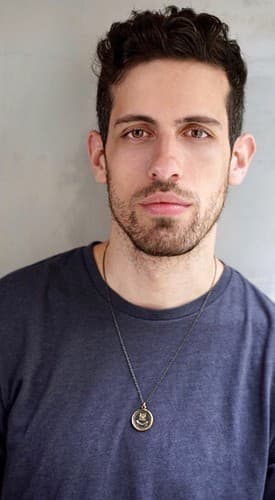
Adam Silvera is a contemporary LGBTQ+ author known for his poignant and emotionally resonant young adult fiction. His most acclaimed novel, "They Both Die at the End," explores themes of mortality, love, and living in the moment. Silvera's work often features diverse characters and tackles complex emotional landscapes, earning him a dedicated readership.
Similar books
- The Fault in Our Stars
John Green
4.2 (3.6M) average on GoodreadsYoung AdultExplores themes of young love and terminal illness with emotional depth.
- A Little Life
Hanya Yanagihara
4.3 (212k) average on GoodreadsLiterary FictionExplores deep friendships and the human condition, though much darker and adult.
- Before I Fall
Lauren Oliver
3.9 (295k) average on GoodreadsFantasyOliver's novel explores death and self-reflection through a time-loop mechanism, where the protagonist relives her last day repeatedly to understand and change her impact. Silvera's novel, conversely, presents a single, irreversible final day, emphasizing the immediacy of action and connection over repeated chances for redemption or understanding the 'why' of the death system.
- Harry Potter and the Sorcerer's Stone
J.K. Rowling
4.5 (7M) average on GoodreadsFantasyRescued from a miserable life under the stairs, an orphaned boy discovers he's a wizard destined for a magical school, where he uncovers a dangerous secret tied to the dark wizard who murdered his parents.
- The Hunger Games
Suzanne Collins
4.3 (6.4M) average on GoodreadsFantasyIn a future where children fight to the death on live television, Katniss Everdeen volunteers for the arena, turning a death sentence into a fight for survival and a spark of rebellion.
- 1984
George Orwell
4.2 (3.1M) average on GoodreadsPoliticsIn a future where surveillance and thought control are absolute, a man's search for truth clashes with the Party, showing that hope can be a form of rebellion.






Enjoyed the summary?
A summary gives you the shape of the book. The book itself has the detail, the examples and the voice.
Find They Both Die at the End on AmazonAs an Amazon Associate, BookBrief earns from qualifying purchases. How we're funded