
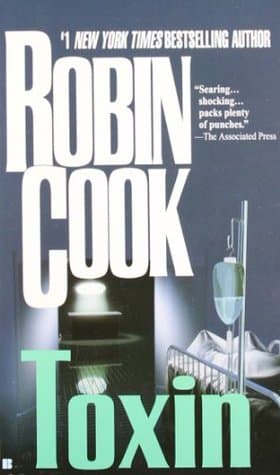
Synopsis
Covers the whole plot, including the ending.
- Difficulty
- Medium
- Pacing
- Fast
- Mood
- Suspenseful, Urgent, Alarming, Exposing
- Read it if
- You enjoy medical thrillers that expose real-world dangers and corporate malfeasance, with a determined protagonist fighting against overwhelming odds.
- Skip it if
- You prefer light-hearted reads or are squeamish about detailed descriptions of food contamination and medical emergencies.
Toxin Plot Summary
Covers the whole plot, including the ending.
A Family Dinner and a Frightening Diagnosis
Dr. Jason Cordell, a cardiac surgeon in New York City, is enjoying an evening at home with his ex-wife, Cynthia, and their two daughters, Becky and Amy. They order hamburgers for dinner. The next day, Becky, his younger daughter, develops severe abdominal cramps, bloody diarrhea, and a high fever. Jason thinks it is a common stomach bug, but her condition quickly worsens. After taking her to the emergency room, tests confirm a diagnosis: Becky has E. coli O157:H7, a virulent strain of bacteria, and is developing Hemolytic Uremic Syndrome (HUS), a life-threatening complication that can cause kidney failure.
Desperate Measures and a Search for Answers
Becky's health declines, and she is admitted to the intensive care unit. Her kidneys begin to fail, and she needs dialysis. Worried, Jason feels helpless despite his medical background. He becomes focused on finding the source of the E. coli, driven by guilt and a need for answers. He starts by questioning the fast-food restaurant where they bought the hamburgers, but they deny responsibility, saying their meat suppliers are reputable. Cynthia, initially supportive, becomes more distraught and critical of Jason, straining their fragile relationship.
Following the Trail: The Meatpacking Plant
Jason's investigation leads him to Dr. Susan Gage, a CDC epidemiologist who confirms the severity of Becky's E. coli strain and provides information about its common sources. He learns that the specific strain often comes from contaminated beef. With help from a former medical school classmate in public health, Jason identifies 'MeatAmerica' as the likely source of the contaminated ground beef. MeatAmerica is a large, automated meatpacking plant in Nebraska, known for its high production and lobbying against stricter regulations. Jason decides to travel there to confront the company and find the truth.
Infiltration and Initial Resistance
Upon arriving in Nebraska, Jason tries to get official access to the MeatAmerica plant, presenting himself as a concerned parent and doctor. He is met with hostility and corporate resistance from the plant's management, especially Mr. Henderson, a senior executive, and Dr. Eugene Farrow, the plant's veterinarian and quality control manager. They deny any contamination in their facility, citing their superficial safety protocols. Frustrated but determined, Jason realizes he needs another way to investigate the plant and its practices, as time is running out for Becky.
Undercover as a Worker
Desperate, Jason adopts a new identity, shaving his beard and changing his appearance, and applies for a job as an unskilled laborer at MeatAmerica under the name 'Frank Cordell.' He is hired and immediately enters the brutal, fast-paced, and unsanitary environment of the slaughterhouse and processing lines. He sees the conditions: fecal matter on carcasses, workers with poor hygiene, high production speeds that prioritize quantity over safety, and a general disregard for cleanliness. He starts documenting his observations to gather evidence to expose the plant's practices.
Uncovering Systemic Failures and Corruption
Working undercover, Jason observes several failures. He sees meat processed too quickly for proper inspection, sick or injured animals ('downer' cows) entering the food chain, and a reliance on chemical washes instead of thorough cleaning to hide contamination. He also notes the inadequate training and pressure on USDA inspectors, who are often outnumbered and intimidated by plant management. He befriends some co-workers, learning about their fears of speaking out. He also discovers that Dr. Farrow, despite his official role, is ineffective and complicit, limited by corporate directives that prioritize profit over public health. Jason realizes the problem is systemic, not just an isolated incident.
A Dangerous Discovery and Impending Exposure
Jason's investigation ends when he finds a batch of meat, clearly contaminated, being rushed through processing despite signs of spoilage and improper handling. He secretly collects samples of this meat. He also overhears conversations and finds internal memos that show MeatAmerica knew about previous contamination incidents and tried to suppress information and manipulate inspection results. With the evidence, Jason prepares to go public, knowing MeatAmerica's power and influence, and the personal risk he is taking. Simultaneously, Becky's condition in New York remains critical, adding urgency to his mission.
Confrontation and Flight
Jason's undercover identity is found out. Dr. Farrow, suspicious of 'Frank Cordell's' observant nature and medical knowledge, investigates and discovers Jason's true identity. Farrow, pressured by Henderson, confronts Jason. Realizing he's been caught, Jason narrowly escapes the plant with his evidence, including the contaminated meat samples and his detailed notes. He is pursued by MeatAmerica's security, who want to prevent him from exposing their practices. He makes a harrowing escape, understanding that his life, and the lives of many others, depend on him getting his evidence to the authorities and the public.
The Media Storm and Legal Battle
Jason contacts Dr. Susan Gage at the CDC and a sympathetic journalist he met earlier. He presents his evidence, which, combined with the severe E. coli poisoning cases (including Becky's), creates a media storm. MeatAmerica tries to discredit Jason and his claims, but the evidence, including the samples Jason provided, forces a government investigation. A class-action lawsuit is filed against MeatAmerica. The company's stock falls, and public outcry demands action. The CEO and other executives face scrutiny and potential criminal charges.
Becky's Recovery and Industry Change
Amidst the legal and public relations battles, Becky's condition slowly improves. After weeks in critical condition and multiple dialysis treatments, her kidneys show signs of recovery, and she is eventually taken off life support and begins a long rehabilitation. The MeatAmerica scandal causes changes in the meatpacking industry. Stricter regulations are proposed and put in place, focusing on better hygiene, faster recall processes, and more independent oversight. While the fight for food safety continues, Jason's actions, from a father's desperation, bring about a necessary reckoning and hope for a safer food supply.
Toxin Characters
Dr. Jason Cordell
Protagonist
A dedicated cardiac surgeon turned food safety crusader after his daughter falls ill.
Jason is a highly skilled and respected cardiac surgeon in New York City. Initially portrayed as somewhat detached from his family due to his demanding career, Becky's illness completely transforms his priorities. He becomes driven by guilt, love for his daughter, and a fierce determination to uncover the truth behind the E. coli contamination. He is intelligent, resourceful, and incredibly persistent, willing to risk his career and safety to expose corporate negligence. His medical background provides him with unique insight into the scientific aspects of the crisis.
Relationships: Becky Cordell (daughter, the victim of E. coli); Amy Cordell (daughter); Cynthia Cordell (ex-wife, co-parent); Dr. Susan Gage (CDC epidemiologist, ally)
Becky Cordell
Supporting
Jason's young daughter, whose severe E. coli infection drives the plot.
Becky is Jason's younger daughter, approximately eight years old. She is the innocent victim of the contaminated food, developing a severe E. coli O157:H7 infection that progresses to Hemolytic Uremic Syndrome (HUS) and kidney failure. Her deteriorating health and fight for life in the ICU serve as the emotional core of the novel, fueling Jason's desperate quest for answers and justice. Her vulnerability highlights the real-world consequences of corporate negligence and inadequate food safety standards.
Relationships: Dr. Jason Cordell (father); Cynthia Cordell (mother); Amy Cordell (sister)
Cynthia Cordell
Supporting
Jason's ex-wife and Becky's mother, struggling with her daughter's illness and her relationship with Jason.
Cynthia is Jason's ex-wife and the mother of Becky and Amy. She is initially supportive but quickly becomes overwhelmed by Becky's illness, expressing her grief and anger, often directed at Jason. Her emotional distress and criticisms highlight the strain a medical crisis puts on family relationships. She represents the fear and helplessness of parents facing a child's life-threatening illness, and her evolving relationship with Jason reflects the challenges and potential for reconciliation during extreme stress.
Relationships: Dr. Jason Cordell (ex-husband, co-parent); Becky Cordell (daughter); Amy Cordell (daughter)
Dr. Susan Gage
Supporting
A CDC epidemiologist who assists Jason in understanding the E. coli outbreak.
Dr. Susan Gage is a dedicated and knowledgeable epidemiologist at the Centers for Disease Control and Prevention (CDC). She provides Jason with crucial scientific information about E. coli O157:H7, its transmission, and the broader context of foodborne illnesses. She represents the often underfunded and politically constrained public health sector, committed to public safety but limited by bureaucratic hurdles and corporate influence. She becomes an important ally for Jason, helping him navigate the complexities of identifying the source of contamination.
Relationships: Dr. Jason Cordell (ally, professional contact)
Mr. Henderson
Antagonist
A senior executive at MeatAmerica, prioritizing profit over safety.
Mr. Henderson is a high-ranking executive at MeatAmerica, embodying the corporate greed and indifference to public health that Jason is fighting against. He is articulate, ruthless, and skilled at deflecting blame and manipulating public perception. Henderson represents the powerful forces within the meat industry that actively resist stricter regulations and prioritize production volume and profit margins above all else, even at the cost of human lives. He is the primary corporate antagonist, orchestrating cover-ups and attempting to thwart Jason's investigation.
Relationships: Dr. Eugene Farrow (subordinate, accomplice); Dr. Jason Cordell (adversary)
Dr. Eugene Farrow
Supporting
The veterinarian and quality control manager at MeatAmerica, complicit in the plant's negligence.
Dr. Eugene Farrow is the veterinarian and nominal quality control manager at the MeatAmerica plant. While he possesses medical knowledge, he is depicted as a weak and compromised figure, beholden to corporate pressure. He is aware of many of the unsanitary practices but is too intimidated or career-driven to actively challenge the company's directives. Farrow represents the moral compromises individuals make within a corrupt system, eventually becoming a reluctant accomplice to the negligence. He is the one who ultimately uncovers Jason's true identity.
Relationships: Mr. Henderson (superior, intimidator); Dr. Jason Cordell (adversary, target of suspicion)
Amy Cordell
Supporting
Jason's older daughter, silently affected by her sister's illness.
Amy is Jason's older daughter. While not as central to the plot as Becky, her presence highlights the wider family impact of the crisis. She observes her sister's suffering and her parents' distress, experiencing the trauma of her sister's illness from a different perspective. Her role serves to emphasize the ripple effect of foodborne illness beyond the immediate victim, affecting the entire family unit.
Relationships: Dr. Jason Cordell (father); Cynthia Cordell (mother); Becky Cordell (sister)
Mr. Johnson
Mentioned
A sympathetic former classmate of Jason's who works in public health.
Mr. Johnson is a former medical school classmate of Jason's who now works in public health. He uses his connections and knowledge of the system to help Jason identify MeatAmerica as the likely source of the contaminated beef. His character represents the network of individuals within public health who, despite systemic limitations, are committed to protecting the public.
Relationships: Dr. Jason Cordell (former classmate, professional contact)
Toxin Themes
Corporate Greed vs. Public Health
This is the main conflict of 'Toxin.' The novel contrasts the meat industry's pursuit of profit and efficiency (MeatAmerica and Mr. Henderson) with the human cost of neglecting food safety (Becky's illness). The story shows how corporate lobbying, fast production lines, and a disregard for sanitary conditions are prioritized over consumer health, illustrating failures that happen when profit outweighs ethics. Jason's journey is a battle against this imbalance.
“The bottom line, Jason realized, was literally the bottom line. Lives were secondary to profit margins.”
The Vulnerability of the Food Supply
The book highlights the fragility and potential for contamination in the modern industrial food system. Through Jason's undercover investigation at MeatAmerica, readers see the unsanitary conditions, speed-driven processing, and inadequate inspection protocols that make the meat supply vulnerable to dangerous pathogens like E. coli. The novel is a warning, showing how a single contaminated hamburger can have catastrophic consequences, exposing hidden dangers in everyday food products and challenging consumer trust.
“He saw a system built for speed, not safety, where a single mistake, a single overlooked detail, could sicken thousands.”
A Father's Desperation and Redemption
Jason Cordell's journey is driven by a father's love and desperation. Initially shown as distant because of his demanding career, Becky's life-threatening illness reawakens his paternal instincts. His relentless pursuit of the truth, his willingness to risk his career and life, and his transformation from a detached surgeon to an undercover investigator are all fueled by his need to save his daughter and prevent similar tragedies. This personal motivation gives the scientific thriller emotional depth, showing how extreme circumstances can lead to personal growth and a change in priorities.
“He was no longer just a surgeon; he was a father, fighting for his child, and nothing else mattered.”
Systemic Corruption and Whistleblowing
The novel explores systemic corruption, not just through malice but through negligence, intimidation, and silencing dissent. MeatAmerica's operations show how inadequate government oversight, combined with corporate pressure, creates an environment where unsafe practices continue. Jason's decision to go undercover and expose the truth makes him a whistleblower, highlighting the personal risks involved in challenging powerful industries and the role individuals play in bringing about change when official systems fail.
“The inspectors were paid to look, but not too closely. They were a shield, not a safeguard.”
Plot Devices & Literary Techniques
Undercover Investigation
Jason's infiltration of MeatAmerica as a grunt worker.
This device allows the protagonist, Dr. Jason Cordell, to gain firsthand, unfiltered insight into the unsanitary and dangerous practices within the meatpacking plant. By shedding his professional identity and becoming a 'nobody,' he can observe the true conditions, gather evidence, and interact with workers who would otherwise be inaccessible. This technique builds suspense, provides vivid, visceral descriptions of the industrial food process, and directly exposes the systemic failures that corporate tours or official inspections would never reveal.
Medical Crisis as Catalyst
Becky's life-threatening E. coli infection drives the entire plot.
The severe illness of Jason's daughter, Becky, serves as the primary catalyst for the entire narrative. Her deteriorating health creates immediate urgency, personalizes the abstract issue of food safety, and provides Jason with an emotional, deeply personal motivation to embark on his dangerous investigation. Without Becky's crisis, Jason, a busy surgeon, would likely never have become involved. This device transforms a potential expose into a high-stakes, emotional thriller, making the dangers of contaminated food tangible and terrifying.
The 'Ticking Clock' Element
Becky's dwindling chances of survival against Jason's race for evidence.
The narrative employs a strong 'ticking clock' element, as Becky's condition continually worsens and her chances of survival diminish. This creates immense tension and urgency for Jason's investigation. Every day, every hour that passes while he's undercover or battling corporate resistance, is a day his daughter might not survive. This device heightens the stakes, propels the plot forward at a rapid pace, and emphasizes the direct, life-or-death consequences of his mission.
Expert Protagonist Out of His Element
A cardiac surgeon navigating the industrial meatpacking world.
Jason Cordell is a highly skilled cardiac surgeon, an expert in human anatomy and sterile environments. Placing him undercover in the brutal, unsanitary, and entirely foreign world of an industrial meatpacking plant creates significant dramatic tension and opportunities for him to learn and adapt. His medical background allows him to understand the implications of the contamination, but his lack of experience in this new environment makes his investigation more challenging and dangerous, highlighting the vast disconnect between food production and the medical consequences of its failures.
Toxin Quotes
“The only difference between a medicine and a poison is the dose.”
“In medicine, there are no certainties, only probabilities.”
“Every hospital is a potential battlefield where life and death hang in the balance.”
“The greatest danger often lies in what we don't know, rather than what we do.”
“When profit becomes the primary motive in healthcare, patient well-being inevitably suffers.”
“Fear has a way of distorting reality, making us see monsters where there are none, and ignoring the ones that are real.”
“The human body is a marvel of resilience, but even marvels have their limits.”
“Sometimes, the cure can be worse than the disease, especially if you don't understand either.”
“The truth is often inconvenient, which is why so many prefer to ignore it.”
“Science is a double-edged sword; it can bring healing or destruction, depending on the hand that wields it.”
“Trust is a fragile thing, easily broken, and almost impossible to fully repair.”
“In the face of an invisible enemy, panic is the most contagious disease of all.”
“The greatest breakthroughs often come from challenging the established norms.”
Quiz
10 questions on the plot and the characters. Each answer comes with a short explanation.
Question 1
What type of bacterial contamination is central to the plot of 'Toxin'?
- Salmonella
- Staphylococcus aureus
- E. coli
- Listeria
Show answer
C. E. coli The synopsis explicitly states that the doctor's daughter becomes infected with E. coli, which drives the central conflict of the novel.
Question 2
Who is the primary protagonist in 'Toxin'?
- A government health inspector investigating food safety.
- A doctor whose daughter is infected with E. coli.
- A CEO of a major meat packing company.
- A journalist exposing corruption in the food industry.
Show answer
B. A doctor whose daughter is infected with E. coli. The story centers around 'a doctor' whose daughter's E. coli infection forces him to investigate the meat industry, making him the central figure.
Question 3
Which industry is primarily scrutinized and exposed for its potential dangers and corruption in 'Toxin'?
- The pharmaceutical industry
- The medical device manufacturing industry
- The meat industry
- The agricultural chemical industry
Show answer
C. The meat industry The book's premise directly addresses the safety of 'America's meat supply' and the doctor's investigation leads him to the 'powerful meat industry'.
Question 4
What does the doctor encounter on his 'trail of ignorance and corruption'?
- A secret society of food critics
- Resistance from the Centers for Disease Control (CDC)
- Tangled red-tape within the medical community and influence from the meat industry
- International food cartels
Show answer
C. Tangled red-tape within the medical community and influence from the meat industry The synopsis states he is 'forced to follow a trail of ignorance and corruption from the tangled red-tape of the medical community to the highest levels of the powerful meat industry.'
Question 5
The book uses the doctor's personal tragedy to highlight which broader societal issue?
- The high cost of healthcare in America
- The dangers of bacterial contamination in the food supply
- The ethics of genetic engineering in agriculture
- The impact of climate change on food production
Show answer
B. The dangers of bacterial contamination in the food supply The synopsis clearly states that 'the widespread dangers of bacterial contamination are no longer a subject for debate, but a grim reality' after his daughter's infection, making this the central theme.
Question 6
What is the primary motivation for the doctor's investigation in 'Toxin'?
- To gain personal revenge against the meat company responsible
- To advance his career as a leading medical researcher
- Desperation to understand and combat the cause of his daughter's illness
- To expose government cover-ups of unrelated medical scandals
Show answer
C. Desperation to understand and combat the cause of his daughter's illness The synopsis states, 'In desperation, he is forced to follow a trail...' indicating his personal anguish over his daughter's condition is the driving force.
Question 7
The book is described as an 'eye-opening thriller' due to its focus on:
- The psychological impact of medical malpractice
- The hidden dangers and corruption within a vital American industry
- The future of bio-warfare and disease control
- The moral dilemmas of organ transplantation
Show answer
B. The hidden dangers and corruption within a vital American industry The core of the thriller aspect comes from uncovering 'ignorance and corruption' in the 'powerful meat industry' and its direct impact on public health.
Question 8
How does 'Toxin' elevate the issue of bacterial contamination from a 'subject for debate' to a 'grim reality'?
- By presenting statistical data and scientific studies on a global scale.
- By focusing on the personal tragedy of the doctor's daughter becoming infected.
- Through a historical account of past foodborne illness outbreaks.
- By introducing a fictional terrorist plot involving contaminated food.
Show answer
B. By focusing on the personal tragedy of the doctor's daughter becoming infected. The synopsis states, 'When a doctor's daughter becomes infected with E. coli, the widespread dangers of bacterial contamination are no longer a subject for debate, but a grim reality.' This personalizes the issue.
Question 9
What is the significance of the book being described as 'Robin Cook's most startling, and important novel'?
- It features a unique narrative structure never before used by the author.
- It directly tackles a highly controversial and relevant public health issue in America.
- It introduces a new recurring character for future novels.
- It is the author's first venture into the thriller genre.
Show answer
B. It directly tackles a highly controversial and relevant public health issue in America. The description highlights its importance due to its focus on 'one of today's most controversial subjects' – America's meat supply safety – making it a timely and impactful commentary.
Question 10
The 'tangled red-tape of the medical community' suggests that the doctor faces obstacles not just from the meat industry, but also from:
- International espionage agencies.
- Bureaucracy and systemic resistance within healthcare institutions.
- A cabal of rival doctors trying to discredit him.
- Religious organizations opposing his scientific methods.
Show answer
B. Bureaucracy and systemic resistance within healthcare institutions. The phrase 'tangled red-tape' commonly refers to excessive bureaucracy, rules, and procedures that hinder action, implying systemic resistance or inefficiency within the medical community itself.
Toxin FAQ
What is "Toxin" by Robin Cook about?
"Toxin" follows Dr. Jason Cordell, a successful cardiac surgeon, whose daughter, Becky, contracts a severe E. coli O157:H7 infection after eating a contaminated hamburger. As Becky's condition rapidly deteriorates, Jason becomes embroiled in a desperate investigation to uncover the source of the contamination and expose the systemic failures within both the medical community and the powerful meat industry that allowed it to happen.
Why should I read "Toxin"?
You should read "Toxin" for its chilling exploration of food safety, corporate negligence, and the lengths a parent will go to for their child. It's a gripping medical thriller that not only entertains but also raises crucial questions about the origins of our food and the compromises made in the pursuit of profit, making it particularly relevant in today's world.
What is the background/setting of "Toxin"?
The story is primarily set in New York City, moving between the intense environment of a major hospital where Becky is being treated, and various locations as Dr. Cordell investigates the meat supply chain. The backdrop is a contemporary America grappling with industrial food production and the regulatory challenges of ensuring public health against powerful economic interests.
What writing style does the author use?
Robin Cook employs a fast-paced, clinical, and suspenseful writing style, characteristic of medical thrillers. He uses precise medical terminology to lend authenticity to the hospital scenes and detailed descriptions to build tension during Jason's investigation, keeping the reader on edge with a sense of urgency and impending danger.
What minor details add significant meaning?
The subtle detail of the specific strain of E. coli, O157:H7, is crucial as it highlights the particularly virulent and dangerous nature of the bacteria, emphasizing the gravity of Becky's illness. Also, the recurring imagery of the industrial meat processing plants, described with almost clinical detachment, underscores the dehumanizing and hazardous conditions of mass food production.
What are some subtle foreshadowing moments?
Early in the novel, there are brief mentions of other, less severe foodborne illness outbreaks in the news, which subtly prepare the reader for the larger, more personal catastrophe that befalls Becky. Additionally, the initial dismissive attitudes of hospital administrators regarding the source of Becky's illness hint at the systemic cover-ups and resistance Jason will face later.
What unexpected character connections exist?
An unexpected connection emerges between Dr. Cordell and some of the lower-level employees in the meat industry. While initially adversaries or obstacles, some workers, disillusioned by the industry's practices, provide crucial anonymous tips and insights to Jason, forming an unlikely alliance against the corporate giants.
What are unspoken character motivations?
Beyond his overt desire to save his daughter, Dr. Jason Cordell's unspoken motivation includes a deep-seated guilt for not having been more attentive to Becky's everyday life, driving his obsessive pursuit of justice. Similarly, some corporate executives' unspoken motivation is the fear of financial ruin and legal repercussions, leading them to actively suppress information rather than just passively ignore it.
What psychological complexities do characters exhibit?
Dr. Cordell exhibits significant psychological complexity, transitioning from a detached, work-focused surgeon to a driven, almost vigilante-like father consumed by grief and rage. His professional medical ethics are constantly at odds with his personal, desperate need for revenge and justice, blurring the lines of his own moral compass.
What are the major emotional turning points?
A major emotional turning point is when Becky's condition deteriorates to the point of kidney failure and she requires dialysis, solidifying Jason's resolve to fight. Another is his confrontation with the CEO of the meatpacking company, which shifts his emotional state from desperate hope to determined fury as he realizes the depth of their complicity.
How do relationship dynamics evolve?
The relationship between Jason and his estranged wife, Wendy, initially strained by his demanding career, is re-forged and strengthened by their shared trauma and fight for Becky. They find common ground and renewed respect through their collective ordeal. Conversely, Jason's relationship with the medical establishment shifts from one of professional respect to open antagonism as he challenges their protocols and allegiances.
Which parts remain ambiguous or open-ended?
While the immediate threat to Becky is resolved, the long-term systemic changes within the meat industry remain somewhat ambiguous. The novel suggests that exposing one company won't dismantle the entire corrupt system, leaving the reader to ponder the ongoing challenges of food safety and corporate accountability.
What are controversial scenes or decisions?
A controversial decision Jason makes is when he considers taking extreme, legally questionable actions to acquire evidence against the meat company, bordering on vigilantism. This raises ethical questions about whether the ends justify the means, even when driven by a father's love.
"Toxin" ending explained: how it ends & what it means
The novel concludes with Dr. Cordell successfully exposing the negligence and unsanitary practices of the meatpacking company responsible for Becky's illness, leading to public outcry and legal action. Becky's health stabilizes, though the long-term effects of her infection are hinted at. The ending signifies a partial victory for individual justice against corporate power, but also serves as a stark warning about the continuous need for vigilance in food safety and consumer advocacy.
About the author
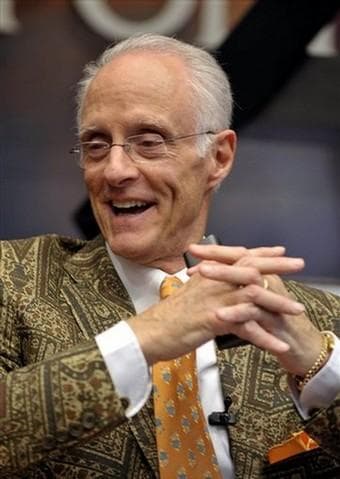
Robin Cook is an American author known for his medical thrillers. His notable works include "Outbreak," which explores the spread of a deadly virus, "Chromosome 6," focusing on genetic engineering, "Toxin," which delves into bioterrorism, and "Vector," centered around a new strain of a virus. Cook's fiction often combines elements of medicine and suspense.
Similar books
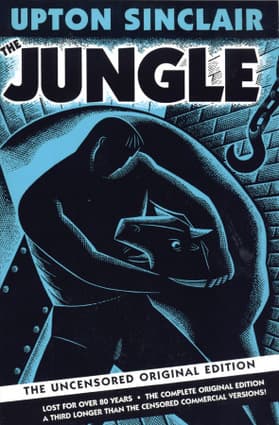
- The Jungle
Upton Sinclair
3.8 (129k) average on GoodreadsPoliticsExposes horrifying conditions in the meatpacking industry and corporate exploitation.
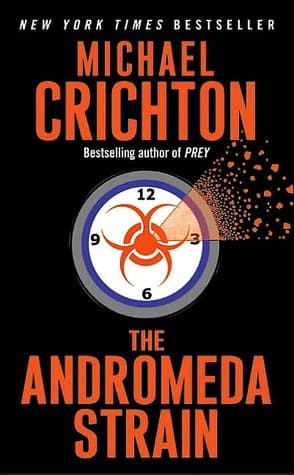
- The Andromeda Strain
Michael Crichton
3.9 (223k) average on GoodreadsThrillerToxin shares thematic similarities with Michael Crichton's The Andromeda Strain in its focus on a scientific threat and the race against time to contain it. Both novels utilize a team of experts to tackle a biological crisis. However, Crichton's work often delves deeper into the scientific process and the bureaucratic hurdles, presenting a more detailed, almost documentary-style approach to the crisis, whereas Cook's Toxin prioritizes the personal revenge narrative and corporate conspiracy, making it more of a traditional thriller with a medical backdrop rather than a pure scientific procedural.
- Angels & Demons
Dan Brown
3.9 (2.7M) average on GoodreadsThrillerA Harvard symbologist races through Rome's ancient sites, deciphering cryptic clues to unmask the Illuminati and stop a vengeful plot to destroy the Vatican with a stolen antimatter weapon.
- Gone Girl
Gillian Flynn
4.1 (2.3M) average on GoodreadsThrillerA wife's sudden disappearance on her fifth anniversary reveals a web of lies and psychological warfare, exposing the secrets within a seemingly perfect marriage.
- The Girl on the Train
Paula Hawkins
3.9 (2.1M) average on GoodreadsThrillerA woman’s fascination with a seemingly perfect couple she watches from her daily train commute leads her into a dark investigation when she witnesses something that shatters their idyllic image.
- The Da Vinci Code
Dan Brown
3.9 (1.9M) average on GoodreadsThrillerA symbologist and a cryptologist race through European landmarks, deciphering ancient codes and uncovering a conspiracy that could rewrite the foundations of Christianity.




Enjoyed the summary?
A summary gives you the shape of the book. The book itself has the detail, the examples and the voice.
Find Toxin on AmazonAs an Amazon Associate, BookBrief earns from qualifying purchases. How we're funded