

Estimated read time: 10 min read
One Sentence Summary
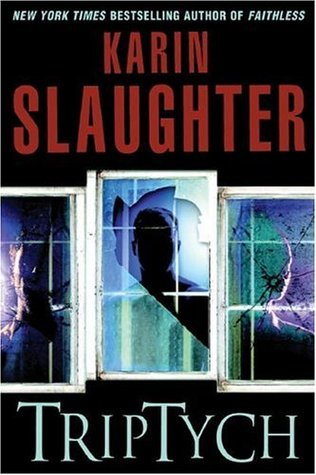
"Triptych" by Karin Slaughter is a gritty crime thriller that follows three interconnected characters as a series of brutal murders in Atlanta reveals dark secrets from their pasts.
Table of Contents
Introduction
Imagine a city where every shadow hides a secret, and every person you meet could be running from their past. That’s the world Karin Slaughter thrusts us into with her dark, emotionally charged thriller, Triptych. Set in Atlanta, this book isn’t just a crime novel—it’s a deep dive into the jagged edges of trauma, redemption, and the blurry line between justice and vengeance. For college students, literature lovers, and true crime aficionados, Triptych offers a gripping narrative laced with shocking twists, layered characters, and themes that stick with you long after you turn the final page.
Karin Slaughter’s writing is sharp, her plotting relentless, and her characters are so real you’ll feel the sweat on their brows. Triptych is not just a whodunit; it’s a whydunit, unraveling the tangled motivations behind every action and exploring the scars—both physical and psychological—that define us.
Historical Context
Published in 2006, Triptych lands in the early 21st-century boom of gritty, realistic crime fiction. Atlanta serves as more than a backdrop; it’s a living, breathing character, reflecting real-life challenges like gentrification, racial tension, and the scars left by economic disparity. The book draws subtle inspiration from the rise of forensic science in law enforcement and the public’s fascination with criminal profiling post-CSI and Law & Order.
Slaughter’s work also reflects the early 2000s’ literary trend toward complex antiheroes and morally ambiguous police procedurals. The novel’s focus on sexual violence, criminal justice, and psychological trauma speaks to broader social conversations of its era—making it both a product of its time and a timeless exploration of human nature.
Brief Synopsis
Plot Overview
At its core, Triptych is a story about three men whose lives collide over a series of brutal crimes. Detective Michael Ormewood, a seasoned Atlanta cop, is called to a crime scene that’s as gruesome as it is baffling: a woman has been found murdered and mutilated in a run-down apartment block. As Ormewood investigates, he’s forced to team up with Special Agent Will Trent, a man whose own past is riddled with secrets.
Meanwhile, John Shelley, recently released from prison after serving twenty years for a crime he may or may not have committed, struggles to rebuild his life on the outside. But the city isn’t ready to forgive him, and soon he finds himself drawn back into a web of suspicion and violence.
The novel weaves these three perspectives into a taut, twisting narrative, revealing that sometimes the truth is more dangerous than the lies we tell ourselves.
Setting
Atlanta, Georgia, is the story’s beating heart. The city’s neighborhoods—gritty, vibrant, and often unforgiving—mirror the characters’ internal struggles. Slaughter paints Atlanta as a place of stark contrasts: rundown housing projects sit alongside luxury condos, and the city’s southern charm is constantly at odds with its undercurrent of violence. The oppressive heat, the looming presence of the prison system, and the ever-present hum of urban life all create an atmosphere thick with tension and possibility.
Main Characters
Here’s a quick-reference table to the major players in Triptych:
| Name | Role | Key Traits | Importance to Plot |
|---|---|---|---|
| Michael Ormewood | Atlanta Police Detective | Cynical, impulsive, haunted | Leads the murder investigation; hides secrets |
| Will Trent | GBI Special Agent | Brilliant, dyslexic, reserved | Investigates with Ormewood; central mystery |
| John Shelley | Ex-convict | Vulnerable, determined, misunderstood | Recently released, becomes key suspect |
| Angie Polaski | Vice Cop | Tough, loyal, emotionally scarred | Ormewood’s old flame, connects characters |
| Gina Ormewood | Michael’s wife | Supportive, conflicted, anxious | Drives Ormewood’s motivations |
| Rick Landry | Parole Officer | Watchful, skeptical | Monitors Shelley, adds pressure |
These characters aren’t just plot devices—they’re deeply flawed, sometimes maddeningly so, but always achingly human.
Plot Summary
The Murder Scene
The novel opens with a bang: Detective Ormewood is called to a grisly murder in a dilapidated apartment. The victim is a prostitute, brutally assaulted and mutilated—her death echoing a series of unsolved cases. The media is already on the hunt, and pressure mounts for Ormewood to deliver results.
Crossed Wires: Ormewood Meets Will Trent
Enter Will Trent, a Georgia Bureau of Investigation (GBI) agent assigned to the case. From their first meeting, Ormewood and Trent clash. Ormewood sees Trent as an outsider—cold, methodical, and annoyingly secretive. Trent, meanwhile, is quietly battling his own demons: he’s dyslexic, a fact he hides from his colleagues, and he’s haunted by a traumatic childhood in foster care.
Their uneasy partnership sets the stage for a complex investigation, as each man tries to assert control while hiding vulnerabilities.
John Shelley’s Struggle
Parallel to the investigation, John Shelley is released from prison after serving twenty years for the rape and murder of a young woman—a crime he insists he didn’t commit. Shelley’s attempts to reintegrate into society are met with hostility and suspicion. His every move is monitored by his parole officer, and he’s constantly looking over his shoulder, convinced someone wants to frame him for the new string of murders.
The Web Tightens
As the investigation unfolds, Ormewood and Trent uncover disturbing parallels between Shelley’s old case and the current murders. Evidence mounts, but nothing fits neatly. Meanwhile, Angie Polaski—Ormewood’s former lover and Trent’s confidante—becomes embroiled in the case, her own troubled past threatening to unravel everything.
The tension ratchets up as the city’s dark underbelly is exposed: corrupt officials, broken lives, and crimes that refuse to stay buried.
Truth and Consequences
As secrets spill out, the lines between victim and perpetrator blur. Ormewood’s personal life unravels, Trent’s past comes back to haunt him, and Shelley faces a devastating revelation about the crime that destroyed his life.
The final act is a whirlwind of revelations, betrayals, and hard-won truths—leaving the reader’s heart pounding and their mind reeling.
Themes and Motifs
Triptych is more than a crime thriller; it’s a meditation on identity, trauma, and the possibility of redemption. Here are some of the central themes:
Justice and Injustice
The book explores how justice is often elusive, and how the system can fail those it’s supposed to protect. Shelley’s wrongful imprisonment and the investigation’s missteps highlight the fallibility of the law.
The Weight of the Past
Every character in Triptych is burdened by their history. The novel asks: Can we ever truly escape our past, or are we doomed to repeat it? This is especially poignant for Shelley and Trent, both of whom are defined by childhood trauma.
Secrets and Lies
The story hinges on secrets—personal, professional, and criminal. Slaughter shows how lies, even well-intentioned ones, can poison relationships and lead to tragedy.
Redemption and Forgiveness
Despite its darkness, Triptych holds out hope for redemption. Characters stumble, fall, and sometimes rise again, suggesting that while the past may shape us, it doesn’t have to define our future.
Social Inequality
Through its Atlanta setting, the novel subtly interrogates issues of race, class, and power. The city’s divisions mirror the characters’ struggles, adding depth to the narrative.
Table: Key Themes and Their Manifestations
| Theme | Example from Book | Broader Significance |
|---|---|---|
| Justice vs. Injustice | Shelley’s wrongful conviction | Critique of legal system |
| Weight of the Past | Trent’s foster care trauma | Psychological realism |
| Secrets and Lies | Ormewood’s hidden life | Trust and betrayal |
| Redemption | Shelley’s fight for exoneration | Hope amid despair |
| Social Inequality | Atlanta’s neighborhood contrasts | Commentary on urban America |
Literary Techniques and Style
Karin Slaughter’s style is direct yet evocative. She balances gritty realism with moments of lyrical introspection. Here’s what stands out:
Multiple Perspectives
Slaughter employs a rotating point of view, giving each main character a distinctive voice. This not only builds suspense but also humanizes every player, making even the “villains” understandable.
Realism
The depiction of police work is unflinching: paperwork, bureaucracy, and the grind of daily life are given as much weight as the action scenes. This realism grounds the novel and gives its more sensational elements a sense of plausibility.
Symbolism
The “triptych” of the title refers both to the three main characters and the idea that every story has multiple sides. The structure of the novel reinforces this: what seems clear in one chapter is upended in the next.
Dialogue and Characterization
Slaughter’s dialogue is razor-sharp, often laced with dark humor. Her characters are complex, with motivations and backstories revealed through small, telling details rather than clunky exposition.
Pacing and Suspense
The narrative moves at a relentless pace, with short chapters that end on cliffhangers. Slaughter excels at building tension, keeping the reader guessing until the very end.
Author's Background
Karin Slaughter is a Georgia-born novelist known for her unflinching portrayals of violence, trauma, and the American South. Before Triptych, she gained fame with her Grant County series, winning praise for her empathetic yet unsentimental approach to crime fiction.
Slaughter’s own experiences growing up in the South inform her writing: she captures the rhythms of Southern speech, the weight of tradition, and the complexities of regional identity. Her books often feature strong, flawed women and shine a light on issues like domestic violence and systemic injustice.
With Triptych, Slaughter launched the Will Trent series, which has since become a cornerstone of contemporary crime fiction. Her work is lauded for its psychological depth, social commentary, and refusal to offer easy answers.
Key Takeaways
- Triptych is a masterclass in psychological suspense and crime fiction.
- The novel interrogates the nature of justice and the long reach of the past.
- Slaughter’s characters are deeply flawed but profoundly human.
- The Atlanta setting adds depth and authenticity.
- The book’s structure encourages readers to question first impressions.
- Themes of trauma, redemption, and social inequality resonate strongly.
- Slaughter’s writing is both accessible and intellectually rigorous, making Triptych ideal for college-level analysis.
Reader's Takeaway
If you crave a novel that will keep you up at night—not just from fear but from sheer fascination—Triptych is your next obsession. It’s a book that will challenge your assumptions, tug at your empathy, and leave you pondering big questions about justice, truth, and the human capacity for change.
For students, it’s a goldmine of discussion topics: from the ethics of law enforcement to the psychological effects of trauma. For lecturers, it’s a rich text for exploring narrative structure, characterization, and the intersection of genre fiction with serious social issues.
But above all, Triptych is a gripping story told with heart, intelligence, and unflinching honesty. It dares you to look beyond the surface—and rewards you with a reading experience you won’t soon forget.
Conclusion
Karin Slaughter’s Triptych stands as a high-water mark in modern crime fiction. With its intricate plotting, unforgettable characters, and razor-sharp social commentary, it’s more than just a page-turner—it’s a work of art that grapples with the darkest corners of the human soul.
Whether you’re a seasoned crime reader or a newcomer to the genre, Triptych will challenge, haunt, and ultimately move you. Don’t just read it—experience it, and let it change the way you think about justice, forgiveness, and the stories we tell ourselves to survive. If you’re ready for a thriller that’s as smart as it is suspenseful, add Triptych to your reading list today.
Triptych FAQ
What is 'Triptych' by Karin Slaughter about?
'Triptych' is a crime thriller novel that follows three main characters—Detective Michael Ormewood, Special Agent Will Trent, and ex-con John Shelley—as their lives intersect during the investigation of a brutal murder in Atlanta. The story explores themes of justice, redemption, and the complexity of human nature.
Is 'Triptych' part of a series?
Yes, 'Triptych' is the first book in the Will Trent series by Karin Slaughter. The series follows Special Agent Will Trent as he investigates various complex crimes.
Do I need to read any other books before 'Triptych'?
No, 'Triptych' is the first book in the Will Trent series and can be read as a standalone. However, reading the subsequent books in order may enhance your understanding of the characters’ development.
What genre does 'Triptych' belong to?
'Triptych' is a crime thriller, with strong elements of mystery, suspense, and police procedural.
Who are the main characters in 'Triptych'?
The main characters are Detective Michael Ormewood, Special Agent Will Trent, and John Shelley. Each character brings a unique perspective to the criminal investigation at the heart of the story.
Is 'Triptych' suitable for sensitive readers?
'Triptych' contains graphic violence, mature themes, and strong language. Readers who are sensitive to such content should be aware before starting the book.
What are some major themes in 'Triptych'?
Major themes include justice and injustice, the impact of the past on the present, redemption, and the complexities of crime and punishment.
Has 'Triptych' been adapted for film or television?
As of June 2024, 'Triptych' has not been directly adapted into a film or television series, but Karin Slaughter's works are frequently discussed for adaptation.
How does 'Triptych' compare to Karin Slaughter's other works?
'Triptych' is known for its dark, gritty tone and complex characters, which are hallmarks of Karin Slaughter’s writing. It introduces Will Trent, one of her most popular protagonists.
Where can I find a summary or discussion of 'Triptych'?
Summaries and discussions of 'Triptych' can be found on book review websites, forums like Goodreads, and on Karin Slaughter’s official website.


