

Synopsis
Covers the whole plot, including the ending.
- Difficulty
- Medium
- Pacing
- Variable
- Mood
- Suspenseful, Reflective, Anxious, Dramatic
- Read it if
- You enjoy domestic thrillers that delve deep into the psychological aftermath of a single, life-altering event, with a focus on relationships and the complexities of friendship.
- Skip it if
- You prefer fast-paced, action-driven mysteries or stories with clear heroes and villains, as this book focuses more on the internal struggles and moral ambiguities of its characters.
Truly Madly Guilty Plot Summary
Covers the whole plot, including the ending.
The Aftermath: A Life in Limbo
Two months after 'The Barbecue,' Clementine and Sam live with guilt and unspoken tension. Clementine, a cellist, cannot practice for her audition, haunted by the memory of that day. Sam, usually happy, is withdrawn and irritable. Their daughters, Holly and Ruby, also sense the change in their parents. The house feels damp, like their emotions. They avoid talking about the event, instead circling their trauma, each blaming themselves and, subtly, each other. Their marriage feels fragile, threatened by their secret and the fear of what might happen if they confront it.
A Complicated Friendship: Erika and Clementine's History
The story often flashes back to Clementine and Erika's friendship, showing its deep roots and imbalances. Erika, having a difficult childhood with a distant mother, often looked to Clementine's family for stability. Clementine, while caring, often felt burdened by Erika's intensity and neediness. These flashbacks show Erika's social awkwardness, her careful nature, and her loyalty, sometimes obsessive, towards Clementine. Their dynamic has unspoken expectations and a pattern of Clementine feeling responsible for Erika, while Erika idealizes Clementine. This history sets up the complicated interactions at the barbecue.
The Invitation to Vid and Tiffany's
The events leading to the barbecue start with Erika. After a chance meeting and an awkward exchange with her new, showy neighbors, Vid and Tiffany, Erika gets an invitation to their house. Erika, feeling a mix of worry and a wish to connect, invites Clementine and Sam at the last minute. Clementine, at first hesitant due to her audition and Sam’s work stress, agrees, seeing it as an escape from their routine. The decision to go, made casually, later becomes a source of regret and 'what ifs' for Clementine and Sam, setting the stage for the bad events that happen.
Arrival at the Barbecue: Initial Impressions
Clementine, Sam, and their daughters arrive at Vid and Tiffany's house, a large, slightly unusual property with a pool overlooking the ocean. Vid and Tiffany are striking: Vid, a charming, outgoing person who likes grand gestures, and Tiffany, his beautiful, quiet wife. Erika and her husband, Oliver, are already there. The first interactions are a mix of forced politeness and subtle awkwardness. Clementine notices Erika's usual intensity, while Sam finds Vid's loudness both entertaining and a bit much. The children, Holly, Ruby, and Harry (Erika and Oliver's son), quickly go to the pool, eager to swim, unaware of the adult tensions.
Alcohol, Confessions, and Flirtations
As the afternoon goes on, alcohol flows freely, and people relax. Vid, charming and attentive, flirts openly with Clementine, making Sam uncomfortable. Tiffany, quiet but observant, notices this. Oliver, Erika's husband, tries to talk to Sam. Erika becomes more withdrawn and watchful, especially of Clementine and Vid. Clementine, feeling flattered and a bit overwhelmed by Vid's attention, enjoys escaping her usual duties, but also feels uneasy. These interactions, seemingly harmless then, add to the growing tension and misunderstandings that lead to the accident.
The Children and the Pool
Throughout the day, the children—Holly, Ruby, and Harry—are often in and out of the pool. Their play is a background to the adults' complicated interactions. Sam, at first watchful, gets distracted by adult conversations and drinks. Clementine also gets drawn into the social dynamics, sometimes checking on the children but not watching them constantly. Erika, always worried, expresses concerns about the children's safety around the pool. The others mostly dismiss or downplay this. The children's presence, though seemingly minor to the adult drama, is central to the coming tragedy, as their vulnerability in the unsupervised pool becomes a problem.
The Argument and the Revelation
As evening comes, an argument starts between Sam and Clementine, fueled by alcohol and old resentments. Sam confronts Clementine about her flirting with Vid, accusing her of enjoying the attention. Clementine argues back, bringing up Sam's insecurities and their financial situation. This public argument creates an uncomfortable atmosphere for the other guests. During the argument, old resentments and frustrations about their life and duties come out, further distracting both of them from their surroundings and the children. This argument is a turning point, drawing everyone's attention away from the pool.
The Unthinkable Incident
While the adults are distracted and arguing, the accident happens. At some point, one of the children, Harry, Erika and Oliver's son, is found unconscious in the pool. The discovery shocks everyone, instantly sobered by terror. Vid, with his medical background, immediately starts CPR while emergency services are called. The scene becomes chaotic and panicked, with Clementine, Sam, Erika, and Oliver horrified. The happy, carefree atmosphere of the barbecue is instantly broken, replaced by an agonizing wait for news, and the immediate, heavy weight of guilt and blame that falls on all of them.
The Aftermath and the Blame Game
At the hospital, the adults are consumed by fear and guilt as Harry fights for his life. The police start their investigation, asking questions about supervision and the events leading up to the incident. Each adult mentally reviews their actions, looking for who was responsible, and who was to blame. Erika is distraught, blaming herself for inviting everyone and for not being more careful. Oliver struggles to comfort her. Clementine and Sam are paralyzed by their own guilt, remembering their argument and their moments of inattention. The once-close group of friends is broken by suspicion and the desperate need to understand how such a tragedy could have happened under their watch.
Unveiling the Truth and Forging Forgiveness
Through fragmented memories, police interviews, and painful confessions, the full picture of the incident slowly comes out. It is revealed that Harry, a child with severe allergies, had an anaphylactic reaction to something he ate, causing him to fall into the pool. Erika had mistakenly given him a nut-containing snack, believing it was safe, a detail she had hidden due to overwhelming guilt. The lack of constant supervision by all adults contributed to the delay in discovery. After Harry's recovery, though with some lasting effects, the characters must face their individual and shared failures. Clementine and Sam begin rebuilding their marriage, finally talking about their trauma. Erika, burdened by her mistake, receives forgiveness from Oliver, and a fragile reconciliation with Clementine begins, acknowledging the complexities of their friendship and the shared guilt.
Principal Figures
Clementine Miller
Protagonist
Cellist and mother, grappling with guilt and an unraveling marriage
Clementine is a talented cellist preparing for a life-changing audition, a dream she's held onto despite the demands of motherhood and marriage. She is generally responsible and caring but also prone to distraction and a desire for escape from her often overwhelming life. Her friendship with Erika is a central, complicated aspect of her identity, often leaving her feeling burdened yet loyal. She struggles with unspoken resentments towards Sam and a deep-seated guilt over her perceived failures as a mother and friend, especially after 'The Barbecue.'
Relationships: Sam Miller (Husband, initially strained but ultimately loving); Erika Hoult (Oldest friend, complex, co-dependent, and sometimes resentful); Holly Miller (Daughter, loving but observant); Ruby Miller (Daughter, loving but observant); Vid (Host and flirtatious acquaintance)
Sam Miller
Protagonist
Husband of Clementine, struggling with work, fatherhood, and his own guilt
Sam is a devoted husband and father who has recently started a demanding new job. He is generally good-natured but can be prone to irritability under stress. He feels the weight of financial responsibility and often feels his efforts are unappreciated by Clementine. His jealousy and insecurity surface at the barbecue, contributing to the argument that distracts him. After the incident, he is consumed by guilt and struggles to communicate with Clementine, isolating himself in his pain. He genuinely loves his family but is flawed and prone to human error.
Relationships: Clementine Miller (Wife, initially strained but ultimately loving); Holly Miller (Daughter, loving); Ruby Miller (Daughter, loving); Vid (Host, source of Sam's jealousy)
Erika Hoult
Supporting
Clementine's meticulous and socially awkward childhood friend, burdened by her past
Erika is Clementine's oldest friend, characterized by her meticulous nature, social awkwardness, and deep-seated insecurities stemming from a difficult childhood. She is fiercely loyal to Clementine, often to the point of obsession, and idealizes their friendship. Erika is a worrier and observant, but her anxieties can sometimes lead her to make mistakes or misinterpret situations. Her profound guilt over her role in the barbecue incident is particularly devastating, as she already carries a heavy emotional load from her past.
Relationships: Clementine Miller (Oldest friend, complex, co-dependent, and sometimes resentful); Oliver Hoult (Husband, patient and supportive); Harry Hoult (Son, beloved and central to the tragedy)
Oliver Hoult
Supporting
Erika's patient and understanding husband
Oliver is Erika's kind and patient husband, who understands her unique quirks and provides a steady presence in her life. He is generally quiet and observant, often acting as a grounding force for Erika's anxieties. After the incident, he struggles with his own grief and fear for his son, but his primary concern remains supporting Erika through her immense guilt. He is a pragmatic and compassionate character, willing to forgive and move forward, making him a crucial figure in the healing process.
Relationships: Erika Hoult (Wife, patient and supportive); Harry Hoult (Son, beloved)
Vid
Supporting
Charismatic and flamboyant host of the barbecue, with a hidden vulnerability
Vid is the charismatic and larger-than-life host of the ill-fated barbecue. He is a successful plastic surgeon, confident, charming, and enjoys being the center of attention. He flirts openly with Clementine, which contributes to the tension between her and Sam. Despite his outwardly boisterous personality, Vid carries his own hidden vulnerabilities and insecurities, particularly concerning his relationship with Tiffany and his past. His medical knowledge becomes crucial during the emergency, but his role in distracting the adults is also significant.
Relationships: Tiffany (Wife, complicated and loving); Clementine Miller (Acquaintance, flirtatious interaction); Sam Miller (Acquaintance, source of Sam's jealousy)
Tiffany
Supporting
Vid's beautiful and enigmatic wife, an observer of human nature
Tiffany is Vid's beautiful, quiet, and somewhat enigmatic wife. She is observant and perceptive, often seeing more than she lets on. She has a history that makes her wary of judgment and superficiality. While less outwardly involved in the day's events, her presence and subtle reactions underscore the underlying tensions. She is deeply devoted to Vid, despite his flaws, and her quiet strength is evident in the aftermath of the tragedy. Her perspective offers a unique, often detached, view of the adult dynamics.
Relationships: Vid (Husband, complicated and loving)
Holly Miller
Supporting
Clementine and Sam's older daughter, sensitive and perceptive
Holly is Clementine and Sam's older daughter, a sensitive and perceptive child who is aware of the unspoken tension between her parents after the barbecue. She loves her sister and cousin and enjoys playing in the pool. Her innocence and vulnerability highlight the adults' failures in supervision. Her observations, though innocent, sometimes provide subtle clues to the past events, and her well-being is a constant concern for her parents.
Relationships: Clementine Miller (Mother); Sam Miller (Father); Ruby Miller (Sister); Harry Hoult (Cousin, playmate)
Ruby Miller
Supporting
Clementine and Sam's younger daughter, energetic and joyful
Ruby is Clementine and Sam's younger daughter, an energetic and joyful child. Like her sister, she is a victim of the lingering trauma and her parents' emotional withdrawal. Her desire to play and her innocent presence at the barbecue serve as a stark contrast to the adult drama unfolding around her. Her return to normalcy is a key indicator of her parents' progress in healing.
Relationships: Clementine Miller (Mother); Sam Miller (Father); Holly Miller (Sister); Harry Hoult (Cousin, playmate)
Harry Hoult
Supporting
Erika and Oliver's son, the child at the center of the tragedy
Harry is Erika and Oliver's son, a quiet and sweet child who is beloved by his parents and cousins. He has severe allergies, a crucial detail that becomes central to the barbecue incident. His near-drowning is the catalyst for the entire plot, exposing the fault lines in all the adult relationships and forcing them to confront their responsibilities and guilt. His recovery, though arduous, offers a glimmer of hope and a path towards forgiveness.
Relationships: Erika Hoult (Mother); Oliver Hoult (Father); Holly Miller (Cousin, playmate); Ruby Miller (Cousin, playmate)
Themes & Insights
Guilt and Blame
The novel's main theme is the overwhelming nature of guilt and the blame that affects the characters' lives after the barbecue. Each adult feels a heavy burden, replaying their actions, trying to find who is responsible. Clementine and Sam's marriage is almost destroyed by their unspoken guilt; Erika feels consumed by self-blame. The book explores how guilt can paralyze people and relationships, and how assigning blame, even to oneself, can stop healing. It suggests that shared responsibility and forgiveness are needed to move past a traumatic event.
“What if we hadn't gone? What if we hadn't gone? It was the question that played on a loop in Clementine's head, an endless, agonizing refrain.”
The Fragility of Marriage and Friendship
Moriarty examines the delicate and often strained dynamics within both marital and platonic relationships. Clementine and Sam's marriage, seemingly strong, falls apart under the pressure of unspoken resentments and the trauma of the incident, showing their insecurities and communication problems. The long-standing, co-dependent friendship between Clementine and Erika is also severely tested, revealing its imbalances and the burden of expectation. The novel shows how a single, devastating event can expose weaknesses in even the most established bonds, forcing characters to face the true nature of their connections.
“Sometimes the most innocent of moments can do the greatest harm.”
Parenthood and Responsibility
The book looks deeply at the anxieties and responsibilities of parenthood, especially the constant watchfulness needed for child safety. The barbecue incident is a stark reminder of how easily disaster can happen when parental attention is divided. Each parent at the gathering feels deep guilt over their moments of distraction, showing the universal fear of failing to protect one's children. The story examines the pressure parents face to be perfect and the consequences when human error meets the vulnerability of children, making them confront the question of 'what if'.
“Every parent knew what it was like, that split second of terror, the moment you realized your child wasn’t where they were supposed to be.”
The Power of Unspoken Words and Secrets
A theme is the destructive power of unspoken words, secrets, and assumptions in relationships. Clementine and Sam's inability to openly discuss the barbecue and their marital issues creates tension and resentment. Erika's long-held secret about her past and her confession about the nut allergy show how hidden truths can cause harm and contribute to tragedy. The novel argues that while some secrets are kept to protect, they often cause more damage, and true healing can only begin when difficult truths are spoken and acknowledged.
“It was the silence that was killing them. The silence was louder than any scream.”
Perception vs. Reality
The novel constantly plays with the idea that what appears on the surface is rarely the full truth. The seemingly perfect lives of the adults, the 'normal weekend' at a beautiful house, quickly turns chaotic, revealing the messy realities underneath. Clementine's view of her friendship with Erika, Sam's view of his marriage, and the collective memory of the barbecue are all challenged as the story unfolds. The fragmented narrative, shifting perspectives, and delayed revelations emphasize how individual perceptions can be flawed and how a shared experience can be interpreted very differently by those involved, making it hard to find a single 'truth.'
“Everyone had their own version of the barbecue. Their own memories, their own guilt.”
Plot Devices & Literary Techniques
Non-Linear Narrative / Dual Timeline
Alternating between the present aftermath and the past events leading to the tragedy
The novel employs a non-linear narrative structure, constantly shifting between the 'present' (two months after the barbecue) and 'the past' (the day of the barbecue itself, and earlier flashbacks to Clementine and Erika's history). This device creates suspense and intrigue, gradually revealing details of the fateful day while simultaneously showing the devastating impact of the event on the characters' present lives. The fragmented glimpses of the past heighten the mystery, forcing the reader to piece together the truth alongside the characters, and underscoring how trauma distorts memory.
The Barbecue as a Catalyst
A seemingly ordinary event that ignites and exposes deep-seated issues
The barbecue itself functions as a powerful plot device. It is not just the setting for the tragedy, but a catalyst that forces all the underlying tensions, insecurities, and unspoken resentments within the characters' lives and relationships to surface. The casual, social setting allows for inhibitions to drop, leading to flirtations, arguments, and moments of distraction that directly contribute to the incident. It becomes the central, defining event that forever alters the trajectory of their lives, transforming a normal weekend into an indelible nightmare.
The Unreliable Narrator / Multiple Perspectives
The story is told through the subjective, often guilt-ridden, viewpoints of various characters
While not strictly an unreliable narrator in the traditional sense, the story is filtered through the highly subjective and often guilt-ridden perspectives of Clementine, Sam, Erika, and other characters. Their memories of the barbecue are fragmented, biased by their own anxieties and desire to assign blame or avoid it. This device highlights the theme of perception versus reality, as the reader slowly pieces together the 'truth' from conflicting accounts. It also emphasizes how trauma can distort memory and how difficult it is to achieve a single, objective understanding of a complex event, especially one tinged with personal culpability.
Symbolism of Rain and Water
The persistent rain and the pool symbolize cleansing, sorrow, and the tragic event
Water imagery is pervasive and symbolic throughout the novel. The persistent, gloomy rain in the present-day narrative mirrors the characters' emotional state of sorrow, guilt, and stagnation. It creates a damp, oppressive atmosphere that reflects their inability to move on. Conversely, the swimming pool, initially a symbol of carefree enjoyment and summer fun, becomes the site of the tragedy. It transforms into a terrifying symbol of danger, guilt, and the near-fatal incident, forever tainting the idea of water and cleansing with the memory of drowning and near-loss.
The 'What If' Question
The recurring hypothetical question that drives the characters' torment
The constant refrain of 'What if we hadn't gone?' or 'What if I had done X instead of Y?' is a crucial plot device. This hypothetical question haunts Clementine and Sam, driving their guilt and preventing them from moving forward. It underscores the theme of regret and the agonizing human tendency to replay past events, searching for a different outcome. This device effectively conveys the psychological torment of the characters and the inescapable nature of their self-recrimination, making the reader acutely aware of the weight of their choices.
Truly Madly Guilty Quotes
“It’s hard to be a person. It’s really, really hard.”
“It was just a barbecue. Just a normal Sunday barbecue. Nothing really happened.”
“Sometimes the things you don't say are the most important.”
“Guilt was a dark, heavy blanket, suffocating them all.”
“The past wasn't dead. It wasn't even past.”
“You can never really know what goes on behind closed doors, can you?”
“Sometimes good intentions paved the road to hell.”
“Everyone had a story they told themselves, and it wasn't always the truth.”
“It was a perfect storm of tiny, insignificant moments.”
“The weight of what they hadn't said, what they hadn't done.”
“Marriage was a long, slow peeling away of layers.”
“How could one day change everything?”
“They were all truly, madly, guilty of something.”
“Children had a way of seeing right through the veneer.”
Quiz
10 questions on the plot and the characters. Each answer comes with a short explanation.
Question 1
What is Clementine's profession, which requires her to prepare for a significant audition?
- Violinist
- Pianist
- Cellist
- Flutist
Show answer
C. Cellist Clementine is a cellist, and a major plot point involves her preparing for a crucial audition, adding to her life's stress.
Question 2
Who are the neighbors who host the fateful barbecue that Clementine and Sam attend?
- Harry and Gina
- Vid and Tiffany
- Mark and Sophie
- Liam and Chloe
Show answer
B. Vid and Tiffany The barbecue is hosted by Vid and Tiffany, whose 'larger than life personalities' are initially seen as a welcome distraction by Clementine and Sam.
Question 3
What is the primary emotion that the book explores as a 'fault line in the most seemingly strong relationships'?
- Jealousy
- Anger
- Guilt
- Fear
Show answer
C. Guilt The book's description explicitly states that Liane Moriarty 'shows how guilt can expose the fault lines in the most seemingly strong relationships'.
Question 4
What significant life change has Sam, Clementine's husband, recently undergone?
- He started a new dream job.
- He decided to become a stay-at-home dad.
- He published his first novel.
- He returned to university to study law.
Show answer
A. He started a new dream job. The synopsis mentions that Sam 'has just started a new dream job,' which contributes to their busy life prior to the fateful weekend.
Question 5
What is the nature of the relationship between Clementine and Erika?
- They are estranged sisters.
- They are professional rivals.
- They are each other's oldest friends with a complicated relationship.
- They are recent acquaintances through their children's school.
Show answer
C. They are each other's oldest friends with a complicated relationship. The book describes Clementine and Erika as 'each other’s oldest friends' but also notes that 'theirs is a complicated relationship,' hinting at underlying tensions.
Question 6
What weather phenomenon is occurring 'two months later' when Clementine and Sam are reflecting on the barbecue?
- A heatwave
- A blizzard
- It won't stop raining
- A severe drought
Show answer
C. It won't stop raining The text states, 'Two months later, it won’t stop raining, and Clementine and Sam can’t stop asking themselves the question: What if we hadn’t gone?' The persistent rain mirrors their lingering distress.
Question 7
The book suggests that 'what we don’t say can be more powerful than what we do.' How does this relate to the overall mystery?
- It implies a secret society is at play.
- It hints that unspoken truths or withheld information are key to the central conflict.
- It refers to a character's vow of silence.
- It means the characters communicate telepathically.
Show answer
B. It hints that unspoken truths or withheld information are key to the central conflict. This statement is a thematic clue, suggesting that the mystery and the 'greatest harm' stem from things left unsaid or truths that are suppressed, rather than overt actions.
Question 8
The initial description of the weekend states, 'Six responsible adults. Three cute kids. One small dog.' What does this setup primarily serve to emphasize?
- The mundane nature of their lives, making the eventual tragedy more shocking.
- The large size of the gathering, indicating many witnesses.
- The potential for a dog-related incident.
- The number of potential victims in a typical thriller.
Show answer
A. The mundane nature of their lives, making the eventual tragedy more shocking. This seemingly innocuous list of attendees sets up a false sense of security, highlighting that a 'normal weekend' with seemingly 'responsible adults' can still lead to unforeseen catastrophe, making the eventual 'what could possibly go wrong?' question deeply ironic.
Question 9
The book's premise suggests that 'sometimes it is the most innocent of moments that can do the greatest harm.' What literary device is being employed here?
- Hyperbole
- Foreshadowing and dramatic irony
- Alliteration
- Personification
Show answer
B. Foreshadowing and dramatic irony This statement uses foreshadowing by hinting at a future event and dramatic irony because the reader knows something bad will happen from an 'innocent moment,' while the characters initially do not.
Question 10
Why did Clementine and Sam initially accept Erika's last-minute invitation to the barbecue with Tiffany and Vid?
- They were bored and had no other plans.
- They felt obligated due to Erika's persistence.
- They saw Tiffany and Vid's personalities as a 'welcome respite' from their busy lives.
- They were hoping to network for Sam's new job.
Show answer
C. They saw Tiffany and Vid's personalities as a 'welcome respite' from their busy lives. The text explicitly states, 'Having Tiffany and Vid’s larger than life personalities there will be a welcome respite,' indicating they were looking forward to a break from their own busy and stressful lives.
Truly Madly Guilty FAQ
What is "Truly Madly Guilty" about?
"Truly Madly Guilty" centers on two couples, Sam and Clementine, and Erika and Oliver, along with their hosts Tiffany and Vid, during and after a fateful backyard barbecue. The story unravels the events of that day, which resulted in a mysterious tragedy, by alternating between the present-day aftermath and flashbacks to the barbecue itself, exploring themes of guilt, friendship, marriage, and parenthood.
Why should I read "Truly Madly Guilty"?
You should read "Truly Madly Guilty" for its masterful suspense and deep psychological insight into relationships. Liane Moriarty expertly builds tension around a single, catastrophic event, forcing readers to piece together clues while exploring the complex dynamics between lifelong friends Clementine and Erika, and the strain that secrets and unspoken resentments place on marriages and friendships.
What is the background/setting of "Truly Madly Guilty"?
The story is primarily set in contemporary Sydney, Australia. The central event, a fateful barbecue, takes place at the home of Tiffany and Vid, in a seemingly idyllic suburban backyard. The aftermath unfolds in the homes and minds of the characters, primarily Sam and Clementine, as they grapple with the consequences and try to reconstruct the events of that day.
What are the most memorable quotes?
One memorable theme is, "Sometimes it is the most innocent of moments that can do the greatest harm," encapsulating the book's central mystery. Another strong idea conveyed is how 'what we don't say can be more powerful than what we do,' highlighting the silent resentments and misunderstandings that fester between characters, particularly Clementine and Erika.
What writing style does the author use?
Liane Moriarty employs a suspenseful, character-driven narrative style, blending wit and keen observation with a slow-burn mystery. She uses a dual timeline structure, alternating between the present-day aftermath of the barbecue and detailed flashbacks to the event itself, gradually revealing fragments of the truth and heightening the tension.
What minor details add significant meaning?
The recurring motif of Clementine's cello audition and her struggle with a particular piece of music subtly mirrors the unresolved discord in her relationships. Also, the seemingly trivial details of the barbecue, like the type of wine served or specific conversations, gain immense significance as the characters later obsess over every moment leading up to the tragedy.
What are some subtle foreshadowing moments?
Early on, the intense, almost uncomfortable bond between Clementine and Erika, described as communicating 'an entire conversation with a single look,' hints at the deep-seated issues and unspoken history that will eventually contribute to the conflict. Also, the initial reluctance of Sam and Clementine to attend the barbecue, dismissing it as 'just a normal weekend,' subtly foreshadows its devastating deviation from normalcy.
What unexpected character connections exist?
The most unexpected connection is perhaps the shared, albeit unacknowledged, history of attraction and flirtation between Clementine's husband, Sam, and Erika's husband, Oliver. This subtle undercurrent of desire complicates the already strained friendship between Clementine and Erika, adding another layer of tension and potential betrayal to the group dynamic.
What are unspoken character motivations?
Erika's unspoken motivation to invite Clementine to the barbecue, despite their complicated history, stems from a deep-seated need for acceptance and validation from Clementine, mixed with a desire to prove her own happiness and success. Clementine, in turn, harbors unspoken resentments from their past, particularly regarding Erika's perceived neediness, which influences her actions and reactions.
What psychological complexities do characters exhibit?
Clementine struggles with the psychological burden of guilt and self-blame, constantly replaying the events of the barbecue and questioning her every decision as a mother and friend. Erika exhibits deep-seated insecurity and a lifelong pattern of seeking Clementine's approval, masking her vulnerabilities with a seemingly composed exterior. Sam, too, grapples with his own role and the pressure to protect his family.
What are the major emotional turning points?
A major emotional turning point is the moment Clementine finally confronts Erika about their past resentments, particularly Erika's childhood jealousy of Clementine's family life. Another is when Sam reveals his own hidden struggles and emotional distance, forcing Clementine to confront the fault lines in their marriage that were exposed by the tragedy.
How do relationship dynamics evolve?
The relationship between Clementine and Erika, initially characterized by a complex mix of deep history and underlying tension, is shattered and then painstakingly rebuilt through their shared trauma and eventual honest confrontation. Sam and Clementine's marriage, seemingly strong, is tested by the event, forcing them to confront unspoken issues and learn to communicate more openly, ultimately strengthening their bond.
Which parts remain ambiguous or open-ended?
While the core mystery of what happened at the barbecue is resolved, the long-term psychological impact on some of the minor characters, particularly the children, is left somewhat open-ended. The full extent of Oliver's internal struggles and his relationship with Erika also retains some ambiguity, leaving readers to infer their future stability.
What are controversial scenes or decisions?
One controversial decision is Clementine's initial reluctance to fully disclose her knowledge of the events to the authorities, driven by a desire to protect her family and herself from further scrutiny. The scene where Oliver's past behavior and its potential connection to the tragedy are explored also sparks debate, as it forces readers to consider the complexities of blame and responsibility.
"Truly Madly Guilty" ending explained: how it ends & what it means
The book ends with the full revelation that Oliver, in a drunken state, accidentally fell from the balcony during a playful moment, and it was Clementine who, in a desperate attempt to save him, inadvertently contributed to his fall. The ending signifies the characters' journey towards acceptance and forgiveness, not just of each other, but of themselves. It means that seemingly innocent actions can have devastating consequences, and that confronting guilt and truth, no matter how painful, is essential for healing and strengthening relationships.
About the author

Liane Moriarty is an Australian author known for her contemporary fiction that often explores complex relationships and personal secrets. Her notable works include "Big Little Lies," "The Husband's Secret," "What Alice Forgot," "Nine Perfect Strangers," "Truly Madly Guilty," and "The Hypnotist's Love Story." Moriarty's writing has garnered significant attention and has been adapted into various television series.
Similar books
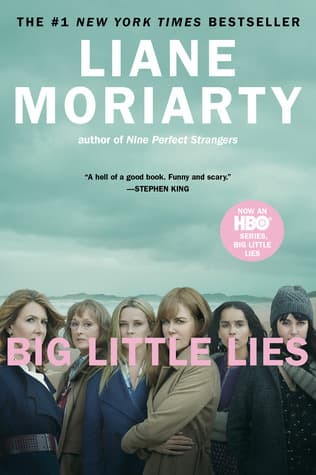
- Big Little Lies
Liane Moriarty
4.3 (748k) average on GoodreadsThrillerExplores similar themes of suburban life, dark secrets, and the complexities of female friendships leading to a dramatic event.
- The Woman in Cabin 10
Ruth Ware
3.7 (375k) average on GoodreadsThrillerA mystery where the protagonist witnesses a disturbing event, but the full truth is obscured and slowly revealed through their fragmented memories and perceptions.
- Gone Girl
Gillian Flynn
4.1 (2.3M) average on GoodreadsThrillerWhile both novels employ non-linear narratives and explore marital complexities, Moriarty's Truly Madly Guilty focuses more on collective trauma and individual guilt within an ensemble cast, whereas Flynn's Gone Girl delves deeper into psychological manipulation and a single protagonist's twisted motivations. Moriarty's tone is generally more empathetic towards her characters, even in their flaws, contrasting with Flynn's often darker, more cynical portrayal of human nature.
- The Girl on the Train
Paula Hawkins
3.9 (2.1M) average on GoodreadsThrillerBoth books are domestic thrillers, but Hawkins' The Girl on the Train prioritizes a high-stakes, amnesia-driven mystery with a shocking twist as its core. Truly Madly Guilty, conversely, focuses more on the emotional and relational fallout of a single event, with the 'mystery' being less about who committed a crime and more about the nuances of shared responsibility and personal guilt. Moriarty's pacing is more deliberate, building character depth, while Hawkins drives the plot forward with more immediate suspense and a less ambiguous resolution to the central mystery.
- Angels & Demons
Dan Brown
3.9 (2.7M) average on GoodreadsThrillerA Harvard symbologist races through Rome's ancient sites, deciphering cryptic clues to unmask the Illuminati and stop a vengeful plot to destroy the Vatican with a stolen antimatter weapon.
- The Da Vinci Code
Dan Brown
3.9 (1.9M) average on GoodreadsThrillerA symbologist and a cryptologist race through European landmarks, deciphering ancient codes and uncovering a conspiracy that could rewrite the foundations of Christianity.





Enjoyed the summary?
A summary gives you the shape of the book. The book itself has the detail, the examples and the voice.
Find Truly Madly Guilty on AmazonAs an Amazon Associate, BookBrief earns from qualifying purchases. How we're funded