

Estimated read time: 8 min read
One Sentence Summary
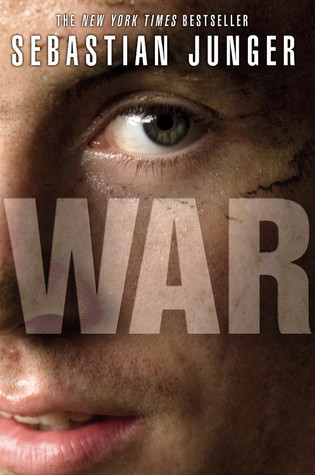
"War" by Sebastian Junger offers a raw and immersive account of the experiences of American soldiers deployed in Afghanistan, exploring the intense bonds, brutal realities, and psychological impacts of combat.
Table of Contents
Introduction
Sebastian Junger’s War offers a raw, unfiltered view into the realities of modern combat, chronicling the experiences of a platoon of American soldiers deployed in Afghanistan’s Korengal Valley. Far from the sanitized or glorified depictions often found in media, War immerses readers into the visceral daily existence of soldiers confronting danger, fear, and brotherhood. This book stands as a significant contribution to war literature, blending journalistic rigor with profound human insight. It challenges readers—students, lecturers, and general audiences alike—to reconsider preconceived notions about warfare, heroism, and the psychological cost of combat.
Historical Context
The Korengal Valley, nestled in the mountainous region of eastern Afghanistan, became infamous as one of the most perilous postings during the U.S. military’s Operation Enduring Freedom, starting in 2006. This period followed the initial 2001 invasion that sought to dismantle al-Qaeda and remove the Taliban regime. The valley was strategically crucial but notoriously hostile, with rugged terrain and persistent insurgent attacks.
Sebastian Junger, an esteemed journalist known for his frontline reporting, embedded with the 173rd Airborne Brigade’s Second Platoon to document their experience. This deployment occurred amid a broader context of escalating insurgency and increasing U.S. military casualties, highlighting the complex challenges of counterinsurgency warfare in Afghanistan.
Notable figures include the platoon leader, Staff Sergeant Sal Giunta, who earned the Medal of Honor for his actions during this deployment, symbolizing individual valor amid collective hardship. The narrative captures not just military operations but the sociopolitical undercurrents that shaped the conflict environment.
Brief Synopsis
Plot Overview
War follows the day-to-day lives and combat operations of a platoon stationed in the Korengal Valley, documenting their patrols, firefights, and interactions with local villagers. The narrative focuses on the soldiers’ camaraderie, fears, and resilience, offering an intimate portrayal of what it means to live under constant threat.
The book eschews a traditional plot structure, instead presenting a series of interconnected episodes that build a comprehensive picture of the psychological and physical demands of war. It explores the soldiers’ motivations, the impact of loss, and the paradoxical allure of combat.
Setting
The story unfolds in the Korengal Valley, a remote, mountainous area characterized by dense forests, steep cliffs, and winding rivers. The terrain’s harshness compounds the military challenges, as the environment itself becomes an adversary. The valley’s atmosphere is one of tension and unpredictability, where danger lurks around every corner, and the soldiers’ presence is both a tactical necessity and a source of local resentment.
The time frame covers several months during the mid-2000s, a period marked by intense insurgent activity and increasing American casualties. The setting is not just physical but emotional, capturing the claustrophobic and relentless nature of frontline combat.
Main Characters
| Name | Role | Key Traits | Importance to the Plot |
|---|---|---|---|
| Staff Sergeant Sal Giunta | Platoon Leader | Courageous, decisive, empathetic | Central figure; embodies leadership and valor |
| Sergeant Brendan O’Byrne | Squad Leader | Skilled, loyal, contemplative | Provides tactical insight and emotional depth |
| Private First Class J.T. | Rifleman | Young, eager, vulnerable | Represents the youthful perspective of combat |
| Specialist Mike Murphy | Combat Medic | Compassionate, resilient | Illustrates the critical support role and emotional strain |
| Sebastian Junger | Journalist/Narrator | Observant, reflective | Offers an external yet empathetic viewpoint |
These individuals are representative of the broader platoon, each bringing unique perspectives that enrich the narrative and deepen the reader’s understanding of military life.
Plot Summary
Life in the Korengal Valley
The narrative begins with the platoon’s arrival in the valley, setting the tone with vivid descriptions of the landscape and initial patrols. Junger captures the constant tension, from the threat of ambushes to the challenges of navigating unfamiliar terrain. Daily routines are punctuated by moments of humor, boredom, and fear, emphasizing the soldiers’ humanity amid adversity.
Combat and Consequences
As the platoon engages in numerous firefights, the book details the chaos and confusion inherent in battle. Junger refrains from sensationalism, instead presenting combat as a series of split-second decisions with life-or-death consequences. The loss of comrades deeply affects the unit, fostering a strong bond but also highlighting war’s brutal toll.
Brotherhood and Isolation
One of the book’s core themes emerges in the portrayal of camaraderie. Soldiers rely heavily on each other for survival, forming connections that transcend background and rank. Yet, this brotherhood coexists with profound isolation—from family, civilian life, and even from one’s sense of safety.
The Psychological Landscape
Junger delves into the psychological impact of combat, including the paradoxical attraction some soldiers feel toward the intensity of war. The narrative discusses PTSD, trauma, and the difficulty of reintegration into civilian life, providing a nuanced exploration of mental health often overlooked in war literature.
Themes and Motifs
Brotherhood and Loyalty
The theme of brotherhood permeates the book, illustrating how deep bonds among soldiers provide emotional sustenance and practical survival strategies. Loyalty, both to comrades and mission, creates a powerful dynamic that shapes behavior and decision-making.
The Nature of Courage
War challenges simplistic notions of courage, showing it as a complex interplay of fear, duty, and instinct. Acts of bravery are portrayed not as heroic myths but as human responses to extraordinary circumstances.
The Reality of Modern Warfare
The book confronts the ambiguities of counterinsurgency, where enemies are elusive, and victories are often tactical rather than strategic. It questions the efficacy and morality of prolonged military engagements in foreign lands.
The Psychological Cost of Combat
Junger emphasizes the mental and emotional toll of war, including trauma, survivor’s guilt, and the struggle to find meaning. This theme connects individual experiences to broader societal issues regarding veteran care and public understanding.
Motifs: Fire, Darkness, and Nature
The recurring imagery of fire symbolizes destruction but also warmth and survival. Darkness often represents both literal danger and psychological uncertainty. The natural environment is a constant presence, simultaneously beautiful and hostile.
Literary Techniques and Style
Sebastian Junger employs immersive narrative journalism, blending firsthand observation with reflective commentary. His prose is straightforward yet evocative, avoiding sensationalism while maintaining emotional intensity.
Narrative Structure
The book unfolds episodically, mirroring the fragmented experience of combat. This structure allows readers to grasp the unpredictability and rhythm of military life.
Symbolism
Elements such as the rugged terrain and the valley itself serve as metaphors for isolation, entrapment, and the harsh realities of war.
Realism and Authenticity
Junger’s commitment to accuracy and detail enhances credibility. His use of direct dialogue, vivid descriptions, and candid reflections provides an authentic voice that resonates with readers.
Emotional Resonance
Humor, fear, grief, and hope are interwoven, creating a multidimensional portrayal that engages readers intellectually and emotionally.
Author's Background
Sebastian Junger is an accomplished journalist and author with a focus on conflict zones and human resilience. His previous works, including The Perfect Storm, showcase his talent for storytelling grounded in thorough research.
Junger’s experience embedding with soldiers in Afghanistan for War reflects his dedication to immersive journalism. His background in anthropology and interest in human behavior informs his nuanced analysis of combat’s psychological impact.
He has received acclaim for his ability to humanize complex issues, bridging the gap between military experiences and civilian understanding. His work has influenced discussions on war, trauma, and the societal responsibilities toward veterans.
Key Takeaways
- War is a multifaceted experience combining fear, camaraderie, and moral complexity.
- The bonds between soldiers are vital for survival and emotional support.
- Modern warfare involves ambiguous enemies and challenging ethical dilemmas.
- The psychological effects of combat have long-lasting impacts beyond the battlefield.
- Immersive journalism can provide powerful insights into experiences often distant from civilian life.
Reader’s Takeaway
Readers gain a profound appreciation for the human dimension of war, beyond statistics and politics. The book invites empathy for soldiers’ sacrifices and challenges simplistic narratives about heroism and conflict. It also encourages reflection on the responsibilities of societies toward those who serve.
For college students and lecturers, War serves as a valuable case study in journalism, psychology, military ethics, and international relations. Its accessible yet rigorous approach makes it an excellent resource for discussions on contemporary warfare and its human costs.
Conclusion
Sebastian Junger’s War stands as a compelling testament to the realities of modern combat. Through unvarnished storytelling and deep empathy, it illuminates the courage, suffering, and resilience of soldiers in one of Afghanistan’s most dangerous outposts.
This book not only enriches our understanding of military life but also prompts critical reflection on broader social and ethical issues surrounding war. For readers eager to explore the complexities of conflict and human endurance, War is an essential and unforgettable journey.
War FAQ
What is the main focus of the book "War" by Sebastian Junger?
The book focuses on the experiences of soldiers in a remote platoon during the war in Afghanistan, providing a detailed and personal account of combat and military life.
Who is the author of "War" and what is his background?
Sebastian Junger is a journalist and author known for his work covering conflict zones. He embedded with soldiers in Afghanistan to write this book.
What makes "War" different from other war books?
"War" offers an immersive, firsthand perspective of soldiers in combat, emphasizing the psychological and emotional aspects of war rather than just strategic or political elements.
Does "War" cover the political aspects of the Afghanistan conflict?
While the book provides some context, its primary focus is on the soldiers' experiences rather than the broader political or strategic analysis.
Is "War" based on true events?
Yes, it is based on Sebastian Junger's real-life experiences embedded with a U.S. Army platoon in Afghanistan.
What themes are explored in "War"?
The book explores themes such as camaraderie, fear, survival, the nature of combat, and the psychological impact of war on soldiers.
Who would benefit most from reading "War"?
Readers interested in military history, personal accounts of combat, psychology of soldiers, and the Afghanistan war will find this book insightful.
Is "War" suitable for readers new to military literature?
Yes, its engaging narrative and focus on personal stories make it accessible to readers without prior knowledge of military history.
Has "War" received any notable awards or recognition?
"War" has been widely praised for its compelling storytelling and has contributed to discussions on modern warfare.
Are there any adaptations of "War"?
Sebastian Junger also co-directed the documentary film "Restrepo," which complements the book by visually portraying the platoon's deployment.


