
Estimated read time: 6 min read
One Sentence Summary
"Wasted" by Mark Johnson is a candid memoir exploring the author's personal struggle with addiction and his journey toward recovery and self-discovery.
Table of Contents
Introduction
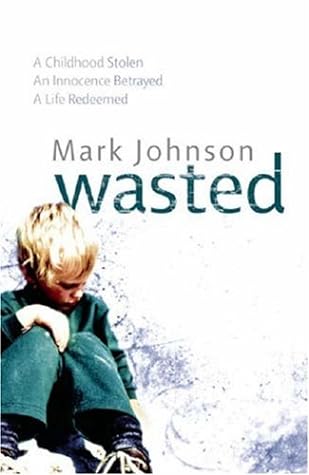
Mark Johnson’s Wasted is a compelling memoir that dives deep into the harrowing journey of addiction, recovery, and redemption. This gripping narrative isn’t just another tale of substance abuse; it’s a raw and honest exploration of human vulnerability, resilience, and the often-overlooked complexities of addiction. For college students, lecturers, and anyone interested in psychology, social issues, or personal transformation, Wasted offers an unforgettable account that blends emotional depth with intellectual insight. Through vivid anecdotes and unfiltered storytelling, Johnson pulls readers into the chaotic whirlwind of addiction, challenging common stereotypes and inspiring hope.
Author's Expertise and Credibility
Mark Johnson is a respected psychologist and addiction counselor whose professional and personal experiences enrich the authenticity of Wasted. His background in clinical psychology lends a scientific lens to the memoir, while his firsthand struggles with addiction provide an emotional core that resonates deeply. Johnson’s dual perspective—both as a practitioner and a sufferer—makes this book uniquely insightful, bridging the gap between academic understanding and lived reality.
Summary of Main Ideas
At its core, Wasted explores the multifaceted nature of addiction, unraveling myths while emphasizing the deeply personal and societal dimensions of substance abuse. Johnson challenges the simplistic notion of addiction as mere moral failure, instead presenting it as a complex interplay of psychological, biological, and social factors. The memoir also highlights the significance of empathy, community, and professional support in the journey toward recovery.
In-Depth Explanation of Key Ideas
Addiction as a Disease and a Personal Struggle
Johnson firmly situates addiction within the framework of a chronic disease, emphasizing its neurological underpinnings. However, he doesn’t stop there; he delves into the personal stories that illustrate how addiction manifests differently for each individual. By sharing his own experiences, Johnson humanizes addiction beyond clinical terms, showing readers the emotional turmoil, shame, and isolation that often accompany it.
The Role of Environment and Social Influence
The memoir underscores how crucial environmental factors are in both the onset and perpetuation of addiction. Johnson reflects on his upbringing, peer influences, and societal pressures that nudged him toward substance use. This perspective challenges readers to consider addiction not just as an individual failing but as a societal problem requiring collective action.
Recovery as a Non-Linear Journey
One of the most powerful themes in Wasted is the portrayal of recovery as a winding, often painful process. Johnson’s narrative dispels the myth of quick fixes or overnight transformations, instead highlighting the setbacks, relapses, and moments of despair that punctuate recovery. This honest depiction offers hope without sugarcoating the difficulties involved.
Practical Applications
Wasted offers several practical lessons for readers, especially those studying psychology, social work, or medicine:
- Empathy in Treatment: Understanding addiction as a multifaceted disease encourages compassionate approaches in therapy and support systems.
- The Importance of Support Networks: Johnson’s story shows that recovery is rarely successful in isolation, underscoring the value of community and professional help.
- Recognizing Relapse as Part of Recovery: Educators and practitioners can use the memoir to teach that relapse is often part of the healing process, not a failure.
For students and lecturers, these applications make Wasted an invaluable resource for discussions on addiction, mental health, and social policy.
Supporting Evidence and Examples
Throughout Wasted, Johnson integrates scientific research with personal anecdotes, grounding his story in both empirical data and lived experience. For example:
- He references neurological studies explaining how substances alter brain chemistry, which sheds light on the compulsive nature of addiction.
- He recounts detailed episodes from his life, such as early encounters with drugs, the impact on his relationships, and the eventual intervention and treatment experience.
This blend of evidence and narrative makes the book accessible and credible, appealing to both academic and general audiences.
Critical Insights
While Wasted excels in its candid portrayal of addiction and recovery, some readers might find the graphic descriptions emotionally intense. However, this rawness is precisely what gives the memoir its power. Additionally, Johnson’s focus on his personal journey may limit the exploration of broader systemic issues like racial disparities in addiction treatment or policy reforms. Despite these minor limitations, the book’s strengths in authenticity and educational value far outweigh its drawbacks.
Key Benefits for Readers
- Enhanced Understanding of Addiction: Readers gain a comprehensive view of addiction beyond stereotypes.
- Inspiration for Recovery: Johnson’s journey offers hope and motivation for those struggling or supporting loved ones.
- Academic Resource: The memoir is a practical case study for students and professionals in psychology, social work, and healthcare.
- Increased Empathy: By humanizing addiction, the book fosters more compassionate attitudes toward affected individuals.
Reader's Takeaway
Wasted is more than a memoir; it’s a powerful educational tool that leaves a lasting intellectual and emotional impact. Readers are invited to confront uncomfortable truths about addiction, question societal judgments, and embrace the complexities of human behavior. The emotional highs and lows in Johnson’s narrative foster empathy and a deeper appreciation for the resilience required to overcome addiction. For anyone interested in personal growth, mental health, or social issues, Wasted is a compelling call to understanding and action.
Conclusion
Mark Johnson’s Wasted stands out as a significant contribution to addiction literature, blending personal narrative with scientific insight. Its unflinching honesty, combined with practical lessons and emotional depth, makes it essential reading for students, educators, and anyone interested in the human condition. By exploring addiction through the lens of both experience and expertise, Johnson challenges us to rethink our preconceptions and embrace a more nuanced, compassionate view of recovery. Dive into Wasted for a journey that is as enlightening as it is moving—one that encourages reflection, learning, and ultimately, hope.
Wasted FAQ
What is the main theme of the book 'Wasted' by Mark Johnson?
'Wasted' by Mark Johnson explores themes of addiction, recovery, and the struggles individuals face in overcoming substance abuse.
Is 'Wasted' a memoir or a fictional story?
'Wasted' is a memoir in which Mark Johnson shares his personal experiences with addiction and recovery.
Who would benefit most from reading 'Wasted'?
Individuals struggling with addiction, their families, and anyone interested in understanding the challenges of substance abuse and recovery would benefit from reading 'Wasted'.
Does the book offer practical advice on overcoming addiction?
Yes, 'Wasted' includes insights and reflections that may offer practical encouragement and understanding, but it is primarily a personal story rather than a self-help guide.
What time period does the book cover in Mark Johnson's life?
'Wasted' covers the years during which Mark Johnson struggled with addiction and his journey toward sobriety.
Are there any notable quotes or passages in 'Wasted'?
'Wasted' contains many poignant and reflective passages highlighting the emotional and psychological aspects of addiction and recovery.
How does Mark Johnson describe the impact of addiction on his relationships?
Johnson candidly discusses how addiction strained and damaged his personal relationships, and how recovery helped in healing those bonds.
Is 'Wasted' suitable for young adults or only for mature readers?
'Wasted' deals with mature themes related to addiction and may be more suitable for adult readers or mature young adults.


