

Synopsis
Covers the whole plot, including the ending.
- Difficulty
- Medium
- Pacing
- Fast
- Mood
- Suspenseful, Tense, Treacherous, Isolating
- Read it if
- You enjoy intricate thrillers with multiple layers of deception, high stakes, and a race against time in an isolated setting.
- Skip it if
- You prefer character-driven dramas over plot-heavy suspense or dislike stories with frequent betrayals and shifting loyalties.
Whiteout Plot Summary
Covers the whole plot, including the ending.
The Heist and the Blizzard's Approach
On Christmas Eve, a lab technician named Stanley Patterson at Oxenford Medical in Scotland is found dead, bleeding from the eyes, after injecting himself with a deadly virus. Twelve samples of the contagious 'Madox' virus, developed to combat a new strain of influenza, are missing from the high-security facility. Toni Gallo, the head of security, immediately suspects an inside job and calls the police. At the same time, a severe blizzard begins to engulf the region, making travel difficult. Meanwhile, Kit Oxenford, the son of the company's founder, is on his way to his family's isolated estate, The Grange, for Christmas, unaware of the crisis. He is carrying a package, seemingly innocent, which is part of the heist.
Convergence at The Grange
As the blizzard intensifies, several individuals arrive at The Grange. Kit Oxenford arrives with his package, soon followed by his father, Professor Stanley Oxenford, the company's founder. Daisy, Kit's ex-girlfriend and a journalist, also arrives, hoping to get a story on the new virus. Later, Toni Gallo, having alerted the police, drives through the worsening storm, determined to recover the stolen virus samples, which she suspects are hidden at The Grange. She is joined by Major Mike Kelly, a former military contact of Toni's, who is also investigating the theft. The house becomes a place of suspicion and hidden agendas as the storm cuts them off from the outside world.
The First Revelation and Growing Suspicions
Toni Gallo, using her security expertise, begins a search of The Grange. Her suspicions first fall on Kit Oxenford because of his rebellious nature and past issues with the law. During her search, she finds one of the stolen virus samples hidden in Kit's room. This discovery confirms her belief that Kit is involved in the theft, though she struggles to understand why. The blizzard rages outside, cutting off power and communication, increasing the isolation and fear among the inhabitants. The stakes rise as the group realizes the potential for a global pandemic if the virus samples are released or sold.
Unmasking a Double Agent
As Toni continues her investigation, she becomes suspicious of Major Mike Kelly. Despite his initial helpful appearance, his actions and questions seem too specific. She eventually discovers that Kelly is not there to help recover the virus but is working for a rival pharmaceutical company or a terrorist group, planning to acquire the virus for his own purposes. He is a ruthless operative, willing to eliminate anyone who stands in his way. This revelation shatters Toni's trust and puts her in direct conflict with a dangerous, trained killer, forcing her to rely on her wits and survival skills in the isolated mansion.
The Hunt for the Samples
With Kelly's true allegiance revealed, a desperate hunt for the remaining virus samples begins. Kelly, now openly hostile, tries to seize control and locate the samples himself. Kit and Daisy, despite their past differences, ally with Toni, realizing the danger they are all in. The house becomes a battlefield, with power outages and the raging blizzard adding to the chaos. Each character has their own reasons for wanting the virus — some to destroy it, others to exploit it. The group must outsmart Kelly and prevent him from escaping with the deadly pathogen, all while navigating the treacherous, snow-bound estate.
Betrayal and Shifting Alliances
Just as Toni believes she is close to understanding the full scope of the conspiracy, another betrayal is uncovered. It is revealed that Daisy, the journalist, is not merely seeking a story but is involved in the plot to steal and sell the virus. Her journalistic appearance was a cover for her true intentions. This discovery further complicates the already volatile situation, as trust is completely shattered within the group. Daisy's involvement adds a new dimension to the threat, as she has information and access that could aid Kelly or her own employers in distributing the virus.
The Truth About Kit's Involvement
Through confrontations and explanations, Kit Oxenford's true role in the virus theft is finally clear. It is revealed that he was not trying to sell the virus for profit but was instead trying to expose a dangerous flaw in the Madox drug — a flaw that Professor Oxenford was potentially covering up. Kit had collaborated with Stanley Patterson, the deceased lab technician, to steal the samples, intending to use them to force his father to reveal the truth about the drug's side effects or dangers. His actions, while appearing criminal, were driven by a desire to protect the public, not to harm it.
The Climactic Confrontation
The tension ends in a violent confrontation between Toni, Kit, and Professor Oxenford against Major Kelly and Daisy. The battle takes place amidst the blizzard-stricken house, with various weapons and improvised defenses being used. Kelly is a formidable opponent, relentless in his pursuit of the virus. Daisy, too, shows her ruthless side, willing to betray anyone to achieve her goals. Toni, using her security training and resilience, leads the charge, while Kit and his father fight for their lives and to prevent the virus from falling into the wrong hands. The stakes are global, and failure is not an option.
Resolution and Aftermath
In a final, desperate struggle, Toni manages to subdue Major Kelly, often with the unexpected help of Kit and even Professor Oxenford. Daisy's treachery is exposed to the authorities (once communication is restored), and she is apprehended. The remaining virus samples are secured, preventing a global catastrophe. The blizzard eventually breaks, and emergency services reach The Grange. The immediate threat is neutralized, but the experience leaves a lasting impact on all involved. The truth about the Madox virus's potential flaws comes to light, forcing Professor Oxenford to confront his ethical responsibilities. Toni, having proven her courage and capabilities, is seen as a hero.
Principal Figures
Toni Gallo
Protagonist
Head of security at Oxenford Medical, determined to recover the stolen virus.
Toni Gallo is the sharp, resilient head of security at Oxenford Medical. A former military police officer, she is highly competent, analytical, and possesses a strong moral compass. She is fiercely dedicated to her job and to preventing the deadly Madox virus from falling into the wrong hands. Despite facing overwhelming odds and betrayal, she maintains her composure and resourcefulness, using her training to navigate the dangerous situation at The Grange. Her personal life is complicated by a past relationship with Major Mike Kelly, which adds a layer of emotional conflict to their professional antagonism.
Relationships: Kit Oxenford (initial suspect, later ally); Major Mike Kelly (former lover, now antagonist); Professor Stanley Oxenford (employer, initially distrustful, later ally)
Kit Oxenford
Supporting
Rebellious son of Professor Oxenford, initially a prime suspect in the theft.
Kit Oxenford is the rebellious, artistic son of Professor Stanley Oxenford. He has a strained relationship with his father, often feeling overshadowed and misunderstood. Initially appearing as a prime suspect due to his past troubles and his possession of a virus sample, Kit is later revealed to have a complex, altruistic motive for his involvement in the theft. He is driven by a desire to expose potential dangers of the Madox drug, believing his father is ignoring critical ethical concerns. Despite his initial impulsiveness, he proves to be courageous and resourceful when faced with genuine danger.
Relationships: Toni Gallo (initially antagonistic, later ally and romantic interest); Professor Stanley Oxenford (strained father-son relationship); Daisy (ex-girlfriend, later antagonist)
Major Mike Kelly
Antagonist
Former military contact of Toni's, secretly a ruthless operative seeking the virus.
Major Mike Kelly is a former military colleague and lover of Toni Gallo. He initially appears as a helpful ally, offering his expertise in the search for the stolen virus. However, he is soon revealed to be a ruthless, cunning operative working for a shadowy organization or rival company, intent on acquiring the Madox virus for profit or power. Kelly is highly intelligent, manipulative, and dangerous, willing to betray anyone, including Toni, to achieve his objectives. His past relationship with Toni adds a personal, emotional layer to their deadly cat-and-mouse game at The Grange.
Relationships: Toni Gallo (former lover, now primary adversary); Daisy (accomplice)
Professor Stanley Oxenford
Supporting
Founder of Oxenford Medical and creator of the Madox virus.
Professor Stanley Oxenford is the brilliant but somewhat ethically compromised founder of Oxenford Medical and the creator of the Madox virus. He is a driven scientist, deeply invested in his work and the success of his company. His relationship with his son, Kit, is strained, as he struggles to understand Kit's rebellious nature and often dismisses his concerns. Professor Oxenford is initially defensive about his research, potentially covering up flaws in the Madox drug. He is forced to confront the ethical implications of his work and his corporate ambitions when the virus is stolen and its dangers become terrifyingly real.
Relationships: Kit Oxenford (strained father-son relationship); Toni Gallo (employer-employee, later ally)
Daisy
Antagonist
Kit's ex-girlfriend and a journalist, secretly involved in the virus theft.
Daisy is Kit Oxenford's ex-girlfriend and a journalist who arrives at The Grange under the pretense of seeking a story about the new virus. She is initially portrayed as an ambitious reporter, but her true motives are far more sinister. Daisy is revealed to be an accomplice in the virus theft, working with Major Kelly and potentially other parties to profit from the deadly pathogen. She is cunning, manipulative, and ruthless, using her charm and journalistic access as a cover for her criminal activities. Her betrayal adds another layer of complexity and danger to the already volatile situation.
Relationships: Kit Oxenford (ex-girlfriend, later adversary); Major Mike Kelly (accomplice)
Stanley Patterson
Mentioned
Lab technician who died from the Madox virus, key to the initial theft.
Stanley Patterson is a lab technician at Oxenford Medical who is found dead at the beginning of the novel, having injected himself with the Madox virus. His death triggers the discovery of the missing virus samples and the subsequent investigation. It is later revealed that Patterson was collaborating with Kit Oxenford to expose the potential flaws of the Madox drug, acting as an insider to facilitate the theft of the samples. His death highlights the extreme danger of the virus and underscores the ethical dilemma at the heart of Professor Oxenford's research.
Relationships: Kit Oxenford (collaborator in the virus theft); Professor Stanley Oxenford (employee)
Themes & Insights
Corporate Ethics vs. Scientific Ambition
The novel explores the conflict between scientific advancement and the ethical responsibilities of corporations. Professor Oxenford's desire for his company's success and his initial reluctance to acknowledge potential flaws in the Madox drug highlight this tension. Kit's actions, though drastic, stem from a belief that his father is prioritizing profit over public safety. The theft of the virus forces a public reckoning with the potential dangers of corporate secrecy and the moral obligations of scientific research.
“The problem with science, Kit, is that it can create monsters if you don’t have the courage to look at what you’re doing.”
Betrayal and Trust
Betrayal is a theme throughout 'Whiteout'. Toni is betrayed by her former lover, Mike Kelly, who turns out to be an antagonist. Kit is betrayed by his ex-girlfriend, Daisy, who is an accomplice in the virus theft. Professor Oxenford feels betrayed by his son's actions. The isolation of The Grange, coupled with the high stakes, increases the paranoia and makes it difficult for characters to know who to trust. The story constantly challenges the characters' ability to trust, forcing them to make difficult choices about who to rely on in a life-or-death situation.
“Trust was a luxury they couldn't afford in this house, not with a killer and a deadly virus on the loose.”
Family Dynamics and Reconciliation
The strained relationship between Professor Stanley Oxenford and his son, Kit, forms an emotional core of the novel. Their differing values — the father's corporate ambition versus the son's ethical idealism — drive much of the initial conflict. The crisis at The Grange forces them to confront their past grievances and ultimately work together for survival. The intense pressure of the situation allows for a potential reconciliation, as they both realize the importance of family and shared purpose over their personal disagreements, leading to a deeper understanding and respect.
“He realized, with a jolt, that he hadn't truly seen his son in years, only the rebellious facade.”
Survival and Resilience
'Whiteout' is a story of survival against overwhelming odds. The characters are trapped in an isolated mansion during a severe blizzard, cut off from outside help, and hunted by dangerous individuals seeking a deadly virus. Toni Gallo, in particular, shows resilience, using her training and quick thinking to navigate the treacherous situation. The harsh environment and the constant threat force all characters to tap into their instincts for survival, showing their courage, adaptability, and capacity for both heroism and desperation.
“The storm outside mirrored the chaos within, and they were all just trying to stay alive.”
Plot Devices & Literary Techniques
The MacGuffin (Madox Virus)
The central object of desire and conflict, driving the plot.
The Madox virus serves as the primary MacGuffin in 'Whiteout'. Its theft and the race to either secure or exploit it drive the entire plot. While its specific properties are crucial to the stakes of the story (a deadly, contagious pathogen), its role as a plot device is to motivate the characters' actions, create conflict, and raise the stakes to a global level. The virus itself is less important than what characters are willing to do to obtain or destroy it, highlighting their motivations and moral compasses.
The Isolated Setting (The Grange)
A remote mansion cut off by a blizzard, intensifying tension and conflict.
The Grange, an isolated family estate, acts as a critical plot device. Trapped within its walls by a severe blizzard, the characters are cut off from outside help and communication. This isolation creates a pressure-cooker environment, heightening the tension, paranoia, and claustrophobia. It forces the characters to confront each other directly, with no escape, accelerating the revelations of betrayal and forcing alliances. The blizzard itself becomes a character, an external force that both hinders and intensifies the internal drama, making escape impossible and every decision critical.
Red Herring
Misleading clues or characters designed to divert suspicion.
The novel effectively uses red herrings to mislead the reader and Toni Gallo. Kit Oxenford is initially presented as the prime suspect, with a virus sample found in his room and a history of rebellion. This diverts suspicion from the true conspirators, Major Mike Kelly and Daisy. The initial focus on Kit's apparent guilt allows the real antagonists to operate more freely for a time, increasing the surprise and impact when their true roles are revealed. This device keeps the reader guessing and adds layers of complexity to the mystery.
Ticking Clock
The increasing danger of the virus and the approaching deadline for its release.
The ticking clock device is employed through two main elements: the increasing danger of the Madox virus itself and the implicit deadline for its potential release or sale. As the characters struggle to recover the samples, the threat of a global pandemic looms larger with every passing hour. The blizzard, while isolating, also acts as a temporary containment, but the fear that the virus could be taken once the storm breaks creates an urgent deadline. This constant pressure elevates the stakes and drives the characters to act decisively.
Whiteout Quotes
“The snow fell in thick, silent flakes, each one a tiny, perfect star, covering the world in a blanket of white that seemed to absorb all sound.”
“In a place like this, secrets were as dangerous as avalanches.”
“He knew that fear was a tool, and like any tool, it could be used for good or ill.”
“The truth was a slippery thing, especially when everyone had their own version of it.”
“Survival wasn't about being the strongest, but about being the most adaptable.”
“Every lie woven into the fabric of their lives made the eventual unraveling more painful.”
“The cold didn't just bite; it gnawed, a constant, insidious presence.”
“Trust was a luxury they couldn't afford, yet a necessity they couldn't do without.”
“He learned that sometimes, the most dangerous enemy was the one you never saw coming.”
“The silence of the snow-covered mountains was deceptive; beneath it, a storm of human emotions raged.”
“History wasn't just dates and names; it was the echo of human choices, good and bad.”
“Even in the darkest whiteout, there was always a faint glimmer of hope, if you knew where to look.”
“The most effective way to hide something was often in plain sight.”
Quiz
10 questions on the plot and the characters. Each answer comes with a short explanation.
Question 1
Who is Toni Gallo's primary role at the Scottish medical research firm?
- Lead Virologist
- Security Director
- Head of Research and Development
- Chief Financial Officer
Show answer
B. Security Director Toni Gallo is explicitly stated as the security director of the Scottish medical research firm, making her responsible for the safety of the facility and its contents.
Question 2
What critical item goes missing from the research firm, triggering the main plot?
- The formula for a new vaccine
- Twelve samples of a deadly virus
- Confidential patient records
- The entire database of research data
Show answer
B. Twelve samples of a deadly virus The synopsis clearly states that 'Twelve missing samples of a deadly virus' are the catalyst for the unfolding nightmare, directly impacting Toni Gallo's responsibilities.
Question 3
What natural event isolates the characters at a remote family house on Christmas Eve?
- A severe earthquake
- A widespread power grid failure
- A Christmas Eve blizzard
- A sudden river flood
Show answer
C. A Christmas Eve blizzard The synopsis mentions, 'As a Christmas Eve blizzard whips out of the north, several people, Toni among them, converge on a remote family house,' indicating the storm's role in isolating them.
Question 4
What is the primary motivation for the characters gathering at the remote house, related to the virus?
- To celebrate Christmas together as a family
- All have something to gain or lose from the drug developed to fight the virus
- To conduct an emergency meeting about the lab technician's illness
- To hide from authorities investigating the missing virus samples
Show answer
B. All have something to gain or lose from the drug developed to fight the virus The text states, 'All have something to gain or lose from the drug developed to fight the virus,' highlighting the financial and personal stakes involved for those gathered at the house.
Question 5
What type of personal conflicts are described as 'crackle' among the characters during the storm?
- Professional disagreements over research ethics
- Jealousies, distrust, sexual attraction, rivalries
- Arguments about the best way to survive the blizzard
- Debates over the history of the remote family house
Show answer
B. Jealousies, distrust, sexual attraction, rivalries The synopsis explicitly lists 'jealousies, distrust, sexual attraction, rivalries' as the 'emotional sparks' that 'crackle' as the storm worsens, indicating complex interpersonal dynamics.
Question 6
What is the initial symptom displayed by the lab technician that signals a problem?
- Severe fever and chills
- A sudden, unexplained rash
- Bleeding from the eyes
- Extreme disorientation and memory loss
Show answer
C. Bleeding from the eyes The very first line of the synopsis mentions 'A lab technician bleeding from the eyes,' which is the alarming initial sign of the crisis.
Question 7
How does the book's title, 'Whiteout,' primarily relate to the narrative?
- It refers to the color of the lab coats worn by the scientists.
- It symbolizes the mental blankness experienced by characters under stress.
- It describes the Christmas Eve blizzard that isolates the characters and obscures the truth.
- It is a coded term for the deadly virus itself.
Show answer
C. It describes the Christmas Eve blizzard that isolates the characters and obscures the truth. A 'whiteout' is a meteorological phenomenon where visibility is severely reduced by snow, directly correlating to the 'Christmas Eve blizzard' that 'whips out of the north' and isolates the characters, creating an environment where secrets are hidden.
Question 8
What is a key thematic element that emerges among the characters as the storm worsens?
- The power of community and cooperation
- The uncovering of desperate secrets and the emergence of hidden traitors
- The futility of human endeavor against natural forces
- The importance of scientific integrity above all else
Show answer
B. The uncovering of desperate secrets and the emergence of hidden traitors The synopsis explicitly states, 'desperate secrets are revealed; hidden traitors and unexpected heroes emerge,' indicating that the storm's intensity brings out hidden aspects of the characters.
Question 9
The description suggests that Ken Follett 'reinvent[s] the thriller with each new novel.' How does 'Whiteout' achieve this, according to the provided text?
- By focusing solely on psychological suspense without any action.
- By combining a deadly virus threat with a confined, high-tension setting and intricate character dynamics.
- By completely avoiding typical thriller tropes and focusing on a domestic drama.
- By introducing supernatural elements into a scientific mystery.
Show answer
B. By combining a deadly virus threat with a confined, high-tension setting and intricate character dynamics. The text highlights 'the intricate, knife-edge drama' involving a 'deadly virus,' 'twelve missing samples,' and characters converging on a 'remote family house' amidst a 'Christmas Eve blizzard,' leading to 'startling twists.' This combination of elements within a confined, high-stakes scenario is how it reinvents the thriller.
Question 10
What specific characteristic is attributed to the drug developed to fight the virus, making it a central point of contention?
- Its extreme rarity, making it almost impossible to produce.
- Its controversial ethical implications regarding human testing.
- The high stakes (gain or loss) associated with its development and potential distribution.
- Its unexpected side effects that could be worse than the virus itself.
Show answer
C. The high stakes (gain or loss) associated with its development and potential distribution. The synopsis states, 'All have something to gain or lose from the drug developed to fight the virus,' directly indicating that its value and potential impact are what make it a focal point of the characters' motivations and conflicts.
Whiteout FAQ
What is 'Whiteout' about?
'Whiteout' by Ken Follett is a high-stakes thriller set during a Christmas Eve blizzard in rural Scotland. It centers around Toni Gallo, the security director of a medical research firm, who must recover twelve missing samples of a deadly virus that have been stolen from her facility. The chase leads her to a remote family estate where a diverse group of individuals, all with their own agendas related to the virus or its antidote, are trapped by the intensifying storm.
Why should I read 'Whiteout'?
You should read 'Whiteout' for its intricate plot, constant suspense, and masterful blend of historical fiction with a modern thriller. Follett excels at creating a claustrophobic atmosphere with the blizzard trapping diverse characters, each hiding secrets and motivations, making for a compelling whodunit and a race against time to prevent a global pandemic.
What is the background/setting of 'Whiteout'?
The story is primarily set in a remote, snowbound family house in the Scottish Highlands during a Christmas Eve blizzard. This isolated location becomes a pressure cooker for the characters, who are either trying to steal, recover, or profit from the deadly virus samples. The initial theft occurs at a high-security medical research firm, setting the stage for the intense pursuit.
What are the most memorable quotes?
While specific quotes aren't provided in the summary, Follett's thrillers are known for sharp, concise dialogue that drives the plot and reveals character under pressure. Memorable moments often involve characters making impossible choices or revealing crucial information under duress, reflecting the high stakes and moral dilemmas throughout the book.
What writing style does the author use?
Ken Follett employs a fast-paced, direct, and suspenseful writing style. He uses multiple perspectives to build tension and reveal plot points incrementally, keeping readers guessing about characters' true intentions. His prose is efficient, focusing on driving the narrative forward with frequent twists and turns, characteristic of a master thriller writer.
What minor details add significant meaning?
The detail of the lab technician bleeding from the eyes immediately establishes the deadly nature of the virus, making the stakes incredibly clear from the outset. The specific timing of Christmas Eve and the blizzard are also crucial, as they isolate the characters and amplify the emotional tension, preventing outside interference and forcing confrontations.
What are some subtle foreshadowing moments?
Subtle foreshadowing often comes through the initial interactions and suspicious behaviors of the characters gathered at the house. A seemingly innocuous comment about a character's financial struggles or an overly keen interest in the virus's development can hint at their later involvement in the theft or their true allegiance, making readers question everyone.
What unexpected character connections exist?
The unexpected connections emerge as the blizzard traps the group, revealing past relationships, rivalries, and hidden alliances that complicate Toni Gallo's investigation. For instance, seemingly unrelated guests might have a shared history with the medical firm, a personal vendetta against a researcher, or an unknown family tie to the stolen virus samples, creating layers of deceit.
What are unspoken character motivations?
Beyond the obvious goal of recovering the virus, unspoken motivations include deep-seated jealousies over scientific breakthroughs, desires for financial gain from the antidote, or even personal revenge against a colleague or rival. These hidden agendas fuel the betrayals and alliances that unfold, often driven by a character's past experiences or perceived injustices.
What psychological complexities do characters exhibit?
Characters exhibit complexities such as moral ambiguity, where their actions, though seemingly villainous, might stem from desperate circumstances or a misguided sense of justice. Toni Gallo herself likely grapples with the immense pressure and the ethical dilemmas of protecting a deadly pathogen, while others may show surprising courage or cowardice under extreme stress.
What are the major emotional turning points?
Major emotional turning points include the moment Toni Gallo realizes there's an insider involved in the theft, shattering her trust. Another is when a character's true allegiance is revealed, leading to a profound sense of betrayal or relief. The climax, where the virus samples are finally confronted, represents a peak of fear and desperation for all involved.
How do relationship dynamics evolve?
Relationship dynamics evolve dramatically under pressure, shifting from initial distrust and suspicion to unexpected alliances, intense romantic attractions, and bitter betrayals. Characters who initially seem harmless might reveal themselves as master manipulators, while others considered enemies might become crucial allies in Toni's quest to secure the virus.
Which parts remain ambiguous or open-ended?
While the immediate threat of the virus is likely resolved, some ambiguities might remain regarding the long-term consequences of the theft or the fate of minor characters. The psychological scars left on Toni Gallo and the other survivors, and how they move forward after such a traumatic event, could also be left to the reader's interpretation.
What are controversial scenes or decisions?
Controversial scenes likely involve characters making morally grey decisions under pressure, such as sacrificing one person for the greater good, or a character choosing to protect their own interests over the safety of others. The actions taken to prevent the virus's spread, which might involve extreme measures, could also spark debate among readers.
'Whiteout' ending explained: how it ends & what it means
The ending of 'Whiteout' typically sees Toni Gallo successfully recovering the stolen virus samples and neutralizing the threat, often through a climactic confrontation with the mastermind behind the theft. It means that despite overwhelming odds and betrayals, quick thinking and moral fortitude can avert catastrophe, though not without significant personal cost and a deeper understanding of human nature's darker side.
About the author

Kenneth Martin Follett, is a British author of thrillers and historical novels who has sold more than 160 million copies of his works.
Similar books
- The Andromeda Strain
Michael Crichton
3.9 (223k) average on GoodreadsThrillerFeatures a deadly virus outbreak and a race against time in a contained environment.
- Ice Station
Matthew Reilly
4.1 (30k) average on GoodreadsThrillerInvolves a team in an isolated, dangerous location dealing with a high-stakes threat and betrayals.
- The Da Vinci Code
Dan Brown
3.9 (1.9M) average on GoodreadsThrillerA fast-paced thriller with a complex conspiracy, hidden agendas, and a sense of urgency.
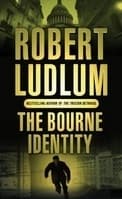
- The Bourne Identity
Robert Ludlum
4.0 (397k) average on GoodreadsThrillerWhile both are thrillers, Whiteout employs a more ensemble cast and multi-perspective approach, whereas Ludlum's work often focuses on a singular protagonist's journey and amnesia-driven mystery. Follett's plot is more globally threatening, while Ludlum's is more personal and identity-focused.
- Angels & Demons
Dan Brown
3.9 (2.7M) average on GoodreadsThrillerA Harvard symbologist races through Rome's ancient sites, deciphering cryptic clues to unmask the Illuminati and stop a vengeful plot to destroy the Vatican with a stolen antimatter weapon.
- Gone Girl
Gillian Flynn
4.1 (2.3M) average on GoodreadsThrillerA wife's sudden disappearance on her fifth anniversary reveals a web of lies and psychological warfare, exposing the secrets within a seemingly perfect marriage.





Enjoyed the summary?
A summary gives you the shape of the book. The book itself has the detail, the examples and the voice.
Find Whiteout on AmazonAs an Amazon Associate, BookBrief earns from qualifying purchases. How we're funded