
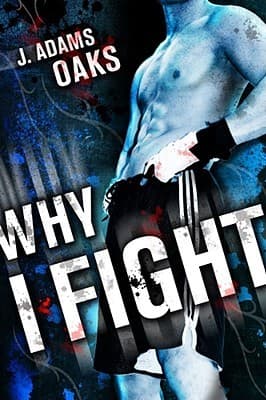
Synopsis
Covers the whole plot, including the ending.
- Difficulty
- Medium
- Pacing
- Moderate
- Mood
- Gritty, Reflective, Intense, Hopeful
- Read it if
- You're looking for a raw, unflinching, and ultimately hopeful story about overcoming a traumatic past, with a focus on internal struggle and resilience.
- Skip it if
- You prefer lighthearted stories or are sensitive to detailed descriptions of violence, addiction, and child exploitation.
Why I Fight Plot Summary
Covers the whole plot, including the ending.
A Bloody Introduction
The story begins with Wyatt Reaves, bloody and wet, sitting next to an unknown listener. He immediately shows his rough exterior and past, hinting at a life full of violence and hardship. He explains that he has been 'taking it lying down' for too long and is now ready to fight back. He starts telling his life story from when he was twelve and a half, the age his life drastically changed after moving in with his Uncle Spade. This first meeting sets a raw, confessional tone for the entire story, immediately drawing the listener, and thus the reader, into Wyatt's troubled world.
Life with Uncle Spade
After his mother's death and father's abandonment, twelve-and-a-half-year-old Wyatt is taken in by his Uncle Spade, a traveling salesman with a mysterious and often illegal 'agenda.' Their life is nomadic, spent living out of a worn-out car, moving from town to town. Uncle Spade quickly sees Wyatt's physical strength and begins to use it, preparing him for bare-fisted fighting. This period marks the start of Wyatt's entry into a world of violence, instability, and unclear morals, as Uncle Spade becomes his only, though questionable, guardian and role model, teaching him to survive through aggression.
The First Fight
Uncle Spade arranges Wyatt's first bare-fisted fight in a back alley, betting on his 'kiddo.' Despite his initial hesitation and fear, Wyatt's natural strength and need to please his uncle lead him to victory. This brutal start is a turning point, as it not only earns Spade money but also begins to shape Wyatt's view of himself as a fighter. The experience is both terrifying and exciting, solidifying his role as a source of income for his uncle and pulling him deeper into the illegal fighting world that will define much of his youth. He starts to understand the power within him, even if used for dark reasons.
A Glimmer of Connection
During one of their stays in a small town, Wyatt briefly connects with a girl named Sarah, who works at a local diner. She sees past his rough exterior and offers him a moment of real human connection, a sharp contrast to his transactional relationship with Spade. They talk, and Sarah's kindness shows Wyatt a glimpse of a different, more stable life. However, their new friendship ends abruptly when Uncle Spade, sensing Wyatt's growing attachment and possible distraction, forces them to leave town quickly, reinforcing Wyatt's isolation and the temporary nature of his life.
Escalating Violence and Addiction
As Wyatt gets older, the fights become more frequent and more brutal. Uncle Spade introduces him to alcohol and drugs, claiming they dull the pain and improve his fighting ability. Wyatt, without any other ways to cope or guidance, falls into substance abuse. The lines between self-preservation and self-destruction blur as he relies more and more on these substances to endure his harsh reality. His body becomes covered in tattoos, each marking a victory or a scar, symbols of his identity formed in violence and neglect. This period shows Wyatt's deep vulnerability and his desperate search for an escape.
The Betrayal
Wyatt learns the full extent of Uncle Spade's manipulation and selfishness. He overhears Spade discussing a 'big score' where he plans to abandon Wyatt after a particularly high-stakes fight, taking all the winnings for himself. This betrayal destroys the last bits of Wyatt's loyalty and hope in his uncle. The realization that he is merely a tool, not family, sparks a burning rage within him. This moment is a major turning point, as Wyatt finally sees Spade for what he truly is, forcing him to face the grim reality of his situation and the need to break free.
The Final Fight and Escape
Knowing Spade's betrayal, Wyatt enters what he knows will be his last fight under his uncle's command. This time, his motivation is not just survival, but a desperate desire for freedom. After the fight, instead of waiting for Spade, Wyatt takes some of the winnings, confronts his uncle in a heated, emotional exchange, and finally leaves him behind. This act of defiance is terrifying but necessary, marking his declaration of independence. He leaves the life of violence and exploitation, though with significant emotional and physical scars.
Wandering and Reflection
Now truly alone, Wyatt wanders, trying to understand his life without Spade's influence. He struggles with the ingrained habits of his past—the urge to fight, the temptation of substances, and the deep mistrust of others. He thinks about the choices he has made and the life he was forced into, realizing how much damage was done. This period is one of deep inner struggle, as he tries to shed the identity of 'Spade's kiddo' and discover who Wyatt Reaves truly is, separate from the violence and exploitation that defined his youth. He starts to understand the true cost of his freedom.
Seeking Help and Healing
Driven by a strong desire for a different life, Wyatt eventually seeks help, though the specifics are left somewhat unclear. He attends support groups, tries to stay sober, and slowly begins to process the trauma he has endured. This phase is not easy, filled with relapses and setbacks, but it shows his commitment to breaking the cycle of violence and addiction. He grapples with his anger and pain, learning to use his fighting spirit for constructive self-improvement rather than destructive brawls. He understands that true strength comes from overcoming his past, not repeating it.
The Confession and the Future
Wyatt finishes his raw and honest confession to the listener. He does not offer a clean, happy ending, but instead a realistic picture of a young man still fighting his demons, still scarred but determined. He acknowledges the 'not pretty road' he has traveled and the ongoing struggle for sobriety and peace. His final words convey a sense of hard-won self-awareness and a fragile hope for a better future, one where he defines his own worth and purpose. He is no longer 'taking it lying down' but is actively, though imperfectly, fighting for the life he deserves, one day at a time.
Why I Fight Characters
Wyatt Reaves
Protagonist
A young man forged in violence, fighting for a life beyond his brutal past.
Wyatt is a physically imposing young man, scarred both internally and externally by a childhood of neglect and forced fighting. Beneath his tough exterior and the tattoos that mark his body, he carries deep emotional wounds, a yearning for genuine connection, and a surprising vulnerability. He is initially passive, allowing Uncle Spade to dictate his life, but a simmering resentment and an innate sense of self-preservation eventually drive him to seek freedom. His journey is one of self-discovery, as he tries to reconcile the 'beast' he was made into with the person he wants to become.
Relationships: Uncle Spade (Exploitative guardian and tormentor); Sarah (Brief, innocent romantic interest/friendship)
Uncle Spade
Antagonist
Wyatt's manipulative and opportunistic guardian who exploits him for profit.
Uncle Spade is a shadowy, enigmatic figure, a traveling salesman with a morally bankrupt agenda. He is cunning, selfish, and utterly devoid of genuine affection for Wyatt, whom he views solely as a means to an end. Spade manipulates Wyatt through a twisted sense of loyalty and necessity, grooming him for bare-fisted fighting and introducing him to alcohol and drugs to maintain control. He represents the corrupting forces in Wyatt's life, embodying the themes of exploitation and the dark side of survival. His actions are driven by greed and a complete disregard for Wyatt's well-being.
Relationships: Wyatt Reaves (Exploitative guardian-ward relationship)
Sarah
Supporting
A kind-hearted girl who offers Wyatt a glimpse of a different life.
Sarah is a brief but significant presence in Wyatt's life. She works at a diner and possesses an empathetic nature that allows her to see beyond Wyatt's rough exterior and the reputation that precedes him. She offers him genuine kindness, conversation, and a moment of connection that stands in stark contrast to the brutality and isolation of his life with Uncle Spade. Sarah represents an alternative reality for Wyatt, one of normalcy, warmth, and potential for a healthy relationship, acting as a catalyst for his burgeoning desire for something more than his current existence.
Relationships: Wyatt Reaves (Brief, innocent friendship/romantic interest)
The Listener
Supporting
The unnamed, sympathetic recipient of Wyatt's confession.
The Listener is a silent, unseen character who serves as the audience for Wyatt's entire narrative. Their presence is crucial as it provides Wyatt with the opportunity to finally articulate his story, process his trauma, and seek a form of absolution or understanding. The Listener's implied empathy allows Wyatt to be vulnerable and honest, creating an intimate and confessional atmosphere for the book. They represent the potential for human connection and the importance of being heard, a rare commodity in Wyatt's life. Their silence allows the reader to step into their shoes and become the direct recipient of Wyatt's painful truth.
Relationships: Wyatt Reaves (Confidant/audience)
Why I Fight Themes
The Cycle of Violence and Abuse
The novel clearly shows how violence leads to more violence, and how abuse can trap people. Wyatt is not only a victim of Uncle Spade's physical and emotional abuse but is also forced to commit violence through bare-fisted fighting. This cycle extends to his substance abuse, a form of self-harm. The theme explores how hard it is to break free from old patterns, even when one wants to change. Wyatt's journey is a constant battle against the lessons of aggression and survival that were his only education, as seen in his struggle to use his natural fighting spirit for recovery rather than destruction.
“I'd been taking it lying down for too long, and I was NOT happy. But what life does Wyatt deserve? Alcohol? Drugs? Bare-fisted fights? Tattoos? No friends? No role models? Living in a car?”
Search for Identity and Belonging
Wyatt's life with Uncle Spade robs him of a stable identity, forcing him into the role of a fighter and a source of income. He struggles with who he is outside of this brutal existence, wanting a place where he truly belongs. His brief connection with Sarah highlights this longing, as does his eventual decision to leave Spade, showing a search for self-definition. The tattoos on his body, initially marks of his forced identity, become symbols he must come to terms with for his desired future self. He struggles to define his worth beyond his physical strength and his past trauma.
“Tell him to stretch out like an X across asphalt and you've got a parking space.”
The Impact of Neglect and Absent Parenthood
The lack of good parental figures leaves Wyatt open to Uncle Spade's manipulation and exploitation. His mother's death and father's abandonment create a void that Spade fills with a twisted form of guardianship, without love or real care. This neglect causes a deep sense of loneliness and a lack of self-worth in Wyatt, pushing him toward self-destructive behaviors. The novel shows how stable, loving guidance is important for a child's development and how its absence can lead to deep and lasting trauma, forcing a child to raise themselves in the harshest environments.
“Since he turned twelve and a half, he's been living with his uncle, a traveling salesman of mysterious agenda and questionable intent.”
Redemption and Resilience
Despite the grim situation and his deep despair, Wyatt shows remarkable strength. His decision to leave Uncle Spade and actively seek a different life, even with all its difficulties, speaks to his inner strength and ability to find redemption. The act of telling his story itself is a step toward healing and reclaiming his narrative. The novel suggests that even after enduring great trauma, people can find the courage to fight for a better future, showing that redemption is not about erasing the past, but about choosing a different path forward, no matter how hard.
“It's not a pretty road Wyatt has traveled, but growing up rarely is.”
Plot Devices & Literary Techniques
First-Person Confessional Narrative
The story is told directly by Wyatt to an unnamed listener, creating intimacy and immediacy.
This device allows the reader to experience Wyatt's raw emotions, unfiltered thoughts, and traumatic memories directly. By having Wyatt recount his story in a confessional style, the narrative gains a profound sense of authenticity and vulnerability. The direct address to a 'listener' pulls the reader into the role of confidant, fostering empathy and making Wyatt's journey feel intensely personal and urgent. It emphasizes his need to be heard and understood, which is central to his healing process and the overall emotional impact of the book.
Flashback Structure
Wyatt's present-day narration frames his chronological recounting of past events.
The story begins with Wyatt in a present, battered state, and then utilizes flashbacks to detail the events that led him there. This structure immediately establishes the stakes and the character's current predicament, creating a compelling hook. It allows the narrative to gradually reveal the layers of Wyatt's past trauma and the development of his character, building suspense and emotional resonance as the reader understands the origins of his pain. The framing device of the present-day confession grounds the past events in Wyatt's ongoing struggle for recovery.
Symbolism of Tattoos
Wyatt's tattoos mark significant events and his forced identity.
Wyatt's tattoos are not merely decorative; they serve as a visual representation of his life's journey, each one a 'scar' or a 'victory' from his fighting past. They are physical manifestations of the identity imposed upon him by Uncle Spade and the violent world he inhabited. As he recounts his story, these tattoos likely become talking points or visual cues, symbolizing the indelible marks of his past that he must now learn to live with and, perhaps, redefine. They represent both the pain he endured and the strength he developed.
The 'Beast' Metaphor
Wyatt's physical size and fighting prowess are often described in animalistic terms.
The description of Wyatt as a 'big-fisted beast' or 'parking space' immediately establishes his formidable physical presence. This metaphor highlights how he was dehumanized and exploited for his strength, reduced to an animalistic fighting machine by Uncle Spade. It also underscores his internal struggle to tame this 'beast' within himself, to move beyond instinctual violence towards a more humane existence. The metaphor emphasizes the raw, untamed nature of his past and the profound transformation he seeks for his future.
Why I Fight Quotes
“The hardest part isn't getting knocked down. It's deciding if you're going to stay there or get back up.”
“You don't fight because you hate what's in front of you. You fight because you love what's behind you.”
“Every punch tells a story. Every dodge is a whispered secret.”
“Fear is a good teacher, but only if you learn to listen to it without letting it control you.”
“Sometimes the greatest victories aren't won in the ring, but in the silence afterward, when you realize you didn't give up.”
“The weight of expectation can be heavier than any opponent.”
“A true fighter knows when to hit and when to hold back. It's not just about power; it's about wisdom.”
“My fists were for fighting, but my heart was for protecting.”
“The canvas is a stage, and every fighter is a performer, telling their truth with every movement.”
“Scars aren't just reminders of what hurt you; they're proof of what you survived.”
“It's easy to cheer for the winner. The real test is remembering the one who got back up, even when they lost.”
“Silence in a crowded room can be louder than any shout, especially when it's the silence of your own doubts.”
“Sometimes you have to break a little to see how strong you truly are when you put yourself back together.”
Quiz
10 questions on the plot and the characters. Each answer comes with a short explanation.
Question 1
At what age did Wyatt Reaves begin living with his Uncle Spade?
- Ten and a half
- Twelve and a half
- Fourteen
- Sixteen
Show answer
B. Twelve and a half The book states that Wyatt has been living with his uncle since he turned twelve and a half.
Question 2
What is Uncle Spade's profession, as described in the book?
- A bare-fisted fighter
- A tattoo artist
- A traveling salesman
- A car mechanic
Show answer
C. A traveling salesman Uncle Spade is described as 'a traveling salesman of mysterious agenda and questionable intent.'
Question 3
How long has Wyatt been living with his Uncle Spade when the story begins?
- Nearly two years
- Nearly six years
- Nearly ten years
- Since birth
Show answer
B. Nearly six years The text mentions that Uncle Spade's motivation 'is enough to keep the boy around for nearly six years.'
Question 4
What is the primary motivation for Uncle Spade to keep Wyatt with him?
- To provide Wyatt with a stable home and education.
- To exploit Wyatt's potential to earn cash.
- To teach Wyatt the family business of salesmanship.
- To help Wyatt overcome his addiction issues.
Show answer
B. To exploit Wyatt's potential to earn cash. The book states, 'Soon, Uncle Spade sees the potential in 'kiddo' to earn cash. And that's enough to keep the boy around.'
Question 5
What physical characteristic is used to describe Wyatt's build?
- Tall and slender
- Small and wiry
- A big-fisted beast
- Average and unassuming
Show answer
C. A big-fisted beast The opening line describes Wyatt as 'a big-fisted beast,' emphasizing his imposing physical presence.
Question 6
What is the implied emotional state of Wyatt at the beginning of the story?
- Content and satisfied with his life.
- Indifferent and detached.
- Angry and unwilling to continue enduring his circumstances.
- Fearful and timid.
Show answer
C. Angry and unwilling to continue enduring his circumstances. The description 'Wyatt's been taking it lying down for too long, and he is NOT happy' clearly indicates his anger and unwillingness to tolerate his situation further.
Question 7
The narrator suggests Wyatt's life has included which of the following negative elements?
- Academic scholarships and mentorship programs.
- Stable housing and a supportive family.
- Alcohol, drugs, bare-fisted fights, and living in a car.
- Extensive travel and cultural immersion.
Show answer
C. Alcohol, drugs, bare-fisted fights, and living in a car. The text explicitly lists 'Alcohol? Drugs? Bare-fisted fights? Tattoos? No friends? No role models? Living in a car?' as rhetorical questions about the life Wyatt 'deserves,' implying he has experienced these negative aspects.
Question 8
What is the narrator's attitude towards the story they are about to tell about Wyatt's life?
- It's a beautiful and inspiring tale.
- It's a straightforward and uncomplicated journey.
- It's a difficult and not 'pretty' but ultimately astounding story.
- It's a cautionary tale with no redeeming qualities.
Show answer
C. It's a difficult and not 'pretty' but ultimately astounding story. The narrator states, 'If you're brave enough to stay and listen, you'll hear an astounding story. It's not a pretty road Wyatt has traveled, but growing up rarely is.' This suggests a mix of difficulty and wonder.
Question 9
The phrase 'Tell him to stretch out like an X across asphalt and you've got a parking space' primarily serves to emphasize what about Wyatt?
- His desire to rest and relax.
- His large physical size and imposing presence.
- His ability to blend into his surroundings.
- His flexibility and agility.
Show answer
B. His large physical size and imposing presence. This vivid metaphor exaggerates Wyatt's size, implying he is so large he could occupy a parking space by simply lying down, reinforcing the 'big-fisted beast' description.
Question 10
What thematic element is suggested by the phrase 'But Wyatt's been taking it lying down for too long, and he is NOT happy'?
- The theme of passive acceptance of fate.
- The theme of rebellion and the struggle for agency.
- The theme of quiet contemplation and introspection.
- The theme of seeking comfort and stability.
Show answer
B. The theme of rebellion and the struggle for agency. The phrase indicates a shift from passive endurance ('taking it lying down') to active discontent and implied resistance ('he is NOT happy'), strongly suggesting a theme of rebellion against his circumstances and a fight for his own life.
Why I Fight FAQ
What is the core premise of 'Why I Fight'?
'Why I Fight' follows Wyatt Reaves, a young man who has endured a difficult upbringing living with his enigmatic Uncle Spade since age twelve and a half. The story delves into his journey as he grapples with the harsh realities of his life, including bare-fisted fighting and a lack of stability, while seeking a better future.
Who is Uncle Spade and what is his role in Wyatt's life?
Uncle Spade is Wyatt's guardian, a traveling salesman with a mysterious agenda and questionable intent. He exploits Wyatt's fighting prowess to earn money, effectively keeping the boy dependent on him for nearly six years, and serves as a major antagonist influencing Wyatt's destructive path.
What kind of environment has Wyatt grown up in?
Wyatt has grown up in an incredibly unstable and unhealthy environment, characterized by constant travel, living in a car, exposure to alcohol and drugs, and being forced into bare-fisted fights. He lacks positive role models, friends, and any semblance of a normal, stable home life.
What is the central conflict Wyatt faces throughout the book?
Wyatt's central conflict is his internal struggle to break free from the destructive cycle imposed by Uncle Spade and his own past. He battles not only physical opponents in the ring but also the psychological scars, the allure of easy money, and the absence of a clear path towards a fulfilling life.
How does the author use the framing device of Wyatt telling his story?
The framing device of Wyatt, bloodied and soaking wet, telling his story directly to the reader (or an implied listener) immediately immerses the audience in his raw and vulnerable state. It establishes an intimate, confessional tone, inviting empathy and creating a sense of urgency and authenticity for his narrative.
Are there any subtle hints about Uncle Spade's true motivations beyond just money?
While money is explicitly stated as a motivator, Uncle Spade's 'mysterious agenda' and 'questionable intent' suggest deeper, perhaps more sinister, psychological reasons for keeping Wyatt under his thumb. It's hinted that he might derive a sense of control or power from Wyatt's dependency, beyond simple financial gain.
What is the significance of Wyatt's age, 'twelve and a half,' when he started living with Uncle Spade?
The specificity of 'twelve and a half' highlights Wyatt's vulnerability at a crucial developmental stage, just as he was transitioning into adolescence. It emphasizes how early his normal development was derailed and how formative those subsequent six years under Uncle Spade's influence truly were.
Does Wyatt ever encounter figures from his life before Uncle Spade, or are they completely absent?
The narrative focuses heavily on Wyatt's life with Uncle Spade, suggesting a profound isolation from any prior connections. If any past figures appear, their absence or fleeting presence would underscore the completeness of his current entrapment and the lack of a safety net outside of his uncle.
How do the tattoos mentioned in the description play a role in Wyatt's identity?
The tattoos likely symbolize Wyatt's past experiences and the choices made under Uncle Spade's influence, serving as permanent markers of his difficult journey. They could represent a form of self-expression, rebellion, or perhaps even scars, reflecting the indelible impact of his life on his body and psyche.
How does Wyatt's physical prowess and fighting ability affect his self-perception and emotional state?
Wyatt's fighting ability, while a source of income and survival, likely creates a complex internal conflict. It might give him a sense of power and identity, but simultaneously trap him in a violent lifestyle, leading to feelings of anger, resentment, and a struggle to reconcile his strength with his desire for a different life.
What psychological impact does the constant instability and lack of a permanent home have on Wyatt?
The constant instability and transient lifestyle likely foster deep-seated feelings of insecurity, rootlessness, and difficulty forming lasting bonds. Wyatt may struggle with trust, attachment, and developing a stable sense of self, as his external world offers no consistent anchors.
How does Wyatt's lack of role models contribute to his internal struggles?
Without positive role models, Wyatt is left to navigate complex moral and emotional landscapes largely on his own, or with the twisted guidance of Uncle Spade. This absence likely hinders his development of healthy coping mechanisms, decision-making skills, and a clear understanding of what a 'good' life could entail.
What role does anger play in Wyatt's character development?
Anger is a central emotion for Wyatt, fueled by years of neglect, exploitation, and injustice. While it might manifest as destructive behavior in fights, it also serves as a powerful motivator for change, indicating his dissatisfaction with his circumstances and a deep-seated desire to reclaim control of his life.
Is Wyatt's 'big-fisted beast' description purely physical, or does it hint at his inner turmoil?
The 'big-fisted beast' description likely serves as a metaphor for Wyatt's suppressed rage and raw strength, both physical and emotional. It suggests that beneath his tough exterior lies a powerful, untamed force, reflecting his capacity for violence but also his potential for breaking free from his constraints.
The description mentions Wyatt has been 'taking it lying down for too long.' What does this imply about his past and future actions?
This phrase implies a history of passive acceptance or resignation to his difficult circumstances, suggesting a period where he felt powerless. His declaration that he is 'NOT happy' signals a significant turning point, indicating he is ready to actively fight against his fate and reclaim agency over his life.
What does the question 'But what life does Wyatt deserve?' challenge the reader to consider?
This rhetorical question challenges the reader to empathize deeply with Wyatt and to ponder universal themes of justice, potential, and the right to a better life, regardless of one's past. It prompts reflection on societal responsibilities towards young people in difficult circumstances.
How does the title 'Why I Fight' encapsulate the book's themes?
The title 'Why I Fight' directly addresses Wyatt's core struggle, hinting at both his literal bare-fisted battles and his deeper, more significant fight for self-worth, identity, and a future free from his past. It suggests an exploration of his motivations for enduring and ultimately resisting his circumstances.
Is the 'astounding story' a tale of triumph, tragedy, or something in between?
Given the 'not a pretty road' disclaimer, the 'astounding story' likely encompasses elements of both tragedy and potential triumph. It suggests a narrative rich with hardship and dark moments, but also the possibility of resilience, growth, and a hard-won victory in Wyatt's personal journey, even if the ending isn't traditionally 'happy.'
Similar books
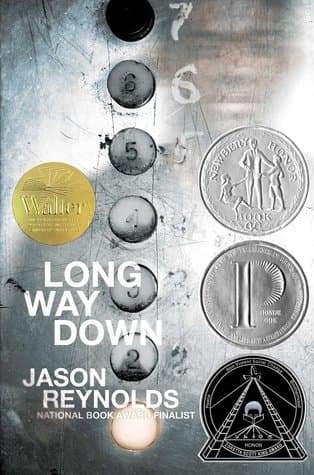
- Long Way Down
Jason Reynolds
4.3 (58k) average on GoodreadsYoung AdultA poignant story told in a unique format, tackling difficult choices, violence, and the cycle of revenge, with a strong focus on a young male protagonist's internal monologue.
- Speak
Laurie Halse Anderson
4.0 (485k) average on GoodreadsPsychologyWhile both depict trauma and healing, Why I Fight foregrounds physical combat and substance abuse as central antagonists, offering a different lens on adolescent suffering and resilience compared to Anderson's emphasis on reclaiming agency through voice and internal monologue after sexual assault.
- Harry Potter and the Sorcerer's Stone
J.K. Rowling
4.5 (7M) average on GoodreadsFantasyRescued from a miserable life under the stairs, an orphaned boy discovers he's a wizard destined for a magical school, where he uncovers a dangerous secret tied to the dark wizard who murdered his parents.
- The Hunger Games
Suzanne Collins
4.3 (6.4M) average on GoodreadsFantasyIn a future where children fight to the death on live television, Katniss Everdeen volunteers for the arena, turning a death sentence into a fight for survival and a spark of rebellion.
- To Kill a Mockingbird
Harper Lee
4.3 (4.5M) average on GoodreadsHistorical FictionIn the 1930s Jim Crow South, Harper Lee writes about racial injustice, moral growth, and the quiet courage of a lawyer father, Atticus Finch, as seen through his young daughter's eyes.
- The Fault in Our Stars
John Green
4.2 (3.6M) average on GoodreadsYoung AdultA girl with a terminal illness finds her story rewritten when a charming boy with a similar past enters her life at a cancer support group, leading to a star-crossed romance.





Enjoyed the summary?
A summary gives you the shape of the book. The book itself has the detail, the examples and the voice.
Find Why I Fight on AmazonAs an Amazon Associate, BookBrief earns from qualifying purchases. How we're funded