
Estimated read time: 9 min read
One Sentence Summary
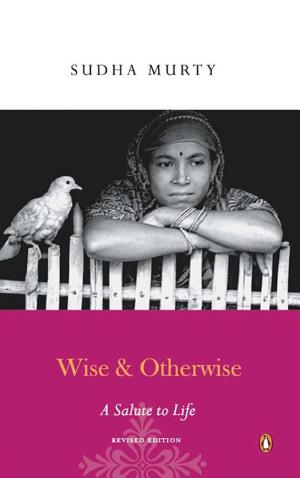
"Wis e & Otherwise" by Sudha Murthy is a collection of real-life anecdotes that reveal the complexities of human nature and the surprising lessons found in everyday encounters.
Table of Contents
Introduction
Imagine sitting around a campfire, listening to stories that whisk you from bustling Indian cities to the quietest rural corners. Each tale is a window into the human spirit: sometimes funny, often moving, and always thought-provoking. That’s the magic of Wise & Otherwise by Sudha Murthy—a collection of fifty real-life anecdotes that capture the many shades of humanity in contemporary India. As a celebrated writer, philanthropist, and chairperson of Infosys Foundation, Murthy uses her unique position to bring us stories that are as entertaining as they are insightful. Whether you’re a college student seeking inspiration or a lecturer hunting for discussion material, this book is a treasure trove.
Historical Context
Wise & Otherwise was first published in 2002, at a time when India was riding the wave of economic liberalization. The dawn of the 21st century saw technology, globalization, and social change sweeping across the nation. Amidst the rapid modernization, traditional values sometimes clashed with new aspirations, creating a fascinating tapestry of contradictions. Sudha Murthy, having traveled extensively across India for her philanthropic work, witnessed these shifts firsthand. Her stories reflect the zeitgeist—capturing everything from the struggles of rural communities to the dilemmas of urban professionals. The book is grounded in real events and people, making it both a social document and a literary journey.
Brief Synopsis
Plot Overview
Wise & Otherwise isn’t a novel with a single plotline; rather, it’s a collection of fifty short, true stories drawn from Sudha Murthy’s experiences. Each anecdote spotlights a different facet of Indian life, revealing the quirks, kindness, hypocrisy, and resilience of people she meets. These stories range from heartwarming accounts of selfless generosity to biting observations on greed, prejudice, and cultural oddities. The narrative flows seamlessly from one story to the next, with Murthy’s voice tying them together—part storyteller, part keen observer.
Setting
The stories are set across the length and breadth of India: from metropolitan Bangalore to remote villages in Karnataka and Maharashtra. Murthy’s work with the Infosys Foundation gives her access to diverse environments—slums, hospitals, schools, and government offices. The settings are more than mere backdrops; they’re living, breathing characters that shape the events and people within each story. The atmosphere ranges from bustling urban chaos to the serene simplicity of rural life, underscoring the vast diversity of India.
Main Characters
Although Wise & Otherwise is non-fiction, it brims with memorable personalities. Here’s a snapshot of some recurring figures and archetypes:
| Name/Archetype | Role/Description | Key Traits | Importance to Plot |
|---|---|---|---|
| Sudha Murthy | Narrator, Author | Compassionate, perceptive | Observes, analyzes, and relates stories |
| The Old Man | Abandoned by children | Vulnerable, dignified | Represents generational conflict |
| Rural School Children | Beneficiaries of charity | Innocent, eager | Illustrate impact of education |
| Corrupt Officials | Government personnel | Cynical, self-serving | Highlight systemic issues |
| Selfless Teachers | Inspire students in adversity | Dedicated, creative | Represent unsung heroes |
| Village Women | Often marginalized | Resilient, resourceful | Showcase women’s struggles |
| Urban Professionals | Appear in city-centric stories | Ambitious, conflicted | Reflect modern dilemmas |
| Foreign Volunteers | Outsiders seeking to help | Idealistic, sometimes naïve | Provide external perspective |
Each story introduces new individuals or archetypes, painting a broad canvas of Indian society.
Plot Summary
Section 1: Human Nature—The Good, the Bad, and the Curious
Murthy opens with stories that lay bare the extremes of human character. The unforgettable anecdote of an elderly man abandoned by his own children at an airport strikes a chord—how can such coldness exist within families? In sharp contrast, Murthy shares tales of extraordinary generosity, like a poor woman donating her only sari during a flood relief drive. These stories provoke both outrage and admiration, forcing readers to confront their own moral compass.
Section 2: Women’s Voices—Strength in Silence
Several anecdotes zoom in on the struggles and quiet triumphs of Indian women. Murthy introduces us to village women who organize self-help groups, breaking free from poverty and patriarchal control. There’s humor too, as she recounts a grandmother’s clever ruse to ensure her granddaughter stays in school. Through these stories, Murthy reveals the creative strategies women employ to survive and thrive, often against steep odds.
Section 3: Education—The Double-Edged Sword
With her background in education and philanthropy, Murthy is passionate about learning. She shares stories of rural schools where children walk miles just for a chance to study, and of teachers who innovate with no resources. But she also exposes the pitfalls: educated people sometimes exploit their privilege, growing less empathetic in the process. These tales highlight both the promise and perils of education in India.
Section 4: Money, Morality, and Modernity
Murthy doesn’t shy away from uncomfortable truths about greed and hypocrisy. There are stories of families squabbling over property, of corrupt officials demanding bribes for basic services, and of city dwellers who turn a blind eye to suffering. Yet, she also encounters individuals who redefine what it means to be rich—those who share their meager earnings without expecting anything in return.
Section 5: The Lighter Side—Humor and Humanity
Not all stories are somber. Murthy’s gentle humor shines in anecdotes about cultural misunderstandings, overzealous volunteers, and the quirks of Indian bureaucracy. Whether it’s a misadventure involving a lost suitcase or a tongue-in-cheek account of her own mistakes, these stories add levity and warmth, making the collection relatable and enjoyable.
Themes and Motifs
Wise & Otherwise is rich with themes that resonate far beyond Indian borders:
- Human Nature: The stories probe the spectrum of human behavior—kindness, cruelty, self-interest, and sacrifice.
- Social Inequality: Murthy spotlights the chasms between rich and poor, urban and rural, men and women.
- Education: Both a tool for emancipation and a source of new social divides.
- Family and Relationships: The shifting dynamics of Indian families, from intergenerational bonds to the erosion of traditional values.
- Resilience: Characters often find ingenious ways to cope with adversity, showcasing the indomitable human spirit.
- Corruption and Integrity: The omnipresence of petty corruption is contrasted with rare acts of honest heroism.
Thematic Table
| Theme | Description | Example Story/Section |
|---|---|---|
| Kindness | Acts of selfless giving in adversity | Flood relief sari donation |
| Injustice | Exploitation, neglect, or unfairness | Abandoned father at airport |
| Resourcefulness | Finding clever solutions with limited means | Village women’s self-help groups |
| Modernity’s Impact | Changing values in a globalizing India | Urban family disputes |
| Humor | Lighthearted takes on cultural quirks | Bureaucratic red tape stories |
Literary Techniques and Style
Sudha Murthy’s style is deceptively simple—she writes as if sharing stories over tea, yet each anecdote is meticulously crafted. Here’s what stands out:
- Conversational Tone: The language is accessible, making the book a breeze to read for students and casual readers alike.
- Anecdotal Structure: Each chapter is a self-contained story, allowing for flexible reading.
- Vivid Characterization: Real people leap off the page, thanks to Murthy’s sharp observational skills.
- Humor and Irony: Gentle wit softens even the most hard-hitting tales.
- Empathy: Murthy’s compassion infuses every narrative, inviting readers to reflect rather than judge.
This approachable style makes Wise & Otherwise not just a collection of stories, but an invitation to introspection.
Author’s Background
Sudha Murthy is more than just an author—she’s a trailblazer in multiple fields. With a background in engineering (she was the first female engineer hired at TATA Engineering and Locomotive Company), Murthy shattered glass ceilings long before it was fashionable. As chairperson of Infosys Foundation, she’s traveled to the remotest parts of India, working on projects ranging from healthcare to education. Her writing—both in English and Kannada—spans novels, short stories, and children’s books.
Murthy’s influence stretches far beyond literature. She is celebrated for her philanthropic work as much as for her storytelling. Her unique vantage point—combining grassroots experience with corporate success—gives her insights rare authenticity. For college students, she’s a role model of professional achievement and social commitment.
Key Takeaways
- Humanity is complex; people are neither wholly good nor wholly bad.
- Small acts of kindness can have a transformative impact.
- Education is empowering but must be coupled with empathy.
- Social change is possible when individuals take initiative.
- Humor helps in navigating the absurdities of life.
- India’s diversity is both a challenge and a source of inspiration.
- Women’s resilience is a recurring force for good.
- Corruption persists, but integrity and courage can prevail.
Reader’s Takeaway
Reading Wise & Otherwise is like embarking on a journey across India’s heartlands, meeting people you might otherwise never encounter. The stories will make you laugh, cry, and—most importantly—think. For students, it’s an eye-opener about the realities beyond textbooks. For lecturers, it’s a goldmine of discussion topics—ethics, development, gender, and more. The book encourages empathy, self-reflection, and a renewed appreciation for the little acts that make life meaningful.
Conclusion
Wise & Otherwise is not just a book—it’s a mirror held up to society, reflecting both its flaws and its beauty. Through fifty unforgettable stories, Sudha Murthy challenges, entertains, and inspires. Her accessible style, sharp observations, and unflinching honesty make this book essential reading for anyone curious about India or the human condition at large. Whether you’re curled up in a dorm room or leading a seminar, you’ll find yourself returning to these stories—sometimes for comfort, sometimes for courage, always for wisdom. So pick up Wise & Otherwise, and let Sudha Murthy’s stories change the way you see the world.
Wise & Otherwise FAQ
What is 'Wise & Otherwise' by Sudha Murthy about?
'Wise & Otherwise' is a collection of 51 short stories inspired by Sudha Murthy's real-life experiences across India. The stories highlight the complexities of human nature, values, kindness, greed, and the contrasts within Indian society.
Who is the author of 'Wise & Otherwise'?
The book is authored by Sudha Murthy, an Indian writer, philanthropist, and chairperson of Infosys Foundation.
What are the main themes explored in 'Wise & Otherwise'?
The main themes include compassion, empathy, integrity, gratitude, social responsibility, and the dualities of human behavior.
Is 'Wise & Otherwise' based on true stories?
Yes, the stories in 'Wise & Otherwise' are inspired by Sudha Murthy's personal observations and real-life encounters during her professional and philanthropic work.
What kind of readers would enjoy 'Wise & Otherwise'?
The book appeals to readers interested in human stories, Indian culture, social issues, and anyone seeking thought-provoking, real-life narratives.
How is 'Wise & Otherwise' structured?
'Wise & Otherwise' is structured as a series of 51 short, standalone stories, each presenting a unique lesson or insight from Sudha Murthy's experiences.
What is the writing style of 'Wise & Otherwise'?
Sudha Murthy writes in a simple, clear, and engaging style, making the stories relatable and accessible to a wide range of readers.
Is 'Wise & Otherwise' suitable for young readers?
Yes, the book’s language and themes are suitable for young adults and above, making it a good choice for school and college students.
What is the significance of the title 'Wise & Otherwise'?
The title reflects the spectrum of human behavior depicted in the stories, showcasing individuals who are wise, compassionate, and ethical, as well as those who are otherwise.
Where can I buy or read 'Wise & Otherwise'?
'Wise & Otherwise' is available in bookstores, online retailers such as Amazon and Flipkart, and in libraries. It's also available in eBook and audiobook formats.