
Estimated read time: 7 min read
One Sentence Summary
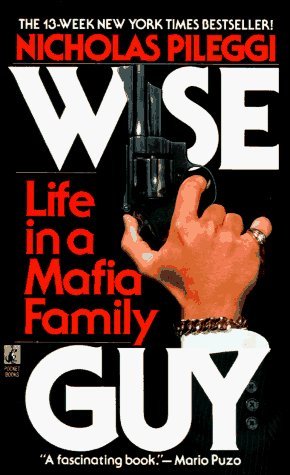
"Wiseguy" by Nicholas Pileggi chronicles the real-life story of Henry Hill, an associate of the New York Mafia, detailing his life of crime, the inner workings of organized crime, and his eventual decision to become an informant.
Table of Contents
Introduction
Picture this: A Brooklyn kid, dazzled by the sharp suits and fast cash of neighborhood wiseguys, decides the straight life isn't for him. He slips into the world of organized crime, where loyalty is everything—until it's not. This is the electrifying true story at the heart of Wiseguy: Life in a Mafia Family by Nicholas Pileggi. Released in 1985, this non-fiction classic didn’t just inspire Martin Scorsese’s iconic film Goodfellas, it set a gold standard for true crime storytelling. If you’ve ever been curious about how the mob really works—beyond the movies and headlines—Wiseguy is your ticket to the inside.
Historical Context
Why was the Mafia so seductive in postwar America? The story plays out in New York City from the 1950s to the 1980s, a time when the American Mafia—especially the Lucchese crime family—was at its most influential. The city’s underworld was a shadow society with its own rules, economies, and codes of honor. The real-life events and figures in Wiseguy echo news headlines from the era: notorious heists, powerful crime families, and shocking betrayals. Henry Hill’s journey intersects with infamous mobsters like Paul Vario and Jimmy Burke, whose exploits once made the FBI sweat and the tabloids sizzle.
Brief Synopsis
Plot Overview
Wiseguy chronicles the rise and fall of Henry Hill, a half-Irish, half-Sicilian kid from Brooklyn who dreamed of being a gangster. From running errands for the mob as a teenager to masterminding legendary heists, Hill’s story is one of crime, excess, and ultimately, survival. The book unfolds through Hill’s own recollections and those of his wife, Karen, and fellow mobsters. We witness their wild highs—money, power, and danger—and their devastating lows as violence, betrayal, and paranoia unravel their world.
Setting
The action unfolds mainly in Brooklyn and Queens, New York, with detours into Florida and distant safe houses. The atmosphere is thick with tension: smoky back rooms, bustling pizza parlors, and the ever-present threat of law enforcement. The city’s neighborhoods become a character in their own right, reflecting both the allure and the peril of mob life.
Main Characters
Here’s a handy table to keep track of the key players:
| Name | Role | Key Traits | Importance to Plot |
|---|---|---|---|
| Henry Hill | Protagonist, Mobster | Charismatic, resourceful, conflicted | Central figure; story is his rise and fall |
| Paul Vario | Mob Boss | Powerful, calculating, paternal | Henry’s mentor and protector |
| Jimmy Burke | Mobster, Mentor | Ruthless, ambitious, violent | Key partner in major heists |
| Tommy DeSimone | Mobster, Enforcer | Unpredictable, volatile, violent | Friend and accomplice; source of tension and violence |
| Karen Hill | Henry’s Wife | Loyal, anxious, resilient | Offers a civilian perspective; endures mob life |
| Morrie Kessler | Associate, Victim | Nervous, persistent, unlucky | Involved in heist; meets a grim fate |
| Louis Eppolito | Corrupt Cop | Cunning, compromised, connected | Provides inside info to mobsters |
Plot Summary
The Allure of the Wiseguys
From his earliest days, Henry Hill is captivated by the wiseguys in his Brooklyn neighborhood. They have power, respect, and—most importantly—freedom from the drudgery of 9-to-5 life. Even as a teenager, Henry runs errands for Paul Vario’s crew, learning the mob’s code: loyalty, discretion, and silence.
Climbing the Ranks
By the 1960s, Henry is fully embedded in the Lucchese crime family. Together with Jimmy Burke and Tommy DeSimone, he pulls off everything from hijackings at Idlewild Airport (now JFK) to loan sharking and gambling rings. Each job brings more money, more risk, and more entanglement in the mob’s web.
The Lufthansa Heist
One of the book’s most gripping sections details the infamous Lufthansa Heist—at the time, the largest cash robbery in American history. Orchestrated by Jimmy Burke, with Henry as a key player, the job nets millions. But success breeds paranoia: mobsters begin turning on each other, fearing informants and law enforcement.
Downward Spiral
As Henry succumbs to addiction and paranoia, his world unravels. The mob’s code of silence is breaking down, and the FBI closes in with wiretaps and surveillance. Facing prison—or worse—Henry makes a fateful decision: he becomes an informant, entering the Witness Protection Program and betraying the very brotherhood that once defined his life.
Themes and Motifs
1. The Seduction of Power and Money
The mob offers an escape from poverty and obscurity—but at a steep price. Hill’s journey is a cautionary tale about the cost of easy money.
2. Loyalty and Betrayal
Codes of honor hold the mob together, but they’re fragile. The same men who demand loyalty don’t hesitate to kill if their own interests are threatened.
3. The Illusion of Control
Henry believes he can handle the danger, the drugs, the double lives. But in the end, the chaos of the mob world proves uncontrollable.
4. Family and Identity
Hill straddles two worlds: his criminal “family” and his real one. Karen’s perspective reveals the toll mob life takes on spouses and children.
5. The Collapse of the Old Order
As law enforcement gets smarter and mobsters become more desperate, the world Henry knew crumbles. The era of the untouchable wiseguy is ending.
Literary Techniques and Style
Pileggi’s writing is immersive and cinematic—no surprise, given his background as a journalist and screenwriter. He uses:
- Oral History: Much of the book unfolds through direct quotes from Henry, Karen, and others, lending authenticity and immediacy.
- Vivid Anecdotes: Each chapter is packed with memorable stories: dinner banquets, near-misses with the law, and jaw-dropping violence.
- Dramatic Irony: Readers are often one step ahead of the characters, sensing danger before it strikes.
- Dark Humor: Hill’s narration is laced with wit, even as he recounts harrowing events—a coping mechanism in a world where life is cheap.
Author's Background
Nicholas Pileggi is a seasoned journalist who spent years covering organized crime for the New York Times and other outlets. His deep knowledge of the Mafia’s inner workings—combined with his flair for storytelling—makes Wiseguy a masterclass in narrative non-fiction. Pileggi later co-wrote the screenplay for Goodfellas, further cementing his legacy as a chronicler of America’s criminal underworld. His other notable works include Casino, another true-crime classic.
Key Takeaways
- Wiseguy offers a rare, unvarnished look at Mafia life from an insider’s perspective.
- The seductive glamour of organized crime is ultimately an illusion, masking violence and instability.
- The mob’s code of silence and loyalty is easily shattered by fear and greed.
- Law enforcement’s evolving tactics eventually outpaced the old ways of the Mafia.
- The book’s narrative style brings readers inside the minds and lives of its subjects, making it both a historical document and a gripping story.
Reader's Takeaway
Whether you’re a true crime buff, a student of American history, or just someone who loves a good story, Wiseguy delivers. It’s a rollercoaster ride through the highs and lows of mob life, told with humor, heart, and unflinching honesty. You’ll come away with a deeper understanding of why people are drawn to crime—and why, in the end, it almost always ends in heartbreak.
Conclusion
Wiseguy stands as a landmark in true crime literature—a book that’s as entertaining as it is enlightening. Nicholas Pileggi’s vivid storytelling and Henry Hill’s unforgettable voice combine to create a portrait of the Mafia that’s as thrilling as any novel. If you’re ready to explore the real stories behind the myths, Wiseguy is essential reading. And who knows? You might just find yourself quoting lines at the next family dinner—minus the criminal undertones, of course.
Ready for more? Dive into the pages of "Wiseguy" and experience the world of the Mafia from the inside out. Trust us, it’s an offer you can’t refuse.
Wiseguy FAQ
What is 'Wiseguy' by Nicholas Pileggi about?
'Wiseguy' is a nonfiction book that tells the true story of Henry Hill, a former mobster, and his life in the New York City Mafia. The book explores Hill’s rise through the ranks, his involvement in various criminal activities, and his eventual cooperation with authorities as an informant.
Who is Henry Hill?
Henry Hill is the central figure in 'Wiseguy.' He was a real-life mobster associated with the Lucchese crime family. Hill participated in numerous crimes, including the infamous Lufthansa heist, before turning state's witness.
Is 'Wiseguy' based on a true story?
Yes, 'Wiseguy' is a nonfiction account based on the real-life experiences of Henry Hill. Nicholas Pileggi used interviews, court records, and firsthand accounts to construct the narrative.
How is 'Wiseguy' connected to the movie 'Goodfellas'?
'Wiseguy' was adapted into the acclaimed 1990 film 'Goodfellas,' directed by Martin Scorsese. The movie closely follows the events and characters described in Pileggi’s book.
What themes are explored in 'Wiseguy'?
The book explores themes such as loyalty, crime, the allure and dangers of a gangster lifestyle, the collapse of trust within the mob, and the consequences of betrayal.
Who is Nicholas Pileggi?
Nicholas Pileggi is an American author and journalist known for his expertise in crime reporting. Besides 'Wiseguy,' he has written other works about organized crime and co-wrote the screenplay for 'Goodfellas.'
Is 'Wiseguy' suitable for all readers?
'Wiseguy' contains detailed descriptions of criminal activity, violence, and adult themes. It is best suited for mature readers interested in true crime and Mafia history.
What impact did 'Wiseguy' have on popular culture?
'Wiseguy' is considered a classic of true crime literature and greatly influenced the portrayal of organized crime in books, films, and television, most notably inspiring the film 'Goodfellas.'
Does the book offer insights into the inner workings of the Mafia?
Yes, 'Wiseguy' provides a detailed, insider’s look at the structure, operations, and codes of conduct within the Mafia, based on Henry Hill’s firsthand experiences.
Are there sequels or related books to 'Wiseguy'?
While 'Wiseguy' stands alone, Nicholas Pileggi has written other crime-related books, and several works have expanded on stories from the Mafia underworld, including accounts of other figures involved in the events described.


