
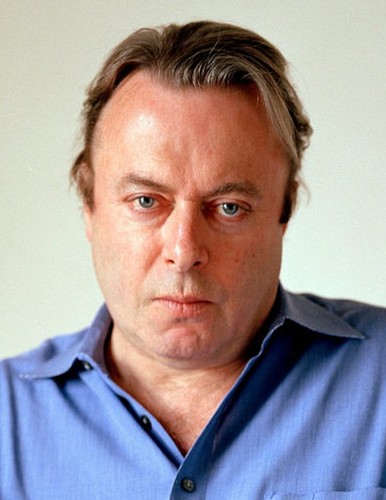
Christopher Hitchens
Born: 04-12-1949
Christopher Hitchens was a British-American author, journalist, and literary critic known for his sharp wit and formidable intellect. A prolific writer, he contributed to publications like Vanity Fair, The Atlantic, and Slate. His works often explored politics, religion, and culture, with notable books including "God Is Not Great" and "Hitch-22." Renowned for his eloquence and controversial views, Hitchens left a lasting impact on public discourse before his passing in 2011.
Book summaries for books written by Christopher Hitchens

Quotes
The essence of the independent mind lies not in what it thinks, but in how it thinks.
To be in opposition is not to be a nihilist.
The search for Nirvana, like the search for Utopia or the end of history or the classless society, is ultimately a futile and dangerous one.
Take the risk of thinking for yourself. Much more happiness, truth, beauty, and wisdom will come to you that way.
Beware the irrational, however seductive. Shun the 'transcendent' and all who invite you to subordinate or annihilate yourself.
The moment you declare a set of ideas to be immune from criticism, satire, derision, or contempt, freedom of thought becomes impossible.
The only position that leaves me with no cognitive dissonance is atheism. It is not a creed. Death is certain, replacing both the siren-song of Paradise and the dread of Hell.
The person who is certain, and who claims divine warrant for his certainty, belongs now to the infancy of our species.
To the dumb question 'Why me?' the cosmos barely bothers to return the reply: Why not?
The main thing that I've learned from living with this disease is that the news of it can be conveyed in one of two ways: as a death sentence or as a life sentence.
The cancer patient, to the extent that he or she is unable to work, tends to be the object of a special solicitousness. And this is because the patient is so easily turned into a child.
There can be no 'explanation' of why one person gets a particular cancer and another does not.