

Estimated read time: 5 min read
One Sentence Summary
A poignant reflection on life, death, and the human condition by the late Christopher Hitchens.
Table of Contents
Introduction
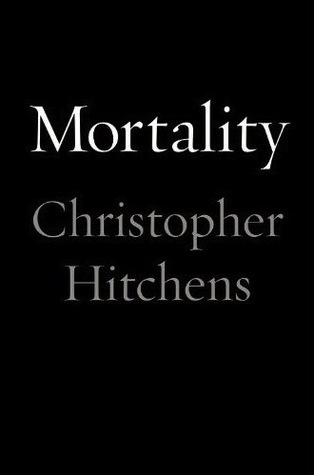
In "Mortality," Christopher Hitchens, renowned journalist, author, and outspoken atheist, confronts his own mortality and chronicles his battle with esophageal cancer. Published posthumously in 2012, this memoir offers readers a profound and unflinching examination of life, death, and the human experience.
Brief Synopsis
"Mortality" is a poignant and introspective memoir that takes readers on a journey through Christopher Hitchens' final years. The book begins with Hitchens receiving his devastating cancer diagnosis, which acts as a catalyst for his exploration of mortality and the fragility of human existence.
Hitchens delves into the physical and emotional toll of his illness, detailing the grueling treatments, hospital visits, and the inevitable decline of his health. Despite his deteriorating condition, he maintains his sharp wit and intellectual prowess, reflecting on his own life and the broader implications of mortality.
Setting
The book primarily takes place in various hospitals, treatment centers, and Hitchens' own home. The narrative spans different locations, including London, Houston, and New York City, as Hitchens seeks medical treatment and engages with doctors, nurses, and fellow patients.
Main Characters
| Character Name | Description |
|---|---|
| Christopher Hitchens | The author and protagonist of the memoir. A renowned journalist, author, and intellectual known for his sharp wit and controversial ideas. |
| Carol Blue | Hitchens' wife and steadfast companion throughout his battle with cancer. She provides unwavering support and love during his darkest moments. |
| Medical Professionals | Various doctors, nurses, and healthcare providers who play a role in Hitchens' treatment and care. |
Summary of Different Story Points
Diagnosis and Acceptance
After receiving his cancer diagnosis, Hitchens grapples with the reality of his mortality. He reflects on how the disease will impact his life, relationships, and work. Despite the initial shock, he gradually accepts his fate and begins to explore the deeper philosophical questions surrounding death.
Medical Journey
Hitchens embarks on an arduous medical journey, undergoing intensive treatments such as chemotherapy and radiation. He vividly describes the physical toll these treatments take on his body, as well as the emotional and psychological challenges he faces. Through his experiences, he offers a raw and unfiltered look at the medical system and the complexities of navigating life-threatening illnesses.
Reflections on Life
Throughout the memoir, Hitchens contemplates the meaning of life and the nature of human existence. He reflects on his own accomplishments, regrets, and the legacy he will leave behind. Hitchens also engages with various philosophical and religious arguments surrounding life and death, offering his own unique perspective as an atheist.
Facing Mortality
As Hitchens' health deteriorates, he grapples with the fear and uncertainty that accompany impending death. He confronts the concept of an afterlife and examines the religious beliefs that provide solace to many facing mortality. Hitchens, known for his skepticism, remains steadfast in his atheism and maintains a rational and critical approach to the unknown.
Main Events
- Hitchens receives his cancer diagnosis and begins his battle against the disease.
- He undergoes various medical treatments, including chemotherapy and radiation.
- Hitchens reflects on his life, accomplishments, and regrets.
- He engages in philosophical debates surrounding life, death, and the existence of God.
- Hitchens' health steadily declines, and he confronts his impending death.
- The memoir concludes with Hitchens' final thoughts and reflections on mortality.
Themes and Insights
Mortality and Existentialism
Through his own terminal illness, Hitchens delves into the profound questions of mortality and the existential nature of human life. He explores the fear, acceptance, and ultimate confrontation of death, offering readers a poignant reflection on the fragility of existence.
Religion and Atheism
As an outspoken atheist, Hitchens engages in a thought-provoking exploration of religious beliefs and their role in facing mortality. He challenges the notions of an afterlife and grapples with the comfort and solace that religion provides to many in times of crisis.
Human Resilience and Strength
Despite the physical and emotional challenges he faces, Hitchens demonstrates remarkable resilience and strength throughout his battle with cancer. His unwavering intellect and wit shine through, inspiring readers to confront their own mortality with courage and dignity.
Reader's Takeaway
"Mortality" is a deeply personal and thought-provoking memoir that offers readers an intimate glimpse into the final years of Christopher Hitchens' life. It serves as a powerful reminder of the universal experience of mortality and the importance of confronting life's deepest questions.
Conclusion
"Mortality" is a profound and introspective memoir that invites readers to contemplate their own mortality and the meaning of life. Through his honest and poignant reflections, Christopher Hitchens leaves behind a lasting legacy and encourages readers to confront their own mortality with intellectual curiosity and resilience.
Mortality FAQ
What is 'Mortality' about?
'Mortality' is a memoir by Christopher Hitchens that explores his own experiences with terminal cancer and reflects on the nature of life, death, and mortality.
Is 'Mortality' a work of fiction or non-fiction?
'Mortality' is a non-fiction book, as it is based on the real-life experiences of the author.
Who is the author of 'Mortality'?
'Mortality' is written by Christopher Hitchens, a renowned author, journalist, and literary critic.
Is 'Mortality' a suitable book for all readers?
While 'Mortality' can be a thought-provoking read for anyone interested in existential questions and the human experience, it may not be suitable for young readers due to its mature themes.
What are some key themes explored in 'Mortality'?
Some key themes explored in 'Mortality' include the inevitability of death, the fragility of life, the search for meaning, and the acceptance of mortality.
Does 'Mortality' provide any personal insights from the author?
Yes, 'Mortality' offers personal insights from Christopher Hitchens as he shares his own thoughts, emotions, and reflections while facing a terminal illness.
Is 'Mortality' a sad or uplifting book?
'Mortality' can be seen as both sad and uplifting. While it deals with the somber topic of impending death, it also offers a perspective on finding meaning and embracing life even in the face of mortality.
What is the writing style of 'Mortality' like?
'Mortality' is written in a reflective and introspective style, blending personal anecdotes, philosophical musings, and poignant observations on life and death.
Is 'Mortality' a long book?
'Mortality' is a relatively short book, with most editions averaging around 150 pages.
Can 'Mortality' help readers come to terms with their own mortality?
Yes, 'Mortality' can provide readers with a unique perspective that may help them reflect on and come to terms with their own mortality.


