
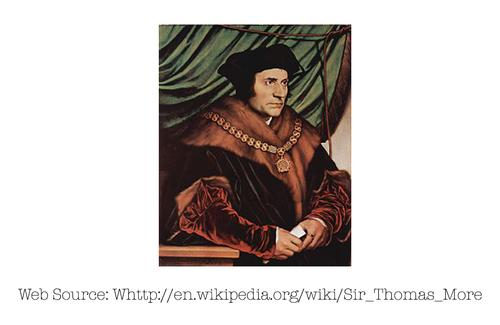
Thomas More
Born: 01-01-1478
Thomas More was an English lawyer, philosopher, and statesman born in 1478. Renowned for his role as a counselor to Henry VIII, he is best known for his work "Utopia," a seminal text exploring ideal societies. More's staunch Catholic beliefs eventually led to his execution in 1535 for refusing to acknowledge the king's supremacy over the church. Canonized as a saint in 1935, More remains a significant figure in political philosophy and religious history.
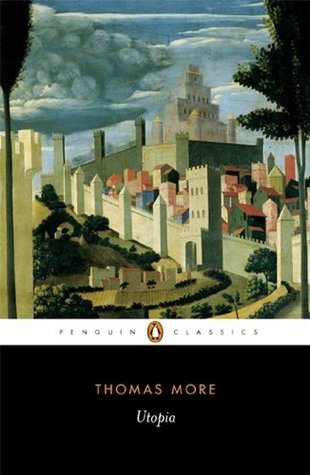
Book summaries for books written by Thomas More
Quotes
For if you suffer your people to be ill-educated, and their manners to be corrupted from their infancy, and then punish them for those crimes to which their first education disposed them, what else is to be concluded from this, but that you first make thieves and then punish them?
The welfare of the people is the ultimate law.
The first and chief point of the good laws is to teach and educate the people.
The end of Utopia is happiness.
They are mistaken who think that the supreme happiness consists in affluence.
As long as there is property, and while money is the standard of all other things, I cannot think that a nation can be governed either justly or happily.
For as long as there is property, and while money is the standard of all other things, I cannot think that a nation can be governed either justly or happily, not happily, because the best things are not the most easily acquired.
They can neither enjoy the blessings of liberty nor possess them without having virtues; as they are essentially necessary to the enjoyment of everything that is valuable.