Estimated read time: 4 min read
One Sentence Summary
A fictional account of an ideal society, describing a perfect island community with an emphasis on equality and justice.
Table of Contents
Introduction
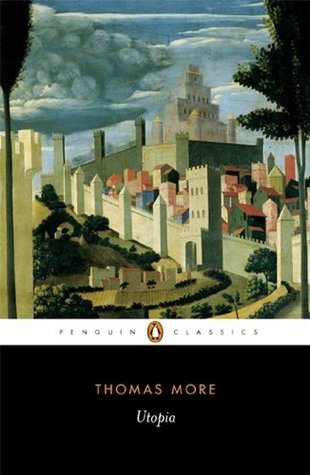
"Utopia" is a work of fiction and political philosophy by Thomas More, first published in 1516. The book is a frame narrative primarily depicting a fictional island society and its religious, social, and political customs. More's work has had a lasting impact on political thought and serves as a foundational text in the utopian genre.
Brief Synopsis
The book begins with a fictional account of More's meeting with the explorer and traveler Raphael Hythloday, who describes his recent voyage to the island of Utopia. Hythloday's account provides a detailed overview of the customs, government, and society of the Utopian people. The narrative explores the contrast between European society and the idealized Utopian community, offering a critique of the social and political structures of More's time.
Setting
The setting of "Utopia" is the eponymous island of Utopia, a fictional society described by Hythloday. The island is portrayed as an ideal commonwealth with a unique system of governance, economic organization, and social customs. The society is presented as an alternative to the political and social structures prevalent in Europe during More's time.
Main Characters
The main characters in "Utopia" include:
| Character | Description |
|---|---|
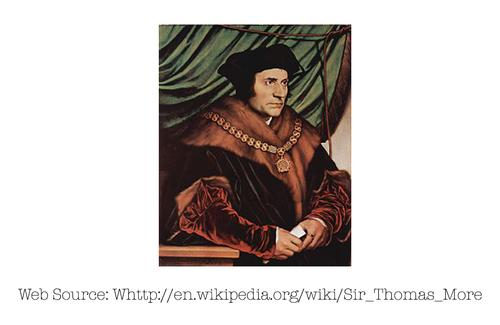
| Thomas More | The author and narrator of the book, who recounts the story of meeting Raphael Hythloday. |
| Raphael Hythloday | An explorer and traveler who describes his experiences in Utopia, providing a detailed account of the island's customs and society. |
Summary of Different Story Points Over Chapters
Book 1
- More and Hythloday engage in a conversation about the political landscape of England.
- Hythloday describes his experiences in the service of King Manuel I of Portugal and shares his observations of social and political systems in various countries.
Book 2
- Hythloday describes the island of Utopia, its geography, and the customs of its inhabitants.
- The Utopian society is depicted as an egalitarian commonwealth with communal ownership of property and a focus on the common good.
- Hythloday discusses Utopian laws, social institutions, and the unique approach to governance and justice.
Book 3
- Hythloday provides further details about the Utopian society, including their approach to warfare, slavery, and the role of religion.
- More raises objections and questions the practicality of certain Utopian customs, leading to philosophical discussions about the nature of justice and the challenges of governing a society.
Main Events
- Thomas More meets Raphael Hythloday, who recounts his experiences in Utopia.
- Hythloday describes the customs, laws, and social organization of the Utopian society, highlighting its differences from European norms.
- Philosophical discussions between More and Hythloday explore the feasibility and desirability of Utopian principles in the context of European governance and society.
Themes and Insights
Social and Political Critique
"Utopia" serves as a platform for More to critique the social and political structures of his time. The book explores themes of justice, governance, and the distribution of wealth, offering an alternative vision of an ideal society.
Utopian Ideals
The portrayal of the Utopian society reflects ideals of communal ownership, equality, and social harmony. Through the discussions between More and Hythloday, the book delves into the challenges and possibilities of implementing such ideals in the real world.
Human Nature and Society
The narrative prompts reflection on the nature of human beings and the influences of societal structures on behavior. It raises questions about the inherent flaws of human nature and the potential for societal reform.
Reader's Takeaway
"Utopia" provides readers with a thought-provoking exploration of alternative social and political systems. It challenges readers to consider the feasibility of utopian ideals and encourages critical reflection on the prevailing norms of society. The book serves as a catalyst for discussions about justice, equality, and the nature of governance.
Conclusion
Thomas More's "Utopia" continues to be a significant work in the realms of political philosophy and utopian literature. Through the fictional account of the ideal society of Utopia, More offers a lens through which to critique and reimagine the social and political structures of his time. The book's enduring relevance lies in its ability to spark contemplation and dialogue about the possibilities and limitations of societal organization and governance.
Utopia FAQ
What is 'Utopia' about?
Utopia is a work of fiction by Thomas More that describes an ideal society on an imaginary island. It explores various social, political, and economic issues through the lens of an idealized community.
When was 'Utopia' written?
The book 'Utopia' was written by Thomas More in 1516.
What are some key themes in 'Utopia'?
Key themes in 'Utopia' include social structure, governance, justice, and the nature of happiness. It also delves into ideas of communal living and the role of the individual in society.
Is 'Utopia' considered a political satire?
Yes, 'Utopia' is often considered a work of political satire as it critiques the social and political structures of More's time. It uses the fictional island society to comment on the flaws of contemporary European society.
What impact has 'Utopia' had on literature and philosophy?
'Utopia' has had a significant impact on literature and philosophy, inspiring numerous other works of fiction and serving as a touchstone for discussions on political theory and social organization.