

Synopsis
Covers the whole plot, including the ending.
- Difficulty
- Easy
- Pacing
- Fast
- Mood
- Suspenseful, Gritty, Empowering, Emotional
- Read it if
- You enjoy fast-paced police procedurals with a strong female lead and a focus on teamwork and personal struggles.
- Skip it if
- You prefer less graphic depictions of violence or are looking for a more character-driven mystery with less focus on plot twists.
1st to Die Plot Summary
Covers the whole plot, including the ending.
A Gruesome Honeymoon and a Devastating Diagnosis
San Francisco Homicide Inspector Lindsay Boxer goes to a crime scene: a newlywed couple, Michael and Caroline DeSilva, murdered on their wedding night. The killer left a strange note. At the same time, Lindsay gets a diagnosis of a rare, often deadly blood disease, myelodysplastic syndrome. She tells her friend, Claire Washburn, the chief medical examiner, who works the case with her. Lindsay also gets a new partner, Chris Raleigh, from the mayor's office. Lindsay struggles with her health in secret while leading the murder investigation.
The Women's Murder Club Forms
As the investigation continues, a reporter, Cindy Thomas, asks Lindsay for information on the DeSilva case. Lindsay is first hesitant but then finds Cindy's persistence and new ideas helpful. Cindy soon joins Lindsay and Claire for their weekly meetings. They discuss the case, share information, and support each other. This starts 'The Women's Murder Club,' a group working to solve the murders, often bending rules.
A Pattern of Horrors
The city is scared when a second newlywed couple, the Millers, is found murdered just like the DeSilvas, with the same note. This confirms to Lindsay's team that they are looking for a serial killer. Pressure on the police grows, and Lindsay works hard despite her illness. The Women's Murder Club, now including Assistant District Attorney Jill Bernhardt, becomes more important. They combine their resources and insights to find the killer.
Nicholas Jenks Becomes a Prime Suspect
The investigation leads Lindsay to a crime novelist, Nicholas Jenks. Jenks has a history of domestic violence, dangerous sexual practices, and a fascination with murder. He also had an affair with one of the dead women. Evidence against him, though not direct, starts to build. Lindsay and the Murder Club think Jenks fits the killer's profile, but making a clear link is hard because Jenks is smart and can control the media.
Lindsay's Personal Struggles and a New Romance
While working on the murder investigation, Lindsay also has painful treatments for her blood disease, which she keeps secret. The treatments make her weak. During this time, she starts a relationship with Joe Molinari, a supportive police officer. Joe helps Lindsay emotionally, offering comfort and understanding, even as she struggles to talk about her illness and her fear.
The Case Against Jenks Intensifies
Jill Bernhardt uses her legal skills within the Murder Club to help Lindsay build a case against Nicholas Jenks. They find more details about Jenks's past and his writings, which seem to match parts of the murders. But Jenks is clever and has connections, making direct evidence hard to get. The team uses their combined skills and shared confidential information to piece together the case, convinced Jenks is their man, despite lacking a definitive piece of evidence.
A Calculated Trap
Frustrated by the lack of direct evidence to arrest Jenks, Lindsay plans something risky. She publicly challenges Jenks, hinting she knows his secrets and is close to exposing him. She wants to provoke him into making a mistake or targeting her. This risk puts Lindsay in danger, but she feels it is the only way to make the killer show himself. The Murder Club, though worried, supports her plan.
The Confrontation and Jenks's Capture
Lindsay's plan works. Jenks, feeling trapped and angry, tries to attack her. A violent fight happens. Lindsay, despite her illness, fights back. With help from her partner, Chris Raleigh, and other officers, Jenks is caught and arrested. Evidence from the struggle and Jenks's property provides the links needed to charge him with the murders. The city feels relieved.
The Aftermath and Lingering Doubts
Nicholas Jenks is charged and jailed. The Women's Murder Club celebrates. Lindsay, however, feels uneasy, a gut feeling that something is wrong. Her intuition is right when, after Jenks's arrest, another body is found, murdered in the same way as the newlyweds. This shocks them and sends the investigation in a new direction, suggesting a copycat, an accomplice, or that they were wrong all along.
The True Killer Revealed
The new victim makes Lindsay re-examine the case. With the Women's Murder Club, she reviews evidence and the actions of those involved. Lindsay realizes the real killer's identity, someone who had been close to the investigation, subtly manipulating events and avoiding suspicion. The discovery shocks Lindsay and her team, showing how cunning the real murderer is.
A Dangerous Pursuit and Justice Served
Knowing the true killer, Lindsay begins a dangerous pursuit. The confrontation is intense and personal, pushing Lindsay to her physical and emotional limits, especially with her illness. With support from her colleagues and the Women's Murder Club, Lindsay outsmarts and catches the real killer, ending the terror in San Francisco. Justice is served, but the experience affects Lindsay and her friends.
Hope and Healing
With the case closed and the killer caught, Lindsay can focus on her health. She continues treatments, finding strength in her relationships with Joe Molinari and the Women's Murder Club. Their bond from shared trauma and determination has made their friendship stronger. Lindsay faces her future with hope, knowing she has a support system that will be there for her, and finds comfort in her love for Joe.
Principal Figures
Lindsay Boxer
Protagonist
San Francisco Homicide Inspector battling a deadly illness while hunting a serial killer.
Lindsay Boxer is a dedicated and tenacious homicide inspector for the San Francisco Police Department. She is fiercely independent, driven by a strong sense of justice, and possesses keen investigative instincts. Despite her tough exterior, Lindsay is deeply vulnerable, especially after her diagnosis of myelodysplastic syndrome, a potentially fatal blood disease, which she initially keeps secret. Her personal life is often sacrificed for her work, but the illness forces her to confront her mortality and seek emotional connection. She forms the Women's Murder Club out of necessity and friendship.
Relationships: Claire Washburn (Best friend and confidante); Cindy Thomas (Friend and journalistic ally); Jill Bernhardt (Friend and legal expert); Joe Molinari (Boyfriend and supportive colleague); Chris Raleigh (Partner)
Claire Washburn
Supporting
Chief Medical Examiner and Lindsay's closest friend.
Claire Washburn is the Chief Medical Examiner of San Francisco and Lindsay Boxer's best friend. She is intelligent, compassionate, and provides a crucial scientific perspective to the murder investigations. Claire is a grounded and supportive presence, offering Lindsay not only professional insights into the victims and crime scenes but also emotional solace and a much-needed sounding board for Lindsay's personal struggles, particularly concerning her illness. She is a founding member of the Women's Murder Club and a voice of reason within the group.
Relationships: Lindsay Boxer (Best friend and confidante); Cindy Thomas (Friend and club member); Jill Bernhardt (Friend and club member)
Cindy Thomas
Supporting
Ambitious newspaper reporter, seeking a career-making story.
Cindy Thomas is a young, ambitious, and tenacious reporter for the San Francisco Chronicle. Driven to make a name for herself, she initially seeks to get an exclusive on the newlywed murders but quickly develops a genuine rapport and friendship with Lindsay Boxer. Cindy brings a vital media and public relations perspective to the Women's Murder Club, often providing insights into public perception and uncovering details through her journalistic network that might otherwise be missed. She is sharp, observant, and dedicated to getting to the truth.
Relationships: Lindsay Boxer (Friend and source); Claire Washburn (Friend and club member); Jill Bernhardt (Friend and club member)
Jill Bernhardt
Supporting
Assistant District Attorney, offering legal expertise to the club.
Jill Bernhardt is a smart and perceptive Assistant District Attorney. She becomes involved in the case when Lindsay seeks her legal advice on building a prosecution. Jill eventually joins the Women's Murder Club, bringing her extensive knowledge of legal procedures, courtroom strategy, and the nuances of evidence. She is methodical and analytical, providing a crucial legal framework for their unorthodox investigation. Jill's presence ensures that any evidence gathered can be legally admissible and helps the team anticipate the defense's moves.
Relationships: Lindsay Boxer (Friend and colleague); Claire Washburn (Friend and club member); Cindy Thomas (Friend and club member)
Joe Molinari
Supporting
Fellow police officer and Lindsay's romantic interest.
Joe Molinari is a fellow police officer who develops a romantic relationship with Lindsay Boxer. He is kind, understanding, and incredibly supportive, providing Lindsay with much-needed emotional connection and stability amidst the chaos of her work and personal health crisis. Joe is patient and caring, accepting Lindsay's guarded nature and her demanding career. His presence allows Lindsay to explore intimacy and vulnerability, offering a counterpoint to the darkness of her daily work.
Relationships: Lindsay Boxer (Boyfriend and supportive partner)
Nicholas Jenks
Antagonist
Controversial crime novelist and initial prime suspect.
Nicholas Jenks is a famous, wealthy, and controversial crime novelist with a dark past. He has a history of spousal abuse, a known fascination with violence, and a predilection for dangerous sexual games. Jenks is highly intelligent, manipulative, and arrogant, enjoying the attention his notoriety brings. He becomes the primary suspect in the newlywed murders due to circumstantial evidence and his disturbing personal life, making him a formidable and frustrating target for Lindsay and the Women's Murder Club.
Relationships: Lindsay Boxer (Investigator and target); Victims (Had an affair with one of the slain women)
Chris Raleigh
Supporting
Lindsay's new, inexperienced partner from the mayor's office.
Chris Raleigh is Lindsay Boxer's new partner, assigned from the mayor's office. He is initially portrayed as somewhat green and inexperienced, often struggling to keep up with Lindsay's intense pace and unconventional methods. Despite his initial awkwardness, Chris is earnest, dedicated, and eager to learn. He serves as a loyal, if sometimes overwhelmed, assistant to Lindsay, providing backup and supporting her investigations, though he is not privy to the inner workings of the Women's Murder Club.
Relationships: Lindsay Boxer (Partner)
The Real Killer (identity withheld for summary integrity)
Antagonist
The true perpetrator of the newlywed murders, hidden in plain sight.
The true killer is a character who is present throughout the investigation, subtly deflecting suspicion and manipulating events. This individual possesses a deep understanding of police procedures and forensic science, allowing them to meticulously plan and execute the murders while leaving misleading clues. Their motive is deeply psychological and twisted, making them an exceptionally cunning and dangerous adversary. The revelation of their identity is a shocking twist, demonstrating their ability to blend in and appear beyond reproach.
Relationships: Lindsay Boxer (Investigator and target); Victims (Murderer)
Themes & Insights
Friendship and Female Solidarity
The novel shows female solidarity through the Women's Murder Club. Lindsay, Claire, Cindy, and Jill, despite different jobs and personalities, support each other personally and professionally. This is clear in their weekly meetings where they share information, offer support, and plan to solve the murders. Their bond shows the strength in female relationships, contrasting with the male police force and the crimes they investigate.
“We're the Women's Murder Club, and we're going to catch this guy.”
Mortality and Resilience in the Face of Illness
Lindsay Boxer's secret battle with myelodysplastic syndrome is a main idea. It explores mortality and strength. Her illness makes her face her own weakness and how fragile life is, even as she searches for a serial killer. This appears in Lindsay's physical struggles, her fear of death, and her will to continue working despite her health. It shows her inner strength and her refusal to let her personal tragedy stop her, making her a more complex character.
“I was a cop, and I had a job to do, even if my body was trying to betray me.”
Justice and the Law's Limitations
The novel explores justice, especially when the legal system is not enough. The Women's Murder Club often works outside police and legal rules, sharing information across departments that would normally be separate. This shows the limits of the official system and the need for creative, sometimes unusual, ways to get justice. Frustration with rules drives the women to bend them, showing that true justice sometimes requires going beyond strict law.
“Sometimes, to catch a killer, you have to break a few rules.”
Deception and Appearances vs. Reality
Deception is central to the mystery. The real killer hides in plain sight, changing perceptions and avoiding suspicion. Nicholas Jenks, a public figure, is a red herring, showing how appearances can mislead and how public image can hide dark truths. The story constantly challenges the characters and reader to look past the obvious, showing that those closest to the investigation can be the most deceptive. This shows how hard it is to tell truth from lies.
“The most dangerous people are often the ones you'd least suspect.”
The Nature of Evil
The book looks at evil through the brutal murders. It explores the reasons behind such acts, comparing the killer's cruelty with the emotional impact on the investigators. The killer's lack of regret and ability to fit into society raises questions about where evil comes from and how it appears, suggesting it can be hidden under a normal facade. This adds depth to the thriller.
“He wasn't just a killer; he was a monster, hiding in plain sight.”
Plot Devices & Literary Techniques
The Women's Murder Club
An informal group of professional women sharing confidential information.
This is the central plot device, bringing together Lindsay (homicide inspector), Claire (medical examiner), Cindy (reporter), and Jill (assistant D.A.). It allows for the interdepartmental sharing of information that would otherwise be siloed by official protocols. This informal network provides unique perspectives, accelerates the investigation, and creates a strong sense of female camaraderie and mutual support, enabling them to solve crimes more effectively than the official channels alone.
The Red Herring (Nicholas Jenks)
A compelling false suspect designed to mislead the reader and characters.
Nicholas Jenks, the controversial crime novelist, serves as a powerful red herring. His disturbing history, public persona, and circumstantial links to the victims make him the obvious suspect for a significant portion of the novel. This device effectively misdirects both Lindsay and the reader, building suspense and making the eventual revelation of the true killer even more shocking. It highlights the dangers of jumping to conclusions based on appearances and reputation, adding layers of complexity to the mystery.
Lindsay's Illness (Myelodysplastic Syndrome)
A personal health crisis that adds tension and vulnerability to the protagonist.
Lindsay's secret battle with a life-threatening blood disease is a significant plot device. It adds immense personal stakes and emotional depth to her character, making her more vulnerable and relatable. The illness creates internal conflict, affects her physical capabilities, and influences her decisions, such as her willingness to take risks. It also serves as a ticking clock for her personal life, contrasting with the external ticking clock of the serial killer investigation, intensifying the overall narrative tension.
Short Chapters
A structural device to maintain a rapid, propulsive narrative pace.
James Patterson's signature use of extremely short chapters is a key plot device. This structural choice creates a fast-paced, almost cinematic reading experience, keeping the narrative constantly moving forward. Each chapter often ends with a mini-cliffhanger or a new piece of information, compelling the reader to continue. This technique enhances the thriller aspect of the novel, maintaining high tension and a sense of urgency throughout the complex investigation and Lindsay's personal struggles.
Cryptic Notes at Crime Scenes
A recurring clue left by the killer to taunt investigators and create a pattern.
The killer leaves identical cryptic notes at each murder scene. This device serves multiple purposes: it establishes a clear signature for the serial killer, creates a consistent pattern for the investigators to follow, and acts as a taunt, challenging the police. The content of the notes provides subtle clues and insight into the killer's disturbed psyche, driving the thematic exploration of the nature of evil and adding a layer of psychological cat-and-mouse to the investigation.
1st to Die Quotes
“The first to die was the hardest. After that, it got easier.”
“We were four women, each with our own demons, but together we were stronger than any one of us alone.”
“Sometimes the monsters aren't hiding in the dark; they're walking among us in broad daylight.”
“Fear is a weapon, and he knew how to wield it.”
“In this job, you learn to trust your gut, even when the evidence points elsewhere.”
“The dead don't speak, but they leave behind stories in the silence.”
“Justice isn't always about the law; sometimes it's about what's right.”
“Every killer has a pattern, a signature that betrays their mind.”
“Love and death are two sides of the same coin in this city.”
“The truth is a fragile thing, easily broken by lies.”
“We chase shadows, hoping to catch the light.”
“In the end, it's not about who dies first, but who fights to the last.”
“The city never sleeps, and neither do its hunters.”
Quiz
10 questions on the plot and the characters. Each answer comes with a short explanation.
Question 1
What is the name of the main protagonist and her profession in '1st to Die'?
- Claire, a medical examiner
- Lindsay Boxer, a police inspector
- Jill Bernhardt, a district attorney
- Cindy, a newspaper reporter
Show answer
B. Lindsay Boxer, a police inspector Lindsay Boxer is the central character, an Inspector with the San Francisco Police Department who leads the investigation into the newlywed murders while grappling with a personal health crisis.
Question 2
What personal crisis does Lindsay Boxer face alongside the murder investigation?
- A divorce from her husband
- A financial scandal at work
- A fatal blood disease diagnosis
- A family member's disappearance
Show answer
C. A fatal blood disease diagnosis Lindsay learns she has an often-fatal blood disease, which adds emotional depth to her character as she balances her professional duties with personal fears.
Question 3
Who is the primary suspect in the newlywed murders, and what is his profession?
- Chris Raleigh, a police officer
- Nicholas Jenks, a crime writer
- Tom Piccirilli, a book reviewer
- Alex Cross, a detective
Show answer
B. Nicholas Jenks, a crime writer Nicholas Jenks, a prominent crime writer with a history of spousal abuse and dangerous sexual preferences, becomes the key suspect due to his connections to the victims.
Question 4
How does Cindy initially connect with Lindsay in the story?
- As a witness to one of the murders
- As a friend from Lindsay's past
- As a newspaper reporter seeking a story
- As a suspect in the investigation
Show answer
C. As a newspaper reporter seeking a story Cindy is a fledgling newspaper reporter who contacts Lindsay for a career-making story on the murders, eventually forming a rapport and joining the Women's Murder Club.
Question 5
What is the name of the group formed by the four women, and what is its purpose?
- The San Francisco Task Force, to solve cold cases
- The Women's Murder Club, to share interdepartmental information
- The Newlywed Protection Squad, to prevent future murders
- The Crime Writers' Circle, to discuss suspects
Show answer
B. The Women's Murder Club, to share interdepartmental information The Women's Murder Club consists of Lindsay, Claire, Cindy, and Jill, who meet privately to share information across their different professions to track the killer more effectively.
Question 6
What role does Jill Bernhardt play in the investigation?
- She is Lindsay's new police partner
- She is the head medical examiner on the case
- She is an understanding assistant district attorney
- She is a crime scene investigator
Show answer
C. She is an understanding assistant district attorney Jill Bernhardt is an assistant district attorney who helps Lindsay build a legal case against Nicholas Jenks and later joins the Women's Murder Club.
Question 7
Why is Nicholas Jenks considered a strong suspect in the murders?
- He was caught at the crime scenes
- He had an affair with one of the victims and a history of abuse
- He confessed to the crimes early in the investigation
- He is a known serial killer from previous cases
Show answer
B. He had an affair with one of the victims and a history of abuse Jenks is linked to the murders through an affair with one of the slain women, along with his documented history of spousal abuse and interest in dangerous sex games, making him a prime suspect.
Question 8
What is the significance of the murders occurring to the victims?
- They are all wealthy socialites
- They are all police officers
- They are all newlyweds on their wedding nights
- They are all crime writers
Show answer
C. They are all newlyweds on their wedding nights The killer targets newlywed couples on their wedding nights, creating a pattern that drives the investigation and heightens the suspense as more pairs are murdered.
Question 9
How does the novel balance its gritty crime elements with emotional depth?
- By focusing solely on action scenes without character development
- By including Lindsay's illness and personal relationships as a subplot
- By avoiding any mention of violence or brutality
- By making all characters unemotional and detached
Show answer
B. By including Lindsay's illness and personal relationships as a subplot The novel contrasts the brutal murder scenes with Lindsay's personal struggle against a fatal disease and her journey to fall in love again, adding emotional resonance to her character.
Question 10
What narrative technique does James Patterson use to maintain a fast pace in '1st to Die'?
- Long, descriptive chapters that build slowly
- Multiple narrators with conflicting perspectives
- Short chapters that keep the plot leaping forward
- A nonlinear timeline that jumps between events
Show answer
C. Short chapters that keep the plot leaping forward Patterson employs short chapters to create a rapidly paced narrative, increasing tension and keeping readers engaged with taut plot developments throughout the book.
1st to Die FAQ
What is '1st to Die' about?
'1st to Die' follows Inspector Lindsay Boxer of the San Francisco Police Department as she investigates a series of murders targeting newlywed couples on their wedding nights. While grappling with a life-threatening blood disease diagnosis, she forms the Women's Murder Club with her best friend Claire (the medical examiner), reporter Cindy Thomas, and assistant D.A. Jill Bernhardt to solve the case outside official channels, ultimately focusing on crime writer Nicholas Jenks as the prime suspect.
Why should I read '1st to Die'?
This novel combines Patterson's signature fast-paced thriller elements with deeper emotional layers through its female protagonists. The unique dynamic of the Women's Murder Club working outside the system creates compelling procedural tension, while Lindsay's personal struggle with illness adds psychological depth rarely seen in crime fiction of this era.
What is the background/setting of '1st to Die'?
The story is set in contemporary San Francisco, primarily following the SFPD homicide division. The investigation spans crime scenes at luxury hotels where newlyweds are murdered, medical examiner's offices, newspaper offices, and the upscale environments frequented by suspect Nicholas Jenks, creating a contrast between the city's glamorous surfaces and dark undercurrents.
What are the most memorable quotes?
While Patterson's style emphasizes plot over lyrical prose, key thematic lines include Lindsay's reflection 'I was dying, but I had to keep living to catch a killer' and Claire's practical wisdom 'Sometimes the system needs a little push from those who know it best.' The novel's title itself becomes a recurring motif about who will be 'first to die' in both the murder spree and Lindsay's personal battle.
What writing style does the author use?
Patterson employs his trademark short chapters (often 2-4 pages) that create relentless pacing, with crisp dialogue and minimal description. The perspective alternates primarily between Lindsay's first-person narration during personal scenes and third-person omniscient during investigative sequences, maintaining thriller momentum while allowing emotional access to the protagonist.
What minor details add significant meaning?
The wedding rings left on victims' fingers despite violent murders suggest the killer's twisted sentimentality about marriage. Lindsay's frequent nosebleeds—initially seeming like stress symptoms—foreshadow her blood disease diagnosis. Jenks' crime novels containing similar murder methods to the actual crimes serve as both clue and ironic commentary on art imitating life.
What are some subtle foreshadowing moments?
Early descriptions of Lindsay's fatigue and pallor hint at her undiagnosed illness before it's revealed. Jenks' charming public persona contrasts with brief mentions of his 'dark side' in literary circles. The first victim couple's perfect wedding photo becomes haunting when later murders mirror its composition, suggesting a pattern before the second attack occurs.
What unexpected character connections exist?
Nicholas Jenks had an affair with one victim before her marriage, creating personal motive beyond his general misogyny. Chris Raleigh's assignment from the mayor's office initially seems bureaucratic but reveals political pressures on the investigation. Cindy's reporter instincts accidentally lead her to evidence before the police, demonstrating how outsider perspectives benefit the club.
What are unspoken character motivations?
Lindsay's workaholism stems partly from using police work to avoid confronting her mortality. Claire's maternal protectiveness toward Lindsay drives her medical advice beyond professional bounds. Jill's ambition to prosecute high-profile cases masks her frustration with legal system limitations. Jenks' murderous rage connects to deep-seated resentment toward marital happiness he cannot maintain.
What psychological complexities do characters exhibit?
Lindsay embodies the contradiction of being both vulnerable patient and tough investigator. Jenks displays narcissistic personality traits, believing his literary genius excuses monstrous behavior. Chris Raleigh struggles with being perceived as a political pawn while genuinely wanting to prove himself as a detective. The four women each balance professional competence with personal insecurities.
What are the major emotional turning points?
Lindsay's diagnosis scene shifts the novel from pure procedural to personal drama. The formation of the Murder Club during weekly meetings creates emotional alliances against institutional indifference. Lindsay's growing trust in Chris Raleigh represents her reopening to love despite illness. The third murder scene intensifies urgency by proving the killer's pattern is accelerating.
How do relationship dynamics evolve?
Lindsay and Claire's friendship deepens as Claire becomes both medical confidante and investigative partner. Lindsay's initial resentment toward Chris transforms into professional respect and romantic possibility. The four women's collaboration evolves from casual information sharing to coordinated risk-taking, with Jill's legal expertise eventually proving crucial for building the case against Jenks.
Which parts remain ambiguous or open-ended?
The exact nature of Lindsay's blood disease is never specified beyond being 'often-fatal.' Whether Jenks' literary depictions inspired his crimes or merely reflected his psyche is debated. The ethical boundaries of the Murder Club's extra-legal collaboration are presented as necessary but morally gray. Lindsay's long-term prognosis remains uncertain as she chooses to focus on the case.
What are controversial scenes or decisions?
The Murder Club withholding evidence from official channels raises legal and ethical questions. Lindsay continuing to work while seriously ill could be seen as heroic or irresponsible. The graphic wedding night murder scenes divided readers on necessary realism versus sensationalism. Jenks' portrayal as a famous author turned serial killer sparked debate about artistic temperament stereotypes.
'1st to Die' ending explained: how it ends & what it means
The climax reveals Nicholas Jenks as the killer, with the Murder Club using combined expertise to trap him. Lindsay survives immediate threats but her illness remains, symbolizing that some battles continue beyond case resolutions. The women's success establishes their unofficial alliance as ongoing, setting up the series premise that justice sometimes requires operating outside rigid systems.
What makes the Women's Murder Club concept unique?
Unlike typical police procedurals, this quartet combines homicide investigation (Lindsay), forensic science (Claire), media strategy (Cindy), and legal prosecution (Jill) in an informal collaboration that bypasses bureaucratic barriers. Their weekly meetings in non-official settings create a 'war room' dynamic where gender solidarity enables frank discussions often stifled in male-dominated institutions.
How does Lindsay's illness affect the investigation?
Her diagnosis creates urgent personal stakes that parallel the murder investigation's timeline, with both her health and the case racing toward critical points. It also lowers her professional inhibitions, making her willing to risk career consequences by forming the Murder Club. Physically, symptoms like fatigue and nosebleeds occasionally impede but ultimately intensify her determination.
What role does San Francisco play in the story?
The city's contrast between romantic landmarks (like wedding venues) and gritty urban realities mirrors the novel's themes of idealized love versus violent obsession. Its compact geography enables the Murder Club's cross-professional networking. The foggy atmosphere and hills create visual metaphors for obscured truths and the investigation's uphill battle.
About the author

James Patterson is an American author known for his contributions to the thriller and fiction genres. His notable works include "Along Came a Spider," "Kiss the Girls," "1st to Die," "The Angel Experiment," "Suzanne's Diary for Nicholas," and "School's Out—Forever." Patterson has received multiple awards for his writing, including the Edgar Award.
Similar books
- Along Came a Spider
James Patterson
4.1 (400k) average on GoodreadsThrillerShares the same author's signature fast pacing, short chapters, and a determined detective pursuing a complex killer.
- Still Life
Louise Penny
3.9 (2k) average on GoodreadsLiterary FictionOffers a strong ensemble cast solving crimes, though with a different tone and setting.
- In the Woods
Tana French
3.8 (304k) average on GoodreadsThrillerFrench's novel offers significantly more psychological depth, complex character motivations, and atmospheric detail. While 1st to Die prioritizes plot momentum, In the Woods delves into unreliable narration, memory, and the lasting trauma of childhood, demanding a more contemplative reading experience. Patterson's directness contrasts sharply with French's layered ambiguities.
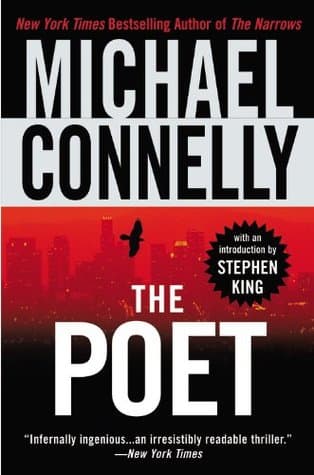
- The Poet
Michael Connelly
4.2 (82k) average on GoodreadsThrillerConnelly's work, particularly The Poet, excels in intricate procedural detail, morally complex protagonists, and a more grounded sense of realism in law enforcement. 1st to Die focuses more on sensationalism and rapid twists, whereas Connelly builds tension through meticulous investigation and the psychological cat-and-mouse game, offering a deeper dive into the mechanics of criminal profiling and police work.
- Angels & Demons
Dan Brown
3.9 (2.7M) average on GoodreadsThrillerA Harvard symbologist races through Rome's ancient sites, deciphering cryptic clues to unmask the Illuminati and stop a vengeful plot to destroy the Vatican with a stolen antimatter weapon.
- Gone Girl
Gillian Flynn
4.1 (2.3M) average on GoodreadsThrillerA wife's sudden disappearance on her fifth anniversary reveals a web of lies and psychological warfare, exposing the secrets within a seemingly perfect marriage.





Enjoyed the summary?
A summary gives you the shape of the book. The book itself has the detail, the examples and the voice.
Find 1st to Die on AmazonAs an Amazon Associate, BookBrief earns from qualifying purchases. How we're funded