

Synopsis
Covers the whole plot, including the ending.
- Difficulty
- Easy
- Pacing
- Slow
- Mood
- Nostalgic, Heartwarming, Bittersweet, Gentle
- Read it if
- You want a heartwarming, nostalgic story about an unlikely friendship and the magic of simple holiday traditions.
- Skip it if
- You prefer fast-paced plots or complex narratives; this is a quiet, reflective character piece.
A Christmas Memory Plot Summary
Covers the whole plot, including the ending.
Fruitcake Weather
The story opens in a rural Alabama house, where seven-year-old Buddy lives with his much older, eccentric cousin, Sook Falk. With the first chill of November, Sook declares, "It's fruitcake weather!" This starts their cherished Christmas ritual. They gather ingredients, including costly whiskey from a bootlegger named Mr. Haha Jones, who is initially scary but kind. Buddy and Sook's bond is clear as they work together, their shared activity showing their unique friendship, set apart from the other, more typical relatives in the household. Their excitement for the holiday season centers on the simple, joyful act of creation.
Gathering Ingredients
Buddy and Sook begin their annual search for fruitcake ingredients. They save pennies all year, getting just enough to buy flour, sugar, spices, and the crucial whiskey. Their trip to get the whiskey from Mr. Haha Jones, a tough-looking but gentle Choctaw bootlegger, is a highlight. Haha, impressed by Sook's honest nature, always gives them a little extra or a discount. They also gather pecans from their own trees and buy other fruits and nuts. This hard work is filled with shared laughter and quiet understanding, strengthening their deep connection as they prepare for their beloved tradition.
The Fruitcake Baking
With all the ingredients ready, Buddy and Sook begin baking thirty fruitcakes. The kitchen becomes a fragrant, busy place. Sook, despite her weakness, works with surprising energy, while Buddy helps, stirring batter and greasing pans. The fruitcakes are not for them, but for many people: friends, distant relatives they've never met, and even public figures like President Roosevelt. Each fruitcake is a symbol of their generosity and wish to spread joy, showing their unique view on gift-giving and community.
The Whiskey Incident
After the fruitcakes are baked, wrapped, and stored, Buddy and Sook celebrate by trying the leftover whiskey. Sook, who rarely drinks, allows herself a small, celebratory sip, sharing some with Buddy. They become lighthearted and giddy, dancing and singing together. This innocent fun, however, brings strong disapproval from the other, more typical relatives living in the house. They scold Sook for giving alcohol to a child, showing the difference between Sook and Buddy's free-spirited joy and the strict expectations of the adults.
The Christmas Tree Hunt
With fruitcakes delivered, Buddy and Sook focus on finding a Christmas tree. They go into the cold, wintry woods, carrying an old wagon and Sook's rusty ax. The search is a shared adventure, filled with Sook's whimsical thoughts about nature and Buddy's eager help. They find a magnificent, tall tree that they think is perfect. Cutting it down and dragging it home shows their determination and the strength of their bond, as they work together, driven by their shared Christmas spirit.
Decorating the Tree
Back home, Buddy and Sook lovingly decorate their chosen Christmas tree. Their ornaments are not bought but homemade: strung popcorn and cranberries, paper cutouts, and saved trinkets. The most important decoration is a cardboard angel, worn and faded, which Sook carefully places at the top. Decorating is a quiet, joyful ritual, filled with memories and anticipation. The tree, though simple, shines with a special warmth and beauty, reflecting the simple, heartfelt nature of their Christmas celebrations and their deep affection for each other.
Gift-Giving
Christmas morning arrives, and Buddy and Sook exchange gifts. Their presents are always handmade and deeply personal. Buddy gives Sook a kite, which he has carefully made and decorated, and Sook gives Buddy a homemade kite, along with a new book. The simplicity and thoughtfulness of their gifts contrast sharply with the more elaborate, often impersonal presents exchanged by the other relatives. Their exchange is a moment of pure joy and mutual appreciation, showing the true spirit of giving and receiving from the heart, rather than from duty or material value.
Flying the Kites
After exchanging gifts, Buddy and Sook rush outside to a nearby field to fly their new kites. The wind is perfect, and their homemade creations fly high into the sky, dancing against the winter blue. This act of flying kites is a strong moment of shared freedom and happiness. It shows their escape from the limits and judgments of their household and the world, allowing them to connect with each other and with nature in a pure, unburdened way. The kites are a visual symbol for their spirits: light, joyful, and soaring above the everyday.
Sook's Declining Health
As the years pass, Buddy grows older, and Sook's health begins to decline. Her memory falters, her steps become less steady, and her once bright spirit dims slightly. Despite these changes, their Christmas rituals continue, but with a growing sense of fragility. Buddy, now a young boy nearing adolescence, sees these changes with a quiet sadness, understanding that their time together is precious and limited. The changing seasons and Sook's failing health are a sad reminder of time passing and the impermanence of even the most cherished relationships.
Buddy Leaves Home
Eventually, the other relatives decide that Buddy needs a more structured upbringing, and he is sent away to a military academy. This separation is devastating for both Buddy and Sook. Buddy struggles to adapt to the strict environment of the school, feeling a deep sense of loss and loneliness for his cousin and their shared life. He writes letters to Sook, filled with longing, and she responds with simple, loving notes, often enclosing a small, pressed autumn leaf. Their letters show the lasting strength of their bond despite the physical distance and the changes in their lives.
The Final Christmas
The final Christmas in the story is a sad one. Sook, now very weak, still tries to make fruitcakes, but her memory is failing, and she struggles with the process. Buddy, still at the military academy, is not there to help her. The joy and energy that once marked their preparations are gone, replaced by a quiet sadness. This Christmas symbolizes the end of an era, a sad reflection on time passing and the inevitable loss of cherished traditions when key people are no longer present or able to participate fully.
Sook's Passing and Buddy's Reflection
One day, Buddy receives a letter telling him of Sook's death. The news, though expected, is a deep blow. He imagines her spirit, light and free, finally soaring like one of their kites. Buddy realizes that Sook was the last true link to his childhood innocence and the purest form of love he had known. The story ends with Buddy, now an adult, thinking about Sook and their shared memories. He understands that while people and seasons change, the love and lessons learned from Sook remain with him, an eternal part of his identity, like the memory of flying kites on a bright winter day.
Principal Figures
Buddy
Protagonist/Narrator
A sensitive young boy who narrates the story of his childhood Christmas memories.
Seven-year-old Buddy is the story's narrator, based on Truman Capote himself. He is a sensitive, observant, and imaginative child, deeply devoted to his eccentric elderly cousin, Sook. He finds solace and joy in their shared rituals, feeling like an outsider among the other, more conventional relatives in the household. Buddy's innocence and curiosity drive his participation in the Christmas preparations, and he cherishes the unique bond he shares with Sook, which shapes his understanding of love, generosity, and the passage of time.
Relationships: Sook Falk (Devoted, loving, and symbiotic friendship; Sook is his closest companion and mentor.); Other Relatives (Distant and disapproving; they represent the restrictive, conventional world Buddy and Sook often escape.)
Sook Falk
Protagonist/Mentor
Buddy's elderly, childlike, and deeply loving cousin, who embodies innocence and generosity.
Miss Sook Falk is Buddy's much older cousin, described as childlike, frail, and eccentric, but possessing a profound inner strength and unwavering spirit. She is the heart of their Christmas rituals, always initiating the fruitcake baking and tree hunting. Sook is generous to a fault, often giving away what little she has, and views the world with an innocent wonder that Buddy deeply connects with. Despite her simplicity and the disapproval of other relatives, she is fiercely independent and lives by her own gentle code, prioritizing love and joy above all else.
Relationships: Buddy (Deeply loving, protective, and co-dependent friendship; Buddy is her closest companion and confidant.); Mr. Haha Jones (Respectful and friendly; Haha provides whiskey for her fruitcakes and offers her kindness.); Other Relatives (Often disapproving and critical; they represent the societal norms she gently defies.)
Mr. Haha Jones
Supporting
A formidable-looking but kind Choctaw bootlegger who supplies whiskey.
Mr. Haha Jones is a Choctaw man who runs a bootlegging operation, supplying whiskey to Sook for her fruitcakes. Initially perceived as intimidating by Buddy due to his large size and reputation, he quickly reveals a gentle and kind nature, especially towards Sook. He often gives them extra whiskey or a discount, showing a quiet respect and fondness for Sook. Haha represents a connection to a different, less conventional world, and his interactions with Sook and Buddy highlight the story's themes of unexpected kindness and community beyond societal norms.
Relationships: Sook Falk (Respectful and friendly; he supplies her with whiskey and shows her kindness.); Buddy (Initially intimidating, but ultimately gentle and kind.)
Other Relatives
Supporting/Antagonistic
The conventional and often disapproving adults in the household.
The 'other relatives' are a collective group of adults who live in the house with Buddy and Sook. They are portrayed as conventional, often stern, and disapproving of Sook's eccentricities and her close, unconventional relationship with Buddy. They represent the societal norms and expectations that Sook and Buddy often gently defy. Their disapproval of the whiskey incident and their decision to send Buddy to military school underscore their desire for order and conformity, contrasting sharply with the free-spirited joy of Buddy and Sook.
Relationships: Sook Falk (Often critical and disapproving of her behavior and her influence on Buddy.); Buddy (Responsible for his upbringing, but often misunderstanding his emotional needs and relationship with Sook.)
Themes & Insights
Innocence and Childhood Wonder
The story looks at innocence through the eyes of both Buddy and Sook. Sook, despite her age, has a childlike wonder and a free spirit, seeing magic in everyday rituals like baking fruitcakes or flying kites. Buddy, as a child, shares this innocence, finding joy in simple pleasures and shared adventures with Sook. Their world is one of imagination, generosity, and pure joy, untouched by adult cynicism, as seen when they enjoy their homemade gifts and the freedom of flying kites.
“A day of winter trees, funereal but beautiful. A day of a cold sun and a wind that shakes the tops of the pecan trees. A day when the chimney smoke smells like pine needles and everybody is happy.”
Unconventional Love and Friendship
At its heart, 'A Christmas Memory' shows the power of an unusual, yet deeply loving, friendship between Buddy and Sook. Their bond goes beyond age, societal expectations, and the disapproval of others. They are each other's closest friends and partners, sharing secrets, dreams, and rituals that define their lives. Their relationship shows that love can appear in many forms, giving comfort, understanding, and a sense of belonging that goes against traditional family structures, as shown by their shared joy in baking and gift-giving.
“We are not cousins; we are friends. And that is a different thing altogether.”
The Passage of Time and Loss
The story has a sad sense of time passing and the certainty of loss. As Buddy grows older, he sees Sook's declining health and the eventual end of their shared Christmases. The story's structure, told from an adult Buddy's view, highlights the bittersweet nature of memory and the understanding that cherished moments are fleeting. Sook's death and Buddy's thoughts afterward show the deep impact of those lost, yet the lasting legacy of their love and the lessons learned remain, like the memory of a kite flying high.
“Life separates us. Those whom we love, and those who love us, are separated by the passage of time.”
Generosity and Giving
A main theme is generosity, not in terms of money, but in acts of kindness and love. Buddy and Sook, despite their own limited means, spend their Christmas baking thirty fruitcakes for many people, from close friends to distant figures like President Roosevelt. Their gifts to each other are handmade and deeply personal, showing thoughtfulness over cost. This theme shows that true giving comes from the heart and is about sharing joy and connection, rather than fulfilling a duty or showing wealth.
“Oh, my, it's fruitcake weather! We are going to make thirty cakes this year.”
Nostalgia and Memory
The entire story is a nostalgic memory, with the adult Buddy looking back on his childhood Christmases with Sook. This theme explores how memories shape who someone is and provide comfort, even after loss. The clear descriptions of sights, sounds, and smells take the reader, and Buddy, back to a simpler, magical time. Remembering itself becomes a way to keep Sook's spirit alive and to process the deep impact she had on his life, highlighting the lasting power of cherished experiences.
“And when that happens, I know it's not the memory of a lost friend that I'm seeing, but the friend herself, as she was in the last days of our long friendship.”
Plot Devices & Literary Techniques
First-Person Retrospective Narration
The story is told by an adult Buddy looking back on his childhood.
The entire narrative is framed as a first-person account by an adult Buddy reflecting on his childhood memories with Sook. This device allows for a tone of tender nostalgia and poignancy, as the narrator understands the significance of events in hindsight. It also enables the blending of childlike wonder with adult wisdom, creating a bittersweet perspective on innocence, love, and loss. The retrospective lens emphasizes the enduring impact of Sook on Buddy's life and the preciousness of fleeting moments.
Symbolism of Kites
Kites represent freedom, joy, and the soaring spirits of Buddy and Sook.
Kites are a recurring symbol throughout the story, representing the freedom, joy, and unburdened spirits of Buddy and Sook. They make kites for each other as Christmas gifts, and flying them together is a moment of pure, unadulterated happiness and escape from the mundane. In the story's conclusion, Buddy imagines Sook's spirit 'soaring like a kite,' solidifying the kite as a symbol of her enduring, free-spirited essence and his everlasting connection to her, even after her death.
The Fruitcakes as a Ritual
The annual fruitcake baking serves as a central ritual connecting Buddy and Sook.
The annual ritual of baking thirty fruitcakes is a central plot device that structures the narrative and symbolizes the core of Buddy and Sook's relationship. It is their shared purpose, a source of joy, and a testament to their generosity. The meticulous process of gathering ingredients, baking, and distributing the cakes highlights their cooperation, their unique bond, and their defiance of conventional norms. This ritual provides comfort, predictability, and meaning in their lives, making its eventual fading all the more poignant.
Juxtaposition of Innocence and Worldliness
Contrasting the childlike wonder of Buddy and Sook with the mundane reality of the adult world.
This device highlights the stark differences between the simple, joyous world of Buddy and Sook and the more conventional, often disapproving world of the other relatives. The 'other relatives' represent societal expectations, practicality, and judgment, while Buddy and Sook embody innocence, imagination, and a disregard for material wealth. This contrast is evident during the whiskey incident and when Buddy is sent away to military school, emphasizing the preciousness and fragility of their unique, unburdened existence against a backdrop of conformity.
A Christmas Memory Quotes
“It's fruitcake weather!”
“Life seemed to be a series of farewells.”
“Oh, my, it's a good thing we're not rich.”
“A person who doesn't like dogs can't be all bad.”
“We are not to be confused with those who have a lot of money.”
“Buddy. I'm afraid to leave you alone.”
“We have never had a Christmas without fruitcake.”
“The wind is like a violin.”
“It's funny how you remember little things.”
“The only thing that ever really frightened me was when I was a child and I would wake up in the middle of the night and my cousin was gone.”
“A day of winter sunlight, the air like ice, and the smell of woodsmoke and pine needles.”
“We are each other's best friend.”
“Queenie, a small, white, bellicose terrier.”
“And that's the way it was, one Christmas after another, until, without warning, it wasn't.”
Quiz
10 questions on the plot and the characters. Each answer comes with a short explanation.
Question 1
What is the first thing seven-year-old Buddy exclaims to his cousin, Miss Sook, to inaugurate the Christmas season?
- It's time for presents!
- It's fruitcake weather!
- The snow is falling!
- Let's decorate the tree!
Show answer
B. It's fruitcake weather! The story opens with Buddy announcing, 'It's fruitcake weather!', signaling the start of their Christmas rituals.
Question 2
What is the primary activity Buddy and his older cousin, Miss Sook, engage in when 'fruitcake weather' arrives?
- Making homemade presents for their family.
- Baking fruitcakes to give to various people.
- Decorating their house with handmade ornaments.
- Visiting neighbors and singing carols.
Show answer
B. Baking fruitcakes to give to various people. Their main Christmas tradition is baking dozens of fruitcakes, which they then distribute to a wide range of people.
Question 3
What kind of homemade gifts do Buddy and his cousin typically make for each other?
- Knitted scarves and gloves.
- Hand-carved wooden toys.
- Kites made from scraps and string.
- Painted rocks and homemade jewelry.
Show answer
C. Kites made from scraps and string. Despite their poverty, they always make each other kites, often with elaborate designs, which they enjoy flying together.
Question 4
What does Buddy and Miss Sook's ritual of flying kites together symbolize in the story?
- Their desire to escape their small town.
- Their shared innocence, freedom, and connection.
- Their competitive spirit and love for games.
- Their hope for a prosperous future.
Show answer
B. Their shared innocence, freedom, and connection. The act of flying kites together represents their simple joy, their shared world, and the innocent bond they share, reaching for the sky together.
Question 5
What is the age difference between Buddy and his cousin, Miss Sook, at the time of the story?
- Approximately 20 years
- Approximately 40 years
- Approximately 60 years
- Approximately 80 years
Show answer
C. Approximately 60 years Buddy is seven, and Miss Sook is described as being in her sixties, making the age difference around 60 years.
Question 6
What is the name of the dog that Buddy and Miss Sook share?
- Queenie
- Buddy Jr.
- Dixie
- Scout
Show answer
A. Queenie Their beloved fox terrier, Queenie, is a constant companion and even helps them hunt for pecans.
Question 7
Why does Miss Sook refuse to allow Buddy to have a bicycle for Christmas, despite his longing?
- She believes it is too dangerous for him.
- They cannot afford one and she is practical about their finances.
- She is afraid he will ride away and leave her.
- She thinks it's an inappropriate gift for a boy his age.
Show answer
C. She is afraid he will ride away and leave her. Miss Sook, despite her childlike nature, has a deep-seated fear of being left alone, and a bicycle represents Buddy's potential independence and departure.
Question 8
What is the general attitude of the other relatives living in the house towards Buddy and Miss Sook's friendship and activities?
- They are highly supportive and often join in.
- They are mostly indifferent, allowing them their eccentricities.
- They often disapprove and try to control their behavior, especially Miss Sook's.
- They are amused but rarely interfere with their routines.
Show answer
C. They often disapprove and try to control their behavior, especially Miss Sook's. The other, more 'sensible' relatives often scold Miss Sook for her childlike ways and for 'spoiling' Buddy, particularly regarding their shared habits like drinking whiskey.
Question 9
How does the story convey the theme of loss and the passage of time?
- Through explicit statements about characters moving away or dying.
- Through Buddy's adult narration reflecting on the last time he saw Miss Sook and the changing seasons.
- By showing the physical decay of their home and possessions over the years.
- By having Miss Sook frequently reminisce about her youth.
Show answer
B. Through Buddy's adult narration reflecting on the last time he saw Miss Sook and the changing seasons. The story is narrated by an adult Buddy, who looks back on these memories, noting the inevitable separation and the passing of his beloved cousin, marked by the changing seasons and the absence of her presence.
Question 10
What unique ingredient do Buddy and Miss Sook famously 'borrow' from the household for their fruitcakes?
- Vanilla extract
- Pecan nuts
- Whiskey
- Dried cranberries
Show answer
C. Whiskey They famously 'steal' a cup of whiskey from the 'Forbidden Fruit' jug, a source of both amusement and minor consternation for the other family members.
A Christmas Memory FAQ
What is the central relationship in 'A Christmas Memory'?
The story centers on the deep and unconventional bond between seven-year-old Buddy and his much older, childlike cousin, Miss Sook Falk. They are kindred spirits who share a unique world of traditions and understanding, often feeling like outsiders within their own household.
What significant holiday ritual do Buddy and Miss Sook share?
Their most cherished ritual is making fruitcakes every Christmas. This annual event involves gathering ingredients, often bartering for whiskey, and baking dozens of cakes to give to friends, strangers, and even famous figures they admire.
Who are some of the recipients of Buddy and Miss Sook's fruitcakes?
They send fruitcakes to a diverse array of people, including close friends, neighbors, people they barely know, and even public figures like President Roosevelt and a California bus driver Miss Sook once met. This act of giving highlights their expansive generosity and connection to the wider world.
What challenges do Buddy and Miss Sook face from other family members?
The other, more conventional relatives in the household, particularly the adults, often disapprove of Miss Sook's 'childish' ways and Buddy's close relationship with her. They sometimes scold Miss Sook for giving Buddy whiskey to taste or for her impractical spending habits.
How does the story depict the passage of time and the inevitable changes it brings?
The story subtly foreshadows the end of Buddy and Miss Sook's time together as Buddy is sent away to military school. This separation marks the eventual fading of their shared world and the innocent magic of their Christmases, leading to Miss Sook's decline.
What is the significance of the kite-flying scene?
The kite-flying scene symbolizes their freedom, joy, and shared escape from the mundane or critical aspects of their lives. It represents a moment of pure, unadulterated happiness and connection between Buddy and Miss Sook, high above their earthly troubles.
How does the author use the setting of rural Alabama to enhance the story?
The rural Alabama setting in the 1930s provides a backdrop of simplicity, close-knit community, and a slower pace of life, which perfectly complements the innocent and old-fashioned world Buddy and Miss Sook inhabit. It emphasizes their self-contained, almost timeless existence.
What role does the 'buggy' play in their adventures?
The buggy, pulled by their old horse Queenie, is their primary mode of transport for their fruitcake expeditions and other errands. It represents their independence and their unique way of navigating the world, distinct from the more modern conveniences of others.
What does Miss Sook's innocence reveal about the nature of joy?
Miss Sook's profound innocence, despite her age, suggests that true joy comes from simple pleasures, generosity, and an unburdened spirit. Her ability to find wonder in everyday things allows her to experience life with a child's pure delight, untainted by adult cynicism.
How does Buddy's perspective as a narrator shape our understanding of Miss Sook?
As a child narrator, Buddy sees Miss Sook through a lens of admiration, love, and wonder, rather than judgment. This perspective allows the reader to appreciate her unique qualities and the magic she brings to his life, overlooking the 'eccentricities' that adults might criticize.
In what ways do Buddy and Miss Sook mirror each other psychologically?
Both Buddy and Miss Sook possess a childlike wonder, an imaginative spirit, and a slight detachment from conventional adult society. They share an emotional sensitivity and a deep need for connection, finding solace and understanding in each other that they don't receive from others.
How does the story explore themes of memory and nostalgia?
The entire narrative is a 'memory' recalled by the adult Truman Capote, imbued with a profound sense of nostalgia for a lost time and a cherished relationship. It highlights how certain memories, particularly those from childhood, shape our identity and remain vivid long after the events occur.
Is 'A Christmas Memory' solely a tale of happiness, or does it contain elements of sadness?
While filled with warmth and joy, the story is tinged with an underlying sadness due to the eventual separation of Buddy and Miss Sook and the passing of their unique way of life. The ending, with Miss Sook's decline after Buddy leaves, is particularly poignant, making it a bittersweet reflection on impermanence.
What is the significance of the 'fruitcake weather' phrase?
'Fruitcake weather' is more than just a seasonal marker; it's a call to adventure, a signal that their most beloved ritual is about to begin. It encapsulates the excitement, anticipation, and unique world that Buddy and Miss Sook share, initiating their special Christmas season.
How does Capote's writing style contribute to the story's enduring appeal?
Capote's lyrical, evocative, and precise prose paints vivid pictures of the rural setting and the characters' inner lives. His ability to capture the innocence of childhood and the bittersweet nature of memory, combined with a touch of Southern gothic charm, makes the story resonate deeply with readers.
What does the act of giving fruitcakes symbolize for Buddy and Miss Sook?
Giving fruitcakes symbolizes their boundless generosity, their desire to connect with others, and their unique way of expressing love and goodwill. It's a tangible manifestation of their simple, kind-hearted spirits, reaching out to both known and unknown recipients.
How does the story subtly critique societal norms regarding age and 'proper' behavior?
The story subtly critiques societal norms by presenting Miss Sook, an elderly woman with the spirit of a child, as the most genuinely loving and joyful character, in contrast to the more 'adult' and often critical family members. It challenges the idea that maturity must equate to a loss of wonder.
About the author
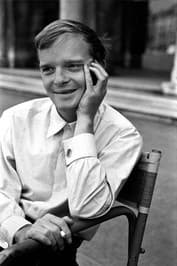
Truman Capote was an American author known for his distinctive narrative style and contributions to both fiction and non-fiction. His notable works include "In Cold Blood," a pioneering true crime novel, and "Breakfast at Tiffany's," a novella that explores themes of love and identity. Other significant writings include "A Christmas Memory," "Music for Chameleons," and "Summer Crossing."
Similar books
- How the Grinch Stole Christmas!
Dr. Seuss
4.4 (330k) average on GoodreadsFantasyCaptures the spirit of Christmas and the importance of relationships over material possessions.
- The Little Prince
Antoine De Saint Exupéry
Explores themes of innocence, friendship, and the unique perspective of childhood.
- To Kill a Mockingbird
Harper Lee
4.3 (4.5M) average on GoodreadsHistorical FictionBoth 'A Christmas Memory' and 'To Kill a Mockingbird' utilize a child narrator to explore complex themes and feature a significant, unconventional adult figure (Sook and Atticus Finch, respectively) who profoundly impacts the child. However, Lee's novel has a much larger social and legal canvas, using the childhood perspective (Scout's) to critique systemic injustice, racism, and moral courage within a community. Capote's story, while poignant, remains intensely personal and inward-looking, focusing almost exclusively on the interior landscape of memory, affection, and the bittersweet nature of growing up, without the broader societal critique present in Lee's work.
- Harry Potter and the Sorcerer's Stone
J.K. Rowling
4.5 (7M) average on GoodreadsFantasyRescued from a miserable life under the stairs, an orphaned boy discovers he's a wizard destined for a magical school, where he uncovers a dangerous secret tied to the dark wizard who murdered his parents.
- The Hobbit, or There and Back Again
J.R.R. Tolkien
4.3 (2.9M) average on GoodreadsFantasyA comfort-loving hobbit named Bilbo Baggins is whisked away by a mischievous wizard and a band of dwarves on an unexpected journey to reclaim stolen treasure from a fearsome dragon, discovering courage and a magical ring along the way.
- Harry Potter and the Goblet of Fire
J.K. Rowling
4.6 (2.6M) average on GoodreadsFantasyA bewildered Harry Potter, underage and thrust into a deadly Triwizard Tournament, must brave dragons, mermaids, and a resurgent dark magic to survive a year that will forever alter the wizarding world.






Enjoyed the summary?
A summary gives you the shape of the book. The book itself has the detail, the examples and the voice.
Find A Christmas Memory on AmazonAs an Amazon Associate, BookBrief earns from qualifying purchases. How we're funded