

Estimated read time: 5 min read
One Sentence Summary
"A Dance to the Music of Time" by Anthony Powell is a twelve-volume series that chronicles the lives, relationships, and social dynamics of a group of characters in 20th-century England.
Table of Contents
Introduction
"A Dance to the Music of Time" is a twelve-volume series by Anthony Powell, capturing an extensive panorama of British society across several decades. The narrative intricately interweaves personal stories with historical events, offering a profound reflection on the passage of time and the human condition. Powell's work remains significant for its keen observations and satirical depiction of social dynamics.
Brief Synopsis
Plot Overview
The series follows the life of Nicholas Jenkins, a writer, as he navigates the ebb and flow of friendships, romantic entanglements, and career shifts. Jenkins becomes a lens through which we observe the shifting societal landscape. Each volume captures different stages of his life, from youthful vigor to contemplative maturity, set against the backdrop of cultural and political changes in 20th-century Britain.
Setting
The series is set primarily in England, spanning from the 1920s to the early 1970s. It captures various social settings, from the lively streets of London to the serene English countryside, reflecting the diverse spectrum of British society.
Main Characters
- Nicholas Jenkins: The protagonist and narrator, offering an introspective and often philosophical perspective on life's events.
- Kenneth Widmerpool: A socially ambitious and awkward figure whose rise to power and influence is a central theme.
- Charles Stringham: A charismatic yet troubled friend of Jenkins, representing the fleeting nature of charm and talent.
- Widmerpool's Various Acquaintances: Through his interactions, we see the contrasting values and ambitions of different societal classes.
Plot Summary
The series is divided into four movements, each consisting of three novels. Below is a summary of key events and how the story progresses.
First Movement
- "A Question of Upbringing": Introduces Jenkins, Widmerpool, and Stringham, capturing their school days and the formative experiences that shape their futures.
- "A Buyer's Market": Focuses on Jenkins' early adult life, exploring themes of love and social positioning in London's vibrant social scene.
- "The Acceptance World": Depicts Jenkins' professional growth and the complexities of adult relationships, highlighting the unpredictable nature of life.
Second Movement
- "At Lady Molly's": Delves into the intricacies of marriage and family, with Jenkins attending various social gatherings.
- "Casanova's Chinese Restaurant": Explores themes of love, music, and the impact of war, as Jenkins witnesses friends' marriages and divorces.
- "The Kindly Ones": Set against the backdrop of World War II, this volume examines the personal and societal upheavals caused by the conflict.
Third Movement
- "The Valley of Bones": Chronicles Jenkins' experiences in the army, highlighting the contrast between civilian and military life.
- "The Soldier's Art": Continues the wartime narrative, focusing on the absurdities and challenges faced by those in service.
- "The Military Philosophers": Concludes the war years, reflecting on the personal growth and changes brought about by the war.
Fourth Movement
- "Books Do Furnish a Room": Post-war Britain offers a new landscape, with Jenkins involved in literary and academic circles.
- "Temporary Kings": Captures the shifting power dynamics and personal rivalries in a rapidly changing world.
- "Hearing Secret Harmonies": The final volume reflects on the passage of time and the enduring nature of human connections.
Themes and Motifs
Central Themes
- The Passage of Time: The series explores how time shapes individuals and societies, emphasizing the cyclical nature of life.
- Social Mobility: It examines the fluidity of social classes and the relentless pursuit of status.
- Friendship and Loyalty: The bonds between characters highlight the complexities and resilience of human relationships.
Motifs
- Dance and Music: Serving as metaphors for life's rhythm and unpredictability.
- Historical Context: A backdrop for personal dramas, illustrating the interplay between individual lives and broader societal changes.
Author's Background
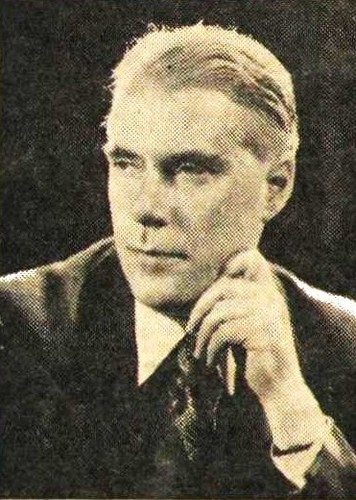
Anthony Powell was a British novelist known for his keen social commentary and wit. His writing style is characterized by its intricate character studies and humor. Powell's other notable works include "Afternoon Men" and "Venusberg," which also explore themes of social satire.
Reader's Takeaway
Readers may find themselves reflecting on their own lives, considering the impact of time and relationships. The series encourages introspection on the nature of ambition, loyalty, and the pursuit of happiness amidst life's unpredictability.
Conclusion
"A Dance to the Music of Time" is a masterful exploration of the human experience, capturing the essence of British society over half a century. Its rich character development and insightful social commentary make it a timeless read. Readers are encouraged to delve into Powell's world, where the dance of life is depicted with both humor and poignancy, offering enduring insights into the complexities of existence.
A Dance to the Music of Time FAQ
What is 'A Dance to the Music of Time' about?
A Dance to the Music of Time is a twelve-volume series of novels by Anthony Powell, which depicts a wide-ranging panorama of 20th-century British society, following the lives of over 300 characters throughout several decades.
Who is the author of 'A Dance to the Music of Time'?
The author of 'A Dance to the Music of Time' is Anthony Powell.
How is the series 'A Dance to the Music of Time' structured?
The series is structured in twelve volumes, divided into four 'movements,' each consisting of three books. It spans from the 1920s to the 1970s, covering various aspects of life and society.
What themes are explored in 'A Dance to the Music of Time'?
The series explores themes such as the passage of time, the interplay of fate and free will, the complexities of human relationships, and the social and political changes in 20th-century Britain.
Is 'A Dance to the Music of Time' based on real events?
While 'A Dance to the Music of Time' is a work of fiction, it is heavily inspired by real events and people from Anthony Powell's life and experiences, reflecting the historical and cultural context of the time.
Who is the main character in 'A Dance to the Music of Time'?
The main character and narrator of the series is Nicholas Jenkins, who provides a reflective and detailed account of his observations and experiences within the world he inhabits.
What is the significance of the title 'A Dance to the Music of Time'?
The title is a metaphor for the cyclical and interwoven nature of human lives and events, suggesting how individuals dance to the tunes of time and fate, much like the figures in the painting by Nicolas Poussin that inspired the title.
What is the style of writing in 'A Dance to the Music of Time'?
The series is known for its detailed and introspective prose, with a focus on character development and social commentary. Powell's writing style is often compared to that of Marcel Proust and other authors who delve into the intricacies of human experience.
Has 'A Dance to the Music of Time' been adapted into any other media?
Yes, 'A Dance to the Music of Time' has been adapted into a television series by Channel 4 in the UK, which aired in 1997. The adaptation condenses the twelve novels into four episodes and captures the essence of Powell's work.
Why is 'A Dance to the Music of Time' considered a significant literary work?
The series is considered significant due to its comprehensive exploration of social and cultural dynamics, its rich characterizations, and its insightful portrayal of the passage of time, making it a landmark in 20th-century literature.