
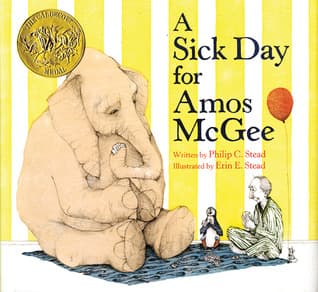
Synopsis
Covers the whole plot, including the ending.
- Difficulty
- Easy
- Pacing
- Slow
- Mood
- Heartwarming, Gentle, Comforting, Sweet
- Read it if
- You enjoy heartwarming stories about friendship and reciprocity, with gentle humor and charming illustrations.
- Skip it if
- You prefer fast-paced plots or complex narratives; this is a quiet, character-driven children's story.
A Sick Day for Amos McGee Plot Summary
Covers the whole plot, including the ending.
A Day in the Life of Amos
Amos McGee is a kind and punctual zookeeper who spends his days with his animal companions. Every morning, he wakes early, dresses, and walks to the city zoo. He plays chess with the elephant, runs races with the tortoise (who always wins), sits quietly with the penguin, lends his handkerchief to the rhinoceros, and reads bedtime stories to the owl, who fears the dark. Amos's interactions with each animal fit their individual needs and personalities. This shows his deep care and the strong bonds he shares with the animals.
The Unforeseen Illness
One morning, Amos wakes up feeling very ill. He has a runny nose, a cough, and a general feeling of being unwell, shown by a big 'AH-CHOO!' He realizes he is too sick to go to work, which is rare for him. This illness disrupts his organized life and, more importantly, the lives of his animal friends who rely on his daily visits. He stays in bed, feeling the impact of his absence from the zoo.
Concern at the Zoo
At the zoo, the animals notice Amos is gone. The elephant waits for his chess game, the tortoise for their race, the penguin for a quiet moment, the rhinoceros for his handkerchief, and the owl for his bedtime story. They are used to Amos's routine, and his absence worries them. Realizing something is wrong, they decide to act. They plan to visit Amos at his home to check on him, showing their mutual affection and concern.
The Journey to Amos's House
The five animal friends—the elephant, the tortoise, the penguin, the rhinoceros, and the owl—leave the zoo together. They walk through the city streets, an unusual sight. They walk single file, attracting curious looks but staying focused on their goal. The journey shows their determination and how much they care for Amos. Despite their different speeds, they travel as a united group, highlighting their collective friendship.
Arrival and Entry
When they reach Amos's house, the door is locked. The elephant uses his trunk to press the doorbell. When Amos doesn't answer, he gently tries the doorknob. Finding it unlocked, the elephant, followed by the tortoise, the penguin, the rhinoceros, and the owl, quietly enter the house. Their entry is respectful and careful, showing they know Amos is unwell and do not want to disturb him. They go to his bedroom, eager to see their friend.
Amos's Surprise
Amos is asleep in his bed, still feeling sick. He wakes to a gentle presence and opens his eyes to see all five animal friends standing quietly around his bed. He is surprised but quickly understands why they are there. Their presence brings him comfort and a sense of being cared for, showing the strong bond of friendship he shares with them. This moment is a heartwarming role reversal, with the animals now tending to Amos.
Reciprocal Care
Just as Amos cares for them, the animals now care for him. The elephant offers Amos his handkerchief, like Amos does for the rhinoceros. The tortoise lets Amos rest on his back for a moment, recalling their races. The penguin sits quietly at the foot of the bed, providing a calm presence. The rhinoceros blows Amos's nose (gently, with a tissue), a humorous twist on their usual interaction. Finally, the owl reads Amos a bedtime story, helping him fall back asleep, just as Amos does for the owl. Each act of care directly reflects Amos's kindness.
A Shared Nap
After the owl finishes reading, Amos falls asleep, feeling much better thanks to his friends' care. One by one, the animals also settle down around him. The elephant curls up on the rug, the tortoise snuggles at the foot of the bed, the penguin perches on the nightstand, the rhinoceros leans against the wall, and the owl closes his eyes on the headboard. They all fall asleep, creating a tender scene of shared companionship.
Waking Up Well
Amos wakes later, feeling fully recovered. He finds his animal friends still asleep around his room, showing their loyalty and care. Seeing them there makes him smile, reinforcing their deep friendship. He is no longer sick, and the house is filled with a peaceful silence. This scene emphasizes the healing power of friendship and the deep connection between Amos and his animal companions.
Returning Home
With Amos feeling better, it is time for the animals to return to the zoo. Amos, now well and energized, goes with them. They walk back through the city streets, a happy group. The book ends with the idea that their routines will continue, but with a deeper understanding of their mutual care and affection. The journey back means a return to normal, but one changed by the shared experience of illness and friendship.
Principal Figures
Amos McGee
Protagonist
A kind, punctual, and empathetic zookeeper.
Amos McGee is the heart of the story, a gentle and dedicated zookeeper who treats his animal charges not just as animals, but as close friends. He is meticulous in his care, always punctual, and tailors his interactions to each animal's specific needs—playing chess with the elephant, running races with the tortoise, comforting the penguin, providing for the rhinoceros, and reading to the owl. His kindness and consistent presence are the foundation of his relationships. He is driven by a deep love and responsibility for his friends.
Relationships: Elephant (Chess partner, friend); Tortoise (Running partner, friend); Penguin (Quiet companion, friend); Rhinoceros (Tissue provider, friend); Owl (Bedtime story reader, friend)
Elephant
Supporting
Amos's chess partner and a thoughtful friend.
The elephant is one of Amos's closest friends at the zoo. He is depicted as intelligent, enjoying a regular game of chess with Amos. When Amos is sick, the elephant takes on a leadership role, being the first to knock on Amos's door and later offering Amos his handkerchief, mirroring Amos's kindness to the rhinoceros. He represents loyalty and a quiet wisdom among the animal group.
Relationships: Amos McGee (Chess partner, close friend); Tortoise (Fellow animal friend); Penguin (Fellow animal friend); Rhinoceros (Fellow animal friend); Owl (Fellow animal friend)
Tortoise
Supporting
A slow but steady friend who always wins races.
The tortoise is a patient and persistent character, known for his slow pace but consistent victory in races against Amos. His quiet presence is comforting. When Amos is sick, the tortoise offers his back for Amos to rest upon, a gentle gesture that reflects their unique bond and the physical comfort Amos provides for him during their races. He embodies steadfast friendship.
Relationships: Amos McGee (Running partner, close friend); Elephant (Fellow animal friend); Penguin (Fellow animal friend); Rhinoceros (Fellow animal friend); Owl (Fellow animal friend)
Penguin
Supporting
A shy and quiet friend who appreciates stillness.
The penguin is a quiet and somewhat reserved character, who finds comfort in simply sitting still with Amos. This highlights Amos's understanding of different needs for connection. When Amos is ill, the penguin sits quietly at the foot of his bed, offering a calming and unobtrusive presence. His actions demonstrate that support doesn't always require grand gestures but can be found in shared, peaceful moments.
Relationships: Amos McGee (Quiet companion, close friend); Elephant (Fellow animal friend); Tortoise (Fellow animal friend); Rhinoceros (Fellow animal friend); Owl (Fellow animal friend)
Rhinoceros
Supporting
A friend with a sensitive nose, always needing a handkerchief.
The rhinoceros is characterized by his perpetually runny nose, for which Amos always has a handkerchief ready. This seemingly minor detail underscores Amos's attentiveness to even the smallest needs of his friends. In a humorous reversal, the rhinoceros attempts to blow Amos's nose (gently, with a tissue) when Amos is sick, showing his desire to reciprocate the care he receives. He represents the more boisterous, yet still deeply affectionate, side of friendship.
Relationships: Amos McGee (Handkerchief recipient, close friend); Elephant (Fellow animal friend); Tortoise (Fellow animal friend); Penguin (Fellow animal friend); Owl (Fellow animal friend)
Owl
Supporting
A nocturnal friend afraid of the dark, who enjoys bedtime stories.
The owl is a wise creature by nature, but also has a vulnerability: he is afraid of the dark, requiring Amos to read him a bedtime story every night. This detail adds a layer of tenderness to their relationship. When Amos is ill, the owl reciprocates by reading Amos a story, helping him fall asleep. The owl embodies the power of comfort and shared ritual in friendship, and the ability to overcome one's own fears to help a friend.
Relationships: Amos McGee (Bedtime story listener, close friend); Elephant (Fellow animal friend); Tortoise (Fellow animal friend); Penguin (Fellow animal friend); Rhinoceros (Fellow animal friend)
Themes & Insights
Friendship and Reciprocity
The main theme is the deep, mutual nature of friendship. Amos's daily care for his animal friends builds a strong bond. When Amos gets sick, the animals show their love and concern by visiting his house and caring for him as he cares for them. The elephant offers a handkerchief, the tortoise offers a rest, the penguin offers quiet company, the rhinoceros tries to blow Amos's nose, and the owl reads a story. This role reversal clearly shows that true friendship is a two-way street, built on mutual care.
“So when Amos didn't show up at the zoo, his animal friends felt that something was not right.”
Empathy and Understanding
Amos's character shows empathy and understanding. He does not treat his animal friends all the same; instead, he caters to each one's unique personality and needs. He plays chess with the elephant, runs with the tortoise, sits quietly with the penguin, provides for the rhinoceros's runny nose, and reads to the owl who fears the dark. This deep understanding is returned by the animals, who, in turn, sense Amos's needs when he is sick and comfort him in ways specific to their past interactions, showing their own empathy.
“He always made time to visit each one of his friends.”
Routine and Disruption
The story begins by showing Amos's careful daily routine, which brings order and comfort to both him and his animal friends. His punctuality and specific interactions create a predictable and safe environment. His illness disrupts this routine significantly, not just for Amos but for the entire zoo community. The animals' trip to his house and their care for him represent a temporary but needed break from routine, highlighting the strength of their bond beyond daily habits.
“But one day—'AH-CHOO!'—Amos woke with a terrible sniffle and an awful sneeze.”
The Healing Power of Presence
Beyond specific acts of care, the simple presence of Amos's friends helps him heal. While the animals do small comforting gestures, their collective decision to show up and be with Amos truly makes him feel better. Their shared nap at the end of the story symbolizes the comfort and peace found in companionship. Their presence eases his loneliness and sadness, showing that sometimes, just being there for someone is the best medicine.
“And by the time the sun began to set, Amos felt a little bit better.”
Plot Devices & Literary Techniques
Anthropomorphism
Giving human characteristics and behaviors to animals.
The animals in 'A Sick Day for Amos McGee' are fully anthropomorphized, possessing human-like intelligence, emotions, and behaviors. They play chess, feel concern, devise plans, and perform acts of care. This device allows for the exploration of complex themes like friendship and empathy through the relatable actions of animal characters, making the story accessible and engaging for young readers while underscoring the universal nature of human-like bonds and compassion.
Role Reversal
The caregiver becomes the cared-for.
This device is central to the story's emotional impact. Initially, Amos is the sole caregiver, attending to the specific needs of each animal. When he falls ill, the roles are dramatically reversed as the animals leave the zoo to care for him. Each animal's act of nurturing Amos directly mirrors how Amos cares for them (e.g., the elephant offers a handkerchief, the owl reads a story). This reversal powerfully illustrates the reciprocal nature of true friendship and highlights the animals' deep affection and gratitude.
Journey Motif
A physical journey symbolizing a thematic shift.
The animals' journey from the zoo to Amos's house serves as a significant plot device. This physical movement through the city streets symbolizes their determination and the depth of their concern. It marks a departure from their usual habitat and routine, emphasizing the extraordinary nature of their mission. The journey is not just about reaching a destination, but about demonstrating their commitment and agency in their friendship with Amos.
Circular Narrative Structure
The story ends by returning to a familiar state, but with new understanding.
The narrative begins with Amos's daily routine of care at the zoo and concludes with him and his now recovered friends returning to the zoo, implying a resumption of that routine. However, the intervening events—Amos's sickness and the animals' care—have deepened the understanding of their bond. The story comes full circle, but with an enriched emotional landscape, reinforcing that while routines are comforting, the underlying connections are what truly matter.
A Sick Day for Amos McGee Quotes
“Every morning, Amos McGee, a zookeeper, woke up with the sun. He put on his uniform, ate a bowl of oatmeal, and set off for the zoo.”
“He played chess with the elephant, and ran races with the tortoise. He sat quietly with the penguin, and lent a handkerchief to the rhinoceros, who always had a runny nose. And he read stories to the owl, who was a bit afraid of the dark.”
“But one day, Amos woke up with a sniffle and a sneeze. He felt a bit woozy.”
“The elephant waited patiently by the door. The tortoise peeked out from under his shell. The penguin waddled nervously. The rhinoceros blew his nose, and the owl ruffled his feathers.”
“They missed him.”
“So, the elephant led the way. The tortoise lumbered along, the penguin waddled, the rhinoceros trotted, and the owl flew overhead.”
“They knocked on the door. No answer.”
“Amos was in bed. He heard a knock at the door, but he was too tired to get up.”
“The elephant helped Amos play chess, even though he was a bit sleepy.”
“The tortoise offered Amos a warm blanket, as he was feeling a bit chilly.”
“The penguin sat quietly with Amos, just like Amos always sat quietly with him.”
“The rhinoceros lent Amos a handkerchief, because Amos had a runny nose.”
“And the owl read stories to Amos, who was a bit afraid of the dark.”
“By the time the moon rose, Amos felt much better. He thanked his friends for visiting him.”
“And that night, Amos McGee, a zookeeper, went to bed early. He was not alone.”
Quiz
10 questions on the plot and the characters. Each answer comes with a short explanation.
Question 1
What is Amos McGee's profession?
- Librarian
- Zookeeper
- Baker
- Teacher
Show answer
B. Zookeeper Amos McGee is a zookeeper who takes care of the animals at the zoo.
Question 2
Which animal did Amos NOT visit daily at the zoo?
- Elephant
- Lion
- Rhinoceros
- Tortoise
Show answer
B. Lion The story mentions Amos's friends as the elephant, tortoise, penguin, rhinoceros, and owl. A lion is not listed.
Question 3
What caused Amos McGee to stay home from work one day?
- He overslept.
- He had a doctor's appointment.
- He woke up with sniffles and sneezes.
- He went on vacation.
Show answer
C. He woke up with sniffles and sneezes. The text states, 'But one day—"Ah-choo!"—he woke up with the sniffles and the sneezes,' indicating he was sick.
Question 4
What special activity did Amos do with the tortoise every day?
- They played hide-and-seek.
- They raced.
- They read stories.
- They shared lunch.
Show answer
B. They raced. Amos always made sure to race the tortoise, even though the tortoise always won.
Question 5
How did the animals know Amos was sick?
- They heard him sneeze from the zoo.
- A human coworker told them.
- He didn't show up at his usual time, and they noticed his absence.
- They received a message from him.
Show answer
C. He didn't show up at his usual time, and they noticed his absence. The animals realized Amos was sick because he didn't arrive for his usual daily visits and routines.
Question 6
What specific item did the penguin bring to Amos's house?
- A warm blanket
- A cup of tea
- A handkerchief
- A get-well card
Show answer
C. A handkerchief The penguin, who was shy, brought Amos a handkerchief as a thoughtful gesture for his sniffles.
Question 7
What is the primary theme conveyed by the animals visiting Amos when he is sick?
- The importance of following routines.
- The value of reciprocal friendship and caring.
- The unpredictable nature of illness.
- The difficulty of taking a day off from work.
Show answer
B. The value of reciprocal friendship and caring. The animals' visit demonstrates their care for Amos, mirroring the care he shows them daily, highlighting the theme of reciprocal friendship.
Question 8
How did the elephant help Amos feel better at his house?
- He gave Amos a back rub.
- He kept Amos warm by sitting on his bed.
- He brought Amos food.
- He told Amos a funny story.
Show answer
B. He kept Amos warm by sitting on his bed. The elephant sat on Amos's bed to keep his feet warm, a reversal of how Amos would warm the elephant's feet at the zoo.
Question 9
What unique interaction did Amos have with the owl at the zoo, which was then mirrored at his home?
- They would play chess.
- They would read stories together.
- They would share a quiet nap.
- They would listen to music.
Show answer
B. They would read stories together. Amos would read stories to the owl at the zoo, and when Amos was sick, the owl read a story to him.
Question 10
The illustrations by Erin E. Stead are described as 'elegant drawings, embellished with subtle hints of color.' What effect does this artistic choice likely have on the book's overall mood?
- It creates a vibrant and energetic atmosphere.
- It adds a sense of whimsy and playful chaos.
- It contributes to the gentle, warm, and understated tone of the story.
- It makes the characters appear more realistic and lifelike.
Show answer
C. It contributes to the gentle, warm, and understated tone of the story. The description 'elegant drawings' and 'subtle hints of color' suggest a refined, soft aesthetic that complements the 'gently humorous tale' and theme of quiet, dedicated friendship, creating a warm and understated mood.
A Sick Day for Amos McGee FAQ
What is the core premise of 'A Sick Day for Amos McGee'?
The book centers on Amos McGee, a dedicated zookeeper who maintains strong personal friendships with the animals under his care. When Amos falls ill and cannot attend work, his animal friends decide to visit him at home to return the kindness and companionship he consistently shows them.
Who are Amos McGee's five main animal friends, and what unique interaction does he share with each?
Amos's friends are the elephant (who he plays chess with), the tortoise (who he races, letting him win), the penguin (who he sits quietly with), the rhinoceros (who he lends a handkerchief to), and the owl (who he reads stories to). Each interaction highlights Amos's personalized care and friendship.
What prompts the animals to visit Amos at his home?
Upon realizing Amos is absent from the zoo due to illness, his animal friends, having grown accustomed to his daily visits and acts of kindness, decide to return the favor. They take a bus together to his house, demonstrating their concern and affection.
How do the animals care for Amos once they arrive at his house?
Each animal provides comfort in their own way: the elephant helps him play chess from bed, the tortoise keeps his feet warm, the penguin keeps him company in silence, the rhinoceros blows his nose with a tissue, and the owl reads him a story. Their actions mirror Amos's past kindnesses to them.
What is the resolution of Amos's sick day, and what does it signify?
Amos recovers from his cold with the help of his friends and returns to work the next day feeling well. The resolution emphasizes the reciprocal nature of friendship and the comfort derived from being cared for, reinforcing the book's central theme of mutual dedication.
Are there any subtle visual cues that hint at the animals' journey before they arrive at Amos's house?
Yes, there are illustrations depicting the animals riding a city bus, with the elephant holding a transfer ticket and the rhino looking out the window. These details subtly show their independent and determined effort to reach Amos's home.
Does the book provide any explanation for how the animals knew Amos's address or how to use public transport?
The book does not explicitly explain these logistics, leaving them to the reader's imagination and the fantastical nature of the story. This ambiguity allows for a focus on the emotional core of the narrative rather than practicalities, reinforcing the magic of their bond.
Is there any significance to the specific order in which the animals visit Amos at the zoo and then care for him at home?
The order generally remains consistent, reinforcing the established individual relationships. The parallelism between Amos's routine with each animal and their subsequent care for him highlights the reciprocity and depth of their unique connections.
What psychological need does Amos McGee's dedication to his animal friends fulfill for him?
Amos's deep engagement with his animal friends likely fulfills a need for connection, purpose, and companionship. His routine of personalized care suggests he finds profound satisfaction and joy in these relationships, possibly mitigating loneliness or providing a sense of family.
How does the animals' response to Amos's sickness reflect a concept of emotional intelligence?
The animals' ability to perceive Amos's distress (his absence), empathize with his situation, and then take collective action to provide comfort demonstrates a high degree of emotional intelligence. They understand his need and respond with thoughtful, personalized care.
What might be the psychological impact on Amos of receiving such unexpected care from his animal friends?
Receiving care from his animal friends likely provides Amos with a profound sense of validation, love, and belonging. It would reinforce the value of his own kindness and deepen his emotional bond with them, potentially boosting his mood and aiding his recovery.
How does the book subtly address the concept of loneliness, both for Amos and potentially for the animals?
Amos's consistent, dedicated visits suggest he actively combats potential loneliness by nurturing deep bonds. The animals, in turn, might experience their own form of loneliness in his absence, which motivates their visit, highlighting how mutual connection alleviates isolation.
Could the animals' ability to travel and care for Amos be interpreted as a metaphor rather than a literal event?
Yes, it can be interpreted metaphorically, representing the powerful, almost magical, impact of true friendship and the idea that kindness always finds a way to return. The literal journey serves as a charming vehicle for this deeper emotional truth.
What message does the book convey about the nature of friendship between different species?
The book suggests that true friendship transcends species barriers, requiring empathy, dedication, and a willingness to understand and meet the unique needs of others. It highlights that kindness and care are universal languages that foster deep bonds.
Some readers might question the realism of the story. How does the book balance its fantastical elements with relatable human emotions?
While the premise is fantastical, the emotions of care, concern, and the joy of reciprocal friendship are deeply human and relatable. The story grounds its magic in universal feelings, making the fantastical elements feel natural within the context of genuine affection.
What deeper meaning can be drawn from the fact that Amos 'always made time' for his friends, even though he had a job?
This detail emphasizes the importance of prioritizing relationships and showing consistent care. It suggests that genuine connection requires effort and intentionality, even amidst daily responsibilities, and that such efforts are richly rewarded.
How does the illustration style by Erin E. Stead contribute to the book's overall message and tone?
Erin E. Stead's elegant, muted illustrations, often with subtle hints of color, create a gentle, nostalgic, and warm atmosphere. This style perfectly complements the quiet humor and heartfelt message, enhancing the sense of tenderness and timeless friendship.
About the author

Philip C. Stead is an American author and illustrator known for his children's literature. His notable work, "A Sick Day for Amos McGee," tells the story of a zookeeper who receives a visit from his animal friends when he falls ill. Stead's books often feature gentle narratives and charming illustrations, appealing to young readers.
Similar books
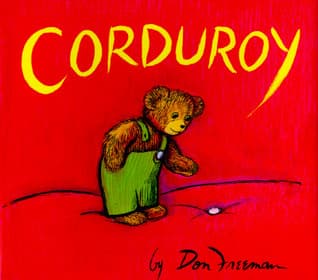
- Corduroy
Don Freeman
4.3 (194k) average on GoodreadsFantasyFeatures a gentle, character-focused story about friendship and connection.
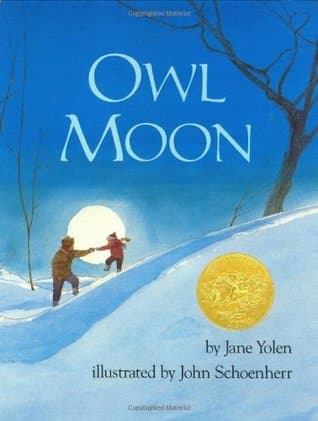
- Owl Moon
Jane Yolen
4.2 (41k) average on GoodreadsChildren'sKnown for its quiet, atmospheric tone and beautiful illustrations.
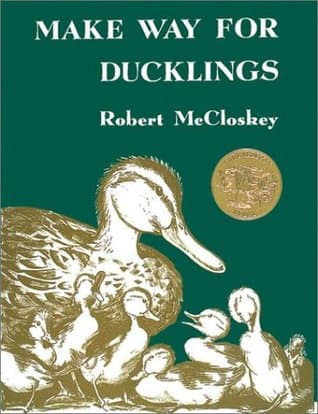
- Make Way for Ducklings
Robert McCloskey
4.2 (84k) average on GoodreadsChildren'sClassic children's story with animals and a gentle, comforting narrative.
- Harry Potter and the Sorcerer's Stone
J.K. Rowling
4.5 (7M) average on GoodreadsFantasyRescued from a miserable life under the stairs, an orphaned boy discovers he's a wizard destined for a magical school, where he uncovers a dangerous secret tied to the dark wizard who murdered his parents.
- The Hunger Games
Suzanne Collins
4.3 (6.4M) average on GoodreadsFantasyIn a future where children fight to the death on live television, Katniss Everdeen volunteers for the arena, turning a death sentence into a fight for survival and a spark of rebellion.
- 1984
George Orwell
4.2 (3.1M) average on GoodreadsPoliticsIn a future where surveillance and thought control are absolute, a man's search for truth clashes with the Party, showing that hope can be a form of rebellion.



Enjoyed the summary?
A summary gives you the shape of the book. The book itself has the detail, the examples and the voice.
Find A Sick Day for Amos McGee on AmazonAs an Amazon Associate, BookBrief earns from qualifying purchases. How we're funded