

Synopsis
Covers the whole plot, including the ending.
- Difficulty
- Easy
- Pacing
- Moderate
- Mood
- Thought-provoking, Emotional, Reflective, Hopeful
- Read it if
- You enjoy introspective relationship dramas, stories about self-discovery after heartbreak, and unconventional approaches to saving a marriage.
- Skip it if
- You prefer fast-paced plots, clear-cut romance, or find the premise of a 'year apart' unrealistic or frustrating.
After I Do Plot Summary
Covers the whole plot, including the ending.
The Unbearable Weight of Silence
Lauren and Ryan, married for seven years, are at a breaking point. Their once passionate relationship has become constant arguments and cold silence. Lauren discovers Ryan's emotional affair with a coworker, causing a massive fight that ends with Ryan admitting he's been unhappy for a long time. They both acknowledge their deep love for each other but confess they no longer like each other. Desperate to save their marriage, or at least understand what happened, they agree to an unusual plan proposed by Ryan: a year-long separation with no contact. The only rule is absolute silence, and at the end of the year, they will decide whether to reconcile or divorce. This decision is met with skepticism and concern from their friends and family, especially Lauren's sister, Deb.
A New Life Apart, But Not Alone
Following the agreement, Ryan moves out of their apartment, and Lauren, unable to afford it alone, moves in with her older brother, Charlie, and his wife, Sarah, and their two children in Silver Lake. The initial weeks are difficult for Lauren, filled with loneliness and the painful adjustment to life without Ryan. She relies heavily on Charlie and Sarah, finding comfort in their stable family life, though she also observes the subtle strains in their own marriage. Lauren also starts to reconnect with her younger sister, Deb, and her husband, David, though Deb remains critical of Lauren and Ryan's separation plan, convinced it's a mistake. Lauren tries to date but finds it difficult to connect with anyone, constantly comparing them to Ryan.
The Allure of the Past and New Connections
During her separation, Lauren reconnects with her childhood friend, Matt Finch, who has recently moved back to Los Angeles. Matt, now a successful musician, offers a refreshing perspective and a sense of familiarity. Their friendship quickly deepens, and they begin a romantic relationship. Matt understands Lauren's situation and her ongoing emotional turmoil regarding Ryan. Their relationship is passionate and easy, allowing Lauren to experience a different kind of intimacy and affection. However, the shadow of Ryan and their unresolved future constantly looms, making Lauren question her true feelings for Matt and the implications for her marriage. She also has a brief, confusing encounter with Ryan's best friend, Ben.
Family Dynamics and Shifting Perspectives
Living with Charlie and Sarah, Lauren gets an intimate look into their marriage, seeing both their enduring love and the everyday struggles and compromises that come with raising a family. She sees Sarah's quiet resentment over Charlie's demanding work schedule and his occasional thoughtlessness. Meanwhile, Deb's marriage to David, seemingly perfect and traditional, begins to show cracks. Deb's rigid views on marriage and fidelity are challenged when she experiences her own crisis of faith in her relationship. These observations make Lauren re-evaluate her idealized notions of marriage and understand that even the strongest unions require constant effort and forgiveness, making her question if her and Ryan's issues were truly unique.
A Life Unfolding: Career and Independence
During her year apart, Lauren focuses on her work as an archivist, finding a new sense of purpose and achievement. She takes on more challenging projects and enjoys the intellectual stimulation and camaraderie with her colleagues. This professional growth contributes significantly to her evolving sense of self and independence. She begins to see herself as a capable individual, not solely defined by her relationship with Ryan. This new confidence extends to her social life, as she cultivates new friendships and engages in activities she previously neglected, showing her ability to thrive outside her marriage and build a fulfilling life on her own terms, separate from Ryan's influence.
The Weight of the Past: Ben's Revelation
Months into her separation, Lauren has an unexpected encounter with Ben, Ryan's best friend, at a bar. After several drinks, Ben, feeling guilty and protective of Ryan, reveals a secret from Ryan's past that explains more about his character. He confesses that Ryan had a brief affair with a woman named Heather during a difficult period in his life, years before meeting Lauren. This revelation shocks Lauren, not because of the infidelity itself, but because Ryan had never mentioned it. The secret makes Lauren question how well she truly knew Ryan and whether his past patterns of secrecy contributed to their marital problems, adding another layer of complexity to her understanding of their relationship.
The Anniversary of Separation
As the year mark nears, Lauren finds herself thinking about the immense personal growth she has experienced. She has become more self-reliant, confident, and has developed a clearer understanding of her own desires and needs. Her relationship with Matt has deepened, offering her comfort and joy, but she also recognizes that a part of her still wants the deep, foundational connection she shared with Ryan. The emotional situation is complex, filled with the pain of the past, the contentment of the present, and the uncertainty of the future. She realizes that the separation has given her perspective, not just on Ryan, but on herself and the meaning of love and commitment.
The Decision Point: Reconciliation or Divorce?
The year is up. Lauren and Ryan meet at a neutral location, both nervous and changed. They each share their experiences from the past year, carefully recounting their personal journeys, new perspectives, and the lessons learned. Lauren describes her new independence, her career growth, and her relationship with Matt, explaining how she learned to be happy on her own. Ryan, in turn, reveals his own introspection, admitting his past mistakes, his struggles with loneliness, and his realization of how much he valued Lauren and their life together. He also shares that he went to therapy and has been working on understanding his own patterns and insecurities. The air is thick with unspoken questions and the weight of their decision.
A Tentative Reunion and Unspoken Truths
During their meeting, Lauren and Ryan find themselves drawn to each other, the old chemistry still present. They share a kiss, a moment of rekindled passion and familiarity. However, the path forward is not clear. Lauren is honest about her relationship with Matt, and Ryan admits he also dated during their separation. They acknowledge the pain and growth they've both experienced. The conversation is difficult but honest, as they discuss the resentments and misunderstandings that led to their separation. They decide that, despite their individual journeys and new experiences, they want to try to make their marriage work, but with a new understanding and commitment to open communication, acknowledging it will be a long and challenging process.
A New Beginning, With Open Eyes
Lauren and Ryan decide to move back in together, cautiously optimistic about their future. They understand that their marriage will require more than just love; it will demand active effort, honesty, and a willingness to confront uncomfortable truths. Lauren breaks up with Matt, a difficult but necessary step. The book ends with Lauren and Ryan beginning to rebuild their life, not as the naive couple they once were, but as two individuals who have grown independently and chosen to return to each other with a deeper understanding of themselves and the complexities of lasting love. They commit to therapy and open communication, ready to face the challenges ahead, acknowledging that marriage is an ongoing journey of rediscovery and choice.
After I Do Characters
Lauren
Protagonist
A woman who embarks on a year-long separation from her husband to rediscover herself and her understanding of marriage.
Lauren is initially portrayed as a woman deeply in love but lost within the confines of a failing marriage. She is thoughtful, introspective, and struggles with insecurity and a tendency to avoid conflict. Her journey during the separation is one of profound self-discovery, where she learns to stand on her own, embrace independence, and define her own values outside of her relationship with Ryan. She is an archivist, finding solace and purpose in her career. Her compassion and desire for deep connection drive her, even as she questions the traditional structures of love and commitment. She learns to voice her needs and confront difficult truths.
Relationships: Ryan (Husband, separated then reconciled, complex love); Charlie (Older brother, supportive confidant); Deb (Younger sister, critical but eventually understanding); Matt Finch (Childhood friend, romantic interest during separation); Sarah (Sister-in-law, friend, provides insight into family life)
Ryan
Protagonist
Lauren's husband, who initiates the year-long separation to save their marriage.
Ryan is initially presented as a somewhat distant and unhappy husband, whose emotional affair brings their marriage to a head. He is the one who proposes the unconventional separation, showing a proactive, albeit desperate, desire to fix their relationship. During his year apart, he undergoes his own journey of introspection and personal growth, realizing his mistakes, addressing his own insecurities, and understanding the depth of his love for Lauren. He is a graphic designer, passionate about his work. He is capable of great love but struggles with communication and vulnerability, until the separation forces him to confront these issues.
Relationships: Lauren (Wife, separated then reconciled, complex love); Ben (Best friend, confidant); Heather (Past brief affair, revealed by Ben)
Charlie
Supporting
Lauren's older brother, who offers her a home and unwavering support during her separation.
Charlie is the steady, reliable older brother to Lauren. He and his wife, Sarah, provide a safe haven for Lauren during her year apart from Ryan. He is a devoted family man, a loving husband and father, and a source of practical advice and emotional support for Lauren. His own marriage, while seemingly stable, reveals the everyday struggles and compromises inherent in long-term relationships, offering Lauren a realistic perspective on commitment. He is a lawyer, often busy, but always there for his family. He often acts as a mediator between Lauren and Deb.
Relationships: Lauren (Sister, supportive); Sarah (Wife, loving); Deb (Sister, occasionally mediates disputes)
Deb
Supporting
Lauren's younger sister, initially judgmental but eventually understanding of Lauren's journey.
Deb is Lauren's younger sister, characterized by her strong opinions, traditional views on marriage, and initial skepticism towards Lauren and Ryan's separation. She can be critical and blunt but is ultimately driven by a deep love and concern for her sister. Her own seemingly perfect marriage to David faces its challenges during the book, forcing her to confront her own rigid beliefs and develop empathy for Lauren's unconventional path. She is a stay-at-home mother, deeply invested in her family and upholding traditional values.
Relationships: Lauren (Sister, initially critical, later supportive); David (Husband, complex but loving); Charlie (Brother)
Matt Finch
Supporting
Lauren's childhood friend and romantic interest during her separation from Ryan.
Matt is a kind, understanding, and charismatic musician who reconnects with Lauren during her year apart. He offers her companionship, passion, and a different kind of love that allows her to explore intimacy outside of her marriage. He is patient and supportive of Lauren's emotional turmoil, never pressuring her about her future with Ryan. His presence helps Lauren realize she can be desired and loved independently, contributing significantly to her self-discovery. He represents a viable alternative path for Lauren, forcing her to confront what she truly wants.
Relationships: Lauren (Childhood friend, romantic interest)
Sarah
Supporting
Charlie's wife and Lauren's sister-in-law, a supportive and observant presence in Lauren's life.
Sarah is Charlie's wife and Lauren's sister-in-law, offering a warm and stable home to Lauren during her separation. She is a loving mother and wife, often quiet but observant, providing a grounded perspective on the realities of marriage and family life. Her own unspoken resentments and compromises within her marriage to Charlie serve as a subtle example for Lauren, demonstrating that even strong relationships require work and sacrifice. She is a reliable friend and confidante, offering comfort and understanding without judgment.
Relationships: Lauren (Sister-in-law, friend); Charlie (Husband, loving)
Ben
Supporting
Ryan's best friend, who inadvertently reveals a secret from Ryan's past.
Ben is Ryan's loyal best friend. He cares deeply for Ryan and, in a moment of drunken honesty and concern for his friend, reveals a past infidelity of Ryan's that Lauren was unaware of. This revelation complicates Lauren's understanding of Ryan and their shared history. Ben acts as a confidant for Ryan and provides an external perspective on Ryan's character, even if his intentions are sometimes misguided. He represents the hidden histories and complexities that exist even within long-standing relationships.
Relationships: Ryan (Best friend); Lauren (Friend of Ryan's wife)
David
Supporting
Deb's husband, whose seemingly perfect marriage faces challenges.
David is Deb's husband, initially presented as the stable, reliable partner in what appears to be a traditional and happy marriage. However, as the story progresses, the subtle strains and unspoken issues within his relationship with Deb become apparent. His character helps to illustrate that even conventional marriages have their complexities and challenges, mirroring Lauren's own journey of discovering the nuances of love and commitment. He is a good father and husband, but not immune to the difficulties of long-term partnership.
Relationships: Deb (Wife, loving but with underlying issues)
After I Do Themes
Identity and Self-Discovery
The central theme is Lauren's journey of understanding who she is outside of her marriage. The year-long separation makes her confront her fears, embrace independence, and define her own values and desires. She cultivates new friendships, excels in her career, and explores new romantic connections, all of which contribute to a stronger sense of self. This theme is clear as she moves in with her brother, re-engages with her work as an archivist, and forms a relationship with Matt, realizing she can thrive independently.
“What if I didn't want to get back together with him? What if I found out that I liked being on my own better? What if I found out I liked someone else better? It was both terrifying and exhilarating.”
The Nature of Love and Commitment
The book explores what love and commitment truly mean beyond initial passion. Through Lauren and Ryan's separation, and by observing her siblings' marriages, Lauren questions the traditional definitions of monogamy, loyalty, and the effort required to sustain a long-term relationship. She learns that love isn't always easy or perfect, and that commitment involves continuous choice and vulnerability. The relationship with Matt and the insights into Charlie and Deb's marriages provide contrasting perspectives on different forms of love and the challenges they entail.
“Love is not a magical thing. Love is a choice. Love is a verb. Love is a commitment.”
Communication and Honesty in Relationships
A significant underlying issue in Lauren and Ryan's initial marital breakdown is their lack of honest communication and their tendency to avoid difficult conversations. The separation forces them, individually and eventually together, to confront unspoken resentments, past mistakes, and their true feelings. Ryan's therapy and Lauren's newfound voice show the importance of vulnerability and open dialogue in building and maintaining a healthy, lasting partnership, moving beyond surface-level interactions.
“We had loved each other so much, but we hadn't liked each other. And we hadn't talked to each other. Not really.”
The Evolution of Marriage
The novel portrays marriage not as a static institution, but as a dynamic entity that requires constant adaptation and redefinition. Lauren's journey, alongside the nuanced portrayals of Charlie and Sarah's and Deb and David's marriages, shows that relationships evolve, face challenges, and can be rebuilt stronger through intentional effort. The 'year apart' itself is an unusual approach to saving a marriage, suggesting that traditional models may not always work, and that new ways of thinking about partnership are sometimes necessary to keep love alive.
“Marriage isn't a destination. It's a journey. And sometimes, you have to take a detour to find your way back to each other.”
Forgiveness and Second Chances
At its heart, the story is about the possibility of forgiveness – for oneself and for a partner – and the belief in second chances. Both Lauren and Ryan make mistakes, and the separation allows them time to process their hurt, learn from their errors, and ultimately decide if they are willing to forgive and try again. Ryan's past infidelity and Lauren's relationship with Matt are handled with a mature understanding that forgiveness is not about forgetting, but about choosing to move forward with a renewed commitment to each other and a willingness to understand each other's flaws.
“Maybe love wasn't about finding the perfect person. Maybe it was about finding someone you were willing to try with, again and again.”
Plot Devices & Literary Techniques
The Year-Long Separation (No Contact Rule)
The central narrative device that drives the plot and character development.
This is the core plot device, an unconventional agreement between Lauren and Ryan to live apart for one year without any contact. This enforced distance acts as a crucible for their individual growth and forces them to confront their identities outside the marriage. It provides the framework for Lauren's self-discovery, her new relationships, and her observations of other marriages, directly leading to her evolved understanding of love and commitment. The 'no contact' rule heightens the suspense and emotional impact of their eventual reunion.
First-Person Narrative (Lauren's POV)
Provides intimate access to Lauren's thoughts, feelings, and evolving perspectives.
The story is told entirely from Lauren's perspective, offering readers deep insight into her emotional turmoil, her process of self-reflection, and her changing views on marriage. This allows for a very personal and subjective exploration of the themes. We experience her loneliness, her joys, her doubts, and her eventual clarity directly through her internal monologue, making her journey of self-discovery more impactful and relatable. It also means Ryan's experiences are filtered through her understanding or revealed through his accounts to her.
Parallel Marriages (Charlie & Sarah, Deb & David)
Provides contrasting examples and insights into the complexities of long-term relationships.
The marriages of Lauren's siblings, Charlie and Sarah, and Deb and David, serve as parallel narratives and foils to Lauren and Ryan's own situation. Charlie and Sarah's stable yet subtly strained marriage highlights the everyday compromises, while Deb and David's seemingly perfect union reveals its own cracks and challenges. These parallel examples provide Lauren, and the reader, with diverse perspectives on the realities of long-term commitment, demonstrating that all marriages face difficulties and that there's no single 'right' way to be married. They allow Lauren to compare and contrast, informing her own evolving understanding.
Flashbacks/Recollections
Brief glimpses into Lauren and Ryan's past, providing context for their present struggles.
Though not extensive, the narrative occasionally incorporates Lauren's recollections of her early relationship and marriage with Ryan. These brief flashbacks to happier times or pivotal moments in their past provide crucial context for understanding the depth of their initial love and the trajectory of their decline. They help the reader empathize with their current predicament and understand what is at stake, emphasizing the contrast between their past affection and current estrangement, and highlighting what they are fighting to regain or redefine.
After I Do Quotes
“Love is not a feeling. It's a choice. It's something you do.”
“Sometimes you have to walk away to find your way back.”
“We were so busy being a couple that we forgot how to be individuals.”
“The hardest part about loving someone is letting them go when they need to go.”
“Marriage isn't a fairy tale. It's a daily choice to show up and try again.”
“You can't fix a relationship by yourself. It takes two people willing to work.”
“Sometimes the person you need to forgive most is yourself.”
“We fell in love with the idea of each other, not the real people we were.”
“A year apart doesn't mean you stop loving. It means you start understanding.”
“The quiet moments are where marriages are built or broken.”
“You don't get to choose who you love, but you do get to choose how you love them.”
“Sometimes staying is the bravest thing you can do. Sometimes leaving is.”
“We were two good people who forgot how to be good to each other.”
“Love isn't about finding the perfect person. It's about seeing an imperfect person perfectly.”
Quiz
10 questions on the plot and the characters. Each answer comes with a short explanation.
Question 1
What is the unconventional plan that Lauren and Ryan agree to in order to save their marriage?
- They decide to go on a romantic vacation together
- They agree to see a marriage counselor weekly
- They take a one-year break from each other with no contact
- They move into separate bedrooms but continue living together
Show answer
C. They take a one-year break from each other with no contact In 'After I Do', Lauren and Ryan's marriage is struggling, so they decide on a radical solution: a one-year separation during which they cannot contact each other at all, hoping this time apart will help them rediscover their love.
Question 2
What is the only rule Lauren and Ryan must follow during their year apart?
- They cannot date other people
- They must check in with a therapist monthly
- They cannot contact each other
- They must write letters to each other weekly
Show answer
C. They cannot contact each other The central rule of their separation is that they cannot have any contact with each other for the entire year. This complete break is meant to force them to focus on themselves individually.
Question 3
During her year apart, what does Lauren begin to question about traditional relationships?
- Whether marriage is necessary for financial stability
- The connection between love, lust, loyalty, and marriage
- If having children is essential to a happy marriage
- Whether long-distance relationships can work
Show answer
B. The connection between love, lust, loyalty, and marriage Lauren's self-discovery journey leads her to deeply question the traditional ties between love, lust, loyalty, and marriage. She wonders what truly matters when these elements are no longer bound together.
Question 4
How do Lauren's friends and family influence her during the separation?
- They encourage her to divorce Ryan immediately
- They provide financial support so she can travel
- They share their own varied perspectives on marriage
- They pressure her to reconcile with Ryan sooner
Show answer
C. They share their own varied perspectives on marriage Lauren's friends and family offer diverse viewpoints on marriage, which challenge her own beliefs and contribute to her evolving understanding of what she values in a relationship.
Question 5
What is the primary goal of Lauren and Ryan's year apart?
- To legally finalize their divorce
- To find a way to fall in love again
- To pursue new careers independently
- To test if they can live without each other permanently
Show answer
B. To find a way to fall in love again Despite their marital struggles, Lauren and Ryan hope that the separation will help them rediscover their love for each other and ultimately save their marriage.
Question 6
Which of the following best describes the central theme explored through Lauren's journey?
- The importance of financial independence in marriage
- Rediscovering self-identity and redefining commitment
- The challenges of raising children in a broken home
- The role of social media in modern relationships
Show answer
B. Rediscovering self-identity and redefining commitment The book delves into themes of self-discovery and what commitment means when traditional structures like marriage are questioned. Lauren's journey forces her to examine her own values and identity.
Question 7
What does Lauren realize about monogamy and marriage during her time apart?
- They are outdated concepts that should be abandoned
- They are inseparable and must always go together
- They can be decoupled, leading her to question what she truly values
- They are only important for religious reasons
Show answer
C. They can be decoupled, leading her to question what she truly values Through her experiences and reflections, Lauren comes to see that love, lust, loyalty, and marriage don't necessarily have to be linked, prompting her to reevaluate her core values in relationships.
Question 8
Why is the 'no contact' rule particularly challenging for Lauren and Ryan?
- Because they work together and must maintain professional communication
- Because they have children who need co-parenting arrangements
- Because it forces them to confront their issues individually without relying on each other
- Because they live in a small town where they inevitably run into each other
Show answer
C. Because it forces them to confront their issues individually without relying on each other The complete lack of contact eliminates their usual patterns of dependency and conflict avoidance, compelling each to face their personal struggles and growth alone, which is essential for their potential reconciliation.
Question 9
What broader question does Lauren's experience lead her to ask about relationships?
- How to balance career and marriage effectively
- What one is willing to fight for when traditional bonds are broken
- Whether online dating is better than traditional marriage
- How to maintain friendships while in a committed relationship
Show answer
B. What one is willing to fight for when traditional bonds are broken As Lauren questions the links between love, lust, loyalty, and marriage, she ultimately arrives at the deeper inquiry of what values and connections are worth preserving when conventional structures fall away.
Question 10
How does the structure of the separation impact Lauren's healing process?
- It prevents healing by isolating her from support systems
- It accelerates healing by forcing immediate divorce proceedings
- It allows healing through self-discovery without the distraction of the marital relationship
- It complicates healing by requiring her to manage shared property
Show answer
C. It allows healing through self-discovery without the distraction of the marital relationship The separation gives Lauren the space to focus on herself, away from the dynamics of her marriage. This independence is crucial for her to heal, grow, and ultimately decide what she wants from her relationship with Ryan.
After I Do FAQ
What is 'After I Do' about?
'After I Do' follows Lauren and Ryan, a married couple whose relationship has stagnated to the point of resentment. They implement a radical one-year separation with no contact, hoping to rediscover themselves and potentially rekindle their love. The novel chronicles Lauren's journey of self-discovery, her evolving views on marriage and monogamy, and the emotional challenges of living apart from her husband.
Why should I read 'After I Do'?
This book offers a raw, honest exploration of modern marriage beyond the honeymoon phase, delving into themes of commitment, personal growth, and what it means to choose love daily. Taylor Jenkins Reid's emotionally resonant storytelling provides insight into relationship dynamics that many long-term couples face, making it both relatable and thought-provoking.
What is the background/setting of 'After I Do'?
The story is set in contemporary Los Angeles, primarily following Lauren's experiences during the separation year. The setting shifts between her daily life navigating work, friendships, and family interactions, with flashbacks to earlier moments in her marriage with Ryan that reveal how their relationship deteriorated.
What are the most memorable quotes?
Key quotes include Lauren's realization: 'When you can have romance without loyalty and commitment without marriage, when love and lust are no longer tied together, what do you value?' and Ryan's admission: 'I think maybe we got so good at being married that we forgot how to be in love.' These capture the novel's central conflict about redefining relationship foundations.
What writing style does the author use?
Taylor Jenkins Reid employs an intimate first-person narrative from Lauren's perspective, blending present-day experiences with reflective flashbacks. The prose is conversational yet emotionally charged, balancing heartfelt moments with candid observations about marriage, making the protagonist's journey feel authentic and immersive.
What minor details add significant meaning?
Small details like Lauren keeping Ryan's favorite coffee mug but never using it symbolize her unresolved attachment. Her decision to redecorate their shared bedroom alone represents reclaiming personal space, while subtle mentions of their different movie preferences highlight fundamental compatibility issues that contributed to their rift.
What are some subtle foreshadowing moments?
Early scenes showing Lauren and Ryan mechanically dividing household chores foreshadow their emotional disconnect. Lauren's hesitation when friends ask about Ryan's whereabouts hints at her growing independence. Flashbacks to their wedding vows being recited without genuine eye contact subtly predict the separation's necessity.
What unexpected character connections exist?
Lauren's sister, who initially advocates for traditional marriage, later reveals her own marital struggles, mirroring Lauren's journey. Ryan's mother, portrayed as critical, shares wisdom about long-term commitment that indirectly guides Lauren. These connections show how external perspectives shape Lauren's evolving understanding of relationships.
What are unspoken character motivations?
Lauren's desire for the separation stems not just from saving her marriage but from a deep fear of losing her identity within it. Ryan agrees to the plan partly out of guilt for his emotional withdrawal, hoping to prove his commitment through absence. Both secretly worry the other will move on permanently during the year.
What psychological complexities do characters exhibit?
Lauren grapples with conflicting needs for independence and connection, often projecting her insecurities onto Ryan. Ryan demonstrates avoidance behaviors, using work and routine to mask his fear of intimacy. Their psychological growth involves confronting these patterns—Lauren learning self-worth outside marriage, Ryan embracing vulnerability.
What are the major emotional turning points?
Key turning points include Lauren's first date post-separation, which forces her to examine her loyalty; a crisis where Ryan's father falls ill, testing their no-contact rule; and Lauren's realization that she's happier alone yet still loves Ryan. Each moment shifts her perspective on what she truly wants from their relationship.
How do relationship dynamics evolve?
Initially, Lauren and Ryan's dynamic is characterized by resentment and miscommunication. During separation, they transition to complete strangers, then to individuals rediscovering themselves. Upon reconnecting, they rebuild a partnership based on renewed respect and choice rather than obligation, moving from stagnant coexistence to intentional companionship.
Which parts remain ambiguous or open-ended?
The novel leaves ambiguous whether Lauren and Ryan's renewed relationship will last long-term, emphasizing that love requires continuous effort. It also doesn't fully resolve how they'll balance Lauren's newfound independence with marital unity, suggesting that modern relationships lack clear blueprints and must be constantly negotiated.
What are controversial scenes or decisions?
Lauren's decision to date other people during the separation sparks debate about emotional fidelity. Some readers question the ethics of the no-contact rule during family emergencies. Ryan's initial reluctance to participate in therapy before the separation is often criticized as a missed opportunity for reconciliation.
'After I Do' ending explained: how it ends & what it means
The ending shows Lauren and Ryan reuniting after the year, not with a dramatic reconciliation but a tentative agreement to rebuild their marriage with clearer communication and mutual respect. It signifies that love is a choice requiring ongoing work, and that separation can foster growth, but doesn't guarantee a fairy-tale resolution—it offers hope tempered by realism.
About the author

Taylor Jenkins Reid is an American author known for her contemporary fiction that often explores themes of love and relationships. Her notable works include "Daisy Jones & The Six," a fictional oral history of a rock band, and "The Seven Husbands of Evelyn Hugo," which follows the life of a reclusive Hollywood icon. Other works in her catalog include "Maybe in Another Life" and "After I Do."
Similar books
- The Seven Husbands of Evelyn Hugo
Taylor Jenkins Reid
4.3 (222k) average on GoodreadsHistorical FictionExplores complex relationships and unconventional love stories with strong female leads.
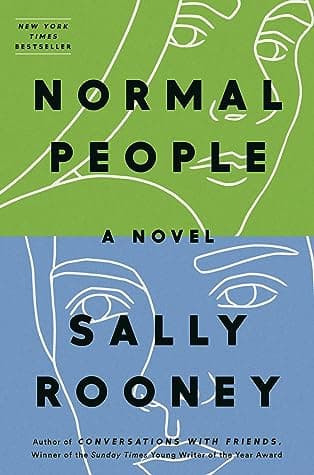
- Normal People
Sally Rooney
3.9 (405k) average on GoodreadsLiterary FictionFocuses on the intricate dynamics and emotional evolution of a long-term relationship.
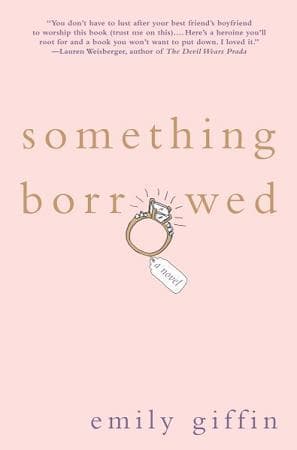
- Something Borrowed
Emily Giffin
3.9 (507k) average on GoodreadsRomanceWhile both novels explore relationship complexities and infidelity, After I Do offers a more introspective and less morally ambiguous exploration of love's aftermath, focusing on individual growth during separation rather than the direct fallout of a secret affair. Giffin's work leans more into traditional romantic drama and the immediate consequences of choices, whereas Reid delves into the psychological underpinnings of why relationships falter and how individuals rebuild.
- It Ends with Us
Colleen Hoover
4.4 (212k) average on GoodreadsYoung AdultBoth books tackle difficult relationship themes and the painful realities of love. However, After I Do focuses on a unique structural experiment (the year-long separation) to address marital breakdown and personal growth, rather than the direct confrontation of domestic abuse as seen in Hoover's novel. Reid's approach is less about escaping a toxic dynamic and more about questioning the fundamental nature of love and commitment through enforced distance and self-reflection.
- The Hunger Games
Suzanne Collins
4.3 (6.4M) average on GoodreadsFantasyIn a future where children fight to the death on live television, Katniss Everdeen volunteers for the arena, turning a death sentence into a fight for survival and a spark of rebellion.
- The Great Gatsby
F. Scott Fitzgerald
3.9 (3.8M) average on GoodreadsHistorical FictionIn the opulent Roaring Twenties, a mysterious millionaire's lavish parties hide his desperate, tragic pursuit of a lost love, exposing the emptiness within the American Dream.




Enjoyed the summary?
A summary gives you the shape of the book. The book itself has the detail, the examples and the voice.
Find After I Do on AmazonAs an Amazon Associate, BookBrief earns from qualifying purchases. How we're funded