

Synopsis
Covers the whole plot, including the ending.
- Difficulty
- Easy
- Pacing
- Moderate
- Mood
- Thought-provoking, Poignant, Hopeful, Reflective
- Read it if
- You enjoy poignant historical fiction in verse about overcoming trauma, the immigrant experience, and the power of family and forgiveness.
- Skip it if
- You prefer fast-paced adventure stories or narratives without a strong emotional focus on past trauma.
All the Broken Pieces Plot Summary
Covers the whole plot, including the ending.
A New Life in America, Haunted by the Past
Matt Pin, a twelve-year-old boy, arrives in America two years after being airlifted out of Vietnam during Operation Babylift. He is adopted by American parents and lives in a suburban home. Despite the comfort, Matt is constantly troubled by vivid memories of the war: the sounds of bombs, the smells of napalm, and the faces of his Vietnamese family. He finds comfort in playing baseball, especially pitching, where the rhythm and focus help him escape his thoughts. His adoptive parents try to understand him, but Matt struggles to talk about what he saw and the guilt he carries, often staying silent.
The Baseball Field and the Bully
Matt quickly becomes a pitcher on his local baseball team, finding belonging and purpose on the mound. His fastball is good, earning him respect from teammates and his coach. However, his success also attracts a bully named Jeff, who often makes comments about Matt's Vietnamese heritage and questions his right to be in America. Jeff's taunts about Matt's origins and his family in Vietnam trigger Matt's anxieties and memories, making it hard for him to fully accept his new life and the friendships he is forming, especially with his friend Rob.
Memories of His Brother, Loan
Through flashbacks, Matt remembers his life in Vietnam with his younger brother, Loan. He remembers their games, their shared fear during bombings, and his role as Loan's protector. Loan was a cheerful boy, and Matt felt a strong responsibility for him. These memories often include guilt, as Matt struggles with how they were separated. He often sees Loan's face in his mind, hears his laughter, and feels his absence, which adds to his emotional burden and makes it hard to fully connect with his adoptive family.
The Arrival of Huong
Matt's adoptive parents tell him that his biological sister, Huong, has been found and will also come to America. This news brings a mix of emotions for Matt. He wants a connection to his past and a piece of his original family, but he also fears the memories Huong might bring, especially regarding the secret he carries about Loan. He worries about how she will adapt to America and how her presence will affect his emotional state. His parents are supportive, but also concerned about the challenges this new addition will bring.
Huong's Arrival and Initial Struggles
Huong arrives, a small, quiet girl. Her presence immediately changes the dynamic in Matt's new home. She speaks little English and is visibly traumatized, often withdrawn. Matt finds it hard to connect with her, partly because of the language barrier and partly because her presence reminds him of Vietnam and the traumatic events they both experienced. Her struggles to eat American food, her fear of loud noises, and her withdrawn behavior reflect some of Matt's own internal battles, making him feel both responsible for her and overwhelmed by their shared past.
The Secret of Loan's Fate
As Huong settles in, Matt's memories of Loan become more intense. He remembers the day Loan died: during a bombing, Matt had taken Loan to a cave that seemed safe, but the cave collapsed, trapping and killing Loan. Matt could not save him and had kept this secret, believing it was his fault. This memory is the center of his guilt and trauma. He fears Huong will remember and blame him, and he struggles with whether to tell the truth to his adoptive parents and to Huong, knowing it will disrupt their peace.
Baseball as an Escape and a Battleground
Baseball continues to be Matt's escape, but also a place where his conflicts appear. During a game, Jeff, the bully, increases his taunts, specifically targeting Huong and making comments about 'gooks' and the war. This pushes Matt to his breaking point. He pitches with anger and grief, putting his pain into his throws. His coach and teammates notice his distress, but Matt cannot say why he is sad and angry, continuing to carry his burden in silence.
A Moment of Connection with Huong
Despite the emotional distance, there are small connections between Matt and Huong. One day, Matt sees Huong drawing pictures, and he recognizes parts of their old village. He tries to communicate with her, drawing alongside her. This shared activity, a silent acknowledgment of their past, starts to bridge the gap between them. It is a fragile connection, but it gives Matt hope that they might heal together, and that he might not be alone in his memories.
The Confession and the Release
Overwhelmed by his guilt and Huong's presence, Matt finally speaks. He tells his adoptive parents, and later, through an interpreter, he tells Huong, the full story of Loan's death in the cave. He expresses his guilt and his belief that he was responsible. His parents comfort him, saying it was a tragic accident of war, not his fault. Huong, though sad, does not blame him; she shares her own memories of the event, confirming it was a tragedy beyond Matt's control. This confession removes a weight from Matt's shoulders.
Finding Forgiveness and Moving Forward
With the truth revealed, Matt begins to heal. He understands that while the pain of Loan's loss will always be with him, he is not to blame. His relationship with Huong grows as they share their grief and memories, finding comfort in their shared history. He also finds strength on the baseball field, playing with a lighter spirit. Matt learns to forgive himself, accept the love of his adoptive family, and embrace a future where he can honor his past without being consumed by it. The novel ends with Matt starting to find peace and belonging.
All the Broken Pieces Characters
Matt Pin
Protagonist
A twelve-year-old Vietnamese orphan haunted by war and guilt, seeking a new life in America.
Matt Pin is the central character, a young boy airlifted from Vietnam during Operation Babylift. He carries immense trauma and guilt from the war, particularly concerning his younger brother, Loan. Matt is quiet and introspective, often retreating into his own mind to replay memories of Vietnam. He finds a temporary escape and sense of purpose in playing baseball, where his talent as a pitcher shines. Despite his adoptive parents' love, he struggles to articulate his pain, fearing judgment and the burden of his secret. His journey is one of confronting his past, seeking forgiveness, and finding a place in his new world.
Relationships: Loan (Younger brother, whom Matt felt responsible for and whose death he believes was his fault.); Huong (Biological sister, a shared survivor of the war who helps Matt confront his past.); Adoptive Mother (Loving and supportive parent who tries to understand Matt's trauma.); Adoptive Father (Caring parent who encourages Matt and provides stability.); Rob (Friend and teammate who offers companionship and normalcy.); Jeff (Bully who taunts Matt about his heritage, triggering his insecurities.)
Loan
Supporting/Memory
Matt's younger brother, whose tragic death during the war fuels Matt's guilt.
Loan is Matt's beloved younger brother from Vietnam, appearing primarily in Matt's vivid flashbacks. He is depicted as an innocent, cheerful child who relied on Matt for protection. Loan's death during a bombing raid, while Matt was trying to keep him safe in a cave, is the central trauma that Matt carries. His memory haunts Matt, representing the lost innocence of childhood and the profound impact of war. Loan's presence in Matt's mind is a constant reminder of the secret Matt keeps and the guilt he feels, driving much of Matt's internal conflict.
Relationships: Matt Pin (Older brother and protector, deeply loved and mourned.)
Huong
Supporting
Matt's biological sister, a fellow survivor of the war who arrives in America and helps Matt confront his past.
Huong is Matt's younger biological sister, discovered and brought to America later in the story. She is also deeply traumatized by the war, quiet and withdrawn upon her arrival, struggling with English and adapting to her new environment. Her presence forces Matt to confront his memories and the secret of Loan's death. While initially a source of anxiety for Matt, Huong eventually becomes a crucial figure in his healing process, as they share a unique understanding of their shared past and grief. She offers a connection to his lost family and helps him find closure.
Relationships: Matt Pin (Biological brother, with whom she shares a traumatic past and a path to healing.)
Adoptive Mother
Supporting
Matt's loving and patient adoptive parent, dedicated to helping him heal.
Matt's adoptive mother is a compassionate and understanding woman who provides a stable and loving home for Matt. She is patient with his silence and withdrawn nature, constantly trying to reach out to him and understand his pain. She represents the nurturing and healing power of a new family, even when faced with the immense challenges of Matt's trauma. Her unwavering support and her willingness to listen without judgment are crucial in Matt's eventual confession and his journey toward self-forgiveness. She is also instrumental in bringing Huong to America.
Relationships: Matt Pin (Adoptive son, whom she loves deeply and strives to help.); Adoptive Father (Husband and co-parent, working together to support their children.); Huong (Adoptive daughter, whom she welcomes into their family.)
Adoptive Father
Supporting
Matt's encouraging adoptive parent who introduces him to baseball and provides quiet strength.
Matt's adoptive father is a kind and supportive man who provides a grounding presence in Matt's new life. He is the one who introduces Matt to baseball, recognizing its potential as an outlet for Matt's energy and a way to connect with his new community. While perhaps less overtly emotional than Matt's adoptive mother, he offers steady encouragement and a sense of normalcy. He is also present and understanding when Matt finally confesses his secret, offering calm reassurance and reinforcing that Matt is not to blame. He represents stability and a gentle guiding hand.
Relationships: Matt Pin (Adoptive son, whom he encourages and mentors, especially in baseball.); Adoptive Mother (Wife and co-parent, working together to support their children.); Huong (Adoptive daughter, whom he welcomes into their family.)
Rob
Supporting
Matt's friend and teammate, offering a sense of normalcy and companionship.
Rob is Matt's friend and teammate on the baseball team. He represents a bridge to a normal American childhood for Matt, offering camaraderie and a distraction from his inner turmoil. Rob is generally kind and accepting, not fully understanding Matt's past but valuing him as a friend and a skilled player. His presence helps Matt feel less isolated and provides moments of typical boyhood interaction, even amidst Matt's struggles. Rob's friendship is a quiet source of support and a reminder that not everyone sees Matt as 'different'.
Relationships: Matt Pin (Friend and teammate, providing companionship and a sense of belonging.)
Jeff
Antagonist
A school bully who targets Matt due to his Vietnamese heritage, representing prejudice and intolerance.
Jeff is the school bully who frequently taunts Matt, making derogatory comments about his Vietnamese background and challenging his place in America. He represents the prejudice and intolerance Matt encounters, adding to the emotional burdens Matt already carries. Jeff's verbal attacks often trigger Matt's deeper anxieties and memories of the war. His character serves as an external obstacle that forces Matt to confront not only his past but also the present-day challenges of being an immigrant in a new country. Jeff's actions escalate, pushing Matt to his emotional limits.
Relationships: Matt Pin (Antagonistic relationship, as Jeff bullies and taunts Matt.)
Coach
Supporting
Matt's baseball coach, who recognizes Matt's talent and offers a sense of structure and encouragement.
The Coach is Matt's baseball coach, a figure of authority and encouragement. He recognizes Matt's exceptional talent as a pitcher and provides a structured environment where Matt can excel. The Coach is generally supportive and patient, though he doesn't fully grasp the depth of Matt's emotional struggles. He represents the positive aspects of Matt's new life in America, offering opportunities for success and integration. His belief in Matt's abilities helps Matt find confidence and a temporary escape from his inner turmoil.
Relationships: Matt Pin (Coach and mentor, recognizing Matt's talent and providing guidance.)
All the Broken Pieces Themes
Trauma and Healing
The novel explores the psychological impact of war trauma on Matt Pin. His flashbacks, nightmares, and guilt over Loan's death show the lasting scars of conflict. The journey toward healing is central, shown through Matt's confession, the acceptance of his adoptive family, and the shared grief with Huong. Baseball is a temporary coping mechanism, but true healing begins when Matt faces his past, showing that acknowledgment is the first step toward recovery.
“The bombs fell like dead crows / and the napalm smelled like burning peaches. / I was twelve. / I should have been playing baseball.”
Guilt and Forgiveness
A main theme is Matt's guilt regarding his younger brother Loan's death. He believes he is responsible for Loan's fate, a burden he carries silently for years. This guilt stops him from fully accepting his new life and connecting with his adoptive family. The story builds to his confession, revealing the truth about the accident. Through this act, and the understanding and forgiveness from his family and Huong, Matt begins to forgive himself, showing the relief that comes with letting go of a self-imposed burden.
“The secret / sat like a stone / in my throat. / Heavy. / Sharp.”
Identity and Belonging
Matt struggles with his identity as a Vietnamese orphan in America. He feels caught between two worlds, haunted by his past and trying to fit into his new reality. The taunts from Jeff worsen his feelings of being 'other.' The arrival of Huong, his biological sister, complicates and then helps his search for identity, as she connects him to his origins. The story suggests that belonging means integrating the past with the present, finding a new sense of self within a loving, blended family.
“Sometimes / I forget / where I am. / Am I Matt Pin? / Or am I the boy / who left his brother / in a cave?”
Family and Connection
The novel explores different forms of family: the lost biological family in Vietnam, the new adoptive family in America, and the rediscovered connection with Huong. Matt's memories highlight the bond with Loan. His adoptive parents show unconditional love and patience, creating a safe space for him. The reunion with Huong is important, as their shared trauma and heritage create a connection that helps both siblings heal. The story emphasizes that family is built on love, understanding, and shared experience, beyond biological ties.
“They were my new family. / And I was their new son. / But my heart / was still in Vietnam.”
War's Lasting Impact
The book shows the long-term psychological and emotional effects of war, especially on children. Matt's P.T.S.D., his silent suffering, and Huong's withdrawn state are direct results of the conflict. The narrative shows that war does not end when the fighting stops; its effects last for years, shaping lives and forcing survivors to deal with loss and trauma. The novel is a reminder of the human cost of conflict, even for those who escape the battlefield.
“War / is not just / the bombs falling. / It is / the silence / after.”
Plot Devices & Literary Techniques
Free Verse Narrative
The entire novel is written in free verse poetry, enhancing emotional depth.
The use of free verse is a primary literary device, allowing the narrative to capture Matt's fragmented thoughts, intense emotions, and vivid memories in a raw, immediate way. The short lines and stanzas create a sense of breathlessness and urgency, mirroring Matt's internal turmoil and the staccato nature of traumatic flashbacks. It also makes the heavy subject matter more accessible for young readers while elevating the prose to a lyrical, poignant level, emphasizing key words and images without the constraints of traditional prose.
Flashbacks and Memory
Non-linear narrative structure using Matt's fragmented memories to reveal his past.
The story unfolds through Matt's non-linear memories and flashbacks, which are triggered by everyday occurrences in his new American life (e.g., a smell, a sound, a comment). These fragmented glimpses into his past in Vietnam slowly piece together the story of Loan's death and the trauma Matt endured. This device effectively conveys the psychological impact of PTSD, where memories are not neatly ordered but intrusive and emotionally charged. It allows the reader to experience Matt's internal world and the gradual revelation of his secret alongside him.
Symbolism of Baseball
Baseball represents escape, control, and a path to belonging for Matt.
Baseball, particularly pitching, serves as a powerful symbol for Matt. On the mound, Matt finds a sense of control and focus that eludes him in his everyday life. The rhythmic motion of pitching allows him to momentarily escape his traumatic memories. It also represents a bridge to his new American identity and a way to connect with his peers, offering a sense of belonging and achievement. However, even on the field, the pressures and taunts can trigger his past, highlighting that true escape is fleeting until he addresses his core trauma.
The Secret
The hidden truth about Loan's death drives Matt's internal conflict.
The 'secret' of what truly happened to Loan in the cave is a central plot device that fuels Matt's guilt, silence, and emotional isolation throughout much of the novel. This unspoken burden creates suspense and drives Matt's character arc, as the reader anticipates its revelation. The weight of the secret prevents Matt from fully healing and connecting with his new family. Its eventual confession is the climax of Matt's internal struggle, leading to his emotional release and the beginning of his journey towards self-forgiveness and healing.
All the Broken Pieces Quotes
“Sometimes the hardest part of remembering is trying to forget.”
“Music is the only thing that makes sense when nothing else does.”
“I am not a broken piece. I am a whole person, even if I feel shattered.”
“War doesn't end when the fighting stops. It lives inside you.”
“In America, I am a stranger in a strange land, but in my heart, I carry two homes.”
“Silence can be louder than words, especially when it's filled with memories.”
“Family isn't always about blood. It's about who stands by you when you're broken.”
“The piano keys don't judge. They just listen.”
“Every scar tells a story, but not all stories need to be told.”
“Hope is a fragile thing, but it's stronger than it looks.”
“Sometimes, to move forward, you have to look back and forgive.”
“In the darkness, even a small light can guide you home.”
“My name is Matt, but inside, I'm still the boy from Vietnam.”
“Love doesn't erase the pain, but it makes it easier to bear.”
Quiz
10 questions on the plot and the characters. Each answer comes with a short explanation.
Question 1
What is the primary literary form used in 'All the Broken Pieces'?
- Traditional prose chapters
- Free verse poetry
- Epistolary format (letters)
- Dramatic script with dialogue
Show answer
B. Free verse poetry The novel is written entirely in free verse poetry, which creates a lyrical, emotional quality that mirrors Matt's fragmented memories and inner turmoil. This stylistic choice reflects the book's themes of brokenness and healing.
Question 2
What traumatic memory haunts Matt regarding his biological mother?
- She abandoned him at an orphanage
- She gave him away to American soldiers during the fall of Saigon
- She died in a bombing raid he witnessed
- She was taken prisoner by North Vietnamese forces
Show answer
B. She gave him away to American soldiers during the fall of Saigon Matt's most painful memory is his mother handing him to American soldiers during Operation Babylift as Saigon fell. This moment represents both abandonment and survival, and fuels his guilt and confusion throughout the story.
Question 3
What activity helps Matt begin to process his trauma and connect with his adoptive father?
- Playing baseball
- Learning to play the piano
- Writing in a journal
- Building model airplanes
Show answer
B. Learning to play the piano Matt's adoptive father teaches him to play the piano, which becomes a therapeutic outlet. The music serves as a non-verbal language through which Matt can express emotions he cannot yet articulate, strengthening their bond.
Question 4
What is the 'terrible secret' Matt carries from Vietnam?
- He accidentally caused his brother's death
- He betrayed his village to enemy soldiers
- He stole food from his starving family
- He witnessed his father's execution
Show answer
A. He accidentally caused his brother's death Matt believes he caused his younger brother's death by taking him outside during a bombing raid. This survivor's guilt shapes his silence and self-blame, representing how war damages children's psyches.
Question 5
Which character represents the prejudice Matt faces as a Vietnamese adoptee in America?
- His adoptive mother
- His music teacher
- A baseball teammate named Rob
- His school principal
Show answer
C. A baseball teammate named Rob Rob, a baseball teammate, constantly taunts Matt with racist remarks about 'gooks' and blames him for American soldiers dying in Vietnam. This hostility reflects the post-war anti-Vietnamese sentiment some Americans held.
Question 6
What pivotal event finally allows Matt to start speaking about his past?
- A school assignment about family history
- Meeting another Vietnamese adoptee
- A Veterans Day assembly at his school
- A nightmare that hospitalizes him
Show answer
C. A Veterans Day assembly at his school During a Veterans Day assembly where veterans share their war experiences, Matt feels compelled to speak about his own trauma. This communal sharing creates a safe space for him to break his silence, illustrating how collective storytelling aids healing.
Question 7
How does Matt's adoptive mother support his emotional healing?
- By insisting he talk about Vietnam immediately
- By giving him space and unconditional love
- By taking him to a child psychologist
- By contacting his biological family in Vietnam
Show answer
B. By giving him space and unconditional love Matt's adoptive mother demonstrates patience and unconditional love, never forcing him to speak before he's ready. Her steady presence provides the security he needs to eventually open up, showing how therapeutic love differs from pressure.
Question 8
What symbolic meaning does music hold in the novel?
- A reminder of Vietnam's traditional songs
- A universal language that transcends trauma
- A competitive skill Matt masters to prove himself
- A connection to his deceased biological father
Show answer
B. A universal language that transcends trauma Music represents healing and connection beyond words. Through piano, Matt communicates emotions he cannot verbalize, and it bridges cultural gaps between his past and present. The novel suggests art can mend 'broken pieces' of the self.
Question 9
What does Matt ultimately realize about his biological mother's decision to give him up?
- It was an act of selfishness
- It was an act of love and sacrifice
- It was forced by American soldiers
- It was due to poverty, not war
Show answer
B. It was an act of love and sacrifice Through his healing journey, Matt reframes his mother's act not as abandonment but as a desperate sacrifice to save his life. This reinterpretation is crucial for his forgiveness of her and himself, showing how perspective shifts aid recovery.
Question 10
Which literary device is prominently used to convey Matt's fragmented memories of Vietnam?
- Extended flashbacks
- Stream of consciousness
- Sensory imagery and metaphor
- Historical documents inserted into text
Show answer
C. Sensory imagery and metaphor The verse format employs vivid sensory imagery (like 'bombs that fell like dead crows') and metaphors to depict Matt's traumatic memories as disjointed, emotional fragments rather than linear narratives. This mirrors PTSD's effect on memory.
All the Broken Pieces FAQ
What is 'All the Broken Pieces' about?
The novel follows Matt Pin, a Vietnamese boy airlifted to the United States two years after the Vietnam War, as he grapples with haunting memories of bombs 'that fell like dead crows' and a terrible secret about the family he left behind. In his American adoptive home, he must navigate profound events that force him to choose between silence and candor, ultimately exploring themes of trauma, forgiveness, and healing through love.
Why should I read 'All the Broken Pieces'?
This book offers a unique, unforgettable perspective on the lasting impact of war through the eyes of a child refugee, blending harrowing and triumphant moments. Written entirely in lucid verse, it provides an accessible yet deeply emotional exploration of trauma, identity, and healing that resonates with both young adult and adult readers interested in historical fiction and human resilience.
What is the background/setting of 'All the Broken Pieces'?
The story alternates between Matt's memories of war-torn Vietnam, with vivid imagery of bombs and loss, and his current life in a caring adoptive home in the United States during the post-Vietnam War era. This dual setting highlights the contrast between his traumatic past and his struggle to adapt to a new culture while carrying hidden burdens.
What are the most memorable quotes?
Key quotes include the opening line describing bombs 'that fell like dead crows,' which encapsulates the novel's haunting tone, and lines about Matt choosing 'between silence and candor, blame and forgiveness, fear and freedom.' These phrases poignantly capture his internal conflict and the book's central themes of memory and healing.
What writing style does the author use?
Ann E. Burg writes the entire novel in lucid verse, creating a dreamlike, poetic narrative that mirrors Matt's fragmented memories and emotional state. This style allows for sparse yet powerful imagery, making the harrowing and sad moments more impactful while conveying the story's emotional depth in an accessible way for young readers.
What minor details add significant meaning?
Details like the recurring image of 'dead crows' representing bombs subtly tie Matt's trauma to nature and loss, while small moments in his adoptive home—such as quiet interactions with his new family—highlight the contrast between his past and present. These nuances deepen the exploration of how war's scars manifest in everyday life.
What are some subtle foreshadowing moments?
Early references to Matt's 'terrible secret' and his hesitation to speak foreshadow the gradual revelation of his past guilt and the climactic events where he must choose candor over silence. The poetic descriptions of brokenness in the title and verse subtly hint at the emotional fragmentation he must overcome to heal.
What unexpected character connections exist?
While Matt's primary connections are with his lost Vietnamese family and his American adoptive family, the novel implies deeper ties through shared trauma with other war survivors. These connections underscore how war creates invisible bonds between people, even across cultures, as Matt's story resonates with broader experiences of displacement and recovery.
What are unspoken character motivations?
Matt is driven by an unspoken desire to protect both his past family and his new one from the pain of his secret, leading to his internal struggle between silence and honesty. His adoptive family's patience and care are motivated by a quiet understanding of his trauma, though they may not fully grasp the depth of his memories until he opens up.
What psychological complexities do characters exhibit?
Matt exhibits complex PTSD, with symptoms like haunting flashbacks to Vietnam and emotional numbness, balanced by a child's resilience. His adoptive family shows psychological depth through their empathetic yet cautious approach, navigating the fine line between supporting him and respecting his boundaries, reflecting the challenges of helping a trauma survivor heal.
What are the major emotional turning points?
Key turning points include Matt's initial decision to share fragments of his past, moments where he confronts his guilt about the 'terrible secret,' and the climax where he chooses candor and forgiveness over fear. Each step represents a shift from harrowing sadness toward triumphant healing, driven by love and understanding from his adoptive home.
How do relationship dynamics evolve?
Matt's relationship with his adoptive family evolves from tentative distance to deeper trust as he gradually opens up about his past. This mirrors his internal journey from isolation to connection, showing how love and patience can transform dynamics strained by trauma into sources of strength and mutual understanding.
Which parts remain ambiguous or open-ended?
The exact nature of Matt's 'terrible secret' and some details of his Vietnamese family's fate are left somewhat ambiguous, allowing readers to infer the depth of his guilt and loss. The ending focuses on his emotional healing rather than resolving every past detail, emphasizing that recovery is an ongoing process rather than a neat conclusion.
What are controversial scenes or decisions?
Matt's decision to initially remain silent about his past may be seen as controversial, as it risks perpetuating his trauma, but it reflects real psychological barriers for war survivors. Some readers might debate the portrayal of adoption and cultural assimilation, questioning how well the novel addresses the complexities of integrating a refugee child into American society.
'All the Broken Pieces' ending explained: how it ends & what it means
The novel ends with Matt choosing candor and forgiveness, sharing his secret and beginning to heal through the love of his adoptive family. This signifies a triumph over fear and silence, suggesting that while war's impact is lasting, healing is possible through connection and honesty. The poetic resolution emphasizes hope and the 'healing power of love' without erasing the scars of the past.
Similar books
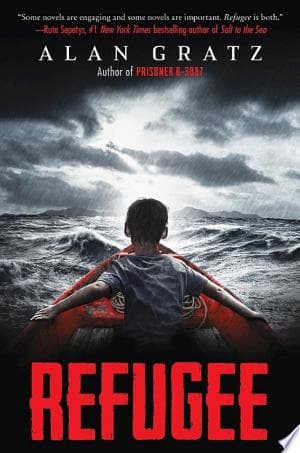
- Refugee
Alan Gratz
4.4 (84k) average on GoodreadsExplores the harrowing journeys of young refugees from different eras, touching on themes of survival and new beginnings.
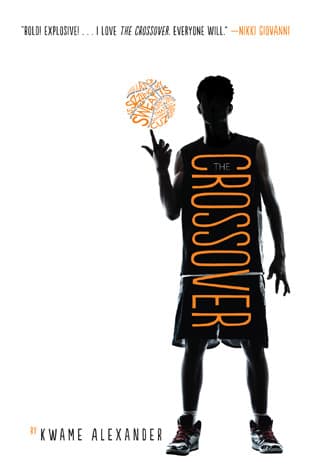
- The Crossover
Kwame Alexander
4.3 (42k) average on GoodreadsChildren'sWritten in verse and features a young protagonist who finds solace and identity through basketball, similar to Matt's experience with baseball.
- The War That Saved My Life
Kimberly Brubaker Bradley
4.5 (62k) average on GoodreadsChildren'sWhile both novels explore child trauma and resilience during wartime, Bradley's uses traditional prose and focuses on physical disability and escape during WWII. Burg's novel delves deeper into the internal conflict of cultural identity, the specific post-war challenges of assimilation for Vietnamese refugees, and racial prejudice, using a unique poetic form.
- Harry Potter and the Sorcerer's Stone
J.K. Rowling
4.5 (7M) average on GoodreadsFantasyRescued from a miserable life under the stairs, an orphaned boy discovers he's a wizard destined for a magical school, where he uncovers a dangerous secret tied to the dark wizard who murdered his parents.
- The Hobbit, or There and Back Again
J.R.R. Tolkien
4.3 (2.9M) average on GoodreadsFantasyA comfort-loving hobbit named Bilbo Baggins is whisked away by a mischievous wizard and a band of dwarves on an unexpected journey to reclaim stolen treasure from a fearsome dragon, discovering courage and a magical ring along the way.
- Harry Potter and the Goblet of Fire
J.K. Rowling
4.6 (2.6M) average on GoodreadsFantasyA bewildered Harry Potter, underage and thrust into a deadly Triwizard Tournament, must brave dragons, mermaids, and a resurgent dark magic to survive a year that will forever alter the wizarding world.




Enjoyed the summary?
A summary gives you the shape of the book. The book itself has the detail, the examples and the voice.
Find All the Broken Pieces on AmazonAs an Amazon Associate, BookBrief earns from qualifying purchases. How we're funded