

Synopsis
Covers the whole plot, including the ending.
- Difficulty
- Easy
- Pacing
- Moderate
- Mood
- Heartwarming, Hopeful, Emotional, Historical
- Read it if
- You enjoy historical fiction set during WWII, stories about overcoming adversity, or narratives focusing on the transformative power of love and family. Perfect for readers who appreciate strong character development and emotional depth.
- Skip it if
- You prefer fast-paced action-packed war stories, or find themes of child abuse and neglect too difficult to read.
The War That Saved My Life Plot Summary
Covers the whole plot, including the ending.
Ada's Imprisonment and Jamie's Evacuation
Ada, a ten-year-old girl with an untreated clubfoot, has spent her entire life locked inside their single-room London apartment by her abusive mother, Mam. Mam is ashamed of Ada's foot and constantly punishes her, not allowing her outside or even to stand by the window. Ada's younger brother, six-year-old Jamie, is her only companion. When World War II intensifies and the government announces the evacuation of children from London, Mam decides to send Jamie away but intends to keep Ada imprisoned. Desperate for freedom, Ada secretly teaches herself to walk despite intense pain. On the morning of the evacuation, she sneaks out with Jamie, determined not to be left behind, and they join the line of children boarding trains to the countryside.
Arrival in Kent and Meeting Susan Smith
Ada and Jamie arrive in the small village of Kent with other evacuated children. They are dirty, underfed, and Ada's foot causes her great pain and embarrassment. When the local women come to choose children, no one wants to take Ada because of her visible disability and unkempt appearance. Eventually, a woman named Susan Smith, who at first refused to take any children, is made by Miss Emmeline Thornton, the local organizer, to take Ada and Jamie. Susan is a quiet, reclusive woman still grieving the death of her close friend, Becky. She states she does not want the children and warns them she is 'not a nice person,' but she reluctantly gives them a home.
First Steps Towards Healing and Trust
Life with Susan is very different from their life with Mam. Susan gives them food, clean clothes, and a warm bed. For the first time, Ada is allowed outside and experiences the world beyond a single room. She feels the grass, sees the sky, and breathes fresh air. Susan, though at first distant, begins to show small acts of kindness, like bathing Ada's foot and giving her crutches she finds in the shed. Ada, at first cautious and expecting abuse, slowly starts to relax. She learns to ride Susan's pony, Butter, a skill that gives her great joy and a sense of accomplishment, despite her clubfoot.
Learning to Read and Ride
Susan, seeing Ada's desire for knowledge, begins to teach her to read and write. Ada, having never been to school, eagerly learns every lesson. She also works hard at learning to ride Butter, the pony Susan inherited. Despite her disability, Ada forms a strong bond with Butter and becomes a confident rider, finding freedom and power on the pony's back. These new skills open new worlds for Ada and build her self-esteem. Jamie, meanwhile, thrives in the countryside, making friends and attending school, though he sometimes struggles to understand Ada's past trauma.
The Threat of War and German Spies
The war continues to be part of their lives. Air raids become more frequent, and the village prepares for possible invasion. Ada, having heard adult conversations, becomes sure there are German spies in the village and patrols the coast on Butter, searching for them. This pursuit gives her purpose and a sense of control, though it also shows her strong imagination and lasting worries. Susan often finds Ada's spy-hunting amusing but understands it is Ada's way of dealing with the unpredictable world. One day, while on patrol, Ada sees a German plane crash into the sea, bringing the war's reality close.
Ada's Surgery and Growing Affection
Seeing the severity of Ada's clubfoot and the pain it causes, Susan talks to a doctor and arranges for Ada to have surgery in London. This act of care deeply moves Ada, who has never experienced such selfless love. The surgery is successful, though Ada still needs time to recover, and her foot will not be perfectly 'normal.' During her recovery, Susan's affection for both Ada and Jamie becomes clear, and Ada, in turn, begins to truly love Susan, calling her 'Susan' rather than 'Miss Smith.' The three of them form a real family, celebrating holidays and sharing daily life.
Mam's Return and the Threat of Separation
Just as Ada is recovering and their new family feels secure, Mam unexpectedly arrives in Kent. She says she wants her children back, but her real reason seems to be the government allowance she would get for them. Ada and Jamie are terrified, remembering Mam's cruelty and the life of confinement. Susan, though heartbroken, understands that legally, Mam has the right to take her children. Ada is especially devastated, fearing a return to her dark, abusive past and the loss of her freedom and the love she has found with Susan. The children try to hide and resist, but Mam's legal claim is strong, and Susan must comply.
The Return to London and a Harrowing Escape
Mam takes Ada and Jamie back to their old, dirty apartment in London. The return is a nightmare for Ada, who is again confined and subjected to Mam's verbal and physical abuse. Jamie also suffers. Ada realizes that Mam only wants them for the money and has no real affection for them. During a severe air raid, a bomb hits a nearby building, causing their apartment block to shake violently. Seizing the opportunity amid the chaos and fear, Ada, despite her recovering foot, gathers Jamie, and they manage to escape the collapsing building and their mother, fleeing into the bombed streets.
Finding Their Way Back to Susan
After escaping Mam, Ada and Jamie are alone and lost in war-torn London. They wander through the damaged streets, seeing the destruction. Jamie is very frightened. They eventually meet a kind air raid warden who helps them find a train back to Kent. Their journey is full of fear and uncertainty, but Ada's determination to return to Susan drives them. They arrive back in the village, exhausted and still in shock, going directly to Susan's cottage, hoping she will still take them in.
A Reunited Family and New Beginnings
Ada and Jamie arrive at Susan's cottage, scared but hopeful. Susan, overjoyed and relieved to see them alive, immediately hugs them. She had been upset since Mam took them, fearing for their safety. The children tell about their difficult escape from London. Susan, now fully committed to them, promises to do everything to keep them safe and with her. Ada, finally feeling truly loved and secure, realizes she has found her real home and family with Susan. The war still goes on, but within their small cottage in Kent, Ada, Jamie, and Susan have built a strong, loving family, ready to face whatever comes next together.
Principal Figures
Ada Smith
Protagonist
Ten-year-old girl with an untreated clubfoot, seeking freedom and love.
Ada is a resilient and determined ten-year-old girl who has endured years of abuse and neglect due to her untreated clubfoot. Confined to a single room by her cruel mother, she secretly teaches herself to walk, driven by a deep longing for freedom and a better life for herself and her younger brother, Jamie. Despite her physical pain and emotional scars, Ada is fiercely protective of Jamie and possesses an innate curiosity and intelligence. She is initially wary and distrustful of Susan, expecting cruelty, but slowly opens her heart as she experiences kindness and unconditional love for the first time. Her journey is one of profound physical and emotional healing, learning to read, ride a pony, and ultimately, to trust and love.
Relationships: Mam (Abusive mother); Jamie (Younger brother, whom she protects); Susan Smith (Reluctant guardian who becomes her loving adoptive mother)
Jamie Smith
Supporting
Ada's younger brother, who finds joy and normalcy in the countryside.
Jamie is Ada's six-year-old younger brother, a spirited and more outwardly expressive child. He is Ada's constant companion and the reason she endures much of her mother's abuse, as she protects him. While less physically scarred than Ada, Jamie carries his own emotional burdens from their early life, often struggling to understand Ada's deeper trauma. He quickly adapts to life with Susan, embracing school, friends, and the freedom of the countryside. He is a source of both comfort and occasional frustration for Ada, but their sibling bond is strong and unwavering. Jamie's innocence and eagerness for a normal life highlight the stark contrast with their past.
Relationships: Mam (Abusive mother); Ada (Older sister, whom he relies on and loves); Susan Smith (Loving guardian)
Susan Smith
Supporting
Reclusive woman who reluctantly takes in Ada and Jamie, becoming their adoptive mother.
Susan Smith is a reclusive, grieving woman living in the Kent countryside. She is described as 'not a nice person' by herself, still reeling from the death of her close friend, Becky. Initially unwilling to take in any evacuee children, she is pressured into housing Ada and Jamie. Despite her initial reluctance and emotional distance, Susan possesses a deep well of kindness and empathy. She provides the children with food, shelter, and, most importantly, unconditional love and acceptance. She teaches Ada to read and arranges for her foot surgery, demonstrating her profound commitment. Susan's journey is one of healing from her own grief by opening her heart to the children and forming a new, unconventional family.
Relationships: Ada (Adoptive daughter, whom she loves deeply); Jamie (Adoptive son, whom she cares for); Becky (Deceased close friend)
Mam (Mrs. Smith)
Antagonist
Ada and Jamie's cruel, abusive birth mother.
Mam, Ada and Jamie's biological mother, is the primary antagonist of the story. She is a deeply cruel, selfish, and abusive woman who physically and emotionally tortures Ada due to her clubfoot, locking her in a single room for ten years. Her actions are driven by shame, resentment, and a desire for control. She shows no genuine affection for either of her children, viewing them as burdens or, later, as sources of government allowance. Her reappearance in Kent threatens to unravel all the progress Ada and Jamie have made, embodying the fear of returning to a life of misery and confinement. She represents the harsh, unloving world Ada is trying to escape.
Relationships: Ada (Abused daughter); Jamie (Neglected son)
Miss Emmeline Thornton
Supporting
Local organizer of the evacuee children in Kent.
Miss Thornton is the practical and somewhat stern local organizer responsible for placing the evacuee children in Kent. She is the one who ultimately persuades (or rather, forces) Susan Smith to take in Ada and Jamie when no one else will. She is a well-meaning but busy woman, focused on the logistics of the evacuation. While she doesn't fully grasp the depth of Ada's trauma, she ensures the children are housed and generally looks out for their welfare in the community. She serves as a bridge between the children's past and their new life in the village.
Relationships: Ada (Evacuee child under her care); Jamie (Evacuee child under her care); Susan Smith (Villager she relies on to house children)
Colonel McPherson
Supporting
Local military official, a kind and understanding presence.
Colonel McPherson is a kind and understanding military official in the village. He is one of the few adults who treats Ada with respect and takes her seriously, even when she's talking about German spies. He offers her advice and encourages her observations, making her feel valued. He provides Ada with a sense of purpose and validation for her 'spy hunting' activities. His presence represents the war's reality but also the goodness and community spirit found even amidst conflict. He is a gentle and reassuring figure for Ada.
Relationships: Ada (Child he respects and encourages); Susan Smith (Acquaintance in the village)
Butter
Supporting
Susan's pony, Ada's first source of freedom and confidence.
Butter is Susan Smith's pony, inherited from her deceased friend Becky. Butter becomes a crucial figure in Ada's journey toward healing and independence. Learning to ride Butter gives Ada a sense of freedom, power, and accomplishment she has never known. Despite her clubfoot, Ada develops a deep bond with the pony, mastering riding and finding immense joy and confidence on his back. Butter represents Ada's ability to overcome her physical limitations and connect with the natural world. He is a symbol of Ada's burgeoning self-worth and her newfound freedom.
Relationships: Ada (Rider and beloved companion); Susan Smith (Owner)
Stephen White
Mentioned
A fellow evacuee child who Jamie befriends.
Stephen White is one of the evacuee children in Kent and becomes a friend to Jamie. He represents the normalcy and camaraderie that Jamie finds in the countryside. While not a major character, his presence helps to show Jamie's adaptation to his new environment and his ability to make friends, contrasting with Ada's initial isolation. He is part of the group of children Jamie plays with and attends school with, signifying Jamie's integration into the village life.
Relationships: Jamie (Friend)
Themes & Insights
Identity and Self-Discovery
Ada's journey is about discovering who she is beyond her clubfoot and her mother's abuse. Confined for so long, she at first defines herself by her disability and her mother's cruel words. By learning to read, riding Butter, and experiencing kindness from Susan, Ada begins to shed the shame and adopt a new, positive self-image. She learns that her worth is not defined by her physical appearance or her past. Her quest to find German spies is also a way of self-discovery, allowing her to feel capable and brave. She discovers she is worthy of love and can achieve great things.
“My foot was a clubfoot. It was a badge of shame, a mark that I was bad. My mam had told me so.”
Abuse and Resilience
The novel directly shows the severe physical and emotional abuse Ada suffers from her mother. This abuse, including confinement, starvation, and verbal degradation, shapes Ada's initial view of the world and her deep fear. However, the story also shows human resilience. Despite her trauma, Ada's spirit remains strong. Her determination to walk, to escape, and to protect Jamie shows great inner strength. Her ability to eventually trust and love Susan, despite her past, shows her capacity for healing and overcoming difficulty.
“I was ten years old. I'd never been outside. Not ever. My mam said it was because of my foot. My clubfoot. She said I was a cripple.”
The Meaning of Family
The idea of family is central to the story, exploring the difference between biological ties and chosen bonds. Ada and Jamie's biological family is one of cruelty and neglect. In contrast, their relationship with Susan becomes a true family, built on love, care, and mutual respect. Susan, at first an unwilling guardian, becomes a devoted adoptive mother, giving the children a stable and loving home. The book suggests that family is not just about blood, but about who nurtures, protects, and loves you unconditionally. The climax, with Mam's return, shows the clear difference between these two definitions of family.
“I had a home. It wasn't my mam's home, and it wasn't London. It was Susan's home, and it was mine.”
Freedom and Confinement
A core theme is the contrast between freedom and confinement, both physical and emotional. Ada's early life is defined by literal imprisonment in a single room. Her escape to the countryside represents a deep liberation, allowing her to experience the natural world and the simple joys of movement for the first time. However, she also carries emotional confinement from her past trauma, struggling to trust and express herself. As she heals, she gains emotional freedom. The war itself represents a form of global confinement and threat, yet within this context, Ada finds personal liberation and an expansion of her world.
“The wind was a living thing. It pushed against my face, tugged at my hair. It was freedom.”
War's Impact on Civilians
Set during World War II, the novel shows the impact of war on ordinary civilians, especially children. The evacuation of children from London is a direct result of the bombing raids, forcing families apart. The constant threat of air raids, the presence of soldiers, and the scarcity of resources are part of the daily lives of the characters in Kent. The bombing of London and Ada and Jamie's difficult escape during a raid show the immediate and devastating physical dangers. The war acts as a catalyst for Ada and Jamie's journey, forcing them into a new life that ultimately saves them, yet its constant threat shows the fragility of their newfound peace.
“The sirens wailed. It was a sound that meant danger, a sound that meant death.”
Plot Devices & Literary Techniques
First-Person Narration (Ada's Perspective)
Provides intimate access to Ada's thoughts, feelings, and experiences.
The story is told entirely from Ada's point of view, allowing readers to experience her confinement, pain, fear, and eventual joy directly through her eyes. This narrative choice creates a deep sense of empathy for Ada, making her struggles and triumphs incredibly personal. We understand her confusion, her initial distrust of kindness, and her gradual emotional awakening because we are privy to her innermost thoughts, especially her unique perspective on the world, having never seen it before. It makes her journey of self-discovery all the more poignant.
Symbolism of the Clubfoot
Represents Ada's physical and emotional confinement, shame, and eventual healing.
Ada's clubfoot is a central symbol throughout the novel. Initially, it represents her physical imprisonment, her mother's cruelty, and Ada's deep-seated shame and feeling of being 'bad.' It is the literal chain that keeps her confined. As the story progresses, the foot symbolizes her journey of healing: learning to walk on it, riding Butter despite it, and finally undergoing surgery. While never perfectly 'normal,' the foot's healing represents Ada's broader emotional and psychological recovery, her acceptance of herself, and her ability to move forward, both literally and figuratively, into a life of freedom and love.
The Pony, Butter
Symbolizes freedom, independence, and Ada's connection to the natural world.
Butter, Susan's pony, is a powerful symbol for Ada. For a child who has spent her life confined indoors, riding Butter represents ultimate freedom and movement. It's an activity where her clubfoot doesn't hinder her, but rather, she excels, gaining confidence and a sense of power. Butter connects Ada to the natural world she was denied, and their bond is one of trust and mutual respect. The pony helps Ada build physical strength and emotional resilience, becoming a tangible representation of her ability to overcome her limitations and embrace a life beyond her past.
The Evacuation
A historical event acting as the catalyst for Ada's escape and new life.
The historical event of the evacuation of children from London during WWII serves as the crucial plot device that sets Ada's story in motion. Without the evacuation, Ada would likely have remained imprisoned by her mother. It provides the external force that allows Ada to escape her abusive home and embark on her journey of self-discovery and healing. The war, while a backdrop of danger, paradoxically creates the opportunity for Ada and Jamie to find safety, love, and a new family in the Kent countryside. It highlights how major historical events can profoundly alter individual lives.
The War That Saved My Life Quotes
“There is no point in having a mind if you never change it.”
“I was not what she wanted, but I was what she had.”
“Sometimes you have to do things you don't want to do, to get to where you want to be.”
“It's not what you look at that matters, it's what you see.”
“You can't be brave if you're not scared.”
“I had been invisible for so long, I didn't know how to be seen.”
“The war that saved my life was the war that took everything from me.”
“Love isn't about what you get. It's about what you give.”
“I learned that the world is big, and I am small, but I matter.”
“Sometimes the hardest battles are the ones we fight inside ourselves.”
“A home isn't a place. It's the people who make you feel safe.”
“You don't have to be perfect to be loved.”
“The past is a story we tell ourselves. We can choose to rewrite it.”
“Freedom is a heavy burden, but it's one worth carrying.”
Quiz
10 questions on the plot and the characters. Each answer comes with a short explanation.
Question 1
Why is Ada initially confined to her one-room apartment in London?
- She has a contagious illness that prevents her from going outside.
- Her mother is ashamed of Ada's twisted foot and keeps her hidden.
- She is afraid of the bombings during World War 2.
- She is being punished for misbehaving.
Show answer
B. Her mother is ashamed of Ada's twisted foot and keeps her hidden. Ada's mother is deeply ashamed of her daughter's clubfoot (twisted foot) and keeps her locked inside their apartment, believing Ada is an embarrassment. This confinement is central to Ada's early character development and motivation to escape.
Question 2
What event prompts Ada to sneak out of her apartment and leave London?
- Her mother tells her she must evacuate with the other children.
- She hears that Susan Smith is looking for children to take in.
- Her little brother Jamie is being evacuated to the countryside to escape the war.
- She wants to find a doctor to fix her twisted foot.
Show answer
C. Her little brother Jamie is being evacuated to the countryside to escape the war. When Jamie is shipped out of London as part of the child evacuation to escape World War 2 bombings, Ada seizes the opportunity to join him, marking the start of her journey to freedom and self-discovery.
Question 3
How does Susan Smith initially feel about taking in Ada and Jamie?
- She is excited to have children in her home.
- She is forced to take them in and is reluctant at first.
- She immediately loves them and wants to adopt them.
- She is angry at their mother for abandoning them.
Show answer
B. She is forced to take them in and is reluctant at first. Susan is compelled by authorities to take in Ada and Jamie and is initially reluctant, grieving her own losses and unsure about caring for children. Her gradual bond with them forms a key emotional arc in the story.
Question 4
What skill does Ada teach herself while living with Susan in the countryside?
- How to cook elaborate meals.
- How to ride a pony.
- How to speak German.
- How to knit sweaters.
Show answer
B. How to ride a pony. Ada teaches herself to ride a pony named Butter, which symbolizes her growing independence, confidence, and ability to overcome physical limitations imposed by her clubfoot.
Question 5
What does Ada do that helps her bond with Susan and gain a sense of purpose?
- She starts a vegetable garden to help with wartime food shortages.
- She learns to read and watches for German spies.
- She writes letters to soldiers fighting in the war.
- She takes care of injured animals in the village.
Show answer
B. She learns to read and watches for German spies. Ada learns to read, which opens up new worlds for her, and participates in wartime efforts like watching for spies, helping her feel useful and deepening her connection with Susan and the community.
Question 6
What major fear haunts Ada and Jamie throughout their time with Susan?
- That Susan will send them back to London because of the war.
- That their mother will reclaim them and they will return to her cruel treatment.
- That German spies will discover their hiding place.
- That Susan will adopt other children instead.
Show answer
B. That their mother will reclaim them and they will return to her cruel treatment. Despite finding safety and love with Susan, Ada and Jamie live in constant fear that their abusive mother will take them back, creating tension about their future and the stability of their new family.
Question 7
How does Ada's relationship with Susan evolve over the course of the story?
- It remains distant because Ada never trusts adults.
- Ada learns to trust Susan, and Susan begins to love Ada and Jamie.
- Susan becomes like a strict teacher to Ada, focusing only on education.
- Ada resents Susan for taking her away from her mother.
Show answer
B. Ada learns to trust Susan, and Susan begins to love Ada and Jamie. Initially wary due to past abuse, Ada gradually learns to trust Susan through acts of kindness and support, while Susan, who started out reluctant, grows to genuinely love and care for the children, forming a nurturing family bond.
Question 8
What historical event serves as the backdrop for Ada's personal transformation?
- The Great Depression in the 1930s.
- World War 2, specifically the evacuation of children from London.
- The Industrial Revolution in England.
- The Cold War tensions of the 1950s.
Show answer
B. World War 2, specifically the evacuation of children from London. The story is set during World War 2, with the evacuation of children from London to the countryside providing the catalyst for Ada's escape from abuse and her journey toward healing and self-discovery.
Question 9
Which theme is most prominently explored through Ada's experiences of learning to ride a pony and read?
- The importance of formal education in childhood.
- The cruelty of war and its impact on families.
- Triumph against odds and the discovery of personal identity.
- The role of government in protecting children.
Show answer
C. Triumph against odds and the discovery of personal identity. Ada's self-taught skills in riding and reading symbolize her overcoming physical and emotional limitations, highlighting themes of resilience, self-empowerment, and finding one's identity despite adversity.
Question 10
What does the title 'The War That Saved My Life' imply about Ada's perspective?
- She believes war is necessary for personal growth.
- The war provided an opportunity for her to escape abuse and find a new life.
- She credits the war with teaching her survival skills.
- The war reunited her with her father who was a soldier.
Show answer
B. The war provided an opportunity for her to escape abuse and find a new life. Despite the horrors of World War 2, Ada views the war as the event that allowed her to leave her abusive home, discover freedom, and build a loving family with Susan and Jamie, ultimately saving her from a life of confinement and neglect.
The War That Saved My Life FAQ
What is 'The War That Saved My Life' about?
The story follows ten-year-old Ada, who escapes her abusive London home during World War II by sneaking onto an evacuation train with her younger brother Jamie. They're placed with reluctant guardian Susan Smith in the countryside, where Ada discovers freedom, learns to ride a pony, and begins healing from years of neglect while navigating wartime fears.
Why should I read 'The War That Saved My Life'?
It's a powerful, emotionally resonant historical fiction that explores resilience, found family, and self-discovery through Ada's transformative journey. The novel balances wartime adventure with deep psychological insight, offering both heart-wrenching moments and triumphant character growth that appeals to both young adult and adult readers.
What is the background/setting of 'The War That Saved My Life'?
The story begins in 1939 London during the mass evacuation of children (Operation Pied Piper) to escape German bombing. Most of the narrative takes place in the Kent countryside, where Ada and Jamie experience rural life, air raid drills, and the constant underlying tension of potential invasion while living with Susan.
What are the most memorable quotes?
Key quotes include Ada's realization 'I had been invisible, and now I was seen' when Susan truly notices her, and Susan's admission 'I didn't want children, but I wanted these children' showing her evolving attachment. Ada's declaration 'My foot didn't define me' marks her psychological breakthrough.
What writing style does the author use?
Kimberly Brubaker Bradley uses first-person narration from Ada's perspective with straightforward, emotionally honest prose that reflects Ada's limited education yet sharp observational skills. The style gradually becomes more sophisticated as Ada learns to read and process complex emotions, mirroring her intellectual growth.
What minor details add significant meaning?
Ada's obsession with counting stairs (initially from being trapped indoors) evolves into counting other things as she gains confidence. The butter Susan serves represents luxury and care compared to Ada's previous starvation. Jamie's constant hunger shows how deprivation has shaped both children's worldviews.
What are some subtle foreshadowing moments?
Early mentions of Ada's mother keeping her 'hidden' foreshadow the climactic custody battle. Susan's initial reluctance to care for children hints at her own trauma. Ada's careful observation skills, developed from watching street life through her window, prepare her for later spy-watching activities.
What unexpected character connections exist?
Susan's grief over her deceased friend Becky parallels Ada's emotional isolation, creating unspoken understanding. The village community's gradual acceptance of Ada mirrors her own self-acceptance. Even the pony Butter's trust in Ada reflects how Susan learns to trust the children.
What are unspoken character motivations?
Ada's mother's abuse stems from shame about Ada's disability rather than simple cruelty. Susan's initial coldness masks deep grief and fear of attachment. Ada's fierce protection of Jamie comes from years of being his only caregiver, while her resistance to kindness reflects learned distrust.
What psychological complexities do characters exhibit?
Ada displays complex trauma responses: hypervigilance, difficulty accepting help, and dissociation from her body due to her clubfoot. Susan shows avoidance patterns from unresolved loss. Jamie exhibits regressive behaviors when stressed but demonstrates resilience through his adaptability.
What are the major emotional turning points?
Key moments include Ada's first successful pony ride (proving her capability), Susan defending Ada against bullies (showing protection), Ada reading her first word (symbolizing empowerment), and the heartbreaking scene where Ada's mother arrives to reclaim them, testing their new family bonds.
How do relationship dynamics evolve?
Ada and Susan progress from resentment and obligation to mutual dependence and love. Ada transforms from viewing Jamie as her responsibility to seeing him as her brother. The village shifts from viewing Ada as 'damaged' to recognizing her strength. Most importantly, Ada's relationship with herself changes from shame to self-worth.
Which parts remain ambiguous or open-ended?
The fate of Ada's biological mother after the custody decision isn't fully resolved. Susan's exact past with Becky remains partially mysterious. The long-term psychological effects of Ada's early trauma are acknowledged but not 'solved' by the ending, leaving room for interpretation about her continued healing.
What are controversial scenes or decisions?
Some readers debate whether Susan should have reported Ada's abuse earlier, or if her gradual approach was necessary for trust. Ada's decision to steal food early in the story raises questions about survival ethics. The portrayal of disability through Ada's clubfoot and her mother's shame generates discussion about historical versus contemporary perspectives.
'The War That Saved My Life' ending explained: how it ends & what it means
The story concludes with Ada, Jamie, and Susan choosing to stay together as a family after winning their custody case, with Ada declaring 'I'm Ada. I'm not just a girl with a bad foot.' This represents her complete reclamation of identity and agency, suggesting that the war—while terrifying—ultimately provided the escape and love that saved her life.
What symbolism surrounds Ada's clubfoot?
Ada's twisted foot symbolizes both her imprisonment (literally kept inside because of it) and her eventual freedom (learning to ride despite it). It represents how society defines people by limitations, and Ada's journey to redefine herself beyond physical appearance. The foot's gradual improvement through Susan's care mirrors emotional healing.
How does the historical context enhance the personal story?
World War II's evacuation provides the literal escape Ada needs, while wartime uncertainty mirrors her internal chaos. The community's shared fear creates bonds that help integrate the outcast children. Historical details like rationing, spy scares, and blackout drills become metaphors for Ada's personal battles and precautions.
About the author

Kimberly Brubaker Bradley is an American author known for her children's and young adult fiction. Her notable works include "The War That Saved My Life" and its sequel "The War I Finally Won," which explore themes of resilience and personal growth, as well as "Halfway to the Sky," which addresses complex emotional journeys.
Similar books
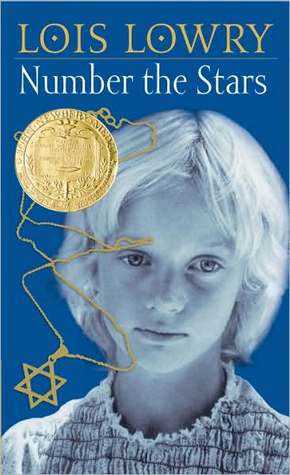
- Number the Stars
Lois Lowry
4.2 (448k) average on GoodreadsChildren'sFeatures a young protagonist navigating the dangers of WWII, focusing on themes of courage and family.
- The Book Thief
Markus Zusak
4.4 (1.8M) average on GoodreadsHistorical FictionWhile both explore WWII through a child's eyes, Zusak's narrative is broader in scope, examining collective trauma and the power of storytelling. Bradley's book is intensely personal, focusing on individual healing and identity formation, with a unique emphasis on a disabled protagonist's internal journey.
- When Hitler Stole Pink Rabbit
Judith Kerr
4.0 (14k) average on GoodreadsChildren'sKerr's book offers a firsthand account of a Jewish family fleeing Nazi Germany, providing a more direct historical perspective on displacement. Bradley's novel, while historical, prioritizes the emotional and psychological journey of its protagonist over a broad historical overview, making it more character-driven.
- Harry Potter and the Sorcerer's Stone
J.K. Rowling
4.5 (7M) average on GoodreadsFantasyRescued from a miserable life under the stairs, an orphaned boy discovers he's a wizard destined for a magical school, where he uncovers a dangerous secret tied to the dark wizard who murdered his parents.
- The Hobbit, or There and Back Again
J.R.R. Tolkien
4.3 (2.9M) average on GoodreadsFantasyA comfort-loving hobbit named Bilbo Baggins is whisked away by a mischievous wizard and a band of dwarves on an unexpected journey to reclaim stolen treasure from a fearsome dragon, discovering courage and a magical ring along the way.
- Harry Potter and the Goblet of Fire
J.K. Rowling
4.6 (2.6M) average on GoodreadsFantasyA bewildered Harry Potter, underage and thrust into a deadly Triwizard Tournament, must brave dragons, mermaids, and a resurgent dark magic to survive a year that will forever alter the wizarding world.





Enjoyed the summary?
A summary gives you the shape of the book. The book itself has the detail, the examples and the voice.
Find The War That Saved My Life on AmazonAs an Amazon Associate, BookBrief earns from qualifying purchases. How we're funded