

Estimated read time: 6 min read
One Sentence Summary
"An Officer and a Spy" is a historical thriller that chronicles the true story of Captain Alfred Dreyfus's wrongful conviction for treason and the relentless efforts of Colonel Georges Picquart to uncover the truth amidst political intrigue and anti-Semitism in 19th-century France.
Table of Contents
Introduction
An Officer and a Spy by Robert Harris is a gripping historical thriller that plunges readers into one of the most notorious miscarriages of justice in French history—the Dreyfus Affair. With masterful storytelling, Harris combines meticulous research and compelling narrative to illuminate the tension, intrigue, and moral complexities of late 19th-century France. This novel not only entertains but also invites reflection on themes of truth, justice, and prejudice, making it an essential read for students and lecturers interested in history, literature, and ethics.
Historical Context
The Dreyfus Affair unfolded in the politically volatile atmosphere of France during the 1890s. This period was marked by intense nationalism, anti-Semitism, and political instability within the French Third Republic. Captain Alfred Dreyfus, a Jewish officer in the French Army, was falsely accused and convicted of treason for allegedly passing military secrets to Germany.
Key historical elements include:
- Rise of Anti-Semitism: The affair intensified existing anti-Jewish sentiments.
- Military and Government Corruption: The scandal exposed deep flaws in military justice and political manipulation.
- Public Division: French society was polarized into Dreyfusards (supporters of Dreyfus) and anti-Dreyfusards.
Real-life figures such as Georges Picquart, the novel's protagonist, played a pivotal role in uncovering the truth, risking his career and reputation.
Brief Synopsis
Plot Overview
The novel follows Colonel Georges Picquart, newly appointed head of the French Army’s intelligence service, who stumbles upon evidence suggesting Dreyfus’s innocence. As Picquart digs deeper, he confronts institutional cover-ups, rampant anti-Semitism, and personal danger. His pursuit of justice unfolds as a tense, suspenseful investigation against a backdrop of political intrigue.
Setting
Set primarily in Paris in the mid-1890s, the story captures the atmosphere of the French military headquarters, courtrooms, and the bustling city steeped in political tension. Harris vividly recreates the era’s social and political climate, from the grandeur of military offices to the shadowy underbelly of espionage.
Main Characters
| Name | Role | Key Traits | Importance to Plot |
|---|---|---|---|
| Georges Picquart | Protagonist, intelligence officer | Loyal, principled, courageous | Drives the investigation, challenges military establishment |
| Alfred Dreyfus | Accused officer | Innocent, dignified | Central figure; victim of miscarriage of justice |
| Marie-Georges Picquart | Picquart’s wife | Supportive, resilient | Provides personal dimension to Picquart's struggle |
| Ferdinand Walsin Esterhazy | Real traitor | Deceptive, self-serving | True spy; antagonist whose exposure is key to Dreyfus’s vindication |
| Major Henry | Military intelligence officer | Manipulative, ambitious | Involved in falsifying evidence against Dreyfus |
Plot Summary
Discovering the Truth
The novel opens with Picquart taking command of the intelligence service. He quickly discovers discrepancies in the evidence used against Dreyfus, particularly a mysterious handwritten note, the "bordereau," which implicates Esterhazy, not Dreyfus. His commitment to truth sets him on a collision course with his superiors.
Institutional Resistance
Picquart’s attempts to reveal the truth are met with hostility. The military hierarchy, keen to protect its reputation, engages in a cover-up. Picquart faces demotion, isolation, and threats, highlighting the systemic corruption and prejudice within the army.
Personal Sacrifice
As Picquart digs deeper, his personal life suffers. His wife stands by him, but the pressure mounts. The novel explores the emotional toll of standing against powerful institutions.
The Unraveling
Despite obstacles, evidence mounts against Esterhazy. The military's desperate attempts to suppress this information only deepen the scandal. The story ends on a note of cautious hope, reflecting the gradual process toward Dreyfus’s eventual exoneration.
Themes and Motifs
Justice vs. Corruption
At its core, the novel examines the clash between truth and institutional self-interest. Picquart embodies the struggle to uphold justice in a corrupt system resistant to change.
Anti-Semitism and Prejudice
The book starkly portrays the destructive impact of anti-Semitism, which fuels the wrongful conviction and complicates efforts to correct the injustice.
Courage and Integrity
Picquart’s unwavering integrity highlights the moral courage required to confront entrenched power and societal bias.
The Role of the Individual
The narrative underscores how individual actions can challenge systemic injustice, emphasizing personal responsibility.
Literary Techniques and Style
Robert Harris employs a tight, suspenseful narrative structure that reads like a detective thriller. His use of first-person perspective immerses readers in Picquart’s internal conflict and investigations. Symbolism is subtle but powerful—e.g., the bordereau symbolizes both the fragile nature of truth and the destructive power of false evidence.
Harris’s prose is clear, concise, and richly detailed, balancing historical exposition with dramatic tension. His style makes complex historical events accessible without sacrificing depth.
Author's Background
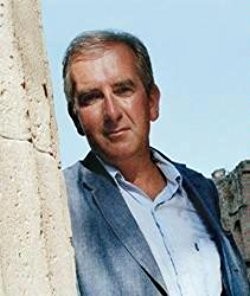
Robert Harris is a British author renowned for historical novels that combine meticulous research with compelling storytelling. His works often explore themes of political intrigue, justice, and moral complexity. Harris’s background in journalism contributes to his precise, engaging prose.
His other notable works include Fatherland, Pompeii, and The Ghost, each demonstrating his skill in blending fact and fiction. An Officer and a Spy stands out for its historical significance and ethical depth, cementing Harris’s reputation as a leading historical novelist.
Key Takeaways
- Historical Insight: The novel offers a detailed, humanized account of the Dreyfus Affair.
- Moral Courage: Highlights the importance of standing up for truth despite personal risk.
- Critique of Institutions: Exposes how prejudice and self-interest can corrupt justice.
- Literary Excellence: Demonstrates how historical fiction can educate and engage.
Reader's Takeaway
Readers gain a nuanced understanding of a pivotal historical event through an emotionally compelling story. The novel challenges readers to reflect on justice, prejudice, and the power of individual integrity, making it both intellectually stimulating and emotionally resonant.
Conclusion
An Officer and a Spy is a masterful recounting of the Dreyfus Affair, blending suspenseful storytelling with profound ethical inquiry. Robert Harris not only brings history to life but also prompts reflection on timeless issues of justice and morality. This book is a must-read for anyone interested in history, law, or human rights—encouraging readers to explore the delicate balance between truth and power.
An Officer and a Spy FAQ
What is the main plot of 'An Officer and a Spy'?
'An Officer and a Spy' is a historical thriller that follows Captain Alfred Dreyfus, a French Jewish artillery officer wrongly accused of treason, and Colonel Georges Picquart, who works to uncover the truth and expose the conspiracy against Dreyfus.
Who is the author of 'An Officer and a Spy'?
The book was written by Robert Harris, a British author known for his historical fiction novels.
Is 'An Officer and a Spy' based on true events?
Yes, the novel is a fictionalized account of the real-life Dreyfus Affair, a political scandal that divided France in the late 19th and early 20th centuries.
What themes are explored in 'An Officer and a Spy'?
The book explores themes such as justice, anti-Semitism, political corruption, loyalty, and the pursuit of truth.
Who is the protagonist of the novel?
The novel primarily focuses on Colonel Georges Picquart, the intelligence officer who uncovers evidence proving Dreyfus’s innocence and fights against the military establishment to reveal the truth.
How accurate is the historical representation in the book?
'An Officer and a Spy' is well-researched and stays true to the major historical facts of the Dreyfus Affair while dramatizing the characters and events for narrative impact.
Has 'An Officer and a Spy' won any awards?
While the book itself has been critically acclaimed, it has also been adapted into a film directed by Roman Polanski, which received various awards and nominations.
What genre does 'An Officer and a Spy' belong to?
The novel is a historical thriller and political drama.
Is prior knowledge of the Dreyfus Affair necessary to understand the book?
No, the book is written in a way that introduces the historical context clearly, making it accessible to readers unfamiliar with the Dreyfus Affair.
What is the significance of the title 'An Officer and a Spy'?
The title refers to the dual roles played by Colonel Picquart as both a loyal officer of the French army and a covert investigator uncovering the truth behind the espionage accusations.


