

Estimated read time: 7 min read
Table of Contents
- List of Characters
- Role Identification
- Ezeulu
- Obika
- Nwaka
- Okperi
- Captain Winterbottom
- Ezidemili
- Aneto
- Character Descriptions
- Ezeulu
- Obika
- Nwaka
- Okperi
- Character Traits
- Ezeulu
- Obika
- Nwaka
- Okperi
- Character Background
- Ezeulu
- Obika
- Nwaka
- Okperi
- Character Arcs
- Ezeulu
- Obika
- Nwaka
- Relationships
- Ezeulu and Obika
- Ezeulu and Nwaka
- Ezeulu and Okperi
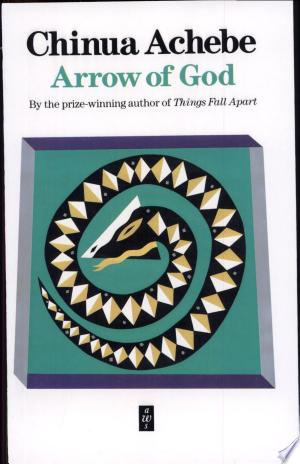
"Arrow of God" is a captivating novel written by Chinua Achebe that delves into the complexities of power, religion, and cultural clashes in colonial-era Nigeria. The book boasts a diverse cast of characters, each playing a significant role in the narrative. In this character analysis, we will explore the key characters in "Arrow of God" and delve into their backgrounds, traits, and relationships.
List of Characters
| Character Name | Role |
|---|---|
| Ezeulu | Protagonist |
| Obika | Major Character |
| Nwaka | Major Character |
| Okperi | Major Character |
| Captain Winterbottom | Minor Character |
| Ezidemili | Minor Character |
| Aneto | Minor Character |
Role Identification
Ezeulu
Ezeulu serves as the central figure in "Arrow of God" and functions as the protagonist of the story. He is the chief priest of Ulu, a powerful deity in the Igbo community. Ezeulu's position gives him considerable influence, but he faces numerous challenges as he navigates the intersecting worlds of tradition, religion, and colonialism.
Obika
Obika is Ezeulu's firstborn son, and his character serves as a crucial link between Ezeulu and the younger generation. As a young, educated man, Obika becomes dissatisfied with his father's traditional beliefs and customs, leading to a clash of ideologies within the family.
Nwaka
Nwaka is a prominent member of the Umuaro community and plays a significant role in the events of the story. He is the interpreter for the colonial administration and becomes a symbol of the growing influence of Western ideologies and the erosion of traditional values.
Okperi
Okperi is a neighboring village that becomes a source of conflict in the novel. The strained relationship between Okperi and Umuaro deepens as both communities struggle for power and control over resources. Okperi represents the external forces threatening the stability of Umuaro.
Captain Winterbottom
Captain Winterbottom represents the colonial administration and acts as a mediator between the British government and the local communities. While he may appear as a minor character, his presence symbolizes the overarching colonial influence and its impact on traditional communities like Umuaro.
Ezidemili
Ezidemili is a priest from a neighboring community who plays a minor yet crucial role in the narrative. He acts as a rival of Ezeulu, sparking a clash of spiritual powers that further strains the relations between villages.
Aneto
Aneto is another significant character in "Arrow of God." He is a warrior from Umuaro, fiercely loyal to both the community and its traditions. Aneto's unwavering dedication to upholding Umuaro's values creates tension within the narrative, showcasing the complexities and contrasting ideologies within Umuaro itself.
Character Descriptions
Ezeulu
Ezeulu is an aging chief priest in his late fifties. Renowned for his spiritual prowess, Ezeulu is respected and feared by the people of Umuaro. He possesses a commanding presence, with a stern countenance and a penetrating gaze that befits his role as the custodian of Ulu.
Obika
Obika is a young man in his twenties, characterized by his intelligence and rebellious nature. As the eldest son of Ezeulu, his tall and well-built frame reflects his physical strength and determination to challenge the established order.
Nwaka
Nwaka is a middle-aged man known for his cunning and adaptability. With his sharp features and calculating eyes, he embodies the changing times and the gradual erosion of tradition. Nwaka's appearance often reflects his ambiguous loyalties and shifting allegiances.
Okperi
Okperi, the neighboring village, is personified by its inhabitants. The Okperi people are often described as fierce warriors, notably marked by their battle scars and war paint. Their appearance represents their aggressive nature and their enduring rivalry with Umuaro.
Character Traits
Ezeulu
- Authoritative
- Traditionalist
- Proud
- Wise
- Determined
Obika
- Conflicted
- Educated
- Rebellious
- Compassionate
- Idealistic
Nwaka
- Opportunistic
- Cunning
- Shrewd
- Flexible
- Ambitious
Okperi
- Warrior-like
- Aggressive
- Competitive
- Resilient
- Fearless
Character Background
Ezeulu
Ezeulu comes from a long line of priests dedicated to serving Ulu. His family background instilled in him a strong sense of responsibility, making him devoutly committed to upholding tradition and maintaining his community's spiritual well-being. Ezeulu's unwavering devotion to Ulu is rooted in his family's heritage, shaping his character and actions throughout the novel.
Obika
Raised in the household of the chief priest, Obika benefited from a privileged upbringing. He received Western education, which exposed him to new ideas and different ways of thinking. This education conflicted with the traditional beliefs imparted by his father, leading Obika to question his role in the community and his purpose in life.
Nwaka
Nwaka grew up in Umuaro and had firsthand experience witnessing the changes that colonialism brought to Nigeria. This exposure to Western influences, combined with his ambitious nature, led him to align himself with the colonial administration. Nwaka sought to leverage his position as an interpreter for personal gain, consequently straining his relationships with traditionalists like Ezeulu.
Okperi
The people of Okperi were historically Umuaro's rivals, engaged in fierce territorial battles. This rivalry, rooted in a contentious history of conflict and power struggles, shapes the character and actions of Okperi as a collective entity throughout the narrative.
Character Arcs
Ezeulu
Ezeulu's character arc traces his journey from an unwavering traditionalist to a conflicted figure torn between his loyalty to Ulu and the turbulent changes brought by colonialism. His initial pride and certainty in his divine connection are gradually stripped away, revealing a vulnerable and introspective side. Ezeulu's arc culminates in a tragic realization of the consequences of his own choices and the ultimate loss of his divine authority.
Obika
Obika's character arc captures the conflict between tradition and progress experienced by many educated individuals in colonial-era Nigeria. Initially disillusioned with his father's conservative beliefs, Obika seeks a new path, embracing Western education and ideologies. However, as the narrative progresses, Obika undergoes a transformation, recognizing the value of his cultural roots and the vital role of tradition in guiding his identity and purpose.
Nwaka
Nwaka's character arc is defined by his unquenchable thirst for power and status. Initially content with acting as an interpreter for the colonial administration, Nwaka becomes increasingly ambitious, using his position to exploit the community's vulnerabilities. However, his lust for power ultimately leads to his downfall, as he underestimates the enduring strength of tradition and the consequences of betraying his own people.
Relationships
Ezeulu and Obika
Father-son dynamics shape the relationship between Ezeulu and Obika. Their contrasting beliefs and values create tension, often leading to confrontations. However, beneath the surface, a deep love and mutual respect bind them, and their relationship evolves as they strive to understand each other's perspectives.
Ezeulu and Nwaka
Ezeulu and Nwaka's relationship is defined by a complex interplay of power and manipulation. Nwaka's allegiance to the colonial administration puts him at odds with Ezeulu's traditional authority, creating a dynamic characterized by rivalry and strategic maneuvering.
Ezeulu and Okperi
The relationship between Ezeulu and Okperi represents the longstanding animosity between the two communities. Ezeulu's responsibility as the chief priest extends to protecting Umuaro's interests, which often clash with the territorial ambitions and hostilities of Okperi.
In "Arrow of God," Chinua Achebe skillfully weaves together a diverse cast of characters, each contributing to a multi-layered narrative exploring colonialism, tradition, and the clash of ideologies. Through Ezeulu, Obika, Nwaka, Okperi, and others, Achebe masterfully navigates the complexities of human nature, moral choices, and the enduring power of cultural heritage.


