

Synopsis
Covers the whole plot, including the ending.
- Difficulty
- Medium
- Pacing
- Slow
- Mood
- Somber, Reflective, Tragic, Thought-provoking
- Read it if
- You are interested in post-colonial literature, the clash of cultures and religions, and the tragic consequences of rigid adherence to tradition in the face of inevitable change.
- Skip it if
- You prefer fast-paced plots with clear-cut heroes and villains, or are uncomfortable with themes of cultural destruction and personal tragedy.
Arrow of God Plot Summary
Covers the whole plot, including the ending.
Ezeulu's Prophecy and the Conflict with Okperi
The novel begins with Ezeulu, the Chief Priest of Ulu in Umuaro, thinking about his position and the recent conflict with the neighboring village of Okperi. Years before, Umuaro and Okperi had a land dispute that became violent. Ezeulu believed in truth and justice, so he testified for Okperi before the British District Officer, Captain Winterbottom. He stated that the land belonged to Okperi. Many Umuaro elders saw this act as a betrayal, especially Ezidemili, the priest of Idemili. He thought it undermined Umuaro's unity and Ezeulu's authority. Ezeulu’s decision created a lasting division in the community and caused distrust, hinting at bigger challenges for the Chief Priest and Umuaro's traditions.
The White Man's Influence and Ezeulu's Son, Obika
The British colonial administration, represented by Captain Winterbottom and his assistant, Mr. Clarke, increasingly affects Umuaro. Winterbottom wants to 'civilize' the natives. He sets up a court system and tries to enforce his will. Ezeulu also deals with problems in his own family, especially with his son, Obika. Obika is impulsive and often gets into trouble from drinking and fighting. He is caught beating a man for a small offense and is publicly whipped by the British authorities. This is a humiliating experience for both Obika and his father. This event shows the clash between traditional Igbo justice and the new colonial law, making Ezeulu's role as a spiritual and community leader more difficult.
Ezeulu Sends Oduche to Learn the White Man's Ways
Ezeulu sees the growing power of the white man. He makes a calculated decision to send his youngest son, Oduche, to the Christian mission school to learn the white man's ways. He sees this as a strategic move, believing that a 'spy' within the new system will help Umuaro understand and deal with the colonial influence. Some elders disapprove, seeing it as a dangerous adoption of foreign customs and a possible corruption of their traditional religion. Oduche, however, quickly adapts to Christian teachings. He even traps and kills a sacred python, an act that deeply offends his family and community. This shows the unexpected results of Ezeulu's plan.
Captain Winterbottom's Illness and Mr. Clarke's Summons
Captain Winterbottom becomes very sick with blackwater fever and must take leave. The inexperienced Mr. Clarke is left in charge. Clarke wants to make his mark and assert colonial authority. He decides to use the Warrant Chief system, aiming to appoint a local leader who will act as a link between the British and the Igbo people. Following Winterbottom's earlier recommendation, Clarke calls Ezeulu to the colonial headquarters in Okperi. He intends to offer him this position. Ezeulu's kinsmen warn him about the danger of responding to the white man's call, but he feels he must go. He sees it as an unavoidable interaction with the powerful new force.
Ezeulu's Imprisonment and Refusal of Warrant Chiefdom
In Okperi, Ezeulu meets Mr. Clarke. Through an interpreter, Clarke offers him the Warrant Chief position. Ezeulu understands the offer: to become a puppet ruler for the white man. He strongly refuses. He says he cannot serve two masters, Ulu and the white man, and that his loyalty is only to his god. Clarke sees this refusal as defiance and disrespect. He has Ezeulu imprisoned for two months. This imprisonment humiliates Ezeulu deeply and causes great worry for Umuaro. The community is left without a leader during an important time, further eroding trust in Ezeulu's judgment.
Ezeulu's Return and the Yam Festival Crisis
After his release, Ezeulu returns to Umuaro. He is physically weak but spiritually determined. His imprisonment has further isolated him from his people, who now see him with a mix of fear, pity, and resentment. The most important result of his absence is the disruption of the traditional calendar. Ezeulu, as Chief Priest, is responsible for eating the last yams of the old year and announcing the New Yam Festival, an important harvest celebration. During his imprisonment, he could not eat the three sacred yams required, which symbolize the passage of time and Ulu's blessing. This delay sets the stage for a spiritual crisis, as the community waits for the festival to plant their new crops.
The Refusal to Call the New Yam Festival
The Umuaro elders plead desperately, and hunger grows in the village, but Ezeulu refuses to declare the New Yam Festival. He insists he must eat all the remaining sacred yams, one for each moon of the past year, before he can announce the new planting season. He sees his suffering and imprisonment as a sign from Ulu, a punishment for Umuaro's wavering faith and their past disrespect towards him. He believes Ulu is using him to teach the people a lesson. His firm stance causes great distress. The delay means their yams will rot, and new planting will be severely hindered, threatening their survival.
The Christians Offer an Alternative
As famine approaches and Ezeulu remains firm, the Christian mission, led by Mr. Goodcountry, sees a chance to grow its influence. They offer a solution to the desperate villagers: if they convert to Christianity, they can bring their yams to the church and sacrifice them to the Christian God. This would bypass Ezeulu's decree and allow them to plant their crops. This offer directly challenges Ulu's authority and Ezeulu's spiritual power. Many villagers, driven by hunger and fear for their harvest, begin to leave the traditional religion and seek salvation in the new faith. This marks a significant moment in the decline of Umuaro's traditional beliefs.
Obika's Death and Ezeulu's Despair
During the growing crisis and the mass conversion to Christianity, tragedy strikes Ezeulu's household. His beloved son, Obika, known for his strength, participates in a strenuous ritual dance at a kinsman's funeral. He overexerts himself in the heat, collapses, and dies suddenly. This devastating loss breaks Ezeulu's spirit. He had believed he was acting as Ulu's instrument, but now he questions his god's justice. The death of Obika, at the peak of his spiritual confrontation with Umuaro, is interpreted by the villagers as Ulu's final abandonment of Ezeulu, a divine punishment for his pride, proving him wrong.
Ezeulu's Madness and the Triumph of Christianity
Obika's death, along with the community's abandonment, causes Ezeulu to experience a mental breakdown. He is seen mumbling, his mind broken by grief and his god's perceived betrayal. His spiritual authority, once absolute, completely falls apart. With Ezeulu incapacitated and the traditional religion seemingly powerless, the people of Umuaro flock to the Christian church. They sacrifice their yams to the Christian God and proceed with their planting, successfully avoiding Ezeulu's decree and ensuring their harvest. The novel ends with the triumph of Christianity and the colonial system. This signals the irreversible collapse of the traditional Igbo way of life and the tragic downfall of Ezeulu, the last great priest of Ulu.
Arrow of God Characters
Ezeulu
Protagonist
The proud and unyielding Chief Priest of Ulu, caught between tradition and colonial power.
Ezeulu is the Chief Priest of the deity Ulu, revered and feared by the six villages of Umuaro. He is a man of immense spiritual authority, integrity, and intellectual depth, deeply committed to his god and the traditions of his people. However, he is also proud, stubborn, and sometimes arrogant, believing himself to be the sole interpreter of Ulu's will. His decision to testify against Umuaro in the land dispute with Okperi, and later to send Oduche to the mission school, demonstrates his complex and often contradictory nature. He sees himself as an instrument of Ulu, even when his actions lead to conflict with his own people. His tragic flaw is his inability to compromise and his unwavering belief in his own righteousness, which ultimately leads to his downfall.
Relationships: Obika (Favorite son, whose death shatters Ezeulu.); Oduche (Youngest son, sent to the mission school as Ezeulu's 'spy'.); Akueke (His senior wife, a source of comfort and counsel.); Ezidemili (Rival priest of Idemili, who resents Ezeulu's authority.); Captain Winterbottom (British District Officer, who respects Ezeulu but also seeks to control him.)
Obika
Supporting
Ezeulu's hot-headed and strong-willed favorite son.
Obika is Ezeulu's second son and his favorite. He is characterized by his physical prowess, hot temper, and love for palm-wine. He is impulsive and often gets into trouble, such as when he beats a man and is publicly flogged by the British. Despite his flaws, he is fiercely loyal to his father and his family. His death from overexertion during a funeral dance is the ultimate blow to Ezeulu, shattering the Chief Priest's spirit and leading to his mental collapse. Obika represents the vitality and strength of the traditional Igbo youth, but also the vulnerability of that strength in the face of new challenges.
Relationships: Ezeulu (His father, whom he respects and is loved by.); Oduche (His younger brother.)
Oduche
Supporting
Ezeulu's youngest son, sent to the Christian mission.
Oduche is Ezeulu's youngest son, whom his father strategically sends to the Christian mission school to learn the white man's ways. Ezeulu intends for Oduche to be his 'spy,' but Oduche quickly becomes deeply immersed in Christian doctrine. His conversion is so profound that he traps and kills a sacred python, an act considered an abomination by Umuaro. Oduche symbolizes the younger generation's susceptibility to the new religion and the unforeseen consequences of Ezeulu's attempt to engage with the colonial power. He represents the irreversible shift in cultural and religious allegiance.
Relationships: Ezeulu (His father, who sent him to the mission.); Obika (His older brother.)
Captain Winterbottom
Antagonist/Supporting
The British District Officer, representing colonial authority.
Captain Winterbottom is the British District Officer responsible for the Umuaro area. He is a complex character, driven by a paternalistic desire to 'civilize' the Africans, but also prone to illness and a certain degree of respect for local customs, as evidenced by his initial favorable view of Ezeulu. He is the architect of the Warrant Chief system and recommends Ezeulu for the position. His illness removes him from the immediate action, but his policies and recommendations set in motion the events that lead to Ezeulu's imprisonment and the subsequent crisis. He embodies the colonial project's blend of good intentions, arrogance, and destructive power.
Relationships: Ezeulu (Respects Ezeulu's intelligence but seeks to control him.); Mr. Clarke (His assistant and temporary replacement.)
Mr. Clarke
Antagonist/Supporting
The inexperienced and arrogant assistant District Officer.
Mr. Clarke is Captain Winterbottom's young and inexperienced assistant. He is far less understanding and more rigid than Winterbottom. Eager to assert his authority and prove himself, he misinterprets Ezeulu's refusal to become a Warrant Chief as insolence and defiance, leading to Ezeulu's imprisonment. Clarke represents the less nuanced, more brutal face of colonialism, driven by a desire for control and a lack of understanding of the local culture. His actions directly precipitate Ezeulu's spiritual crisis and the eventual collapse of his authority.
Relationships: Captain Winterbottom (His superior, whose post he temporarily fills.); Ezeulu (His prisoner, whom he misunderstands and punishes.)
Ezidemili
Supporting
The priest of Idemili and a rival to Ezeulu's authority.
Ezidemili is the priest of the deity Idemili, another important god in Umuaro. He is a long-standing rival to Ezeulu, deeply resentful of Ulu's supreme position among the six villages and Ezeulu's personal authority. He views Ezeulu's actions, particularly his testimony in the land dispute and his sending Oduche to the mission, as further evidence of Ezeulu's pride and a weakening of Umuaro's traditional fabric. Ezidemili represents the internal divisions and jealousies within Umuaro that contribute to Ezeulu's isolation and ultimately his downfall. He is quick to interpret events negatively against Ezeulu.
Relationships: Ezeulu (His rival and antagonist.)
Akueke
Supporting
Ezeulu's senior wife and a voice of reason.
Akueke is Ezeulu's senior wife and a steady, grounding presence in his household. She is pragmatic and often offers sensible advice to Ezeulu, though he does not always heed it. She is deeply concerned for her husband and her family, particularly during Ezeulu's imprisonment and the subsequent crisis. She represents the traditional Igbo woman's role as a caretaker and a source of wisdom within the family unit. Her suffering and anxiety reflect the broader community's distress.
Relationships: Ezeulu (Her husband, whom she loves and advises.); Obika (Her son.)
Goodcountry
Supporting
The zealous African evangelist of the Christian mission.
Mr. Goodcountry is the zealous African evangelist who leads the Christian mission in Umuaro. He is highly effective in his proselytizing, eager to convert as many 'heathens' as possible. He sees the crisis caused by Ezeulu's refusal to call the New Yam Festival as a divine opportunity to gain converts, offering a pragmatic solution (sacrificing yams to the Christian God) that directly undermines Ulu's authority. Goodcountry represents the active, opportunistic force of Christian evangelism that capitalizes on the vulnerabilities of the traditional society to expand its influence.
Relationships: Umuaro villagers (His converts and congregation.)
Arrow of God Themes
The Clash of Cultures and Religions
The main theme of 'Arrow of God' is the destructive clash between traditional Igbo culture and the British colonial administration and Christianity. Ezeulu's struggle to keep his spiritual authority against the white man's law and the Christian mission shows this conflict. The novel clearly depicts how colonial policies, like the Warrant Chief system, and the evangelism of figures like Mr. Goodcountry, dismantle Umuaro's social and religious structure. The villagers' conversion, caused by desperation during the New Yam Festival crisis, symbolizes the triumph of the new order over the old, leaving Ezeulu a broken man.
“The white man was like a cunning animal, and you must first catch him and know what he is doing before you can defeat him.”
Pride and the Abuse of Power
Ezeulu's tragic fall is largely due to his personal pride and his strict interpretation of his power as Chief Priest. He is initially seen as a man of integrity, but his firm belief that he is only an instrument of Ulu's will leads him to make decisions that isolate him from his people, such as his refusal to compromise on the New Yam Festival. He sees the community's suffering as a necessary lesson from Ulu. He fails to see his own role and the need for flexibility. This pride, combined with his deep resentment from past offenses, blinds him to the terrible results of his actions. This ultimately leads to his madness and his god's abandonment by his people.
“A man of worth never gets up to unsay what he said yesterday.”
Identity and Self-Determination
The struggle for identity is clear throughout the novel, for individuals and the community. Ezeulu fights to maintain his identity as the Chief Priest of Ulu and uphold Umuaro's traditions against colonial rule. The villagers also try to define themselves in a changing world. They are torn between loyalty to their ancestors and the practical need to adapt to the white man's power. The British, on the other hand, impose their own identity and systems, believing they are bringing 'civilization' to 'primitive' Africans. This clash of self-definitions leads to the loss of Umuaro's traditional identity as the community must redefine itself under colonial and Christian influence.
“He was a priest, not a king. His power was no more than the power of his god.”
The Nature of Divine Authority
The novel explores the nature of divine authority and how humans interpret it. Ezeulu believes he is Ulu's arrow, a direct tool of his god's will. He acts with strong conviction based on his interpretations of divine messages. However, the tragedy lies in the unclear nature of these messages and Ezeulu's inability to tell the difference between Ulu's true will and his own resentments and pride. The community ultimately judges Ulu's authority by how effective it seems. When Ezeulu's actions cause suffering and the Christian God offers a solution, the people question Ulu's power. The theme looks at how spiritual authority is kept and lost, especially when challenged by outside forces and human flaws.
“The Chief Priest of Ulu was more than a man. He was a god, one of the gods of Umuaro.”
Fate vs. Free Will
Achebe explores how fate and free will interact, especially through Ezeulu's actions. Ezeulu often credits his decisions to Ulu's will, believing he is simply following divine commands, thus avoiding personal responsibility. However, the story also shows moments where Ezeulu makes deliberate choices driven by his pride, resentment, and strategic thinking. Examples include sending Oduche to the mission or his stubborn refusal to call the New Yam Festival. The question is whether Ezeulu's downfall is a fated tragedy from the gods, or a direct result of his flawed character and the specific choices he makes in response to colonial pressures. This ambiguity shows the complexity of human action within a larger, seemingly fated historical path.
“It was from that day that Ezeulu knew that he was no longer thinking for himself alone, but for Ulu.”
Plot Devices & Literary Techniques
The New Yam Festival
A crucial cultural and religious event symbolizing life, harvest, and the Chief Priest's authority.
The New Yam Festival is a pivotal plot device. It is not merely a harvest celebration but the central ritual that legitimizes Ezeulu's spiritual authority and connects Umuaro to Ulu. The timing of the festival, dictated by Ezeulu's eating of the sacred yams, directly controls the agricultural cycle. Ezeulu's refusal to call the festival due to his imprisonment and his interpretation of Ulu's will creates the central conflict, leading to widespread hunger and the community's desperate turn to Christianity. Its disruption symbolizes the breakdown of Umuaro's traditional order and Ezeulu's ultimate loss of power, making it a powerful symbol of cultural and religious integrity.
Ulu (The Deity)
The patron deity of Umuaro, whose will Ezeulu claims to interpret.
Ulu, the composite deity of the six villages of Umuaro, is more than a religious figure; it is a major plot device representing the spiritual and social cohesion of the community. Ezeulu's constant invocation of Ulu's will provides his actions with divine justification, but also creates ambiguity as his personal desires often intertwine with his divine interpretations. The perceived 'failure' of Ulu to protect Umuaro from famine, and Ezeulu's suffering, ultimately leads to the people abandoning the god for Christianity. Ulu's presence as a seemingly active, yet ultimately misinterpreted, force drives much of the narrative's tension and tragic outcome.
The Python
A sacred animal symbolizing traditional taboos and their violation.
The python serves as a powerful symbol and plot device, representing the sacredness of traditional taboos and the consequences of their violation. In Umuaro, the python is revered as a sacred creature, and harming it is considered an abomination. When Ezeulu's son, Oduche, traps and kills a python after converting to Christianity, it is a shocking act that demonstrates the profound impact of the new religion on traditional beliefs and practices. This event highlights the irreversible erosion of the old order and the younger generation's willingness to disregard ancestral customs, signaling the deep schism forming within the community.
Warrant Chief System
A British colonial administrative policy designed to control local populations.
The Warrant Chief system is a key plot device representing the direct imposition of colonial authority and its inherent flaws. The British, seeking to govern indirectly, appointed 'Warrant Chiefs' who were often not traditional leaders, thereby undermining existing power structures. Winterbottom's recommendation, and Clarke's subsequent summons, for Ezeulu to become a Warrant Chief directly triggers Ezeulu's imprisonment and further alienates him from his people. Ezeulu's refusal underscores his commitment to his spiritual role, but the system itself exemplifies the colonial project's attempt to co-opt and corrupt local leadership, ultimately contributing to the breakdown of traditional governance.
Arrow of God Quotes
“A man who calls his kinsmen to a feast does not do so to save them from starving. They all have food in their own houses. When we gather together in the moonlit village ground it is not because of the moon. Every man can see the moon in his own compound. We come together because it is good for kinsmen to do so.”
“The white man has a religion. We have a religion. We are not like a woman who has to marry a man she does not love because he is rich.”
“A man who has an only son does not put a knife to his throat to show his love for him.”
“It is not enough to be a good man. You must be a wise man.”
“When a man says yes, his chi says yes.”
“The fly that has no one to advise it follows the corpse into the grave.”
“The world is like a mask dancing. If you want to see it well you do not stand in one place.”
“No man, however great, can win judgment against the gods.”
“Our fathers made their laws and followed them. If a new thing comes we must examine it and take the good and leave the bad.”
“The lizard that fell from the high iroko tree said it would praise itself if no one else did.”
“He saw himself as an arrow in the bow of his people.”
“When suffering knocks at your door and you say there is no seat for him, he tells you not to worry because he has brought his own stool.”
“The world has taken a turn of its own. It is like a man who has lost his head.”
“A man must dance the dance of his time.”
Quiz
10 questions on the plot and the characters. Each answer comes with a short explanation.
Question 1
What is the primary role of Ezeulu in the village of Umuaro?
- He is the chief warrior and military leader.
- He is the chief priest of Ulu, the deity of Umuaro.
- He is the most prosperous farmer and a village elder.
- He is the head of the village council and a judge.
Show answer
B. He is the chief priest of Ulu, the deity of Umuaro. Ezeulu is the chief priest of Ulu, a position of immense spiritual and political power in Umuaro. His identity and the village's well-being are deeply intertwined with his role.
Question 2
Why does Ezeulu send his son, Oduche, to the Christian mission school?
- He wants Oduche to become a wealthy trader.
- He believes Oduche will gain power by learning the white man's ways and act as his 'eye and ear'.
- He wants Oduche to escape a prophecy of doom for his family.
- He is forced to by the British District Officer.
Show answer
B. He believes Oduche will gain power by learning the white man's ways and act as his 'eye and ear'. Ezeulu, despite his traditional role, is a pragmatic man. He sends Oduche to the mission to gain knowledge of the colonizers, believing it will give him an advantage and allow Oduche to report back on their activities, serving as his 'eye and ear' in the new world.
Question 3
What is the main reason Ezeulu refuses to announce the New Yam Feast at the customary time?
- He is mourning the death of a close family member and is in seclusion.
- He is retaliating against the villagers for their lack of support during his imprisonment by the British.
- He believes the gods have not yet given him the sign to do so.
- He is waiting for the arrival of important guests from another village.
Show answer
B. He is retaliating against the villagers for their lack of support during his imprisonment by the British. Ezeulu is deeply offended and feels betrayed by his people's perceived lack of support and the accusations leveled against him after his detention by Captain Winterbottom. He uses his religious authority to delay the feast as an act of defiance and punishment against the community.
Question 4
Who is Captain Winterbottom?
- A rival chief from a neighboring village.
- The British District Officer in charge of the region.
- A Christian missionary attempting to convert the villagers.
- Ezeulu's eldest son, who later joins the colonial government.
Show answer
B. The British District Officer in charge of the region. Captain Winterbottom is the British District Officer, representing the colonial power that increasingly interferes with and eventually undermines the traditional structures of Umuaro.
Question 5
What significant event happens to Ezeulu while he is imprisoned by Captain Winterbottom?
- He converts to Christianity.
- He is offered the position of Warrant Chief, which he refuses.
- He escapes and flees to another village.
- He learns the English language fluently.
Show answer
B. He is offered the position of Warrant Chief, which he refuses. Captain Winterbottom, misunderstanding Ezeulu's role and power, attempts to make him a Warrant Chief. Ezeulu staunchly refuses, seeing it as an insult to his sacred position and an attempt to make him a puppet of the white man.
Question 6
What is the ultimate consequence of Ezeulu's refusal to call the New Yam Feast?
- The villagers starve, and many die of hunger.
- The villagers are forced to eat their new yams without the traditional ritual, leading many to convert to Christianity.
- The British intervene and depose Ezeulu from his priesthood.
- Ezeulu's family is exiled from Umuaro.
Show answer
B. The villagers are forced to eat their new yams without the traditional ritual, leading many to convert to Christianity. With the yams rotting in the ground and starvation looming, the Christian mission offers a solution: eat the yams in the name of the Christian God. This pragmatic decision by the villagers leads to a mass conversion, effectively undermining Ulu's authority and Ezeulu's power.
Question 7
What is the significance of the 'Arrow of God' in the title?
- It refers to the British colonial army's superior weaponry.
- It symbolizes Ezeulu's belief that he is an instrument of Ulu's will, acting on divine command.
- It is a literal arrow used in a ritual sacrifice to Ulu.
- It represents the path to salvation offered by the Christian missionaries.
Show answer
B. It symbolizes Ezeulu's belief that he is an instrument of Ulu's will, acting on divine command. Ezeulu sees himself as the 'Arrow of God,' a tool through which Ulu's will is expressed. This conviction makes him unyielding in his decisions, even when they bring suffering to his community, as he believes he is merely following divine instruction.
Question 8
Which of Ezeulu's sons dies after an incident involving a python?
- Obika
- Oduche
- Nwafo
- Ojiugo
Show answer
B. Oduche Oduche, Ezeulu's son sent to the mission, kills a python – an animal sacred to the village. This act of sacrilege is believed to anger the gods and leads to his eventual death, intensifying Ezeulu's personal tragedy and the community's belief in the power of their traditions.
Question 9
What is a central theme explored in 'Arrow of God'?
- The advantages of modern technology over traditional farming methods.
- The inevitable triumph of Christianity over indigenous religions.
- The clash between traditional African society and encroaching colonialism/Christianity.
- The importance of individual ambition in achieving success.
Show answer
C. The clash between traditional African society and encroaching colonialism/Christianity. The novel vividly portrays the devastating impact of British colonialism and the introduction of Christianity on the established social, political, and religious structures of the Igbo people, focusing on the internal and external conflicts arising from this clash of cultures.
Question 10
How does Ezeulu's personal fate connect with the fate of Ulu, the deity he serves?
- Ezeulu successfully strengthens Ulu's worship by defeating the British.
- As Ezeulu's authority and sanity decline, so too does the power and worship of Ulu among the people.
- Ezeulu's unwavering faith in Ulu leads to his eventual elevation to a higher spiritual plane.
- Ulu abandons Ezeulu, leading him to convert to Christianity.
Show answer
B. As Ezeulu's authority and sanity decline, so too does the power and worship of Ulu among the people. The novel shows a symbiotic relationship between Ezeulu and Ulu. Ezeulu's personal tragedies and his self-destructive rigidity in carrying out what he believes is Ulu's will ultimately alienate the people. This alienation leads them to abandon Ulu for the Christian God, effectively causing Ulu's decline alongside Ezeulu's own downfall and madness.
Arrow of God FAQ
What is Arrow of God about?
Arrow of God tells the story of Ezeulu, the Chief Priest of Ulu, a deity revered by six villages in colonial Igboland during the 1920s. It explores his struggle to maintain his authority and traditional beliefs against the encroaching influence of British colonialism and Christian missionaries, leading to a tragic downfall that impacts his family and community.
Why should I read Arrow of God?
You should read Arrow of God for its profound exploration of cultural collision, the complexities of leadership, and the psychological toll of societal change. Achebe masterfully portrays the internal and external conflicts faced by a proud man trying to preserve his heritage, offering deep insights into the impact of colonialism on traditional African societies.
What is the background/setting of Arrow of God?
The novel is set in the Ibo heartland of eastern Nigeria in the 1920s, specifically in the fictional villages of Umuaro. This period marks the height of British colonial administration, with its District Officers, new legal systems, and Christian missionary activities actively challenging and undermining indigenous religious and political structures.
What are the most memorable quotes?
Some memorable quotes include Ezeulu's reflection, 'The white man, the new religion, the soldiers, the new road...they are like the rain and the sun. They are there. You cannot stop them.' And the proverb, 'When suffering knocks at your door and you say there is no seat for him, he tells you not to worry because he has brought his own stool.'
What writing style does the author use?
Chinua Achebe employs a clear, direct, and often formal prose style, rich with Igbo proverbs, folktales, and oral traditions. His narrative is omniscient, providing deep insight into the characters' thoughts and the cultural nuances of the Igbo society, effectively blending English with indigenous expressions to convey authenticity.
What minor details add significant meaning?
The recurring motif of yams, central to Igbo life and Ezeulu's priestly duties, symbolizes his power and connection to the land and deity. His refusal to call the New Yam Feast due to his imprisonment and subsequent stubbornness directly leads to the harvest's destruction, signifying the breakdown of his authority and the traditional order.
What are some subtle foreshadowing moments?
Ezeulu's decision to send his son, Oduche, to the Christian mission school, ostensibly to be his 'eyes and ears,' subtly foreshadows the erosion of his own authority and the eventual conversion of his family members. This act, meant to empower him, ultimately weakens his traditional standing.
What unexpected character connections exist?
The unexpected connection between Ezeulu and the colonial District Officer, Captain Winterbottom, is crucial. Despite their adversarial roles, Winterbottom initially respects Ezeulu's intelligence and tradition more than his fellow colonial officers, even attempting to make him a Warrant Chief, an act that ultimately backfires and fuels Ezeulu's downfall.
What are unspoken character motivations?
Ezeulu's unspoken motivation for his rigid adherence to tradition and perceived defiance against his community often stems from a deep-seated pride and a profound sense of responsibility to his deity, Ulu. He believes he is merely an 'arrow in the bow of God,' implying he is an instrument of divine will, which justifies his uncompromising stance.
What psychological complexities do characters exhibit?
Ezeulu exhibits immense psychological complexity, oscillating between unwavering conviction in his priestly role and a profound paranoia regarding perceived slights and challenges to his authority. His pride, coupled with a growing sense of isolation, leads him to make decisions that are both self-destructive and harmful to his community, blurring the lines between divine will and personal vendetta.
What are the major emotional turning points?
A major emotional turning point is Ezeulu's imprisonment by Winterbottom, which humiliates him and fuels his resentment against his own people for not supporting him. Another is his refusal to announce the New Yam Feast, leading to famine and the subsequent widespread conversion of his villagers to Christianity, marking the ultimate breakdown of his power and the community's faith in Ulu.
How do relationship dynamics evolve?
The relationship dynamics between Ezeulu and his sons evolve from traditional patriarchal control to increasing estrangement and misunderstanding. Obika's rebellious nature and Oduche's conversion to Christianity create a chasm, while Ezeulu's attempts to assert his will often push them further away, highlighting the generational and cultural divide.
Which parts remain ambiguous or open-ended?
The ultimate fate of Ezeulu's remaining family and the long-term implications for Umuaro's traditional practices after the mass conversion to Christianity are left somewhat open-ended. While the immediate shift is clear, the nuanced future of cultural identity and the complete eradication or adaptation of old ways are not definitively concluded.
What are controversial scenes or decisions?
Ezeulu's most controversial decision is his stubborn refusal to call the New Yam Feast, even after pleas from the elders, arguing that he must eat the sacred yams for the prescribed three months before announcing the festival. This decision, seen by many as an act of personal vengeance rather than divine obedience, directly causes famine and mass conversion, sparking debate about his true motivations.
Arrow of God ending explained: how it ends & what it means
The novel ends tragically with Ezeulu suffering a mental breakdown after the death of his son, Obika, and the mass conversion of his people to Christianity. His authority is completely shattered, and Ulu, his deity, is abandoned. The ending signifies the devastating triumph of colonialism and Christianity over traditional Igbo religion and leadership, marking the spiritual and cultural demise of Umuaro's old ways.
About the author

Chinua Achebe was a Nigerian novelist, poet, and critic who is regarded as a central figure of modern African literature. His first novel and magnum opus, Things Fall Apart (1958), occupies a pivotal place in African literature and remains the most widely studied, translated, and read African novel. Along with Things Fall Apart, his No Longer at Ease (1960) and Arrow of God (1964) complete the "African Trilogy". Later novels include A Man of the People (1966) and Anthills of the Savannah (1987). In the West, Achebe is often referred to as the "father of African literature", although he vigorously rejected the characterization.
Similar books
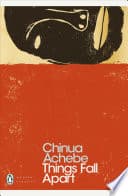
- Things Fall Apart
Chinua Achebe
3.7 (288k) average on GoodreadsHistorical FictionExplores similar themes of colonial impact on traditional Igbo society and the downfall of a respected leader.
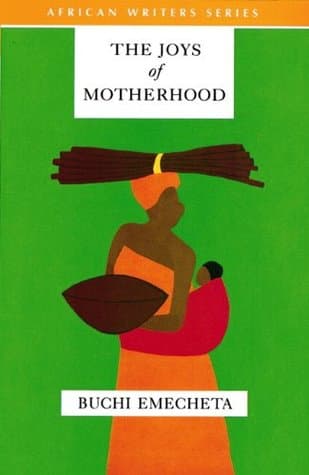
- The Joys of Motherhood
Buchi Emecheta
4.1 (5k) average on GoodreadsHistorical FictionOffers another perspective on Nigerian life and the challenges faced by individuals within their changing society.
- Half of a Yellow Sun
Chimamanda Ngozi Adichie
4.3 (103k) average on GoodreadsLiterary FictionProvides a broader historical context of Nigeria, though focused on a later period, with deep character exploration.
- The Old Man and the Sea
Ernest Hemingway
3.8 (831k) average on GoodreadsLiterary FictionA Cuban fisherman's long struggle with a giant marlin becomes a story of endurance and dignity, now retold for young adults with illustrations, phonetic guides, and writing prompts in Traditional Chinese.
- One Hundred Years of Solitude
Gabriel García Márquez
4.1 (753k) average on GoodreadsLiterary FictionThrough the multi-generational story of the Buendía family, a mythical town deals with the repeating patterns of time, love, and solitude, as the extraordinary mixes with the ordinary.
- The Goldfinch
Donna Tartt
3.9 (720k) average on GoodreadsLiterary FictionHaunted by a tragic explosion and clutching a stolen Dutch masterpiece, a young orphan navigates the opulent drawing rooms of New York and the gritty underbelly of the art world, desperately seeking connection and redemption amidst a life spiraling into crime and obsession.



Enjoyed the summary?
A summary gives you the shape of the book. The book itself has the detail, the examples and the voice.
Find Arrow of God on AmazonAs an Amazon Associate, BookBrief earns from qualifying purchases. How we're funded