
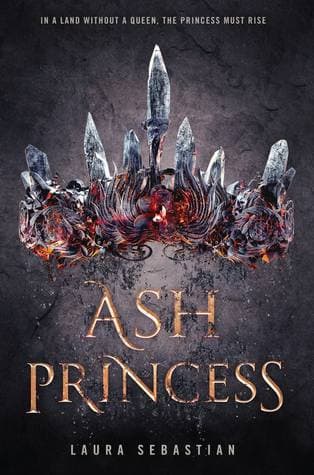
Synopsis
Covers the whole plot, including the ending.
- Difficulty
- Medium
- Pacing
- Moderate
- Mood
- Dark, Suspenseful, Hopeful, Empowering
- Read it if
- You enjoy YA fantasy with strong female protagonists, political intrigue, and a slow-burn romance.
- Skip it if
- You prefer fast-paced action from the beginning or dislike themes of captivity and abuse.
Ash Princess Plot Summary
Covers the whole plot, including the ending.
The Ash Princess's Burden
Ten years after the Astrean invasion and her mother, the Fire Queen's, murder, Theodosia, once heir to the Kalovaxian throne, is known only as the Ash Princess. She lives as a captive in her own palace, subjected to the Kaiser's cruel games and public humiliation. Her only companions are Cress and Heron, former Kalovaxian subjects now her maids, and Prince Søren, the Kaiser's son, with whom she has a complex, often antagonistic relationship. Theo has learned to suppress her true self, appearing docile and broken to survive the Kaiser's threats and the sneers of his court, especially the Kaiserin and her daughter, Artemisia.
A Mother's Legacy and a Father's Betrayal
The Kaiser, in a twisted display of power, forces Theo to execute her former tutor, a Kalovaxian rebel. This act shatters Theo's passivity. The tutor's last words, urging her to remember her mother and her people, ignite defiance within her. This event also reveals the Kaiser's true intentions: not just to conquer Kalovaxia, but to erase its identity. The emotional toll of this execution is immense, pushing Theo to confront her powerlessness and the atrocities against her people.
A Whisper of Rebellion
Driven by the execution, Theo questions everything. She recalls a childhood memory of her mother, the Fire Queen, leaving a hidden message. Following the clues, she finds a secret compartment containing a map and a message from her mother, revealing the Kalovaxian rebels' location. This discovery is a turning point, providing Theo a path to resistance and a connection to her past. It fills her with a renewed sense of purpose, reminding her of her heritage and responsibility.
The Arrival of Blaise
During a hunting trip, Theo is separated from the Astrean party and meets Blaise, a childhood friend she thought dead. Blaise is a leader among the Kalovaxian rebels. Their reunion is emotional, as Blaise initially distrusts Theo due to her perceived loyalty to the Kaiser. He reveals that her father, the Fire King, is alive and leading the rebellion. This encounter forces Theo to choose sides and begins her journey of active resistance. Blaise connects Theo to her past and shows her a future free from Astrean oppression.
A Dangerous Alliance
Theo, with help from Cress and Heron, secretly communicates with Blaise and the rebels, passing vital information about Astrean troop movements and plans. She walks a tightrope, maintaining her submissive Ash Princess persona while working against the Kaiser. This period is marked by fear, as any mistake could lead to her death or her allies' deaths. Her interactions with Prince Søren become more complex as she tries to understand his loyalties and use his affection.
Søren's Confession and the Betrothal
Prince Søren confesses his love for Theo, wanting to protect her and ease her suffering. This confession affects Theo deeply, as she deals with her conflicted feelings for him, knowing he is her enemy's son. The Kaiser announces their betrothal, intending to solidify Astrean control over Kalovaxia through a political marriage. This puts Theo in a more precarious position; she must appear to accept her fate while secretly plotting to dismantle the Astrean regime. The betrothal raises the stakes for both Theo and the rebellion.
The Plan to Escape
With the betrothal approaching, Theo, Blaise, and the rebels finalize a plan for her escape during the wedding festivities. The plan is elaborate and risky, relying on precise timing and the cooperation of several individuals within the palace secretly loyal to Kalovaxia. Theo must manipulate Søren and the Kaiser to ensure their escape. Pressure mounts as the wedding day approaches, and Theo must make difficult choices, including potentially sacrificing her feelings for Søren for her people's good. The escape plan becomes the main focus of Theo's actions.
The Wedding and the Uprising
On her wedding day to Prince Søren, Theo executes her plan. With the help of Blaise and other hidden rebels, she escapes the palace amid a planned uprising. The rebellion, though small, spreads quickly through the city, fueled by years of anger and the symbol of the returned Fire Queen. Theo is at the forefront of the revolt, no longer the timid Ash Princess but a leader reclaiming her birthright. The day is a whirlwind of fighting, strategic moves, and the difficult decision to leave Søren behind, knowing he will be caught in the crossfire.
The Flight to Freedom
Theo, Blaise, and the rebels escape the capital, leaving a city in turmoil. Astrean forces, led by General Thyra, pursue them. Their journey is arduous and dangerous, filled with narrow escapes and difficult choices. Theo begins to embrace her role as the Fire Queen, inspiring her people and making strategic decisions. She grapples with the emotional cost of her escape, especially Søren's fate, but her resolve to free Kalovaxia strengthens with every step away from Astrean control. They seek to rally more support and prepare for war.
A Queen Reborn
Theo and her group reach the hidden rebel stronghold, a place of safety and hope. She reunites with her father, the Fire King, who is alive, though aged by the years of struggle. This reunion is a powerful moment, solidifying Theo's place as the true heir. She sheds the last of the Ash Princess, fully embracing her identity as the Fire Queen of Kalovaxia. Surrounded by her loyal subjects and renewed hope, Theo is ready to lead her people in the war against the Astrean Empire, determined to reclaim her kingdom and avenge her mother.
Principal Figures
Theodosia (Theo) Eirene Houzzara
Protagonist
The imprisoned Ash Princess of Kalovaxia, secretly plotting her escape and the reclamation of her throne.
Theo is the titular Ash Princess, the rightful heir to the Kalovaxian throne. For ten years, she has endured the Kaiser's cruel captivity, forced to wear a crown of ash and suffer public humiliation. She is intelligent, observant, and possesses a remarkable inner strength, though she often hides it behind a facade of submission. Her defining characteristic is her resilience and her deep love for her people and her lost kingdom. She struggles with guilt over her inaction and the weight of her past, but ultimately finds the courage to fight back.
Relationships: Kaiser (Captor and tormentor, the source of her suffering.); Prince Søren (Her betrothed and a complex romantic interest; torn between duty and affection.); Blaise (Childhood friend and fellow rebel; a trusted ally and potential love interest.); Cress (Loyal Kalovaxian maid and confidante.); Heron (Loyal Kalovaxian maid and confidante.); Fire Queen (mother) (Her murdered mother, a source of inspiration and guidance.); Fire King (father) (Her father, leader of the rebellion, whom she believes is dead for most of the book.)
Kaiser
Antagonist
The tyrannical emperor of Astrea, who conquered Kalovaxia and imprisoned Theodosia.
The Kaiser is a cruel, calculating, and megalomaniacal ruler. He delights in tormenting Theo and psychologically breaking her, using her as a symbol of his triumph over Kalovaxia. He is driven by a desire for absolute power and the complete eradication of Kalovaxian culture and identity. He is a master manipulator, using fear and public spectacle to maintain control over both his own court and his conquered territories. He sees Theo not as a human, but as a trophy and a tool.
Relationships: Theodosia (Captor and tormentor.); Prince Søren (His son, whom he manipulates for political gain.); Kaiserin (His wife, a similarly cruel and ambitious woman.)
Prince Søren
Supporting
The Kaiser's son, Theo's betrothed, who harbors conflicted feelings and a hidden desire for peace.
Prince Søren is the Kaiser's heir, outwardly appearing loyal but secretly possessing a more compassionate nature. He is conflicted by his father's cruelty and his growing affection for Theo. Søren believes in a more just and peaceful Astrea, and he genuinely cares for Theo's well-being, often trying to shield her from his father's wrath. He struggles with the moral implications of his family's actions and is torn between his duty to his empire and his personal conscience.
Relationships: Theodosia (Her betrothed and romantic interest; protective and affectionate.); Kaiser (His father, whom he fears and disagrees with.); Kaiserin (His mother.)
Blaise
Supporting
Theo's childhood friend and a leader of the Kalovaxian rebellion.
Blaise is a fierce and dedicated Kalovaxian rebel, Theo's childhood friend, and initially her rescuer. He is brave, skilled in combat, and deeply committed to freeing Kalovaxia. He carries the weight of past losses and is driven by a strong sense of justice and loyalty to his people. His initial distrust of Theo slowly gives way to renewed trust and a rekindled bond. He represents the active resistance and the hope for Kalovaxian freedom.
Relationships: Theodosia (Childhood friend, fellow rebel, and potential romantic interest.); Fire King (Theo's father) (His commander in the rebellion.)
Cress
Supporting
Theo's loyal Kalovaxian maid and confidante, who risks everything for her queen.
Cress is one of Theo's two loyal Kalovaxian maids. She is quiet, observant, and deeply devoted to Theo. Despite the immense danger, she secretly aids Theo in her rebellion, often acting as a messenger and a source of comfort. Cress embodies unwavering loyalty and quiet courage, providing Theo with emotional support and practical assistance throughout her captivity and escape. She represents the enduring spirit of the Kalovaxian people.
Relationships: Theodosia (Loyal maid and confidante.); Heron (Fellow maid and friend.)
Heron
Supporting
Theo's other loyal Kalovaxian maid, whose quick thinking often saves them.
Heron is Theo's other loyal Kalovaxian maid, known for her quick wit and resourcefulness. She is more outspoken than Cress and often provides the practical solutions or diversions needed for Theo's secret activities. Heron's bravery is evident in her willingness to defy the Astrean guards and risk her life for Theo. She is a vital part of Theo's support system, offering both pragmatic assistance and emotional encouragement.
Relationships: Theodosia (Loyal maid and confidante.); Cress (Fellow maid and friend.)
Kaiserin
Supporting
The Kaiser's wife, a cruel and ambitious woman who mirrors her husband's tyranny.
The Kaiserin is as cruel and manipulative as her husband, if not more so. She delights in Theo's suffering and actively participates in her humiliation. She is fiercely ambitious for her own children, Artemisia and Søren, and sees Theo as a threat to their position. The Kaiserin represents the entrenched power and unapologetic brutality of the Astrean regime, serving as a constant reminder of Theo's subjugation.
Relationships: Kaiser (Her husband, with whom she shares a tyrannical ideology.); Theodosia (Her captive, whom she enjoys tormenting.)
Artemisia
Supporting
The Kaiserin's daughter and Søren's sister, who shares her mother's contempt for Theo.
Artemisia is the Kaiserin's daughter and Prince Søren's sister. She embodies the arrogance and disdain of the Astrean court towards Theo and the Kalovaxian people. She is often seen participating in Theo's public humiliations, reveling in the Ash Princess's suffering. Artemisia serves as a foil to Søren, showcasing the more unfeeling and prejudiced side of the Astrean nobility. She represents the next generation of Astrean oppressors.
Relationships: Theodosia (Her captive, whom she despises and torments.); Prince Søren (Her brother.)
Fire Queen
Mentioned
Theo's murdered mother, the former queen of Kalovaxia, whose memory inspires Theo.
Theo's mother, the Fire Queen, was the last true ruler of Kalovaxia before the Astrean invasion. Her brutal murder at the hands of the Kaiser is the inciting incident of Theo's trauma and captivity. Though dead, her memory and legacy serve as a powerful inspiration for Theo, guiding her towards rebellion and reminding her of her true identity and duty. Her hidden messages and the stories of her reign fuel Theo's resolve.
Relationships: Theodosia (Her daughter, whom she inspires and guides even after death.)
Fire King
Supporting
Theo's father, the leader of the Kalovaxian rebellion, believed dead for most of the story.
The Fire King is Theo's father and the true leader of the Kalovaxian rebellion. For ten years, Theo believed him dead, adding to her isolation and despair. His survival and leadership provide a crucial anchor for the rebel cause and a powerful emotional reunion for Theo. He embodies the enduring spirit of Kalovaxia and the hope for its restoration, eventually serving as a direct link to Theo's past and future as queen.
Relationships: Theodosia (His daughter, the heir to his throne.); Blaise (His loyal commander in the rebellion.)
Themes & Insights
Identity and Self-Reinvention
For ten years, Theo must hide her identity as the Fire Queen and act as the 'Ash Princess,' a symbol of Kalovaxian defeat. She learns to hide her intelligence and strength, appearing docile to survive the Kaiser's cruelty. Her journey is about shedding this imposed identity and reclaiming her birthright. This is clear when she finds her mother's hidden message, reminding her of who she truly is, and culminates in her escape where she fully embraces her role as the Fire Queen, no longer hiding her true self but leading her people.
“They took my name, they took my mother, they took my kingdom. But they cannot take my fire.”
Resistance and Rebellion
The story is about the struggle against tyranny. Initially, Theo's resistance is internal, a refusal to be completely broken. The execution of her tutor and the discovery of her mother's message spark her active rebellion. This theme appears through the underground network of Kalovaxian loyalists, Blaise's leadership of the rebel forces, and Theo's dangerous game of espionage within the Astrean court. It shows the courage needed to fight against overwhelming odds and the power of a united people, culminating in the uprising during her forced wedding.
“Hope is a dangerous thing. It can make you do foolish things. But it can also make you strong.”
Trauma and Resilience
Theo endures trauma, witnessing her mother's murder, suffering a decade of abuse, and being forced to execute a former mentor. These experiences leave scars, creating a character who constantly battles her fears and the psychological effects of captivity. However, her resilience shows as she turns her pain into a fierce determination to reclaim her kingdom. Her ability to survive and thrive despite adversity shows the human spirit's capacity for endurance, especially when she chooses to leave Søren and commit to her people's freedom.
“I have lived ten years as the Ash Princess. Ten years of bowing and scraping, of being less than human. No more.”
Love and Betrayal
Love, in its various forms, drives much of the story. Theo's love for her mother and her people fuels her rebellion. The complex romantic tension between Theo and Prince Søren, an enemy's son, explores the boundaries of loyalty and finding humanity in unexpected places. The betrayal by the Astreans, particularly the Kaiser's cruelty, contrasts with the loyalty shown by characters like Cress, Heron, and Blaise. Theo must navigate potential betrayals, both from her enemies and the difficult choices she makes, such as feigning affection for Søren to further her plans.
“Sometimes, the greatest betrayal is not from your enemies, but from those you thought you could trust.”
Power and Control
The Kaiser's reign is defined by his absolute power and his desire to control every aspect of Theo's life and Kalovaxian identity. He uses psychological manipulation, public humiliation, and force to maintain his dominance. Theo's journey is a struggle to reclaim agency and power, not through force, but through cunning, intelligence, and inspiring loyalty. She learns that true power is not just military might, but the hearts and minds of her people, as shown when she orchestrates the rebellion from within the palace, turning the Kaiser's own institutions against him.
“Power isn’t always won on the battlefield. Sometimes, it’s won in the silence, in the shadows, in the minds of the people.”
Plot Devices & Literary Techniques
The Ash Crown
A physical symbol of Theo's subjugation and the Kaiser's cruelty.
The Ash Crown is a literal crown made of ash that Theo is forced to wear daily. It serves as a constant, visible reminder of her lost kingdom, her mother's death, and her status as a prisoner. It's a powerful symbol of the Kaiser's psychological torture and his desire to erase Kalovaxian pride. For Theo, it's a mark of shame, but also a hidden source of defiance, as she mentally transforms it into a crown of fire, symbolizing her true heritage and resilience.
The Hidden Message/Map
A critical plot device that ignites Theo's rebellion and connects her to her past.
The hidden message and map left by Theo's mother, the Fire Queen, acts as a pivotal plot device. It provides Theo with the first tangible link to her past, a concrete goal, and the means to connect with the Kalovaxian rebels. This discovery transforms Theo from a passive victim into an active participant in her own liberation, giving her hope and a clear path forward. Without it, her rebellion would likely never have begun, or at least not in the same strategic way.
The Forced Betrothal
A political maneuver that creates intense personal and strategic conflict for Theo.
The Kaiser's decision to betroth Theo to Prince Søren is a classic political marriage plot device. It aims to solidify Astrean control over Kalovaxia by legitimizing their rule through Theo. For Theo, it creates immense personal conflict, as she grapples with her feelings for Søren while knowing she must betray him for her people's freedom. Strategically, it provides the perfect opportunity for her escape and the initiation of the rebellion, turning a symbol of her subjugation into a weapon against her captors.
The Facade of Weakness
Theo's deliberate act of appearing submissive to deceive her captors.
Theo's consistent presentation of a weak, broken, and submissive persona to the Kaiser and his court is a key plot device. This facade allows her to gather information, make alliances, and plan her rebellion without raising suspicion. It highlights her intelligence and strategic thinking, as she uses her perceived helplessness as a shield and a weapon. This deception is crucial for her survival and ultimately for the success of her escape and the initial stages of the uprising.
Ash Princess Quotes
“They took my name, and I let them. They took my will, and I let them. They took my kingdom, and I let them. But they will not take my revenge.”
“Hope is a dangerous thing for a girl in a cage.”
“My mother always said that the crown was a burden, not a prize. I never understood what she meant until now.”
“Sometimes, the only way to survive is to pretend to be someone you're not.”
“Fear is a powerful weapon, but it cuts both ways.”
“Love can be a weakness, but it can also be the greatest strength.”
“The past is a phantom, but it still haunts us.”
“A queen does not beg. A queen commands.”
“They want to break me, but I will not shatter. I will bend until I am strong enough to break them.”
“Trust is a luxury I can no longer afford.”
“Sometimes, the greatest battles are fought within ourselves.”
“The ashes of my past will fuel the fire of my future.”
“Even in chains, a spirit can be free.”
“One day, I will wear my crown again, and this time, I will earn it.”
Quiz
10 questions on the plot and the characters. Each answer comes with a short explanation.
Question 1
What title was given to Theodosia after her country was invaded and her mother was killed?
- Theodosia, Queen of Astrea
- Ash Princess
- Kaiser's Pet
- Theodosia, the Silent
Show answer
B. Ash Princess After the invasion, Theodosia was stripped of her royal name and forced to bear the title 'Ash Princess' as a symbol of her subjugation.
Question 2
How old was Theodosia when her country was invaded and her mother, the Fire Queen, was murdered?
- Ten years old
- Eight years old
- Six years old
- Twelve years old
Show answer
C. Six years old Theodosia was only six years old when the traumatic events of the invasion and her mother's death occurred.
Question 3
What is the Kaiser's role in Theodosia's life after the invasion?
- He adopted her as his daughter.
- He became her mentor in strategy.
- He is her captor and tormentor.
- He protected her from his court.
Show answer
C. He is her captor and tormentor. The Kaiser is depicted as the one who murdered her mother, took her kingdom, and subjected her to ten years of abuse and ridicule.
Question 4
For how long has Theodosia been a prisoner in her own palace before she decides to fight back?
- Five years
- Seven years
- Ten years
- Fifteen years
Show answer
C. Ten years The synopsis explicitly states that 'For ten years Theo has been a captive in her own palace.'
Question 5
What is the primary internal conflict Theodosia faces during her captivity?
- Whether to escape or remain to protect her friends.
- Burying her true identity to survive versus reclaiming her inner strength.
- Her desire for revenge versus her fear of the Kaiser.
- Choosing between two potential allies.
Show answer
B. Burying her true identity to survive versus reclaiming her inner strength. The text states she survived 'only by burying the girl she was deep inside,' indicating a struggle between her true self and the persona she adopted for survival.
Question 6
What event specifically triggers Theodosia's decision that 'surviving is no longer enough'?
- She witnesses another execution of her people.
- The Kaiser forces her to do 'the unthinkable,' resulting in blood on her hands.
- She learns of a rebellion starting in her former kingdom.
- A new prisoner arrives who inspires her.
Show answer
B. The Kaiser forces her to do 'the unthinkable,' resulting in blood on her hands. The synopsis states, 'Then, one night, the Kaiser forces her to do the unthinkable. With blood on her hands and all hope of reclaiming her throne lost, she realizes that surviving is no longer enough.'
Question 7
What does Theodosia identify as her primary weapon in her fight against the Kaiser?
- Her knowledge of ancient magic.
- Her ability to manipulate others through charm.
- Her mind, described as 'sharper than any sword.'
- A hidden stash of weapons and resources.
Show answer
C. Her mind, described as 'sharper than any sword.' The text explicitly states, 'But she does have a weapon: her mind is sharper than any sword.'
Question 8
What is the broader impact of the Kaiser's rule on Theodosia's former land and people, as described in the synopsis?
- He has implemented a new, fairer judicial system.
- He has modernized their infrastructure and economy.
- Her land has been pillaged and her people enslaved.
- He has integrated them into his empire as equal citizens.
Show answer
C. Her land has been pillaged and her people enslaved. The final sentence details the Kaiser's destructive impact: 'For ten years, the Ash Princess has seen her land pillaged and her people enslaved.'
Question 9
What theme is most strongly suggested by Theodosia's internal struggle and eventual resolve?
- The importance of forgiveness in overcoming trauma.
- The power of inner strength and strategic thinking against physical oppression.
- The inevitability of fate and destiny.
- The corrupting influence of absolute power on its wielders.
Show answer
B. The power of inner strength and strategic thinking against physical oppression. Her journey from 'burying the girl she was' to realizing 'her mind is sharper than any sword' and 'power isn't always won on the battlefield' highlights the theme of inner strength and strategic resistance.
Question 10
The synopsis mentions that Theodosia's name was taken. What does this symbolize in the context of her imprisonment?
- A practical measure to prevent her from being identified by allies.
- The complete stripping away of her identity, heritage, and power.
- A temporary tactic by the Kaiser to make her forget her past.
- A common practice in the Kaiser's empire for all prisoners.
Show answer
B. The complete stripping away of her identity, heritage, and power. Taking her name, along with her land and family, is a powerful symbol of the Kaiser's complete subjugation and effort to erase her former royal identity and heritage.
Ash Princess FAQ
What is the central conflict driving the plot of 'Ash Princess'?
The central conflict revolves around Theodosia, the deposed Fire Queen, who must reclaim her throne and liberate her enslaved people from the tyrannical Kaiser. This involves not only political maneuvering and rebellion but also an internal struggle for Theo to shed her 'Ash Princess' persona and embrace her true identity and power.
Who are the key antagonists in the story and what are their motivations?
The primary antagonist is the Kaiser, who murdered Theo's mother and subjugated Astrea for ten years, driven by a thirst for power and resources. Heron, the Kaiserin, is also a significant antagonist, perpetuating Theo's abuse out of cruelty and a desire to maintain her family's status within the court. Cress, Theo's former friend, acts as a more complex antagonist, torn between loyalty to the Kaiser's family and her past with Theo.
What is the significance of Theo's dual identity as Theodosia and the Ash Princess?
The 'Ash Princess' is the persona Theo adopted for survival, a subservient and broken girl who endures abuse to stay alive. Theodosia, the Fire Queen, represents her true heritage, strength, and the responsibility to her people. The journey of the book is Theo reconciling these two identities, shedding the shame of the Ash Princess to reclaim her birthright as Theodosia.
How does the romance subplot with Søren and Blaise contribute to Theo's character development and the overall plot?
Søren, the Kaiser's son, initially represents a forbidden romance and a potential path to influence from within, challenging Theo's perceptions of her enemies. Blaise, a childhood friend and rebel, offers a connection to her past and a more direct, albeit dangerous, path to rebellion. Both relationships force Theo to make difficult choices about trust, loyalty, and the sacrifices required for her cause, ultimately shaping her leadership.
What is the 'unthinkable' act the Kaiser forces Theo to commit, and how does it change her?
The Kaiser forces Theo to execute her own mentor and guardian, Kaliza, by beheading her in the public square. This act shatters Theo's remaining hope for passive survival, pushing her past her breaking point. It ignites her dormant rage and resolve, making her realize that she must actively fight back rather than merely endure.
What specific details reveal the Kaiser's long-term plan for Astrea beyond just conquest?
Beyond mere conquest, the Kaiser's long-term plan involves systematically stripping Astrea of its magical resources, particularly the fire opals, to fuel his own empire's power. He also seeks to erase Astrea's cultural identity by suppressing its history, language, and the worship of its goddesses, aiming for complete assimilation and control over future generations.
Are there any subtle foreshadowing elements regarding Cress's true loyalties or eventual actions?
Yes, Cress's overzealousness in mocking Theo, sometimes going beyond what the Kaiserin demands, and her intense reactions to Theo's defiance subtly hint at her internal conflict. Her deep-seated fear of the Kaiser's punishment and her family's precarious position under his rule provide a motive for her actions, foreshadowing her ultimate betrayal of Theo out of self-preservation.
How do the descriptions of the Astrean goddesses and their powers subtly reflect Theo's own burgeoning abilities?
The Astrean goddesses, particularly the Fire Queen, are associated with light, heat, and destructive power, often linked to the fire opals. Theo's own latent ability to connect with the opals and the burgeoning 'fire' within her, though initially suppressed, subtly mirrors the divine power of her lineage. The narrative often describes her internal resolve as a growing flame, linking her to her ancestral magic.
What role does the 'Eye of Astrea' play beyond being a physical jewel?
The 'Eye of Astrea' is more than just a valuable jewel; it is a symbol of Astrean sovereignty, a magical artifact that can amplify power, and a key to understanding the full extent of Theo's heritage. Its recovery is not just about wealth but about reclaiming a piece of Astrea's soul and unlocking Theo's true potential as the Fire Queen.
How does Theo's prolonged trauma and abuse manifest in her psychological state throughout the book?
Theo exhibits symptoms of prolonged trauma, including a deep-seated fear, a tendency to dissociate from her true self (the Ash Princess persona), and a strong survival instinct that initially prioritizes self-preservation over rebellion. Her internal monologues reveal her constant struggle with self-worth, the burden of guilt, and the difficulty of trusting others after years of betrayal and isolation.
Analyze the psychological dynamic between Theo and the Kaiserin, particularly how the Kaiserin maintains control.
The Kaiserin maintains control over Theo through psychological torture, public humiliation, and constant reminders of Theo's powerlessness and the Kaiser's absolute authority. She leverages Theo's fear for her people and her own life, creating an environment of learned helplessness. The Kaiserin projects her own cruelty and insecurity onto Theo, using her as a scapegoat and a means to assert her dominance within the court.
How does Theo's decision to leverage her relationships with Søren and Blaise demonstrate her evolving understanding of power?
Initially, Theo might have seen these relationships as personal connections, but as she evolves, she consciously uses them as strategic assets. She manipulates Søren's affection for information and influence, and she relies on Blaise's loyalty for direct action and a connection to the rebellion. This shift shows her understanding that power isn't just brute force, but also involves manipulation, alliances, and leveraging emotional bonds for political gain.
What is the psychological impact of Theo's 'Ash Princess' facade on her ability to lead and connect with others?
The 'Ash Princess' facade, while a survival mechanism, deeply hinders Theo's ability to truly connect with others and embrace her leadership role. It instills a habit of suppressing her emotions and true thoughts, making her initially appear weak or untrustworthy to potential allies. Overcoming this facade is crucial for her to inspire loyalty and conviction in her followers, as genuine leadership requires vulnerability and authenticity.
Is Theo's initial reluctance to embrace her role as the Fire Queen a weakness or a realistic depiction of trauma?
Theo's initial reluctance is a realistic depiction of trauma. After ten years of systematic abuse, fear, and powerlessness, immediately embracing a powerful, demanding role would be unrealistic. Her hesitation reflects the deep psychological scars and the immense weight of responsibility, making her eventual transformation more earned and impactful rather than a sign of inherent weakness.
How does the novel challenge traditional notions of heroism, particularly through Theo's methods of rebellion?
The novel challenges traditional notions of heroism by portraying Theo's rebellion as one driven by cunning, manipulation, and political strategy rather than solely by sword fighting or overt displays of strength. Her 'weapon' is her mind, and her victories are often achieved through deception, leveraging her enemies' weaknesses, and making morally ambiguous choices, suggesting that true heroism can be complex and less conventional.
To what extent is Søren a sympathetic character, and does his love for Theo justify his initial complicity with his father's regime?
Søren is presented as a complex, somewhat sympathetic character who struggles with his conscience and his loyalty to his father versus his growing feelings for Theo. His love for Theo does not justify his initial complicity, as he benefited from his father's tyranny. However, his eventual actions to aid Theo suggest a moral awakening and a desire for redemption, making him a character readers can debate.
What is the broader message about resilience and the nature of power that 'Ash Princess' conveys?
'Ash Princess' conveys a powerful message about resilience, showing that even after profound trauma, the human spirit can find the strength to fight back. It also explores the multifaceted nature of power, demonstrating that it can be wielded through overt force, psychological manipulation, strategic alliances, and the quiet strength of one's will, rather than solely through physical might.
Is Theo's choice to betray Søren a necessary act of war or a morally questionable decision?
Theo's choice to betray Søren is a necessary act of war from a strategic standpoint, as it allows her to escape and further her rebellion, but it is morally questionable. It highlights the difficult, often brutal, decisions leaders must make in times of conflict. While it serves her ultimate goal of freeing Astrea, it comes at a personal cost and demonstrates the harsh realities of her path.
Similar books
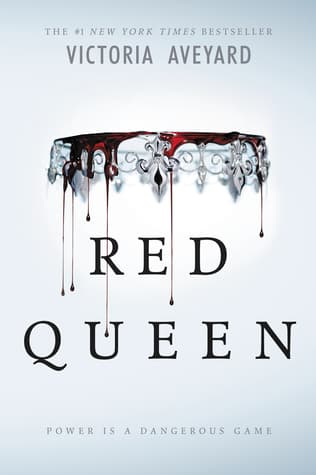
- Red Queen
Victoria Aveyard
4.0 (565k) average on GoodreadsFantasyFeatures a protagonist with hidden powers in a dystopian monarchy, forced to play a role while plotting rebellion.
- The Cruel Prince
Holly Black
4.1 (216k) average on GoodreadsFantasyInvolves a human girl navigating a treacherous magical court and using her wits to gain power.
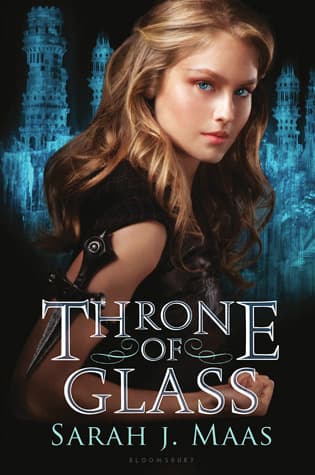
- Throne of Glass
Sarah J. Maas
4.2 (596k) average on GoodreadsFantasyFollows a skilled assassin forced to compete in a deadly competition while secretly planning to overthrow a corrupt king.
- Harry Potter and the Sorcerer's Stone
J.K. Rowling
4.5 (7M) average on GoodreadsFantasyRescued from a miserable life under the stairs, an orphaned boy discovers he's a wizard destined for a magical school, where he uncovers a dangerous secret tied to the dark wizard who murdered his parents.
- The Hunger Games
Suzanne Collins
4.3 (6.4M) average on GoodreadsFantasyIn a future where children fight to the death on live television, Katniss Everdeen volunteers for the arena, turning a death sentence into a fight for survival and a spark of rebellion.
- 1984
George Orwell
4.2 (3.1M) average on GoodreadsPoliticsIn a future where surveillance and thought control are absolute, a man's search for truth clashes with the Party, showing that hope can be a form of rebellion.




Enjoyed the summary?
A summary gives you the shape of the book. The book itself has the detail, the examples and the voice.
Find Ash Princess on AmazonAs an Amazon Associate, BookBrief earns from qualifying purchases. How we're funded