
Estimated read time: 7 min read
One Sentence Summary
"Ashes and Diamonds" explores the moral complexities and political turmoil in post-World War II Poland through the intertwined fates of resistance fighters and civilians.
Table of Contents
Introduction
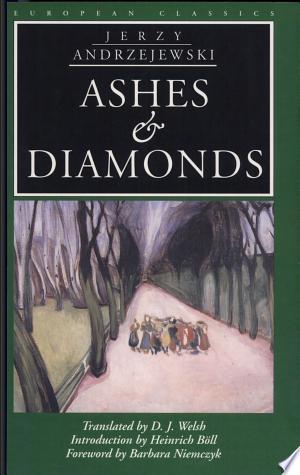
Jerzy Andrzejewski's Ashes and Diamonds is a monumental work that delves deep into the moral and political upheavals in post-World War II Poland. Set against the backdrop of a nation struggling to redefine itself after the devastation of war, this novel captures the tension between personal convictions and harsh political realities. Andrzejewski’s narrative is not just a story of Poland’s turbulent history but a profound exploration of human nature, ethics, and the price of ideological conflict. This summary aims to unpack the novel’s rich layers, making it accessible and engaging for students, lecturers, and literary enthusiasts.
Historical Context
The story unfolds in the closing days of World War II, specifically in 1945 when Poland is transitioning from Nazi occupation to Soviet influence. This period was marked by intense political instability, with various factions vying for control over the country’s future.
- Post-War Poland: The war left Poland devastated physically and morally. The German occupation had ravaged the land and people, while the Soviet Red Army’s advance introduced a new form of authoritarian control.
- Political Factions: The novel reflects the struggle between the communist authorities supported by the Soviets and the remnants of the Polish underground resistance, including the Home Army (Armia Krajowa), who fought against both Nazis and communists.
- Historical Figures: While Andrzejewski’s characters are fictional, they embody real tensions of the era. The novel indirectly references figures like General Władysław Anders and political leaders of the communist regime, highlighting the complex and often tragic choices faced by individuals.
Brief Synopsis
Plot Overview
Ashes and Diamonds centers on Maciek Chelmicki, a young Home Army soldier assigned to assassinate a communist official. The novel explores Maciek’s internal conflict as he navigates loyalty, ideology, and morality during a chaotic time. As events unfold, the story reveals the personal cost of political violence and the blurred lines between heroism and tragedy.
Setting
The novel is primarily set in a small Polish town on the last day of World War II. The atmosphere is charged with uncertainty and tension—streets once occupied by Nazis are now under Soviet influence, and the town’s inhabitants are caught between hope for peace and fear of new oppression.
Main Characters
| Name | Role | Key Traits | Importance to the Plot |
|---|---|---|---|
| Maciek Chelmicki | Young Home Army soldier | Idealistic, conflicted, brave | Protagonist; tasked with political assassination |
| Stefan Szczuka | Communist official | Cynical, authoritative | Target of Maciek’s mission; represents new regime |
| Krystyna | Bar owner, Maciek’s love interest | Compassionate, pragmatic | Symbolizes personal life and emotional conflict |
| Andrzej | Maciek’s comrade | Loyal, determined | Represents camaraderie and the cost of war |
| Professor | Intellectual elder | Reflective, moralistic | Offers philosophical perspective on events |
Plot Summary
Part One: The Assignment
Maciek receives orders to assassinate Stefan Szczuka, a local communist official. This mission represents the broader resistance against the Soviet-backed regime. Maciek’s initial resolve is strong, fueled by loyalty to his comrades and a desire for a free Poland. However, his encounters with Krystyna and the town’s residents begin to challenge his black-and-white worldview.
Part Two: Moral Conflict
As Maciek prepares for the assassination, he grapples with the moral implications of his task. Conversations with Krystyna and the professor highlight the complexity of post-war politics. The novel illustrates Maciek’s internal battle between duty and conscience, reflecting the larger national struggle.
Part Three: The Climax
The assassination attempt unfolds amidst growing chaos. Without revealing specific spoilers, it’s important to note that the outcome forces Maciek to confront the consequences of violence and the uncertain future of Poland. The narrative tension peaks, capturing the tragic undertones of the era.
Part Four: Aftermath and Reflection
The final section provides a somber reflection on the cost of war and ideological conflict. Characters face the ruins of their ideals and the harsh reality of political change. Andrzejewski leaves readers with poignant questions about justice, sacrifice, and the human capacity for both destruction and hope.
Themes and Motifs
The Ambiguity of Morality
The novel’s core theme is the ambiguity of good and evil in times of political turmoil. Andrzejewski resists portraying characters as purely heroic or villainous, instead showing how circumstances force difficult choices.
The Cost of War
Ashes and Diamonds poignantly depicts war’s psychological and social toll. Through Maciek and others, the narrative explores trauma, loss, and the destruction of innocence.
Ideological Conflict
The clash between communism and resistance ideals is central. The novel scrutinizes ideological fanaticism and the dangers of absolutism, questioning the legitimacy of violence for political ends.
Hope and Despair
The motif of ashes symbolizes destruction, while diamonds suggest enduring value and hope. This contrast underscores the tension between despair over the past and hope for the future.
Literary Techniques and Style
Andrzejewski employs a realist style infused with symbolic elements, making the novel both accessible and deeply philosophical.
- Narrative Structure: The story unfolds in a linear yet tightly focused timeline, emphasizing the urgency of the moment.
- Symbolism: Objects like ashes and diamonds serve as metaphors for destruction and hope, enriching the narrative’s emotional depth.
- Characterization: Complex characters are developed through internal monologues and dialogues, revealing their psychological nuances.
- Atmosphere: Vivid descriptions of the town and its atmosphere immerse the reader in the post-war setting, highlighting the pervasive tension.
- Dialogue: The use of philosophical and ethical debates adds layers of meaning and invites readers to ponder moral questions.
Author’s Background
Jerzy Andrzejewski (1909–1983) was a prominent Polish writer and intellectual. Known for his moral commitment and political engagement, Andrzejewski’s works often grapple with ethical dilemmas in times of crisis. He was involved in anti-Nazi resistance and later critiqued both communist and fascist regimes.
- Influences: His experiences during World War II and observations of post-war Poland deeply influenced his writing.
- Writing Style: Andrzejewski’s prose is marked by clarity, moral seriousness, and a blend of realism and symbolism.
- Legacy: Ashes and Diamonds remains one of his most acclaimed works, widely studied for its literary merit and historical insight.
Key Takeaways
- Ashes and Diamonds offers a nuanced portrayal of moral ambiguity in post-war Poland.
- The novel highlights the psychological and social costs of political violence.
- Andrzejewski’s characters embody the complex human responses to ideological conflict.
- Symbolism enriches the narrative, making it a profound meditation on hope and despair.
- The story invites reflection on the ethics of resistance and the price of freedom.
Reader’s Takeaway
For readers, Ashes and Diamonds is more than a historical novel; it’s a powerful exploration of conscience and courage. The emotional depth and philosophical questions engage both the heart and mind, making it a compelling read for those interested in history, politics, and human psychology. The novel’s balance of vivid storytelling and moral inquiry ensures it resonates beyond its historical setting.
Conclusion
Jerzy Andrzejewski’s Ashes and Diamonds stands as a timeless work, capturing the turbulent soul of post-war Poland through the lens of individual struggle and ideological conflict. Its rich characters, evocative setting, and profound themes provide valuable insights into the human condition. Whether approached as a historical document, a moral parable, or a literary masterpiece, this novel encourages readers to confront the complexities of history and humanity. Exploring Ashes and Diamonds promises a rewarding journey into the ashes of war and the diamonds of hope that endure.
Ashes and Diamonds FAQ
What is the main theme of 'Ashes and Diamonds'?
'Ashes and Diamonds' explores themes of political conflict, moral ambiguity, and the struggles faced in post-World War II Poland.
Who is the protagonist of 'Ashes and Diamonds'?
The protagonist is Maciek Chełmicki, a young Home Army soldier grappling with his mission and personal convictions.
When is 'Ashes and Diamonds' set?
The novel is set in the immediate aftermath of World War II, specifically in 1945 Poland.
What is the significance of the title 'Ashes and Diamonds'?
The title symbolizes the destruction ('ashes') left by war and the enduring hope or value ('diamonds') that can emerge from the aftermath.
How does 'Ashes and Diamonds' address the political situation in Poland?
The book portrays the tension between the communist regime and the anti-communist resistance, highlighting the complexities of loyalty and ideology.
Is 'Ashes and Diamonds' based on true events?
While the story is fictional, it is heavily inspired by real historical events and the political climate in Poland after World War II.
Has 'Ashes and Diamonds' been adapted into other media?
Yes, it was famously adapted into a film directed by Andrzej Wajda in 1958, which is considered a classic of Polish cinema.
What genre does 'Ashes and Diamonds' belong to?
'Ashes and Diamonds' is a historical novel with elements of political drama and psychological exploration.
What moral dilemmas are presented in the novel?
Characters face conflicts between duty, personal beliefs, and survival, illustrating the difficult choices in times of political upheaval.
Why is 'Ashes and Diamonds' considered important in Polish literature?
It captures the complexities of Poland's post-war identity and the human cost of political struggles, making it a significant work in understanding Polish history and culture.