

Synopsis
Covers the whole plot, including the ending.
- Difficulty
- Easy
- Pacing
- Moderate
- Mood
- Witty, Emotional, Romantic, Reflective, Hopeful
- Read it if
- You enjoy a witty, emotional romance with depth, banter, and authors as main characters, exploring themes of grief, trust, and finding love after loss.
- Skip it if
- You prefer lighthearted, low-stakes romance without significant emotional baggage or exploration of heavier themes.
Beach Read Plot Summary
Covers the whole plot, including the ending.
The Unexpected Reunion
January Andrews, a romance novelist struggling with writer's block and the recent death of her father, moves into his secretly-owned beach house in North Carolina to clear it out. She's reeling from the discovery that her father had a secret mistress, Sonya, who lived nearby. Upon arrival, January is shocked to find her old college nemesis, Augustus 'Gus' Everett, a critically acclaimed literary fiction author, living in the house next door. Their past interactions were marked by intense academic rivalry and a mutual, unspoken attraction, but their personalities and writing styles are opposed. Both are facing financial difficulties and creative slumps, setting the stage for an awkward and tense summer.
The Challenge is Born
After an initial period of avoidance and barbed exchanges, January and Gus finally confront each other. They discover they are both stuck in their writing. Gus, known for his dark and tragic literary fiction, is unable to write anything meaningful, while January, a romance writer, has lost all faith in happy endings. Over a night of drinks, they make a spontaneous, drunken bet: they will swap genres for the summer. January will write a literary novel, and Gus will write a romance. The loser has to publicly endorse the winner's book. This challenge sets the framework for their interactions and forces them out of their comfort zones.
Rom-Com Field Trips
To help Gus write his romance novel, January insists they go on 'research' field trips, mimicking classic rom-com tropes. These include a trip to a local fair, a movie night, a dance lesson, and a passionate make-out session in a bookstore. These outings are initially awkward and forced, but as they spend more time together, their old rivalry begins to melt away, revealing deeper layers of connection and vulnerability. January finds herself enjoying Gus's dry wit and unexpected tenderness, while Gus observes January's infectious optimism, even in her cynicism, sparking his creativity.
Darker Research
In return for her rom-com excursions, Gus takes January on his own 'research' trips, designed to expose her to the grittier, more complex aspects of life suitable for a literary novel. This includes interviewing members of a former cult, visiting an abandoned factory, and exploring the lives of marginalized individuals in their small town. January is initially uncomfortable with the darkness and emotional weight of these experiences, but they force her to confront her own avoidance of difficult truths, particularly regarding her father's secret life and the complexities of human relationships beyond idealized romance.
Uncovering Secrets
Throughout the summer, January is haunted by her father's secret life. She struggles to reconcile the image of her loving, faithful father with the man who had a mistress. Driven by her literary novel's themes of secrets and hidden lives, she begins to investigate, cautiously at first, then more determinedly. She learns that Sonya, far from being a mistress, was her father's long-lost sister, whom he reconnected with later in life. Her father had kept Sonya a secret to protect January's mother, who had a difficult relationship with her own family. This revelation shatters January's preconceived notions and forces her to re-evaluate her understanding of love, family, and forgiveness.
Growing Closer
As January and Gus continue their writing challenge, their professional and personal lives become increasingly intertwined. They offer each other critiques, support, and a safe space to explore their vulnerabilities. Their shared experiences and late-night conversations reveal their past traumas and insecurities, particularly Gus's struggles with his emotionally distant family and January's grief and disillusionment. The forced proximity and the intimacy of sharing their deepest fears and hopes lead to a powerful emotional connection that transcends their initial rivalry and attraction, slowly blossoming into genuine affection and understanding.
The First Kiss and Lingering Doubts
Following an intense research trip and a night of profound conversation, January and Gus share a passionate kiss that confirms their undeniable chemistry and growing feelings. However, January, still reeling from her father's secrets and the pain of her parents' seemingly perfect marriage being a facade, struggles to trust the intensity of their connection. She fears that any deep relationship is destined for betrayal and heartbreak. Her past experiences make her hesitant to fully commit, leading her to pull away from Gus, creating tension and uncertainty between them.
Gus's Vulnerability
During an open conversation, Gus reveals his own past heartbreak. He shares the story of his previous long-term relationship, which ended in devastating betrayal. This experience solidified his cynical view of love and relationships, mirroring January's own disillusionment. His vulnerability helps January understand his guarded nature and the source of his dark writing. This shared experience of past pain creates a deeper empathy between them, allowing January to see past his aloof exterior and recognize the depth of his feelings, while also making her confront her own fears about commitment.
The Truth About Her Parents
January finally confronts her mother about her father's secrets. Her mother reveals the full, complex truth: her parents had a deeply loving, but also flawed and human, marriage. Her father's secret was born out of a desire to protect his wife from pain, not from a lack of love. This revelation allows January to grieve her father more fully and to understand that love isn't always perfect or simple, but it can still be profound and enduring. This understanding begins to heal her jaded perspective on love and happy endings, influencing her own writing and her feelings for Gus.
A New Beginning
With her emotional baggage beginning to clear, January realizes she is deeply in love with Gus. She confronts him, confessing her fears and her feelings. Gus, in turn, admits his own love for her, expressing his willingness to be patient and understanding. They decide to officially pursue a relationship, acknowledging the challenges but committing to facing them together. Their summer of swapped genres not only broke their writer's blocks but also opened their hearts, leading them to a new understanding of love that is both realistic and deeply fulfilling, culminating in a hopeful and heartfelt new beginning.
Beach Read Characters
January Andrews
Protagonist
A romance novelist struggling with grief and disillusionment about love.
January is a successful romance novelist known for her optimistic, happily-ever-after stories. However, she is currently grappling with severe writer's block and a profound cynicism about love, triggered by her father's recent death and the discovery of his secret life. She is outwardly cheerful and witty but inwardly carries deep emotional pain and a fear of betrayal. Her struggle to reconcile the idealized version of love with the messy reality of life is central to her journey.
Relationships: Augustus Everett (rival-turned-lover); Her Father (complex, loving, and ultimately disappointing); Her Mother (supportive but initially guarded); Shadi (best friend)
Augustus 'Gus' Everett
Love Interest/Co-protagonist
A cynical literary fiction author known for his dark and tragic stories.
Gus is a critically acclaimed literary author whose works are often bleak and feature tragic endings. He is reserved, sardonic, and initially appears emotionally distant, having been hurt in past relationships and having a strained family background. Despite his cynical exterior, he possesses a deep capacity for empathy and a dry, intelligent wit. He is also struggling with writer's block, unable to find the darkness that usually fuels his work.
Relationships: January Andrews (rival-turned-lover); His Family (strained and distant); Pete (long-time friend and bookstore owner)
Shadi
Supporting
January's best friend and literary agent.
Shadi is January's supportive and no-nonsense best friend and literary agent. She provides January with practical advice, emotional support, and tough love when needed. Shadi is a grounding presence in January's life, often reminding her of her strengths and pushing her to confront her issues. She encourages January to take the writing challenge seriously and acts as a sounding board for her romantic and professional dilemmas.
Relationships: January Andrews (best friend and agent)
Pete
Supporting
Gus's long-time friend and owner of a local bookstore.
Pete is Gus's loyal and insightful friend who owns the local independent bookstore. He serves as Gus's confidant and often offers a more grounded perspective. Pete has known Gus for a long time and understands his complexities, often gently nudging him towards emotional honesty. He is a quiet observer who sees the budding connection between Gus and January before they do, providing a steady presence in their intertwined lives.
Relationships: Augustus Everett (long-time friend)
Sonya
Supporting/Mentioned
January's secret aunt, initially believed to be her father's mistress.
Sonya is January's father's long-lost sister, whose existence was kept secret from January and her mother. She lives in a house near the beach house and is initially perceived by January as her father's mistress, causing immense pain and disillusionment. Sonya is kind and understanding, eventually revealing the true nature of her relationship with January's father, which helps January understand her family's complex history and heal her grief.
Relationships: January's Father (sister); January Andrews (aunt)
January's Father
Mentioned
Deceased, his secret life triggers January's emotional crisis.
January's father is a central figure in her emotional turmoil, despite being deceased before the story begins. He was a beloved and seemingly perfect father, whose secret ownership of a second beach house and a hidden relationship with Sonya shatters January's perception of him and of love itself. His actions, driven by a desire to protect his wife, ultimately force January to confront the messy realities of life and love.
Relationships: January Andrews (father); January's Mother (husband); Sonya (brother)
January's Mother
Supporting
January's mother, who eventually reveals the truth about her father.
January's mother is initially portrayed as grieving and somewhat emotionally distant, struggling with the recent loss of her husband. She carries the burden of her husband's secret, which she eventually reveals to January. Her explanation provides the crucial context for January to understand her father's actions and begin her own healing process. She represents the resilience and quiet strength of enduring love.
Relationships: January Andrews (mother); January's Father (wife)
Beach Read Themes
The Nature of Love and Happy Endings
The novel explores the contrast between idealized romance and the messy reality of love. January, a romance writer, initially believes in perfect, uncomplicated happy endings, but her father's secret shatters this view. Gus, a literary writer, believes love is inherently tragic. Through their swapped writing challenge, they both learn that true love is complex, flawed, and requires work and vulnerability, but can still be deeply fulfilling. The 'happy ending' isn't about perfection, but about choosing to face reality together, as seen when January finally accepts her parents' imperfect, yet loving, marriage.
“Love isn't always fireworks, January. Sometimes, it's just a quiet understanding and a shared belief in a future that's worth fighting for.”
Grief and Healing
Grief is a pervasive theme, particularly for January, who is mourning her father while also grappling with the betrayal she feels from his secrets. Her writer's block is a direct manifestation of her unprocessed grief and disillusionment. The process of writing her literary novel, and Gus's dark 'research' trips, force her to confront her pain and the complexities of her father's life. By the end, she moves towards acceptance and understanding, realizing that healing isn't about forgetting, but about integrating the loss and moving forward with a more nuanced perspective.
“Grief was a house that had been built around you, every brick a memory, every window a view to a past you couldn't get back.”
Authenticity and Vulnerability
Both January and Gus initially present carefully constructed facades to the world and to each other. January hides her pain behind a bubbly exterior, while Gus uses cynicism and aloofness as a shield. The writing challenge, which forces them to explore unfamiliar genres and personal truths, pushes them towards authenticity. As they share their fears, past traumas, and creative struggles, they gradually become more vulnerable with each other, leading to a deeper, more genuine connection. This theme is highlighted when Gus shares his past heartbreak and January reveals her father's secrets.
“Maybe we were both just two broken people, trying to figure out how to put ourselves back together, and maybe that was enough.”
The Power of Storytelling
The novel itself shows the power of storytelling, both as an escape and as a tool for self-discovery and healing. January and Gus use their writing to process their emotions, explore different perspectives, and ultimately understand themselves and each other better. The act of swapping genres forces them to step outside their comfort zones and challenge their preconceived notions about life and love. Their respective novels become mirrors of their internal journeys, reflecting their growth and changing beliefs.
“Stories were how we made sense of the world, how we found our place in it, how we learned to love and lose and live.”
Plot Devices & Literary Techniques
The Genre Swap Challenge
A bet where a romance writer tries literary fiction and a literary writer tries romance.
This central plot device is the catalyst for the entire story. It forces January and Gus, who are polar opposites in their writing styles and worldviews, into close proximity and shared vulnerability. By making January write a literary novel and Gus a romance, the challenge compels them to explore themes and emotions they typically avoid, directly addressing their writer's blocks and personal hangups. It also provides a structured framework for their 'research' dates, which are crucial for their developing relationship.
The Secret Beach House
January's father's hidden property, which holds the key to his secret life.
The beach house is more than just a setting; it's a symbol of January's father's secret life and the hidden truths that shatter her worldview. Its existence is the initial trigger for January's emotional crisis and her move to North Carolina. The house itself becomes a place of discovery, where January uncovers clues about her father and Sonya. It also serves as the shared space that forces January and Gus into constant interaction, making their eventual connection inevitable.
The Epistolary Elements (Gus's Notes)
Gus's handwritten notes in a book January finds, revealing his past thoughts.
January discovers a copy of a book they both read in college, filled with Gus's handwritten notes from years ago. This device offers a glimpse into Gus's younger self and his intellectual thoughts, revealing a more vulnerable and less cynical side that predates his later heartbreaks. It provides January (and the reader) with crucial insight into his character, helping her understand the complexities beneath his guarded exterior and foreshadowing their deeper connection.
Beach Read Quotes
“I’m not a cynic. I’m a realist. There’s a difference.”
“Happy ever afters are only for the privileged.”
“It’s not just about what you write. It’s about why you write it.”
“I don’t want to be the kind of writer who only writes about what she knows. I want to be the kind of writer who writes about what she wishes she knew.”
“Maybe the point of a story isn’t to escape reality, but to help you live in it.”
“You can’t write a happy ending if you’re not willing to live one.”
“Love isn’t a state of perfect grace. It’s a messy, complicated, often infuriating state of being.”
“Maybe the greatest love stories aren’t the ones where the characters are perfect, but where they’re perfectly imperfect.”
“Sometimes the most painful stories are the ones that need to be told the most.”
“It’s easier to be cynical than to be vulnerable.”
“You don't have to be happy all the time to be happy.”
“The greatest tragedy isn’t not getting what you want, it’s not knowing what you want.”
“Maybe a happy ending isn't about everything turning out perfectly, but about finding a way to be okay with the imperfections.”
“It’s a story, January. It’s supposed to be messy.”
“You can't outrun your past, but you can learn to walk beside it.”
Quiz
10 questions on the plot and the characters. Each answer comes with a short explanation.
Question 1
What is the primary reason January Andrews is living in the beach house owned by her deceased father?
- She inherited it and decided to move there permanently.
- She is housesitting for a friend who is on an extended vacation.
- She is broke and needs to clear out her father's belongings to sell the house.
- She is on a research trip for her next romance novel.
Show answer
C. She is broke and needs to clear out her father's belongings to sell the house. January is broke and needs to clean out her father's beach house, which she inherited, with the intention of selling it.
Question 2
What kind of books does Augustus Everett typically write?
- Bestselling romance novels
- Literary fiction, often with dark or tragic themes
- Young adult fantasy series
- Non-fiction historical biographies
Show answer
B. Literary fiction, often with dark or tragic themes The description states Augustus Everett is an acclaimed author of literary fiction, and that 'when she pens a happily ever after, he kills off his entire cast,' indicating dark themes.
Question 3
What is the core 'deal' that January and Gus strike to overcome their writer's block?
- They agree to co-write a single novel together.
- Gus will write a happy story and January will write a literary novel.
- They challenge each other to write a book in a month.
- They decide to review each other's drafts daily.
Show answer
B. Gus will write a happy story and January will write a literary novel. Their deal is that Augustus will spend the summer writing something happy, and January will pen the next Great American Novel.
Question 4
What specific type of 'field trip' does January propose for Gus to experience for her book?
- Visiting various historical landmarks.
- Attending literary readings and book signings.
- Rom-com worthy montages like going to a fair or a drive-in.
- Exploring haunted houses and abandoned places.
Show answer
C. Rom-com worthy montages like going to a fair or a drive-in. January agrees to take him on 'field trips worthy of any rom-com montage' to help him write a happy story.
Question 5
What kind of research does Gus propose for January's literary novel?
- Interviewing local fishermen and town elders.
- Attending college lectures on classic literature.
- Visiting art galleries and museums for inspiration.
- Interviewing surviving members of a backwoods death cult.
Show answer
D. Interviewing surviving members of a backwoods death cult. Gus will take her to 'interview surviving members of a backwoods death cult' for her literary novel.
Question 6
What is the implied emotional state of both January and Gus at the beginning of the story?
- Excited and creatively inspired.
- Content and financially secure.
- Broke and suffering from writer's block.
- Optimistic about finding new love.
Show answer
C. Broke and suffering from writer's block. The summary explicitly states they are 'broke, and bogged down with writer's block.'
Question 7
What is January's initial belief about love and happy endings, contrasting with her profession?
- She firmly believes in them despite personal setbacks.
- She no longer believes in love or happily ever afters.
- She is indifferent to the concept of love.
- She believes love only exists in fiction.
Show answer
B. She no longer believes in love or happily ever afters. The summary states January is 'a romance writer who no longer believes in love' and is questioning 'happily ever afters.'
Question 8
What is the significance of January and Gus living in 'neighboring beach houses'?
- It implies they are old family friends who planned to meet up.
- It's a coincidence that forces their interaction and the premise of the story.
- They intentionally sought out houses close to each other for a writing retreat.
- They are secretly dating and wanted to live close by.
Show answer
B. It's a coincidence that forces their interaction and the premise of the story. The proximity of their beach houses is presented as a crucial coincidence, 'the only thing they have in common is that for the next three months, they're living in neighboring beach houses,' which sets up their interactions.
Question 9
The deal between January and Gus includes a specific outcome regarding their personal relationship. What is it?
- They will attempt to fall in love by the end of the summer.
- They explicitly agree that no one will fall in love.
- They decide to remain strictly professional colleagues.
- They plan to become best friends but nothing more.
Show answer
B. They explicitly agree that no one will fall in love. The summary concludes the deal with the line, 'Everyone will finish a book and no one will fall in love. Really.'
Question 10
What thematic contrast is highlighted by January writing romance and Gus writing literary fiction?
- The difference between popular and obscure genres.
- The conflict between optimism/hope and cynicism/realism about life and love.
- The struggle between writing for money versus writing for art.
- The comparison of plot-driven versus character-driven narratives.
Show answer
B. The conflict between optimism/hope and cynicism/realism about life and love. January writes 'bestselling romance' and Gus 'kills off his entire cast,' symbolizing a fundamental contrast between optimism/happy endings and darker, more 'realistic' or tragic perspectives on life and relationships.
Beach Read FAQ
What is the central premise of 'Beach Read' and what challenge do January and Gus undertake?
The central premise involves January Andrews, a romance novelist, and Augustus Everett, a literary fiction author, who are both suffering from writer's block and living in neighboring beach houses. They make a deal to swap genres for the summer: January will attempt to write literary fiction, and Gus will try his hand at a happy romance, hoping to reignite their creativity.
What are January's initial struggles and why is she staying at her deceased father's beach house?
January is struggling with writer's block and a deep cynicism about love after discovering her recently deceased father had a secret mistress living in the very beach house he left to January. This betrayal shatters her idealized view of her parents' marriage and her own belief in happily ever afters, making it difficult to write romance.
How does Gus's past influence his writing style and his personal outlook on life?
Gus's childhood was marked by abandonment and a difficult upbringing, leading him to write dark, often tragic literary fiction that explores the bleak realities of life. His past makes him wary of vulnerability and happiness, believing that all good things inevitably end in pain or loss, which deeply impacts his ability to write a joyful romance.
What specific 'field trips' do January and Gus undertake as part of their genre-swapping challenge?
As part of their challenge, January takes Gus on classic rom-com dates like a carnival, a local fair, and stargazing, aiming to inspire his romance novel. In return, Gus takes January to research locations for her literary novel, including interviewing former members of a death cult and visiting abandoned structures, pushing her out of her comfort zone.
What is the significance of the letters January finds from her father to his mistress, Sonya?
The letters from January's father to Sonya reveal a complex, long-term relationship that deeply complicates January's understanding of her father and her parents' marriage. They force January to re-evaluate her idealized memories, confront the messy reality of love, and ultimately contribute to her growth in understanding forgiveness and nuanced human relationships.
How does the shared history of January and Gus from their college days subtly resurface throughout the book?
January and Gus initially met and had a brief, impactful encounter in college, which neither fully realized the significance of until later. Their shared past—Gus helping January when she was lost and offering comfort—creates a subtle undercurrent of connection and familiarity that deepens their present relationship, suggesting a destiny beyond their initial rivalry.
What is the metaphorical significance of Gus's dog, Pete, and his eventual adoption by January?
Pete, Gus's aging, grumpy dog, initially symbolizes Gus's own guarded nature and his reluctance to let happiness or affection in. January's growing bond with Pete, and her eventual adoption of him, signifies her ability to embrace flawed, imperfect love and her willingness to care for something that needs her, mirroring her acceptance of Gus's complexities.
How does January's relationship with her best friend, Shadi, provide a contrast to her romantic struggles?
Shadi's unwavering support and practical advice serve as a grounding force for January, providing a stable, non-romantic relationship that highlights the healthy aspects of trust and communication. Shadi's presence contrasts January's romantic disillusionment, reminding her of enduring love and friendship even when her romantic life feels chaotic.
How does January's grief over her father's death manifest, and how does it impact her ability to write romance?
January's grief is complicated by betrayal; she mourns not just her father but also the idealized version of her parents' marriage she believed in. This disillusionment paralyzes her ability to write the hopeful, happy endings characteristic of romance, as she can no longer genuinely believe in them herself, leading to her writer's block.
What psychological barriers does Gus face in writing a 'happy' book, and how does January help him overcome them?
Gus's psychological barriers stem from a deep-seated belief that happiness is fleeting and often a precursor to pain, rooted in his traumatic past. January helps him by showing him that joy can exist alongside sorrow, and that embracing vulnerability doesn't negate strength, slowly chipping away at his cynicism and fear of hope.
How do January and Gus's writing styles reflect their coping mechanisms for past trauma?
January's romance novels, with their guaranteed happy endings, were her way of creating order and hope in a world that felt unpredictable, especially after her father's illness. Gus's dark literary fiction, conversely, was his way of processing and externalizing the pain and bleakness he experienced, using art to control and understand his trauma.
In what ways does the concept of 'happily ever after' evolve for both January and Gus throughout the story?
Initially, January believes in a flawless, fairytale 'happily ever after,' while Gus dismisses it entirely. By the end, they both come to understand that 'happily ever after' is not an absence of problems, but a commitment to facing life's complexities together, embracing imperfect love, and choosing joy despite inevitable sorrow.
To what extent does the book challenge or reinforce traditional romance novel tropes?
The book both challenges and reinforces tropes. It challenges the idea of 'perfect' love and the notion that romance novels are fluffy, while reinforcing the core emotional journey of two people finding love despite their flaws. It ultimately argues for the validity and depth of romance as a genre, even as it subverts some of its expectations.
What is the significance of the alternating perspectives on love and writing presented by January and Gus?
The alternating perspectives highlight the subjective nature of both love and storytelling. January represents the optimistic, hopeful view, while Gus embodies the cynical, realistic perspective. Their eventual convergence suggests that a balanced, nuanced understanding of love and life requires integrating both hope and realism, acknowledging both joy and sorrow.
How does the setting of the beach house contribute to the themes of the novel?
The isolated beach house, inherited by January from her father, serves as a physical embodiment of her past and her disillusionment. Its remote location forces both protagonists to confront their inner demons and each other, while the transient nature of summer and the ocean's vastness reflect themes of change, healing, and the enduring power of nature.
Is the ending of 'Beach Read' a conventional 'happily ever after,' or something more nuanced?
The ending is more nuanced than a conventional 'happily ever after.' While January and Gus find love and commit to a future together, their journey acknowledges the ongoing challenges and imperfections of life. They don't magically solve all their problems, but they choose to face them together, embracing a realistic and enduring love rather than a fairytale fantasy.
What is the thematic importance of January's literary novel about the death cult, and Gus's romance novel?
January's novel about the death cult symbolizes her confronting the darkest, most uncomfortable truths about human nature and belief, mirroring her struggle with her father's betrayal. Gus's romance novel, conversely, represents his journey to embrace hope and vulnerability, showing his capacity for light and happiness, even if it's difficult for him to write.
About the author

Emily Henry is a contemporary author known for her fiction, particularly in the romance and young adult genres. Her notable works include "Beach Read," a story about two writers with contrasting styles who challenge each other, and "The Love That Split the World," which explores themes of love and alternate realities.
Similar books
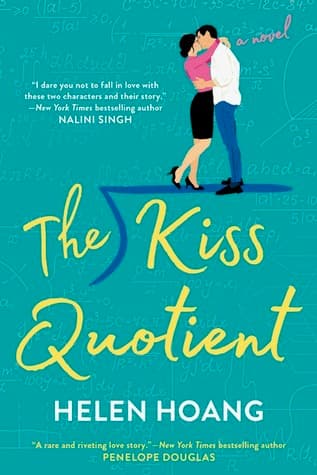
- The Kiss Quotient
Helen Hoang
3.9 (141k) average on GoodreadsRomanceWhile both books prioritize character development and emotional depth, Beach Read offers a meta-commentary on literary genres and the craft of writing, whereas The Kiss Quotient focuses on neurodivergent representation and navigating social interactions within a romantic context.
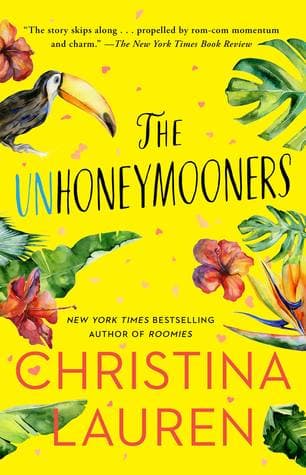
- The Unhoneymooners
Christina Lauren
4.0 (115k) average on GoodreadsRomanceThe Unhoneymooners is a more purely escapist and humorous 'enemies-to-lovers' story set in a tropical setting. Beach Read, while possessing humor, delves into deeper psychological burdens and grief, offering a more introspective and melancholic romantic journey alongside its wit.
- The Hunger Games
Suzanne Collins
4.3 (6.4M) average on GoodreadsFantasyIn a future where children fight to the death on live television, Katniss Everdeen volunteers for the arena, turning a death sentence into a fight for survival and a spark of rebellion.
- The Great Gatsby
F. Scott Fitzgerald
3.9 (3.8M) average on GoodreadsHistorical FictionIn the opulent Roaring Twenties, a mysterious millionaire's lavish parties hide his desperate, tragic pursuit of a lost love, exposing the emptiness within the American Dream.
- The Fault in Our Stars
John Green
4.2 (3.6M) average on GoodreadsYoung AdultA girl with a terminal illness finds her story rewritten when a charming boy with a similar past enters her life at a cancer support group, leading to a star-crossed romance.
- Pride and Prejudice
Jane Austen
4.3 (3M) average on GoodreadsHistorical FictionIn a society focused on status and money, Elizabeth Bennet navigates love and pride, challenging Mr. Darcy and social expectations to find true affection.




Enjoyed the summary?
A summary gives you the shape of the book. The book itself has the detail, the examples and the voice.
Find Beach Read on AmazonAs an Amazon Associate, BookBrief earns from qualifying purchases. How we're funded