

Synopsis
Covers the whole plot, including the ending.
- Difficulty
- Medium
- Pacing
- Moderate
- Mood
- Witty, Romantic, Charming, Observational
- Read it if
- You enjoy classic romance with witty dialogue, strong heroines, and a deep dive into Regency-era social dynamics.
- Skip it if
- You prefer fast-paced plots with modern sensibilities, or find detailed social commentary tedious.
Pride and Prejudice Plot Summary
Covers the whole plot, including the ending.
The Arrival at Netherfield and First Impressions
The village of Longbourn hears that the wealthy Mr. Charles Bingley has rented Netherfield Park. Mrs. Bennet, who wants to marry off her five daughters, sees this as a chance. At the Meryton ball, Mr. Bingley likes the oldest Bennet daughter, Jane, and they begin to form a connection. However, his proud friend, Mr. Fitzwilliam Darcy, offends Elizabeth Bennet, the second oldest, by insulting her appearance. This first meeting creates Elizabeth's strong dislike of Darcy, and his pride in his social standing is clear.
Jane's Illness and Elizabeth's Stay at Netherfield
Jane Bennet is invited to Netherfield by Miss Caroline Bingley, Mr. Bingley's sister. Mrs. Bennet wants the visit to last, so she makes sure Jane travels on horseback, which causes Jane to catch a cold and have to stay at Netherfield to recover. Elizabeth walks several miles through mud to visit her sister. The snobbish Miss Bingley and Mrs. Hurst consider this uncouth. During her stay, Elizabeth has witty conversations with Mr. Darcy, which makes her dislike of him stronger. Darcy, despite himself, becomes interested in her intelligence, much to Miss Bingley's annoyance.
The Arrival of Mr. Collins and Wickham's Story
Mr. William Collins, a pompous clergyman who will inherit the Bennet estate, arrives in Longbourn looking for a wife among the Bennet daughters. He first proposes to Jane, but when he learns she likes Mr. Bingley, he quickly turns his attention to Elizabeth. Meanwhile, the militia comes to Meryton, and Elizabeth meets the handsome Mr. George Wickham. Wickham, learning Darcy is there, invents a story about Darcy cruelly taking away an inheritance promised by Darcy's late father. This further increases Elizabeth's dislike of Darcy.
Mr. Collins's Proposal and Charlotte Lucas's Decision
Mr. Collins, sure of his success, proposes to Elizabeth Bennet. Elizabeth, finding him unbearable, firmly rejects him, to her mother's dismay and father's amusement. Mrs. Bennet is angry, fearing Elizabeth has ruined her chances. Soon after, to everyone's surprise, Mr. Collins proposes to Elizabeth's sensible friend, Charlotte Lucas, who accepts him. She sees it as a practical way to get a comfortable home and financial security, even without loving him. This decision shocks Elizabeth, who struggles to understand her friend's choice.
Bingley's Departure and Jane's Heartbreak
Mr. Bingley and his sisters suddenly leave Netherfield for London, with no clear plan to return. Jane Bennet is heartbroken by this sudden departure, receiving only a cold letter from Caroline Bingley suggesting that Mr. Bingley is now interested in Darcy's sister, Georgiana. Elizabeth suspects that Miss Bingley and Mr. Darcy are behind Mr. Bingley's sudden departure, believing they want to separate Bingley from Jane because of the Bennets' lower social standing. This deepens her resentment towards Darcy.
Elizabeth's Visit to Hunsford and Darcy's First Proposal
Elizabeth visits Charlotte and Mr. Collins at their parsonage in Hunsford, Kent, which is near Rosings Park, the estate of Lady Catherine de Bourgh, Mr. Darcy's wealthy aunt. Darcy and his cousin, Colonel Fitzwilliam, are also visiting Rosings. During this time, Darcy often visits the parsonage, seemingly looking for Elizabeth. To Elizabeth's surprise, Darcy proposes marriage, but he does so in a way that emphasizes her inferior connections and family's behavior. Elizabeth, angry at his arrogance and still believing Wickham's story, strongly rejects him, accusing him of ruining both Jane's happiness and Wickham's prospects.
Darcy's Letter and Elizabeth's Revelation
After Elizabeth's harsh rejection, Mr. Darcy gives her a letter explaining his actions. He clarifies his interference with Bingley and Jane, saying he believed Jane was not interested in Bingley and that the Bennet family's lack of proper behavior was a serious concern. More importantly, he reveals the truth about Mr. Wickham: Wickham had wasted his inheritance, tried to run off with Darcy's fifteen-year-old sister, Georgiana, for her money, and was a gambler. This letter greatly shocks Elizabeth, making her confront her own bias and realize she had been blind in her judgments of both men.
Lydia's Elopement and the Family's Disgrace
After returning home, Elizabeth learns that her youngest sister, Lydia, has run off with Mr. Wickham. This scandalous act brings great shame upon the Bennet family, threatening to ruin the reputations of all the Bennet sisters and making their chances of marrying well almost impossible. Mr. Bennet and Mr. Gardiner frantically search for the couple, but cannot find them. The family is in despair, believing Wickham will never marry Lydia, further increasing their shame. Elizabeth feels especially guilty, regretting not having exposed Wickham's true character earlier.
Darcy's Intervention and Lydia's Marriage
To the family's great relief and surprise, Lydia and Wickham are found, and Wickham agrees to marry Lydia for a large sum of money. Lydia later carelessly reveals that Mr. Darcy was at their wedding. Elizabeth, through her aunt, Mrs. Gardiner, eventually learns the full truth: Mr. Darcy found Lydia and Wickham, paid Wickham's large debts, and bribed him to marry Lydia, all to protect the Bennet family's honor and, indirectly, Elizabeth's. This selfless act greatly changes Elizabeth's view of Darcy, strengthening her growing affection.
Bingley's Return and Second Proposal
Mr. Bingley returns to Netherfield, with Mr. Darcy. This time, his affection for Jane is clear. After more time together, during which Elizabeth observes Darcy's changed behavior and her family's improved conduct (especially her mother's), Mr. Bingley proposes to Jane. Jane, who has always loved him, happily accepts, bringing great happiness and relief to the Bennet family, especially Mrs. Bennet, who is thrilled to have one daughter married.
Lady Catherine's Confrontation and Elizabeth's Resolve
Lady Catherine de Bourgh, having heard rumors of an engagement between Elizabeth and Darcy, makes an unexpected visit to Longbourn. She imperiously demands that Elizabeth promise not to marry Darcy, as she wants Darcy to marry her own daughter, Anne. Elizabeth, though surprised by Lady Catherine's arrogance, stands firm and refuses to make any such promise, asserting her independence and right to choose. This confrontation, ironically, gives Darcy hope, as he sees Elizabeth's refusal to deny him as a sign of her changed feelings.
Darcy's Second Proposal and Double Wedding
Mr. Darcy, encouraged by Elizabeth's firm stand against Lady Catherine, proposes to Elizabeth a second time. This time, his proposal is humble, sincere, and full of affection, admitting his past pride and expressing his admiration for her. Elizabeth, her prejudice completely gone because of his noble actions regarding Lydia and his genuine love, happily accepts. The novel ends with Jane and Bingley, and Elizabeth and Darcy marrying, as they look forward to a future together, having both learned to overcome their initial pride and prejudice.
Pride and Prejudice Characters
Elizabeth Bennet
Protagonist
Intelligent and spirited second eldest Bennet daughter, who learns to overcome her initial prejudice.
Elizabeth Bennet is the second of the five Bennet daughters, known for her quick wit, intelligence, independence, and vivacious spirit. She possesses a keen sense of observation and a strong moral compass, though she is prone to forming hasty judgments, particularly against Mr. Darcy. She values genuine affection and intellectual compatibility above social status or wealth in marriage. Her refusal to conform to societal expectations, such as rejecting Mr. Collins, highlights her independent nature. She is deeply loyal to her family, though often exasperated by their follies.
Relationships: Mr. Fitzwilliam Darcy (Romantic interest, initially antagonistic then deeply loving); Jane Bennet (Closest sister and confidante); Mr. Bennet (Beloved father, shares intellectual affinity); Mrs. Bennet (Exasperated by her mother's vulgarity and ambition); Charlotte Lucas (Close friend); Mr. George Wickham (Initially charmed, then disillusioned)
Mr. Fitzwilliam Darcy
Protagonist/Romantic Interest
Wealthy, proud, and initially aloof gentleman, who learns humility and to express his true feelings.
Mr. Fitzwilliam Darcy is a very wealthy and aristocratic gentleman, the master of Pemberley. He is initially perceived as proud, arrogant, and reserved, often giving offense with his taciturn demeanor and disdain for provincial society. Despite his social awkwardness, he possesses a strong sense of integrity, honor, and loyalty to his family and friends. He is deeply devoted to his younger sister, Georgiana. His actions, though often misunderstood, are driven by a desire to protect those he cares about. He secretly possesses a generous and kind nature.
Relationships: Elizabeth Bennet (Romantic interest, initially antagonistic then deeply loving); Charles Bingley (Close friend, often influences him); Georgiana Darcy (Devoted younger sister); Lady Catherine de Bourgh (Formidable aunt); Mr. George Wickham (Childhood acquaintance, later antagonist due to Wickham's deceit)
Jane Bennet
Supporting
The eldest and most beautiful Bennet sister, known for her gentle nature and unwavering kindness.
Jane Bennet is the eldest and most beautiful of the Bennet sisters. She is characterized by her sweet, gentle, and amiable disposition, always seeing the best in people and reluctant to believe ill of anyone. Her kindness, however, sometimes makes her appear reserved or indifferent to those who do not know her well, leading to misunderstandings, particularly with Mr. Darcy and Miss Bingley regarding her feelings for Mr. Bingley. She falls deeply in love with Mr. Bingley.
Relationships: Elizabeth Bennet (Closest sister and confidante); Charles Bingley (Romantic interest, eventually husband)
Charles Bingley
Supporting
Wealthy, amiable, and easily persuaded gentleman, who falls in love with Jane Bennet.
Charles Bingley is a wealthy, good-natured, and affable young man who rents Netherfield Park. He is immediately captivated by Jane Bennet and is genuinely in love with her. He is easily influenced by his sisters and Mr. Darcy, which leads to his temporary separation from Jane. Bingley lacks the pride and discernment of Darcy but possesses an open and generous spirit, making him universally liked. He is less complex than Darcy and Elizabeth, serving as a foil to Darcy's more reserved nature.
Relationships: Jane Bennet (Romantic interest, eventually husband); Mr. Fitzwilliam Darcy (Close friend); Caroline Bingley (Sister, often manipulative)
Mr. Bennet
Supporting
The sarcastic and intelligent patriarch of the Bennet family, who finds amusement in his wife's follies.
Mr. Bennet is the patriarch of the Bennet family, a gentleman of good sense and sarcastic wit. He finds solace in his library and enjoys teasing his wife and two youngest daughters. While intelligent, he is somewhat detached from his family's affairs, particularly his wife's obsession with marrying off their daughters. He favors Elizabeth due to her intelligence and spirit. His failure to provide for his daughters' financial future or adequately supervise their upbringing contributes to the family's precarious social standing.
Relationships: Elizabeth Bennet (Favors her, shares intellectual affinity); Mrs. Bennet (Often amused by, but also exasperated by, his wife); Lydia Bennet (Indulgent, later regrets his lax parenting)
Mrs. Bennet
Supporting
The frivolous and tactless matriarch of the Bennet family, obsessed with marrying off her daughters.
Mrs. Bennet is the mother of the five Bennet daughters, a woman of mean understanding, little information, and uncertain temper. Her primary goal in life is to see her daughters married to wealthy men, and she pursues this with relentless energy and a complete lack of decorum. Her vulgarity, social blunders, and constant fretting often embarrass her more sensible daughters and Mr. Bennet. She is excitable and prone to hysterics, highlighting the societal pressures on women of her era.
Relationships: Mr. Bennet (Constantly annoys him, but he tolerates her); Jane Bennet (Favors her beauty, wants her to marry well); Lydia Bennet (Indulges her youngest daughter)
Mr. George Wickham
Antagonist
A charming but deceitful militia officer, who manipulates Elizabeth and elopes with Lydia.
Mr. George Wickham is a handsome and charming militia officer who initially captivates Elizabeth Bennet with his engaging manners and fabricated story of injustice at Darcy's hands. He is, in reality, a dissolute gambler and fortune hunter with no moral compass. He squandered his inheritance, attempted to elope with Georgiana Darcy for her fortune, and later elopes with Lydia Bennet, only marrying her due to Darcy's financial intervention. He represents superficial charm masking deep moral corruption.
Relationships: Elizabeth Bennet (Briefly charms her with lies); Mr. Fitzwilliam Darcy (Antagonistic, childhood acquaintance); Lydia Bennet (Elopes with, later marries for money)
Lydia Bennet
Supporting
The youngest and most frivolous Bennet daughter, whose reckless elopement threatens her family's reputation.
Lydia Bennet is the youngest of the Bennet sisters, characterized by her thoughtless, flirtatious, and irresponsible nature. She is obsessed with officers, fashion, and social amusements, showing little regard for propriety or the consequences of her actions. Her impulsive elopement with Mr. Wickham brings severe disgrace upon the entire Bennet family, almost ruining her sisters' marriage prospects. She is indulged by her mother and not properly guided by her father.
Relationships: Mr. George Wickham (Elopes with, marries); Kitty Bennet (Close companion in frivolity)
Mr. William Collins
Supporting
The pompous and obsequious cousin of the Bennets, who is entailed to inherit their estate.
Mr. William Collins is a clergyman and the heir to the Bennet estate through entailment. He is a pompous, obsequious, and self-important man, characterized by his tedious speeches and fawning deference to his patroness, Lady Catherine de Bourgh. He proposes to Elizabeth Bennet with a complete lack of emotional understanding, then quickly shifts his affections to Charlotte Lucas, whom he marries. He represents the absurdity and social climbing of certain individuals within the gentry.
Relationships: Elizabeth Bennet (Rejected suitor); Charlotte Lucas (Husband); Lady Catherine de Bourgh (Obsequious employee/parson)
Charlotte Lucas
Supporting
Elizabeth's pragmatic friend, who marries Mr. Collins for security rather than love.
Charlotte Lucas is Elizabeth Bennet's sensible and pragmatic friend, who, at twenty-seven, accepts Mr. Collins's marriage proposal out of a desire for financial security and a comfortable home, rather than love. She represents the societal pressures on women of the era to marry for practical reasons. While Elizabeth initially struggles to understand her decision, Charlotte's choice highlights the limited options available to women without fortune.
Relationships: Elizabeth Bennet (Close friend); Mr. William Collins (Wife)
Lady Catherine de Bourgh
Supporting
Mr. Darcy's aristocratic and domineering aunt, who attempts to control his marriage prospects.
Lady Catherine de Bourgh is Mr. Darcy's aunt and Mr. Collins's patroness, a wealthy and imperious aristocrat. She is a snobbish, domineering, and opinionated woman who believes her social status gives her the right to dictate the lives of those around her, particularly her family and dependents. She expects absolute deference and is appalled by any perceived breach of etiquette or social hierarchy. Her interference in Darcy's life, especially concerning his marriage, ultimately backfires and aids his union with Elizabeth.
Relationships: Mr. Fitzwilliam Darcy (Aunt, tries to control him); Mr. William Collins (Patroness)
Pride and Prejudice Themes
Pride and Prejudice
The main theme, shown in the characters. Mr. Darcy's initial pride comes from his social standing and wealth, leading him to look down on those he considers beneath him, including Elizabeth and her family. Elizabeth's prejudice against Darcy is formed by his rude behavior and fueled by Wickham's lies, making her unable to see his true character. The novel explores how these two flaws prevent them from understanding each other and finding happiness, ultimately showing how they must overcome them to find love. Darcy's first proposal and Elizabeth's rejection are important in forcing both to confront and ultimately let go of their pride and prejudice.
“I have been a selfish being all my life, in practice, though not in principle. As a child I was taught what was right, but not taught to correct my temper. I was given good principles, but left to follow them in pride and conceit.”
Social Class and Reputation
The novel carefully examines the strict social hierarchy of Regency England and its effect on marriage, status, and individual behavior. Characters like Lady Catherine de Bourgh and Miss Bingley show the snobbery and importance placed on inherited wealth and connections. The Bennets' uncertain social standing due to their lack of money and Mrs. Bennet's behavior is a constant worry and a barrier to their daughters' marriage prospects. Lydia's elopement shows how a damaged reputation could ruin an entire family, highlighting the severe results of social misbehavior in this era.
“It is a truth universally acknowledged, that a single man in possession of a good fortune, must be in want of a wife.”
Love and Marriage
Austen explores different reasons for marriage: love (Elizabeth and Darcy, Jane and Bingley), practical convenience and security (Charlotte and Mr. Collins), and pure infatuation (Lydia and Wickham). The novel supports the idea of marriage based on mutual affection, respect, and shared interests, rather than purely economic or social reasons. Elizabeth's refusal of Mr. Collins and her initial rejection of Darcy show her belief in marrying for love, a new idea for her time. This ultimately proves that true happiness in marriage needs more than just wealth or status.
“You are too generous to trifle with me. If your feelings are still what they were last April, tell me so at once. My affections and wishes are unchanged; but one word from you will silence me on this subject for ever.”
Family and Duty
The Bennet family shows societal pressures and individual responsibilities. Mrs. Bennet's obsession with marriage comes from her duty to secure her daughters' futures in a society where women had few options. Mr. Bennet's lack of attention to his younger daughters, especially Lydia, has serious results, demonstrating the importance of parental guidance. Elizabeth's deep concern for her family's reputation after Lydia's elopement shows her strong sense of family duty, even when she finds her family embarrassing. Darcy's help to save Lydia, partly motivated by his affection for Elizabeth, shows a broader sense of duty and honor.
“The death of your father, or the marriage of your mother, might have been formerly a sensible thing to you, but now, the death of your father, or the marriage of your mother, must be a very serious thing to you.”
Individual vs. Society
Elizabeth Bennet often challenges social expectations and norms, especially regarding the role of women and marriage. She refuses to marry for convenience or status, valuing her independence and genuine affection. Her spirited conversations and rejection of Lady Catherine de Bourgh show her refusal to be intimidated by social superiors. While the novel recognizes the power of social pressures, it celebrates the individual who, through integrity and self-awareness, can navigate and even go beyond these limits to find personal happiness.
“I am determined that only the deepest love will induce me into matrimony.”
Plot Devices & Literary Techniques
First Impressions
The immediate judgments made by characters, often misleading and leading to conflict.
The title 'Pride and Prejudice' itself points to this device. The entire plot hinges on Elizabeth's initial prejudice against Darcy based on his perceived arrogance, and Darcy's initial pride leading him to dismiss Elizabeth's social standing. These first impressions are consistently shown to be unreliable and require significant events and revelations to be overturned. Wickham's charming first impression, for example, completely misleads Elizabeth, while Darcy's reserved demeanor hides his true character. The novel meticulously deconstructs these initial judgments, forcing characters and readers to look beyond superficial appearances.
Letters
Crucial documents that reveal hidden truths and advance the plot.
Letters serve as vital plot devices, especially Darcy's letter to Elizabeth after his first proposal. This letter is the turning point of the novel, revealing the truth about Wickham and clarifying Darcy's interference with Jane and Bingley, thereby dismantling Elizabeth's prejudice. Other letters, like those from Caroline Bingley to Jane, or Mr. Gardiner's letters during Lydia's elopement, also convey critical information, create suspense, and expose characters' true intentions. They allow for exposition and character development that might not be possible through direct dialogue or narrative alone.
Social Gatherings and Balls
Settings for character introductions, interactions, and the display of social dynamics.
Balls, assemblies, and dinners are not merely social events but crucial arenas for character interaction, plot progression, and the display of social hierarchy and manners. The Meryton assembly ball, for instance, introduces the main characters and establishes the initial conflict between Elizabeth and Darcy. Subsequent gatherings at Netherfield and Rosings allow for extended conversations, observations, and the development of relationships, both romantic and antagonistic. They highlight the importance of reputation and decorum, and provide opportunities for characters to make either good or bad impressions.
Dramatic Irony
Situations where the audience knows more than the characters, creating tension and humor.
Austen frequently employs dramatic irony, particularly concerning Elizabeth's judgment of Darcy and Wickham. The reader often perceives Darcy's underlying goodness and Wickham's deceit before Elizabeth does, creating suspense and highlighting Elizabeth's 'prejudice.' For example, when Elizabeth is charmed by Wickham's story, the astute reader, having already seen Darcy's integrity, might suspect Wickham's lies. This device also adds humor, especially in scenes involving Mrs. Bennet's social blunders or Mr. Collins's pomposity, where the reader understands the absurdity of the situation more fully than the characters involved.
Pride and Prejudice Quotes
“It is a truth universally acknowledged, that a single man in possession of a good fortune, must be in want of a wife.”
“I could easily forgive his pride, if he had not mortified mine.”
“You must allow me to tell you how ardently I admire and love you.”
“Till this moment I never knew myself.”
“Happiness in marriage is entirely a matter of chance.”
“For what do we live, but to make sport for our neighbors, and laugh at them in our turn?”
“There is a stubbornness about me that never can bear to be frightened at the will of others. My courage always rises at every attempt to intimidate me.”
“A lady's imagination is very rapid; it jumps from admiration to love, from love to matrimony in a moment.”
“I have been a selfish being all my life, in practice, though not in principle.”
“Vanity and pride are different things, though the words are often used synonymously.”
“Think only of the past as its remembrance gives you pleasure.”
“We are all fools in love.”
“My good opinion once lost is lost forever.”
“Angry people are not always wise.”
Quiz
10 questions on the plot and the characters. Each answer comes with a short explanation.
Question 1
What is the primary reason Mr. Darcy initially refuses to dance with Elizabeth Bennet at the Meryton assembly?
- He is already engaged to another woman
- He finds her family's behavior embarrassing
- He considers her not handsome enough to tempt him
- He is in a bad mood due to a recent argument
Show answer
C. He considers her not handsome enough to tempt him At the Meryton assembly, when Bingley suggests Darcy dance with Elizabeth, Darcy famously replies, "She is tolerable; but not handsome enough to tempt me." This remark establishes his initial pride and prejudice against Elizabeth, which she overhears.
Question 2
Which character elopes with Mr. Wickham, causing a scandal that threatens the Bennet family's reputation?
- Jane Bennet
- Lydia Bennet
- Charlotte Lucas
- Caroline Bingley
Show answer
B. Lydia Bennet Lydia Bennet, the youngest and most frivolous of the Bennet sisters, runs away with George Wickham. Their elopement without marriage threatens social ruin for the family until Mr. Darcy intervenes to arrange their marriage.
Question 3
What is the name of Mr. Darcy's estate in Derbyshire, which Elizabeth visits with her aunt and uncle Gardiner?
- Netherfield Park
- Rosings Park
- Pemberley
- Longbourn
Show answer
C. Pemberley Pemberley is Mr. Darcy's grand estate in Derbyshire. Elizabeth's visit there, where she hears the housekeeper praise Darcy and later encounters him unexpectedly, marks a turning point in her perception of his character.
Question 4
Why does Charlotte Lucas agree to marry Mr. Collins, despite not loving him?
- To gain financial security and a comfortable home
- To spite Elizabeth for rejecting him
- Because her parents forced her into the match
- To escape an unhappy life with her siblings
Show answer
A. To gain financial security and a comfortable home Charlotte, who is 27 and without prospects, pragmatically accepts Mr. Collins's proposal to secure a stable future. She explains to Elizabeth that she is not romantic and seeks only a comfortable home, reflecting the limited options for women in Regency England.
Question 5
What falsehood does Mr. Wickham tell Elizabeth about Mr. Darcy to turn her against him?
- That Darcy cheated at cards to win a large sum
- That Darcy refused to honor a promise to provide him a church living
- That Darcy spread rumors about Wickham's gambling debts
- That Darcy was secretly engaged to Anne de Bourgh
Show answer
B. That Darcy refused to honor a promise to provide him a church living Wickham claims that Darcy's father intended to provide him a church living, but Darcy denied it out of jealousy. This lie fuels Elizabeth's prejudice against Darcy until she learns the truth from Darcy's letter: Wickham had voluntarily given up the living for cash, which he squandered.
Question 6
How does Mr. Darcy's first proposal to Elizabeth differ from his second one in terms of her reaction?
- She accepts both immediately due to his wealth
- She rejects the first due to pride and prejudice, but accepts the second after character growth
- She asks for time to consider both, then accepts the second
- She rejects both because she loves someone else
Show answer
B. She rejects the first due to pride and prejudice, but accepts the second after character growth Darcy's first proposal at Hunsford is arrogant and insulting, highlighting his pride and her family's inferiority; Elizabeth angrily rejects him. His second proposal at Longbourn is humble and respectful, showing his changed character, and she accepts, as both have overcome their pride and prejudice.
Question 7
Which theme is most prominently explored through the contrast between Elizabeth's and Jane's approaches to judging others?
- The importance of wealth in marriage
- The role of gossip in society
- The balance between trust and skepticism in forming opinions
- The conflict between city and country life
Show answer
C. The balance between trust and skepticism in forming opinions Jane Bennet is overly trusting and sees only good in people, while Elizabeth is more skeptical and quick to judge, often based on first impressions. Their dynamic illustrates the novel's theme of the need for balanced judgment, avoiding both naivety and prejudice.
Question 8
What specific action does Mr. Darcy take to resolve the Lydia-Wickham scandal, which Elizabeth only learns about later from Mrs. Gardiner?
- He publicly challenges Wickham to a duel
- He pays Wickham's debts and provides a marriage settlement
- He uses his influence to have Wickham arrested
- He convinces Mr. Bennet to forgive Lydia
Show answer
B. He pays Wickham's debts and provides a marriage settlement Darcy tracks down Wickham and Lydia in London, pays Wickham's substantial debts, and gives him more money to marry Lydia, ensuring the family's reputation is saved. He does this out of love for Elizabeth, keeping it secret until Mrs. Gardiner reveals it.
Question 9
In addition to his pride, what key flaw in Mr. Darcy's character does he acknowledge in his letter to Elizabeth after her rejection?
- His inability to express emotions openly
- His selfish disregard for the feelings of others
- His excessive generosity that leads to being taken advantage of
- His lack of interest in managing his estate
Show answer
B. His selfish disregard for the feelings of others In his letter, Darcy admits that he was taught to be "selfish and overbearing" and to care only for his own circle, leading him to act without consideration for others' feelings, such as in separating Bingley from Jane. This self-awareness marks the beginning of his redemption.
Question 10
How does the entailment of Longbourn to Mr. Collins influence the plot and themes of the novel?
- It forces the Bennet sisters to marry quickly for financial security, highlighting the economic pressures on women
- It causes Mr. Bennet to become a reckless gambler to secure the estate
- It leads to a legal battle that Darcy helps resolve, showcasing his legal expertise
- It symbolizes the decline of the aristocracy in Regency England
Show answer
A. It forces the Bennet sisters to marry quickly for financial security, highlighting the economic pressures on women The entail means Longbourn will pass to Mr. Collins upon Mr. Bennet's death, leaving Mrs. Bennet and her daughters potentially destitute. This creates urgency for the sisters to marry well, driving the plot and emphasizing themes of marriage as an economic necessity and the precarious position of women without inheritance rights.
Pride and Prejudice FAQ
What is Pride and Prejudice about?
Pride and Prejudice follows the Bennet family, particularly the intelligent and spirited Elizabeth Bennet, as she navigates the social pressures of Regency England to find a suitable marriage. The central plot revolves around Elizabeth's evolving relationship with the wealthy but aloof Mr. Darcy, who initially insults her at a ball, leading to mutual prejudice that gradually transforms into love through a series of misunderstandings and revelations.
Why should I read Pride and Prejudice?
You should read Pride and Prejudice for its brilliant social satire, witty dialogue, and timeless exploration of first impressions versus deeper character. Jane Austen masterfully critiques the marriage market of her time while creating one of literature's most beloved romantic pairings in Elizabeth and Darcy, whose personal growth and eventual understanding make for a deeply satisfying narrative.
What is the background/setting of Pride and Prejudice?
The novel is set in rural England during the Regency era (early 19th century), primarily in Hertfordshire at the Bennet family home of Longbourn and Derbyshire at Mr. Darcy's estate, Pemberley. This historical context emphasizes the importance of social class, inheritance laws, and the limited options for women, who depended on marriage for financial security and social standing.
What are the most memorable quotes?
Key quotes include Mr. Darcy's infamous line, 'She is tolerable; but not handsome enough to tempt me,' which sparks Elizabeth's initial dislike, and his later declaration, 'In vain have I struggled. It will not do. My feelings will not be repressed. You must allow me to tell you how ardently I admire and love you.' Elizabeth's retort, 'I had not known you a month before I felt that you were the last man in the world whom I could ever be prevailed on to marry,' highlights their early conflict.
What writing style does the author use?
Jane Austen employs a third-person omniscient narrative with free indirect discourse, blending the narrator's voice with characters' thoughts, particularly Elizabeth's. Her style is characterized by irony, social commentary, and precise, elegant prose that reveals character through dialogue and subtle observations, making the novel a classic comedy of manners.
What minor details add significant meaning?
Minor details like the muddy hem of Elizabeth's dress after walking to Netherfield to visit her ill sister Jane subtly challenge social norms and highlight her independence. Similarly, Mr. Darcy's unnoticed acts of kindness, such as secretly arranging Lydia's marriage to Wickham to save the Bennet family's reputation, reveal his true character beneath his proud exterior.
What are some subtle foreshadowing moments?
Early foreshadowing includes Mr. Darcy's initial coldness at the Meryton ball, which hints at his pride and eventual redemption, and Elizabeth's quick judgments that later force her to confront her own prejudice. The Gardiners' mention of touring Derbyshire subtly sets up Elizabeth's accidental visit to Pemberley, where she sees Darcy in a new light.
What unexpected character connections exist?
Unexpected connections include Mr. Wickham's history with Mr. Darcy, as Wickham is the son of Darcy's late steward and nearly ruined Darcy's sister Georgiana, which explains Darcy's hostility. Additionally, Mr. Collins's proposal to Elizabeth ties the Bennet family to Lady Catherine de Bourgh, Darcy's aunt, creating a web of social and familial links that drive the plot.
What are unspoken character motivations?
Mr. Darcy's unspoken motivation is his internal struggle between his sense of duty to his family's social standing and his growing affection for Elizabeth, which he initially resists due to her lower connections. Elizabeth's motivation includes a deep desire for intellectual and emotional compatibility in marriage, beyond the financial security sought by her mother, though she rarely voices this openly.
What psychological complexities do characters exhibit?
Elizabeth exhibits complexity through her intelligence and wit masking a tendency toward rash judgments, as seen in her quick belief of Wickham's lies about Darcy. Mr. Darcy shows a blend of arrogance and integrity, struggling to express warmth due to his reserved nature and high social position, which makes his eventual vulnerability in proposing to Elizabeth a significant psychological shift.
What are the major emotional turning points?
Major emotional turning points include Darcy's first proposal at Hunsford, where Elizabeth's rejection forces both to confront their flaws; Elizabeth's visit to Pemberley, where she sees Darcy's true character through his estate and interactions with his sister; and Darcy's letter explaining his actions regarding Wickham and Jane, which begins Elizabeth's change of heart and self-reflection.
How do relationship dynamics evolve?
Elizabeth and Darcy's relationship evolves from mutual disdain to grudging respect and finally to love, as they overcome pride and prejudice through honesty and self-awareness. Similarly, Jane and Mr. Bingley's relationship faces external interference from Darcy and Bingley's sisters but is restored through Darcy's intervention and their inherent goodness, highlighting themes of communication and trust.
Which parts remain ambiguous or open-ended?
Ambiguities include the exact nature of Mr. Wickham's future after his forced marriage to Lydia, which is left unresolved, and the long-term dynamics of the Bennet family after Elizabeth and Jane's marriages. The novel also leaves open how society at large views these unions, focusing instead on personal happiness rather than broader social change.
What are controversial scenes or decisions?
Controversial scenes include Mr. Collins's pompous proposal to Elizabeth, which highlights the pressure on women to marry for convenience, and Lydia's elopement with Wickham, which nearly ruins the Bennet family's reputation. Darcy's initial interference in Jane and Bingley's relationship is also debated, as it stems from genuine concern but disregards Jane's feelings.
Pride and Prejudice ending explained: how it ends & what it means
The ending sees Elizabeth and Darcy marry after overcoming their initial misunderstandings, with Jane and Bingley also uniting. It symbolizes the triumph of love and personal growth over social prejudice and pride, suggesting that true happiness comes from mutual respect and understanding rather than wealth or status alone. The double wedding reinforces the novel's themes of redemption and the possibility of change within a rigid society.
About the author
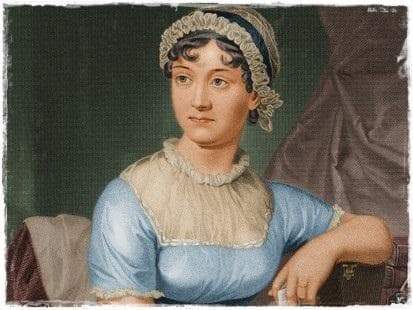
Jane Austen was an English novelist known primarily for her six major novels, which implicitly interpret, critique, and comment upon the British landed gentry at the end of the 18th century. Austen's plots often explore the dependence of women on marriage for the pursuit of favourable social standing and economic security. Her works are an implicit critique of the novels of sensibility of the second half of the 18th century and are part of the transition to 19th-century literary realism. Her deft use of social commentary, realism and biting irony have earned her acclaim among critics and scholars.
Similar books
- Sense and Sensibility
Jane Austen
4.1 (958k) average on GoodreadsHistorical FictionExplores themes of love, class, and societal expectations through two contrasting sisters.
- Emma
Jane Austen
3.2 (13k) average on GoodreadsRomanceFeatures a clever, sometimes misguided heroine navigating romance and social circles in a similar historical setting.
- To Kill a Mockingbird
Harper Lee
4.3 (4.5M) average on GoodreadsHistorical FictionIn the 1930s Jim Crow South, Harper Lee writes about racial injustice, moral growth, and the quiet courage of a lawyer father, Atticus Finch, as seen through his young daughter's eyes.
- The Great Gatsby
F. Scott Fitzgerald
3.9 (3.8M) average on GoodreadsHistorical FictionIn the opulent Roaring Twenties, a mysterious millionaire's lavish parties hide his desperate, tragic pursuit of a lost love, exposing the emptiness within the American Dream.
- Angels & Demons
Dan Brown
3.9 (2.7M) average on GoodreadsThrillerA Harvard symbologist races through Rome's ancient sites, deciphering cryptic clues to unmask the Illuminati and stop a vengeful plot to destroy the Vatican with a stolen antimatter weapon.
- The Kite Runner
Khaled Hosseini
4.3 (2.4M) average on GoodreadsHistorical FictionIn pre-Taliban Afghanistan, a wealthy boy's betrayal of his servant's son during a kite-running tournament starts a lifelong journey for amends as his country collapses.




Enjoyed the summary?
A summary gives you the shape of the book. The book itself has the detail, the examples and the voice.
Find Pride and Prejudice on AmazonAs an Amazon Associate, BookBrief earns from qualifying purchases. How we're funded