
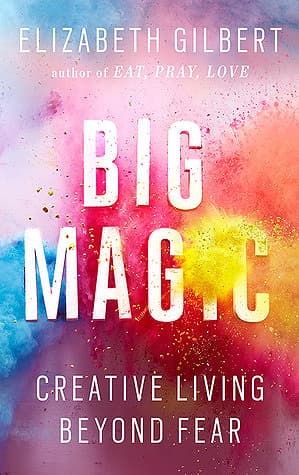
Core Idea
- Difficulty
- Easy
Key Takeaways from Big Magic
Ideas Are Autonomous Entities
Creativity isn't purely internal; ideas exist independently, seeking human partners for manifestation.
Gilbert presents a unique view of creativity: ideas are not just in the human mind but are living things that look for someone to bring them to life. She tells a story about an idea for a novel that 'left' her after she ignored it, only to seemingly 'find' another author, Ann Patchett, who then wrote a remarkably similar book. This view changes how we see creative blocks, not as personal failures, but as a missed connection with an idea trying to reach us. It promotes a less ego-driven and more playful, respectful way to engage with creativity. Our role is often one of a vessel or a conduit, rather than the sole creator. This is one of the book's strongest insights, freeing us from the pressure of invention to the joy of collaboration with the muse.
“Ideas are a disembodied, energetic life-form. They are completely separate from us, but capable of interacting with us.”
In the book: Gilbert's personal story about an idea for a novel about a woman in the Amazon rainforest that she abandoned, only for Ann Patchett to publish 'State of Wonder' with an eerily similar plot years later.
Try this: Instead of forcing an idea, cultivate an open, receptive mindset. When an idea strikes, engage with it promptly and passionately, recognizing its transient nature. Treat ideas as gifts, not demands.
Embrace Curiosity Over Passion
While passion can be overwhelming, curiosity is a gentler, more sustainable path to creative living.
Gilbert argues that the pressure to 'find your passion' can be paralyzing. Passion often feels like a grand, all-consuming flame that many struggle to ignite or sustain. Curiosity, however, is a lighter, more accessible way to start creative exploration. It's a gentle nudge, a quiet interest that can lead you down unexpected paths without the immense pressure of a life-altering commitment. By simply following what interests you, even in small ways, you gain experiences and skills that might eventually become something more significant. This argument is helpful for those feeling overwhelmed or stuck, as it lowers the barrier to entry for creative pursuits, making them feel less daunting and more achievable. It's a practical counterpoint to the often-romanticized idea of passion.
“Don’t bother with a search for your passion. Instead, follow your curiosity.”
In the book: Gilbert's advice to readers to simply 'follow the thread' of what interests them, rather than waiting for a monumental passion to strike.
Try this: Identify small things that pique your interest. Dedicate even a few minutes each day to exploring them, without expectations of grandeur or immediate results. Let one curiosity lead to the next, building momentum organically.
Fear is a Companion, Not a Driver
Acknowledge fear's presence but deny it the power to dictate creative choices.
Gilbert's take on fear is practical. She does not suggest getting rid of fear, which she believes is impossible, but rather learning to live with it. Her metaphor of fear as a passenger in a car – allowed to come along for the ride, but never to touch the steering wheel or the map – is powerful. This view normalizes fear as a part of any creative endeavor, especially those involving vulnerability and risk. By accepting fear's presence without letting it control you, creators can move forward despite their worries. This insight is important for anyone struggling with perfectionism, imposter syndrome, or the fear of failure, as it provides a tangible way to manage these emotions without letting them stop progress. It acknowledges the reality of human emotion while asserting the importance of creative will.
“You are afraid. But you are not allowed to drive.”
In the book: The metaphor of 'Fear' as a passenger in a car, allowed to observe but never to steer or make decisions.
Try this: When fear arises, acknowledge it verbally ('Hello, fear, I see you'). Then, consciously tell yourself that you are in control and will proceed with your creative work regardless. Separate the emotion from the action.
Adopt a 'Trickster' Mindset
Approach creative work with lightness, playfulness, and a sense of irreverence.
Gilbert champions a 'trickster' approach to creativity, emphasizing playfulness, mischief, and a refusal to take oneself or one's art too seriously. This contrasts with the tortured artist archetype, which often leads to burnout and self-sabotage. The trickster mindset encourages experimentation, embracing mistakes as part of the process, and finding joy in the act of creation itself, rather than solely in the outcome. This approach can be freeing for artists who feel burdened by expectations or the weight of their own ambition. By injecting humor and lightness, creators can avoid perfectionism and self-criticism, leading to a more sustainable and enjoyable creative practice. It reminds us that art, at its heart, is often a form of play, and that serious work can still be done with a light spirit.
“The trickster is not afraid to break rules, to make mistakes, to look silly, or to be misunderstood.”
In the book: Gilbert's encouragement to 'lighten up' and approach creative endeavors with a sense of humor and experimentation, rather than solemnity.
Try this: When starting a new project, consciously adopt a playful attitude. Give yourself permission to make 'bad' art, to experiment without judgment, and to laugh at your own missteps. Focus on the joy of the process.
Commit to the Work, Not the Outcome
Focus on the daily practice of creation, detaching from external validation or success.
This takeaway stresses the importance of process over product, and commitment over fleeting inspiration. Gilbert argues that true creative living involves showing up consistently, doing the work, and then releasing the outcome. This detachment from results—be it fame, fortune, or critical acclaim—is important for maintaining a healthy and sustainable creative practice. When creators tie their self-worth or the value of their art to external validation, they become vulnerable to disappointment and burnout. By focusing on the intrinsic joy and discipline of the work itself, one can build resilience and continue creating even when external rewards are absent. This is a foundational principle for any long-term creative endeavor, protecting the artist from the inevitable ups and downs of public reception.
“You do your work, and then you send it out into the world. Whatever happens next is not up to you.”
In the book: Gilbert's own experience with the massive success of 'Eat, Pray, Love' and her subsequent struggle to create new work without the pressure of matching that success, leading her to emphasize process over outcome.
Try this: Establish a consistent creative routine, even if it's just for a short period each day. Complete your work, and then consciously let go of expectations about how it will be received. Find satisfaction in the act of creation itself.
Creativity is for Everyone
You don't need to be a professional artist to live a creative life; it's a way of being.
Gilbert argues against the idea that creativity is only for a few 'geniuses' or professional artists. She democratizes creativity, stating that everyone has creative potential and that living a creative life means embracing curiosity, mindfulness, and passion in daily existence, regardless of one's job. This is a powerful message for those who feel they aren't 'artistic enough' or who have suppressed their creative impulses due to societal expectations. It expands the definition of creativity beyond traditional art forms to include innovative problem-solving, unique approaches to work, or simply infusing daily life with wonder. This takeaway broadens the book's appeal, making its wisdom accessible and relevant to a much wider audience than just aspiring artists.
“A creative life is any life that is driven more by curiosity than by fear.”
In the book: Gilbert's consistent message throughout the book that creativity is not limited to specific professions but is a fundamental human drive available to all.
Try this: Look for opportunities to infuse creativity into your existing life, whether it's through cooking, gardening, problem-solving at work, or engaging in a hobby. Don't wait for permission or a grand artistic calling.
Overcome the 'Suffering Artist' Myth
You don't need to suffer for your art; joy and ease are legitimate pathways to creation.
Gilbert directly confronts the romanticized, yet destructive, myth of the 'suffering artist' – the idea that great art must come from pain, struggle, and deprivation. She challenges this, suggesting that it often leads to unnecessary self-sabotage and prevents many from even trying creative work. Instead, she advocates for a more balanced, joyful, and even pleasurable approach to creation. While acknowledging that life brings challenges, she argues that intentionally seeking out suffering for the sake of art is counterproductive and unhealthy. This is a refreshing and important counter-narrative, especially as mental health awareness grows. It empowers creators to prioritize their well-being and find sustainable ways to engage with their craft without giving in to the pressures of a harmful stereotype.
“I refuse to believe that the only way to live a meaningful life is to suffer for your art.”
In the book: Gilbert's explicit rejection of the 'tortured artist' trope and her personal commitment to finding joy and stability in her creative process.
Try this: If you find yourself intentionally creating drama or difficulty around your creative work, pause and re-evaluate. Seek out methods and environments that foster joy and ease, rather than struggle. Prioritize mental and emotional well-being.
Don't Quit Your Day Job (Unless Necessary)
Financial stability provides freedom and reduces pressure on creative pursuits.
This is a practical piece of advice that stands out amidst the more abstract concepts of the book. Gilbert argues that financial independence, often provided by a 'day job,' enables creative freedom. When your art doesn't have to pay your bills, it's free from the pressure to be commercially successful, allowing for greater experimentation, risk-taking, and genuine expression. Quitting prematurely often leads to desperation, forcing artists to compromise their vision for money or to abandon their craft altogether due to financial stress. This grounded perspective offers a realistic path for aspiring creators, acknowledging the practical realities of life while still advocating for creative dreams. It's an important counter-narrative to the romanticized idea of the starving artist.
“Don't quit your day job until your day job is hurting your art.”
In the book: Gilbert's own experience of working various jobs to support herself while pursuing her writing dreams, allowing her to write without financial pressure.
Try this: If you have a day job, view it as a tool that supports your creative endeavors. Use the financial stability it provides to fund your creative projects and protect your art from commercial pressures. Only consider quitting when the job actively hinders your creative output.
The Importance of 'Fierce Dedication'
While lightheartedness is key, true creative living also demands consistent, unwavering effort.
While Gilbert advocates for lightness and play, she does not confuse this with a lack of effort. She emphasizes the necessity of 'fierce dedication' – a consistent, unwavering commitment to showing up for your work. This means cultivating discipline, even when inspiration is absent, and pushing through resistance. The 'big magic' of ideas still requires human effort to materialize. This takeaway balances the more whimsical aspects of the book, grounding them in the reality of creative labor. It reminds readers that while ideas may be gifts, bringing them to fruition is a responsibility that demands persistence and resilience. This duality – embracing both ease and effort – is essential for a sustainable and productive creative life, preventing the pitfalls of either burnout from excessive pressure or stagnation from lack of discipline.
“Creativity is a divine collaboration between inspiration and fierce dedication.”
In the book: Gilbert's consistent message that ideas choose diligent partners and that success in creative fields requires sustained effort over time, not just fleeting inspiration.
Try this: Identify specific times or routines for your creative work and commit to them. Cultivate mental toughness to push through periods of low motivation, remembering that showing up is often half the battle.
Your Genius is Within You
Reclaim the ancient concept of 'genius' as an external, helpful spirit, not an internal burden.
Gilbert discusses the historical concept of 'genius,' reminding us that ancient cultures often saw it not as a personal trait, but as an external, guiding spirit that helped artists. This reframing is freeing. Instead of feeling the immense pressure to be a genius – a burden that can lead to creative paralysis – one can instead invite and collaborate with their genius. This perspective aligns with her idea of autonomous ideas, shifting the responsibility from individual brilliance to a partnership with an external force. It encourages humility, openness, and a less ego-driven approach to creation, easing the pressure of perfectionism and self-doubt. By externalizing 'genius,' Gilbert empowers individuals to tap into a larger creative flow without the crushing weight of personal expectation, fostering a more joyful and sustainable creative practice.
“The ancient Romans did not believe that a genius was a particularly clever individual. They believed that a genius was a magical divine entity, who was thought to live in the walls of an artist’s studio, and who would periodically come out and assist the artist with their work.”
In the book: Gilbert's historical explanation of the Roman concept of 'genius' as an external entity, rather than an internal quality.
Try this: When facing a creative challenge, imagine your 'genius' as a helpful, external entity. Ask for its assistance, and then open yourself to receiving ideas and guidance. This can reduce pressure and foster a sense of collaboration.
Quiz
10 questions on the main ideas. Each answer comes with a short explanation.
Question 1
What is the primary theme of Elizabeth Gilbert's "Big Magic"?
- Developing business strategies for artists.
- Overcoming fear to live a more creative life.
- The history of artistic movements.
- Managing personal finances as a creative.
Show answer
B. Overcoming fear to live a more creative life. The book focuses on how to embrace curiosity and let go of fear to live more creatively.
Question 2
According to "Big Magic," what should we embrace to foster creativity?
- Competition
- Suffering
- Curiosity
- Criticism
Show answer
C. Curiosity Gilbert emphasizes the importance of following your curiosity as a guide to creative endeavors.
Question 3
What does Gilbert suggest we need to cultivate for a creative life?
- A rigid schedule
- Attitudes, approaches, and habits
- External validation
- A large financial investment
Show answer
B. Attitudes, approaches, and habits The book discusses the specific attitudes, approaches, and habits that support a creative existence.
Question 4
Gilbert describes the balance in her approach as being between:
- Logic and emotion
- Spirituality and pragmatism
- Tradition and innovation
- Introversion and extroversion
Show answer
B. Spirituality and pragmatism The book is characterized by its blend of spiritual insights and practical advice.
Question 5
What term does Gilbert use for the valuable, hidden potential within each person?
- Inner genius
- Creative spark
- Strange jewels
- Hidden talents
Show answer
C. Strange jewels Gilbert refers to the unique potential within us as 'strange jewels'.
Question 6
The book "Big Magic" aims to inspire readers to:
- Achieve fame and fortune
- Write a bestseller immediately
- Infuse everyday life with passion and mindfulness
- Perfect their craft through rigorous training
Show answer
C. Infuse everyday life with passion and mindfulness While it can lead to big projects, a core message is about bringing more passion and mindfulness to daily life.
Question 7
What is a key takeaway regarding the 'suffering' mentioned in the book?
- Suffering is essential for artistic growth.
- We should embrace suffering to unlock creativity.
- We should let go of needless suffering.
- Suffering is a sign of creative block.
Show answer
C. We should let go of needless suffering. Gilbert encourages readers to release unnecessary suffering that can hinder creative flow.
Question 8
What is the central tension Gilbert explores concerning creativity?
- The conflict between passion and obligation.
- The struggle between inspiration and execution.
- The battle between creative urges and the fear of judgment.
- The dilemma between commercial success and artistic integrity.
Show answer
C. The battle between creative urges and the fear of judgment. A core theme is how fear, particularly the fear of what others think, can impede creative expression.
Question 9
Gilbert's perspective on inspiration suggests it is:
- A rare gift bestowed upon a select few.
- Something that must be forced through intense effort.
- A mysterious force that can be tapped into.
- Solely the result of formal education.
Show answer
C. A mysterious force that can be tapped into. The book delves into the mysterious nature of inspiration, presenting it as something accessible rather than exclusive.
Question 10
The phrase "Big Magic" itself implies:
- The need for grand, world-changing projects.
- The powerful, often unseen, forces that drive creative endeavors.
- The pursuit of fame and recognition.
- A rigid, structured approach to art.
Show answer
B. The powerful, often unseen, forces that drive creative endeavors. The title suggests the potent, sometimes magical, energy that fuels and guides creative impulses and actions.
Big Magic FAQ
What is the main message of Big Magic by Elizabeth Gilbert?
The core message of Big Magic is to live a creative life by embracing curiosity, overcoming fear, and pursuing what you love. Elizabeth Gilbert encourages readers to see creativity as a natural, joyful part of life, accessible to everyone.
Who is Big Magic for?
Big Magic is for anyone seeking to live a more creative and fulfilling life, regardless of their profession or artistic background. It's for those who have dreams, passions, or a desire to infuse more wonder and joy into their everyday existence.
How does Elizabeth Gilbert define 'inspiration' in Big Magic?
Gilbert views inspiration as a mysterious force that can be attracted by curiosity and openness. It's not something that necessarily comes from within but can be a visitor or a partner that collaborates with you when you are ready and receptive.
What is the role of fear in creativity according to Big Magic?
Big Magic teaches that fear is a natural companion to creativity, but it shouldn't be allowed to paralyze you. Gilbert suggests acknowledging fear, respecting its presence, but ultimately choosing to proceed with your creative endeavors despite it.
How does Big Magic differ from other self-help or creativity books?
Unlike many books that focus on rigid techniques, Big Magic offers a more soulful and pragmatic approach. It emphasizes intuition, playfulness, and personal revelation over strict methodologies, making creativity feel more accessible and less intimidating.
What are 'strange jewels' in the context of Big Magic?
The 'strange jewels' are the unique talents, passions, and creative impulses that lie dormant within each individual. Gilbert encourages readers to seek out and unearth these hidden treasures to live a more authentic and meaningful life.
What practical advice does Elizabeth Gilbert offer for creative living?
Gilbert advises readers to follow their curiosity, be persistent, and not to expect perfection. She suggests developing habits that support creative work, listening to your inner voice, and understanding that creative endeavors are often a long game.
Can Big Magic help me if I'm not an artist?
Absolutely. Big Magic is not just for artists; it's for anyone who wants to bring more creativity, passion, and mindfulness into any aspect of their life, whether it's their job, relationships, or personal projects.
Does Big Magic suggest that creativity requires suffering?
No, quite the opposite. Big Magic aims to help readers let go of needless suffering and embrace creativity as a source of joy and wonder. Gilbert advocates for a lighter, more playful approach to creative pursuits.
What is the 'Big Magic' itself?
The 'Big Magic' is the creative force or energy that exists in the universe, waiting to collaborate with humans. It's the mysterious and wonderful power that fuels inspiration and guides us toward our most authentic creative expressions.
About the author

Elizabeth Gilbert is an American author known for her works that explore themes of self-discovery and creativity. Her notable books include "Eat, Pray, Love," a memoir about her journey of personal growth, "City of Girls," a novel set in 1940s New York, and "Big Magic: Creative Living Beyond Fear," which offers insights into the creative process. Other significant works include "The Signature of All Things" and "The Last American Man."
Similar books
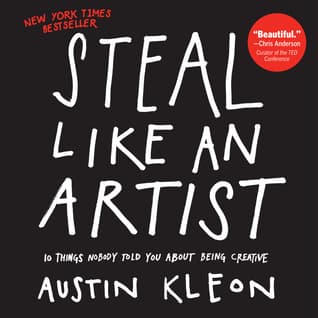
- Steal Like an Artist: 10 Things Nobody Told You About Being Creative
Austin Kleon
3.9 (198k) average on GoodreadsBusinessKleon's "Steal Like an Artist" is a concise, visually driven manifesto that encourages creatives to embrace influence, work hard, and put their work out there. It's direct, pragmatic, and focuses on actionable steps like 'don't wait until you know who you are to start making things' and 'do good work and put it where people can see it.' Gilbert's "Big Magic" shares Kleon's encouragement for action over procrastination but delves deeper into the psychological and emotional barriers to creativity, particularly the fear of failure and the pressure of outcome. While Kleon offers a toolkit for creative output, Gilbert provides a philosophical foundation for a creative life, addressing the internal landscape rather than just external habits.
- Steve Jobs
Walter Isaacson
4.1 (957k) average on GoodreadsBusinessSteve Jobs was a visionary who fused creativity and technology to revolutionize six industries and shape our digital world.
- Freakonomics: A Rogue Economist Explores the Hidden Side of Everything
Steven D. Levitt
4.0 (709k) average on GoodreadsBusinessThis book uses economic principles to reveal the surprising incentives behind everything from drug dealing and real estate to cheating teachers and the decline of crime.
- The Tipping Point: How Little Things Can Make a Big Difference
Malcolm Gladwell
4.0 (690k) average on GoodreadsBusinessMalcolm Gladwell explains how small, targeted actions can start widespread changes in trends, behaviors, and ideas.
- Outliers: The Story of Success
Malcolm Gladwell
4.2 (556k) average on GoodreadsBusinessMalcolm Gladwell argues that true success is not just about individual talent, but about the hidden advantages of culture, opportunity, and unique experiences that shape extraordinary lives.
- The Subtle Art of Not Giving a F*ck: A Counterintuitive Approach to Living a Good Life
Mark Manson
3.9 (530k) average on GoodreadsBusinessEmbrace your flaws and stomach life's lemons, because true happiness isn't about relentless positivity, but about choosing what truly matters to give a f*ck about.





Enjoyed the summary?
A summary gives you the shape of the book. The book itself has the detail, the examples and the voice.
Find Big Magic on AmazonAs an Amazon Associate, BookBrief earns from qualifying purchases. How we're funded