
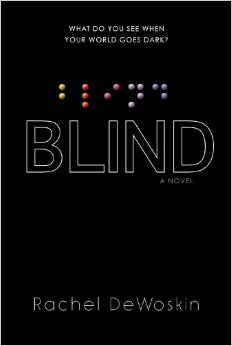

Estimated read time: 6 min read
One Sentence Summary
"Blind" by Rachel DeWoskin is a poignant memoir recounting the author's harrowing experience of losing her sight and her journey toward acceptance and healing.
Table of Contents
Introduction
Imagine stepping into a world where sight is a luxury and darkness is the norm—a world where survival depends on navigating shadows and uncovering hidden truths. Rachel DeWoskin's Blind offers readers precisely that immersive journey. This novel, blending suspense, emotional depth, and sharp social commentary, stands out as a compelling exploration of human resilience and the complexities of perception. For college students and lecturers seeking a gripping narrative enriched with thematic depth, Blind is a literary gem that deserves thorough examination.
Historical Context
Set in contemporary China, Blind subtly reflects the country’s rapid modernization and the social challenges accompanying this transformation. While not a historical novel per se, the backdrop of China’s evolving urban landscape and shifting attitudes towards disability and social hierarchy is vital to understanding the story’s environment. The author, Rachel DeWoskin, draws on her extensive experience living in China, lending authenticity to the portrayal of societal nuances.
Key Historical and Social Factors Relevant to Blind:
| Aspect | Relevance to the Novel |
|---|---|
| China's Urbanization | The novel’s settings highlight contrasts between wealth and poverty, tradition and progress. |
| Disability and Social Stigma | The protagonist’s blindness brings to light societal attitudes toward disability in China. |
| Cultural Expectations | Familial and societal pressures influence character decisions and interactions. |
Brief Synopsis
Plot Overview
At the heart of Blind is the story of a young woman navigating life after losing her sight. The narrative unfolds through her perspective, immersing readers in her adjustment to blindness while exploring relationships, personal identity, and societal perceptions. The plot deftly balances moments of vulnerability with resilience and hope, keeping readers engaged without resorting to melodrama.
Setting
The novel is predominantly set in a bustling Chinese city, where traditional alleyways meet towering skyscrapers. The atmosphere is charged with contrasts—between light and dark, visibility and invisibility, inclusion and exclusion—mirroring the protagonist’s internal and external conflicts. The sensory details bring this vibrant yet challenging world to life, making the city almost a character in its own right.
Main Characters
Understanding the characters is crucial for grasping the novel’s emotional and thematic layers. The following table summarizes the key figures in Blind:
| Name | Role | Key Traits | Importance to Plot |
|---|---|---|---|
| Mei | Protagonist | Resilient, introspective | Central figure; her blindness drives the narrative. |
| Li Wei | Friend/Guide | Supportive, pragmatic | Assists Mei in adapting to her new reality. |
| Aunt Jing | Family figure | Traditional, protective | Represents familial expectations and cultural norms. |
| Dr. Chen | Medical professional | Compassionate, knowledgeable | Facilitates Mei’s medical care and adjustment. |
Plot Summary
Part 1: The Fall and Awakening
Mei’s sudden loss of sight serves as the novel’s catalyst. This section explores her initial shock, denial, and gradual acceptance. Readers witness the jarring transformation of familiar environments into unfamiliar terrain. The narrative uses vivid sensory descriptions to convey Mei’s altered perceptions, effectively engaging readers’ empathy.
Part 2: Navigating Darkness
As Mei learns to navigate her world without sight, relationships become central. Her friendship with Li Wei provides practical and emotional support, while clashes with Aunt Jing reveal cultural tensions. Mei’s internal struggles with vulnerability and independence are portrayed with nuance, highlighting broader themes of identity and societal expectations.
Part 3: Embracing New Vision
The concluding section focuses on Mei’s empowerment and adaptation. She discovers new ways to 'see' the world, both literally and metaphorically. The city’s contrasts become metaphors for Mei’s journey from invisibility to self-assertion. Without giving away spoilers, this section offers a hopeful resolution that encourages readers to reflect on resilience and perception.
Themes and Motifs
Blind is rich with themes and motifs that resonate on personal and societal levels:
- Perception vs. Reality: The novel challenges the assumption that sight equals understanding, emphasizing insight gained through other senses and experiences.
- Resilience and Adaptation: Mei’s journey embodies human adaptability in the face of life-altering challenges.
- Social Stigma and Inclusion: The story critiques societal attitudes toward disability, exploring exclusion and the quest for acceptance.
- Family and Cultural Expectations: Tensions between tradition and modernity underscore character interactions and emotional conflicts.
Motifs
- Darkness and Light: Symbolize ignorance, fear, knowledge, and hope.
- Urban Landscape: Reflects societal contrasts and internal states.
- Sensory Details: Highlight the protagonist’s shifting perception and the multiplicity of 'seeing.'
Literary Techniques and Style
Rachel DeWoskin employs a range of literary techniques that enhance the novel’s impact:
- First-Person Narrative: Offers intimate access to Mei’s thoughts and feelings, fostering empathy.
- Sensory Imagery: Vivid descriptions of sounds, textures, and smells compensate for visual absence, enriching the reader’s experience.
- Symbolism: Objects and settings carry deeper meanings, such as darkness representing both limitation and potential.
- Realism with Poetic Touches: The prose balances straightforward realism with lyrical moments, reflecting the protagonist’s fluctuating emotions.
- Pacing: The narrative rhythm mirrors Mei’s adjustment process, alternating between moments of tension and calm reflection.
Author's Background
Rachel DeWoskin is an accomplished writer and academic with deep ties to China. Her firsthand experiences living and working in Chinese cultural contexts inform her nuanced storytelling. Known for her insightful exploration of identity and cross-cultural dynamics, DeWoskin brings authenticity and empathy to Blind. Her writing style blends academic rigor with accessible prose, appealing to both scholarly and general audiences.
Key Takeaways
- Blindness is not just physical but also metaphorical, challenging assumptions about knowledge and understanding.
- Resilience emerges from vulnerability and the willingness to adapt.
- Cultural and familial expectations profoundly shape individual experiences of disability.
- Perception involves more than sight; emotional and sensory awareness are equally vital.
- Literature can illuminate social issues through personal stories, fostering empathy and reflection.
Reader's Takeaway
For readers, Blind offers a powerful emotional journey coupled with insightful social commentary. It invites reflection on how we perceive others and ourselves, encouraging a deeper appreciation of diversity and resilience. The novel’s vivid portrayal of navigating darkness—both literal and figurative—resonates universally, making it a compelling read for anyone interested in human psychology, cultural studies, or contemporary fiction.
Conclusion
Rachel DeWoskin’s Blind is a masterful exploration of perception, identity, and societal attitudes toward disability. Through the eyes of Mei, readers experience a richly textured world where darkness reveals hidden truths about human connection and strength. This novel not only entertains but also educates and inspires, making it an invaluable addition to academic discussions and personal reading lists alike. Dive into Blind to discover a story that challenges how we see the world and ourselves.
Blind FAQ
What is the main theme of "Blind" by Rachel DeWoskin?
"Blind" explores themes of identity, deception, and the impact of political and cultural forces on personal lives, set against the backdrop of North Korea.
Who is the protagonist of "Blind" and what challenges does she face?
The protagonist is a young American woman who becomes involved in a dangerous romance in North Korea, facing challenges related to trust, survival, and navigating an oppressive regime.
Is "Blind" based on a true story or is it fictional?
"Blind" is a work of fiction, but it draws on Rachel DeWoskin's experiences and extensive research about North Korea to create a realistic narrative.
What genre does "Blind" belong to?
"Blind" is a literary thriller with elements of political drama and romance.
What inspired Rachel DeWoskin to write "Blind"?
Rachel DeWoskin was inspired by her time living in China and her fascination with North Korean culture and politics, which influenced the story's setting and themes.
Does the book provide insights into North Korean society?
Yes, the book offers a nuanced portrayal of North Korean society, revealing its complexities and the challenges faced by individuals within the regime.
Is "Blind" suitable for readers interested in political thrillers?
Absolutely, "Blind" combines political intrigue with personal drama, making it appealing to fans of political thrillers.
Are there any major plot twists in "Blind"?
Without giving spoilers, "Blind" contains unexpected developments that heighten the tension and deepen the story.
How does "Blind" address the concept of truth and perception?
"Blind" examines how truth can be manipulated in oppressive regimes and how perception shapes reality for its characters.
Where can I purchase or read "Blind" by Rachel DeWoskin?
"Blind" is available for purchase at major bookstores, online retailers, and may also be available at local libraries.


