
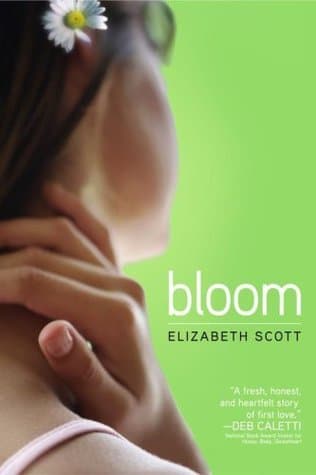
Synopsis
Covers the whole plot, including the ending.
- Difficulty
- Easy
- Pacing
- Moderate
- Mood
- Emotional, Reflective, Romantic, Sweet
- Read it if
- You enjoy contemporary young adult romance focusing on self-discovery and navigating complex first loves.
- Skip it if
- You prefer fantasy or sci-fi, or are looking for a light, conflict-free romance.
Bloom Plot Summary
Covers the whole plot, including the ending.
The Weight of Expectations
Lauren, a high school senior, lives what appears to be a perfect life. She has a popular, handsome boyfriend, Dave, good grades, and close friends. However, beneath this polished surface, Lauren feels a sense of dissatisfaction and emotional numbness. Dave, unaware of her inner turmoil, often discusses their future together—college plans, living arrangements, even marriage—which only increases Lauren's anxiety. She struggles with physical intimacy in their relationship, often feeling detached and uncomfortable, despite Dave's genuine affection. This growing disconnect makes Lauren question her own desires and the path she seems committed to, feeling trapped by expectations and the 'rightness' of her relationship with Dave.
Evan's Arrival
Evan Kirkland, a new student, disrupts Lauren's routine. Evan is different from Dave; he is quiet, artistic, and observant. From their first meetings, Lauren feels drawn to him. He does not fit the social norms she knows, and his presence makes her feel seen in a way no one else has. Their conversations, often in the art room or during chance encounters, are deep and make Lauren think about things she had not before. Evan's genuine interest in her thoughts and feelings, along with his intriguing personality, begins to break down the facade of her perfect life, stirring curiosity and longing within her.
Shared Vulnerabilities
As Lauren and Evan spend more time together, their connection grows beyond friendship. They share talks about their fears, dreams, and the pressures they face. Evan reveals his own struggles with fitting in and his family's frequent moves, which resonate with Lauren's feelings of being lost. One time, Evan shares his artwork, showing a vulnerability that deeply moves Lauren. Their closeness, often through touches or shared glances, becomes charged with unspoken emotions. Lauren finds herself wanting his presence and the way he makes her feel alive and real, a sharp contrast to the emotional flatness she experiences with Dave. This growing emotional closeness helps Lauren discover herself.
The First Kiss
The tension between Lauren and Evan finally leads to a passionate kiss. This unexpected moment, full of raw emotion, is a major turning point for Lauren. It is not just a physical act; it is an awakening. The kiss with Evan is unlike anything she has experienced with Dave—it is electrifying, genuine, and deeply fulfilling. It shows her the depth of her suppressed desires and how much she has been emotionally detached from Dave. The immediate aftermath brings both excitement and guilt. Lauren must face her undeniable feelings for Evan and the realization that her relationship with Dave is not only unsustainable but also unfair to him.
Confronting the Truth
Overwhelmed by guilt and clarity after kissing Evan, Lauren knows she can no longer pretend her relationship with Dave is perfect. She feels a deep sense of betrayal towards him, but also a strong need to be true to herself. The internal conflict is agonizing, as she dreads hurting Dave, who has always been kind. Eventually, Lauren finds her courage and decides to break up with Dave. The conversation is heartbreaking; Dave is completely surprised and devastated by her decision. He struggles to understand what went wrong, leaving Lauren to bear the painful truth of her emotional change and the realization that she has been living a lie.
Repercussions and Isolation
The breakup with Dave shocks Lauren's friends. They were invested in her relationship with Dave and saw them as the 'perfect couple,' reacting with confusion, anger, and judgment. They struggle to understand why Lauren would leave a good boyfriend, and many side with Dave, making Lauren feel isolated. Comments and stares follow her, and she feels the weight of their disapproval. This period is difficult for Lauren, as she grieves not only the loss of her relationship but also the fracturing of her friendships and the social structure she relied on. She finds herself dealing with the complex emotions of independence and loneliness, strengthening her self-reliance.
A New Beginning with Evan
Free from her previous relationship, Lauren cautiously explores a new beginning with Evan. Their connection, which had been growing, now blossoms. They spend more time together, doing art, having deep conversations, and enjoying each other's company. Lauren discovers a side of herself with Evan that she never knew existed—she feels more alive, authentic, and uninhibited. Evan, in turn, finds comfort and understanding in Lauren. Their relationship is built on mutual respect, intellectual stimulation, and a shared sense of being outsiders. This period is marked by a sense of lightness and hope for Lauren, as she finally embraces a relationship that feels true to her changing self.
Dave's Lingering Presence
Even as Lauren finds happiness with Evan, her past relationship with Dave remains. She occasionally sees Dave, and his hurt is clear, causing her guilt. Memories of their history and his kindness resurface, reminding her of the pain she caused. While she knows her decision was necessary for her own well-being, she struggles with the knowledge that she hurt someone she once cared for. This internal conflict shows the complexity of love and loss, and that even necessary endings can come with a heavy emotional cost. Lauren learns that moving on does not erase the past, but requires acknowledging it and accepting its emotional weight.
Family Dynamics and Understanding
Lauren's parents, initially surprised and somewhat disapproving of her breakup with Dave, begin to understand her perspective. They had also seen Dave as the 'perfect' boyfriend and valued the stability of their relationship. However, as they see Lauren's newfound happiness and authenticity with Evan, they start to soften. Lauren has open and honest conversations with them, explaining her feelings of being stifled and the importance of being true to herself. While not without lingering concerns, her parents come to accept her choices, recognizing that her emotional well-being is most important. This parental understanding gives Lauren validation and support during a difficult time.
Embracing Independence
By the end of the novel, Lauren has changed. She has moved beyond being a girl who lived to please others and now confidently embraces her own desires and identity. Her relationship with Evan is a source of joy and growth, but more importantly, she has learned to trust her own instincts and make choices that align with her authentic self. She understands that true happiness comes from within, not from fulfilling external expectations. Lauren looks towards her future, including college and beyond, with hopeful independence, ready to navigate life's challenges on her own terms, having truly 'bloomed' into her own person. She has learned the difference between what is expected and what truly makes her feel alive.
Bloom Characters
Lauren
Protagonist
A high school senior struggling to reconcile her outward 'perfect' life with her inner dissatisfaction.
Lauren is a thoughtful and introspective high school senior who, at the outset, appears to have it all: a handsome, devoted boyfriend, good grades, and a stable social circle. However, beneath this polished exterior, she feels emotionally numb and trapped by the expectations of others, particularly regarding her relationship with Dave. She struggles with authenticity and often suppresses her true feelings to maintain harmony. Her journey is one of self-discovery, learning to listen to her inner voice and prioritize her own happiness and desires over societal pressures and the comfort of familiarity.
Relationships: Dave (Long-term boyfriend, initially seen as perfect but later suffocating; a source of comfort and later guilt.); Evan Kirkland (New student and love interest; an artistic, insightful catalyst for Lauren's self-discovery and emotional awakening.); Her Friends (Supportive but judgmental; represent societal expectations and the social fallout of her choices.); Her Parents (Initially traditional and somewhat unaware, later accepting and supportive of her choices.)
Evan Kirkland
Supporting/Love Interest
The quiet, artistic new student who sees the real Lauren and challenges her world.
Evan is a new student in Lauren's high school, characterized by his quiet demeanor, artistic talent, and perceptive nature. He doesn't conform to the typical high school social hierarchy, making him an intriguing and somewhat mysterious figure. Evan possesses a deep emotional intelligence and a capacity for genuine connection, which allows him to see past Lauren's facade and connect with her on a profound level. He acts as a catalyst for Lauren's transformation, offering her a space where she feels understood and truly alive, encouraging her to explore her authentic self without judgment.
Relationships: Lauren (Love interest; a profound emotional and intellectual connection that helps Lauren discover her true self.)
Dave
Supporting/Ex-Boyfriend
Lauren's devoted and popular boyfriend, representing the 'perfect' life she feels trapped by.
Dave is Lauren's long-term boyfriend, a popular and outwardly 'perfect' high school jock. He is kind, devoted, and genuinely loves Lauren, often envisioning a future together. His stability and predictability, while initially comforting, ultimately become stifling for Lauren. Dave is somewhat oblivious to Lauren's inner turmoil, believing their relationship is strong and heading towards a happy future. His pain and confusion after their breakup highlight the difficulty of Lauren's choices and the collateral damage of her journey of self-discovery, even when those choices are necessary.
Relationships: Lauren (Long-term boyfriend; a source of comfort, stability, and later, emotional suffocation for Lauren.)
Lauren's Friends (e.g., Sarah, Jessica)
Supporting/Mentioned
Lauren's social circle, who represent the expectations and judgments of her peer group.
Lauren's friends form her immediate social circle and are largely supportive of her life, especially her relationship with Dave, which they view as ideal. They embody the conventional expectations of high school relationships and social norms. When Lauren breaks up with Dave, her friends react with confusion, disappointment, and sometimes judgment, making her feel isolated. Their reactions highlight the societal pressures Lauren faces to maintain appearances and conform, serving as a mirror for the social repercussions of her authentic choices.
Relationships: Lauren (Close friends who later become judgmental due to her breakup with Dave.)
Lauren's Parents
Supporting
Lauren's parents, who initially support her stable life but eventually come to understand her need for authenticity.
Lauren's parents are portrayed as loving but somewhat traditional, initially preferring the stability and predictability of her relationship with Dave. They are invested in her happiness and future, often equating it with conventional success and a 'good' partner. Their initial surprise and concern over the breakup evolve into a more nuanced understanding as they witness Lauren's emotional growth and newfound happiness. They represent the parental desire for their child's well-being, which ultimately allows them to accept Lauren's path, even if it deviates from their initial expectations.
Relationships: Lauren (Supportive but initially conventional; later come to understand and accept Lauren's choices.)
Bloom Themes
Authenticity vs. Expectation
This theme explores the conflict between living a life dictated by societal or family expectations and the deep need to live authentically. Lauren initially conforms to the 'perfect' life—popular boyfriend, good grades—but feels a deep emotional emptiness. Her journey is about shedding these outside pressures and discovering her true desires, even if it means disappointing others and facing social consequences. The contrast between her stifled feelings with Dave and her vibrant self with Evan clearly shows this struggle, ending in her courageous decision to prioritize her own truth.
“I was so busy being the person everyone expected me to be, I forgot who I actually was.”
Self-Discovery and Growth
The novel is a coming-of-age story focused on Lauren's self-discovery. She begins as someone disconnected from her own emotions, unsure of her desires. Through her interactions with Evan, she starts to question her choices and confront her unhappiness. Breaking up with Dave, facing her friends' judgment, and embracing a new relationship force her to define herself independently. This theme shows the often painful but ultimately freeing process of understanding one's own identity, values, and what truly brings joy and fulfillment, leading to her 'blooming' into a more self-aware person.
“Maybe it wasn't about falling for him, but about falling into myself.”
The Nature of Love and Intimacy
The book contrasts different forms of love and intimacy. Lauren's relationship with Dave is comfortable, familiar, and outwardly 'perfect,' but lacks deep emotional and physical connection for her. She feels a deep disconnect during their intimate moments. In contrast, her connection with Evan is marked by intellectual stimulation, shared vulnerability, and an intense emotional and physical spark that awakens her senses. This theme explores the idea that true intimacy goes beyond superficial compatibility and requires genuine emotional resonance and authenticity, challenging the idea that a 'good' relationship is enough if it does not fulfill one's deeper needs.
“With Dave, it was like reading words on a page. With Evan, it was like living them.”
The Courage to Let Go
A main theme is the courage needed to let go of a seemingly good thing when it no longer serves one's true self. Lauren's decision to break up with Dave is agonizing because he is a good person, and their relationship is socially approved. However, her increasing unhappiness and the awakening of her true desires with Evan force her to confront the fear of hurting others and stepping into the unknown. The novel emphasizes that sometimes, the most loving act for oneself is to release what is comfortable but unfulfilling, even if it means facing pain and judgment.
“Sometimes, the hardest thing to do is let go of what everyone else thinks is perfect.”
Plot Devices & Literary Techniques
Love Triangle
A classic romantic plot device involving one protagonist caught between two love interests.
The love triangle between Lauren, Dave, and Evan is central to the narrative. It serves as the primary conflict driver, forcing Lauren to confront her true feelings and make difficult choices. Dave represents the comfortable, expected, and 'safe' path, while Evan embodies the exciting, authentic, and unknown. This device effectively externalizes Lauren's internal struggle between societal expectations and her personal desires, creating tension and propelling her journey of self-discovery as she navigates the emotional complexities of her affections for both men.
New Kid in Town
The introduction of a new character who disrupts the existing social order and protagonist's life.
Evan Kirkland's arrival as the 'new kid in town' is a pivotal plot device. His status as an outsider allows him to perceive Lauren differently from her established social circle, and his fresh perspective challenges her preconceived notions about her life. Without Evan's introduction, Lauren might have continued to passively accept her circumstances. He acts as a catalyst, shaking up her world and providing a contrast to Dave, thereby enabling Lauren to recognize her dissatisfaction and envision alternative possibilities for her life and happiness.
Art as a Metaphor
The use of visual art and artistic expression to symbolize inner emotions and authenticity.
Art, particularly drawing and painting, functions as a significant metaphor throughout the novel. Evan is an artist, and his art often reflects his deeper perceptions and vulnerabilities, drawing Lauren in. Lauren's own burgeoning interest in art, or simply her appreciation for Evan's, symbolizes her awakening to a more authentic and emotionally rich existence. It represents a form of expression that transcends superficiality, allowing characters to communicate and connect on a deeper, more genuine level, and for Lauren to 'see' and be 'seen' more clearly.
Bloom Quotes
“I can make everything beautiful. I can make everything bloom.”
“Sometimes you have to let things die to make room for new life.”
“He didn't just see the flowers; he saw the person who made them.”
“Love isn't always a gentle bloom; sometimes it's a thorny rose.”
“You can't force a flower to open before its time.”
“Every flower has a story, if you just take the time to listen.”
“He was like a rare orchid, beautiful and a little mysterious.”
“The best gardens are those where you're not afraid to get your hands dirty.”
“It's not about the perfect bouquet, it's about the feeling it evokes.”
“Sometimes the most beautiful things grow in unexpected places.”
“He brought a certain kind of light into her carefully cultivated world.”
“A garden isn't just plants; it's a reflection of the soul.”
“She wanted a love that bloomed, not one that withered.”
“Just because something is delicate doesn't mean it isn't strong.”
Quiz
10 questions on the plot and the characters. Each answer comes with a short explanation.
Question 1
What is Lauren's primary internal conflict at the beginning of the story?
- Whether to pursue a career in art or science.
- Feeling unhappy despite having a seemingly perfect life and boyfriend.
- Struggling with her grades and social life.
- Deciding which college to attend after high school.
Show answer
B. Feeling unhappy despite having a seemingly perfect life and boyfriend. Lauren's initial conflict stems from her internal dissatisfaction, even though her external life with decent grades, great friends, and a sought-after boyfriend appears ideal.
Question 2
Who is Dave in relation to Lauren?
- Her best friend from childhood.
- Her loyal and gorgeous boyfriend.
- Her strict older brother.
- A new student at her school.
Show answer
B. Her loyal and gorgeous boyfriend. Dave is explicitly described as Lauren's 'loyal and gorgeous boyfriend' whom 'every girl lusts after'.
Question 3
What significant event or person triggers Lauren's realization that she's been holding back?
- A major fight with her best friends.
- The arrival of Evan Kirkland.
- A life-changing family vacation.
- Receiving a scholarship to a prestigious university.
Show answer
B. The arrival of Evan Kirkland. The synopsis states, 'It takes the arrival of Evan Kirkland for Lauren to figure out the answer: She's been holding back.'
Question 4
What specific aspect of her relationship with Dave does Lauren admit to denying herself?
- Spending quality time with him.
- Open communication about their feelings.
- Physical intimacy, specifically sex.
- Introducing him to her family.
Show answer
C. Physical intimacy, specifically sex. The text explicitly mentions Lauren 'denying herself a bunch of things (like sex)' because staying with Dave is perceived as the 'right' thing.
Question 5
What is the central theme highlighted by the phrase 'There's a difference between falling and letting go'?
- The importance of physical health and well-being.
- The struggle between holding onto a comfortable but unfulfilling situation versus embracing change and uncertainty.
- The challenges of maintaining long-distance relationships.
- The joy of discovering new hobbies.
Show answer
B. The struggle between holding onto a comfortable but unfulfilling situation versus embracing change and uncertainty. The tagline suggests a choice between passively 'falling' into a situation (like staying with Dave) and actively 'letting go' of what's comfortable to pursue what's truly desired, which aligns with Lauren's internal conflict.
Question 6
Why does Lauren initially believe staying with Dave is the 'right' thing to do?
- He is financially stable and can provide for her future.
- He is popular and enhances her social standing.
- He is a 'perfect boyfriend' in the eyes of others, and breaking up would be perceived negatively.
- She made a promise to his family to always be with him.
Show answer
C. He is a 'perfect boyfriend' in the eyes of others, and breaking up would be perceived negatively. The text states, 'staying with her loyal and gorgeous boyfriend, Dave, is the 'right' thing to do. After all, who would give up the perfect boyfriend?' This implies societal or perceived perfection is a factor.
Question 7
What action of Dave's specifically contributes to Lauren's growing unease about their relationship?
- He starts spending less time with her.
- He begins talking more about their future life together.
- He introduces her to a new group of friends she dislikes.
- He becomes overly critical of her choices.
Show answer
B. He begins talking more about their future life together. The synopsis mentions, 'as Dave starts talking more and more about their life together, planning a future Lauren simply can't see herself in'.
Question 8
What does Lauren's 'craving for Evan, and moreover, who she is with Evan' signify about her personal growth?
- She is simply looking for a more physically attractive partner.
- She is discovering a truer, more authentic version of herself through her interactions with him.
- She is trying to make Dave jealous to spice up their relationship.
- She is seeking to escape her responsibilities by forming a new relationship.
Show answer
B. She is discovering a truer, more authentic version of herself through her interactions with him. The phrase 'who she is with Evan' suggests that Evan brings out a different, presumably more genuine or fulfilling, aspect of Lauren's personality that she has been denying.
Question 9
The title 'Bloom' most likely metaphorically refers to which of Lauren's experiences?
- Her academic success in school.
- The blossoming of her garden at home.
- Her personal growth, self-discovery, and coming into her own.
- The vibrant colors of her new wardrobe.
Show answer
C. Her personal growth, self-discovery, and coming into her own. Given Lauren's journey of self-discovery and breaking free from what she's been denying, 'Bloom' metaphorically represents her personal development, growth, and flourishing as an individual.
Question 10
What is the ultimate choice Lauren realizes she needs to make?
- Whether to move to a new city or stay in her hometown.
- To decide between her comfortable, 'right' relationship with Dave and the fierce craving for who she is with Evan.
- To focus on her studies or spend more time with friends.
- To confront her parents about their expectations for her future.
Show answer
B. To decide between her comfortable, 'right' relationship with Dave and the fierce craving for who she is with Evan. The synopsis concludes by stating Lauren 'realizes she needs to make a choice...' which is clearly between her current life with Dave and the potential she sees with Evan, before 'one is made for her'.
Bloom FAQ
What is the central conflict Lauren faces at the beginning of 'Bloom'?
Lauren is torn between her seemingly 'perfect' life with her long-term, loyal boyfriend, Dave, and a deep-seated unhappiness she can't quite articulate. She feels obligated to stay with Dave because it's the 'right' thing to do, despite her growing dissatisfaction with their relationship and her own unfulfilled desires, particularly regarding intimacy.
Who is Evan Kirkland and what role does he play in Lauren's journey?
Evan Kirkland is a new arrival who acts as a catalyst for Lauren's self-discovery. His presence forces Lauren to confront her suppressed desires and the person she truly wants to be, highlighting the stark contrast between her current self with Dave and the potential self she sees emerging when she is with Evan.
What specifically does Lauren deny herself while in her relationship with Dave?
Lauren denies herself a range of things, most notably sexual intimacy, due to her internal conflict and the perceived 'rightness' of her relationship with Dave. This denial extends to her own authentic desires and aspirations for her future, which she finds increasingly at odds with Dave's plans.
What triggers Lauren's realization that she needs to make a significant choice?
Dave's increasing discussions about their future together, including specific long-term plans that Lauren cannot envision herself participating in, combined with her escalating emotional and physical attraction to Evan, force Lauren to confront the reality that she must make a choice before circumstances dictate it for her.
What is the significance of the title 'Bloom' in relation to Lauren's character arc?
The title 'Bloom' symbolizes Lauren's journey of self-discovery and growth. It represents her breaking free from the constraints of her old life and relationship with Dave to fully embrace her true self and desires, much like a flower opening up after a period of dormancy or restraint.
Are there any subtle hints early on that Lauren's relationship with Dave isn't as perfect as it seems?
Yes, the narrative subtly hints at Lauren's underlying unhappiness even before Evan's arrival, by mentioning her 'decent grades' and 'great friends' but immediately following with 'So why is she so unhappy?' This juxtaposition suggests an internal disconnect despite external appearances of perfection, foreshadowing the cracks in her relationship with Dave.
Does the book suggest that Lauren and Evan's connection is purely physical, or is there a deeper emotional bond?
The book emphasizes that Lauren's 'craving for Evan' is not just physical, but also a craving for 'who she is with Evan.' This suggests a deeper emotional and identity-based connection, where Evan helps Lauren discover aspects of herself that were suppressed or unknown while she was with Dave, indicating a more profound bond.
How does Dave's character serve as more than just a 'placeholder' for Lauren's past?
Dave is portrayed as genuinely loyal and loving, making Lauren's decision more complex and painful. His goodness and consistent planning for their shared future highlight the internal conflict Lauren faces, as leaving him isn't just about escaping a bad relationship, but about choosing herself over a good, but ultimately unfulfilling, one.
Is there a specific scene or moment that definitively shows Lauren's 'holding back' before Evan's arrival?
While the synopsis doesn't detail a specific scene, the general statement that she's 'been denying herself a bunch of things (like sex)' serves as the primary indicator. Her internal monologue reflecting on staying with Dave because it's the 'right' thing to do, despite her unhappiness, also points to this self-restraint.
What psychological concept does Lauren's initial reluctance to leave Dave exemplify?
Lauren's reluctance to leave Dave, despite her unhappiness, exemplifies the psychological concept of sunk cost fallacy, where she feels compelled to continue investing in a relationship due to the time and effort already put in, rather than acknowledging it's no longer serving her. It also touches on cognitive dissonance, where her actions (staying with Dave) conflict with her true feelings (unhappiness).
How does 'Bloom' explore the theme of self-worth and authenticity through Lauren's journey?
'Bloom' explores self-worth by showing Lauren's struggle to prioritize her own happiness and authenticity over societal expectations and the comfort of a familiar, 'perfect' relationship. Her journey with Evan allows her to discover and value her true self, demonstrating that genuine self-worth comes from within, not from external validation or perceived 'rightness'.
What is the psychological impact of Dave's future-planning on Lauren?
Dave's relentless future-planning creates immense psychological pressure on Lauren, intensifying her feelings of being trapped and unauthentic. It forces her to confront the stark reality that her future with Dave is not the future she desires, leading to anxiety and a heightened sense of urgency to make a decision about her life.
How does Lauren's internal conflict reflect a broader adolescent struggle for identity?
Lauren's internal conflict mirrors a common adolescent struggle for identity, where individuals grapple with who they are versus who others expect them to be. Her journey to choose herself over a 'perfect' but unfulfilling relationship represents the crucial step of defining one's own desires and forging an independent path, rather than conforming to external pressures.
Does the book present Dave as a villain, or is his character more nuanced?
Dave is presented as a nuanced character, not a villain. He is genuinely good, loyal, and loving, making Lauren's choice incredibly difficult. His 'flaw' is perhaps his inability to see Lauren's unhappiness or his presumption about their shared future, rather than any malicious intent, which adds depth to the emotional stakes.
Is the message of 'Bloom' primarily about finding love, or about self-discovery?
While romance is a key element, the primary message of 'Bloom' leans towards self-discovery. Evan acts as a catalyst, but Lauren's journey is fundamentally about understanding her own desires, breaking free from self-imposed limitations, and choosing her authentic self, rather than simply swapping one partner for another.
How does the book challenge the traditional notion of a 'perfect' relationship?
The book challenges the traditional notion of a 'perfect' relationship by demonstrating that external appearances of perfection (good boyfriend, good life) do not equate to internal happiness or fulfillment. It suggests that a relationship, no matter how ideal it seems to others, is flawed if it requires one partner to deny their true self.
What is the significance of the tagline: 'There's a difference between falling and letting go'?
The tagline highlights Lauren's central dilemma: 'falling' likely refers to her developing feelings for Evan and a new version of herself, while 'letting go' refers to releasing her grip on her 'perfect' life with Dave and the expectations that came with it. It underscores the active choice she must make to embrace change and her true desires.
Could Lauren's actions be interpreted as selfish, and how does the book address this potential criticism?
Lauren's actions could be interpreted as selfish from Dave's perspective, as she is choosing her own happiness over his. However, the book frames her journey as a necessary act of self-preservation and authenticity, suggesting that staying in an unfulfilling relationship out of obligation would ultimately be detrimental to both parties, thus reframing 'selfishness' as self-care.
Similar books
- Anna and the French Kiss
Stephanie Perkins
4.0 (364k) average on GoodreadsYoung AdultFeatures a relatable protagonist navigating new love and self-discovery in a contemporary setting.
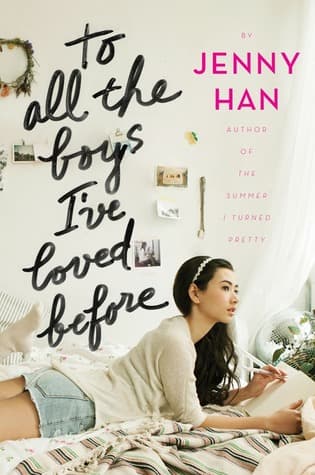
- To All the Boys I've Loved Before
Jenny Han
4.2 (490k) average on GoodreadsYoung AdultExplores themes of first love, secret feelings, and coming-of-age decisions.
- The Fault in Our Stars
John Green
4.2 (3.6M) average on GoodreadsYoung AdultWhile both Bloom and The Fault in Our Stars delve into profound emotional experiences of young adults, Green's novel often employs more intricate philosophical discussions and a more overtly literary style. Bloom focuses more squarely on the internal and relational struggles stemming from familial expectations, whereas Green's work grapples with existential questions of life, death, and meaning. Bloom offers a more grounded, perhaps less overtly intellectual, but equally emotionally resonant journey of self-discovery within a romantic context.
- The Hunger Games
Suzanne Collins
4.3 (6.4M) average on GoodreadsFantasyIn a future where children fight to the death on live television, Katniss Everdeen volunteers for the arena, turning a death sentence into a fight for survival and a spark of rebellion.
- The Great Gatsby
F. Scott Fitzgerald
3.9 (3.8M) average on GoodreadsHistorical FictionIn the opulent Roaring Twenties, a mysterious millionaire's lavish parties hide his desperate, tragic pursuit of a lost love, exposing the emptiness within the American Dream.
- Pride and Prejudice
Jane Austen
4.3 (3M) average on GoodreadsHistorical FictionIn a society focused on status and money, Elizabeth Bennet navigates love and pride, challenging Mr. Darcy and social expectations to find true affection.





Enjoyed the summary?
A summary gives you the shape of the book. The book itself has the detail, the examples and the voice.
Find Bloom on AmazonAs an Amazon Associate, BookBrief earns from qualifying purchases. How we're funded