
Estimated read time: 7 min read
One Sentence Summary
A young badger named Frances learns to appreciate different foods after initially insisting on eating only bread and jam.
Table of Contents
Introduction
Bread and Jam for Frances by Russell Hoban is a charming, heartfelt children’s book that has delighted readers since its publication in 1964. Though categorized as a children’s story, this book resonates deeply with readers of all ages, including college students and educators who appreciate its subtle exploration of childhood independence, family dynamics, and the growth of personal identity. Hoban’s story is a vibrant tapestry woven with humor, relatable emotions, and simplicity that belies profound themes. This summary will delve into the book’s context, plot, characters, themes, and literary techniques, offering a comprehensive understanding that encourages further exploration.
Historical Context
During the early 1960s, children’s literature was evolving to emphasize more realistic portrayals of childhood, moving away from purely fantastical narratives. Hoban’s work fits into this movement by presenting a story grounded in everyday family life yet infused with imaginative elements that capture a child’s perspective.
The post-war era saw an increased focus on child psychology and developmental needs, which influenced authors like Hoban to create stories that validate children's feelings and struggles. Although Bread and Jam for Frances is not overtly political or historical, understanding this backdrop enhances appreciation for its emphasis on autonomy and individuality.
Brief Synopsis
Plot Overview
The story centers on Frances, a young badger who is incredibly particular about her food. She insists on eating only bread and jam, rejecting all other meals prepared by her parents. This stubborn preference causes concern and mild exasperation in her family, leading to a gentle exploration of Frances’s desires, limits, and eventual growth.
Setting
The setting is a cozy, anthropomorphic world where animals live in family units resembling human households. The atmosphere is warm, inviting, and slightly whimsical, reflecting the simplicity and comfort of domestic life in mid-20th-century suburbia or countryside. The setting supports the narrative’s focus on family relationships and personal development.
Main Characters
| Name | Role | Key Traits | Importance to the Plot |
|---|---|---|---|
| Frances | Protagonist | Stubborn, determined, curious | Drives the narrative with her food preferences and eventual growth |
| Frances’s Mother | Caregiver | Patient, nurturing, practical | Attempts to guide Frances toward balanced eating and personal growth |
| Frances’s Father | Caregiver | Supportive, understanding | Provides emotional support and reinforces family values |
| Frances’s Sister | Supporting character | Playful, less picky | Contrasts Frances’s stubbornness and adds familial texture |
Plot Summary
Frances’s Food Obsession
Frances’s insistence on eating only bread and jam is the story’s central conflict. Her refusal to eat other foods is portrayed with humorous exaggeration, highlighting both the frustration it causes her parents and the innocent determination of childhood preferences.
Family Dynamics and Responses
Frances’s parents respond with a mixture of patience, concern, and gentle persuasion. Their efforts to introduce new foods and encourage Frances to be more adventurous reflect universal parenting challenges. The narrative balances humor and empathy in these interactions.
Frances’s Exploration
As the story progresses, Frances begins to experiment with other foods, motivated by curiosity and subtle peer influences, particularly from her sister. This exploration signifies a turning point in her development and the story’s progression.
Resolution and Growth
Without spoiling too much, Frances’s journey leads to a broader acceptance of diverse foods, symbolizing her maturing palate and, metaphorically, her growing independence and willingness to embrace change.
Themes and Motifs
Childhood Independence and Autonomy
Frances’s stubborn food choices symbolize a child’s assertion of autonomy. The story gently examines how children negotiate control within family structures, highlighting the balance between independence and guidance.
Family and Nurturing
The loving, patient responses of Frances’s parents emphasize the importance of nurturing relationships. The family’s dynamics showcase how support and understanding can foster growth without coercion.
Growth and Change
A central motif is the gradual acceptance of change. Frances’s journey reflects the natural progression from rigid preferences to openness, mirroring broader developmental themes relevant to readers of all ages.
Food as Metaphor
Food in the book is not merely sustenance but a metaphor for comfort zones, exploration, and acceptance. Frances’s transition from bread and jam to varied meals parallels emotional and intellectual growth.
Literary Techniques and Style
Narrative Structure
Hoban employs a straightforward, linear narrative that mirrors the simplicity of the story’s subject matter. This structure allows readers to engage easily with Frances’s journey without distractions.
Use of Humor
Humor in Bread and Jam for Frances arises from exaggerated character reactions and playful dialogue. This lightheartedness makes the story accessible and memorable.
Anthropomorphism
By portraying animals with human traits, Hoban creates an engaging and relatable world. This technique softens the story’s lessons and invites empathy.
Illustrations and Visual Style
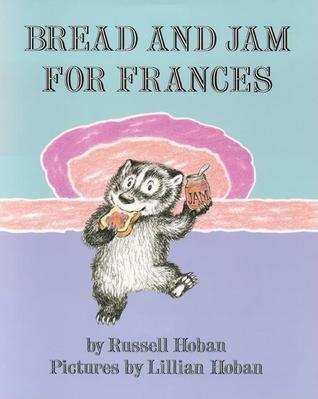
Though not the focus of this summary, the book’s illustrations complement the text, reinforcing themes and character emotions. The visual style supports the narrative’s tone and accessibility.
Language and Tone
Hoban’s language is simple yet evocative, perfectly suited for children but rich enough for adult readers to appreciate underlying themes. The tone balances warmth, humor, and gentle seriousness.
Author’s Background
Russell Hoban (1925–2011) was an American-born author and illustrator who spent much of his life in the UK. Known for blending imaginative storytelling with psychological insight, Hoban’s works often explore complex emotions through accessible narratives.
His background in art and literature informed his distinctive style, combining vivid imagery with nuanced character development. Besides Bread and Jam for Frances, Hoban authored several acclaimed books, including The Mouse and His Child and Riddley Walker, demonstrating versatility across genres.
Hoban’s impact lies in his ability to craft stories that resonate across age groups, making him a significant figure in children’s and adult literature alike.
Key Takeaways
- Childhood autonomy is a central theme, explored through Frances’s food preferences.
- Family dynamics highlight patience, nurturing, and understanding in growth.
- Food serves as a metaphor for openness to change and new experiences.
- Humor and anthropomorphism make complex themes accessible and engaging.
- The narrative balances simplicity with depth, appealing to diverse readers.
Reader’s Takeaway
Readers, whether college students studying literature or lecturers preparing coursework, will find Bread and Jam for Frances a rich text for analysis. Its blend of humor, warmth, and psychological insight offers valuable lessons on human development, family relationships, and the power of storytelling.
Emotionally, the book invites empathy for Frances’s stubbornness and celebrates the joys of discovery and growth. Intellectually, it encourages reflection on how simple narratives can convey profound truths about life and identity.
Conclusion
Bread and Jam for Frances remains a timeless classic that transcends its children’s book label. Russell Hoban’s masterful storytelling combines humor, warmth, and insight, making it a valuable read for all ages. Its exploration of childhood autonomy, family love, and personal growth offers meaningful lessons that resonate beyond the page.
For those interested in literature, psychology, or education, this book provides a rich resource for understanding how simple stories can illuminate complex human experiences. Dive into Frances’s world and savor the sweetness of her journey—much like her beloved bread and jam.
Bread and Jam for Frances FAQ
What is the main theme of 'Bread and Jam for Frances'?
'Bread and Jam for Frances' explores themes of picky eating, childhood preferences, and the importance of trying new foods.
Who is the author of 'Bread and Jam for Frances'?
The book is written by Russell Hoban.
What age group is 'Bread and Jam for Frances' suitable for?
The book is ideal for young children, typically ages 3 to 7, but can be enjoyed by early readers and parents reading aloud.
What is the story of 'Bread and Jam for Frances' about?
The story follows Frances, a young badger who insists on eating only bread and jam, refusing other foods until she realizes the importance of variety.
Does 'Bread and Jam for Frances' include illustrations?
Yes, the book features charming illustrations that complement the story and engage young readers.
Is 'Bread and Jam for Frances' part of a series?
Yes, Frances is a recurring character in several books by Russell Hoban.
What lessons can children learn from 'Bread and Jam for Frances'?
Children can learn about the value of trying different foods and being open to new experiences.
Where can I purchase 'Bread and Jam for Frances'?
The book is widely available at bookstores, online retailers, and libraries.
Has 'Bread and Jam for Frances' received any awards?
While it is a beloved classic, specific awards may vary; it is highly regarded for its storytelling and illustrations.