
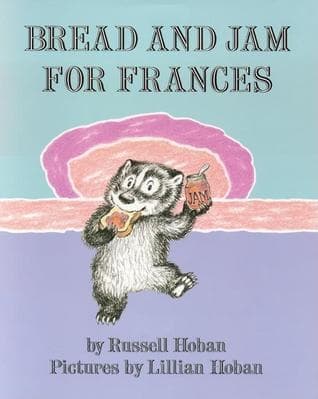
Synopsis
Covers the whole plot, including the ending.
- Difficulty
- Easy
- Pacing
- Slow
- Mood
- Whimsical, Gentle, Humorous, Instructive
- Read it if
- You enjoy classic children's stories about picky eating and learning to try new things.
- Skip it if
- You prefer complex narratives or stories without a clear moral lesson for young children.
Bread and Jam for Frances Plot Summary
Covers the whole plot, including the ending.
A Discerning Appetite
At breakfast, Frances, a young badger, sits with her parents and younger sister, Gloria. When offered an egg, Frances says she dislikes all types of eggs. She also dislikes oatmeal, preferring to eat only bread and jam. Her mother gently tries to convince her to try the egg, explaining its health benefits, but Frances sticks to her choice, amusing her parents and observed by Gloria.
Lunchtime Preferences
Later, at lunchtime, Frances's mother packs her a cream cheese sandwich, a tomato sandwich, and a hard-boiled egg. However, Frances trades her entire lunch with her friend, Albert, for his bread and jam sandwich. Albert, who eats many different foods, is happy with Frances's varied lunch, while Frances is content with her simple bread and jam. This trade shows Frances's growing commitment to her chosen diet, unknown to her parents.
A Dinner Dilemma
Dinner arrives, and Mrs. Badger makes spaghetti and meatballs. Her parents and Gloria happily eat it. Frances, however, refuses the spaghetti, saying she only wants bread and jam. Her parents try to tempt her with the appealing smell and taste of the spaghetti, but Frances does not change her mind. She sits at the table, watching her family enjoy their meal, holding out for her preferred food.
The Bread and Jam Diet Begins
After Frances refuses the spaghetti, her parents talk quietly. They decide to let Frances have her way, believing she will eventually get tired of bread and jam. Mrs. Badger prepares a slice of bread and jam for Frances, which Frances eats with satisfaction. This starts Frances's exclusive bread and jam diet, as her parents hope that by letting her choose, she will soon realize the limits of her choice and return to eating various foods.
Breakfast of Champions (for Frances)
The next morning, at breakfast, Frances's family is served a full, varied breakfast including eggs, oatmeal, and toast. Frances, however, receives only bread and jam. She eats it happily, while her family enjoys their diverse meal. Her parents watch her, hoping for a change of heart, but Frances remains perfectly content, showing no interest in the other foods. The newness of having her way still pleases her.
Lunchtime Continues the Trend
At lunchtime, Mrs. Badger packs Frances's lunchbox. Inside, there is only a bread and jam sandwich. Frances takes her lunch to school and again eats her bread and jam with satisfaction. She does not try to trade with Albert this time, perhaps because he now knows about her limited diet. The consistency of her meals supports her parents' plan, as they wait for Frances to tire of her monotonous diet.
Dinner: More of the Same
That evening, dinner is liver and onions, a dish Mr. Badger particularly likes. Mrs. Badger and Gloria also eat with enjoyment. Frances, as expected, is served only bread and jam. She eats it without complaint, but the difference between her simple meal and her family's flavorful dinner becomes more noticeable. Her parents watch her, a mix of concern and expectation on their faces, still waiting for her to want something different.
The Bread and Jam Monotony
Days pass, and Frances continues her bread and jam diet. Her parents keep serving her only bread and jam for every meal and snack. Slowly, Frances starts to notice the lack of variety. The initial excitement of getting her way begins to fade, replaced by growing boredom. She no longer eats her bread and jam with the same eagerness, and a subtle desire for other foods begins to appear, though she does not say anything yet.
A Change of Heart
One evening, as her family enjoys spaghetti and meatballs, Frances, for the first time, looks at their food with real longing. She quietly says she wants spaghetti and meatballs. Her parents, who have waited patiently for this moment, are delighted. They understand that Frances has learned her lesson about the importance of variety. Her decision marks a change in her eating habits.
The First Bite of Variety
Frances is immediately served a plate of spaghetti and meatballs, which she eats with great enjoyment. She savors every bite, appreciating the taste and texture of a meal different from bread and jam. This meal shows the end of her self-imposed diet and her return to eating various foods. Her parents are relieved and happy to see her enjoying a proper meal again, knowing she has learned a valuable lesson about food and choice.
A Well-Rounded Breakfast
The next morning, at breakfast, Frances receives a full, varied meal, including an egg, toast, and a little jam. She eats everything on her plate with enthusiasm, no longer disliking eggs. This scene shows her new appreciation for a balanced diet and the joy of different flavors. Her parents watch her with satisfaction, knowing their patient approach worked, and Frances has become a more open eater.
The Ultimate Lunchbox
For lunch, Mrs. Badger packs Frances a wonderful lunchbox. It contains a cream cheese sandwich, a tomato sandwich, a hard-boiled egg, and even a small packet of potato chips. Frances is thrilled with the variety. She goes to school and enjoys her lunch, sharing some with Albert, who is also impressed. This final scene shows Frances's complete change into an appreciative and well-rounded eater, embracing the joy of diverse meals.
Bread and Jam for Frances Characters
Frances
Protagonist
A young badger with a strong will and particular food preferences.
Frances is a spirited and somewhat stubborn young badger who initially believes she only wants to eat bread and jam. She is imaginative and expresses her dislikes very clearly. Her initial defiance in refusing other foods stems from a child's natural inclination to assert independence and test boundaries. She is observant, noticing what others eat, but committed to her choice until the monotony becomes overwhelming. Her journey is one of self-discovery regarding taste and variety.
Relationships: Mr. Badger (Her understanding and patient father.); Mrs. Badger (Her patient, wise, and strategizing mother.); Gloria (Her younger sister, an observer who eats everything.); Albert (Her friend at school, with whom she trades lunches.)
Mrs. Badger
Supporting
Frances's wise and patient mother who devises a strategy to teach her a lesson.
Mrs. Badger is a calm, understanding, and strategic mother. Instead of forcing Frances to eat, she patiently allows Frances to pursue her bread and jam diet, knowing that the monotony will eventually lead to a change of heart. She prepares delicious meals for the rest of the family, subtly tempting Frances, and her actions demonstrate a deep understanding of child psychology. She is the architect of Frances's learning experience, guiding her without direct confrontation.
Relationships: Frances (Her daughter, whom she teaches a valuable lesson.); Mr. Badger (Her supportive and collaborative husband.); Gloria (Her younger daughter.)
Mr. Badger
Supporting
Frances's supportive and understanding father.
Mr. Badger is a supportive and patient father who collaborates with Mrs. Badger on their strategy for Frances. He enjoys his food and provides a good example of a varied eater. While he doesn't take the lead in the 'bread and jam' strategy, he fully supports his wife's approach and participates in the family meals, showing Frances what she is missing. He is generally calm and allows Mrs. Badger to manage the situation, offering gentle encouragement when appropriate.
Relationships: Frances (His daughter, whom he patiently supports.); Mrs. Badger (His collaborative and understanding wife.); Gloria (His younger daughter.)
Gloria
Supporting
Frances's younger sister who observes the events quietly.
Gloria is Frances's younger sister. She is portrayed as a quiet, observant child who eats whatever is served to her without complaint. She serves as a contrast to Frances's pickiness, highlighting the normalcy of eating a varied diet. Gloria doesn't have much dialogue, but her presence at the family table, happily consuming the meals Frances rejects, subtly reinforces the appeal of different foods and provides a silent example for her older sister.
Relationships: Frances (Her older sister.); Mr. Badger (Her father.); Mrs. Badger (Her mother.)
Albert
Mentioned
Frances's school friend who trades lunches with her.
Albert is Frances's friend from school. He appears briefly when Frances trades her varied lunch (cream cheese sandwich, tomato sandwich, hard-boiled egg) for his simple bread and jam sandwich. Albert is portrayed as an eager and unpicky eater, delighted by the variety Frances offers him. His willingness to trade underscores Frances's initial commitment to her bread and jam diet and highlights the contrast between her self-imposed restriction and the normal desire for diverse foods.
Relationships: Frances (Her school friend, with whom she trades food.)
Bread and Jam for Frances Themes
The Importance of Variety and Balance
The main idea is about the need for a varied and balanced diet. Frances's choice to eat only bread and jam, though appealing at first, quickly becomes boring and makes her miss other foods. The story gently teaches children that many different foods offer various tastes, textures, and nutrients, leading to a more enjoyable and healthy eating experience. This is clear when Frances gets tired of her diet and later enjoys a plate of spaghetti and meatballs, realizing what she had been missing.
“What do you think of a little spaghetti and meatballs, Frances?”
Parental Patience and Guidance
Frances's parents show patient and wise parenting. Instead of forcing Frances to eat, they let her experience the natural results of her choices. Their method of serving only bread and jam to Frances while they eat varied meals is a gentle but effective way to guide her. This theme shows that sometimes, letting children learn from their own experiences, in a safe way, works better than direct conflict. Their calm and consistent approach helps Frances learn in the end.
“We will give her bread and jam for every meal until she is tired of it.”
Childhood Independence and Self-Assertion
Frances's insistence on eating only bread and jam can be seen as a child's wish for independence and control over her choices. She is asserting her will and testing her parents' limits. While her choice is initially based on a strong preference, it also represents a common stage where children explore their freedom. The story shows that while independence is important, it also means learning about the results and limits of one's choices.
“I am a picky eater, and I only want bread and jam.”
Appreciation for Simple Pleasures
While the main lesson is about variety, the story also touches on appreciating simple things. Frances genuinely likes bread and jam, and there is nothing wrong with that food. The problem arises when it is the *only* food. The story confirms the joy of simple things but places it within a larger appreciation for all that life (and food) offers. By the end, Frances still enjoys bread and jam, but it is no longer her only desire, showing a more balanced appreciation.
“Frances ate her bread and jam. She ate it with a spoon and her fingers. She licked the plate.”
Plot Devices & Literary Techniques
Repetition with Variation
The consistent offering of bread and jam to Frances, contrasted with varied meals for others.
The repeated scenes of Frances being offered only bread and jam for every meal, while her family enjoys diverse and delicious dishes, is a core plot device. This repetition highlights the monotony Frances experiences and slowly builds the tension and her eventual weariness. The 'variation' comes from the different meals the rest of the family eats (eggs, spaghetti, liver and onions), which serve as a constant, subtle temptation and a visual representation of what Frances is missing, making her eventual change of heart more impactful.
Foil Characters
Gloria and Albert serve as contrasts to Frances's picky eating habits.
Gloria, Frances's younger sister, and Albert, her school friend, act as foil characters. Gloria quietly and happily eats whatever is served, providing a constant visual contrast to Frances's pickiness. Albert, initially trading his bread and jam for Frances's varied lunch, is also an unpicky eater who appreciates diverse foods. These characters highlight Frances's specific issue and make her eventual transformation more noticeable and meaningful by showing what 'normal' eating looks like.
Situational Irony
Frances's parents grant her wish, leading to her disliking what she initially desired.
The central irony of the story is that Frances's parents, by granting her every wish to eat only bread and jam, inadvertently teach her the exact opposite lesson she intended to learn. Frances wanted to assert her preference, but by having her wish fulfilled completely, she learns that too much of a good thing can be boring and undesirable. This ironic outcome is key to the story's gentle humor and its effective pedagogical message.
Bread and Jam for Frances Quotes
“Frances was a very picky eater. She would eat only bread and jam.”
“You may have bread and jam for your breakfast, Frances. For your lunch you will have bread and jam. And for your dinner you will have bread and jam.”
“Frances ate her bread and jam. She ate it for breakfast and she ate it for lunch. She ate it for dinner and she ate it for a midnight snack.”
“Frances liked bread and jam, but she began to think that it was a lot of bread and jam.”
“At breakfast Frances looked at the egg. It was a soft-boiled egg. It was in an eggcup. It looked like a little white hat. Frances did not want to eat the egg.”
“Frances looked at the veal cutlet. It was brown and it was crisp. It had a little parsley on it. Frances did not want to eat the veal cutlet.”
“Frances thought about the bread and jam. It was good, but it was not very interesting.”
“Frances looked at the spaghetti. It was long and it was winding. It was covered with a red sauce. Frances did not want to eat the spaghetti.”
“Frances looked at the shrimp. It was pink and it was curled. It had a little lemon on it. Frances did not want to eat the shrimp.”
“Frances ate her bread and jam. But she watched the others eat their spaghetti and meatballs. And their veal cutlets. And their shrimp.”
“Frances ate her bread and jam. She was tired of bread and jam. She wanted spaghetti and meatballs.”
“Frances ate everything. She ate all the spaghetti and meatballs. She ate all the bread and butter. She ate all the milk.”
“Frances ate all the orange juice. She ate all the dessert. She ate everything. And she felt very full.”
“Frances now ate everything, except bread and jam. Sometimes she had bread and jam, but she liked all her other foods too.”
Quiz
10 questions on the plot and the characters. Each answer comes with a short explanation.
Question 1
What is Frances's initial favorite food that she wants to eat for every meal?
- Spaghetti and meatballs
- Bread and jam
- Cheese and crackers
- Peanut butter sandwiches
Show answer
B. Bread and jam Frances declares early in the story that bread and jam are the only things she wants to eat.
Question 2
What does Frances eat for breakfast on the first day when her parents start her bread and jam diet?
- A soft-boiled egg and a banana
- Scrambled eggs and toast
- Bread and jam
- Oatmeal with brown sugar
Show answer
C. Bread and jam Her parents begin the experiment immediately, serving her bread and jam for breakfast.
Question 3
What does Frances's sister, Gloria, eat for lunch when Frances is having bread and jam?
- A bologna sandwich and milk
- Tomato soup and crackers
- Peanut butter and jelly sandwich
- Hot dog and potato chips
Show answer
B. Tomato soup and crackers While Frances eats her bread and jam, Gloria enjoys a bowl of tomato soup and crackers.
Question 4
What meal does Frances initially refuse to eat with her family, opting for bread and jam instead?
- Breakfast
- Lunch
- Dinner
- Snack time
Show answer
C. Dinner Frances initially refuses to eat her dinner, which consists of veal cutlets, string beans, and mashed potatoes.
Question 5
What is the main theme illustrated by Frances's parents' approach to her picky eating?
- Strict discipline is always the best approach.
- Children should always get what they want.
- Sometimes, allowing children to experience the consequences of their choices can be an effective teaching method.
- Picky eating should be ignored completely.
Show answer
C. Sometimes, allowing children to experience the consequences of their choices can be an effective teaching method. Frances's parents wisely allow her to eat only bread and jam, knowing that she will eventually tire of it and desire other foods, teaching her a valuable lesson.
Question 6
What does Frances's father sing about when she is refusing to eat her dinner?
- The joys of a balanced diet
- The deliciousness of veal cutlets and string beans
- How good bread and jam taste
- The importance of trying new foods
Show answer
B. The deliciousness of veal cutlets and string beans Her father sings a song specifically about 'lovely veal cutlets' and 'string beans, green and fine,' highlighting the food Frances is missing.
Question 7
What specifically does Frances's mother pack for her lunch at school when she is only eating bread and jam?
- A peanut butter sandwich and an apple
- A thermos of soup and crackers
- A paper bag with a small jar of jam and a few slices of bread
- Leftover dinner from the night before
Show answer
C. A paper bag with a small jar of jam and a few slices of bread Her mother packs a very basic lunch consisting only of bread and jam, reflecting Frances's stated preference.
Question 8
What is Frances's reaction when she sees her friend Albert eating a delicious-looking lunch at school?
- She shares her bread and jam with him.
- She feels content with her bread and jam.
- She starts to regret her choice of only eating bread and jam.
- She tries to trade her lunch with him.
Show answer
C. She starts to regret her choice of only eating bread and jam. Seeing Albert's varied and appetizing lunch makes Frances realize how unappealing her constant bread and jam has become.
Question 9
What does Frances specifically request for her breakfast after she has tired of bread and jam?
- Pancakes with syrup
- French toast with bacon
- A soft-boiled egg with toast and an orange
- Cereal with milk and berries
Show answer
C. A soft-boiled egg with toast and an orange After her bread and jam experiment, Frances specifically asks her mother for a soft-boiled egg, toast, and an orange for breakfast.
Question 10
By the end of the story, what does Frances's mother prepare for her lunch at school, demonstrating Frances's newfound appreciation for variety?
- A single jam sandwich again
- A cream cheese and jelly sandwich, a banana, and a cupcake
- A bologna sandwich and an apple
- Leftover spaghetti
Show answer
B. A cream cheese and jelly sandwich, a banana, and a cupcake Her mother packs a varied and appealing lunch, including a cream cheese and jelly sandwich, a banana, and a cupcake, showing Frances has learned her lesson about food choices.
Bread and Jam for Frances FAQ
What is the central conflict Frances faces regarding her food choices?
Frances initially refuses to eat anything but bread and jam, rejecting eggs, string beans, liver, and other meals her parents prepare. Her parents, Mr. and Mrs. B. B. B., decide to let her have her way, hoping she will tire of her limited diet. This creates a conflict between Frances's stubborn preference and the variety her parents offer.
How do Frances's parents, Mr. and Mrs. B. B. B., respond to her insistence on eating only bread and jam?
Mr. and Mrs. B. B. B. initially try to persuade Frances to eat her meals, but when she remains steadfast in her preference for bread and jam, they decide to grant her wish. They serve her only bread and jam for every meal and snack, including breakfast, lunch, and dinner, which is an unconventional but effective parenting strategy.
What specific foods does Frances reject in favor of bread and jam?
Frances rejects a variety of foods her parents prepare, including a soft-boiled egg for breakfast, a delicious lunch of breaded veal cutlets, string beans, and mashed potatoes, and liver and onions for dinner. She also turns down her mother's special tomato sandwich.
How does Frances's younger sister, Gloria, influence Frances's perception of food?
Gloria often enjoys the meals Frances rejects, happily eating her soft-boiled egg and later the breaded veal cutlets. Gloria's enjoyment of the varied meals serves as a subtle contrast to Frances's monotonous diet, making Frances feel increasingly left out and prompting her to reconsider her choices.
What is the turning point that makes Frances decide she no longer wants only bread and jam?
The turning point occurs when Frances observes her parents and Gloria enjoying a delicious lunch of breaded veal cutlets, string beans, and mashed potatoes while she is served only bread and jam. The aroma and sight of their varied meal make her realize she is missing out and that her exclusive diet is no longer appealing.
Are there any subtle indications that Frances's parents anticipated her eventual change of heart?
Yes, their calm and consistent approach to serving her only bread and jam suggests they understood the psychology of the situation. Mrs. B. B. B.'s quiet observation of Frances and her lack of scolding, combined with the continued preparation of varied meals for themselves and Gloria, indicate a deliberate strategy designed to allow Frances to come to her own conclusion.
What is the significance of the detailed descriptions of the meals Frances's parents and Gloria eat?
The vivid descriptions of the 'delicious' veal cutlets, 'creamy' mashed potatoes, and 'crisp' string beans serve to heighten Frances's sense of deprivation and regret. These details are crucial in making Frances's bread and jam diet seem increasingly bland and unappetizing by comparison, driving her desire for variety.
How does the pacing of Frances's meals contribute to her eventual change of mind?
The relentless and unvarying presentation of bread and jam for every single meal – breakfast, lunch, dinner, and even snack time – emphasizes the monotony of her choice. The continuous repetition, without any alternative, quickly overwhelms Frances, making her tire of it much faster than if she had only had it occasionally.
What does Frances's initial stubbornness reveal about her personality?
Frances's stubbornness reveals a strong will and a desire for control, common traits in young children. She wants to assert her independence and make her own choices, even if those choices are not ultimately in her best interest, highlighting a typical developmental stage of testing boundaries.
How does the story illustrate the concept of 'reverse psychology' or natural consequences in parenting?
The story masterfully illustrates natural consequences by allowing Frances to experience the full effect of her choice without punishment or coercion. By granting her wish completely, her parents allow her to discover, through her own boredom and longing for variety, that her initial preference was not sustainable or satisfying, leading to an intrinsic change of heart.
What psychological effect does seeing her family enjoy different foods have on Frances?
Seeing her family enjoy a wide array of delicious and varied foods creates a strong sense of FOMO (fear of missing out) and envy in Frances. The contrast makes her feel deprived and isolated, eroding her satisfaction with her own choice and motivating her to rejoin the family's shared experience of diverse meals.
How does Frances's internal monologue reflect her changing emotions throughout the story?
Frances's internal monologue initially expresses defiance and satisfaction with her bread and jam. As the story progresses, her thoughts shift to boredom and then longing, culminating in her desperate desire for variety. Her musings reveal her growing discontent and the realization that her choice is no longer serving her.
What is the ultimate lesson Frances learns about food and choice?
Frances learns that an exclusive diet, even of something she loves, can quickly become monotonous and unsatisfying. She discovers the value of variety and the social enjoyment of sharing diverse meals with her family, realizing that her initial rigid preference limited her experience rather than enhanced it.
Could Frances's parents have handled the situation differently, and what might have been the outcome?
While their approach was effective, they could have tried gentle persuasion or offered small tastes of other foods. However, a more direct confrontational approach might have led to power struggles and intensified Frances's stubbornness, making her less likely to change her mind willingly. Their method allowed her to learn autonomously.
Is the story primarily about food, or does it convey a broader message about making choices and learning from them?
While food is the vehicle, the story conveys a broader message about the consequences of choices, the importance of variety, and the process of learning through experience. It teaches that even seemingly desirable choices can become undesirable when taken to an extreme, and that sometimes the best lessons are self-taught.
How does the ending, with Frances requesting a specific diverse meal, signify her growth?
Frances's request for a cream cheese and tomato sandwich with a little salt and pepper, along with a glass of milk, demonstrates her growth and newfound appreciation for variety and specific flavors. It shows she has moved beyond her simplistic demand for bread and jam to a more thoughtful and adventurous approach to food.
What role does the re-illustration by Lillian Hoban play in enhancing the story for a modern audience?
Lillian Hoban's re-illustrations in sparkling full color bring a vibrant and engaging visual dimension to the classic story, making Frances and her world more appealing and relatable to contemporary young readers. The detailed and expressive artwork helps to convey Frances's emotions and the deliciousness of the food, enriching the narrative experience.
About the author

Russell Hoban was an American author and illustrator known for his contributions to children's literature and fiction. His notable work, "Bread and Jam for Frances," features a charming story about a young badger's food preferences and has become a classic in children's books. Hoban's writing often explores themes of imagination and individuality.
Similar books
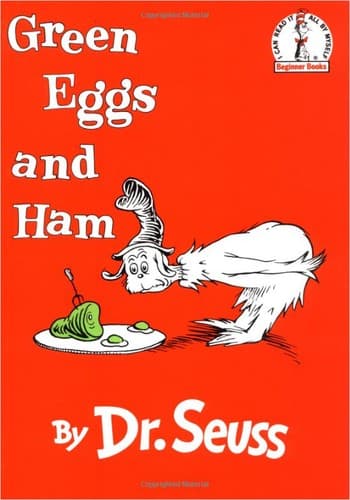
- Green Eggs and Ham
Dr. Seuss
4.3 (617k) average on GoodreadsFantasyFeatures a character's stubborn refusal to try a food, eventually leading to a positive change.
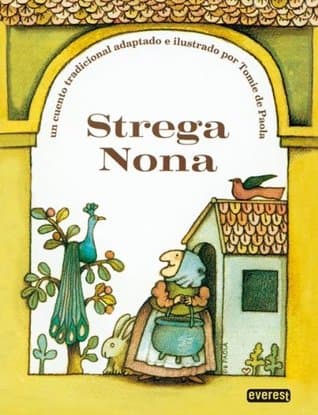
- Strega Nona
Tomie dePaola
4.2 (85k) average on GoodreadsFantasyHighlights the consequences of having too much of a good thing.
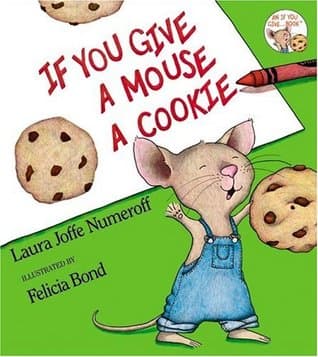
- If You Give a Mouse a Cookie
Laura Joffe Numeroff
4.3 (251k) average on GoodreadsFantasyA simple, repetitive narrative structure appealing to young children.
- Harry Potter and the Sorcerer's Stone
J.K. Rowling
4.5 (7M) average on GoodreadsFantasyRescued from a miserable life under the stairs, an orphaned boy discovers he's a wizard destined for a magical school, where he uncovers a dangerous secret tied to the dark wizard who murdered his parents.
- The Hobbit, or There and Back Again
J.R.R. Tolkien
4.3 (2.9M) average on GoodreadsFantasyA comfort-loving hobbit named Bilbo Baggins is whisked away by a mischievous wizard and a band of dwarves on an unexpected journey to reclaim stolen treasure from a fearsome dragon, discovering courage and a magical ring along the way.
- Harry Potter and the Goblet of Fire
J.K. Rowling
4.6 (2.6M) average on GoodreadsFantasyA bewildered Harry Potter, underage and thrust into a deadly Triwizard Tournament, must brave dragons, mermaids, and a resurgent dark magic to survive a year that will forever alter the wizarding world.



Enjoyed the summary?
A summary gives you the shape of the book. The book itself has the detail, the examples and the voice.
Find Bread and Jam for Frances on AmazonAs an Amazon Associate, BookBrief earns from qualifying purchases. How we're funded