
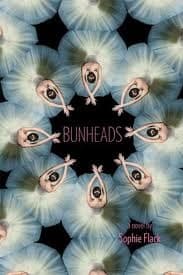
Synopsis
Covers the whole plot, including the ending.
- Difficulty
- Easy
- Pacing
- Moderate
- Mood
- Introspective, Realistic, Romantic, Pressured
- Read it if
- You're interested in the demanding world of professional ballet, coming-of-age stories, or a romance that forces a protagonist to question their life's purpose.
- Skip it if
- You dislike stories centered on intense internal conflict or are looking for a light, low-stakes romance without significant career dilemmas.
Bunheads Plot Summary
Covers the whole plot, including the ending.
The Daily Grind
Nineteen-year-old Hannah Ward is a corps de ballet dancer with the Manhattan Ballet Company. Her life is ballet: demanding rehearsals, strict diets, constant comparisons with other dancers, and pressure to perform perfectly. She lives in a small apartment with fellow dancer Sadie. Her days are a cycle of classes, rehearsals, and performances. The story opens with Hannah preparing for the season, feeling tired but dedicated. She sees the company hierarchy, from soloists to apprentices, and knows every dancer is always being judged. Her focus is only on her craft, mostly ignoring the world outside the studio.
A Glimpse of the Outside World
One evening, after a tough rehearsal, Hannah and Sadie go to a bar, a rare event. Sadie wants to meet people outside ballet. There, Hannah meets Jacob, a charming musician. Jacob is curious about Hannah's dedication but also senses her isolation. He represents a world new to her—one of spontaneity, artistic freedom, and no rigid discipline. Their conversation is light and interesting, giving Hannah a short break from the company's constant pressures. She likes his easygoing nature and his genuine interest in her as a person, not just a dancer.
Balancing Two Worlds
After their first meeting, Hannah and Jacob start seeing each other. Jacob takes her to jazz clubs, introduces her to different music, and encourages her to experience life beyond ballet. These experiences are exciting and confusing for Hannah, who has always defined herself only by her dancing. She finds herself distracted during rehearsals, thinking about Jacob and their time together. Her focus shifts, and she feels the strain of trying to balance her professional life with the growing romance. This new connection makes her see the narrowness of her existence and question if she is truly happy with her sole focus on ballet.
The Pressure Mounts
The company's artistic director, Mr. K, announces auditions for soloist roles, increasing the competition among dancers. A new dancer, Adele, joins the company and immediately gets attention for her talent. Adele quickly becomes a rival for Hannah, pushing her to work harder, but also highlighting Hannah's growing inner conflict. Hannah feels pressure from her peers, the artistic staff, and her own ambition to move up. However, the joy she once found only in ballet is now challenged by Jacob's new experiences and perspectives, making her commitment to the company feel less absolute.
Injuries and Doubt
During a demanding rehearsal, Hannah gets a minor foot injury. It is not severe enough to stop her completely, but it reminds her of the physical sacrifices dancers make and how fragile their careers are. The injury forces her to rest, giving her more time to think about her choices and her relationship with Jacob. She sees how quickly a career can end because of injury. The incident increases her doubts about whether ballet is truly what she wants for her whole life. Jacob offers her comfort and perspective, suggesting there is more to life than the stage, which adds to her internal debate.
A Life Outside the Studio
Jacob continues to be a steady presence for Hannah, showing her life outside the ballet world. He encourages her to explore new interests, from art to literature, and challenges her to think about what she wants for her future, beyond the company. He talks about his own dreams and pursuits, describing a life where passion can exist without rigid structure and intense competition. Hannah starts to realize she has hidden many parts of her personality and interests to fit the professional dancer mold. These talks with Jacob make her question her sacrifices and if they are worth it.
The Audition
The day of the soloist audition arrives. She performs her routine, but her mind is not fully focused. The internal struggle between her lifelong dedication to ballet and her desire for a different life with Jacob weighs on her. She dances well, but perhaps without the singular, desperate fire of some competitors, like Adele. She watches the other dancers, their ambition, and wonders if she still has that same drive. The audition becomes less about getting a promotion and more about facing her own changing priorities and identity.
The Decision Point
After the auditions, Hannah gets the news: she has been offered a soloist position, but not the main role she wanted. Adele has secured a more prominent position. This outcome, while an achievement, makes Hannah face the reality of ballet's endless competition and constant striving. She realizes that even with a promotion, the cycle of pressure and sacrifice would continue. The offer, combined with her deepening feelings for Jacob and her growing awareness of a life beyond the stage, brings her to a critical point. She must decide whether to continue on the path she has always known or to explore the possibilities Jacob has opened up for her.
Breaking Free
After much thought, Hannah makes the decision to leave the Manhattan Ballet Company. It is a choice that shocks Sadie, her fellow dancers, and many of her mentors. She knows she is walking away from a dream she has pursued since childhood, but she also understands it is a necessary step for her personal growth and happiness. The scene shows the emotional weight of this decision, the sadness of letting go, but also a deep sense of freedom. She tells Mr. K of her decision, which is met with disappointment and a grudging respect for her conviction. This moment marks a clear break from her old life and identity.
A New Beginning
The novel ends with Hannah starting her new life, free from the demanding schedule and pressures of ballet. She moves in with Jacob, finding comfort and companionship. While she still loves dance, she finds new ways to engage with it, perhaps teaching or performing in a less rigid setting. She explores other interests, makes new friends, and finally experiences the everyday freedoms she once gave up. The ending suggests Hannah has found a more balanced sense of self, where her identity is not only defined by her profession but by a wider range of experiences, relationships, and personal choices. She finds happiness in this new, less structured reality.
Principal Figures
Hannah Ward
Protagonist
A dedicated ballerina grappling with her identity and future.
Hannah is a nineteen-year-old corps de ballet dancer with the Manhattan Ballet Company. She has devoted her entire life to ballet, characterized by rigorous discipline, an intense work ethic, and a singular focus on her craft. Initially, she is somewhat naive about the world outside ballet, defining her self-worth almost entirely by her performance and position within the company. She is observant and sensitive, but also internalizes a lot of pressure. Her journey is about self-discovery and questioning the path she always assumed was hers.
Relationships: Jacob (Romantic interest, catalyst for self-discovery); Sadie (Roommate and fellow dancer, close friend); Mr. K (Artistic Director, mentor figure); Adele (Rival dancer)
Jacob
Supporting
A musician who offers Hannah an alternative perspective on life.
Jacob is a kind, perceptive, and free-spirited musician who meets Hannah outside the ballet world. He represents spontaneity, artistic freedom, and a life unconstrained by rigid schedules and intense competition. He is genuinely interested in Hannah as a person, not just a dancer, and encourages her to explore her identity beyond ballet. He is patient and understanding, providing a stark contrast to the demanding environment Hannah is accustomed to. Jacob acts as a catalyst for Hannah's self-reflection and eventual decision to leave ballet.
Relationships: Hannah Ward (Romantic interest, intellectual companion)
Sadie
Supporting
Hannah's pragmatic and ambitious roommate and fellow dancer.
Sadie is Hannah's roommate and a fellow corps de ballet dancer. She is more outwardly ambitious and pragmatic than Hannah, often pushing Hannah to socialize or to focus on her career advancements. Sadie is deeply committed to ballet and views the company as her primary world, making her initially struggle to understand Hannah's growing doubts. She is a loyal friend but also a reflection of the intense, competitive environment Hannah is trying to navigate. Her reactions highlight the stark difference in their approaches to their careers.
Relationships: Hannah Ward (Roommate and close friend)
Mr. K
Supporting
The demanding and influential artistic director of the Manhattan Ballet Company.
Mr. K is the artistic director of the Manhattan Ballet Company, a powerful and somewhat intimidating figure who holds the careers of the dancers in his hands. He is a demanding perfectionist, constantly pushing his dancers to their physical and artistic limits. While he is focused on the success of the company, he also recognizes talent and potential. He represents the established authority and the traditional expectations within the ballet world, embodying both the dreams and the harsh realities of a professional dance career.
Relationships: Hannah Ward (Mentor/boss)
Adele
Supporting
A talented new dancer who becomes Hannah's rival.
Adele is a new dancer who joins the Manhattan Ballet Company and quickly distinguishes herself with her exceptional talent, grace, and seemingly effortless technique. She becomes a direct rival for Hannah, especially when soloist roles are being cast. Adele embodies the fierce competition within the company and serves to highlight Hannah's internal struggle between relentless ambition and her burgeoning desire for a different life. Her presence pushes Hannah to question her own dedication and whether she truly possesses the same singular drive as Adele.
Relationships: Hannah Ward (Professional rival)
Ms. Anya
Supporting
A respected ballet mistress and teacher.
Ms. Anya is one of the ballet mistresses, a former dancer herself, who teaches and coaches the company members. She is stern but fair, embodying the traditional discipline and high standards of classical ballet. She is a figure of authority and a source of both encouragement and criticism for the dancers, including Hannah. She represents the unwavering dedication required to succeed in the ballet world and helps to ground Hannah in the technical realities of her profession, even as Hannah's mind begins to wander.
Relationships: Hannah Ward (Teacher/coach)
Themes & Insights
Identity vs. Profession
The novel shows how Hannah's identity is almost entirely tied to her job as a ballerina. For years, 'dancer' has been her only label, shaping her routines, relationships, and self-worth. Meeting Jacob and experiencing life outside the studio makes her question who she is beyond her 'bunhead' persona. This theme appears in her internal debates about leaving ballet, as she realizes she needs to find a self not defined by dance moves. Her journey is a search for a varied identity.
“For so long, I thought the stage was the only place I could truly be myself. But maybe being myself meant being more than just a dancer.”
Sacrifice and Fulfillment
The book highlights the sacrifices needed for success in professional ballet—physical pain, strict diets, social isolation, and delayed rewards. Hannah first accepts these as necessary for her dream. However, as she sees others' lives, especially Jacob's, she questions if the fulfillment from ballet truly outweighs the personal costs. The theme asks if a life of singular dedication, even to a passion, can be truly fulfilling if it means sacrificing other parts of a well-rounded life. Her final choice reflects a new look at what fulfillment means.
“Everyone told me that to be a great dancer, you had to give up everything. I just never realized how much 'everything' actually was.”
The Allure and Toxicity of Elite Environments
The Manhattan Ballet Company is shown as an elite, glamorous, but often harmful environment. While it offers artistic perfection and dazzling performances, it is also a world of constant competition, body image issues, scrutiny, and a rigid hierarchy. Dancers are pushed to their limits, physically and mentally, with little room for error or individuality. The theme explores how such an environment can both create talent and limit personal growth. Hannah's eventual departure is a rejection of this harmful environment.
“The air in the studio was thick with ambition, sweat, and the unspoken fear of being replaced. It was intoxicating, and it was suffocating.”
First Love and Self-Discovery
Hannah's first important romantic relationship with Jacob helps her discover herself. Jacob introduces her to a world beyond ballet, challenging her ideas and showing her different ways of living and loving. Their relationship is not just about romance; it opens Hannah's eyes to possibilities she never imagined. Through Jacob, she learns about spontaneity, freedom, and the importance of a life outside her career. Their connection helps her find the courage to redefine her path and choose a life that better fits her changing self.
“He saw me, not just the dancer, but all the parts I'd kept hidden, even from myself.”
Plot Devices & Literary Techniques
The Love Interest as a Catalyst
Jacob's character acts as the primary external force driving Hannah's internal conflict and ultimate decision.
Jacob is not just a romantic partner; his role is primarily to introduce Hannah to a world and perspective fundamentally different from her own. He represents the 'outside' world, free from the strictures of ballet. By offering her new experiences, intellectual stimulation, and unconditional acceptance, he forces Hannah to question her singular dedication to ballet. Without Jacob, Hannah might never have had the impetus or the alternative vision to seriously consider leaving the company, making him a crucial catalyst for her character development and the central conflict of the story.
The Rival Dancer
Adele's arrival and talent intensify the competitive atmosphere and highlight Hannah's wavering commitment.
Adele serves as a foil to Hannah, embodying the relentless ambition and natural talent required to succeed at the highest levels of ballet. Her presence in the company, and her quick rise, intensifies the competitive pressure on Hannah. This rivalry forces Hannah to confront whether she still possesses the same singular drive and ruthless dedication as Adele. The comparison underscores Hannah's growing internal conflict, making her realize that her heart is no longer fully in the fight, thus pushing her closer to her ultimate decision to leave the ballet world.
The Injury
Hannah's minor foot injury symbolizes the fragility of a dancer's career and prompts deeper introspection.
While not career-ending, Hannah's foot injury serves as a physical manifestation of the immense toll ballet takes on the body and the ever-present threat to a dancer's livelihood. It forces her to slow down, providing a rare moment of respite from the relentless schedule, which allows for deeper introspection about her future. The injury highlights the vulnerability of her chosen path and contributes to her growing doubts about whether the sacrifices are worth the potential risks, accelerating her internal debate about leaving ballet.
Bunheads Quotes
“Ballet is a beautiful prison. You spend your life trying to get out, and when you do, all you want is to get back in.”
“The hardest part about leaving ballet wasn't the pain, or the missed opportunities. It was the silence.”
“You can love something with all your heart and still know it's not enough.”
“Every dancer knows the feeling of their body betraying them. It’s part of the job description.”
“There's a difference between wanting something and being willing to do anything for it.”
“Sometimes the biggest leap isn't across a stage, but out the door.”
“The world outside the studio felt too big, too loud, too unchoreographed.”
“Ballet was my first language. And I was suddenly mute.”
“You don't just dance with your body; you dance with your history, your dreams, your fears.”
“Maybe being a bunhead wasn't just about the hair, but about the way your life was tied up, neatly, precisely, perfectly.”
“The applause was a drug, and I was in withdrawal.”
“It’s hard to find your own rhythm when you’ve spent your whole life dancing to someone else’s.”
“Falling in love was a lot like a grand jeté: exhilarating, terrifying, and you hoped you wouldn't land on your face.”
“Sometimes the most beautiful performances are the ones no one ever sees.”
Quiz
10 questions on the plot and the characters. Each answer comes with a short explanation.
Question 1
What is the name of the prestigious ballet company Hannah dances for?
- New York City Ballet
- American Ballet Theatre
- Manhattan Ballet Company
- Metropolitan Ballet
Show answer
C. Manhattan Ballet Company The book explicitly states that Hannah dances with the 'ultra-prestigious Manhattan Ballet Company'.
Question 2
How old is Hannah Ward at the beginning of the story?
- Seventeen
- Eighteen
- Nineteen
- Twenty
Show answer
C. Nineteen The synopsis clearly states that Hannah Ward is 'nineteen-year-old'.
Question 3
What is the name of the musician Hannah meets?
- Josh
- Jacob
- James
- Julian
Show answer
B. Jacob The synopsis mentions, 'But when she meets a handsome musician named Jacob, Hannah's universe begins to change'.
Question 4
What is the primary conflict Hannah faces regarding her career in ballet?
- Whether to pursue modern dance instead of classical ballet.
- Deciding between competing for a star soloist spot or leaving ballet for a more conventional life.
- Struggling with a serious injury that threatens her ability to dance.
- Choosing between two different prestigious ballet companies.
Show answer
B. Deciding between competing for a star soloist spot or leaving ballet for a more conventional life. The core conflict is presented as Hannah needing to 'decide if she wants to compete against the other 'bunheads' in the company for a star soloist spot or strike out on her own in the real world.'
Question 5
How is Hannah's life described before meeting Jacob?
- She was bored and unfulfilled.
- She was struggling with her technique and considering quitting.
- She had happily devoted her entire life to ballet.
- She was actively seeking a relationship outside of ballet.
Show answer
C. She had happily devoted her entire life to ballet. The synopsis states, 'Up until now, Hannah has happily devoted her entire life to ballet,' indicating her prior contentment.
Question 6
What phrase is used to describe the other dancers Hannah competes against in the company?
- Prima Ballerinas
- Dance Divas
- Bunheads
- Ballet Beauties
Show answer
C. Bunheads The synopsis mentions, 'she must decide if she wants to compete against the other 'bunheads' in the company'.
Question 7
What does Hannah's encounter with Jacob symbolize for her?
- A distraction from her true passion for ballet.
- An opportunity to improve her musicality in dance.
- The introduction of an alternative to her ballet-centric world and a glimpse into 'everyday life'.
- A rival to her focus on achieving a soloist spot.
Show answer
C. The introduction of an alternative to her ballet-centric world and a glimpse into 'everyday life'. Jacob's appearance is presented as the catalyst that 'Hannah's universe begins to change,' leading her to question her devotion to ballet versus 'the freedoms of everyday life.'
Question 8
Which of the following best describes the central theme of 'Bunheads'?
- The importance of discipline and sacrifice in achieving artistic excellence.
- The conflict between pursuing a singular, demanding passion and exploring a broader, more conventional life.
- The challenges of maintaining relationships within a highly competitive environment.
- The discovery of a hidden talent and the journey to master it.
Show answer
B. The conflict between pursuing a singular, demanding passion and exploring a broader, more conventional life. The core tension of the synopsis is Hannah's choice between her 'entire life devoted to ballet' and 'strike out on her own in the real world,' directly addressing the theme of passion versus a broader life.
Question 9
The phrase 'gilded confines of the ballet' suggests what about Hannah's life in the company?
- It is financially rewarding and offers great luxury.
- It is beautiful and seemingly perfect on the surface, but also restrictive and isolating.
- It is a highly respected and internationally recognized career path.
- It is a temporary phase before she moves on to something else.
Show answer
B. It is beautiful and seemingly perfect on the surface, but also restrictive and isolating. 'Gilded' implies a beautiful, shiny exterior, while 'confines' suggests restriction and limitation, highlighting the bittersweet nature of her dedicated ballet life.
Question 10
What is the primary internal struggle Hannah faces as a result of meeting Jacob?
- Her ability to keep her relationship with Jacob a secret from her ballet company.
- Reconciling her lifelong dedication to ballet with the allure of a different, more ordinary life.
- Overcoming her shyness to pursue a relationship outside of her comfort zone.
- Balancing her rigorous rehearsal schedule with making time for Jacob.
Show answer
B. Reconciling her lifelong dedication to ballet with the allure of a different, more ordinary life. The synopsis states she 'must decide if she wants to compete... or strike out on her own in the real world' and 'Does she dare give up the gilded confines of the ballet for the freedoms of everyday life?', indicating a deep internal conflict about her life path.
Bunheads FAQ
What is the central conflict Hannah Ward faces throughout the novel?
Hannah's central conflict is choosing between her lifelong dedication to becoming a soloist with the Manhattan Ballet Company and exploring a more 'normal' life and relationship with Jacob. She grapples with the sacrifices ballet demands versus the allure of experiences outside the rigorous dance world.
Who is Jacob, and what role does he play in Hannah's journey?
Jacob is a musician whom Hannah meets, and he represents a world outside of ballet, offering her a glimpse of a more conventional life, including college and different social experiences. His presence forces Hannah to question her single-minded devotion to dance and consider alternative paths.
What is the significance of the 'bunheads' term in the book's title?
The term 'bunheads' refers to the female ballet dancers, specifically those in the corps de ballet, who are often seen as interchangeable and solely defined by their dedication to dance. It highlights the collective identity and intense competition within the company, where individual identities can be subsumed by the pursuit of perfection.
What are some of the key challenges Hannah faces within the Manhattan Ballet Company?
Hannah faces intense physical demands, constant competition with other dancers like Sarah and Jessica for roles, and the pressure to maintain a specific body image. She also navigates complex power dynamics with artistic directors and the emotional toll of relentless training and performance schedules.
Does Hannah achieve her dream of becoming a soloist by the end of the book?
The book explores Hannah's journey towards that goal, but the ultimate resolution is more nuanced than a simple 'yes' or 'no.' It focuses on her internal struggle and decision-making process regarding whether that dream is still what she truly desires, rather than just the outcome itself.
Are there any subtle hints about the ultimate fate of Hannah's ballet career early in the story?
Early on, Hannah's increasing fatigue and growing curiosity about Jacob's world, coupled with her observations of older dancers' struggles, subtly foreshadow her eventual questioning of ballet's long-term viability for her. Her internal monologues often reveal a burgeoning dissatisfaction even before Jacob appears.
What is the significance of Hannah's relationship with her fellow dancers, particularly Sarah and Jessica?
Sarah represents the competitive, almost cutthroat aspect of ballet, while Jessica offers moments of camaraderie and shared experience, though still within a competitive framework. These relationships highlight the complex blend of support and rivalry inherent in the company, shaping Hannah's understanding of her place.
Beyond Jacob, what other influences or characters subtly push Hannah to consider life outside ballet?
Hannah's observations of her former mentor, a dancer who left the company, and even glimpses into the lives of stagehands or other non-dancers, subtly plant seeds of doubt. Her parents' more grounded perspective, though often dismissed, also provides an undercurrent of an alternative reality.
How does Hannah's identity shift as she spends more time with Jacob and less exclusively with her dance peers?
Hannah begins to develop a more individual identity, separate from her 'bunhead' persona. She starts to explore interests beyond ballet, forming opinions and experiencing a social life that isn't dictated by rehearsal schedules, which broadens her self-perception beyond just 'dancer.'
What psychological pressures does the constant competition for roles, like the soloist spot, exert on Hannah?
The constant competition fosters self-doubt, anxiety about her body and performance, and a feeling of being constantly scrutinized and judged. It can lead to comparison, jealousy, and an unhealthy focus on external validation, impacting her self-esteem and mental well-being.
How does the novel explore the concept of delayed adolescence or arrested development in the context of professional ballet dancers?
Hannah's journey highlights how the insular, demanding world of ballet can delay typical adolescent experiences like dating, college, and independent living. Her encounters with Jacob expose her to these 'normal' aspects of young adulthood, revealing how much she has missed and forcing her to catch up.
In what ways does Hannah's relationship with her own body evolve throughout the story?
Initially, Hannah views her body primarily as an instrument for ballet, subject to strict discipline and aesthetic ideals. As she questions ballet, she begins to reclaim her body as her own, appreciating it for its strength and capabilities beyond performance, and allowing herself more freedom in how she treats and perceives it.
Is Hannah's choice at the end of the book a definitive rejection of ballet, or a more nuanced personal growth?
Her choice is more about personal growth and a redefinition of success rather than a complete rejection. She isn't necessarily abandoning ballet entirely but choosing a path that allows for a more balanced life and individual fulfillment, rather than solely pursuing the company's definition of success.
Could Hannah have found a way to balance both her passion for ballet and a relationship with Jacob?
The novel suggests that the extreme demands of the Manhattan Ballet Company make a true balance incredibly difficult, if not impossible, at that level. Hannah's experience implies that such a demanding career often requires singular devotion, forcing a choice between two fundamentally different lifestyles.
What commentary does the book make about the 'gilded cage' of elite artistic professions?
The book portrays elite ballet as a 'gilded cage,' offering beauty, prestige, and passion but at the cost of personal freedom, normal life experiences, and often, individual identity. It critiques the hidden sacrifices and intense pressures beneath the glamorous surface, suggesting that the 'gold' can also be a trap.
How does the ending challenge traditional 'happily ever after' tropes, especially for a romance novel?
The ending prioritizes Hannah's self-discovery and personal agency over a conventional romantic resolution. While Jacob is a catalyst, the focus remains on Hannah's independent decision about her future, suggesting that true happiness for her lies in self-fulfillment rather than simply securing a relationship or career goal.
What is the book's message about defining success on one's own terms?
The book strongly advocates for defining success internally, rather than solely through external achievements or societal expectations. Hannah's journey illustrates that true success involves aligning one's life with personal values, happiness, and well-being, even if it means deviating from a highly coveted, traditional path.
Similar books
- The Princess Diaries
Meg Cabot
4.0 (624) average on GoodreadsYoung AdultFeatures a young woman navigating unexpected life changes and making big decisions about her future, albeit in a different context.
- Harry Potter and the Sorcerer's Stone
J.K. Rowling
4.5 (7M) average on GoodreadsFantasyRescued from a miserable life under the stairs, an orphaned boy discovers he's a wizard destined for a magical school, where he uncovers a dangerous secret tied to the dark wizard who murdered his parents.
- The Hunger Games
Suzanne Collins
4.3 (6.4M) average on GoodreadsFantasyIn a future where children fight to the death on live television, Katniss Everdeen volunteers for the arena, turning a death sentence into a fight for survival and a spark of rebellion.
- To Kill a Mockingbird
Harper Lee
4.3 (4.5M) average on GoodreadsHistorical FictionIn the 1930s Jim Crow South, Harper Lee writes about racial injustice, moral growth, and the quiet courage of a lawyer father, Atticus Finch, as seen through his young daughter's eyes.
- The Fault in Our Stars
John Green
4.2 (3.6M) average on GoodreadsYoung AdultA girl with a terminal illness finds her story rewritten when a charming boy with a similar past enters her life at a cancer support group, leading to a star-crossed romance.
- Divergent
Veronica Roth
4.2 (2.9M) average on GoodreadsFantasyIn a society divided by virtues, a sixteen-year-old's difference from the norm starts a rebellion that threatens her world.





Enjoyed the summary?
A summary gives you the shape of the book. The book itself has the detail, the examples and the voice.
Find Bunheads on AmazonAs an Amazon Associate, BookBrief earns from qualifying purchases. How we're funded