Estimated read time: 6 min read
One Sentence Summary
"Capital" by John Lanchester is a gripping novel that explores the interconnected lives of London residents during the 2008 financial crisis, revealing the impact of economic turmoil on a diverse urban community.
Table of Contents
Introduction
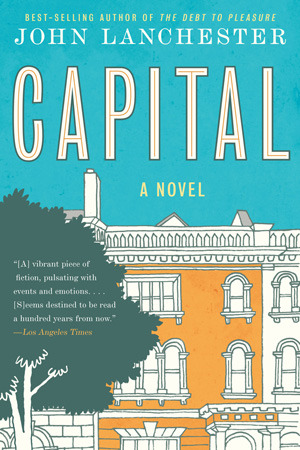
Capital by John Lanchester is a gripping and insightful novel that delves into the complexities of modern urban life, finance, and human relationships during a time of economic turmoil. Set against the backdrop of London's 2008 financial crisis, the book explores how a single street reflects the broader social and economic upheavals gripping the city and, by extension, the world. Through its vivid portrayal of diverse characters, Capital offers a multifaceted examination of capitalism’s impact on everyday lives, making it a must-read for students, lecturers, and anyone intrigued by contemporary socio-economic narratives.
Historical Context
The 2008 Financial Crisis and London’s Role
The story unfolds during the 2008 financial meltdown, a pivotal event that reshaped global economies. London, as a leading financial hub, was at the epicenter of this upheaval. The crisis stemmed from risky banking practices, notably the collapse of the US housing bubble, which triggered worldwide economic instability.
- Key Historical Points:
- Collapse of major financial institutions like Lehman Brothers.
- Widespread job losses and housing market crashes.
- Government bailouts and increased economic scrutiny.
Real-Life Inspirations
Lanchester draws from real-world events and figures, weaving a narrative that reflects the anxieties, hopes, and contradictions of the time. The novel’s setting, Pepys Road, symbolizes London’s socio-economic diversity, encompassing wealth, immigration, and changing urban landscapes.
Brief Synopsis
Plot Overview
Capital centers on Pepys Road, a street in South London housing an eclectic mix of residents. As Christmas approaches, each character grapples with personal dilemmas against the backdrop of the financial crisis. The narrative weaves their stories into a tapestry reflecting the tensions between wealth and poverty, tradition and change, individual desires and collective realities.
Setting
- Time: Late 2000s, primarily 2008.
- Place: Pepys Road, a fictional street in South London.
- Atmosphere: A microcosm of London’s diversity—marked by economic disparity, cultural clashes, and the looming shadow of financial collapse.
Main Characters
| Name | Role | Key Traits | Importance to Plot |
|---|---|---|---|
| Roger Yount | Wealthy banker | Ambitious, secretive, conflicted | Represents the financial elite and its vulnerabilities. |
| Petunia Howe | Estate agent | Practical, empathetic, struggling | Embodies middle-class challenges and personal aspirations. |
| Mary | Immigrant family matriarch | Resilient, traditional | Highlights immigrant experiences and cultural tensions. |
| Arabella Yount | Roger’s wife | Glamorous, socially conscious | Reflects upper-class lifestyle and moral conflicts. |
| Quentina | Young artist | Idealistic, rebellious | Explores youth disillusionment and creativity. |
| Shafiq | Shopkeeper | Hardworking, community-oriented | Represents immigrant entrepreneurship and local life. |
Plot Summary
Introduction to Pepys Road
The novel begins by introducing Pepys Road’s residents, showcasing their daily lives and struggles. Lanchester vividly portrays the street’s social fabric, from luxury homes to modest flats, illustrating economic contrasts.
Rising Tensions and Financial Shadows
As the financial crisis deepens, Roger Yount’s world begins to unravel. His secret financial troubles threaten his family’s status. Meanwhile, other residents feel the crisis’s ripple effects—Petunia faces job insecurity, and Shafiq struggles to keep his shop afloat.
Personal Conflicts and Community Dynamics
The novel explores personal relationships strained by economic pressures. Arabella’s social ambitions clash with Roger’s secrecy. Mary’s immigrant family confronts cultural integration challenges. Quentina’s artistic pursuits highlight generational divides.
Climax: The Christmas Episode
The narrative culminates around Christmas, symbolizing hope and tension. Events converge, forcing characters to confront their fears and desires. The street’s communal spirit is tested amidst uncertainty.
Resolution: Ambiguity and Reflection
While some characters find solace or new beginnings, others face unresolved challenges, mirroring the ambiguous aftermath of the financial crisis in real life.
Themes and Motifs
Capitalism and Economic Disparity
Capital critically examines capitalism’s impact on individuals and communities. The novel reveals how wealth concentration breeds insecurity and social fragmentation.
Community and Isolation
Despite living in close proximity, Pepys Road’s inhabitants often experience isolation. The book explores how economic and cultural differences hinder genuine connections.
Identity and Migration
Immigrant experiences are central, highlighting themes of belonging, cultural preservation, and adaptation in a rapidly changing city.
The Role of Money
Money functions both as a source of power and anxiety. Characters’ relationships with money reveal their values and vulnerabilities.
Christmas as a Symbol
The Christmas setting symbolizes hope, renewal, and the pressure to conform to societal expectations, adding emotional depth to the story.
Literary Techniques and Style
Narrative Structure
Lanchester employs a multi-perspective narrative, shifting focus between characters to provide a comprehensive view of Pepys Road’s social ecosystem. This approach allows readers to empathize with diverse experiences.
Realism and Detail
The novel’s rich detail in describing London’s urban life creates a realistic and immersive setting. Lanchester’s prose balances accessibility with literary sophistication.
Symbolism
- Pepys Road: A microcosm of London’s socio-economic landscape.
- Christmas: A motif reflecting contrast between appearance and reality.
- Money: Symbolizes both security and moral ambiguity.
Humor and Irony
Lanchester infuses the narrative with subtle humor and irony, lightening the heavy themes while critiquing social pretensions.
Author's Background
John Lanchester is a British novelist and journalist known for his keen observations of economics and society. His background in economics informs Capital’s nuanced portrayal of financial themes. Other notable works include The Debt to Pleasure and The Wall. Lanchester’s writing is characterized by clarity, wit, and a deep engagement with contemporary issues.
Key Takeaways
- Capitalism deeply influences personal and communal lives, often creating tension and inequality.
- Economic crises have multifaceted impacts beyond finance, affecting social cohesion and identity.
- Urban life in London is a mosaic of cultures, classes, and aspirations.
- Human connections are complex, shaped by external pressures and internal conflicts.
- Literature can illuminate economic and social realities in approachable, relatable ways.
Reader's Takeaway
Readers will gain a richer understanding of the 2008 financial crisis’s human dimension, beyond abstract statistics. The novel encourages empathy for diverse perspectives and reflection on the societal structures shaping our lives. Its blend of humor, drama, and social critique makes it both intellectually stimulating and emotionally engaging.
Conclusion
Capital by John Lanchester is a masterful exploration of a city and its people during a defining moment in recent history. Through its detailed characters and evocative setting, the novel offers profound insights into capitalism’s reach and the enduring quest for connection and meaning. Whether you are a student seeking to understand economic narratives or a reader drawn to compelling human stories, Capital promises a rewarding journey into the heart of contemporary London. Dive into this novel to uncover the subtle interplay of money, identity, and community that defines our times.
Capital FAQ
What is the main theme of the book 'Capital' by John Lanchester?
'Capital' explores themes of wealth, society, and the impact of capitalism on individuals and communities, set against the backdrop of a London street.
Who are the central characters in 'Capital'?
The novel features a diverse cast including property developers, bankers, immigrants, and long-time residents of Pepys Road in London.
How does 'Capital' address the 2008 financial crisis?
'Capital' is set during the time leading up to and following the 2008 financial crisis, examining its effects on ordinary people and the housing market.
What genre does 'Capital' belong to?
'Capital' is a contemporary novel that blends social commentary with elements of drama and satire.
Is 'Capital' based on real events or is it fictional?
'Capital' is a work of fiction but is inspired by real economic and social issues, particularly those affecting London in the late 2000s.
What is the significance of the setting in 'Capital'?
The setting, a fictional street in London called Pepys Road, serves as a microcosm of the city's diverse population and the wider economic challenges.
Does 'Capital' discuss the housing market?
Yes, the novel delves deeply into the housing market, exploring themes of property development, gentrification, and financial speculation.
What narrative style does John Lanchester use in 'Capital'?
Lanchester employs a multi-perspective narrative, giving voice to various characters to provide a broad view of society.
Has 'Capital' received any notable awards or recognition?
'Capital' was well-received critically and was longlisted for the 2012 Booker Prize.
Is 'Capital' suitable for readers unfamiliar with economics?
Yes, 'Capital' is accessible to general readers and uses storytelling to explain complex economic and social issues.