

Synopsis
Covers the whole plot, including the ending.
- Difficulty
- Easy
- Pacing
- Fast
- Mood
- Dark, Suspenseful, Tragic, Horrifying
- Read it if
- You enjoy psychological thrillers with supernatural elements, explore themes of bullying and religious extremism, and don't shy away from graphic horror and tragedy.
- Skip it if
- You prefer lighthearted stories, are sensitive to themes of abuse and extreme violence, or dislike stories with bleak endings.
Carrie Plot Summary
Covers the whole plot, including the ending.
The Shower Incident and Carrie's Awakening
Sixteen-year-old Carrie White, a sheltered and religiously abused girl, experiences her first menstruation in the high school gym shower, completely unaware of what is happening. Her classmates, led by Chris Hargensen and Billy Nolan, mock and pelt her with tampons, shouting 'Plug it up!' Miss Desjardin, the sympathetic gym teacher, intervenes, but the trauma triggers Carrie's latent telekinetic abilities, causing a light fixture to explode. Miss Desjardin attempts to educate Carrie about menstruation, but Carrie's mother, Margaret White, a fanatical fundamentalist, believes menstruation is a sign of sin and punishes Carrie by forcing her to pray in a closet, further isolating her.
Unveiling the Power
After the shower incident, Carrie starts to research telekinesis at the local library, reading books on the subject and realizing that her 'gift' is not unique but rather a powerful, controllable ability. She begins to secretly practice moving small objects in her room, gradually gaining control and confidence. Her mother remains oblivious, consumed by her religious fervor and continuing to subject Carrie to harsh punishments for perceived sins. Carrie discovers she can lock doors, move objects across rooms, and even affect electrical devices, giving her a sense of power she's never known.
The Prom Invitation
Sue Snell, one of the girls who participated in the shower incident, feels guilt. Prompted by her conscience and Miss Desjardin's insistence on atonement, Sue asks her popular and handsome boyfriend, Tommy Ross, to invite Carrie to the senior prom. Tommy is initially reluctant but eventually agrees, seeing it as a way to do something good. Carrie is shocked and suspicious of the invitation, believing it to be another cruel trick. Her mother, Margaret, also forbids her from going, seeing the prom as a sinful event, but Carrie, for the first time, defies her mother and accepts Tommy's invitation.
Chris Hargensen's Revenge Plot
Meanwhile, Chris Hargensen, who was suspended from prom for her role in the shower incident, is furious. She refuses to accept the punishment and, driven by a desire for revenge against Carrie and the school, conspires with her delinquent boyfriend, Billy Nolan. They plan a cruel prank: to rig the prom king and queen election so Carrie and Tommy win, and then douse Carrie with two buckets of pig's blood hidden above the stage when she is crowned. They kill pigs at a local farm to collect the blood, ensuring their plan is executed.
Prom Night
Carrie, transformed by a beautiful dress she made herself, attends the prom with Tommy Ross. To her surprise, she genuinely enjoys the evening. Tommy is kind and considerate, and for a brief period, Carrie experiences a sense of normalcy and acceptance she has never known. Her telekinetic powers remain dormant, as she is focused on the joy of the moment. When the time comes for the prom king and queen announcement, to everyone's astonishment, Tommy and Carrie are declared the winners, a result engineered by Chris and Billy.
The Pig's Blood Incident
As Carrie and Tommy stand on stage, crowned prom king and queen, Chris Hargensen, hiding in the rafters with Billy Nolan, pulls the rope. Two buckets of pig's blood fall, drenching Carrie completely. The crowd erupts in laughter, while Tommy is knocked unconscious by a falling bucket. The humiliation is absolute for Carrie. The shock and trauma, amplified by years of abuse and isolation, trigger an uncontrollable surge of her telekinetic powers. She locks all the doors, trapping everyone inside the gym.
Prom Apocalypse
Enraged and overwhelmed, Carrie unleashes her full telekinetic power. She ignites the sprinkler system, causing electrical fires and electrocuting students. She shatters windows, collapses parts of the ceiling, and manipulates electrical wiring to create a fiery inferno. Many students and teachers are killed or severely injured in the ensuing chaos. Carrie, covered in blood, walks through the carnage, a figure of terrifying vengeance. She targets those who laughed at her, ensuring their demise, and systematically destroys the entire gymnasium, leaving a trail of death and destruction.
Confrontation and Matricide
After her rampage at the prom, Carrie, still covered in blood, makes her way home. Her mother, Margaret White, is waiting for her, having had a prophetic vision that Carrie would return covered in sin. Margaret, believing Carrie to be a witch and an agent of the devil, attempts to kill her with a kitchen knife, stabbing her in the shoulder. In self-defense and a final act of rebellion against her lifelong tormentor, Carrie uses her telekinesis to stop her mother's heart, killing her. This act, while freeing, is also traumatizing for Carrie.
The Hunt for Carrie and Chris's Demise
Wounded and emotionally shattered, Carrie wanders through the town, her powers still active and causing widespread destruction. She targets specific houses and establishments associated with her tormentors, causing gas lines to explode and buildings to collapse, creating a path of devastation. Chris Hargensen and Billy Nolan, attempting to flee town after their prank, inadvertently drive their car towards Carrie's path of destruction. Carrie uses her telekinesis to violently crash their car, killing both of them, thus completing her revenge.
Sue Snell's Discovery and Carrie's Death
Sue Snell, who had left the prom shortly before the blood incident, senses Carrie's pain and tracks her down to a deserted area. She finds Carrie dying from her stab wound. In her final moments, Carrie establishes a psychic link with Sue, allowing Sue to experience Carrie's memories and understand the full extent of her suffering and the events of the night. Carrie dies in Sue's arms, her last thought being a plea for understanding and an end to the cycle of cruelty. Sue is left with the horrific truth and the burden of Carrie's final message.
Aftermath and Legacy
The town of Chamberlain is left in ruins, grappling with the tragedy. Official investigations try to make sense of the events, attributing some of the destruction to a gas main explosion, while others speculate about Carrie's powers. Sue Snell, traumatized by her experience and Carrie's psychic message, attempts to tell her story, including the truth about Chris and Billy's prank and Carrie's powers, but is met with skepticism and disbelief. The book concludes with an excerpt from a future report, suggesting that other children born in the area exhibit similar telekinetic abilities, hinting at the lasting and perhaps spreading nature of Carrie's power.
Carrie Characters
Carrie White
Protagonist
A shy, abused teenager with burgeoning telekinetic powers.
Carrie is a sixteen-year-old girl, extremely shy and socially ostracized at school, and severely abused by her fanatically religious mother, Margaret. She is a victim of relentless bullying, both physical and psychological, which has left her with little self-esteem. Carrie's telekinetic powers, initially dormant, awaken during her first menstruation, becoming a source of both fear and, eventually, immense power. She craves normalcy and acceptance, a desire tragically thwarted by the cruelty of her peers. Her journey is one from timid victim to a vengeful, unstoppable force.
Relationships: Margaret White (Abusive mother-daughter relationship); Miss Desjardin (Sympathetic teacher); Tommy Ross (Prom date, brief romantic interest); Chris Hargensen (Primary tormentor and antagonist); Sue Snell (Initial tormentor, later sympathetic and apologetic)
Margaret White
Antagonist
Carrie's fanatically religious and abusive mother.
Margaret White is Carrie's mother, a deeply disturbed religious zealot who interprets everything through a lens of sin and damnation. She believes sex and menstruation are inherently evil, and she physically and emotionally abuses Carrie, often locking her in a 'prayer closet' for perceived transgressions. Margaret's extreme fundamentalism and psychological torment are the primary sources of Carrie's suffering at home. She sees Carrie's telekinetic powers as a sign of the devil and a punishment from God, ultimately attempting to 'cleanse' Carrie by killing her.
Relationships: Carrie White (Abusive mother-daughter relationship)
Sue Snell
Supporting
A popular girl who seeks redemption for bullying Carrie.
Sue Snell is one of the popular girls who participated in the initial bullying of Carrie in the shower. However, she experiences genuine remorse and guilt, prompting her to try and make amends. She convinces her boyfriend, Tommy Ross, to take Carrie to prom, hoping to give Carrie a positive experience. Sue's actions are driven by a sense of conscience and a desire for redemption. She is one of the few characters who genuinely tries to help Carrie, and she ultimately bears witness to Carrie's final moments, gaining a psychic understanding of Carrie's suffering.
Relationships: Carrie White (Initial tormentor, later sympathetic friend); Tommy Ross (Boyfriend); Chris Hargensen (Peer, rival in popularity)
Tommy Ross
Supporting
Sue Snell's kind-hearted boyfriend who takes Carrie to prom.
Tommy Ross is a popular, athletic, and generally well-liked student at Ewen High School. He is Sue Snell's boyfriend. Initially hesitant to take Carrie to prom, he agrees out of a sense of duty and kindness, at Sue's insistence. During the prom, he treats Carrie with genuine respect and consideration, giving her a brief, happy experience. He is an innocent victim of Chris and Billy's prank, being knocked unconscious by the falling bucket before Carrie's rampage begins, highlighting the indiscriminateness of the tragedy.
Relationships: Sue Snell (Girlfriend); Carrie White (Prom date)
Chris Hargensen
Antagonist
The cruel leader of Carrie's tormentors.
Chris Hargensen is a wealthy, popular, and exceptionally cruel high school student. She is the instigator and ringleader of the most vicious bullying against Carrie, particularly the shower incident. When suspended from prom as punishment, her anger turns into a vengeful obsession. She orchestrates the pig's blood prank with her boyfriend, Billy Nolan, driven by a sadistic desire to humiliate Carrie publicly. Chris embodies the worst aspects of high school cruelty and privilege, showing no remorse for her actions.
Relationships: Billy Nolan (Boyfriend and accomplice); Carrie White (Primary victim and target of revenge); Sue Snell (Peer, rival in popularity)
Billy Nolan
Supporting
Chris Hargensen's delinquent boyfriend and accomplice.
Billy Nolan is Chris Hargensen's thuggish, delinquent boyfriend. He is easily manipulated by Chris and helps her execute the cruel pig's blood prank at the prom. Billy is presented as a violent and unthinking character, willing to commit illegal acts, such as killing pigs, to aid Chris in her revenge. He is motivated by loyalty to Chris and a general sense of antisocial behavior, showing no empathy for Carrie. He is ultimately killed alongside Chris by Carrie's powers.
Relationships: Chris Hargensen (Girlfriend and accomplice)
Miss Desjardin
Supporting
Carrie's sympathetic gym teacher.
Miss Rita Desjardin is the gym teacher at Ewen High School. She is one of the few adults who shows genuine concern and empathy for Carrie. She intervenes during the shower incident, attempts to educate Carrie about menstruation, and punishes the girls involved in the bullying by suspending them from prom. She tries to protect Carrie and foster a sense of responsibility among the other students. Her efforts, while well-intentioned, are ultimately insufficient to prevent the tragedy, and she is a witness to the horrors of prom night.
Relationships: Carrie White (Sympathetic teacher-student relationship)
Mr. Morton
Mentioned
Principal of Ewen High School.
Mr. Morton is the principal of Ewen High School. He is responsible for enforcing school rules and handling the disciplinary actions against the girls involved in the shower incident, including the prom suspensions. While he tries to maintain order and administer justice, he is somewhat detached from the emotional realities of the students and the severity of Carrie's situation. His role is primarily administrative, highlighting the institutional failure to adequately protect Carrie.
Carrie Themes
Bullying and Social Isolation
The novel portrays the effects of relentless bullying and social isolation on a vulnerable individual. Carrie's entire life is defined by being an outcast, both at school and at home. The shower incident, the constant taunts, and the prom prank are all examples of peer cruelty. This theme shows how sustained abuse can push a person to their breaking point, transforming a victim into an aggressor when pushed too far. The narrative emphasizes the collective responsibility of the student body and the failure of adults to intervene.
“They were all laughing at her. She heard it, a swelling chorus of cackles and hoots, and it was like a black wave breaking over her, drowning her.”
Religious Fanaticism and Abuse
Margaret White's extreme religious fanaticism is a central theme, illustrating how faith can be twisted into a tool of severe psychological and physical abuse. Her interpretation of Christianity is one of sin, damnation, and punishment, which she inflicts upon Carrie. This fundamentalism isolates Carrie further, denies her basic human experiences, and warps her understanding of the world. The theme explores the destructive power of dogma when it replaces love and compassion, ultimately leading to matricide and contributing to Carrie's breakdown.
“Thou shalt not suffer a witch to live. Exodus 22:18.”
The Nature of Power and Revenge
Carrie's telekinetic abilities represent a sudden acquisition of immense power by someone who has always been powerless. The novel explores the corrupting and liberating aspects of this power. Initially, Carrie uses it defensively or secretly, but after the prom humiliation, it becomes a tool for revenge. This theme questions whether true justice can be achieved through violence and explores the psychological toll of seeking retribution. Carrie's rampage is a demonstration of suppressed rage finally unleashed, with devastating consequences.
“And the pig's blood came down, washing over her, and she felt the last of her sanity crack and break.”
Adolescent Cruelty and Mob Mentality
The book explores the dark side of adolescent social dynamics, particularly the ease with which groups can turn cruel and the dangerous effects of mob mentality. The shower scene shows how groupthink can lead individuals to participate in or condone acts of bullying. Chris Hargensen's ability to rally others for the prom prank demonstrates the destructive power of a malicious leader. This theme shows how peer pressure and the desire for social acceptance can override individual morality, leading to collective acts of sadism.
“The laughter was a single, monstrous entity, and it was roaring at her.”
The Price of Empathy and Atonement
Sue Snell's character arc explores the theme of empathy and the path to atonement. Her guilt over the shower incident drives her to try and help Carrie, but her efforts inadvertently set the stage for the prom tragedy. This theme suggests that while empathy is important, it may not always be enough to counteract deep-seated cruelty and that attempts at redemption can have unforeseen and tragic consequences. Sue's survival and her burden of Carrie's final message highlight the lasting impact of such events on those who try to do good.
“It was her fault. Her fault. If she hadn't felt so guilty, if she hadn't tried to make it up to Carrie...”
Plot Devices & Literary Techniques
Epistolary Format (Found Documents)
Interspersed excerpts from fictional reports, articles, and testimonies.
The novel is presented not only as a traditional narrative but also through a series of interspersed 'found documents,' including excerpts from fictional academic papers, newspaper articles, governmental reports, and witness testimonies. This device provides multiple perspectives on the events, offering fragmented, often contradictory, information about Carrie's powers and the prom night disaster. It creates a sense of verisimilitude and foreshadowing, hinting at the tragedy to come while also allowing for a retrospective analysis of the events, grounding the fantastical elements in a pseudo-realistic framework.
Foreshadowing
Hints and clues about future tragic events.
King masterfully uses foreshadowing throughout the novel. The initial telekinetic outburst in the shower, Carrie's research into her powers, and the detailed planning of Chris and Billy's prank all build a sense of dread and inevitability. The epistolary elements often reveal outcomes before the narrative catches up, such as mentioning the 'Black Prom' or the 'Chamberlain Massacre' early on. This technique amplifies the suspense and tragic irony, making the reader aware of the impending doom even as Carrie experiences her fleeting moments of happiness.
Telekinesis
Carrie's supernatural ability to move objects with her mind.
Telekinesis is the central supernatural plot device that drives the entire narrative. It serves as both a metaphor for suppressed rage and a literal weapon for revenge. Initially, it's a secret, burgeoning power that gives Carrie a sense of agency. After the prom, it becomes an uncontrollable, destructive force that allows her to exact catastrophic vengeance on her tormentors and the town. The development and unleashed power of Carrie's telekinesis are crucial to the plot, transforming a story of bullying into a horror narrative of supernatural retribution.
The Pig's Blood
A symbolic and literal trigger for Carrie's rampage.
The pig's blood is a potent symbolic and literal plot device. Literally, it is the substance used to publicly humiliate Carrie at the prom, serving as the immediate trigger for her telekinetic rampage. Symbolically, the blood represents the ultimate act of degradation and sacrifice, harkening back to primitive rituals and the idea of 'bloody' revenge. It also carries connotations of purity lost and innocence defiled, marking Carrie's irreversible transformation from victim to avenger. The image of Carrie drenched in blood becomes iconic and central to the story's horror.
Carrie Quotes
“If you've got the power, you don't have to show it. Power that's gotta be shown ain't no power at all.”
“She was a mouse among cats, and they were playing with her.”
“The mind has its own way of protecting itself from the truth.”
“There are things you can't fight. Things you can't even try to fight. Things that just are.”
“They all laughed at her. They always had.”
“A lot of things can happen in a small town.”
“Blood is a bad thing, but it ain't the worst thing.”
“Momma says the Devil is in everything.”
“The thing about power is that it's always there, waiting to be used.”
“Some things, once you've seen them, you can't unsee them.”
“She was an outsider, always had been, always would be.”
“Sometimes you have to hurt people to make them understand.”
“It was a night for retribution, for settling scores, for a final, terrible accounting.”
“The world was a place of sin and sorrow, and the only way to be safe was to be pure.”
Quiz
10 questions on the plot and the characters. Each answer comes with a short explanation.
Question 1
What is Carrie White's supernatural ability?
- Invisibility
- Telekinesis
- Telepathy
- Pyrokinesis
Show answer
B. Telekinesis Carrie White possesses telekinetic abilities, meaning she can move objects with her mind, which she uses both consciously and unconsciously throughout the novel.
Question 2
Who is Carrie's religiously fanatical mother?
- Sue Snell
- Chris Hargensen
- Margaret White
- Rita Desjardin
Show answer
C. Margaret White Margaret White is Carrie's extremely religious and abusive mother, who believes Carrie's powers are a sign of the devil.
Question 3
What event at the prom triggers Carrie's full destructive rampage?
- She is crowned prom queen.
- She is publicly ridiculed with a bucket of pig's blood.
- Her date abandons her.
- The school principal insults her.
Show answer
B. She is publicly ridiculed with a bucket of pig's blood. The cruel prank orchestrated by Chris Hargensen and Billy Nolan, where a bucket of pig's blood is dumped on Carrie after she's crowned prom queen, is the ultimate catalyst for her telekinetic destruction.
Question 4
Which character feels remorse for participating in the bullying of Carrie and tries to make amends?
- Chris Hargensen
- Billy Nolan
- Sue Snell
- Tommy Ross
Show answer
C. Sue Snell Sue Snell is the character who feels guilty about her past bullying of Carrie and, in an attempt to atone, asks her boyfriend Tommy Ross to take Carrie to the prom.
Question 5
What does Carrie do to the town of Chamberlain after the prom incident?
- She sets fire to the school gymnasium only.
- She causes widespread destruction, fires, and chaos throughout the town.
- She targets only the homes of her tormentors.
- She uses her powers to escape town unnoticed.
Show answer
B. She causes widespread destruction, fires, and chaos throughout the town. Driven by rage and pain, Carrie unleashes her full telekinetic power on the entire town of Chamberlain, causing massive destruction, fires, and numerous casualties.
Question 6
What is the primary theme explored through Carrie's story?
- The triumph of good over evil.
- The dangers of unchecked scientific ambition.
- The devastating consequences of bullying and religious extremism.
- The importance of forgiveness and redemption.
Show answer
C. The devastating consequences of bullying and religious extremism. The novel heavily explores the themes of bullying and the extreme psychological and physical abuse Carrie suffers, both from her peers and her mother, leading to her tragic outburst.
Question 7
How does Carrie ultimately die?
- She is shot by local police.
- She dies from her injuries after the prom.
- She is stabbed by her mother, Margaret White, and then dies while reaching out to Sue Snell.
- She commits suicide after her rampage.
Show answer
C. She is stabbed by her mother, Margaret White, and then dies while reaching out to Sue Snell. Carrie is stabbed by her mother, who believes she is a witch, and then dies in Sue Snell's arms after Sue finds her, with Carrie using her last moments to share her pain telepathically with Sue.
Question 8
The novel uses a unique narrative structure. What does it primarily incorporate alongside the main story?
- Flashbacks to Carrie's childhood from her mother's perspective.
- Excerpts from fictional newspaper articles, scientific journals, and memoirs.
- Interviews with the town mayor and other officials.
- Third-person omniscient narration exclusively.
Show answer
B. Excerpts from fictional newspaper articles, scientific journals, and memoirs. Stephen King uses a unique epistolary style, interspersing the narrative with fictional newspaper clippings, scientific reports, and excerpts from books and testimonies that document the White disaster after the fact, providing context and a sense of realism.
Question 9
What specific act of defiance does Carrie commit against her mother after her powers fully manifest, before the prom?
- She runs away from home.
- She refuses to pray with her mother.
- She wears a prom dress and applies makeup despite her mother's prohibitions.
- She calls the police on her mother.
Show answer
C. She wears a prom dress and applies makeup despite her mother's prohibitions. In a significant act of rebellion and assertion of her own identity, Carrie uses her telekinesis to defy her mother's attempts to stop her from going to prom, including wearing the dress and applying makeup her mother deemed sinful.
Question 10
What is the ultimate fate of Chris Hargensen and Billy Nolan, the orchestrators of the prom prank?
- They are arrested and imprisoned.
- They successfully escape town and are never caught.
- They are killed in a car crash caused by Carrie's powers as they try to flee.
- They go into hiding and are later found by Sue Snell.
Show answer
C. They are killed in a car crash caused by Carrie's powers as they try to flee. As Chris and Billy attempt to escape town after the prom, Carrie uses her telekinetic powers to cause their car to crash and explode, ensuring their demise.
Carrie FAQ
What is Carrie about?
Carrie White, a shy and ostracized high school student, endures relentless bullying from her peers and severe religious abuse from her fundamentalist mother, Margaret. Unbeknownst to most, Carrie possesses powerful telekinetic abilities, which she struggles to control. The story culminates in a catastrophic prom night where a cruel prank pushes Carrie past her breaking point, unleashing her powers in a devastating act of revenge upon her town.
Why should I read Carrie?
You should read 'Carrie' for its compelling exploration of bullying, religious fanaticism, and the devastating consequences of unchecked adolescent cruelty. It's a gripping psychological thriller that serves as Stephen King's powerful debut, showcasing his masterful ability to blend supernatural horror with deeply human tragedy, leaving a lasting impression on the reader.
What is the background/setting of Carrie?
The story is primarily set in the fictional town of Chamberlain, Maine, during the late 1970s, with much of the narrative focusing on Ewen High School and the White household. The backdrop is one of small-town conservatism, religious zealotry, and the often-brutal social hierarchy of high school, all of which contribute to Carrie's isolation and eventual breakdown.
What are the most memorable quotes?
Some memorable quotes include Margaret White's chilling pronouncements like, "They're all gonna laugh at you!" and "Cleanse me, Lord!" Also impactful are observations about Carrie's ostracization, such as, "Carrie White was a girl who had been invited to the prom like a fly to a spider's web," highlighting her tragic fate.
What writing style does the author use?
Stephen King employs a unique epistolary style, interspersing the main narrative with fictional newspaper clippings, academic reports, and excerpts from books and interviews about the 'Black Prom' incident. This fragmented approach creates a sense of dread and authenticity, allowing the reader to piece together the events from multiple, often biased, perspectives.
What minor details add significant meaning?
The recurring motif of blood, from Carrie's first menstruation to the pig's blood at the prom, is a significant detail symbolizing her transition, vulnerability, and eventual violent awakening. Also, the detail of Carrie's telekinesis manifesting strongly during moments of extreme stress or anger subtly foreshadows her eventual destructive outburst.
What are some subtle foreshadowing moments?
Early in the book, Carrie's telekinetic abilities are shown in small, uncontrolled bursts, like a falling ashtray or a broken lightbulb when she's upset, subtly hinting at the immense power she possesses. Additionally, the town's history of odd events and the general fear of Margaret White's religious fervor create an underlying tension that foreshadows a larger, more catastrophic event.
What unexpected character connections exist?
The most unexpected connection is between Sue Snell, one of Carrie's tormentors, and Carrie herself. Overwhelmed by guilt, Sue convinces her boyfriend, Tommy Ross, to take Carrie to the prom, an act of kindness that ironically sets the stage for the tragic climax. This connection highlights the complex interplay of guilt, pity, and genuine remorse within the narrative.
What are unspoken character motivations?
Sue Snell's motivation to have Tommy take Carrie to prom, while outwardly presented as guilt, also carries an unspoken desire for redemption and perhaps a subconscious need to assuage her own conscience. Similarly, Chris Hargensen's relentless hatred for Carrie seems to stem from a deep-seated insecurity and a need to assert dominance, rather than just simple dislike.
What psychological complexities do characters exhibit?
Carrie exhibits profound psychological trauma, manifesting as extreme shyness, social anxiety, and a desperate craving for acceptance, all while grappling with immense, uncontrolled power. Margaret White, on the other hand, displays severe religious delusion and abusive behavior, driven by a warped sense of piety and fear of sin, making her a complex antagonist.
What are the major emotional turning points?
A major turning point is Carrie's first menstruation in the shower, which triggers extreme shame and confusion due to her mother's lack of education. Another critical point is when Tommy Ross asks her to the prom, offering a fleeting moment of hope and normalcy. The ultimate emotional turning point is the pig's blood prank, which shatters Carrie's fragile hope and unleashes her vengeful rage.
How do relationship dynamics evolve?
Carrie's relationship with her mother, Margaret, deteriorates from a controlling, abusive dynamic to one of open conflict and eventually, matricide. Her relationship with her peers, initially one of torment, briefly shifts to tentative acceptance with Tommy, only to explode into violent retribution after the prom prank, permanently altering the town's social fabric.
Which parts remain ambiguous or open-ended?
The precise origins and full extent of Carrie's telekinetic powers remain somewhat ambiguous; they are presented as an innate, almost supernatural gift without a clear scientific explanation. Also, the long-term psychological impact on the few survivors and the town of Chamberlain, beyond the immediate aftermath, is left for the reader to ponder.
What are controversial scenes or decisions?
The most controversial scene is the pig's blood prank at the prom, not just for its cruelty but for the gruesome violence that follows. Another controversial element is Margaret White's extreme religious abuse, which some readers find difficult to stomach, highlighting the intense psychological torment Carrie endures.
Carrie ending explained: how it ends & what it means
The book ends with Carrie, after her telekinetic rampage at the prom, returning home to confront her mother, who attempts to kill her with a knife, believing her to be an instrument of the devil. Carrie, in self-defense, stops her mother's heart telekinetically and then dies herself, either from her injuries sustained during the prom's destruction or from the sheer effort of her powers. The ending signifies the ultimate tragedy of a life crushed by cruelty and fanaticism, where even immense power cannot save an innocent soul from destruction, leaving behind only devastation and a lingering sense of horror.
About the author

Stephen Edwin King is an American author of horror, supernatural fiction, suspense, crime, science-fiction, and fantasy novels. Described as the "King of Horror", his books have sold more than 350 million copies as of 2006, and many have been adapted into films, television series, miniseries, and comic books. King has published over 65 novels/novellas, including seven under the pen name Richard Bachman, and five non-fiction books. He has also written approximately 200 short stories, most of which have been published in book collections.
Similar books
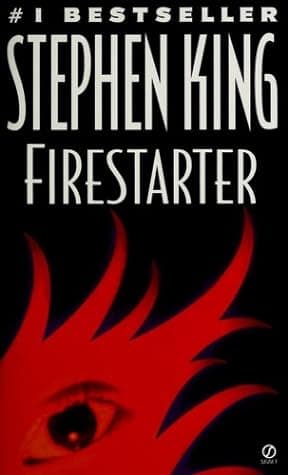
- Firestarter
Stephen King
3.9 (190k) average on GoodreadsThrillerFeatures a young girl with pyrokinetic powers hunted by a government agency, exploring themes of extraordinary abilities and persecution.
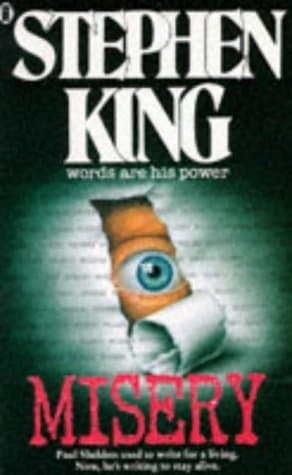
- Misery
Stephen King
4.2 (499k) average on GoodreadsThrillerExplores intense psychological torment and isolation, though without supernatural elements, focusing on a character trapped and abused.
- Rosemary's Baby
Ira Levin
4.0 (112k) average on GoodreadsThrillerRosemary's Baby focuses on psychological paranoia and insidious, unseen threats within a domestic setting, with a victim who remains largely powerless. Carrie, conversely, externalizes the horror through overt supernatural violence and depicts a victim who becomes a destructive force due to human cruelty, offering a different kind of terror rooted in agency and revenge.
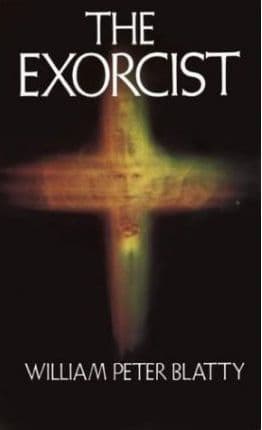
- The Exorcist
William Peter Blatty
4.2 (181k) average on GoodreadsThrillerWhile both feature young female protagonists experiencing supernatural phenomena, The Exorcist attributes its horror to external demonic possession and theological conflict. Carrie grounds its horror in human cruelty, social ostracization, and religious fanaticism, positing that the supernatural is a direct, tragic consequence of societal failings rather than an external evil entity.
- Angels & Demons
Dan Brown
3.9 (2.7M) average on GoodreadsThrillerA Harvard symbologist races through Rome's ancient sites, deciphering cryptic clues to unmask the Illuminati and stop a vengeful plot to destroy the Vatican with a stolen antimatter weapon.
- Gone Girl
Gillian Flynn
4.1 (2.3M) average on GoodreadsThrillerA wife's sudden disappearance on her fifth anniversary reveals a web of lies and psychological warfare, exposing the secrets within a seemingly perfect marriage.


Enjoyed the summary?
A summary gives you the shape of the book. The book itself has the detail, the examples and the voice.
Find Carrie on AmazonAs an Amazon Associate, BookBrief earns from qualifying purchases. How we're funded