
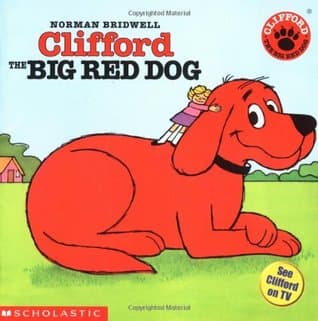
Synopsis
Covers the whole plot, including the ending.
- Difficulty
- Easy
- Pacing
- Slow
- Mood
- Heartwarming, Playful, Gentle
- Read it if
- You enjoy heartwarming stories about pets, appreciate simple narratives with clear illustrations, or are looking for a classic children's book.
- Skip it if
- You prefer complex plots, mature themes, or stories without anthropomorphic animals.
Clifford the Big Red Dog Plot Summary
Covers the whole plot, including the ending.
Emily Elizabeth Introduces Clifford
The story begins with a young girl named Emily Elizabeth introducing her dog, Clifford. She explains that she got Clifford when he was a tiny puppy, so small that she could hold him in her hand. However, Clifford grew to be very large, much bigger than any normal dog. Emily Elizabeth expresses her love for Clifford, noting his friendly nature and his bright red fur. She says everyone laughed when she first got him, but she loved him anyway, and that love made him grow. This beginning sets the fun tone and establishes the main relationship between Emily Elizabeth and her big dog.
Clifford's Daily Life and Challenges
Emily Elizabeth describes living with a dog as big as Clifford. She mentions that his doghouse is bigger than her own house. Feeding him is a big job, as he eats a lot of food. Walking Clifford is also a big task, as he pulls her along on his leash, often causing her to fly through the air. Despite these challenges, Emily Elizabeth talks about the fun and unique experiences they share, showing that Clifford's size, while sometimes inconvenient, also brings a lot of joy and excitement to her life.
Playing with Clifford
Emily Elizabeth talks about some of the games she plays with Clifford. Because of his size, their play involves large-scale interactions. For instance, Clifford loves to chase cars, and sometimes he catches them, which Emily Elizabeth finds amusing and a bit exasperating. She also describes how Clifford plays with other dogs, though his immense size means he cannot always play gently. He often knocks over fire hydrants when he wags his tail, and his playful digging can cause large holes. These examples show both the fun and the accidental chaos that comes with having such a large pet.
Clifford's Good Deeds and Mischief
Clifford, despite his occasional clumsiness, often tries to be helpful. Emily Elizabeth mentions how he helps construction workers by carrying large beams, showing his strength. However, his attempts to help can sometimes lead to accidents, such as when he tries to catch a burglar but knocks over a tree instead. Another instance of his good intentions turning into minor trouble is when he tries to help a kitten out of a tree but breaks the tree. These episodes show Clifford's kind heart and his eagerness to assist, even if his size makes him a bit clumsy.
Clifford's Unique Qualities and Emily's Love
Emily Elizabeth thinks about Clifford's qualities. She says he is not perfect; he sometimes gets into trouble and his size can be a bit much. However, she loves him completely. She says Clifford is a good dog and her best friend. The story ends with Emily Elizabeth expressing her love and appreciation for Clifford, stating that his size and the adventures they share make him the most wonderful dog in the world. This reinforces the main idea of acceptance and complete love.
Principal Figures
Emily Elizabeth
Protagonist
Clifford's loving and imaginative owner
Emily Elizabeth is a young, kind-hearted girl who narrates the story. She is deeply devoted to her enormous red dog, Clifford, whom she received as a tiny puppy. Her love for Clifford is boundless, and she sees past his colossal size and the minor inconveniences it causes, focusing instead on his good nature and the fun they share. She is imaginative, seeing the wonder in their unique life, and her narrative voice is warm and affectionate. She is the anchor of the story, demonstrating unconditional love and acceptance.
Relationships: Clifford (owner and beloved pet)
Clifford
Protagonist
An enormous, friendly, and sometimes clumsy red dog
Clifford is a gigantic red dog, the titular character and Emily Elizabeth's best friend. He started as a very small puppy but grew to an immense size due to Emily Elizabeth's love. Clifford is characterized by his friendly disposition, his playful nature, and his occasional clumsiness, which stems from his enormous stature. He means well and often tries to be helpful, even if his attempts sometimes lead to unintended chaos, like knocking over fire hydrants or trees. He embodies loyalty and the simple joy of companionship.
Relationships: Emily Elizabeth (beloved owner and best friend)
Themes & Insights
Unconditional Love and Acceptance
The main idea is Emily Elizabeth's strong love for Clifford, despite his size and the problems it creates. Her affection is what made him grow, and she accepts all parts of him, showing that love goes beyond imperfections and practical difficulties. This idea is clear when she says, 'I love Clifford, and I guess that's why he grew so big.'
“I love Clifford, and I guess that's why he grew so big.”
The Joys and Challenges of Uniqueness
Clifford's size makes him unique, bringing both great joy and unusual challenges to Emily Elizabeth's life. While his size allows for imaginative play and helpfulness, it also leads to accidental mischief and practical issues like feeding and walking him. The story celebrates this uniqueness, showing how it makes their lives better, such as when Clifford helps workers carry beams.
“He is so big that his doghouse is bigger than our house.”
Friendship and Companionship
The bond between Emily Elizabeth and Clifford is an example of strong friendship. They are best friends who enjoy playing together and taking care of each other. Their relationship is the heart of the story, showing the importance of having a loyal companion. Clifford's presence gives Emily Elizabeth constant adventure and a sense of belonging.
“Clifford is a good dog. He is my best friend.”
Plot Devices & Literary Techniques
Exaggeration/Hyperbole
The use of extreme overstatement for humorous and imaginative effect
The most prominent plot device is the extreme exaggeration of Clifford's size. This hyperbole is central to the entire narrative, creating the fantastical premise. His immense size allows for humorous scenarios, such as his doghouse being bigger than Emily Elizabeth's house, or him chasing cars and sometimes catching them. This device fuels the imaginative play and the unique challenges faced by the characters, making the story engaging and memorable for young readers.
First-Person Narration
Story told from Emily Elizabeth's perspective
The story is told entirely from Emily Elizabeth's first-person perspective. This allows the reader to experience the world through her eyes, fostering a sense of intimacy and wonder. Her simple, affectionate language conveys her deep love for Clifford and makes the fantastical elements feel grounded in her genuine emotional experience. This narrative choice ensures that the story's core message of love and acceptance comes directly from the character who embodies it most.
Anthropomorphism
Attributing human-like qualities and intentions to an animal
While Clifford doesn't speak, he exhibits many human-like qualities and intentions, making him a relatable and endearing character. He 'tries' to help, 'loves' to play, and expresses emotions through his actions. For instance, he 'tries to catch a burglar' or 'helps the construction workers.' This anthropomorphism allows young readers to connect with Clifford on an emotional level and understand his motivations, even when his actions lead to unexpected outcomes.
Clifford the Big Red Dog Quotes
“I'm Emily Elizabeth, and I have a dog.”
“My dog is a very big dog.”
“I didn't pick him out. He picked me.”
“He was so small then.”
“He grew so fast.”
“He makes mistakes sometimes.”
“He tries to be a good dog.”
“He is a good watchdog.”
“He can do tricks.”
“He loves to play.”
“We have lots of fun together.”
“I love Clifford, and he loves me.”
“It's fun to have a big red dog.”
Quiz
10 questions on the plot and the characters. Each answer comes with a short explanation.
Question 1
Who is the narrator of the story 'Clifford the Big Red Dog'?
- Clifford
- Emily Elizabeth
- Norman Bridwell
- A friendly neighbor
Show answer
B. Emily Elizabeth The story is told from the perspective of Emily Elizabeth, Clifford's owner, who describes her life with her very big red dog.
Question 2
What color is Clifford?
- Blue
- Green
- Red
- Yellow
Show answer
C. Red Clifford is famously known as 'the Big Red Dog,' a detail emphasized in the book's title and illustrations.
Question 3
Which of these activities does Emily Elizabeth NOT mention doing with Clifford?
- Riding on his back
- Playing fetch with a tiny ball
- Helping her get to school
- Sleeping in his ear
Show answer
B. Playing fetch with a tiny ball Emily Elizabeth describes riding on Clifford, using him to get to school, and sleeping in his ear, but playing fetch with a tiny ball would be impractical for such a large dog and is not mentioned.
Question 4
What is one unique way Emily Elizabeth mentions Clifford helps her with daily tasks?
- He bakes her breakfast.
- He carries her books to the library.
- He helps her get to school.
- He waters the garden with his tail.
Show answer
C. He helps her get to school. Emily Elizabeth explicitly states that Clifford helps her get to school, implying she might ride on him or he escorts her, highlighting his helpful nature despite his size.
Question 5
Why does Emily Elizabeth say Clifford sometimes gets into trouble?
- Because he is naughty and disobedient.
- Because he is so big.
- Because he doesn't understand human commands.
- Because he is very clumsy.
Show answer
B. Because he is so big. The book illustrates that Clifford's troubles are usually a result of his immense size, like accidentally knocking things over or taking up too much space, rather than intentional misbehavior.
Question 6
What does Emily Elizabeth primarily emphasize about her relationship with Clifford?
- The challenges of owning a giant pet.
- The fun they have together and how they care for each other.
- How Clifford helps her become popular.
- The strict training regimen Clifford requires.
Show answer
B. The fun they have together and how they care for each other. The core theme of the book is the loving bond between Emily Elizabeth and Clifford, focusing on their shared activities and mutual care, despite or even because of his unique size.
Question 7
If Clifford wants to play hide-and-seek, what might be a challenge for him?
- He might be too fast to be caught.
- Finding a place big enough to hide.
- He might get tired easily.
- He might not understand the rules.
Show answer
B. Finding a place big enough to hide. Given Clifford's enormous size, finding a suitable hiding spot would be nearly impossible, playing on the central characteristic of his 'bigness' that defines many of the book's scenarios.
Question 8
What is implied about how Clifford's size affects his interactions with other animals?
- He often scares them away unintentionally.
- He makes many small animal friends easily.
- He can't play with other animals because he's too big.
- Other animals are fascinated by his color.
Show answer
A. He often scares them away unintentionally. The book shows that Clifford's sheer size leads to situations where smaller creatures or even people are overwhelmed or startled by him, even if he doesn't mean to be intimidating.
Question 9
How does Emily Elizabeth demonstrate her care for Clifford?
- She buys him expensive toys.
- She makes sure he has enough food and a place to sleep.
- She teaches him complex tricks.
- She takes him to dog shows.
Show answer
B. She makes sure he has enough food and a place to sleep. The narrative emphasizes the basic, foundational care Emily Elizabeth provides for Clifford, such as ensuring he is fed and has a resting place, which are significant given his extraordinary size and needs.
Question 10
What is a central message about individuality and acceptance found in the book?
- It's best to be like everyone else to fit in.
- Being unique, even with challenges, can be wonderful.
- Big dogs are always better than small dogs.
- Only fantasy creatures can teach us important lessons.
Show answer
B. Being unique, even with challenges, can be wonderful. Despite the difficulties Clifford's size presents, Emily Elizabeth loves him unconditionally, and their unique bond highlights that being different can be special and bring joy, fostering a theme of acceptance.
Clifford the Big Red Dog FAQ
What is Clifford the Big Red Dog about?
Clifford the Big Red Dog is a charming children's story narrated by Emily Elizabeth, his owner. She describes her daily life and adventures with Clifford, highlighting the joys and challenges of having a dog who is not just big, but enormous and bright red, while emphasizing their mutual love and care.
Why should I read Clifford the Big Red Dog?
You should read Clifford the Big Red Dog for its heartwarming message about unconditional love and friendship between a child and her pet. It's a simple, joyful story that sparks imagination, teaches about responsibility, and celebrates the unique bond with a beloved animal, no matter its size.
What is the background/setting of Clifford the Big Red Dog?
The story is set in a typical, unnamed town, focusing on Emily Elizabeth's home and neighborhood, which is often overwhelmed by Clifford's immense size. The setting is a relatable suburban environment, made extraordinary by the presence of a dog larger than houses, allowing for both everyday activities and fantastical scenarios.
What are the most memorable quotes?
One of the most memorable 'quotes' is the recurring sentiment, 'My dog is Clifford. We live in a big city. And I love Clifford.' While not a direct quote from the original text, the entire book is a testament to Emily Elizabeth's deep affection and pride in her unusual pet, encapsulating the book's core message.
What writing style does the author use?
Norman Bridwell uses a simple, direct, and conversational writing style, perfectly suited for young readers. The narrative is told from Emily Elizabeth's first-person perspective, making it personal and engaging, complemented by large, expressive illustrations that convey much of the story's charm and humor.
What minor details add significant meaning?
The detail of Clifford being so big he can't fit into the house or play with other dogs in a normal way adds significant meaning by emphasizing his uniqueness and Emily Elizabeth's unwavering acceptance. It highlights that true companionship transcends conventional limitations and focuses on shared joy.
What are some subtle foreshadowing moments?
While not heavy on foreshadowing, the initial description of Clifford as a tiny puppy who 'grew and grew and grew' subtly prepares the reader for his eventual, incredible size. Emily Elizabeth's wish for him to stop growing hints at the challenges his enormous stature will bring.
What unexpected character connections exist?
The primary unexpected 'connection' is the sheer scale of Clifford's interaction with the environment and people. He unintentionally helps the firemen by carrying their ladder, and his playful antics, like chasing cars, create a unique connection between his innocent nature and the chaos he sometimes causes.
What are unspoken character motivations?
Emily Elizabeth's unspoken motivation is a deep, unconditional love for Clifford, which drives her to accept and cherish him despite his enormous size and the challenges it presents. She simply wants her dog to be happy and safe, reflecting a child's pure affection.
What psychological complexities do characters exhibit?
The characters exhibit simple, clear emotions typical of a children's book, rather than complexities. Emily Elizabeth shows unwavering loyalty and joy, while Clifford displays dog-like innocence and enthusiasm, despite his size making his actions have huge consequences. Their relationship is built on straightforward affection.
What are the major emotional turning points?
A major emotional turning point is when Emily Elizabeth recounts how Clifford grew so large that they had to leave the city and move to a smaller island. This moment signifies her sacrifice and commitment to Clifford, prioritizing his well-being and space over her own desires to stay in a bustling city.
How do relationship dynamics evolve?
The relationship dynamics between Emily Elizabeth and Clifford evolve from a simple owner-pet bond to one of mutual reliance and deep understanding. As Clifford grows, Emily Elizabeth takes on more responsibility, becoming his advocate and caretaker, while Clifford, in turn, offers her unwavering companionship and unique forms of protection.
Which parts remain ambiguous or open-ended?
The exact reason for Clifford's immense size and red color remains ambiguous; it's simply presented as a magical reality. The book doesn't delve into scientific explanations, leaving it open-ended as a fantastical element that readers are encouraged to accept and enjoy without needing further clarification.
What are controversial scenes or decisions?
There are no truly controversial scenes or decisions in 'Clifford the Big Red Dog.' The story maintains a lighthearted and innocent tone throughout. Some might debate the practicality of owning such a large dog, but within the context of the children's fantasy, it's presented as a joyful adventure.
Clifford the Big Red Dog ending explained: how it ends & what it means
The book ends with Emily Elizabeth describing how she loves Clifford and that they are very happy together, living on an island where he has plenty of space. This ending signifies the triumph of love and acceptance over practical challenges, meaning that with enough care and understanding, even the most unusual circumstances can lead to a fulfilling life.
About the author
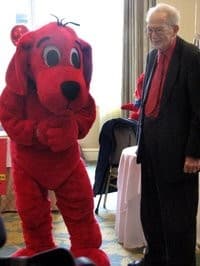
Norman Bridwell was an American author and illustrator best known for creating the children's book series featuring Clifford the Big Red Dog. His work has been widely recognized and has inspired numerous adaptations, including animated television shows and films. Bridwell's stories often focus on themes of friendship and adventure, appealing to young readers.
Similar books
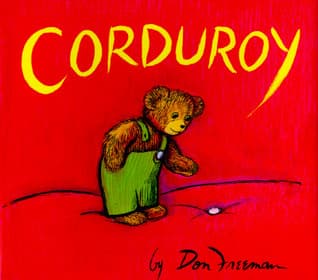
- Corduroy
Don Freeman
4.3 (194k) average on GoodreadsFantasyFeatures a beloved character and a simple, heartwarming story about friendship.
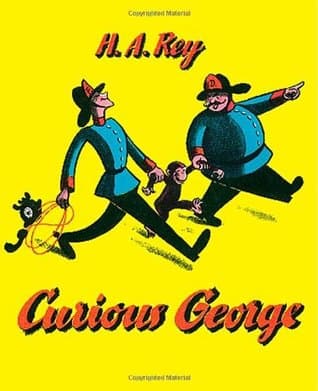
- Curious George
H.A. Rey
4.2 (125k) average on GoodreadsFantasyInvolves a lovable, mischievous character whose actions lead to various adventures.
- Harry Potter and the Sorcerer's Stone
J.K. Rowling
4.5 (7M) average on GoodreadsFantasyRescued from a miserable life under the stairs, an orphaned boy discovers he's a wizard destined for a magical school, where he uncovers a dangerous secret tied to the dark wizard who murdered his parents.
- The Hunger Games
Suzanne Collins
4.3 (6.4M) average on GoodreadsFantasyIn a future where children fight to the death on live television, Katniss Everdeen volunteers for the arena, turning a death sentence into a fight for survival and a spark of rebellion.
- 1984
George Orwell
4.2 (3.1M) average on GoodreadsPoliticsIn a future where surveillance and thought control are absolute, a man's search for truth clashes with the Party, showing that hope can be a form of rebellion.
- Divergent
Veronica Roth
4.2 (2.9M) average on GoodreadsFantasyIn a society divided by virtues, a sixteen-year-old's difference from the norm starts a rebellion that threatens her world.




Enjoyed the summary?
A summary gives you the shape of the book. The book itself has the detail, the examples and the voice.
Find Clifford the Big Red Dog on AmazonAs an Amazon Associate, BookBrief earns from qualifying purchases. How we're funded