

Synopsis
Covers the whole plot, including the ending.
- Difficulty
- Medium
- Pacing
- Fast
- Mood
- Dark, Suspenseful, Gripping, Deceptive
- Read it if
- You love intricate, globe-trotting thrillers with a deeply personal stakes, surprising twists, and a blend of mystery and action.
- Skip it if
- You prefer straightforward narratives without complex conspiracies or morally ambiguous characters, or dislike cliffhanger endings.
Cold Vengeance Plot Summary
Covers the whole plot, including the ending.
A Gruesome Discovery and a Vow of Vengeance
Special Agent Aloysius Pendergast, still affected by *Fever Dream*, returns to his New York City apartment to a terrible scene: his wife, Helen, is murdered and dismembered, her body parts arranged in a symbolic way. The police investigation quickly stalls, becoming a cold case. Feeling a strong need for revenge and believing the authorities are not capable or involved, Pendergast decides to avenge Helen's death himself. He starts his own careful investigation, using his skills and resources. He begins with the strange details of her disappearance years ago and the recent, brutal discovery of her remains, which suggests a very personal and evil motive. This initial shock sends him on a dark path to find justice outside the law.
The Hunt for the First Killer: Proctor and the Scottish Moors
Pendergast's investigation soon leads him to the remote Scottish moors, specifically to an old, isolated estate called Braewyck. He identifies a main suspect, Proctor, a former employee of Helen's family, the Phryges, who was involved in her first disappearance. Pendergast, with his ward, Constance Greene, and later his former partner, Lieutenant Vincent D'Agosta, enters the heavily guarded estate. During a tense meeting, Pendergast corners Proctor, who says Helen was not just a victim but actively involved in a complex, old conspiracy. Proctor is killed during the confrontation, but not before he mentions others and hints at a much bigger, darker group, leaving Pendergast with more questions about his wife.
The Cult of the Phrygian Cap: A Global Reach
Following Proctor's clues and researching Helen's family history, Pendergast finds out about a secret group called the Phrygian Cap. This old, powerful secret society, with roots going back centuries, is a global network involved in ritual murders, human trafficking, and trying to achieve immortality through terrible means. Helen's family, the Phryges, are deep in this cult. Pendergast learns that the Phrygian Cap uses specific, symbolic methods in their killings, like Helen's dismemberment. This discovery shatters Pendergast's view of his wife and makes him face the idea that she was not an innocent victim but an active, willing member of this terrible group, or at least closely connected to it.
The Labyrinthine Hunt in New York City
Back in New York City, Pendergast and D'Agosta look deeper into the Phrygian Cap's local operations. Their investigation takes them through dark parts of the city, from exclusive clubs to hidden crypts under old churches. They meet people who seem unrelated but are all connected to the cult, including rich socialites, corrupt officials, and street enforcers. Each meeting brings them closer to the conspiracy but also puts them in great danger, as the Phrygian Cap is ruthless and widespread. Pendergast's methods become more unusual and violent, driven by his personal vendetta and the terrible things he learns about Helen, making D'Agosta question his partner's sanity and morals.
The Louisiana Bayou and the Cult's Origins
The Phrygian Cap trail eventually leads Pendergast and D'Agosta to the strange, isolated bayous of Louisiana, a place with a dark history. Here, they find a secluded compound that is a main center for the cult's activities and holds its old stories. Pendergast uncovers documents and artifacts that detail the cult's origins, its practices, and its disturbing focus on bloodlines and long life. In Louisiana, Pendergast faces a shocking truth: the Phrygian Cap is not just a cult but a family business, and Helen's family, the Phryges, have been important members for generations. This discovery further complicates Pendergast's understanding of Helen and her involvement in the crimes.
The Confrontation with Judson Phryge
In the Louisiana compound, Pendergast finally confronts Judson Phryge, Helen's estranged father and a high-ranking member of the Phrygian Cap. Judson, a cold and calculating man, reveals more about the cult's twisted beliefs, its ritual sacrifices, and its goal of unnatural immortality. He confirms Helen's involvement, saying she was trained from a young age to take part in their rituals and was a willing, though perhaps conflicted, member. This conversation is painful for Pendergast, as it destroys any remaining idea he had of Helen's innocence. Judson, however, is unclear about who ultimately planned Helen's murder, suggesting a deeper betrayal within the cult.
The Revelation of Helen's Betrayal
Through more investigation, solving clues, and putting together information from different sources, Pendergast makes a terrible discovery: Helen was not just a victim or a participant, but she planned her own elaborate 'murder.' The dismembered body found in his apartment was not Helen's, but a carefully chosen decoy. Helen faked her death as part of a complex, long-planned scheme to escape the Phrygian Cap and betray its leaders, or perhaps to rise to a higher position within it. This discovery is a big shock, changing Pendergast's grief and search for revenge into a desperate search for the truth about his wife's real reasons and where she is now, and who she truly is.
The Hunt for Helen and the Traitor
Knowing Helen is alive and planned her own disappearance, Pendergast's mission changes. His focus shifts from avenging her death to finding her and understanding her deception. He realizes the 'murder' was a trick to draw out a specific person or group within the Phrygian Cap. He now believes Helen is either trying to destroy the cult from the inside or has betrayed it for her own unknown reasons. The hunt becomes more personal and dangerous, as Pendergast must navigate the cult's dangerous world, unsure who to trust, and knowing Helen herself might be a powerful enemy or a desperate helper.
The Ultimate Confrontation and Helen's Escape
The book's ending happens in a hidden, strong location where Pendergast confronts the real planner behind the complex plot and the Phrygian Cap's worst acts. The confrontation is brutal and intense, making Pendergast use all his skills and resources. During this final fight, Helen reappears, her role still unclear – is she an enemy, an ally, or an independent agent with her own goals? She plays a key, though mysterious, part in the outcome, eventually escaping Pendergast. The planner is defeated, but Helen's fate and true motives remain a mystery, leaving Pendergast with a strong feeling of unfinished business and a personal search that is far from over.
Aftermath and Lingering Questions
After the confrontation, Pendergast has to deal with the big revelations about Helen, the Phrygian Cap, and his own past. His ideas of love, trust, and justice are broken. While the immediate threat from the cult's leaders is gone, the group itself is too big and old to be fully stopped. Pendergast thinks about Helen's betrayal and her continued existence, understanding that his personal war is not over. He feels a deep sense of loss, not for Helen's death, but for the Helen he thought he knew. The novel ends with Pendergast, hurt and disappointed, getting ready for the next part of his relentless search for the truth, knowing Helen is still out there, a living mystery from his past.
Principal Figures
Aloysius Pendergast
Protagonist
Eccentric FBI Special Agent driven by a personal quest for vengeance and truth.
Special Agent Aloysius Pendergast is a brilliant, enigmatic, and highly unconventional FBI agent. He possesses extraordinary deductive reasoning skills, vast wealth, and a network of unusual contacts. Initially driven by a burning desire for vengeance for his wife Helen's perceived murder, his quest morphs into a desperate search for the truth about her life and betrayal. He is a man of refined tastes and profound intellect, yet capable of extreme violence and disregard for conventional rules when pursuing justice. The revelations about Helen deeply wound him, challenging his very understanding of love and trust, pushing him to the brink of his emotional and moral limits.
Relationships: Helen Pendergast (Wife, later revealed to be a deceiver and cult member); Vincent D'Agosta (Long-time partner and friend); Constance Greene (Ward, confidante, and assistant)
Helen Pendergast (née Phryge)
Antagonist/Deceiver
Pendergast's 'murdered' wife, revealed to be a manipulative, alive member of a secret cult.
Helen Pendergast, initially presented as a tragic victim, is revealed to be a complex and deeply deceptive character. A member of the ancient and sinister Phrygian Cap cult by birth, she orchestrated her own elaborate 'murder' to escape or manipulate the organization. She is intelligent, resourceful, and capable of extreme duplicity, having fooled Pendergast for years. Her true motivations remain somewhat ambiguous, oscillating between a desire for freedom from the cult and a ruthless ambition within it. Her actions are the central mystery and driving force of Pendergast's journey, fundamentally altering his perception of her and their shared past.
Relationships: Aloysius Pendergast (Husband, whom she deceived); Judson Phryge (Father, high-ranking cult member); Proctor (Cult operative, involved in her staged disappearance)
Lieutenant Vincent D'Agosta
Supporting
Pendergast's loyal, pragmatic NYPD partner, often providing a moral compass.
Lieutenant Vincent D'Agosta is Pendergast's long-suffering and pragmatic partner from the NYPD. Despite Pendergast's eccentricities and often illegal methods, D'Agosta remains fiercely loyal, providing a grounded counterpoint to Pendergast's aristocratic intensity. He is a seasoned detective, more conventional in his approach but willing to follow Pendergast into the darkest corners of the criminal underworld. In *Cold Vengeance*, D'Agosta struggles with Pendergast's increasing ruthlessness and personal vendetta, often questioning his partner's sanity and moral boundaries, yet he never abandons him, providing crucial support and a voice of reason.
Relationships: Aloysius Pendergast (Partner and close friend); Laura Hayward (Colleague (implied past relationship))
Constance Greene
Supporting
Pendergast's enigmatic ward and assistant, possessing a mysterious past and unique abilities.
Constance Greene is Pendergast's ward, a mysterious and ethereal young woman with a centuries-long life, having been preserved by ancient alchemical means. She possesses a keen intellect, an encyclopedic knowledge of history and esoteric subjects, and a calm, often detached demeanor. In *Cold Vengeance*, Constance assists Pendergast with research and provides cryptic insights, often understanding the deeper, more ancient currents of the conspiracy. Her own traumatic past within a similar secret society gives her a unique perspective on the Phrygian Cap, making her a valuable, if sometimes unsettling, ally. She is fiercely loyal to Pendergast.
Relationships: Aloysius Pendergast (Ward and confidante)
Judson Phryge
Antagonist
Helen's estranged father and a high-ranking, ruthless member of the Phrygian Cap cult.
Judson Phryge is Helen's father and a formidable antagonist. He is a cold, calculating, and powerful figure within the Phrygian Cap, deeply entrenched in its ancient rituals and pursuit of immortality. He embodies the cult's sinister ideology and its long-standing influence. Judson reveals critical, albeit carefully manipulated, information about Helen's past and her involvement with the cult, further muddying Pendergast's understanding of his wife. He is a master manipulator, willing to sacrifice anyone, including his own daughter, for the cult's objectives, and represents the deep-seated evil Pendergast must confront.
Relationships: Helen Pendergast (Daughter and fellow cult member); Aloysius Pendergast (Son-in-law and adversary)
Proctor
Supporting/Antagonist
A former employee of the Phryge family and one of Helen's initial 'killers'.
Proctor is one of the first individuals Pendergast tracks down in his quest for vengeance. A former employee and enforcer for the Phryge family, he was directly involved in the staged disappearance and 'murder' of Helen. He is a ruthless and dangerous man, operating in the shadows. His capture and interrogation by Pendergast provide the crucial initial clues that shatter Pendergast's perception of Helen as a simple victim, revealing her complicity and the existence of a larger, more sinister conspiracy. Proctor's death, while an act of vengeance for Pendergast, also serves as a turning point, confirming the dark path Pendergast is on.
Relationships: Helen Pendergast (Co-conspirator in staged death); Aloysius Pendergast (Target of Pendergast's initial vengeance)
Captain Laura Hayward
Mentioned
NYPD Captain, Pendergast's former colleague and D'Agosta's superior.
Captain Laura Hayward is a capable and by-the-book NYPD officer who has worked with Pendergast and D'Agosta on previous cases. While not a central figure in *Cold Vengeance*, she represents the conventional law enforcement Pendergast often circumvents. Her presence is mostly felt through D'Agosta's interactions, as he tries to balance his loyalty to Pendergast with his duties to the department. She serves as a reminder of the official channels Pendergast increasingly abandons in his personal quest, highlighting the moral grey areas he operates within.
Relationships: Vincent D'Agosta (Colleague and superior); Aloysius Pendergast (Former colleague)
Murtagh
Supporting/Antagonist
A key enforcer and high-ranking member of the Phrygian Cap.
Murtagh is a significant figure within the Phrygian Cap, acting as a ruthless enforcer and administrator for the cult. He is highly intelligent, well-connected, and deeply committed to the cult's objectives. Pendergast and D'Agosta encounter Murtagh multiple times throughout their investigation, particularly in New York, as he attempts to thwart their progress and protect the cult's secrets. He is a dangerous adversary, capable of orchestrating complex cover-ups and violent attacks, representing the pervasive reach and power of the Phrygian Cap beyond the Phryge family itself. He is a loyal servant to the cult's higher echelons.
Relationships: Judson Phryge (Superior within the cult); Aloysius Pendergast (Adversary)
Themes & Insights
Vengeance vs. Justice
The novel looks at the unclear line between personal revenge and legal justice. Pendergast first seeks revenge for Helen's supposed murder, acting outside FBI rules. As the truth about Helen's involvement comes out, his search changes from simple revenge to a more complex search for truth and accountability, both for Helen's actions and the cult's. This theme is shown by D'Agosta's constant struggle to accept Pendergast's violent methods, questioning if Pendergast's actions are truly about justice or just a personal, destructive vendetta. Personal vendetta often leads Pendergast to morally questionable places.
“Vengeance is a dish best served cold, D'Agosta. And I've waited a very long time for this feast.”
Identity and Deception
A main theme is the misleading nature of identity, especially Helen's. Pendergast's entire understanding of his wife is broken as he uncovers layers of lies. The book asks if we can ever truly know another person, especially those closest to us. Helen's identity as a 'victim' is removed to show her as a clever manipulator and a member of a sinister cult. This deception extends to the Phrygian Cap itself, which pretends to be respectable while doing terrible things. This makes Pendergast face the fact that appearances can be very misleading.
“She was a ghost, D'Agosta. A beautiful, terrible ghost of a woman I never truly knew.”
The Corrupting Influence of Power and Secrecy
The Phrygian Cap cult shows how unchecked power and generations of secrecy can corrupt. This old group, with its great wealth and influence, operates above the law, committing ritual murders and human trafficking. The cult's members, including Helen's family, use their positions to continue their terrible practices, believing they are superior. The theme shows how absolute power, especially when hidden, can lead to monstrous acts and a complete disregard for human life. The cult's deep roots and global reach show how harmful such corruption is.
“They consider themselves beyond morality, D'Agosta. Beyond judgment. That is the true horror of their power.”
The Nature of Evil
The novel explores the nature of evil, showing it not just as random violence but as an organized, systemic force passed down through generations. The Phrygian Cap cult represents a deeply ingrained, almost institutionalized evil, driven by a twisted belief system and a desire for unnaturally long life. Evil is personified by characters like Judson Phryge and even Helen, whose actions are cold, planned, and without empathy. Pendergast's journey makes him face this deep darkness, questioning the limits of human depravity and the strength of such malevolent forces. It suggests that evil can appear in many forms, even that of a loved one.
“Evil, D'Agosta, is rarely born in a single act. It is cultivated, nurtured, and passed down through generations.”
Love, Betrayal, and Loss
At its core, *Cold Vengeance* is a story of deep personal loss and betrayal. Pendergast's love for Helen starts his quest, but this love is slowly destroyed by the revelations of her deception and involvement in the cult's horrors. The emotional weight of the story comes from Pendergast's struggle to connect the woman he loved with the terrible truth. The betrayal is not just Helen's faked death, but the entire basis of their relationship, forcing Pendergast to mourn not her death, but the loss of an idealized love that never truly existed. This personal pain drives his relentless pursuit.
“It wasn't her death I mourned, D'Agosta. It was the death of everything I thought I knew about her. About us.”
Plot Devices & Literary Techniques
The Phrygian Cap Cult
A secret, ancient society that drives the central conflict and mystery.
The Phrygian Cap is a fictional, ancient secret society that serves as the primary antagonistic force and central plot device. Its existence and rituals are gradually revealed, forming the core mystery of the novel. The cult's long history, global reach, and horrific practices (including ritualistic murder and the pursuit of immortality) explain Helen's true identity and the elaborate nature of her 'murder.' This device provides a rich, dark mythology for the series, connecting past and present crimes, and giving the narrative a sense of profound, generational evil that Pendergast must unravel.
The Decoy Body/Faked Death
The initial 'murder' of Helen, revealed to be a meticulously staged deception.
The discovery of Helen's dismembered body at the beginning of the novel is the inciting incident, but it is later revealed to be a decoy. This plot device is crucial for creating the initial sense of grief and vengeance that drives Pendergast, only to dramatically subvert it mid-story. The faked death serves multiple purposes: it allows Helen to escape the cult, manipulate its members, and draw out a specific target. It also creates a profound sense of betrayal for Pendergast, transforming his emotional arc from mourning to a relentless search for a living deceiver, fundamentally altering the nature of his quest and the reader's perception of Helen.
Symbolic Rituals and Artifacts
Specific objects and methods used by the cult, providing clues for Pendergast.
Throughout the novel, the Phrygian Cap employs specific, often gruesome, symbolic rituals and leaves behind distinctive artifacts. Helen's dismembered body is arranged in a ritualistic manner, and later clues involve specific historical references, symbols, and ancient texts. These elements serve as breadcrumbs for Pendergast, allowing him to meticulously piece together the cult's history, methods, and ultimately, Helen's involvement. This device adds a layer of intellectual mystery and historical depth, requiring Pendergast's unique deductive skills to interpret the hidden meanings behind the cult's actions and communicate its sinister intentions.
Geographical Shifts
The narrative's movement across diverse and atmospheric locations.
The plot utilizes significant geographical shifts, moving Pendergast's investigation from the urban sprawl of New York City to the desolate Scottish moors and the eerie Louisiana bayous. These diverse settings are not merely backdrops; they contribute significantly to the novel's atmosphere and plot progression. Each location houses a piece of the Phrygian Cap's puzzle, whether it's an ancestral estate, an urban hideout, or a historical compound. The shifts emphasize the cult's global reach and ancient roots, while also providing distinct, immersive environments that heighten the sense of danger and mystery for Pendergast and D'Agosta.
Cold Vengeance Quotes
“Vengeance is a dish best served cold, but sometimes it's the only dish on the menu.”
“In the shadows of the past, the truth waits patiently to be uncovered.”
“Fear is a weapon, but courage is the shield that deflects it.”
“The coldest hearts often hide the warmest intentions.”
“Every clue is a piece of the puzzle, and every puzzle has a solution.”
“Trust no one, for even the closest ally may have a hidden agenda.”
“The past never truly dies; it merely waits for the right moment to resurface.”
“In the game of cat and mouse, sometimes the mouse has sharper claws.”
“Justice delayed is not justice denied, but it can feel just as cold.”
“The line between revenge and justice is often blurred by emotion.”
“Silence can be more telling than a thousand words.”
“In the end, it's not about who wins, but who survives with their soul intact.”
“The coldest vengeance is the one that leaves no trace.”
“Sometimes, the only way forward is to confront the ghosts of the past.”
Quiz
10 questions on the plot and the characters. Each answer comes with a short explanation.
Question 1
What devastating discovery does Special Agent Pendergast make about his wife Helen at the beginning of 'Cold Vengeance'?
- She died in a car accident
- She was murdered
- She had been leading a double life as a criminal
- She faked her own death
Show answer
B. She was murdered The book opens with Pendergast learning that his wife Helen was murdered, not killed in a hunting accident as he previously believed. This revelation sets his quest for vengeance in motion.
Question 2
Which of these locations is NOT part of Pendergast's chase for revenge in 'Cold Vengeance'?
- The wild moors of Scotland
- The bustling streets of New York
- The deserts of Arizona
- The darkest bayous of Louisiana
Show answer
C. The deserts of Arizona Pendergast's pursuit takes him to Scotland, New York, and Louisiana, but Arizona is not mentioned as one of the key locations in this book's description.
Question 3
What shocking possibility does Pendergast uncover about Helen's involvement in her own death?
- She committed suicide
- She was a collaborator in her own murder
- She was killed by a random stranger
- She died of natural causes
Show answer
B. She was a collaborator in her own murder As Pendergast investigates Helen's past, he discovers evidence suggesting she may have been complicit in her own murder, adding complexity to his quest for vengeance.
Question 4
What does Pendergast realize about the conspiracy he uncovers in 'Cold Vengeance'?
- It only involves Helen's immediate family
- It goes back generations and is more monstrous than imagined
- It was orchestrated by a single criminal mastermind
- It is unrelated to Pendergast's own family history
Show answer
B. It goes back generations and is more monstrous than imagined The conspiracy surrounding Helen's murder is revealed to be deeply rooted, spanning generations and far more extensive than Pendergast initially suspected.
Question 5
How does Pendergast's investigation affect his understanding of his own life?
- It confirms all his previous beliefs
- It reveals that everything he believed may be a horrific lie
- It shows his life has been completely normal
- It proves Helen was completely innocent
Show answer
B. It reveals that everything he believed may be a horrific lie As Pendergast peels back layers of deception, he confronts the possibility that his fundamental beliefs, trust, and understanding of events may be based on falsehoods.
Question 6
What is Pendergast's primary motivation throughout 'Cold Vengeance'?
- Professional advancement at the FBI
- Financial gain from uncovering the conspiracy
- Retribution for his wife's murder
- Clearing his own name from suspicion
Show answer
C. Retribution for his wife's murder Pendergast is driven by vengeance after discovering Helen was murdered, though his quest becomes complicated as he learns more about her possible involvement.
Question 7
What makes Pendergast's pursuit of vengeance particularly challenging in this book?
- He lacks investigative skills
- The betrayers are completely unknown to him
- He must confront disturbing truths about Helen's past
- He is physically unable to travel
Show answer
C. He must confront disturbing truths about Helen's past Pendergast's mission is complicated by having to investigate Helen's past and confront the possibility she was involved in her own murder, adding emotional complexity to his quest.
Question 8
Which literary genre best describes the central conflict Pendergast faces regarding Helen's memory?
- Romantic conflict about lost love
- Psychological conflict between vengeance and truth
- Political conflict about government corruption
- Supernatural conflict with ghosts
Show answer
B. Psychological conflict between vengeance and truth Pendergast struggles psychologically as his desire for revenge conflicts with uncovering painful truths about Helen, forcing him to reconcile his idealized memory with disturbing realities.
Question 9
What does the progression of locations in Pendergast's chase symbolize about his investigation?
- The randomness of criminal activity
- His desire for frequent vacations
- The expanding scope from personal betrayal to historical conspiracy
- The FBI's limited jurisdiction
Show answer
C. The expanding scope from personal betrayal to historical conspiracy Moving from Scotland to New York to Louisiana represents how Pendergast's investigation grows from a personal quest into uncovering a vast, multi-generational conspiracy.
Question 10
How does the book's title 'Cold Vengeance' reflect Pendergast's emotional journey?
- It refers to the cold weather in Scotland
- It describes his calculated, methodical pursuit of revenge
- It indicates he abandons his quest entirely
- It suggests his vengeance brings him warmth and comfort
Show answer
B. It describes his calculated, methodical pursuit of revenge 'Cold Vengeance' captures Pendergast's detached, systematic approach to revenge, which becomes increasingly complicated as emotional truths about Helen emerge.
Cold Vengeance FAQ
What is 'Cold Vengeance' about?
'Cold Vengeance' follows FBI Special Agent Aloysius Pendergast as he seeks revenge for the murder of his wife, Helen. His investigation uncovers shocking truths about Helen's past, revealing she may have been complicit in her own death, and exposes a multi-generational conspiracy that challenges everything he believes.
Why should I read 'Cold Vengeance'?
This book is a gripping thriller that combines intense action with deep psychological intrigue. Pendergast's journey from grief-stricken widower to relentless avenger, set against global backdrops like Scotland and Louisiana, offers both suspense and emotional depth, making it a standout in the series.
What is the background/setting of 'Cold Vengeance'?
The story spans diverse locations: the desolate moors of Scotland, where Pendergast begins his hunt; the urban chaos of New York City; and the eerie, swampy bayous of Louisiana. These settings mirror the dark, layered conspiracy Pendergast uncovers.
What are the most memorable quotes?
Key quotes include Pendergast's vow, 'Revenge is a dish best served cold,' reflecting his methodical approach, and his realization, 'Everything I've trusted may be a lie,' highlighting the book's theme of deception. Helen's past revelations, like 'She was not who she seemed,' add to the mystery.
What writing style does the author use?
Douglas Preston employs a fast-paced, descriptive style with sharp dialogue and atmospheric details. The narrative blends action sequences with introspective moments, creating tension that drives the plot forward while exploring Pendergast's psychological turmoil.
What minor details add significant meaning?
Small clues, such as Helen's cryptic notes found in Scotland or Pendergast's meticulous tracking methods, subtly hint at the larger conspiracy. The bayou's oppressive atmosphere foreshadows the dark truths he uncovers about his family's past.
What are some subtle foreshadowing moments?
Early scenes where Pendergast questions Helen's loyalty, like her secretive behavior before her death, foreshadow her potential collaboration. The generational references to Pendergast's ancestors in Louisiana subtly hint at the conspiracy's deep roots.
What unexpected character connections exist?
Pendergast discovers that Helen was linked to his own family's enemies, revealing she had ties to the conspiracy targeting him. This connection blurs lines between ally and betrayer, adding layers to their relationship and the plot.
What are unspoken character motivations?
Pendergast's drive for revenge masks a deeper need for closure and truth about Helen. Helen's possible collaboration suggests hidden motives, such as protection or manipulation, that remain ambiguous, fueling Pendergast's psychological struggle.
What psychological complexities do characters exhibit?
Pendergast grapples with grief, betrayal, and obsession, his logical mind clashing with emotional turmoil. Helen's character is complex due to her ambiguous role, challenging Pendergast's perceptions of trust and love.
What are the major emotional turning points?
Key moments include Pendergast's initial shock at Helen's murder, his rage upon suspecting her betrayal, and his despair as the conspiracy unfolds. The climax in Louisiana, where he confronts the full horror, marks a pivotal emotional shift.
How do relationship dynamics evolve?
Pendergast's relationship with Helen transforms from idealized memory to a source of doubt and pain. His interactions with allies become strained as trust erodes, reflecting the book's theme of deception and isolation.
Which parts remain ambiguous or open-ended?
Helen's exact role in her murder and the full extent of the conspiracy are left partially unresolved, inviting reader interpretation. Pendergast's future actions and the conspiracy's ongoing impact are hinted at but not fully detailed.
What are controversial scenes or decisions?
Pendergast's violent pursuit of revenge, including morally gray actions, sparks debate on justice vs. vengeance. Helen's potential collaboration raises questions about victimhood and agency, making her character a point of controversy.
'Cold Vengeance' ending explained: how it ends & what it means
The ending reveals the conspiracy's monstrous scale, implicating Pendergast's own history. It suggests Helen's involvement was coerced or strategic, leaving Pendergast questioning reality. This sets up future conflicts and underscores themes of truth and betrayal.
About the author

Douglas Preston is a prolific author known for his suspenseful thrillers, often co-authored with Lincoln Child. Their collaborative works, including the popular Pendergast series featuring novels like 'Relic' and 'Blue Labyrinth,' have achieved international bestseller status. Preston also co-authored the non-fiction bestseller 'The Monster of Florence,' showcasing his versatility in both fictional and true crime narratives.
Similar books
- The Da Vinci Code
Dan Brown
3.9 (1.9M) average on GoodreadsThrillerFeatures a globe-trotting quest, ancient conspiracies, and a blend of history and thrilling action.
- Gone Girl
Gillian Flynn
4.1 (2.3M) average on GoodreadsThrillerExplores themes of marital deception and a spouse's hidden, darker past.
- The Lincoln Lawyer
Michael Connelly
4.2 (193k) average on GoodreadsThrillerOffers a complex mystery with legal and personal stakes, and a protagonist who uncovers deep-seated corruption.
- Gone Tomorrow
Lee Child
4.2 (89k) average on GoodreadsThrillerPreston's 'Cold Vengeance' offers a more intricate, layered narrative with psychological depth and broader scientific/historical detail, contrasting with Child's direct action, clear-cut morality, and lean prose. Pendergast's world is more ambiguous and arcane, while Reacher's is grounded in immediate physical threats.
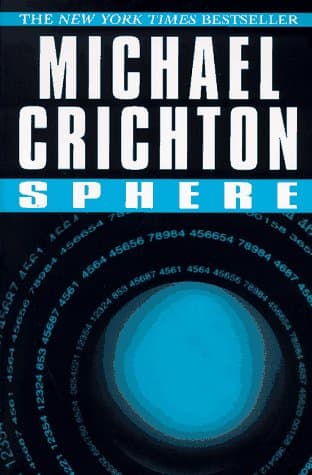
- Sphere
Michael Crichton
3.8 (167k) average on GoodreadsThrillerWhile both use isolated environments for terror, 'Cold Vengeance' grounds its horror more in human villainy, ancient curses, and ambition, focusing on a character-driven mystery. Crichton's 'Sphere' leans into hard science fiction, exploring the psychological impact of an alien artifact and existential threats, with characters often serving as vehicles for scientific concepts rather than personal quests.
- Angels & Demons
Dan Brown
3.9 (2.7M) average on GoodreadsThrillerA Harvard symbologist races through Rome's ancient sites, deciphering cryptic clues to unmask the Illuminati and stop a vengeful plot to destroy the Vatican with a stolen antimatter weapon.





Enjoyed the summary?
A summary gives you the shape of the book. The book itself has the detail, the examples and the voice.
Find Cold Vengeance on AmazonAs an Amazon Associate, BookBrief earns from qualifying purchases. How we're funded